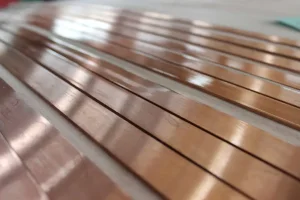
Highly customized, corrosion-proof, and wear-resistant alloy materials engineered for the maritime structures of the Pacific.
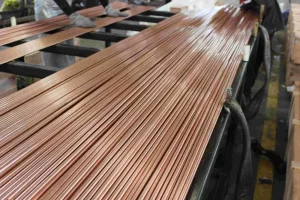
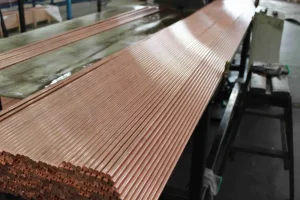
Geographic Realities and Materials Tribology: Kiribati, a nation consisting of 32 atolls and one raised coral island scattered across the central Pacific Ocean, faces distinct infrastructure and engineering constraints due to its absolute marine climate. The extremely high salinity, high ambient humidity, and isolation create a challenging operational environment for machinery. Mechanical systems in Betio Port (Tarawa), fishing fleets, public utility desalination equipment, and local generator units are continually exposed to severe sodium chloride environments that accelerate galvanic and pitting corrosion.
The Imperative for Lead Bronze Alloys: In marine engineering, copper-lead-tin alloys, generically termed *lead bronze* (such as C93200 / SAE 660 or C93700 / SAE 64), serve as critical components for mechanical wear resistance. The inclusion of lead in the copper-tin matrix behaves as a natural solid lubricant. When mechanical sliding parts experience temporary lubrication failure in seawater pumps or boat propeller shaft assemblies, the microscopic lead phase spreads across the sliding interface, preventing catastrophic galling, seizing, and destructive adhesive wear. For Kiribati's vital local sectors, sourcing high-spec metallurgical imports from authoritative international manufacturers ensures longevity, minimized down-time, and lowered life-cycle costs.
Established in 2017, Sichuan Kepai New Materials Co., Ltd. has developed into a premier high-tech enterprise focusing on research, development, casting, extrusion, and precision machining of high-conductivity, easy-to-machine, and high-strength copper alloys. Operating from the western area of the Sichuan Guanghan Industrial Development Zone, adjacent to National Highway 108, our infrastructure enables efficient transport logistics and direct global exports.
Currently, the factory covers an area of approximately 9,000 square meters, containing state-of-the-art smelting, extrusion, and drawing production lines, complemented by 1,000 square meters of dedicated administrative and R&D offices. We are deeply committed to supplying strategic copper alloys that drive developments in high-tech industries, such as new energy vehicles (NEVs), 5G networks, plasma cutting, relays, and heavy maritime systems.
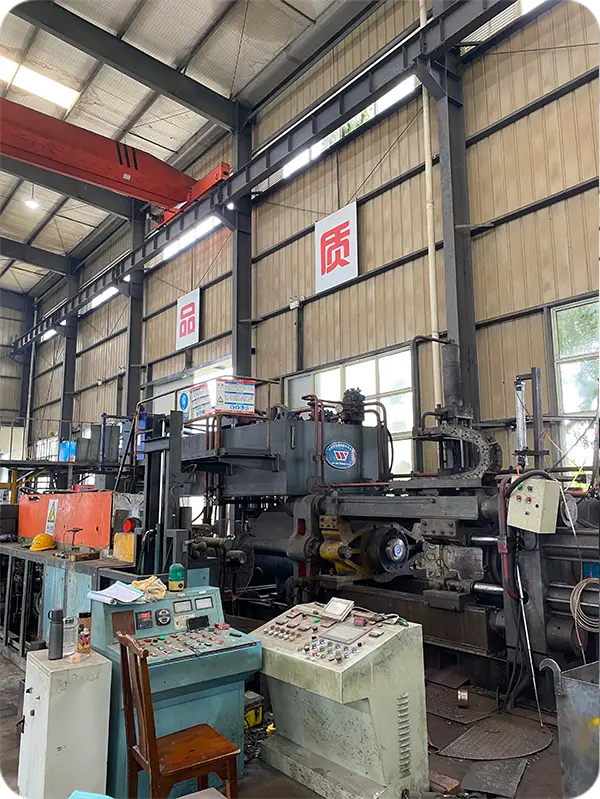
Supported by metallurgists and testing personnel utilizing continuous vacuum casting, induction smelting, and advanced micro-structural control to output homogeneous compositions.
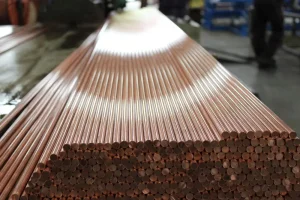
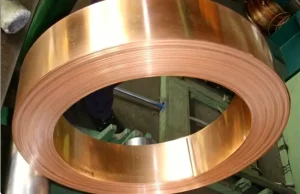
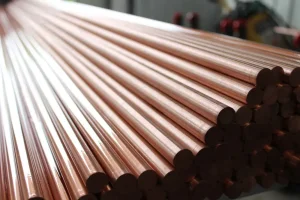
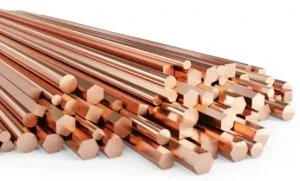
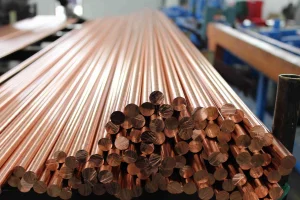
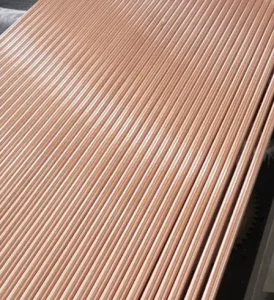
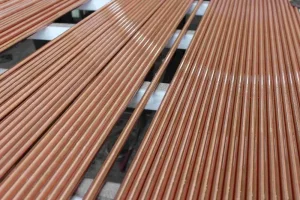
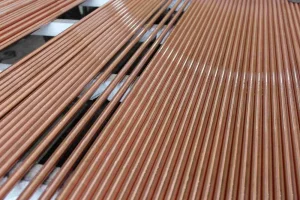
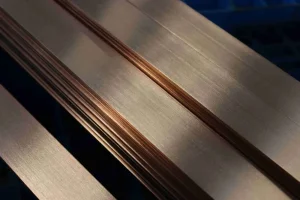
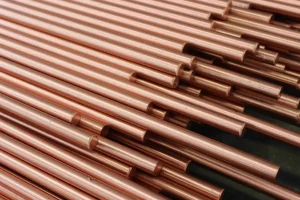
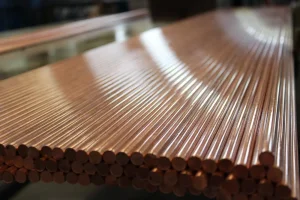
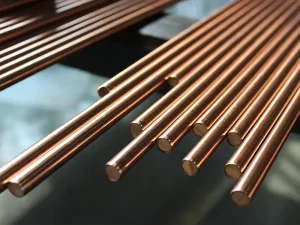
Our rich portfolio ranges from raw castings to custom extruded rods, flats, profiles, and tubes in pure copper, oxygen-free tellurium copper, lead bronze, beryllium copper, and chromium zirconium copper.
Providing oceanic shipping configuration, documentation, and technical support directly matching the procurement laws and standard tolerances required by industrial operations in Oceania.
Casting Precision and Metallurgical Consistency: Sichuan Kepai utilizes vacuum induction furnaces and continuous horizontal casting setups. This guarantees that volatile elements like lead (Pb) remain evenly distributed throughout the matrix. In low-quality lead bronze, the lead phase tends to settle or segregate due to its density, leaving parts of the casting deficient in solid lubrication properties. Kepai's tight control of temperature curves and chemical composition guarantees that your marine bushings, thrust washers, and slide plates wear uniformly, preventing sudden machinery failure.
Cost-Efficient Logistics from China to Oceania: Partnering with a Chinese manufacturer allows Kiribati entities (both public utilities like Kiribati Port Authority and private fishing operators) to source directly from the raw processing node, bypassing middleman markups. Kepai works with international freight forwarders specialized in dangerous/heavy cargo and marine logistics. Materials are packed securely in reinforced wooden boxes, coated with maritime-grade rust-preventative oil, and shrink-wrapped in vapor-barrier packaging to survive the long, humid sea voyage from Chinese shipping hubs (e.g., Shanghai or Shenzhen ports) to Tarawa Port or Kiritimati Island.
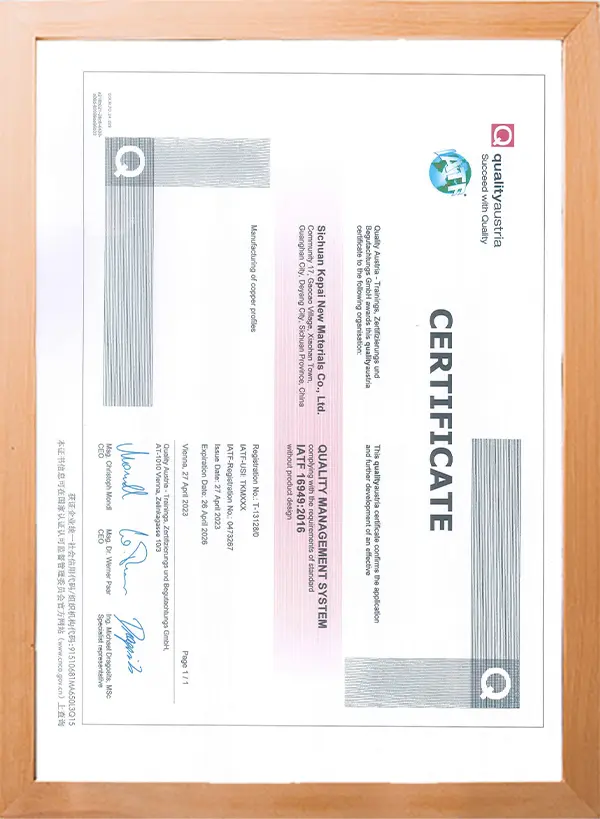
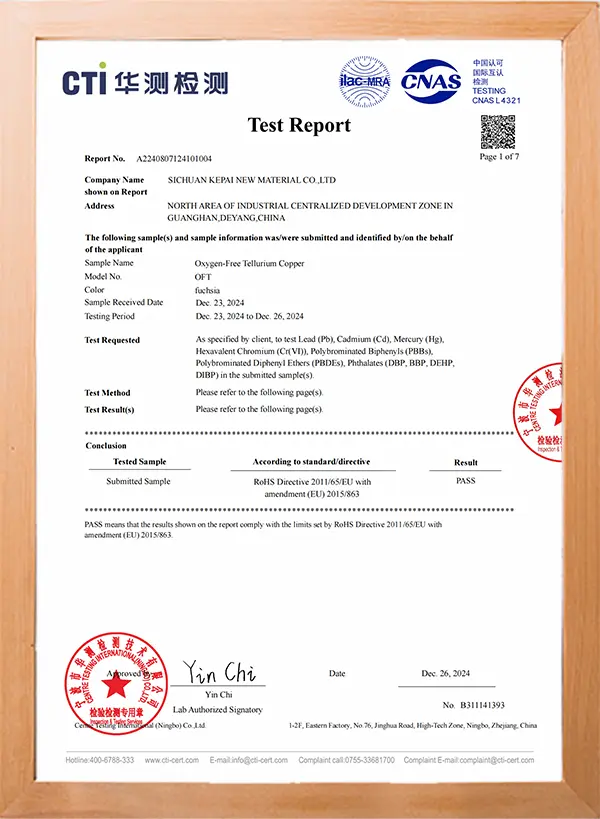
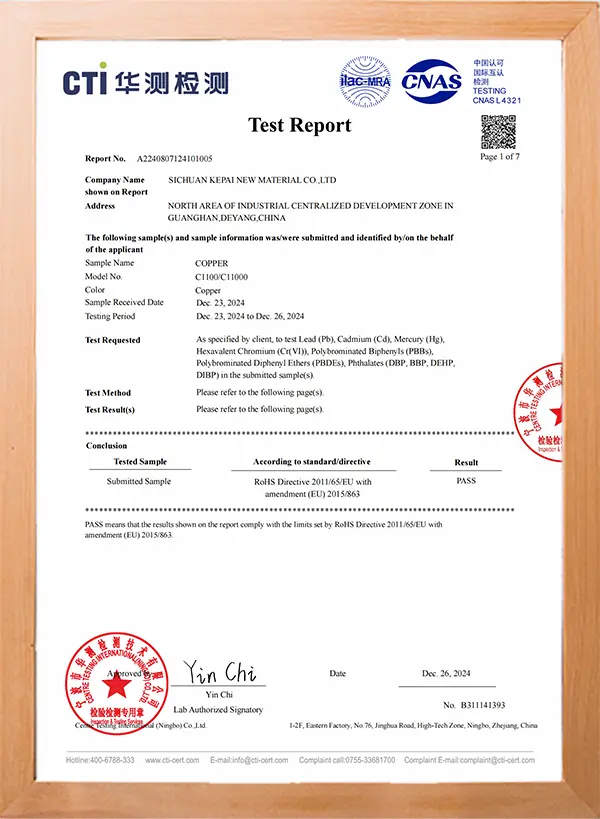
Every batch of copper alloy produced at Sichuan Kepai complies with rigorous international testing systems. Standard testing processes include chemical composition verification via optical emission spectrometers, mechanical properties testing (yield strength, tensile strength, elongation), and non-destructive testing (ultrasonic and eddy current inspections) to identify internal voids or cracks.
| Alloy Grade | Standard Equivalent | Main Characteristics | Best Application in Kiribati |
|---|---|---|---|
| Lead Bronze | ASTM B505 / C93200 | Self-lubricating, outstanding wear resistance under heavy loads | Piston pin bushings, marine stern tube bearings, sea pump sleeves |
| Tellurium Copper | ASTM C14500 | Excellent conductivity, high machinability, arc resistance | Solar electrical connectors, heavy-duty marine relay switches |
| Beryllium Copper | ASTM C17200 / C17300 | Extreme yield strength, non-sparking, fatigue resistant | Subsea instrumentation housings, explosion-proof maritime tools |
| Oxygen-Free Copper | C10100 / C10200 | Highest purity (>99.99%), zero hydrogen embrittlement | High-voltage undersea power cable conductors, electrical joints |
Every stage of production—from smelting to chemical testing—is backed by specialized industrial machinery to guarantee the highest E-E-A-T manufacturing standards.
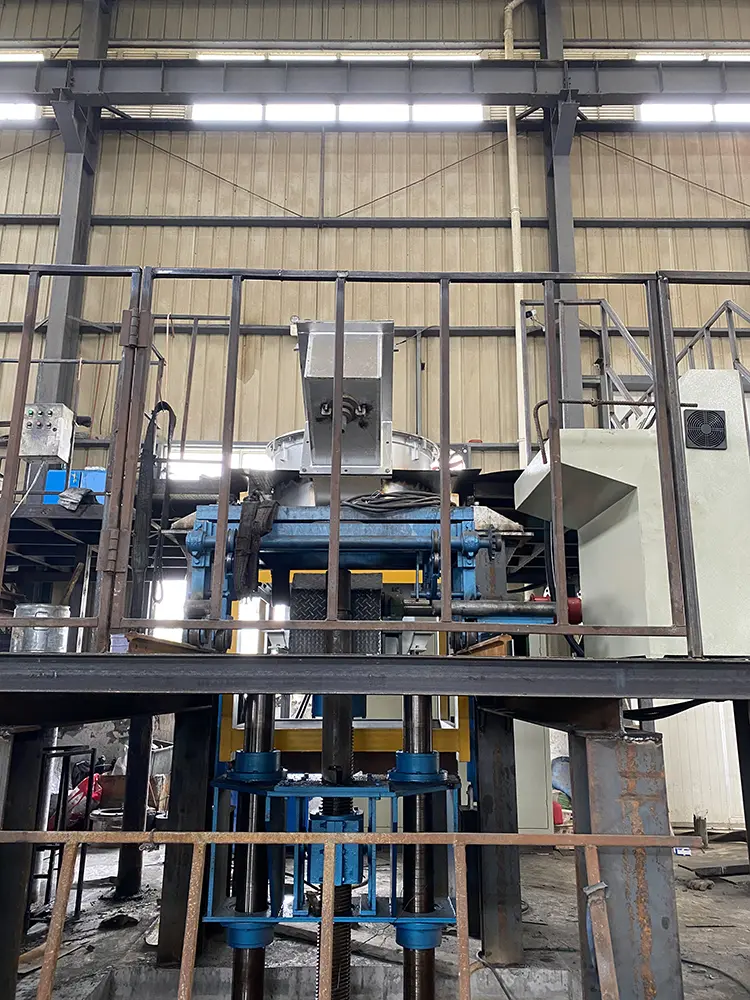
Smelting & Casting
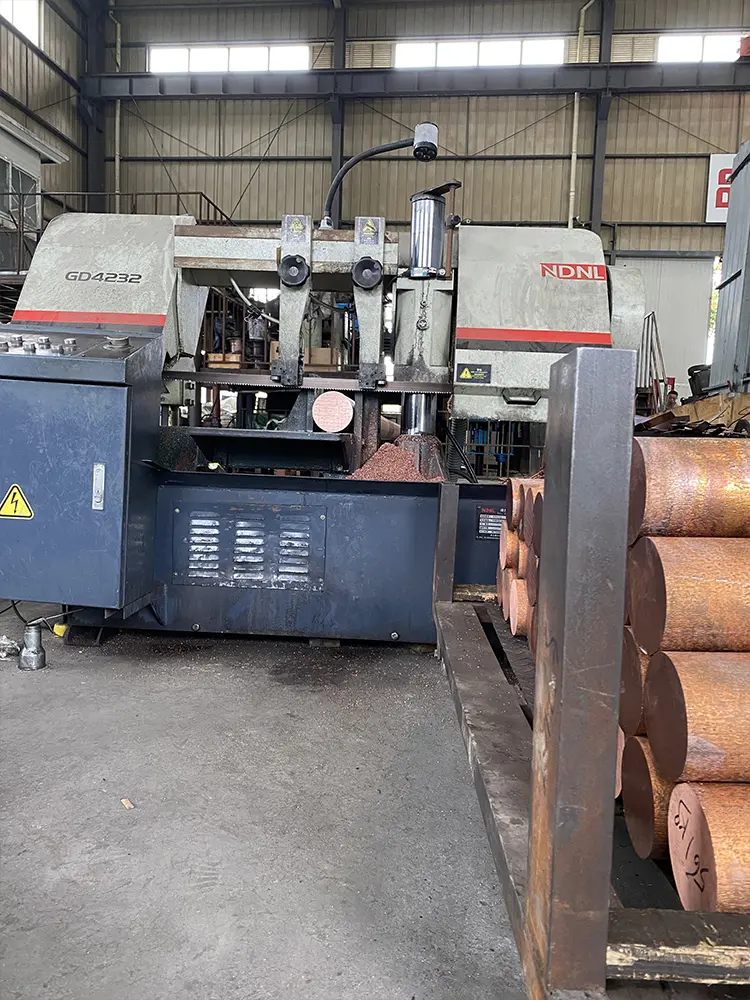
Laying-off & Cutting
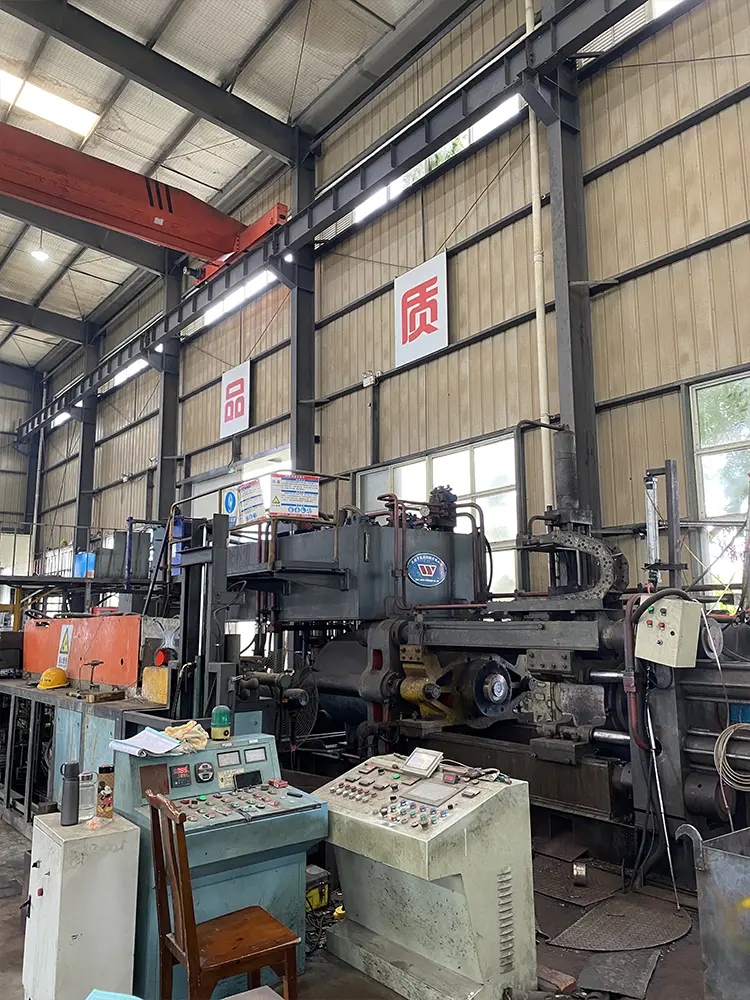
Hot Extrusion Press
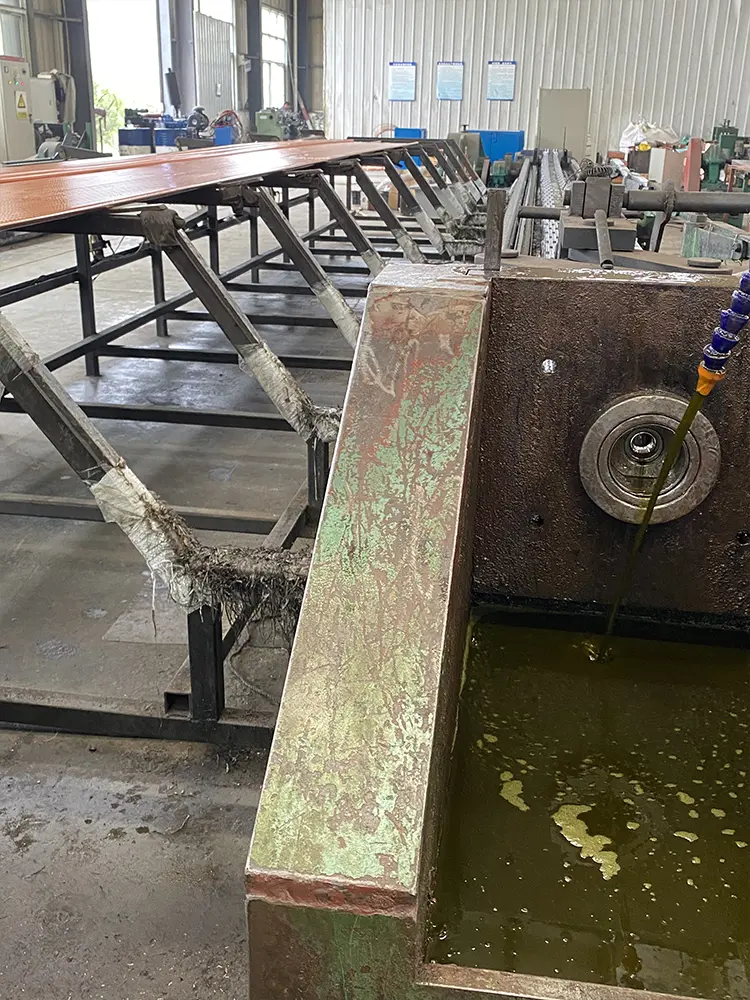
Precision Cold Drawing
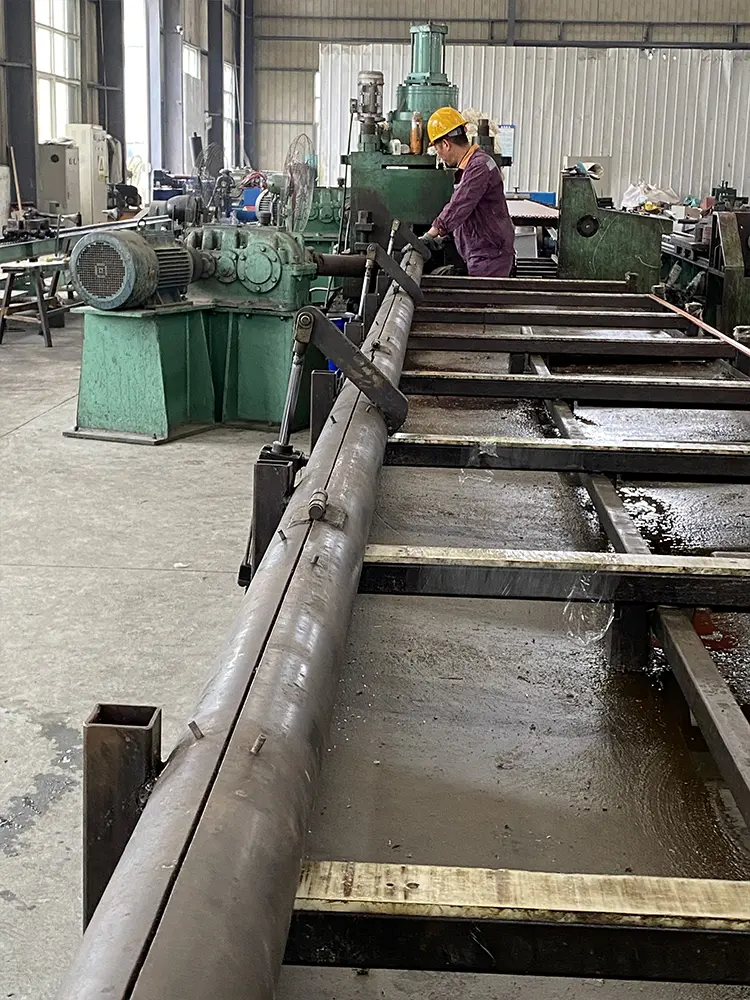
Linear Straightening
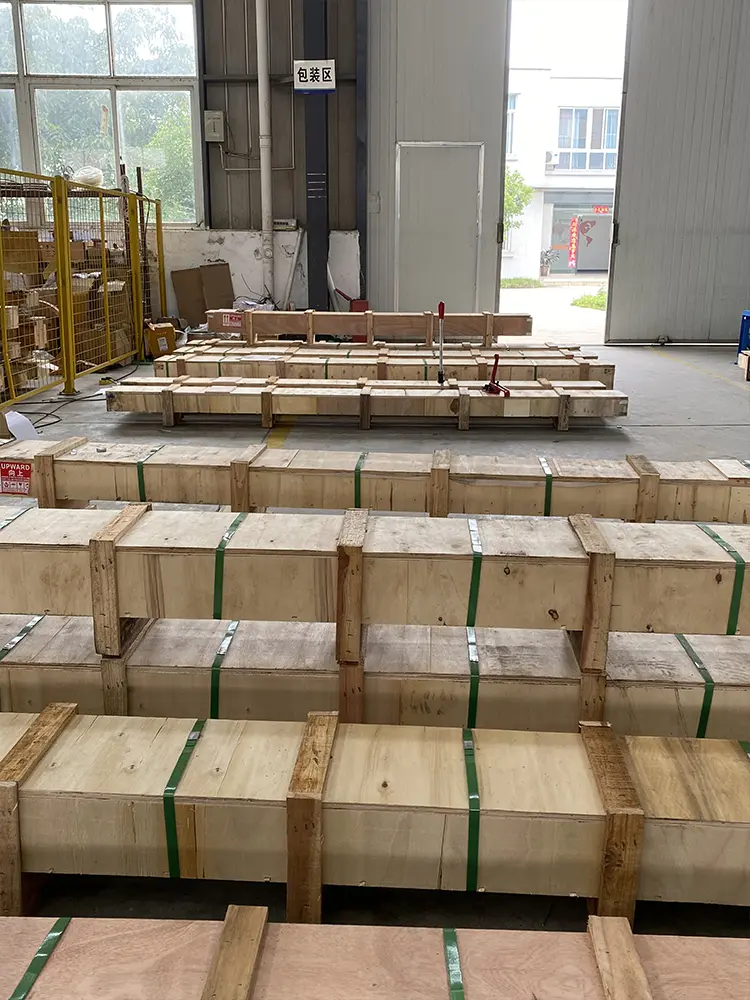
Anti-Corrosive Packaging
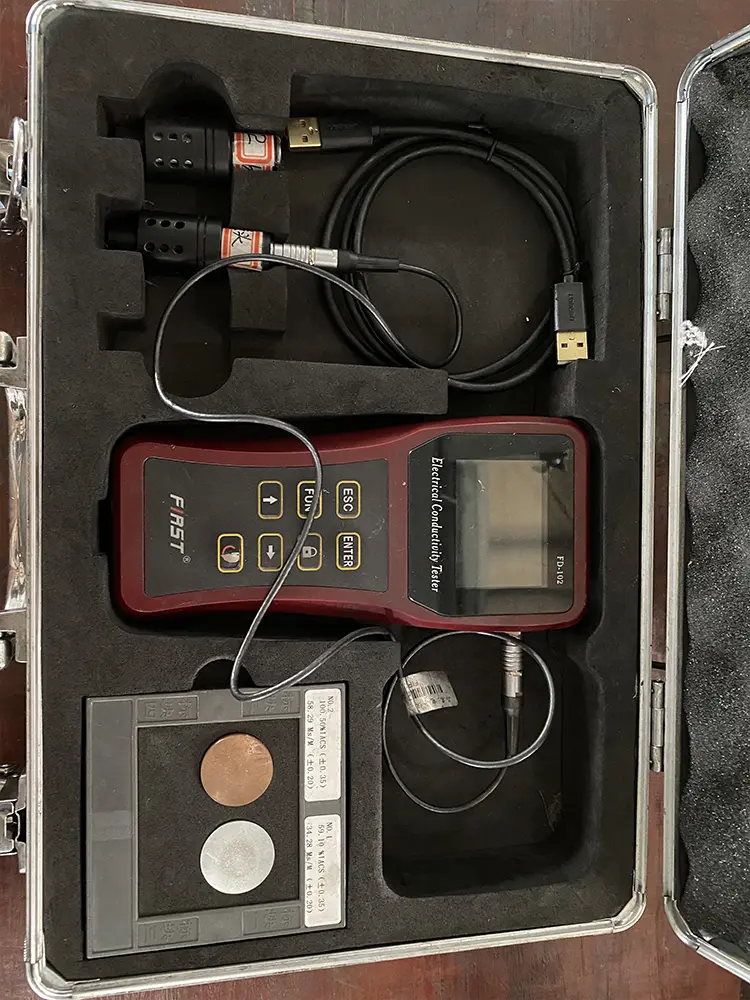
Eddy Current Conductance Meter
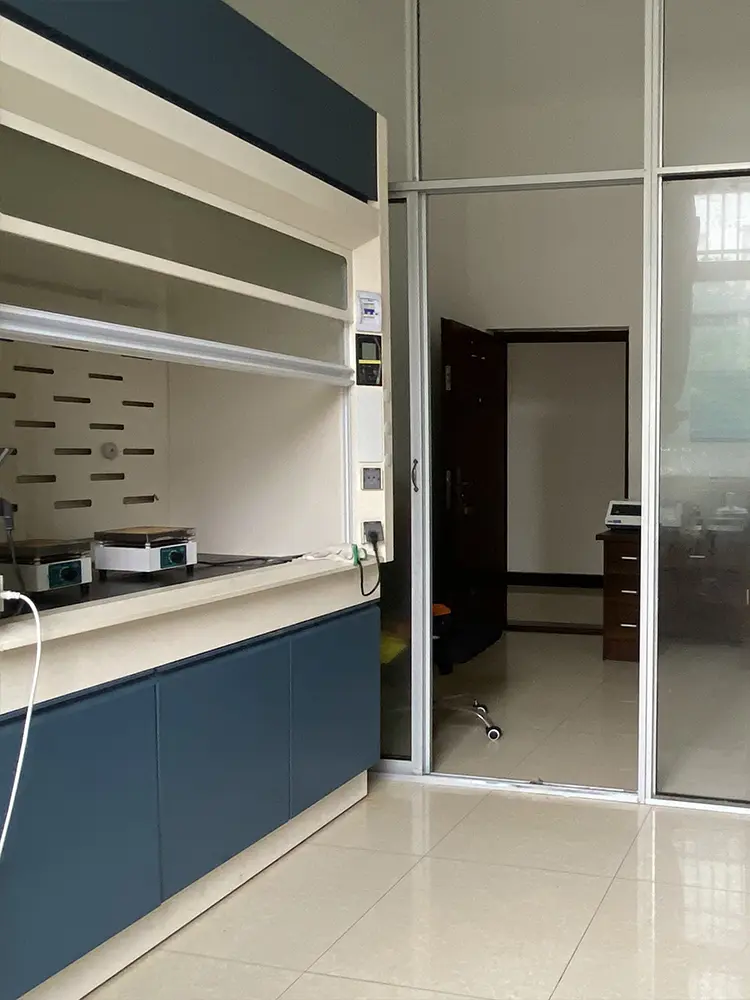
Chemical Composition Test Room

Metallographic Polisher
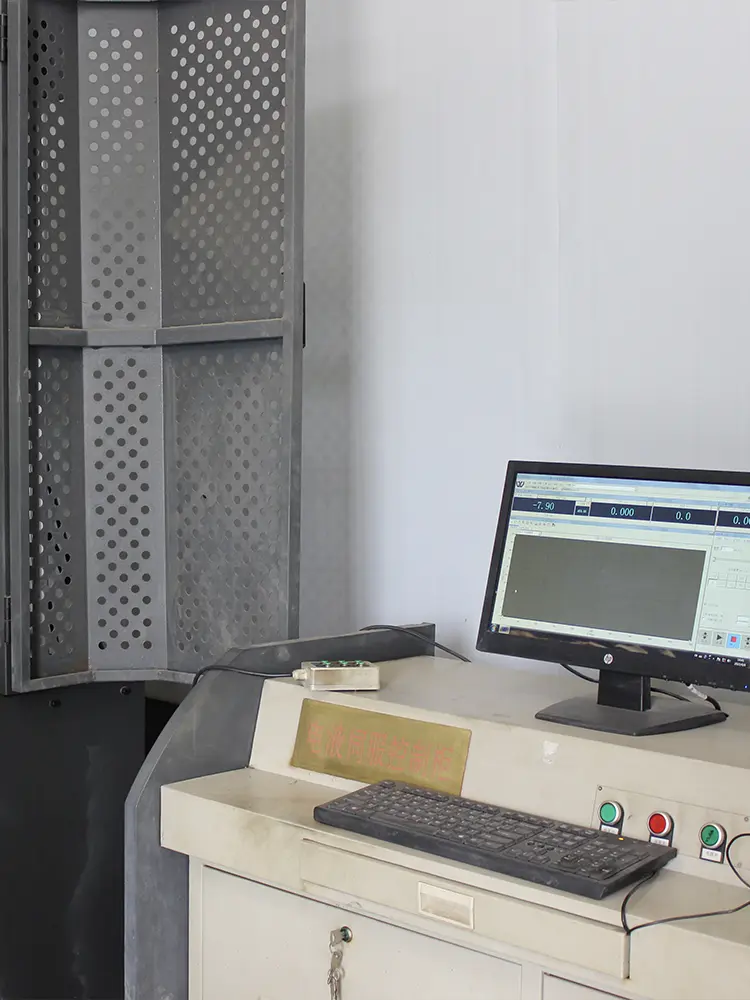
Electro-Hydraulic Servo Tester
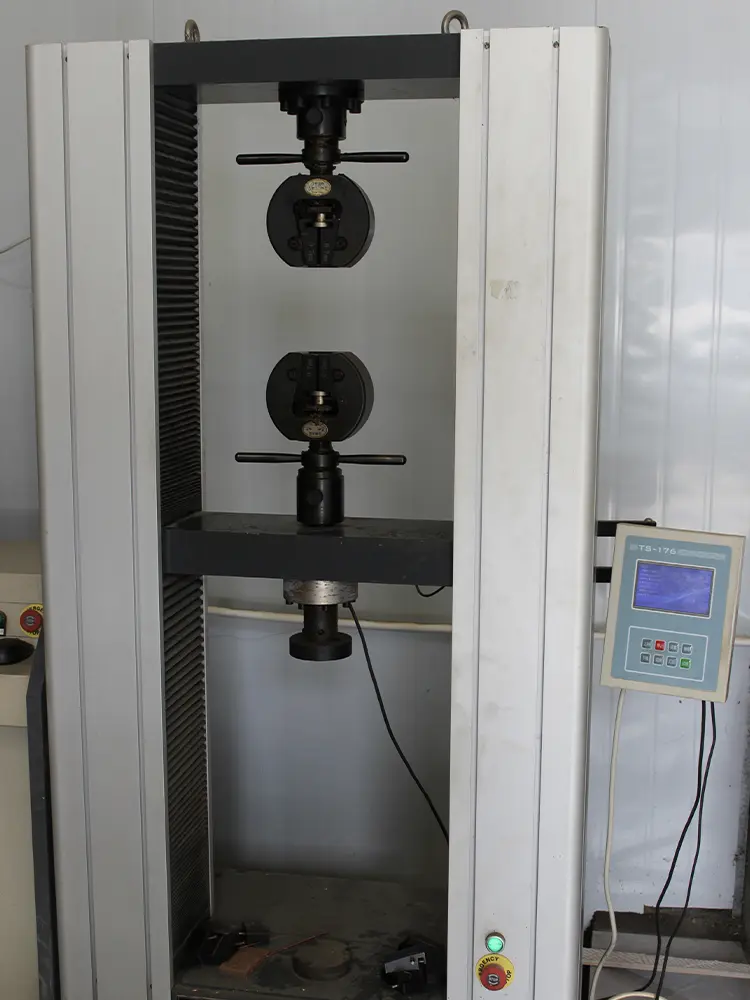
Electronic Universal Tester
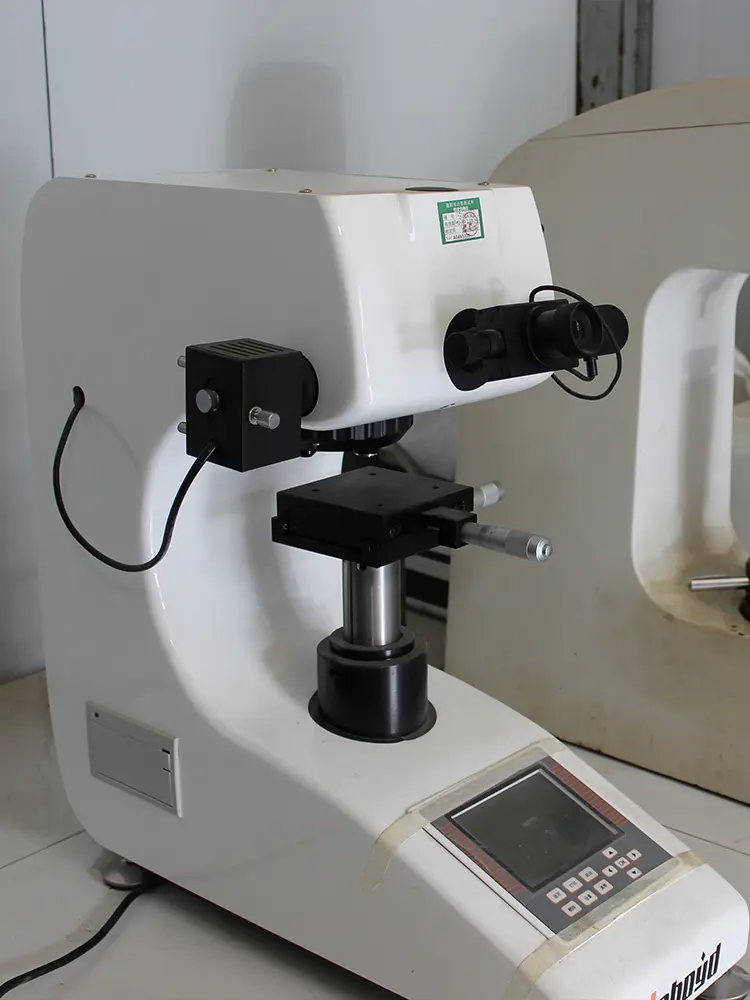
Hardness Testing System
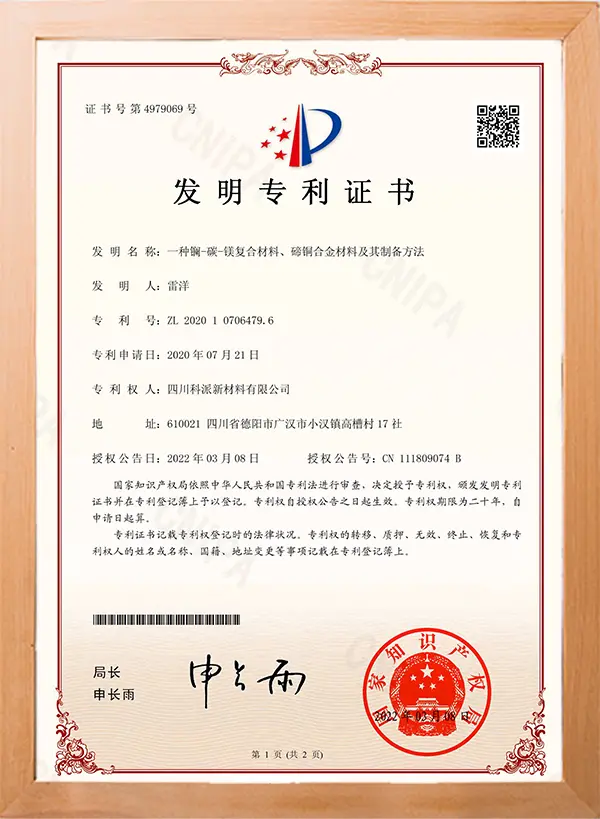
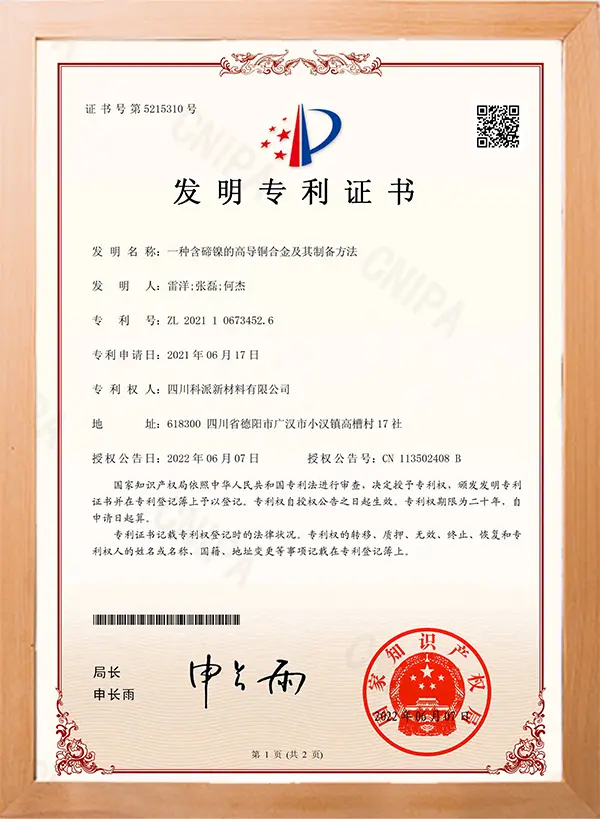
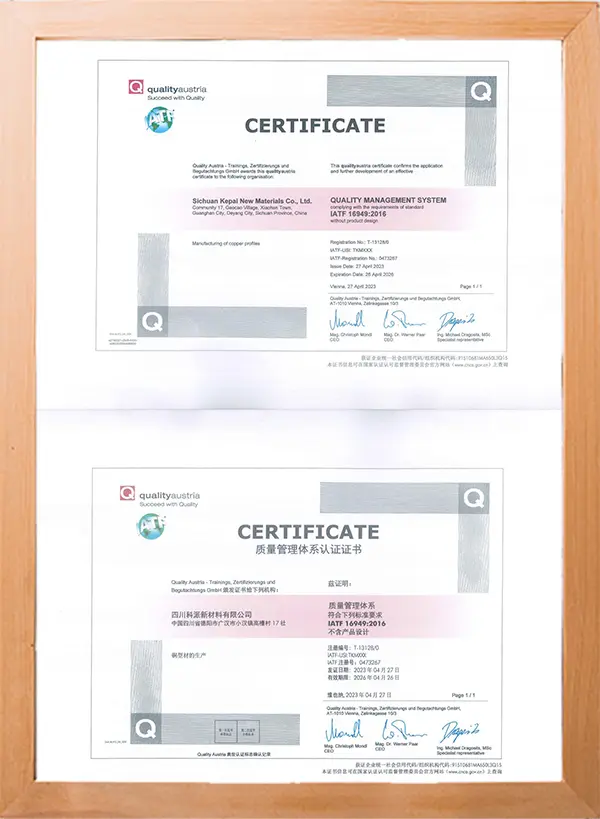
Verified compliance certificates proving Sichuan Kepai's metallurgical processes, environmental standards, and quality management systems.
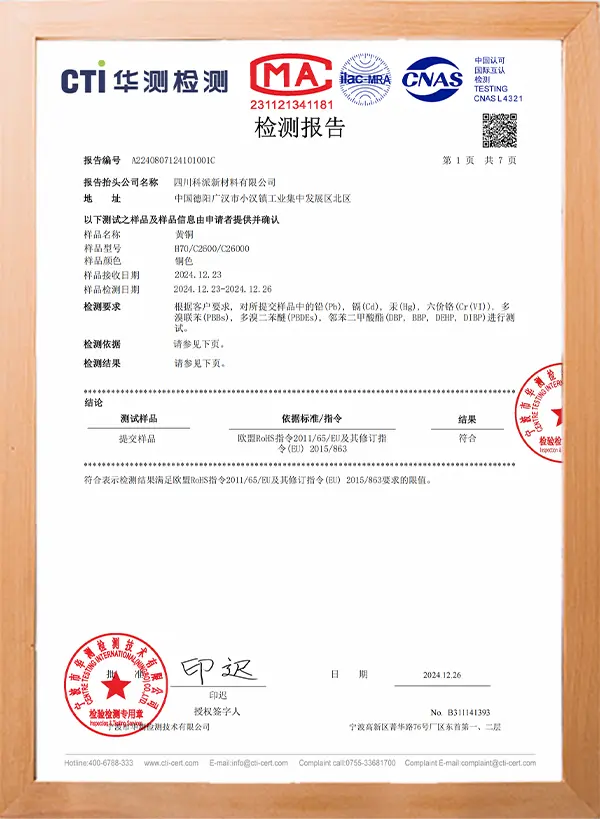
Technical clarifications, sourcing guidelines, and material questions related to copper alloys and maritime applications in Kiribati.
Explore our full selection of high-conductivity, wear-resistant, and high-strength custom alloys engineered to support your operations.
Whether you are managing marine repairs in Betio, upgrading power distribution arrays, or searching for reliable high-volume industrial extrusion factories in China—Sichuan Kepai provides the metallurgical consistency, testing compliance, and transoceanic logistics protection your projects require.
 Kepai
Kepai