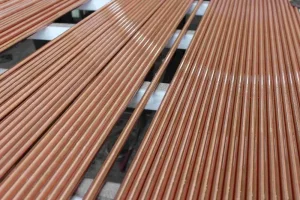
Explore our high-performance strategic metal components engineered for high-conductivity, aerospace, and energy infrastructure projects.
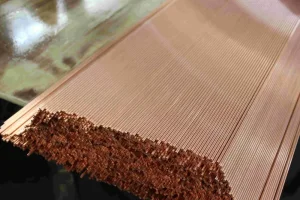
Understanding the microstructural mechanics that separate Chromium-Zirconium-Copper from standard industrial conductors.
In the landscape of modern heavy industry, electrical infrastructure, and high-temperature manufacturing, standard pure copper fails to meet the mechanical demands of extreme environments. Pure copper possesses excellent electrical conductivity, but it begins to soften and lose structural stability at approximately 200°C. To bridge this performance gap, metallurgists developed C18150 (Chromium Zirconium Copper / CuCr1Zr). This strategic alloy blends trace amounts of Chromium (typically 0.5% to 1.5%) and Zirconium (typically 0.05% to 0.25%) with high-purity copper, achieving an ideal balance of mechanical strength and superior thermal-electrical conductance.
The superior properties of C18150 are achieved through a specialized process called precipitation hardening (also known as age hardening). During the initial thermal treatment phase (solution heat treatment), the copper matrix is heated to a temperature where the chromium and zirconium elements form a solid solution. The material is then rapidly quenched in water, freezing these solutes in place. Following quenching, the alloy undergoes an aging process at a controlled temperature range of 450°C to 500°C. This forces the solute atoms to precipitate out as microscopic intermetallic compounds distributed uniformly within the copper grain structure. This dispersion strengthening mechanism blocks dislocation movements, vastly boosting the alloy's yield strength and hardness while keeping its electrical conductivity rating high—often exceeding 80% IACS (International Annealed Copper Standard).
| Property Parameter | C18150 (CuCr1Zr) Value | C11000 (Pure ETP Copper) | C17200 (Beryllium Copper) |
|---|---|---|---|
| Electrical Conductivity | 80% - 85% IACS | 101% IACS | 15% - 25% IACS |
| Tensile Strength (MPa) | 480 - 540 MPa | 220 - 340 MPa | 1100 - 1300 MPa |
| Softening Temperature | 500°C | 200°C | 350°C |
| Hardness (HRB) | 75 - 85 HRB | 40 - 50 HRB | 36 - 42 HRC |
Sichuan Kepai New Material Co., Ltd. is positioned at the forefront of the precision copper alloy supply chain, driving high-performance solutions since 2017.
Why procurement managers in EV, Aerospace, and Power Transmission sectors select C18150 as a core strategic material.
Global procurement teams face escalating pressure to source materials that reduce downtime and resist thermal wear. In automated manufacturing, especially within the automotive and electronics supply chains, components are pushed to higher current loads and increased operating cycles. Standard brass or bronze alloys fail under these conditions. C18150 acts as a core engineering solution, resolving structural failures in demanding industrial environments.
In automotive production lines, robotic resistance spot-welding systems perform thousands of welds daily, joining high-strength steel sheets or lightweight aluminum frames. The welding electrodes must withstand extreme mechanical clamping pressure while carrying high electrical currents. C18150 is the industry standard for these electrode tips because it resists deformation at elevated temperatures. This properties prevent the tips from mushrooming or sticking to galvanized steel sheets, ensuring consistent weld quality and extending electrode service life.
The shift toward battery-electric transport has increased the demand for high-current connectors. Inside battery packs, and within liquid-cooled ultra-fast charging stations, materials must carry hundreds of amperes without generating excessive heat. C18150's balance of conductivity and resistance to thermal softening makes it a reliable choice for EV busbars, contact pins, and terminal blocks. It maintains contact pressure over years of thermal cycling, reducing risks of connection failure or thermal runaway.
In continuous casting steel mills, mold liners must transfer heat rapidly from liquid steel to cooling systems. These parts must resist thermal fatigue and abrasive wear from moving metal. C18150 is widely utilized for casting molds, combustion chamber components in rocketry, and high-temp heat exchangers due to its stable thermal conductivity and mechanical strength at elevated temperatures.
Delivering high-performance, high-quality end-to-end copper alloy products through deep R&D and manufacturing capacity.
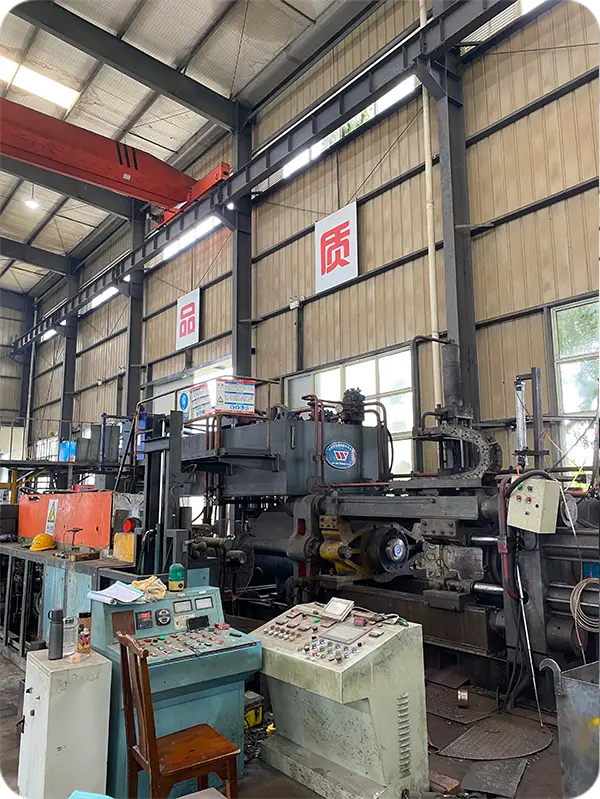
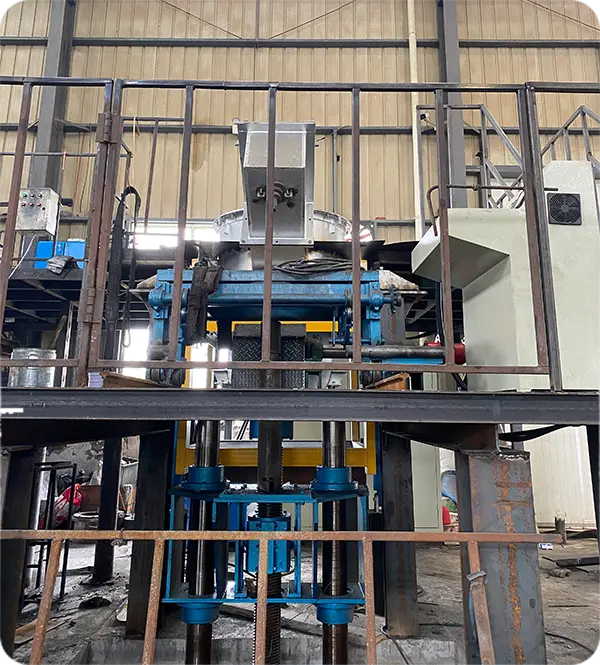
Technological innovation is our core competitiveness. Our R&D and production teams consist of senior industry experts who trace international metalworking trends to expand the limits of copper alloy metallurgy. Through independent research and academic partnerships, Kepai has developed advanced solutions in tellurium copper, lead copper, and sulfur copper. Many of our technological achievements meet international performance standards, providing solutions for electric vehicles, precision machining, plasma cutting, relays, and industrial energy storage.
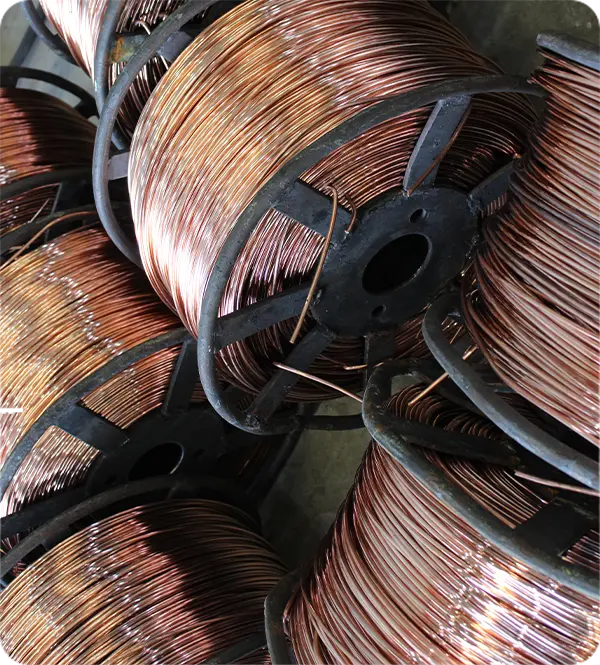

Kepai offers a comprehensive product range, supporting custom alloy compositions. We supply high-performance, high-quality copper alloy solutions, including pure copper, oxygen-free copper, oxygen-free high-conductivity tellurium copper, nickel tellurium copper, tin bronze, beryllium copper, lead bronze, sulfur copper, and chromium zirconium copper (C18150). These alloys help clients reduce production costs and improve component reliability, delivering practical economic benefits.

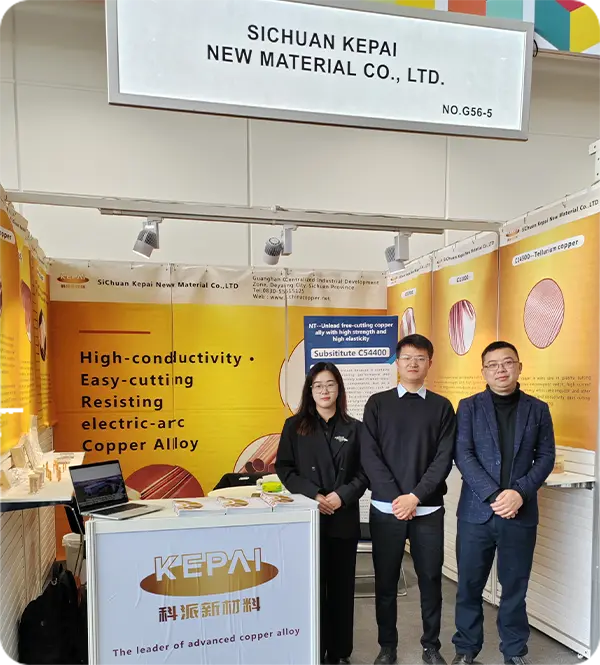
We follow a clear strategy: "rooted locally, radiating nationwide, and serving global industries." By optimizing our distribution network and international shipping paths, we provide materials to major domestic manufacturing centers and key export markets. We maintain long-term partnerships with multinational industrial companies, helping build Kepai's brand reputation across North America, Europe, and Asia.
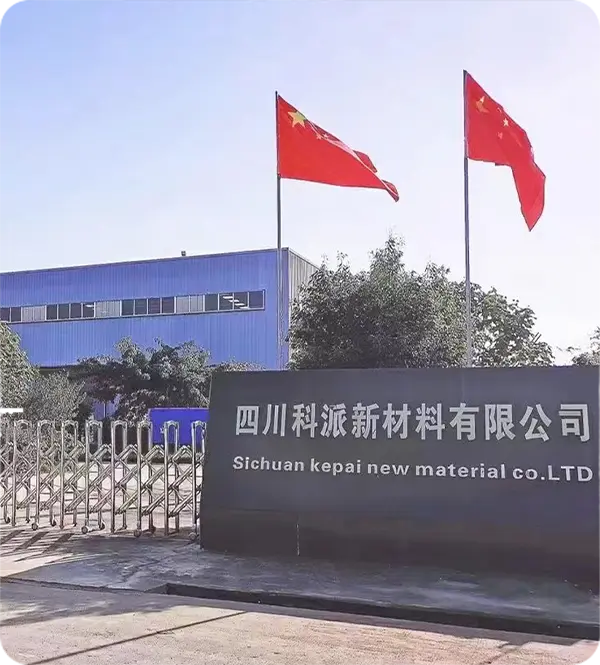

Long-term business development relies on shared values. We emphasize "integrity, innovation, collaboration, and mutual growth," encouraging team members to solve complex metallurgical problems while maintaining an inclusive work environment. By focusing on excellence, we build trust with our global clients and industry partners.
Inside Kepai's manufacturing facilities: how we process raw elements into precision industrial alloys.
Producing C18150 requires precise control over composition ratios and thermal treatments. A minor error in chromium or zirconium levels can lower the alloy's electrical conductivity or cause premature cracking under thermal load. Kepai implements strict quality control steps at each phase of production, from raw material selection to final packaging.
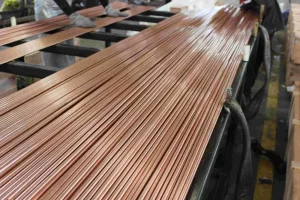
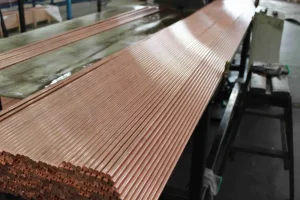
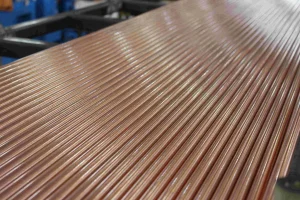
Our manufacturing process starts with vacuum induction melting. Here, high-purity copper is melted, and specific amounts of chromium and zirconium are added under protective atmospheres to prevent oxidation. The liquid metal is cast into billets, which then undergo hot extrusion to refine the grain structure. After extrusion, the bars or wires are cold-drawn to their final dimensions, increasing their tensile strength through work hardening. Finally, the material is aged in controlled furnaces to form the hardening precipitates, followed by straightening and surface polishing.
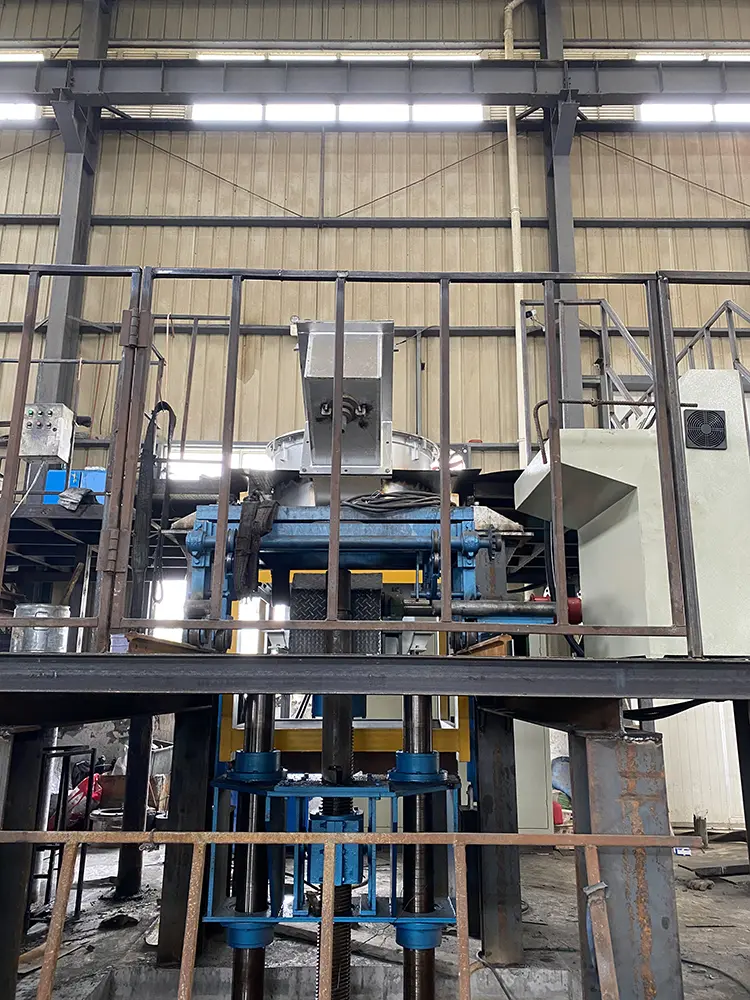
Smelting Furnace
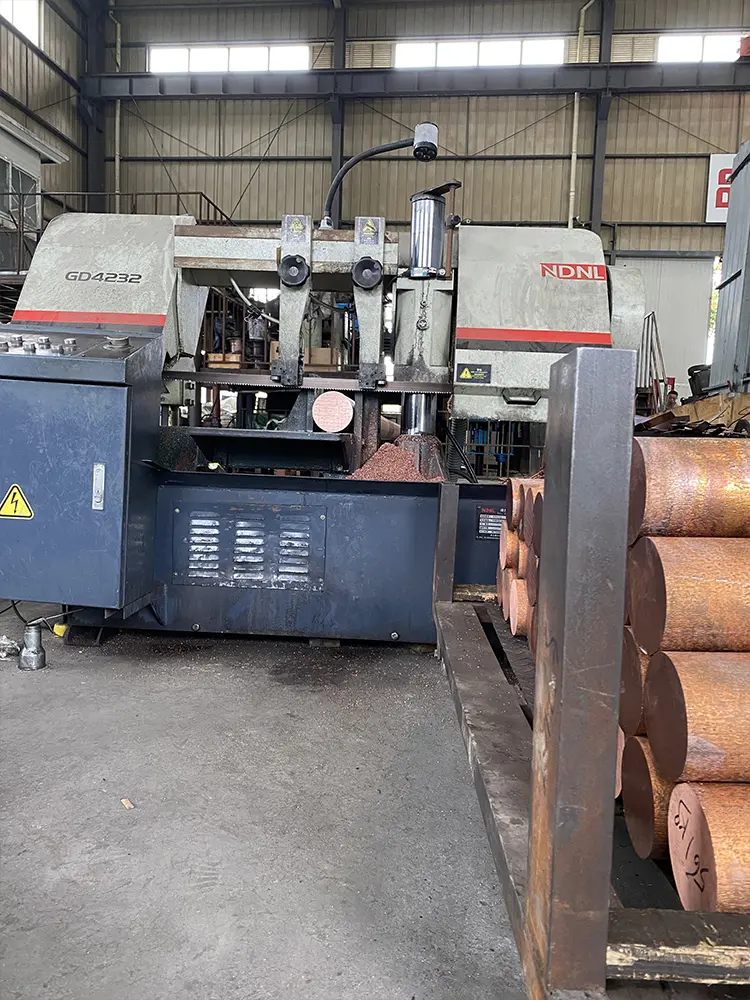
Laying-off Machine
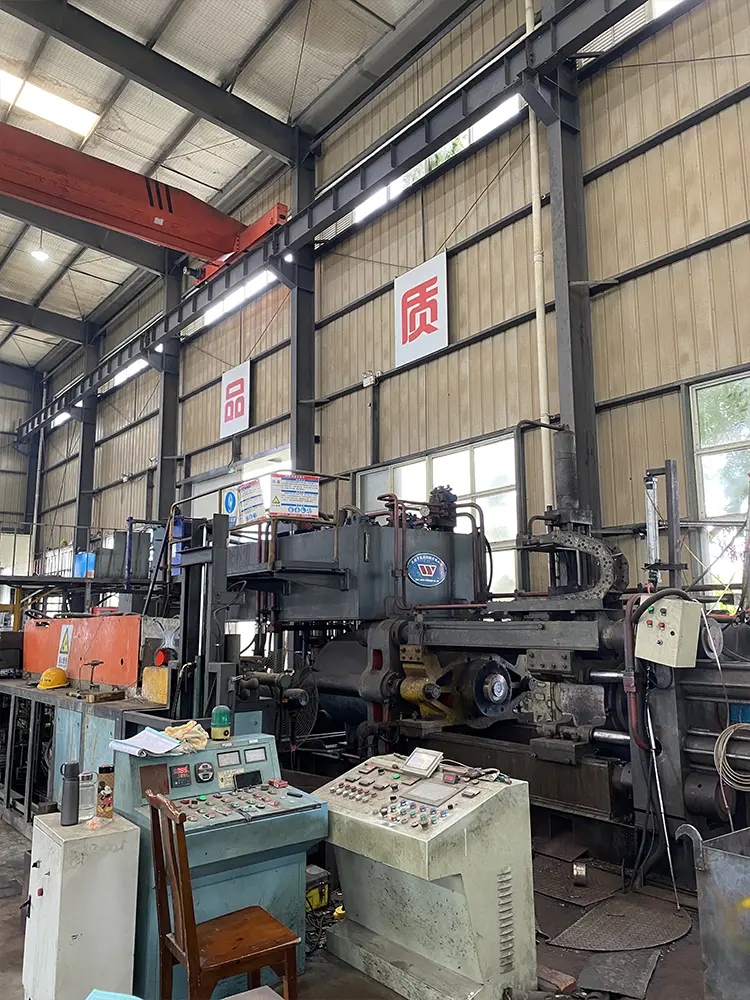
Extrusion Press
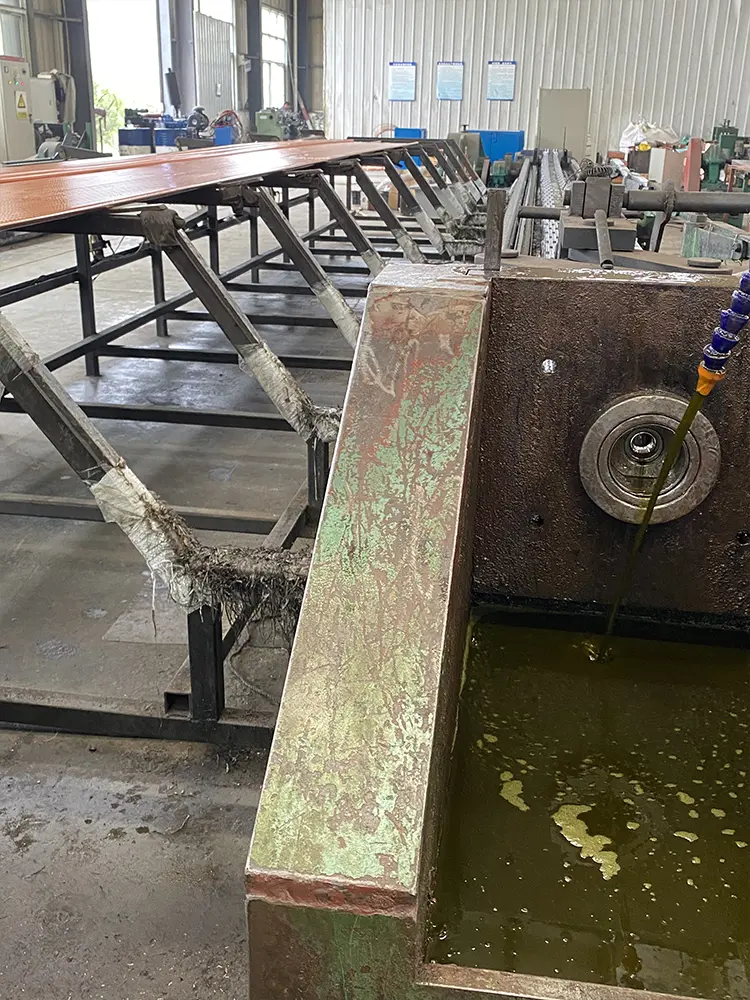
Precision Drawing
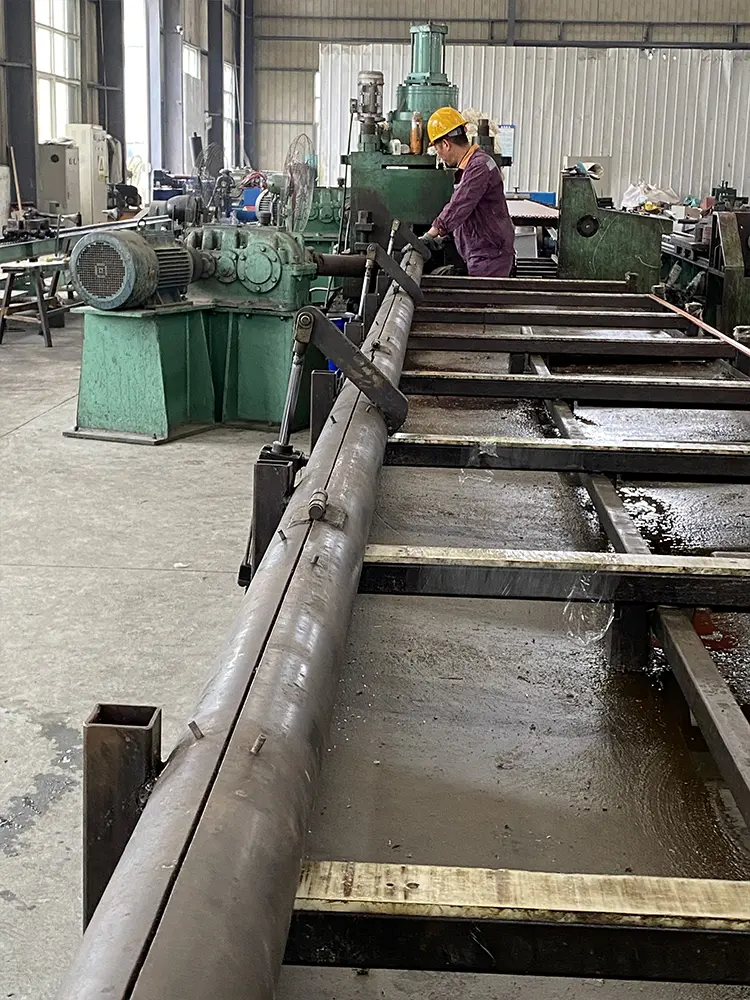
Straightening Equipment
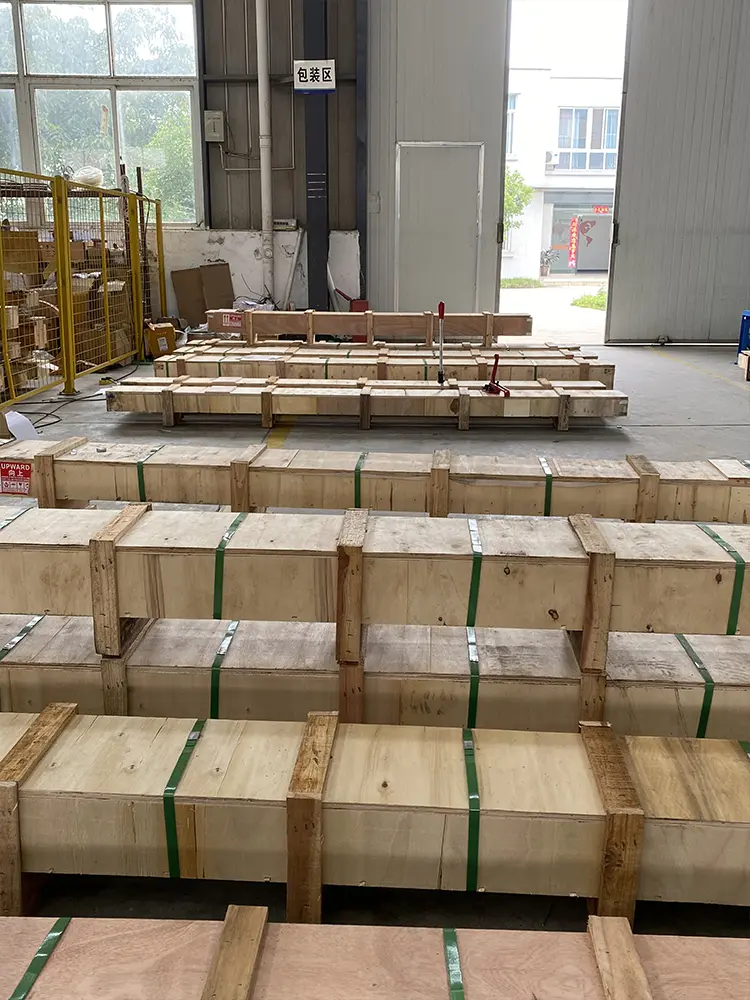
Secure Packaging
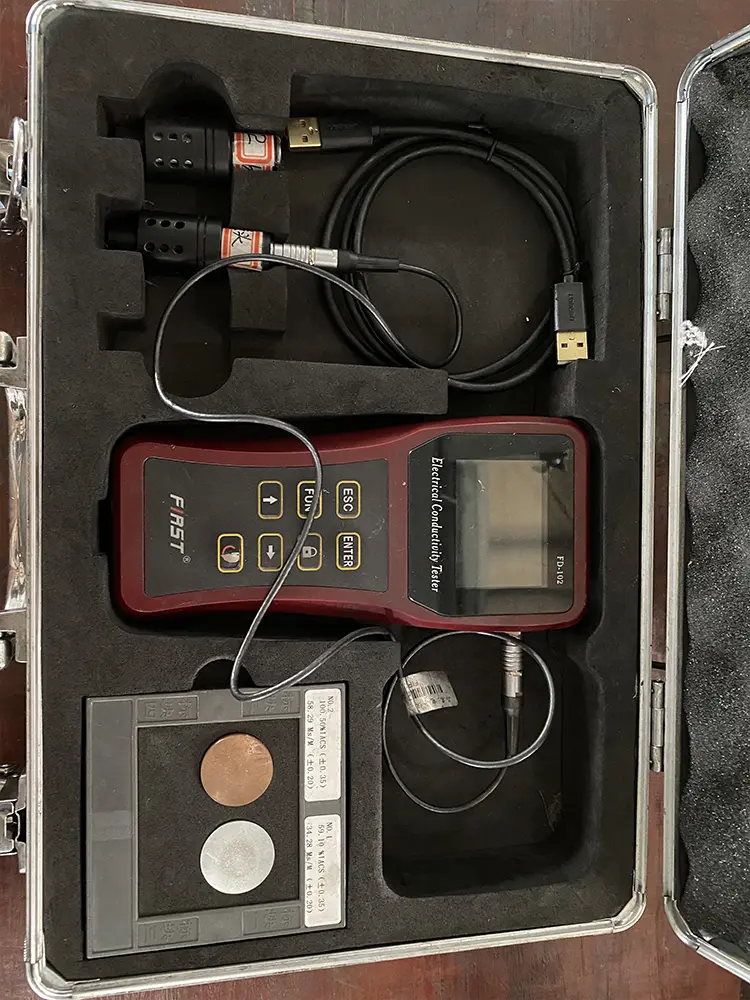
Eddy Current Conductance
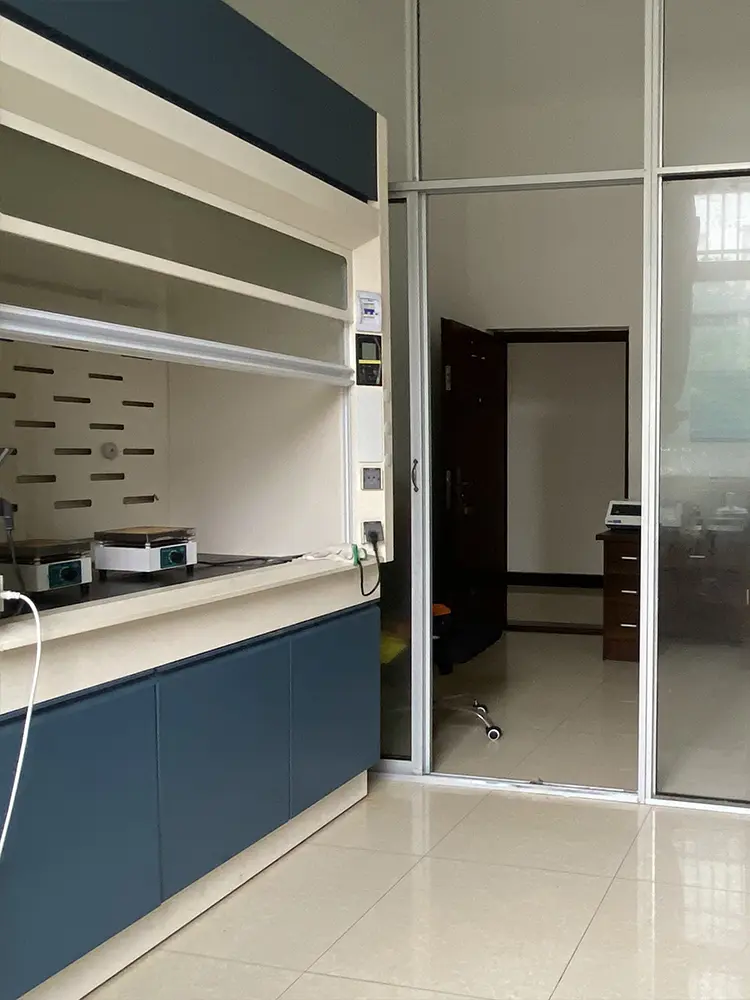
Chemical Composition Lab

Metallographic Polisher
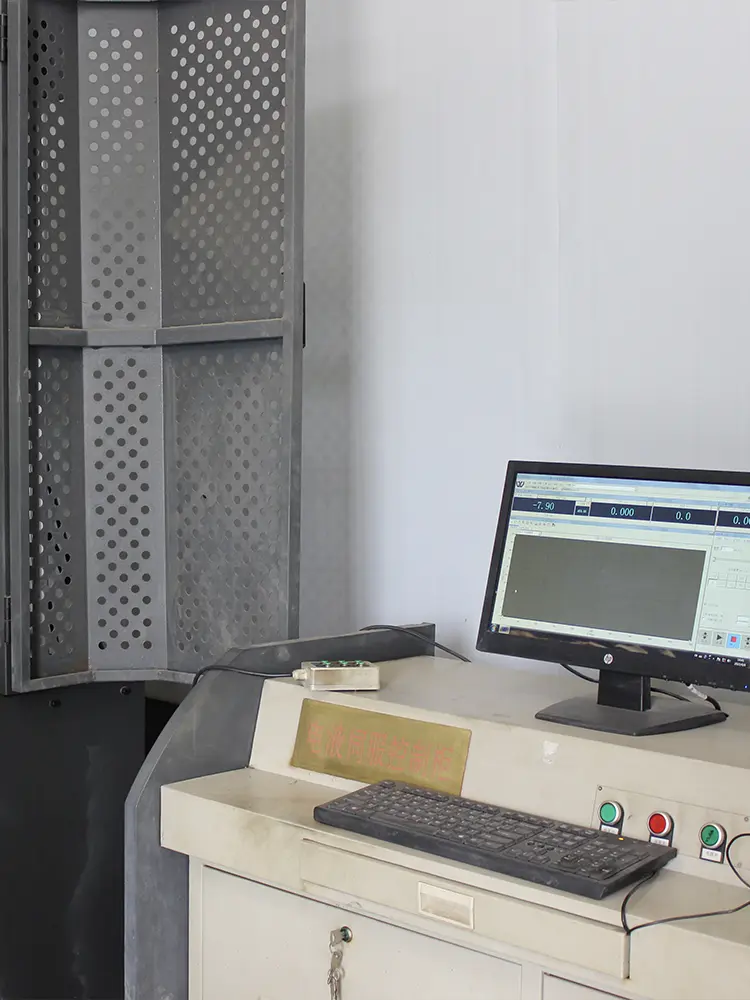
Electro-Hydraulic Servo Tester
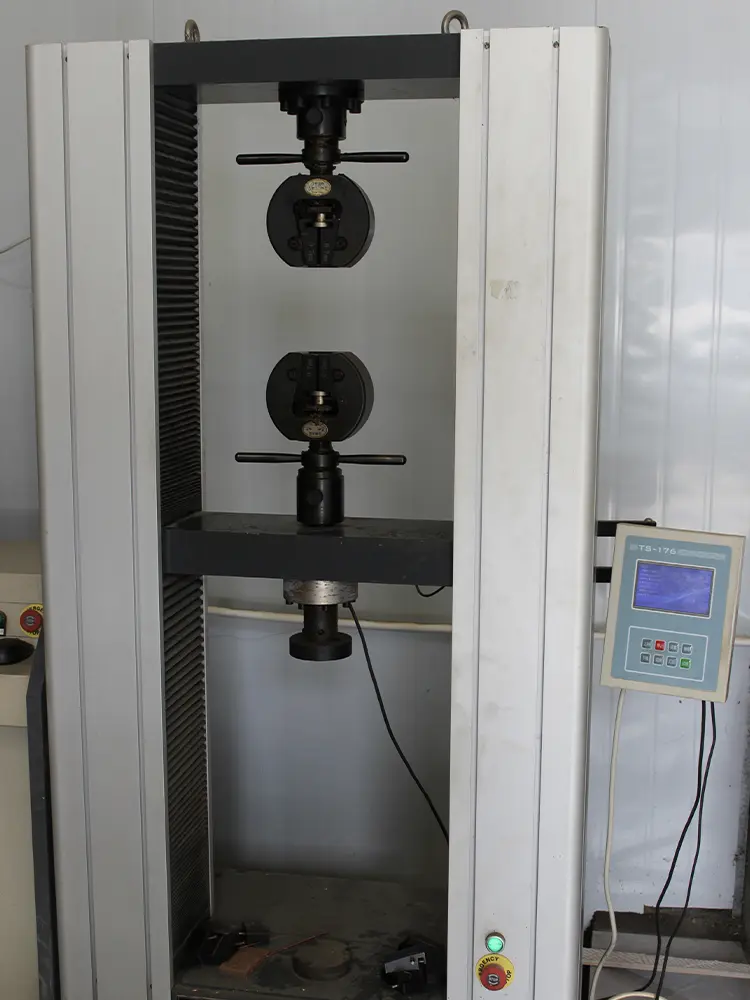
LCD Electronic Tester
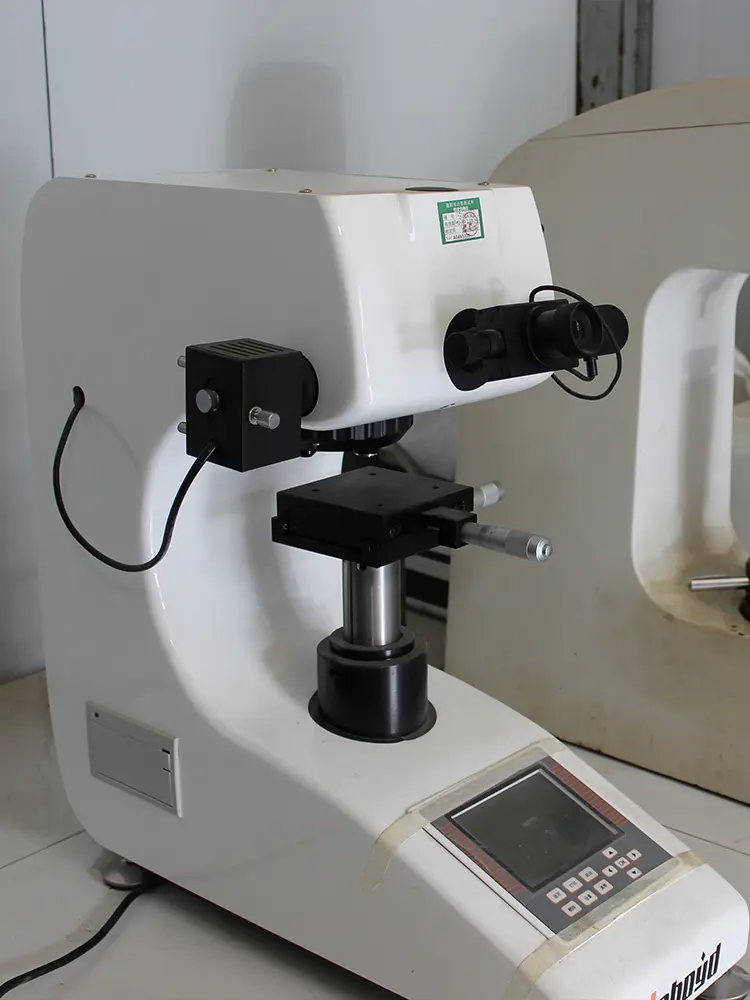
Hardness Tester
Our production facilities meet international standards, supporting reliability and smooth customs clearance for export.
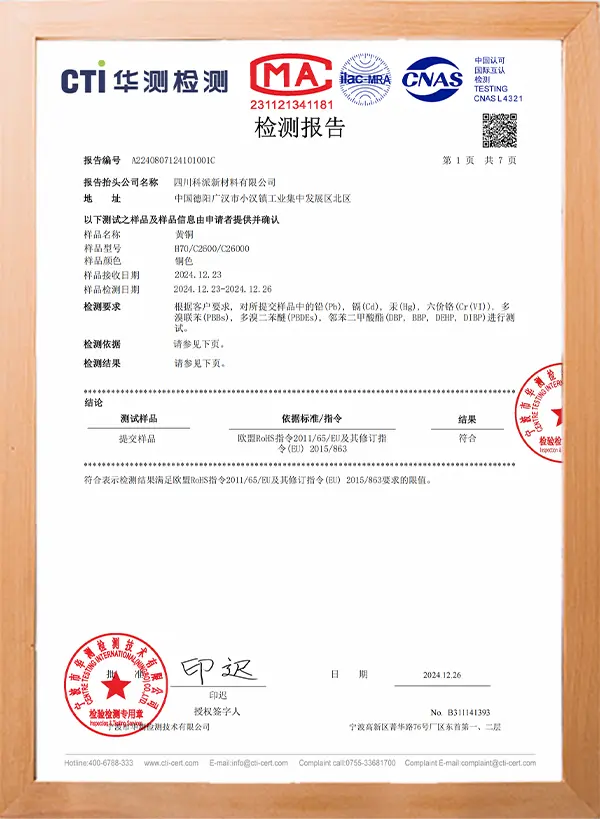
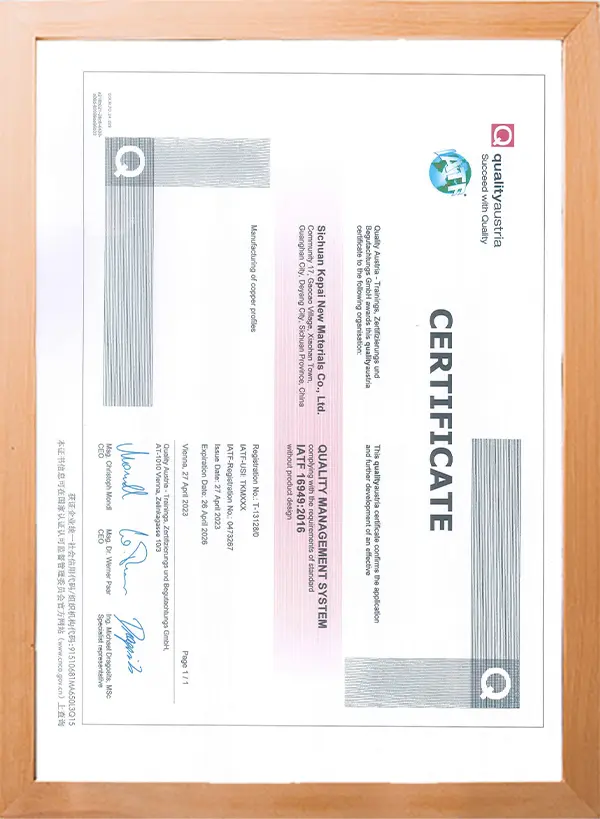
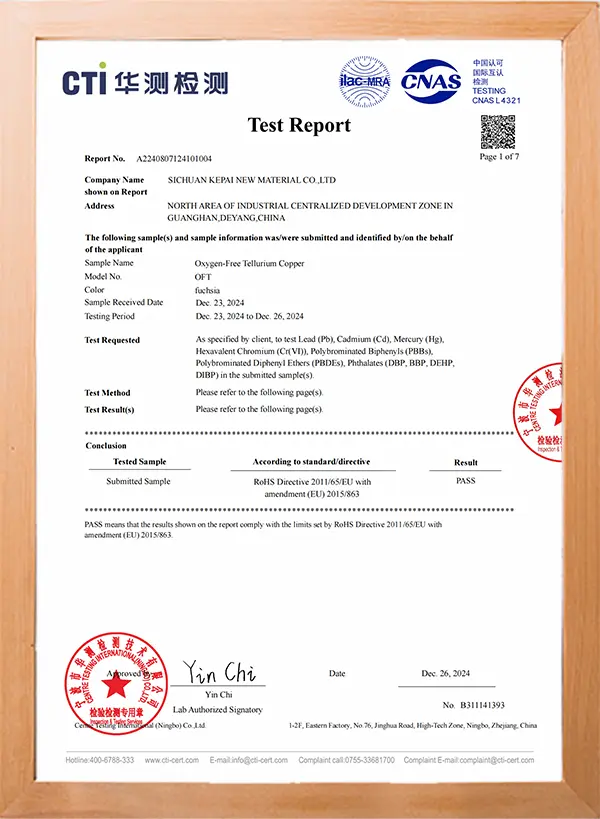
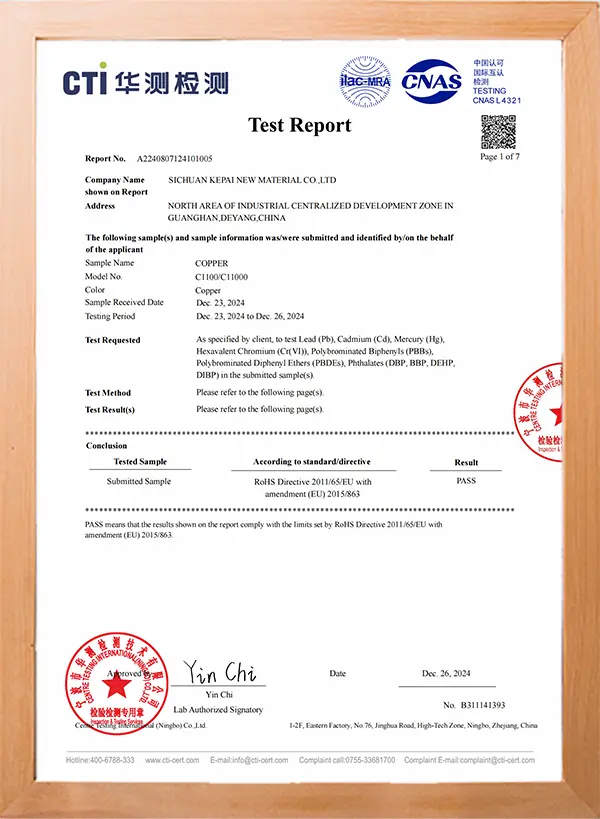
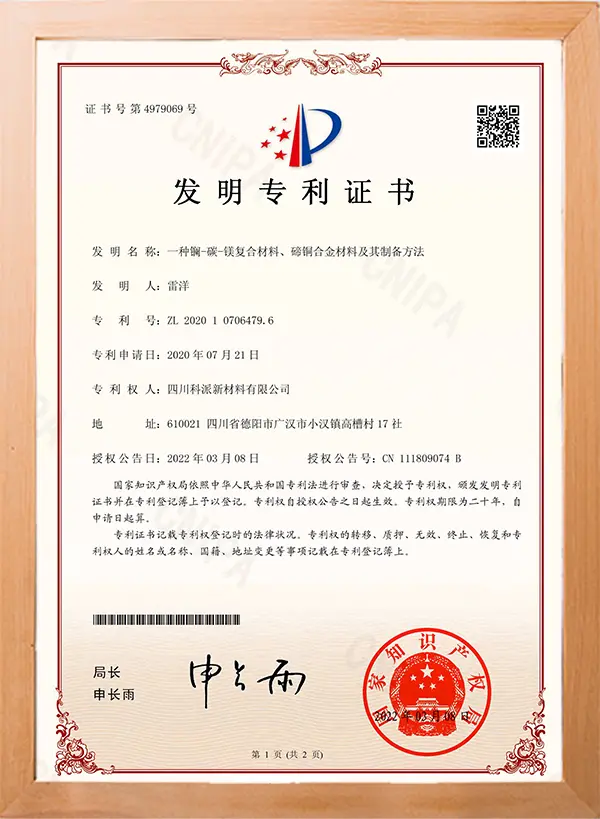
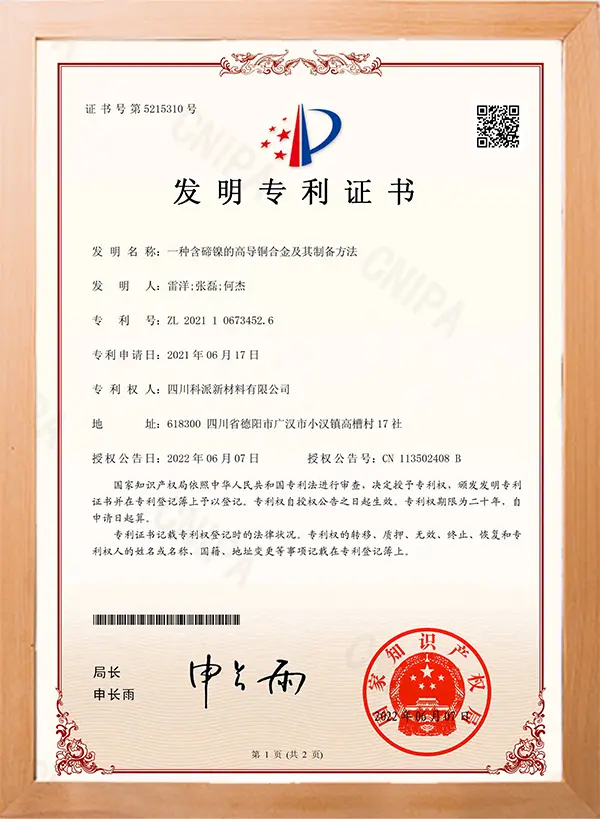
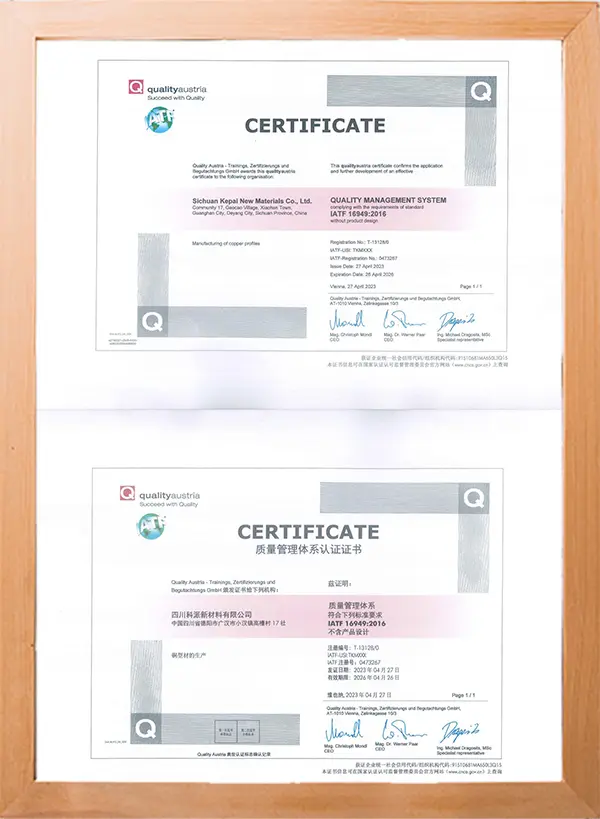
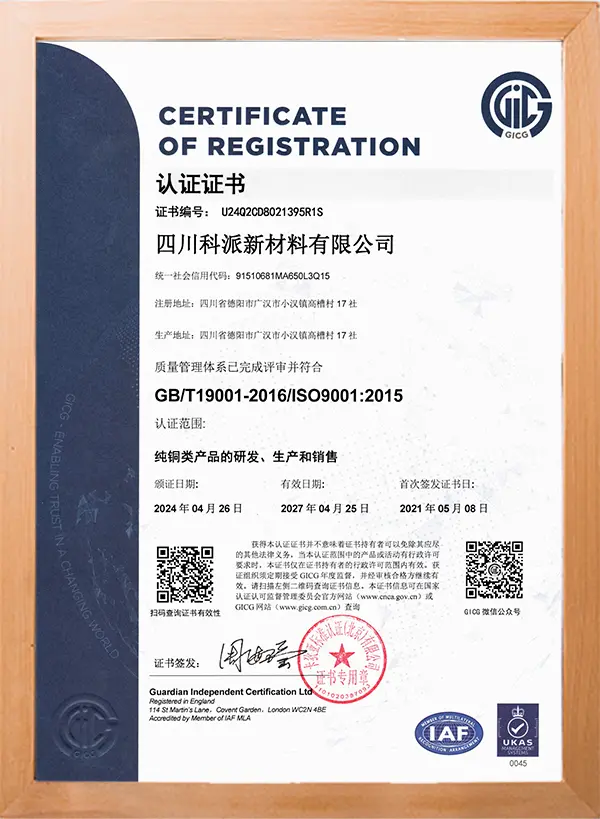
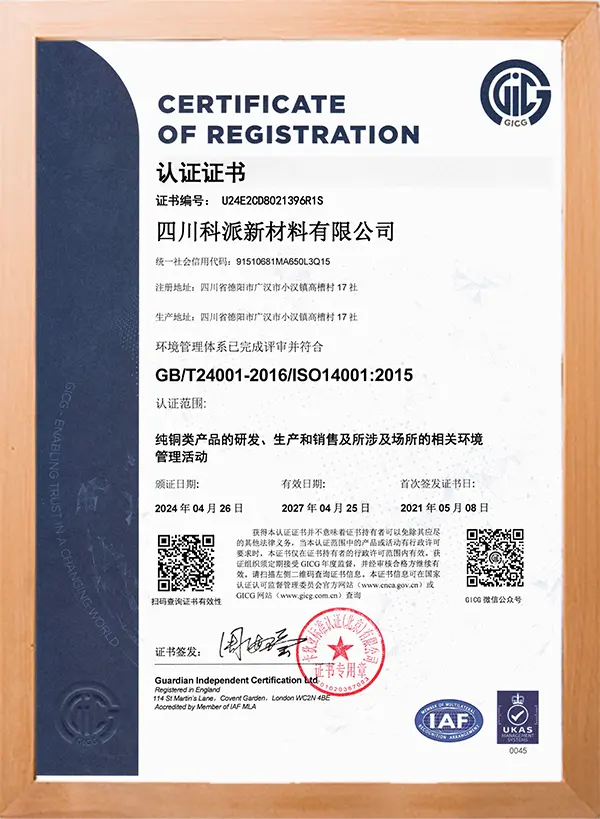
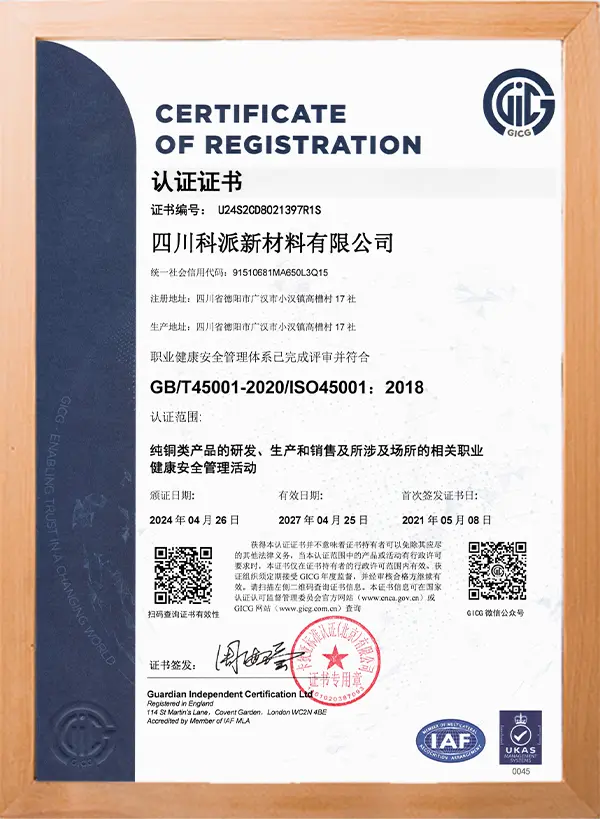
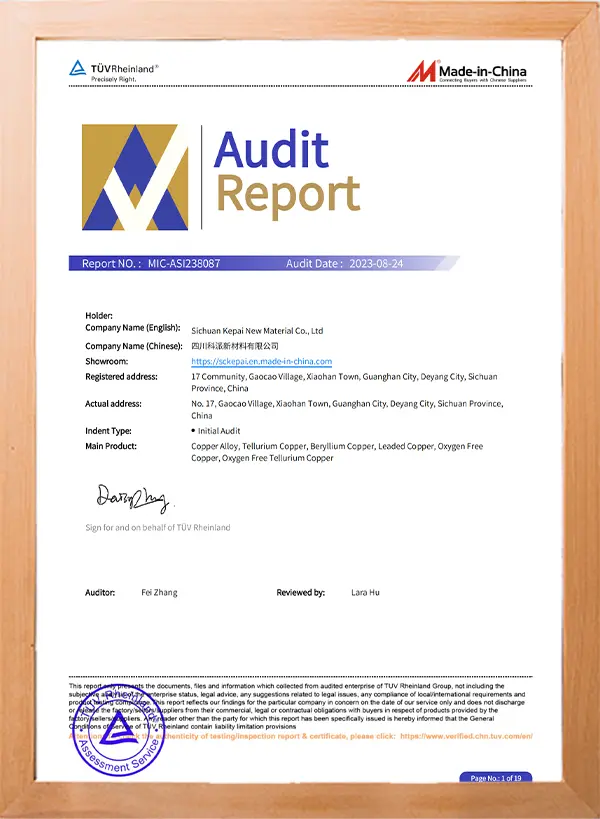
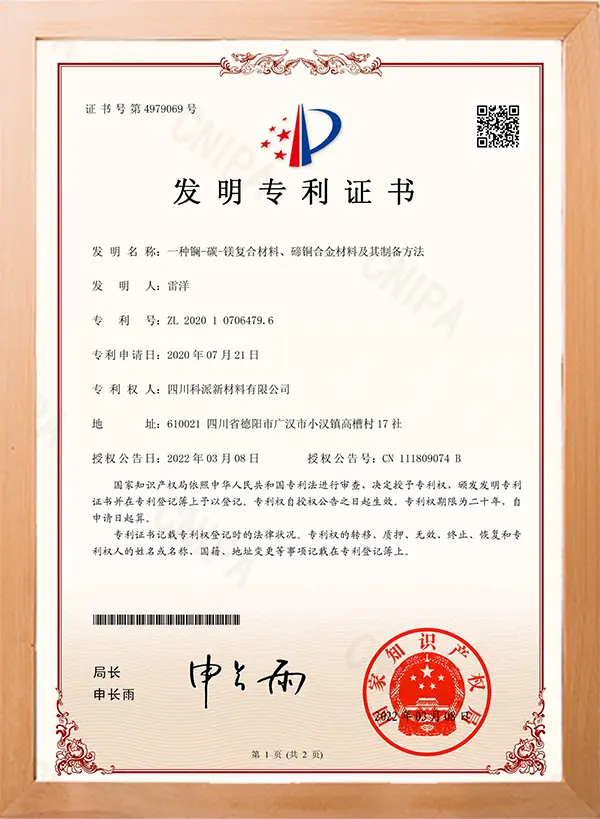
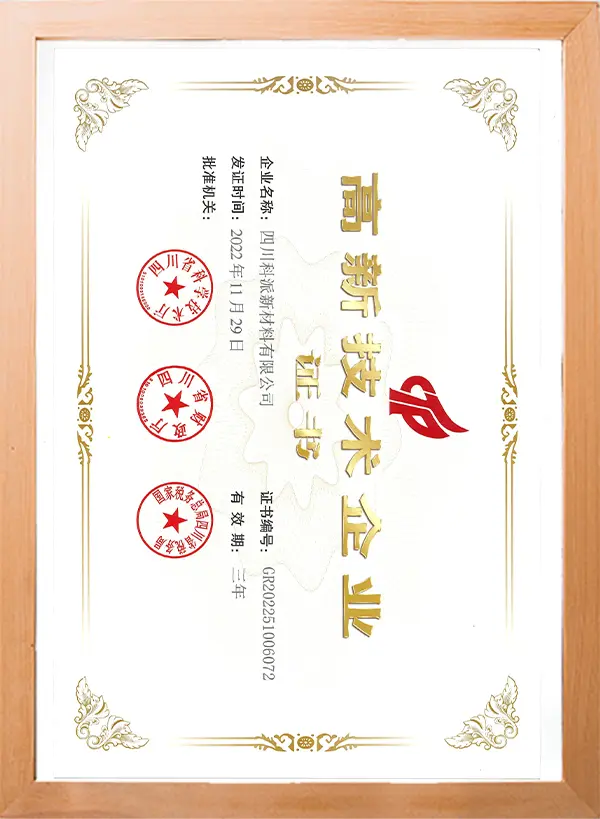
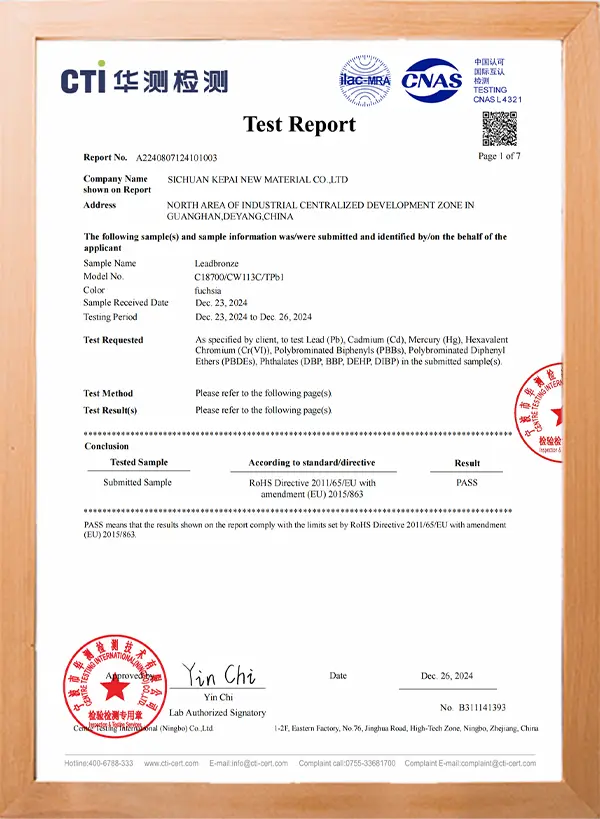
Predicting the demands of high-frequency communications, automated welding, and next-generation power infrastructure.
As industrial tech moves toward automation, the demands on conductive materials are shifting. For example, 5G telecommunication networks and upcoming 6G standards rely on high-frequency signals, which require connectors with stable impedance and low thermal loss. The microstructural stability of C18150 makes it a suitable candidate for high-frequency signal connectors, where it helps reduce signal attenuation caused by temperature fluctuations.
In automotive manufacturing, the adoption of laser welding and high-frequency pulse welding is growing. These processes require copper tooling that can withstand high temperatures without softening. Traditional alloys wear out quickly in these setups, whereas C18150 maintains its hardness. This durability helps reduce production downtime and electrode replacement costs, supporting more stable automated manufacturing.
Looking forward, Kepai's research focuses on grain refinement and micro-alloying to improve C18150's thermal limits. We aim to raise the alloy's softening temperature beyond 550°C while maintaining electrical conductivity above 80% IACS. This ongoing development will help provide reliable materials for aerospace, high-speed rail, and advanced energy distribution systems.
Direct technical answers from Kepai's metallurgy engineers to help you choose the right copper alloy.
C18150 (Chromium-Zirconium-Copper) contains zirconium addition, whereas C18200 (Chromium-Copper) does not. The zirconium in C18150 forms fine precipitates that improve resistance to softening at high temperatures and reduce cracking under stress. While both alloys offer similar conductivity, C18150 provides better durability under high-temperature clamping pressures, such as in resistance spot welding.
During age hardening, the chromium and zirconium elements dissolve and then precipitate out as distinct intermetallic particles within the copper grains. Because these alloying elements are not trapped in solid solution, the copper matrix remains clean. This microstructural arrangement allows electrons to flow with minimal resistance, maintaining high conductivity (typically 80-85% IACS).
Yes, C18150 can be re-heat treated, but this requires precise control. If the alloy is heated above its aging temperature (~500°C) without solution annealing, the precipitates can grow too large, reducing its hardness. The correct process involves solution annealing at 950°C, rapid quenching, and then aging at 450-480°C to restore its original mechanical properties.
C18150 has good corrosion resistance, similar to pure copper. It forms a protective oxide layer that resists atmospheric corrosion and freshwater. However, in marine environments with constant exposure to saltwater or acidic industrial chemicals, it may require protective coatings or plating (such as nickel or tin) to prevent galvanic corrosion and surface oxidation.
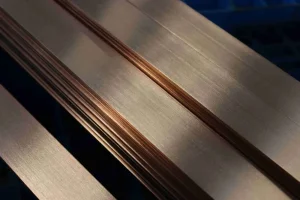
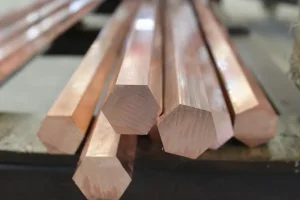
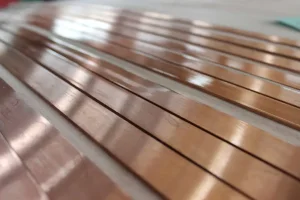
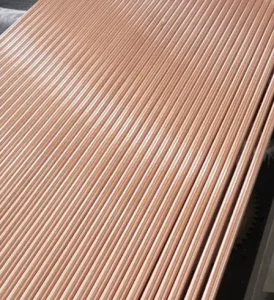
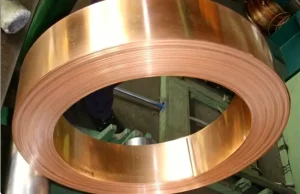
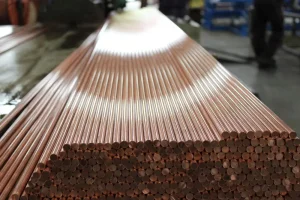
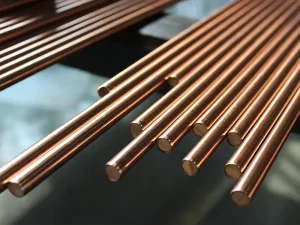
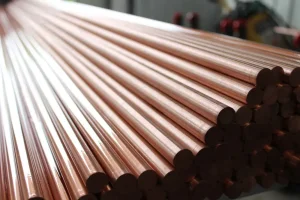
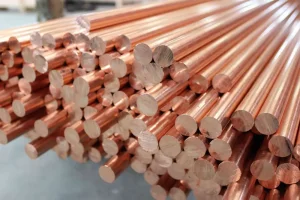
We export C18150 in various semi-finished forms, including round rods, hexagonal bars, flat plates, wires, and customized extruded profiles. Our standard rod diameters range from 5mm to 120mm, and plates can be cut to custom thicknesses. We also offer machined electrode tips and ready-to-install connector terminals based on client drawings.
We track each batch from raw material melting through to final packaging. Our testing laboratory checks every production run using eddy current testers, chemical composition analyzers, and mechanical testing machines. Every shipment includes a certificate of conformity and test reports showing the chemical composition and mechanical properties of the delivered batch.
Looking ahead, Sichuan Kepai New Materials Co., Ltd. will continue to focus on research and production in the field of advanced materials, contributing to the development of the global copper alloy industry. We look forward to cooperating with partners from all sectors to build a reliable supply chain.
Explore our additional range of high-conductivity tellurium coppers, lead bronzes, and custom alloy formulations.
 Kepai
Kepai