 Kepai
Kepai
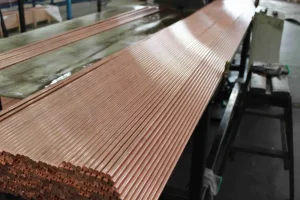
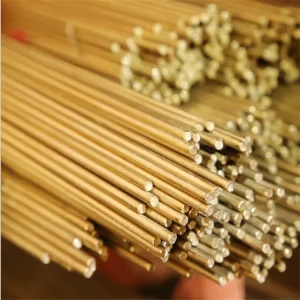
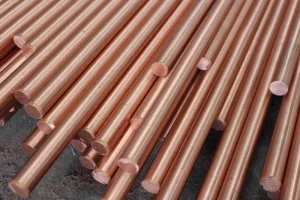
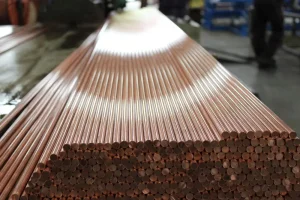
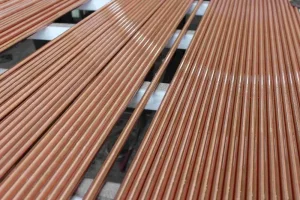
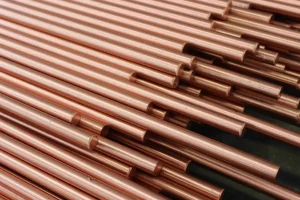
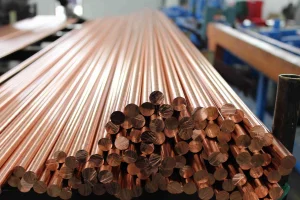
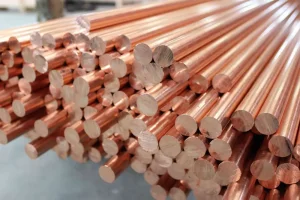
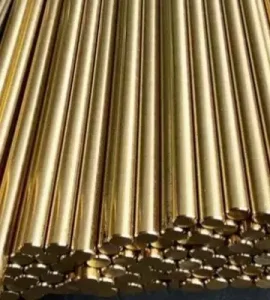
High-Quality Sulfur Copper Alloys in the Global Industrial Ecosystem
In the modern paradigm of high-precision metal manufacturing, the demand for materials that display concurrent high electrical conductivity, high thermal dissipation capabilities, and excellent machinability has skyrocketed. Historically, pure copper (such as oxygen-free or electrolytic copper) has been celebrated for its superior electrical and thermal properties. However, its high ductility and stickiness make it notoriously difficult to machine on high-speed CNC centers, leading to excessive tool wear, severe burring, and continuous stringy chips that jam automation equipment.
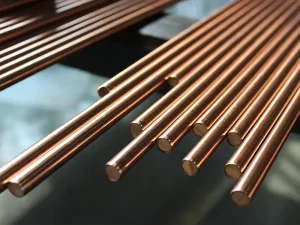
To overcome these challenges, metallurgical engineers developed free-machining copper alloys. Among these, Sulfur Copper (UNS C14700 / CuSP) has emerged as a premium strategic option, striking an optimal balance. By incorporating a tightly controlled sulfur content (typically between 0.2% and 0.7%), manufacturers induce the formation of fine, uniformly dispersed cuprous sulfide (Cu2S) particles within the copper matrix. These microscopic inclusions act as natural chip-breakers and local solid lubricants, dramatically improving the alloy's Machinability Rating to approximately 85% (where free-cutting brass C36000 is 100%), while maintaining an electrical conductivity of over 90% IACS (International Annealed Copper Standard).
Global Market Supply and Regional Demand Patterns
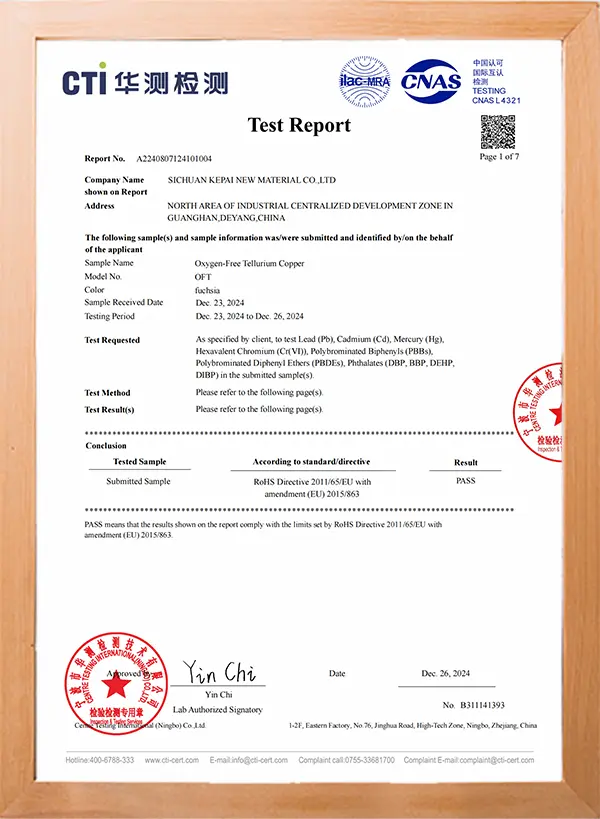
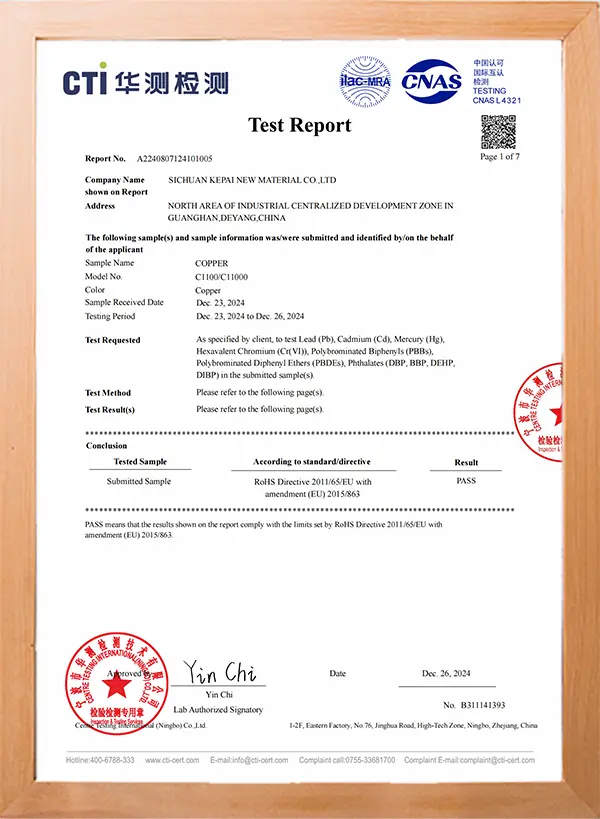
The macro-industrial landscape of Sulfur Copper is heavily driven by advanced electronics manufacturing, automotive electrification, and heavy power transmission. In North America and Europe, strict environmental frameworks like RoHS (Restriction of Hazardous Substances) and REACH are driving a rapid transition away from traditional leaded copper alloys (such as C18700). Sulfur copper offers a clean, eco-friendly, and non-toxic alternative, making it the preferred choice for forward-thinking engineering organizations.
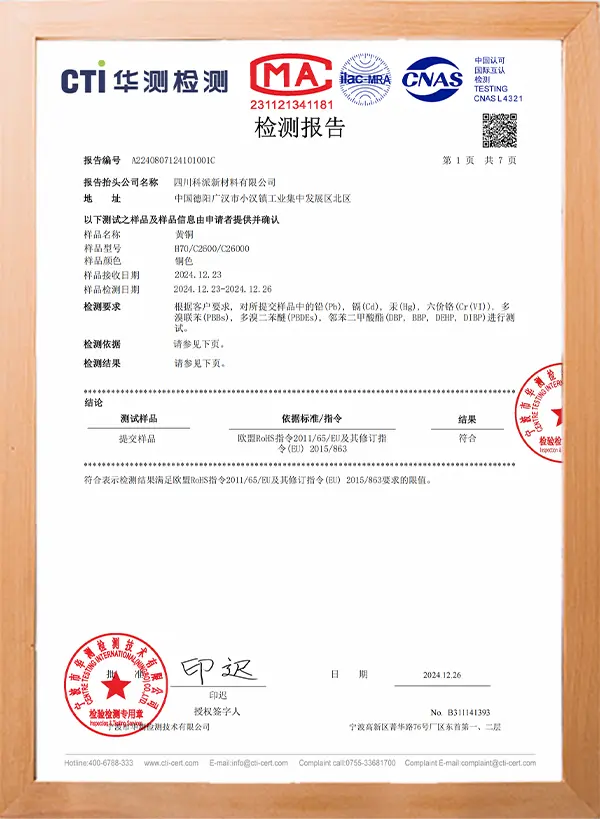
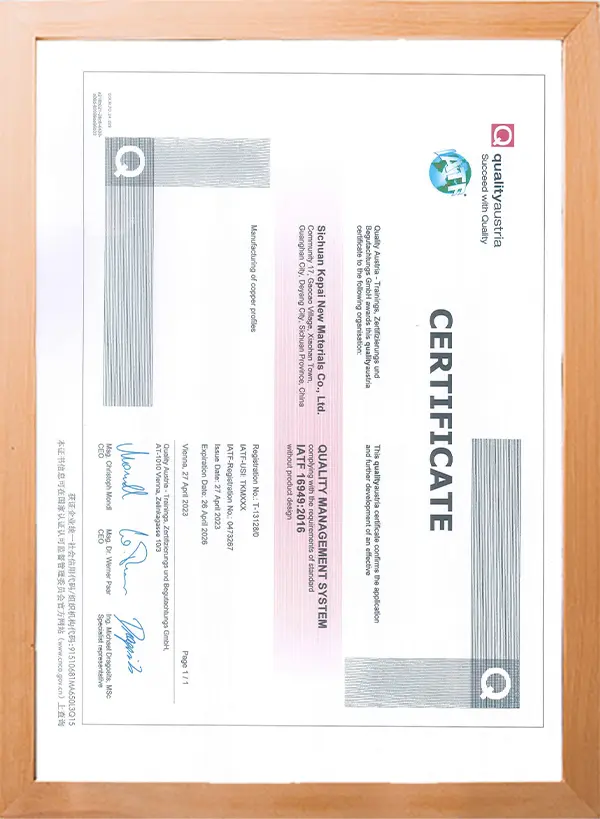
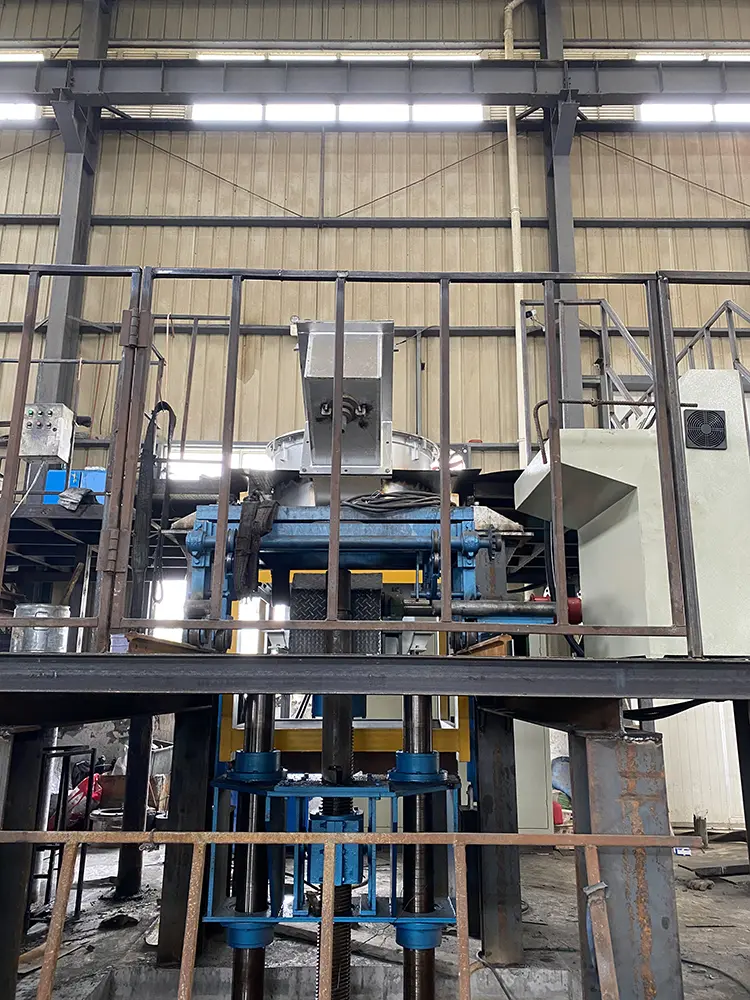
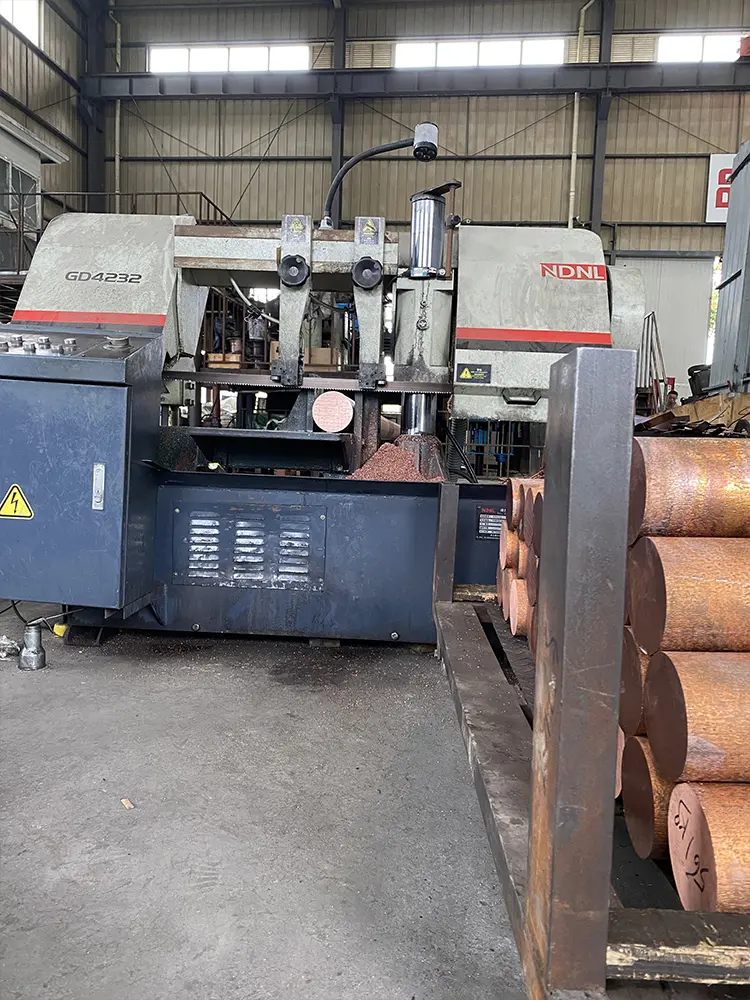
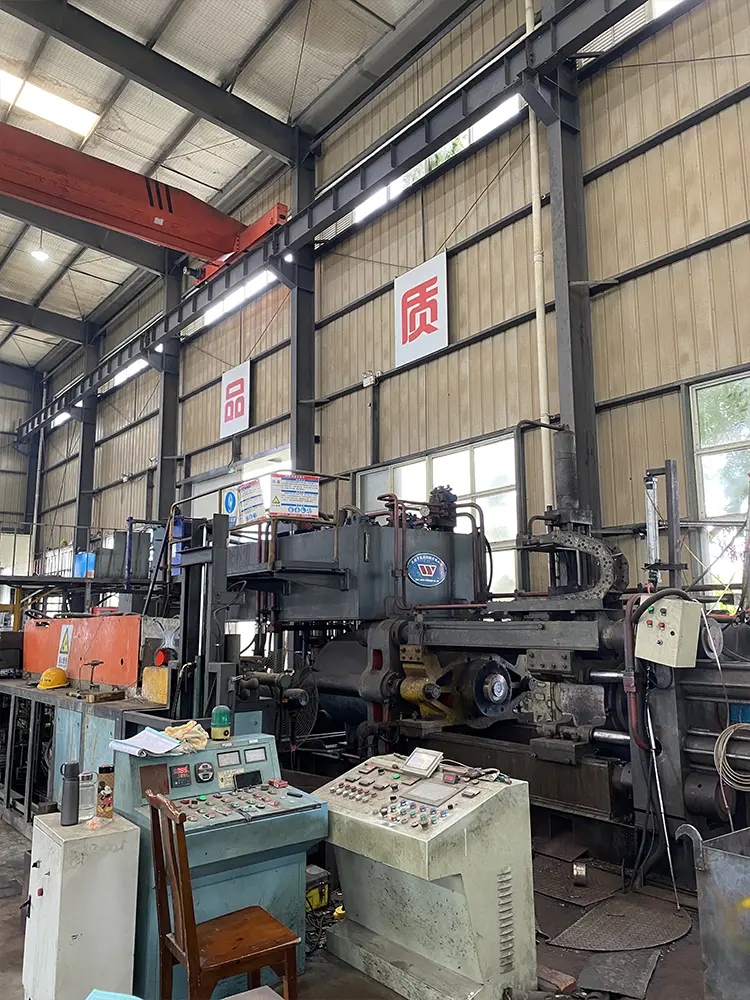
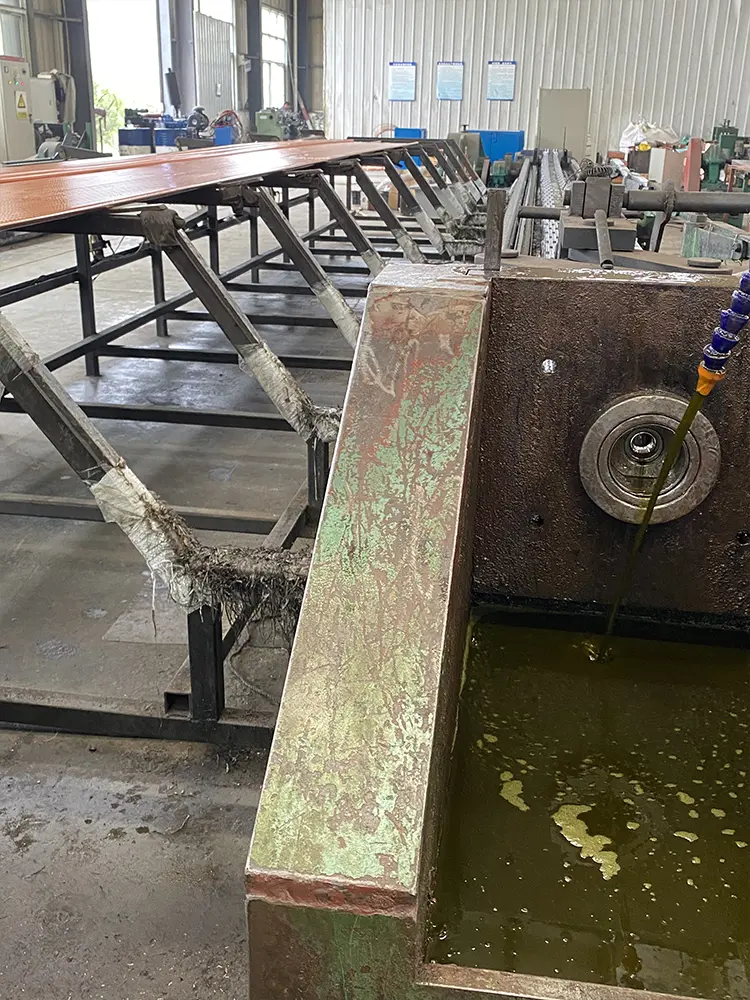
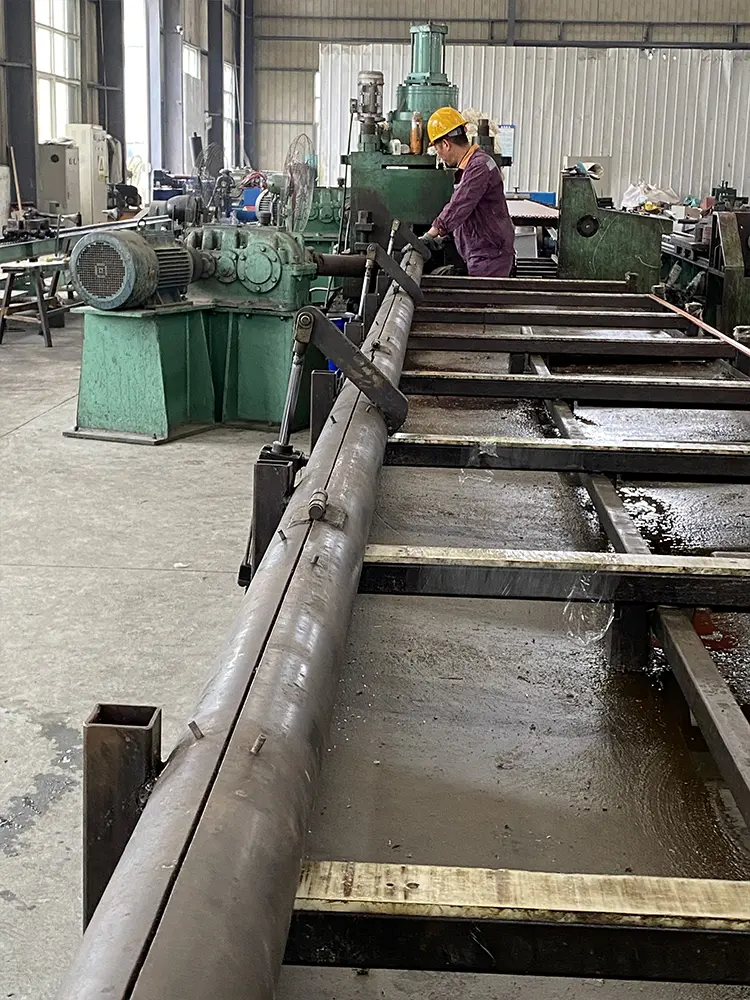
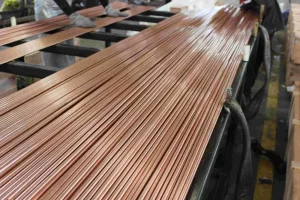
In the Asia-Pacific region, led by China's expanding new energy vehicle (NEV) and 5G telecommunication infrastructures, the demand for sulfur copper has experienced exponential growth. Sichuan Kepai New Material Co., Ltd. is at the forefront of this shift, providing state-of-the-art smelting, extrusion, and drawing processes that ensure consistent physical and chemical properties. This consistent quality allows global OEMs to run high-speed Swiss-type lathing and CNC machining without interruption.
Technical Comparison: C14700 vs. Conventional Machining Alloys
| Alloy Designation | Alloying Element (%) | Electrical Conductivity (% IACS) | Machinability Rating | Primary Industry Applications |
|---|---|---|---|---|
| Sulfur Copper C14700 | S: 0.20 - 0.50 | ≥ 90% | 85% | EV Relay Terminals, Electrical Connectors, Plasma Nozzles |
| Tellurium Copper C14500 | Te: 0.40 - 0.70 | ≥ 93% | 85% | Gas Cutting Tips, Welding Torch Tips, Smart Grid Switchgear |
| Lead Copper C18700 | Pb: 0.80 - 1.50 | ≥ 96% | 85% | Electrical Hardware (Facing regulatory phase-outs) |
| Pure Copper C11000 (ETP) | Trace Elements | ≥ 100% | 20% | Busbars, Windings, Transformer Coils |
Key Macro Industry Solutions and Application Scenarios
Sulfur Copper C14700's unique properties translate into efficient, reliable performance across several critical industrial sectors:
- New Energy Vehicles (NEVs) & Charging Infrastructure: EV battery management systems (BMS), high-voltage distribution blocks, and DC fast-charging connector pins generate substantial heat. The high thermal and electrical conductivity of sulfur copper prevents localized hotspots, while its machinability allows cost-effective production of complex geometries.
- 5G & Ultra-High Frequency Telecommunications: Base station RF coaxial connectors require tight tolerances and exceptional surface finishes to minimize signal attenuation and Insertion Loss. C14700 delivers clean, burr-free surfaces during high-volume lathe production.
- Precision Laser and Plasma Cutting Systems: Torch nozzles and contact tips are subjected to high thermal stresses. Sulfur copper conducts heat away rapidly, extending the service life of consumable parts.
- Industrial Relay and Switch Components: Heavy-duty relays, circuit breakers, and electrical contact points rely on sulfur copper's resistance to arc erosion and consistent electrical conductivity.