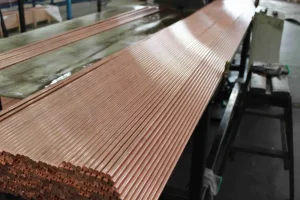
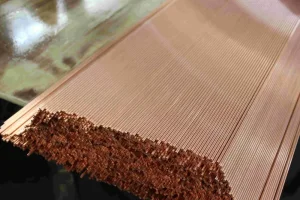
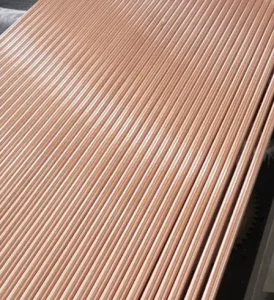
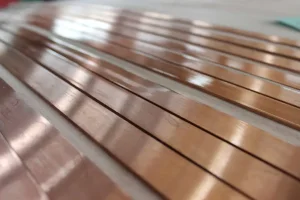
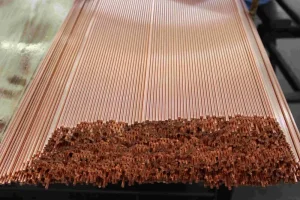
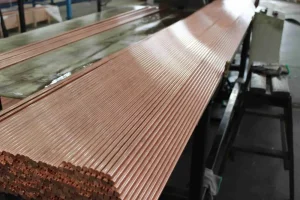
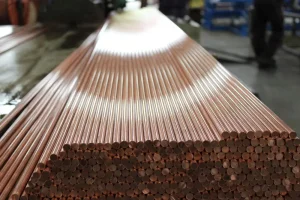
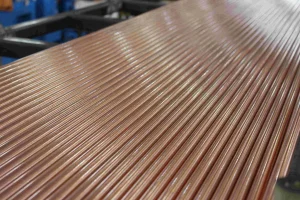
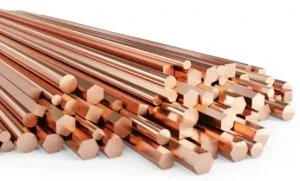
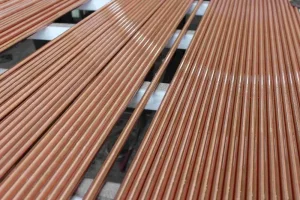
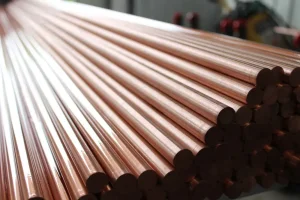
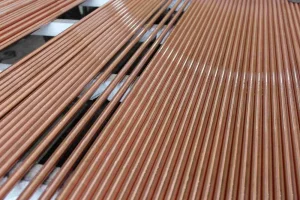
CW114C Sulfur Copper (designated internationally as UNS C14700) is a high-conductivity, free-machining copper alloy engineered to bridge the critical gap between pure, unalloyed copper and standard free-cutting brasses. The inclusion of sulfur (typically between 0.20% and 0.70%) in a high-purity copper matrix alters the microstructure, precipitating as microscopic copper sulfide (Cu2S) particles. These particles act as highly efficient internal chip-breakers and provide local lubricating properties during high-speed machining processes.
Historically, engineers demanding high electrical conductivity had to tolerate the poor machinability of Oxygen-Free (C10200) or Electrolytic Tough Pitch (C11000) coppers, which exhibit long, stringy chips that foul high-precision CNC tool pathways. CW114C Sulfur Copper remedies this with a machinability rating of 85% relative to free-cutting brass (C36000), while preserving a minimum electrical conductivity of 90% to 95% IACS (International Annealed Copper Standard). This combination makes it indispensable in the modern manufacturing of high-volume electric, electronic, and precision thermal management hardware.
| Specification / Property | CW114C (C14700) Value |
|---|---|
| Copper (Cu) Content | 99.0% - 99.5% Min. |
| Sulfur (S) Content | 0.20% - 0.70% |
| Electrical Conductivity | 90% - 95% IACS |
| Machinability Rating | 85% (Compared to C36000) |
| Thermal Conductivity | 355 W/(m·K) at 20°C |
| Tensile Strength (H02) | 250 - 340 MPa |
| Elongation in 50mm | 8% - 15% (depending on temper) |
As a primary manufacturing base, China’s industrial ecosystem offers unmatched advantages in metallurgy. Sichuan Kepai New Material Co., Ltd. integrates advanced melting and refined extrusion systems to produce world-class CW114C.
Sichuan Kepai leverages a continuous production process—from raw high-purity cathode smelting and precision sulfur addition to cold drawing, extrusion, and multi-roller straightening. This vertical integration drastically reduces raw material transit loss and allows for rapid customization of chemical concentrations and mechanical tempers.
By utilising advanced induction furnace equipment and vacuum melting processes, we maintain absolute control over the oxygen levels in our sulfur copper alloy. This prevents internal copper oxide clustering, which can degrade the material's mechanical ductility and reduce its overall electrical performance.
Situated with direct access to major national infrastructure (Sichuan Guanghan Industrial Development Zone), our logistics pathways connect directly to international deep-water ports. This guarantees steady, cost-effective, and moisture-controlled shipping to North America, Europe, and Southeast Asia.
The unique properties of CW114C Sulfur Copper address the complex manufacturing and performance demands of several modern high-tech sectors. High electrical conductivity, combined with excellent machinability, prevents tooling wear and preserves electrical efficiency across demanding operating conditions.
In EV charging ports, pins and sockets are subjected to continuous high-current flow and frequent mechanical cycling. Standard copper alloys degrade under constant insertion, while pure copper poses major machining challenges due to its soft nature. CW114C Sulfur Copper offers the ideal solution: it is easy to lathe and machine into complex pin shapes, while its high conductivity prevents overheating at the electrical contacts.
RF and coaxial connectors used in telecommunication networks require micro-millimeter dimensional tolerances to prevent signal attenuation and insertion loss. CW114C allows for high-precision machining with minimal tool wear, resulting in smooth surface finishes that improve high-frequency signal transmission.
Contact tips and nozzles used in plasma torches and laser cutters are exposed to high thermal stress. The high thermal conductivity of CW114C (355 W/(m·K)) ensures efficient heat dissipation, extending the operating life of consumables and minimizing factory downtime.
For power grid components, high-conductivity relays and switch assemblies are critical. The sulfur-copper chemical composition offers low electrical resistance, reducing energy losses and thermal degradation during long-term operation under high loads.
The Challenge: Sulfur has low solid solubility in copper at lower temperatures. If the casting process cools too slowly, sulfur can segregate at the grain boundaries as thick Cu2S structures, making the copper brittle during subsequent drawing or cold-working processes.
The Solution: We use an electromagnetic stirring and rapid-quench continuous casting process. This keeps the Cu2S inclusions dispersed as sub-micron particles, ensuring consistent machinability and structural strength.
The Challenge: Soluble impurities in the copper matrix can degrade its electrical conductivity. Excess oxygen or residual phosphorus from the deoxidization stage can lower the material's conductivity below 90% IACS.
The Solution: We use high-purity cathode copper as the raw material. Additionally, we use a controlled vacuum environment to reduce oxygen levels without relying on excessive phosphorus additions, keeping the conductivity above 93% IACS.
When sourcing CW114C Sulfur Copper from global exporters, procurement departments must verify compliance with strict chemical, physical, and environmental standards.
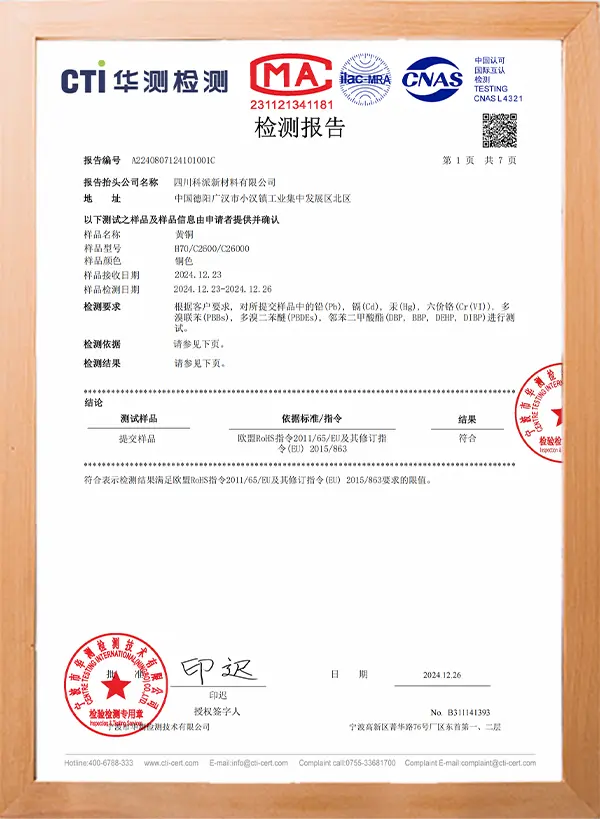
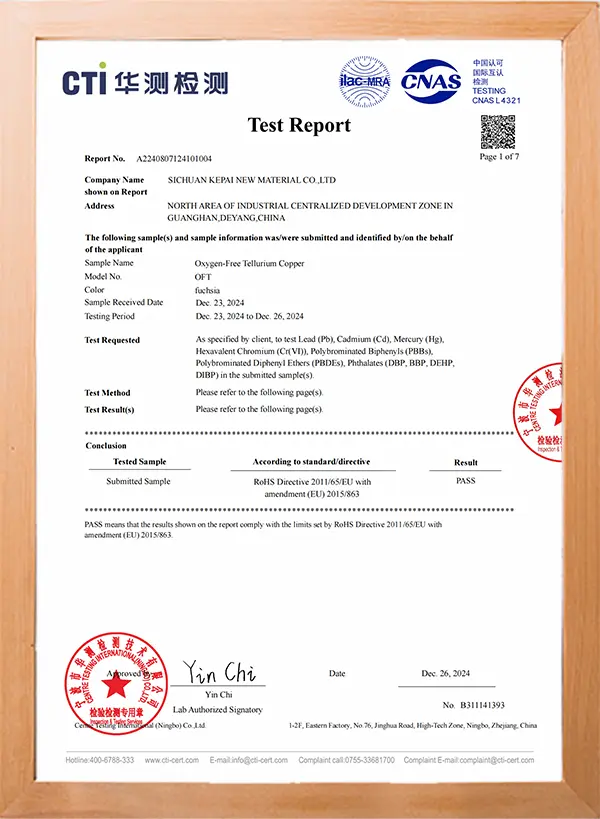
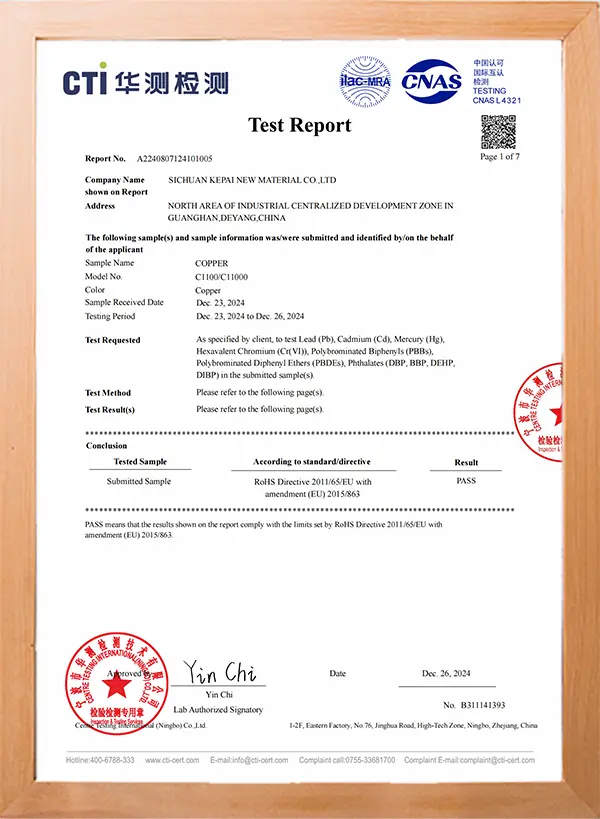
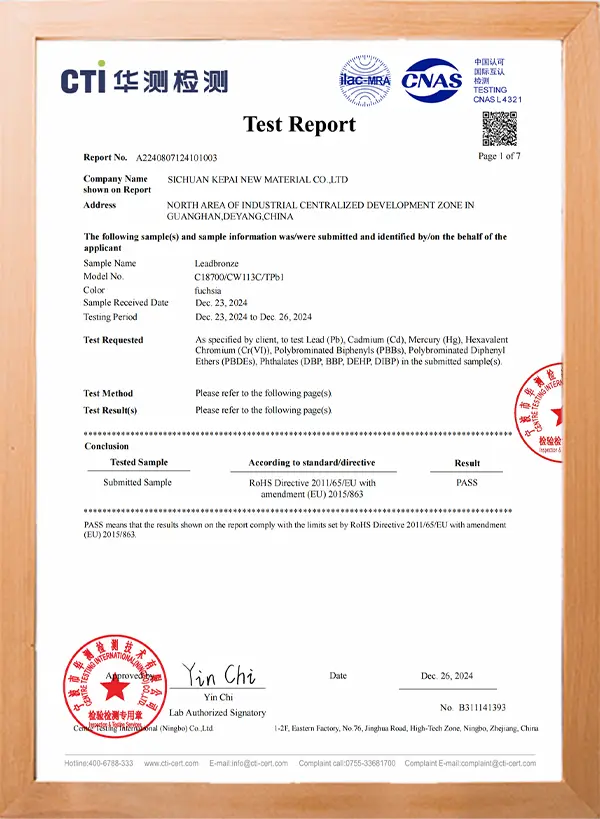
Ensure the material is RoHS and REACH compliant. Since CW114C uses sulfur rather than lead as the free-machining agent, it is well-suited for green electronics applications.
Specify compliance with BS EN 12164 or ASTM B301. Strict diameter tolerances (typically class h9 or h10) are required to prevent jams in automated CNC bar feeders.
Verify the material is free from oxide scaling, drawing die marks, or deep scratches. Oxygen-free packing and anti-tarnish treatments are essential for long transit times.
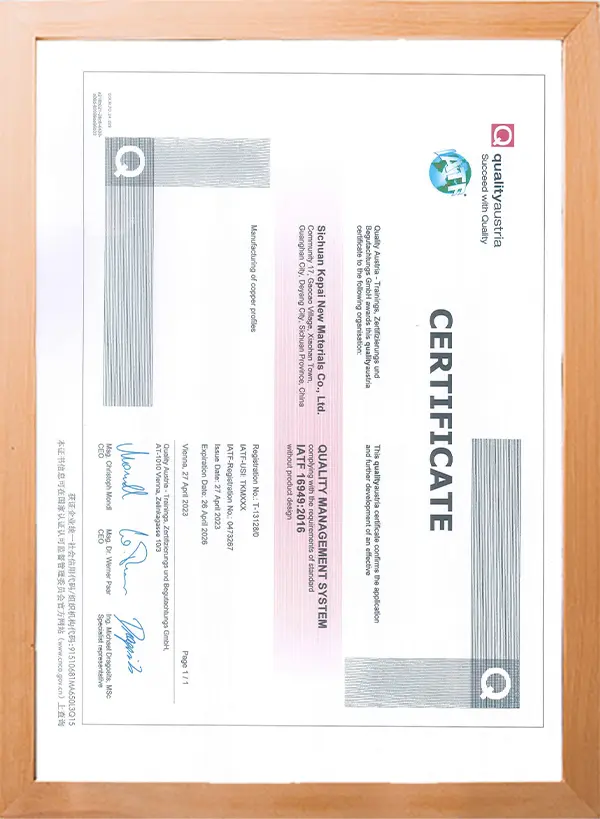
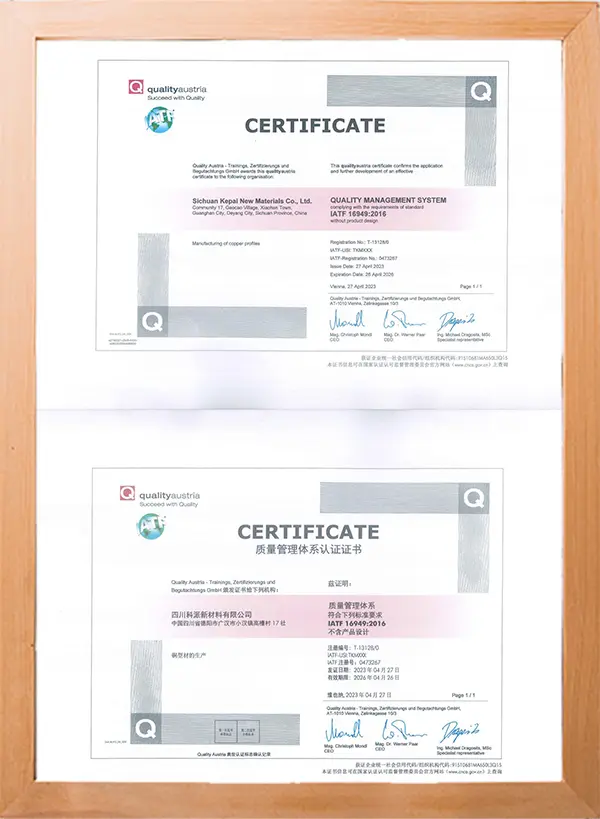
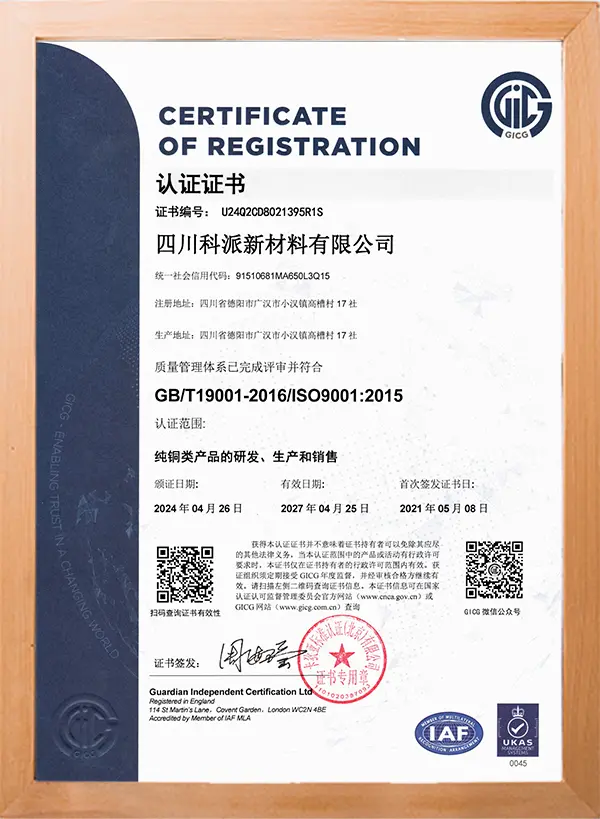
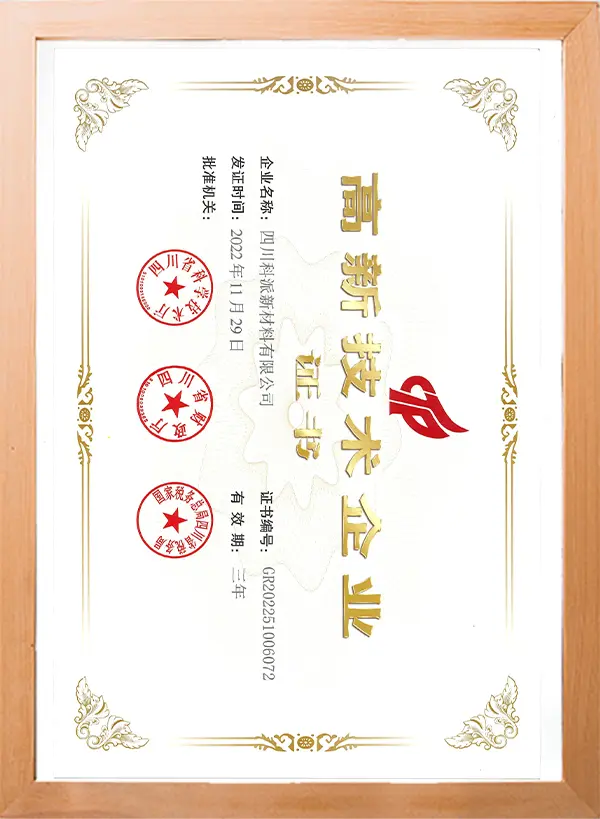
Sichuan Kepai New Materials Co., Ltd., established in 2017, is a high-tech enterprise integrating research and development, production, and sales. Located in the Sichuan Guanghan Industrial Development Zone, adjacent to National Highway 108, the company operates a 9,000 square meter factory and 1,000 square meters of office space.
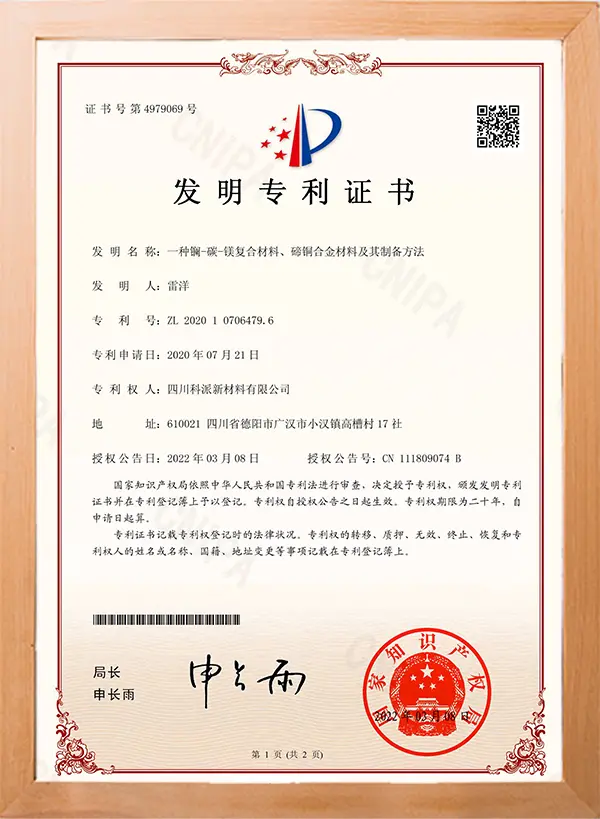
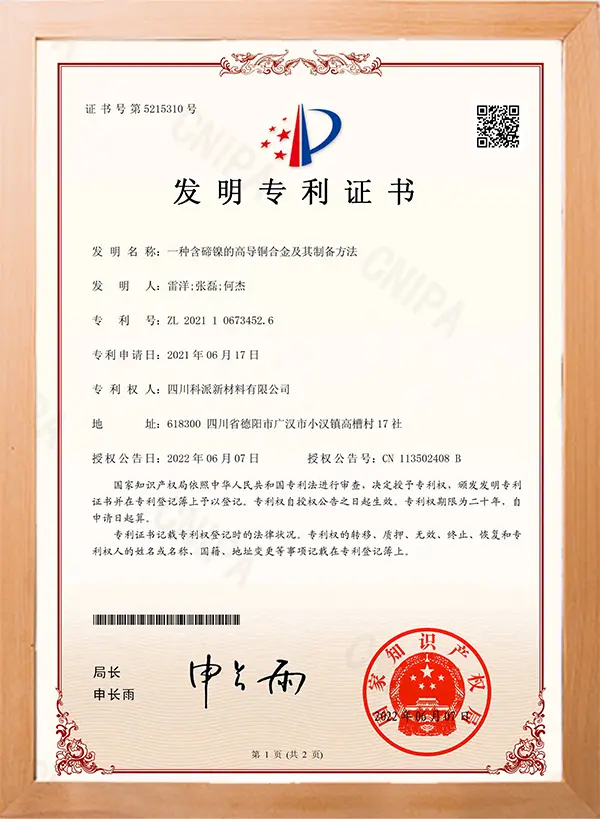
Technological innovation is the core competitiveness of Sichuan Kepai. Our R&D and production teams consist of senior industry experts who track international cutting-edge metallurgical trends. Through a combination of independent R&D and industry-university-research collaborations, Kepai has achieved breakthrough progress in high-performance tellurium copper, lead copper, and sulfur copper.
Our product system covers high-end copper alloy materials, including pure copper, oxygen-free copper, tellurium copper, nickel tellurium copper, tin bronze, beryllium copper, lead bronze, sulfur copper, and chromium zirconium copper.
Kepai adheres to a development strategy of "rooted in Sichuan, radiating nationwide, and moving towards the world." By optimizing our market layout and sales network, we have established a stable customer base across multiple domestic provinces and formed long-term partnerships with several internationally renowned enterprises.
We champion a corporate culture of "integrity, innovation, collaboration, and win-win," encouraging employees to innovate while emphasizing teamwork and talent development to create a supportive work atmosphere.
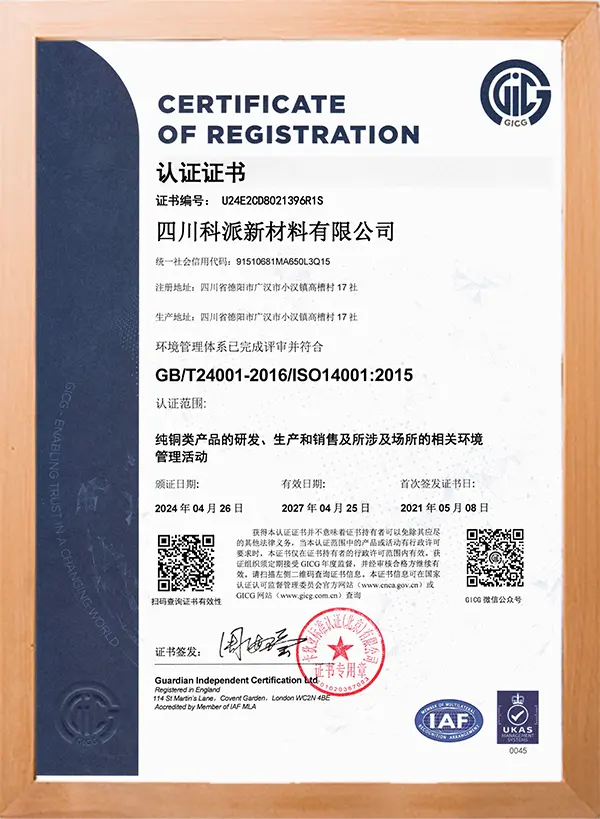
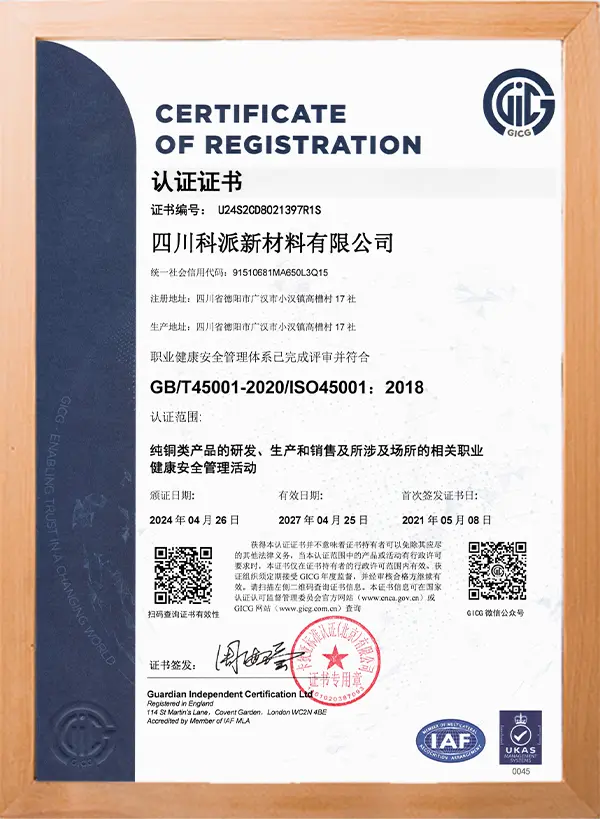
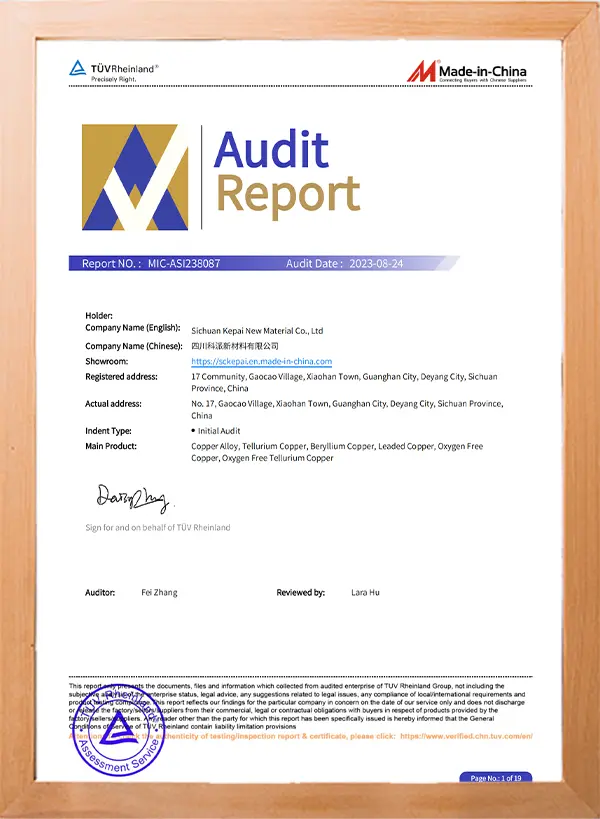
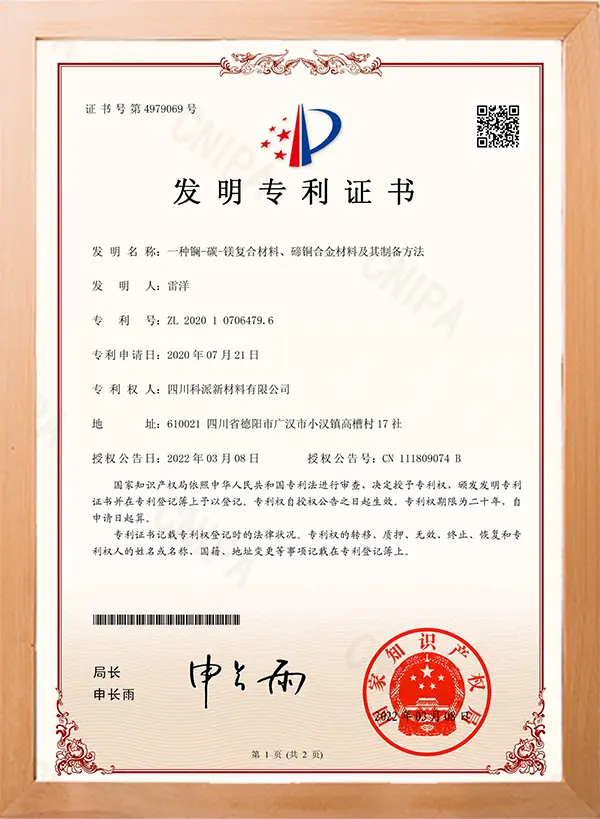
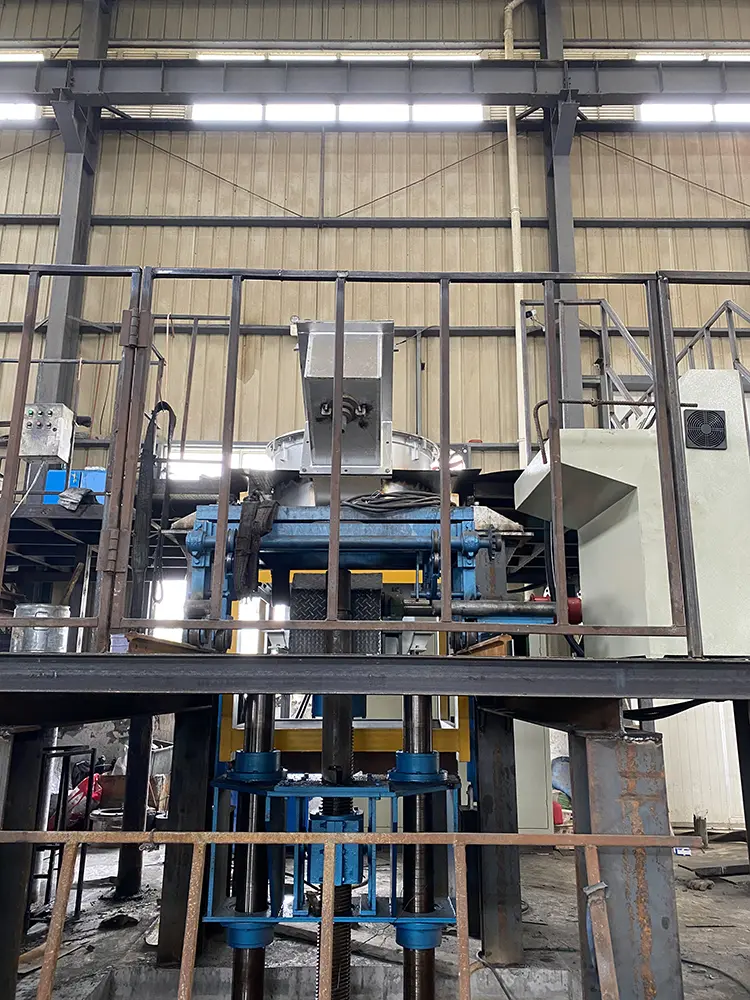
Smelting
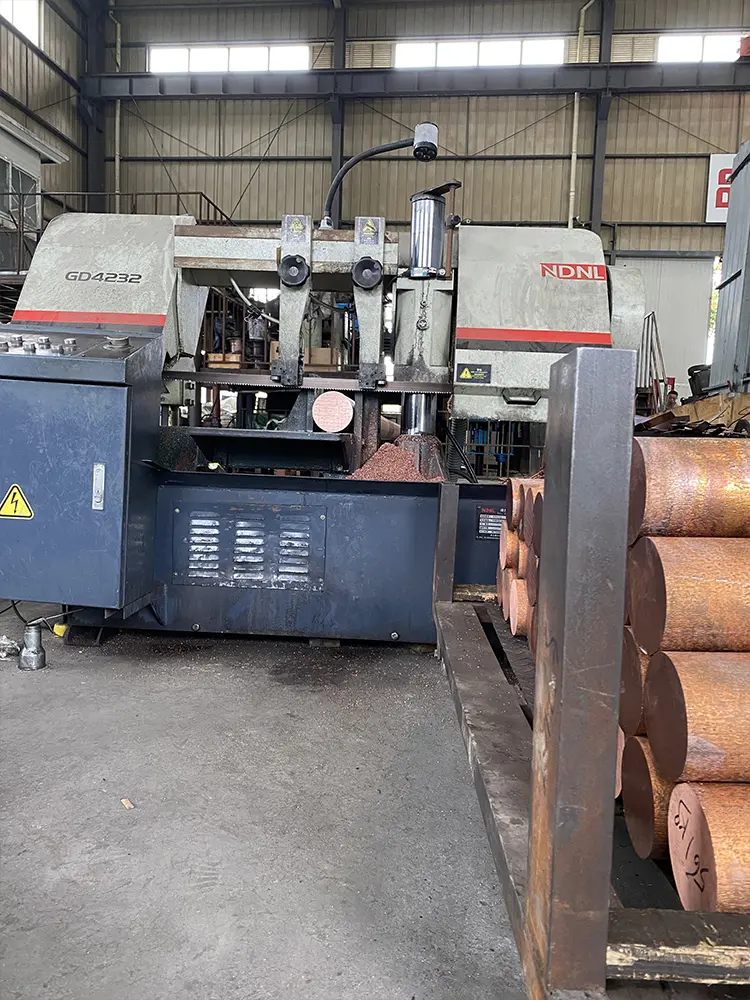
laying-off
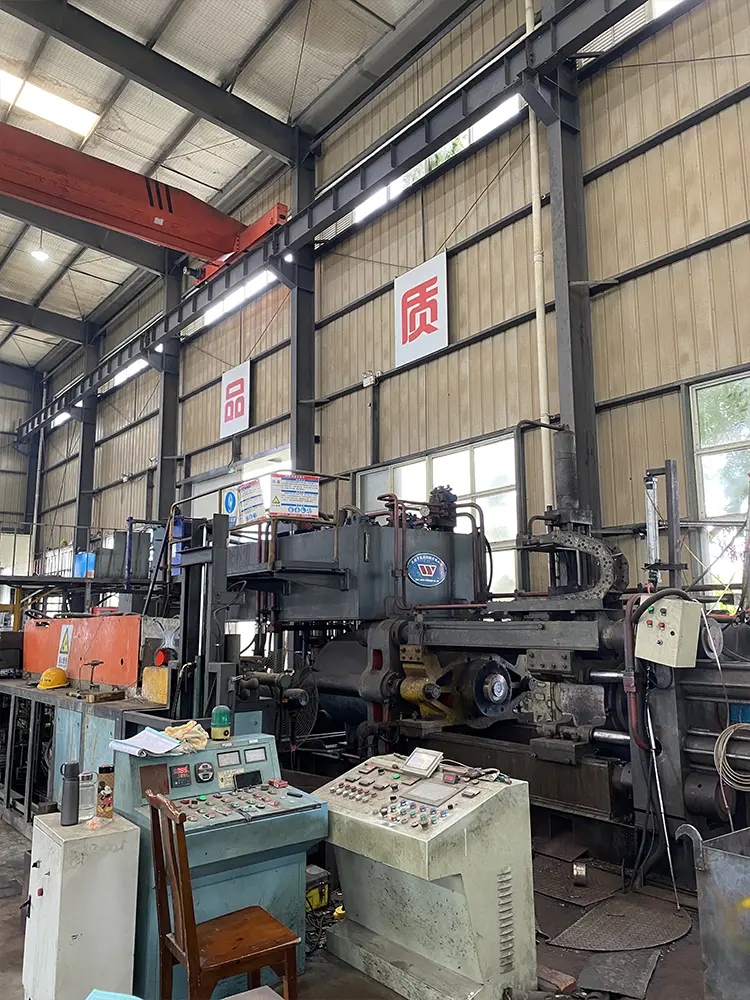
extrusion
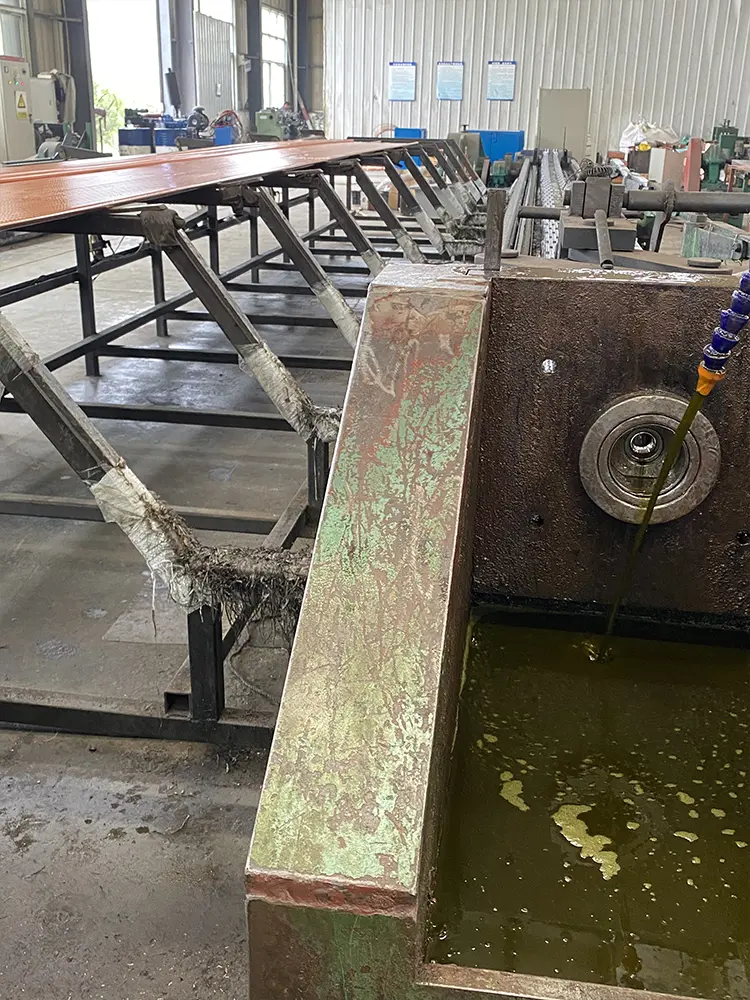
drawing
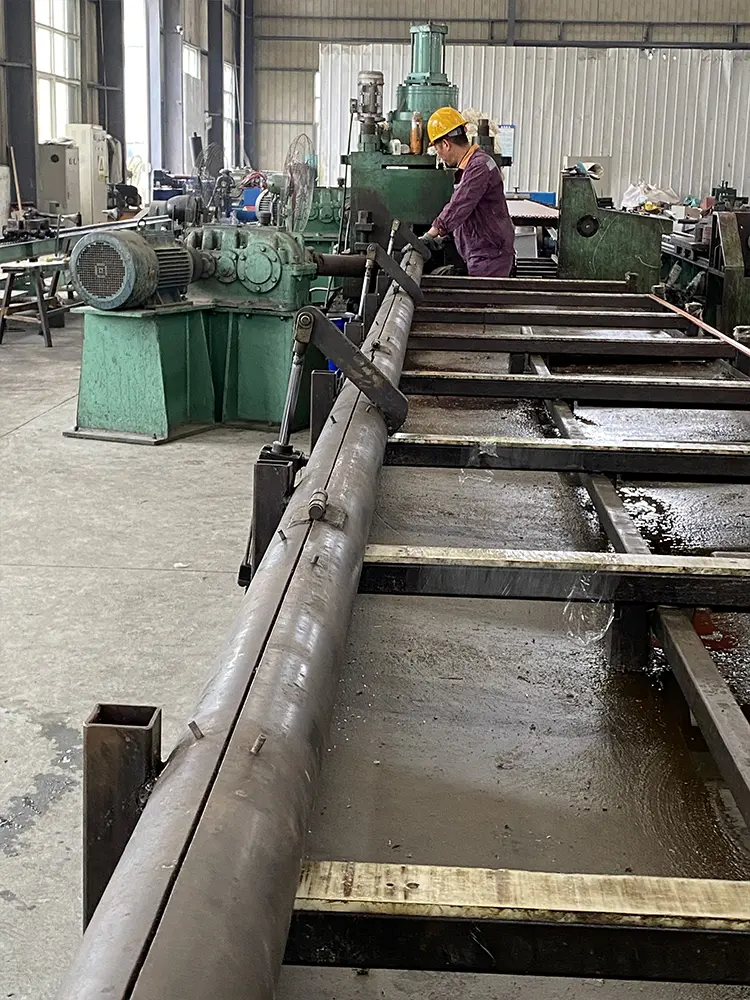
straightening
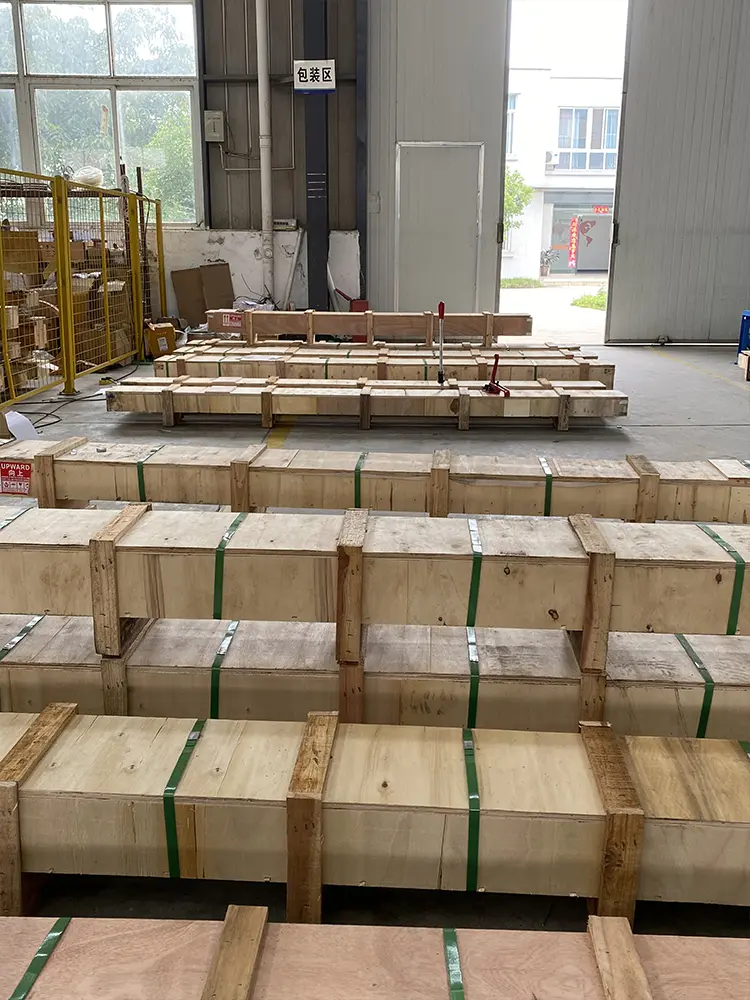
package
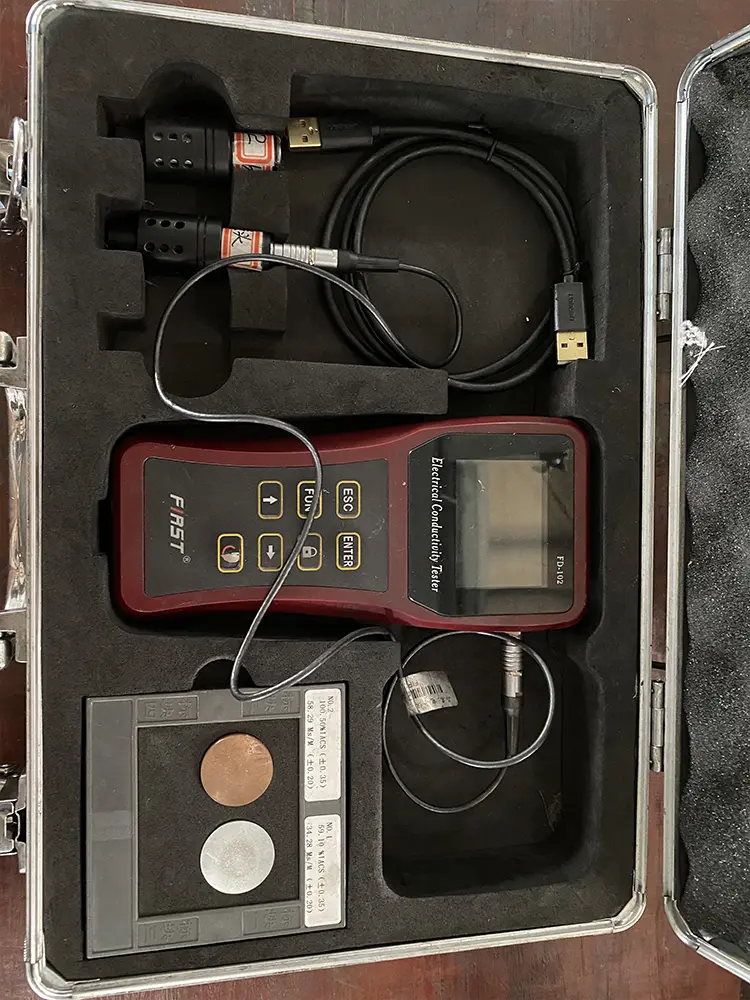
eddy current conductance instrument
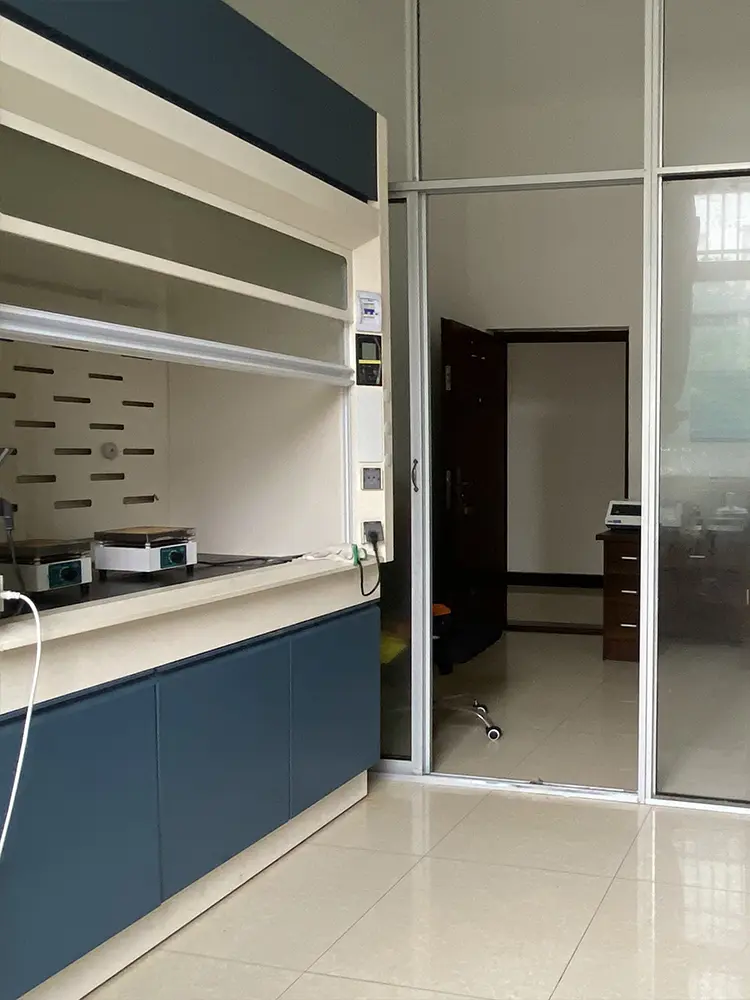
Chemical composition test room

Metallographic sample polishing machine
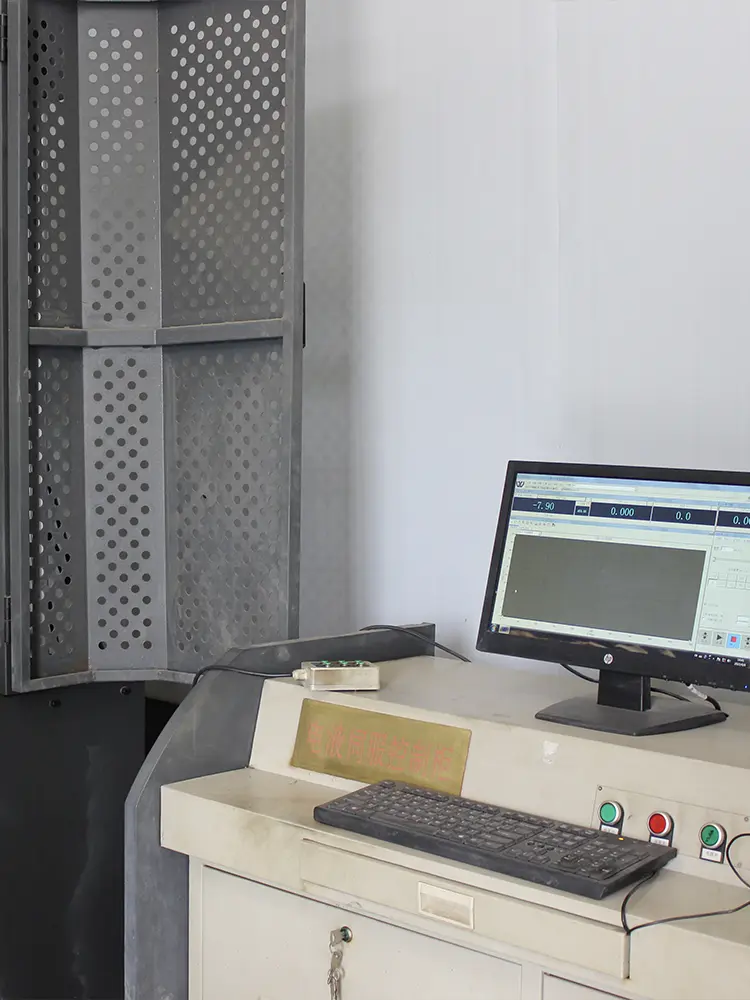
Microcomputer controlled electro-hydraulic servo universal testing machine
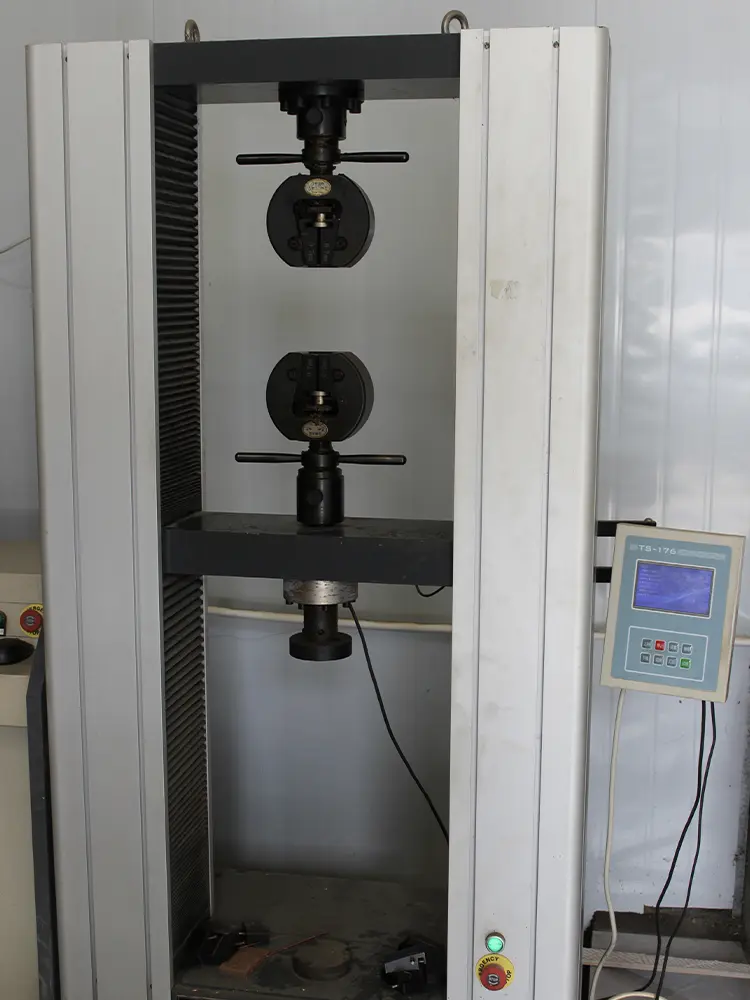
Liquid crystal display electronic universal testing machine
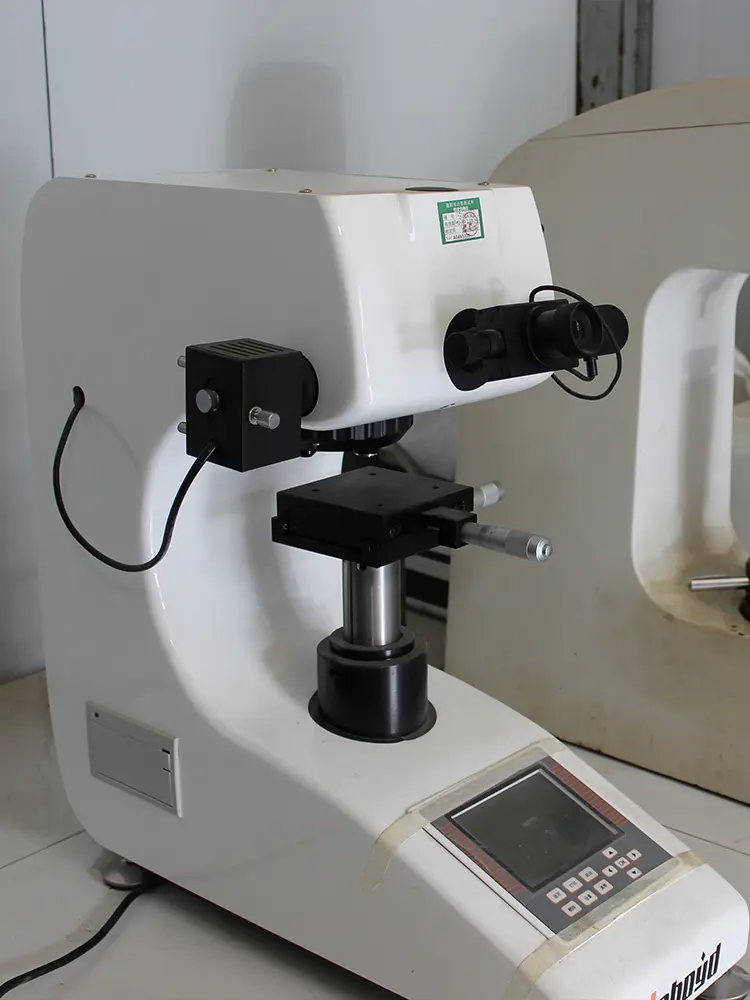
Hardness tester
The global high-conductivity alloy industry is undergoing a structural shift driven by sustainability initiatives and technological advancements. Key developments influencing the future procurement of CW114C Sulfur Copper include:
Environmental regulations are accelerating the transition away from lead-containing copper alloys like C36000 or C19160 in electrical applications. CW114C offers a clean alternative, providing high machinability without the health risks associated with lead.
As EV architectures transition from 400V systems to 800V and above, components require materials with higher electrical conductivity to minimize resistance. The demand for CW114C is projected to increase, particularly for high-power connectors and relay parts.
Modern CNC equipment operates at higher rotational speeds and feeds, requiring materials that form short chips to avoid fouling. CW114C helps limit tool wear and heat buildup, improving overall throughput in high-volume production facilities.
A compilation of key technical questions and answers designed to assist procurement specialists and design engineers in choosing the correct copper alloy grade.
While both are free-machining, high-conductivity copper alloys, CW114C contains sulfur (0.20-0.70%) as the free-machining agent, whereas C14500 utilizes tellurium (0.4-0.7%). CW114C typically offers a cost advantage due to the lower raw material cost of sulfur compared to tellurium, while maintaining similar machinability (85%) and high conductivity (93% IACS).
Yes, CW114C contains no lead (Pb), cadmium (Cd), or mercury (Hg). The additive used to improve machinability is elemental sulfur, which is fully compliant with European RoHS and REACH environmental regulations.
CW114C has a machinability rating of approximately 85% relative to free-cutting brass (C36000). Pure copper (C11000) has a rating of only 20%, which often leads to long, continuous chips that can tangle around cutting tools and cause surface finish issues during CNC machining.
CW114C can be soft soldered and brazed. However, due to its sulfur content, it is susceptible to hot-cracking during conventional arc welding. If welding is required, specialized parameters and filler metals should be used.
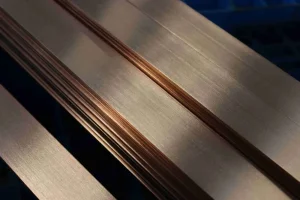
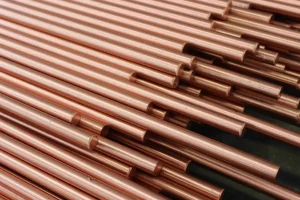
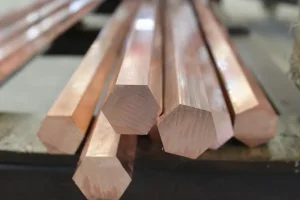
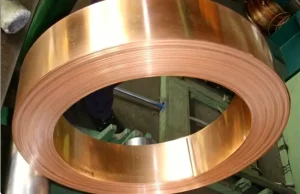
Sichuan Kepai supplies CW114C in several tempers, including half-hard (H02/R250), full-hard (H04/R300), and annealed (O60) tempers, in various formats such as round bars, hexagonal rods, wire, and custom profiles.
Looking ahead, Sichuan Kepai New Materials Co., Ltd. will continue to focus on the research and application of new materials, contributing to the development of the copper alloy industry in China and globally. We look forward to working with partners from all walks of life to build a shared future. Contact our engineering team for technical queries or RFQs.
 Kepai
Kepai