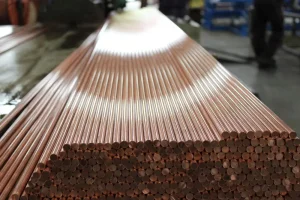
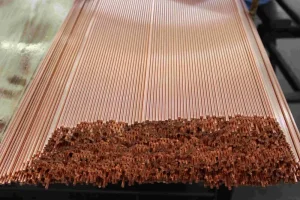
High-conductivity, wear-resistant, and premium-grade structural copper alloys precision-engineered for severe service environments.
In the modern manufacturing landscape, standard brass formulations no longer suffice for advanced engineering projects. High-performance brass alloys and copper composites serve as the backbone for next-generation hardware across telecommunications, automotive engineering, renewable energy networks, and precision automated machining. As a dedicated custom brass manufacturer and supplier, Sichuan Kepai New Material Co., Ltd. leads the charge in translating complex metallurgical engineering into scalable, high-yield solutions.
The global transition toward green electrification is driving unprecedented demand for specialized copper alloys. According to industrial forecasts, the shift toward higher voltages in Electric Vehicles (EVs) and smart grids requires copper alloys with exceptional thermal dissipation, high electrical conductivity, and high mechanical fatigue thresholds. Conventional brass formulations (primarily copper-zinc systems) are being rapidly enhanced or replaced with advanced ternary and quaternary systems containing elements such as Tellurium, Chromium, Zirconium, Beryllium, and Nickel to meet these modern engineering requirements.
Industrial buyers and system integrators now prioritize materials that minimize tool wear during ultra-high-speed CNC machining while maintaining optimal physical performance. The development of high-conductivity, easy-to-machine, and high-strength copper alloys represents a significant technological milestone. By leveraging proprietary micro-alloying and precision thermal extrusion techniques, Sichuan Kepai ensures that our raw materials provide consistent grain structures, which translates directly to reduced downtime and improved yield rates for components such as contacts, connectors, and heavy-duty switchgears.
Strategically positioned in the western area of the Sichuan Guanghan Industrial Development Zone, adjacent to National Highway 108, Kepai is built to scale sustainably.
Industrial applications require specialized materials designed for specific operational environments. Sichuan Kepai customizes raw alloy matrices to solve complex engineering challenges:
Through advanced precipitation hardening, solid solution treatments, and cold-working schedules, we optimize the balance between mechanical strength and electrical/thermal conductivity. This customized approach ensures our alloys meet the rigorous demands of your end products.
 Advanced R&D Lab
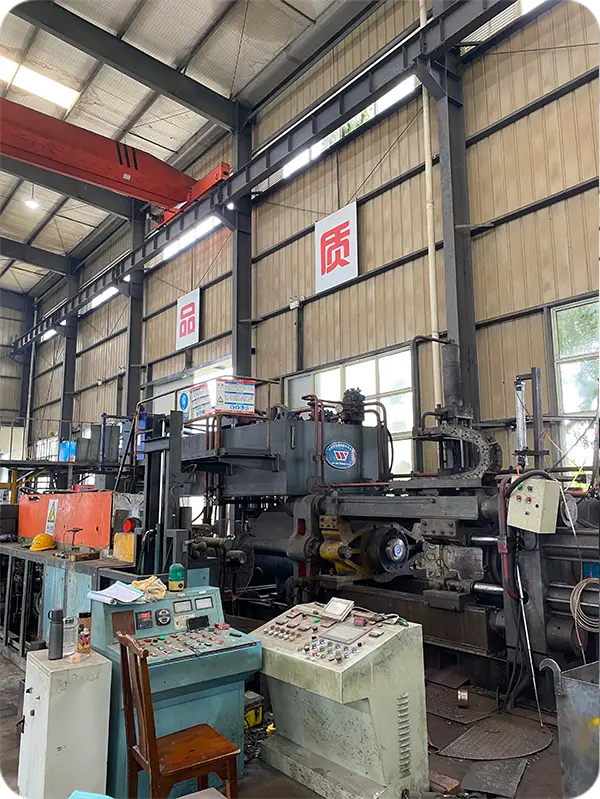
 Precision Extrusion Control
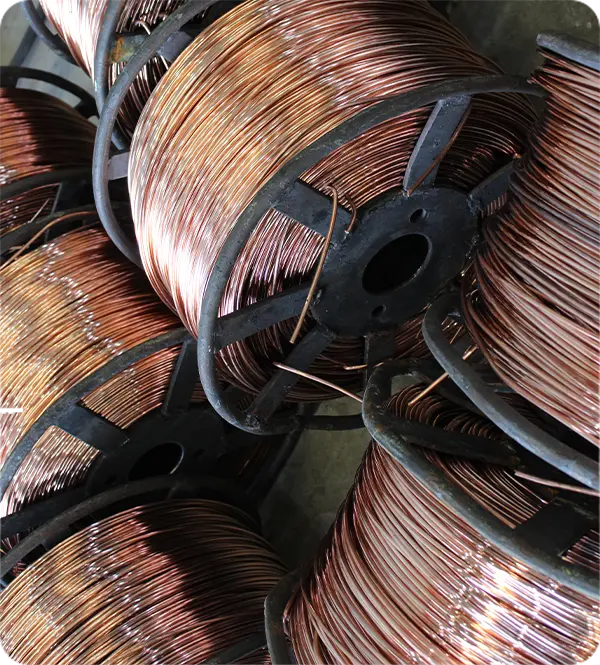 Quality Assurance Testing
 Finished Alloy Inventories
How we combine advanced materials science, custom product systems, and global distribution to serve precision industries.
Technological innovation is our core competitiveness. Backed by senior industry experts, Kepai continuously explores the boundaries of new copper alloy materials. Through independent research and industry-university collaborations, we have developed high-performance Tellurium Copper, Lead Copper, and Sulfur Copper that match or exceed international standards.
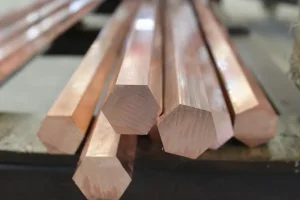
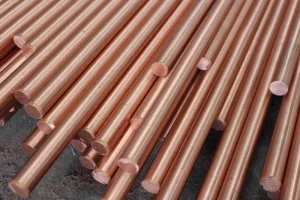
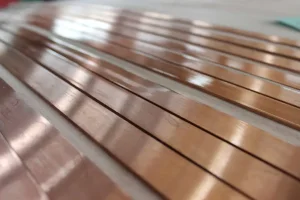
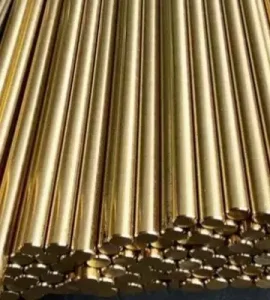
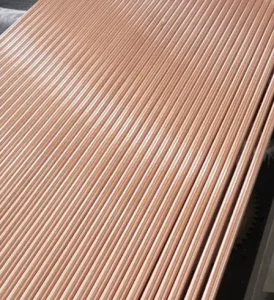
Our diverse product portfolio covers basic materials to custom configurations. We specialize in high-end, high-performance alloys including pure copper, oxygen-free copper, tellurium copper, nickel tellurium copper, tin bronze, beryllium copper, lead bronze, sulfur copper, and chromium zirconium copper.
"Rooted in Sichuan, radiating nationwide, and moving towards the world." Sichuan Kepai has established stable customer bases in multiple domestic provinces and maintains long-term cooperative partnerships with several internationally renowned enterprises across Europe, the Americas, and Southeast Asia.
Guided by "integrity, innovation, collaboration, and win-win," we encourage our team to pursue breakthroughs in new materials. We prioritize continuous professional development and close collaboration to build long-term trust and deliver consistent value to our global partners.
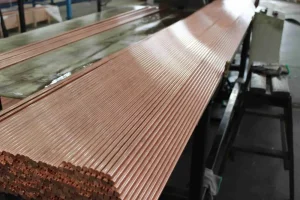
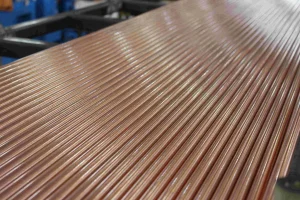
From initial smelting to final packaging, our quality control and manufacturing workflows are integrated in-house to guarantee product consistency.
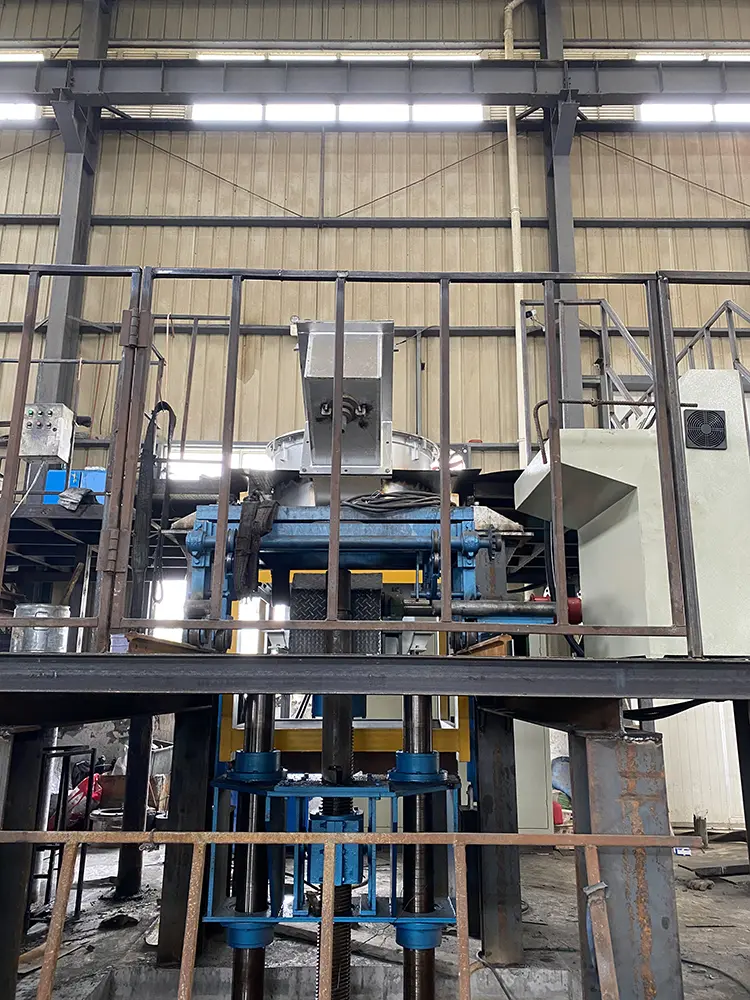
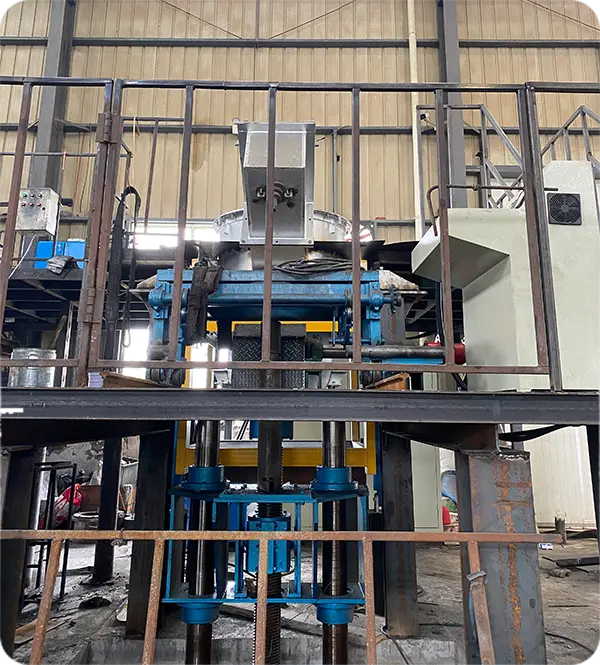
Smelting Furnace
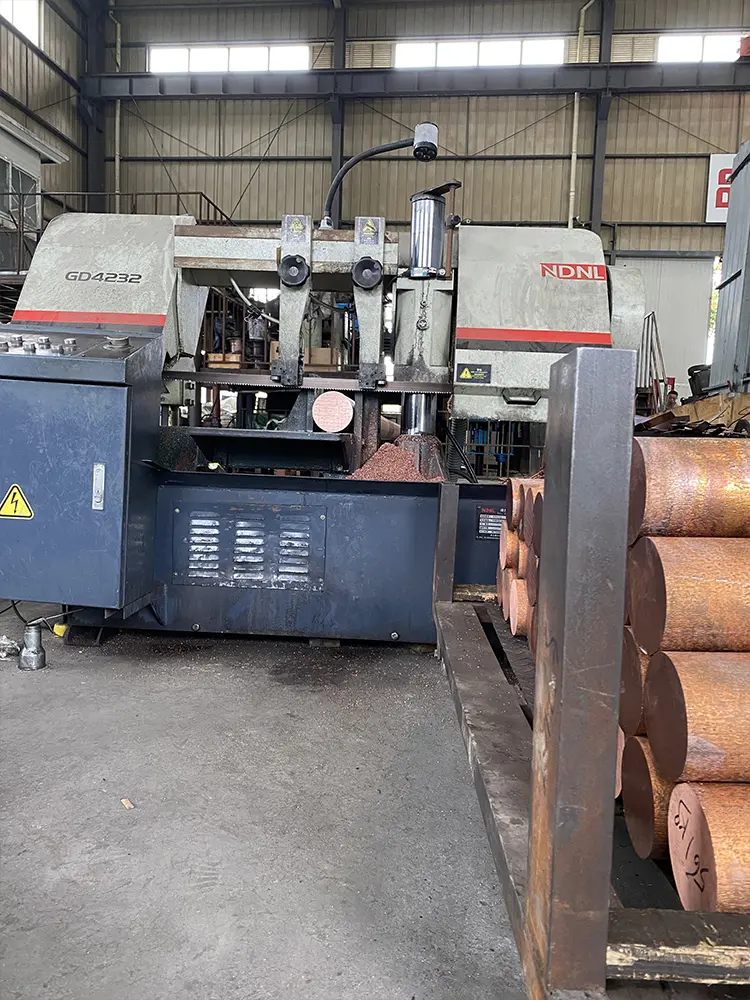
Laying-off Station
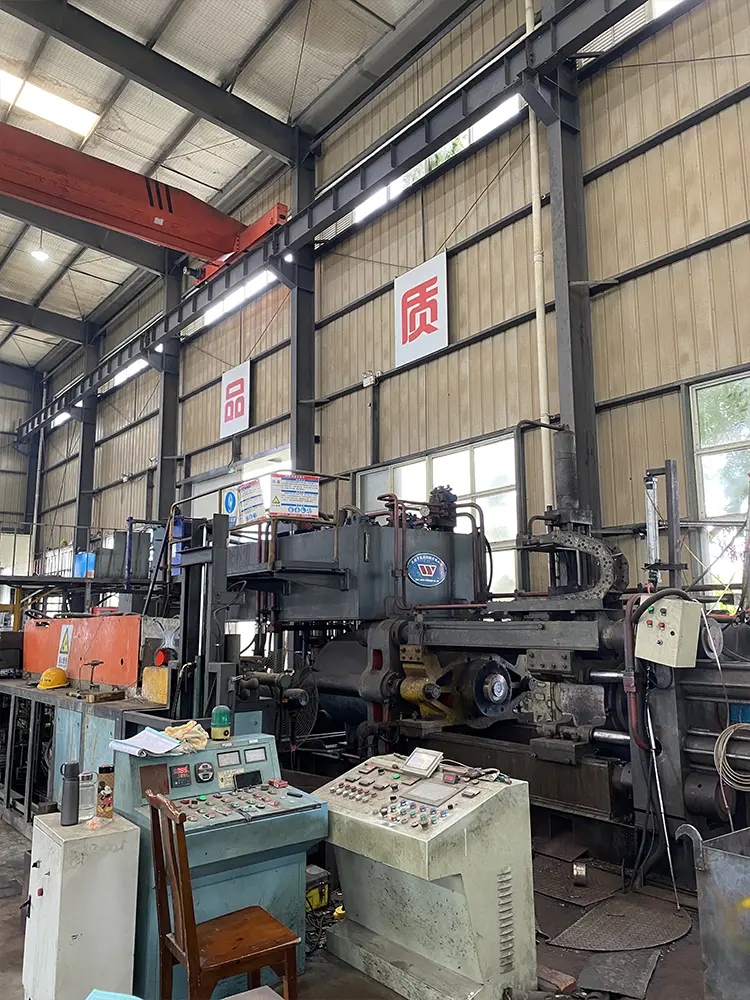
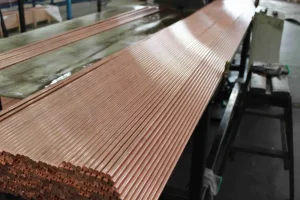
Precision Extrusion Line
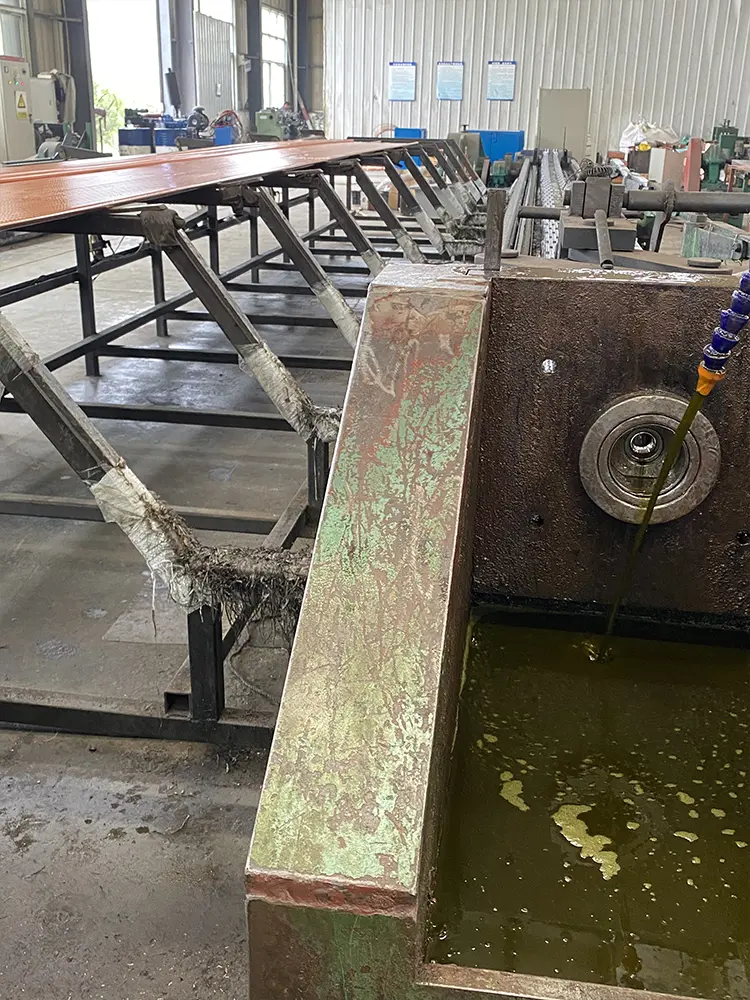
Cold Drawing Machinery
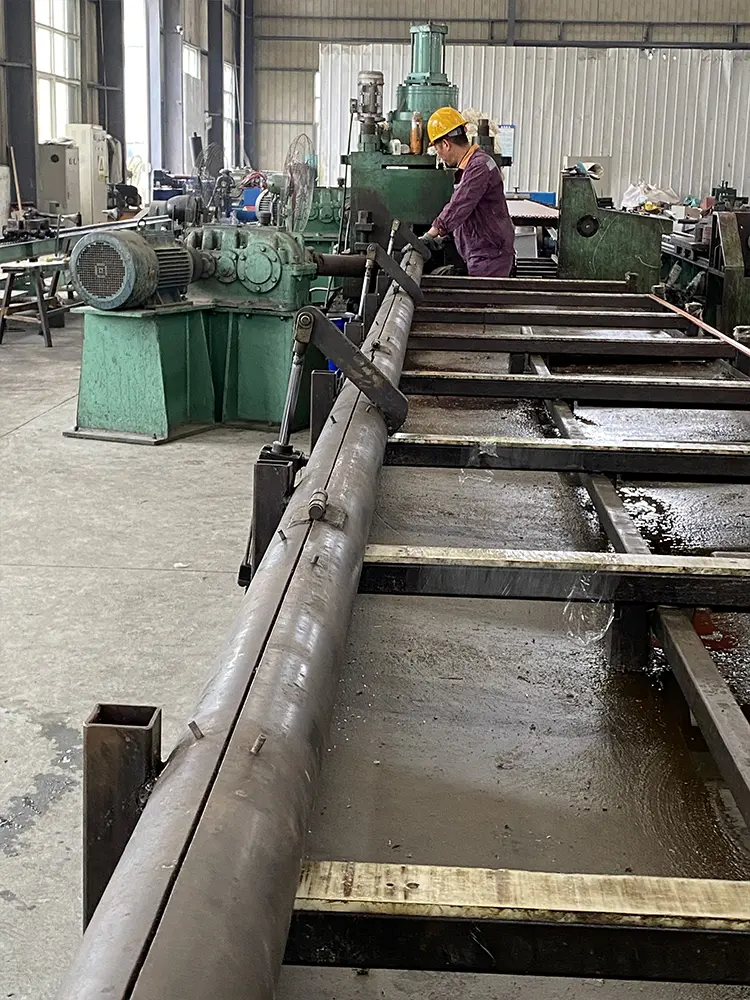
Straightening Machine
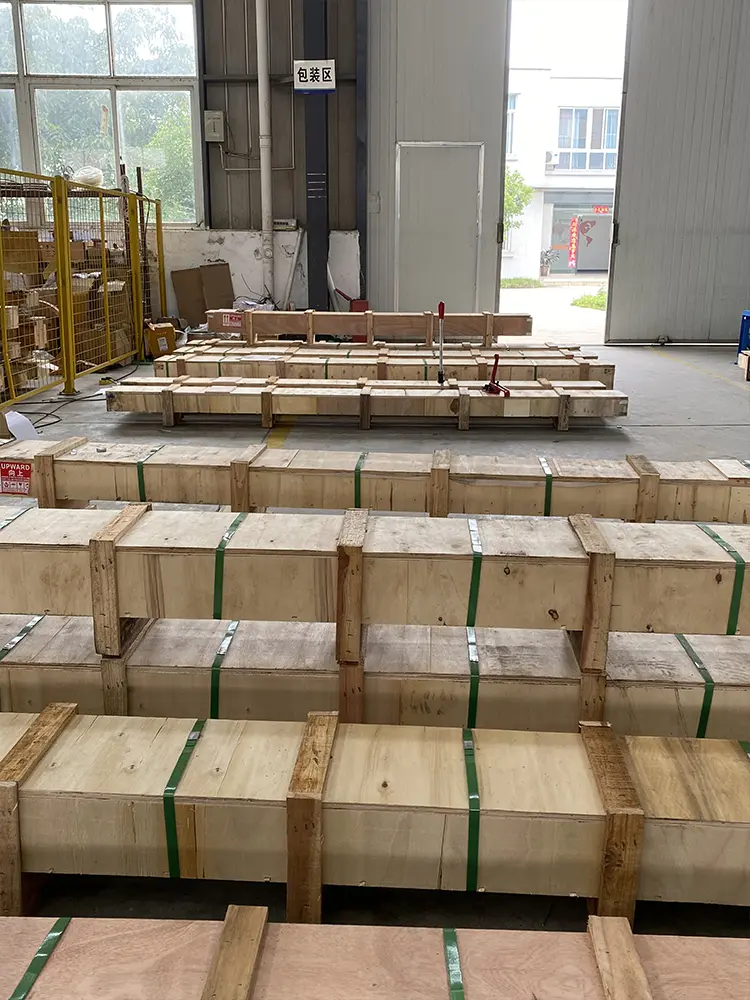
Packaging Center
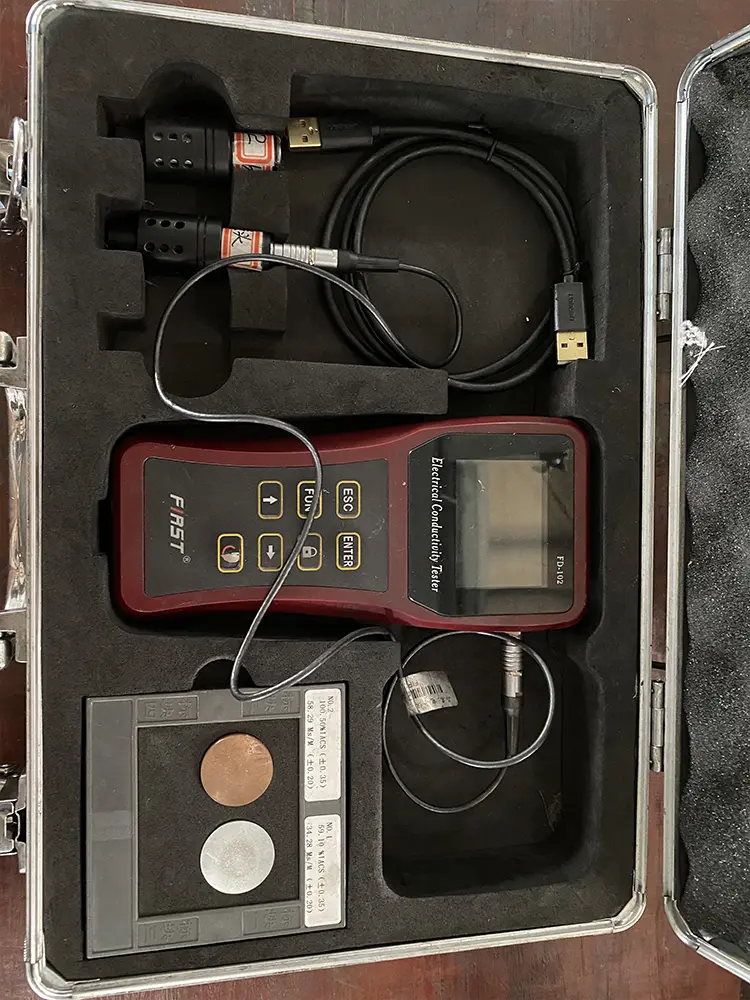
Eddy Current Conductance Tester
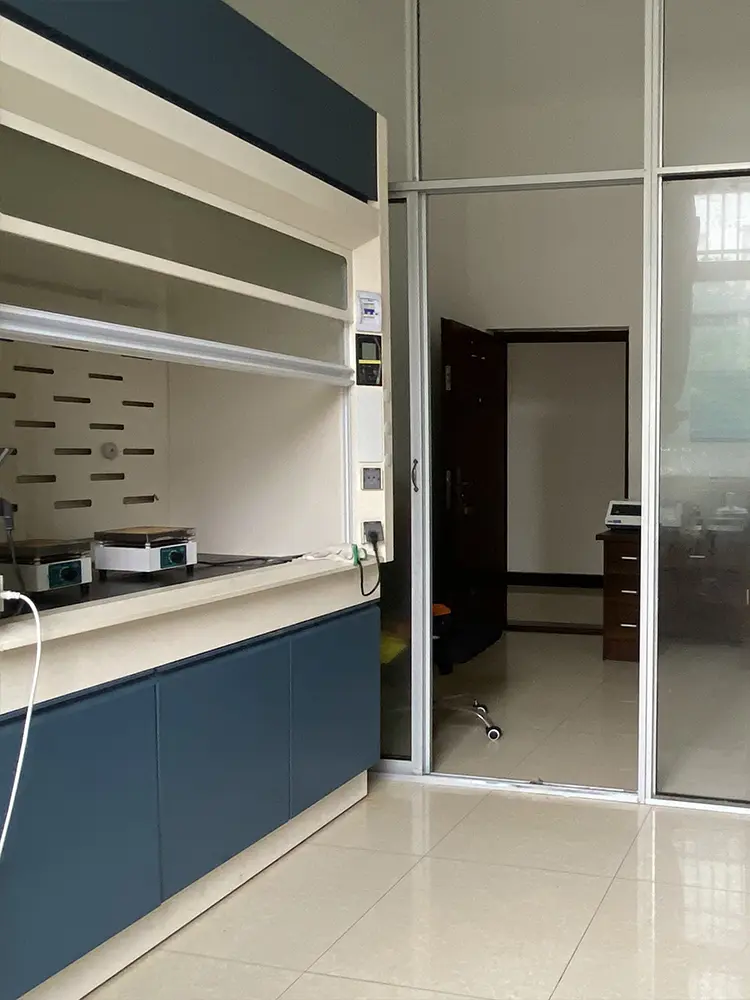
Chemical Composition Test Lab

Metallographic Polisher
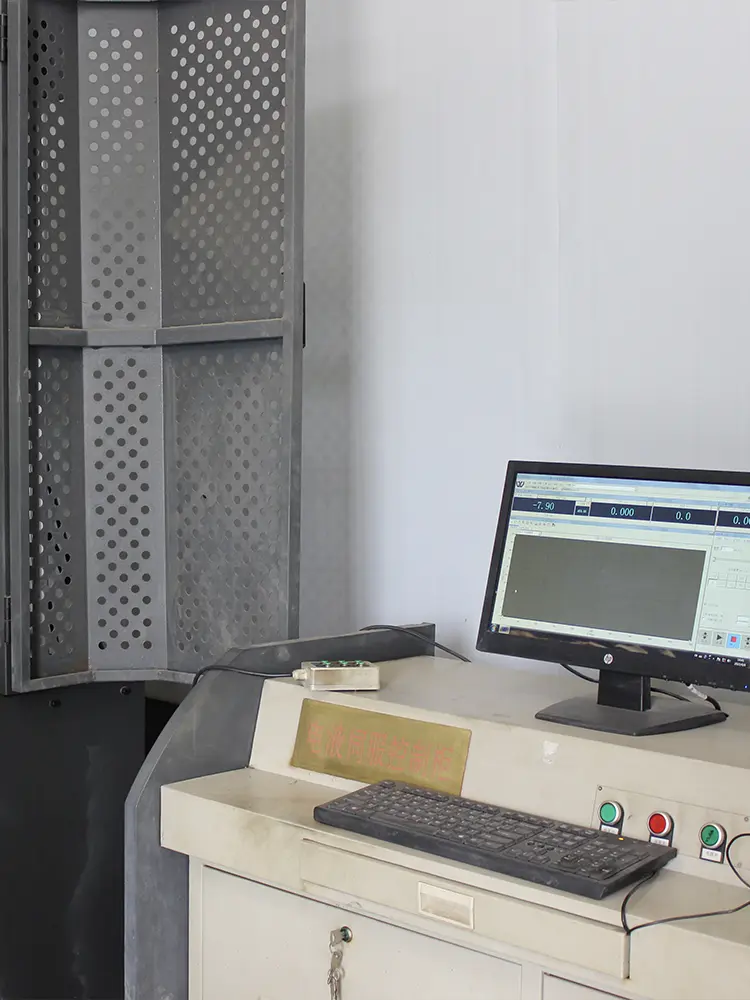
Electro-Hydraulic Servo Tester
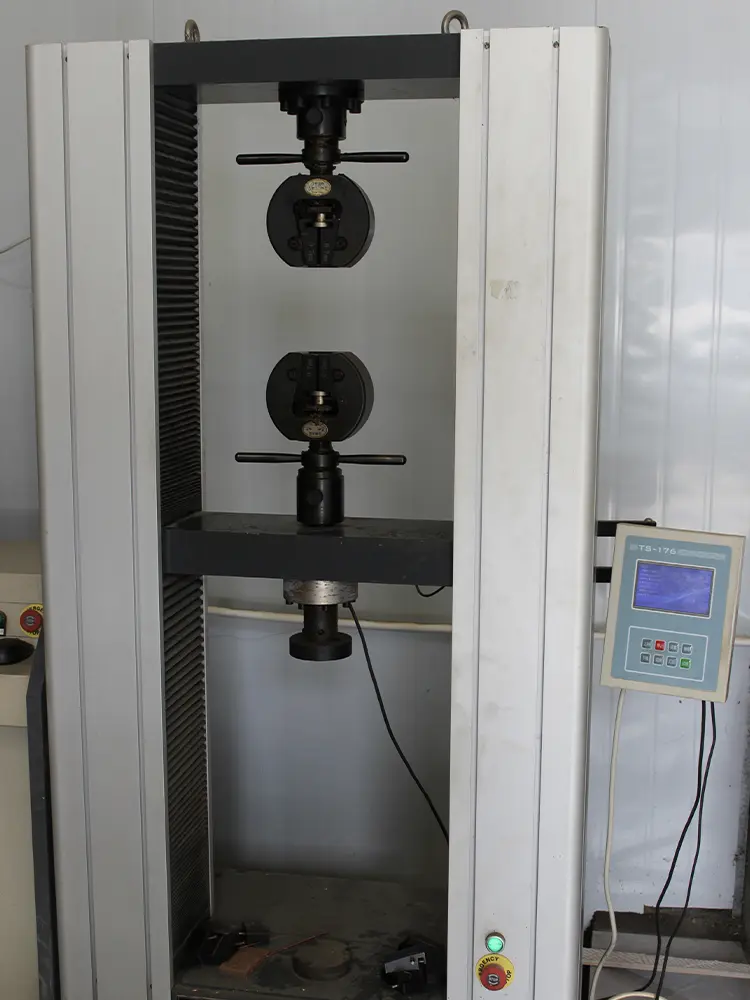
LCD Electronic Universal Tester
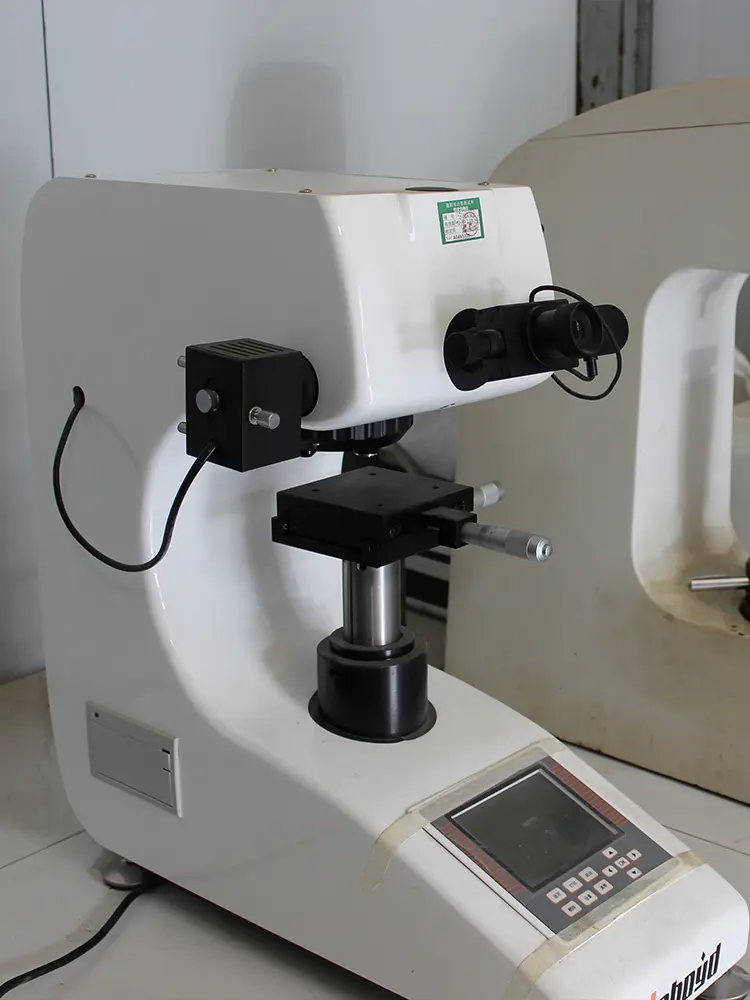
Precision Hardness Tester
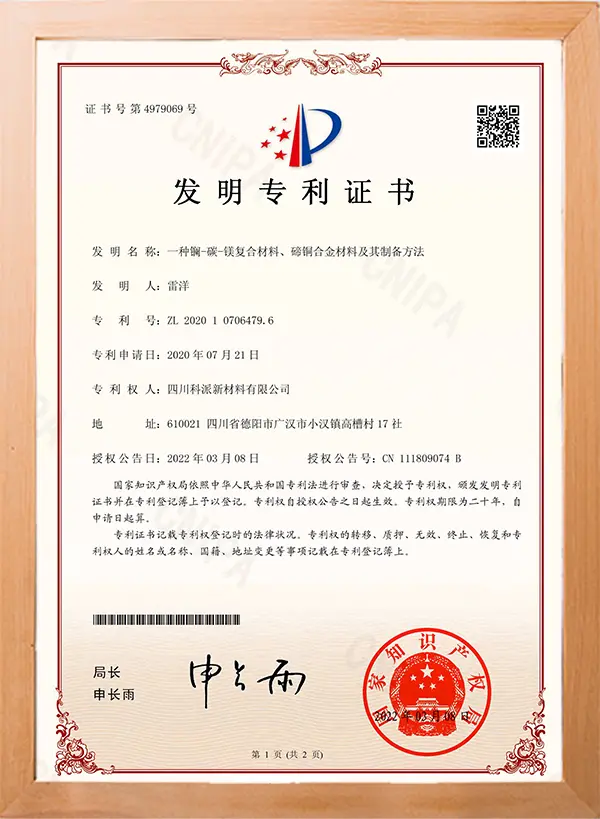
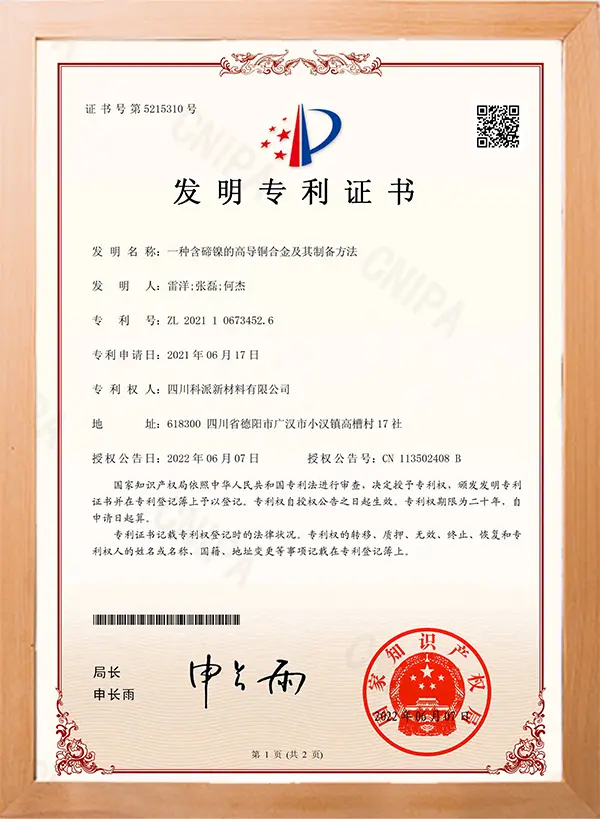
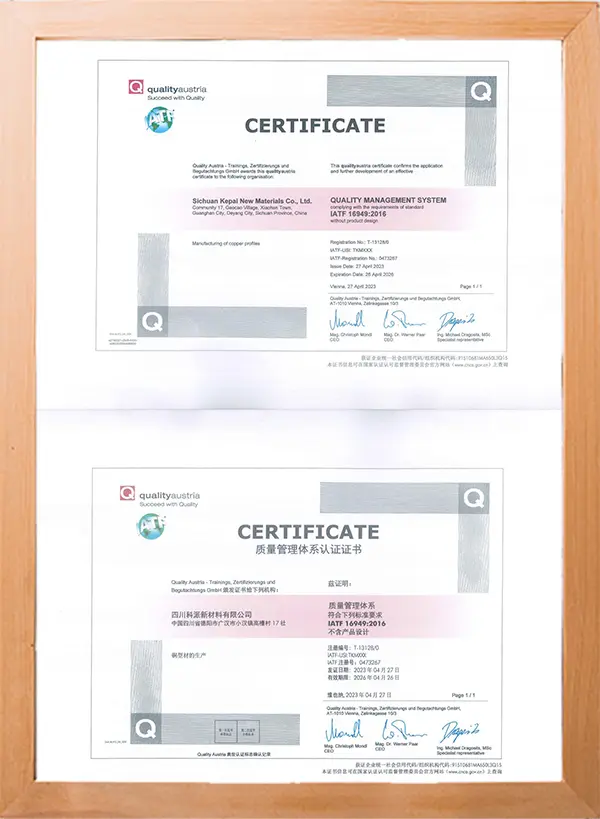
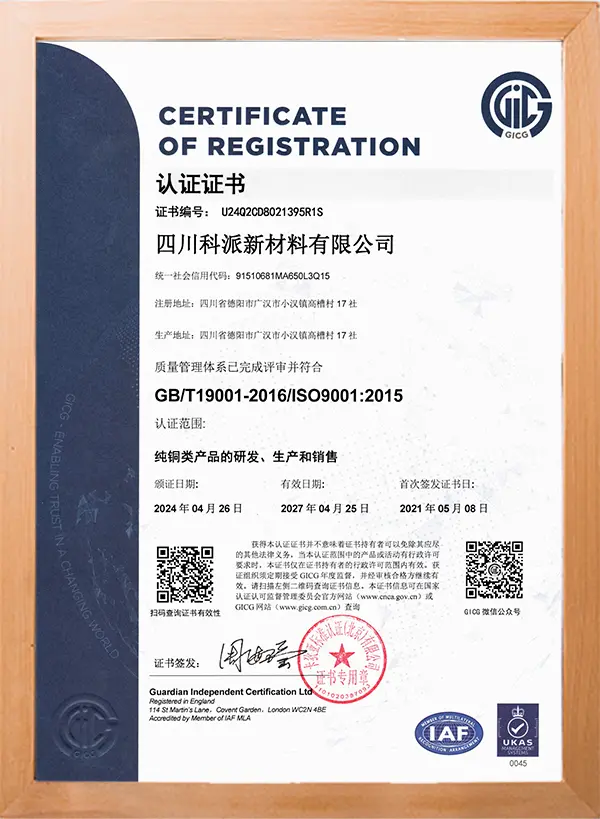
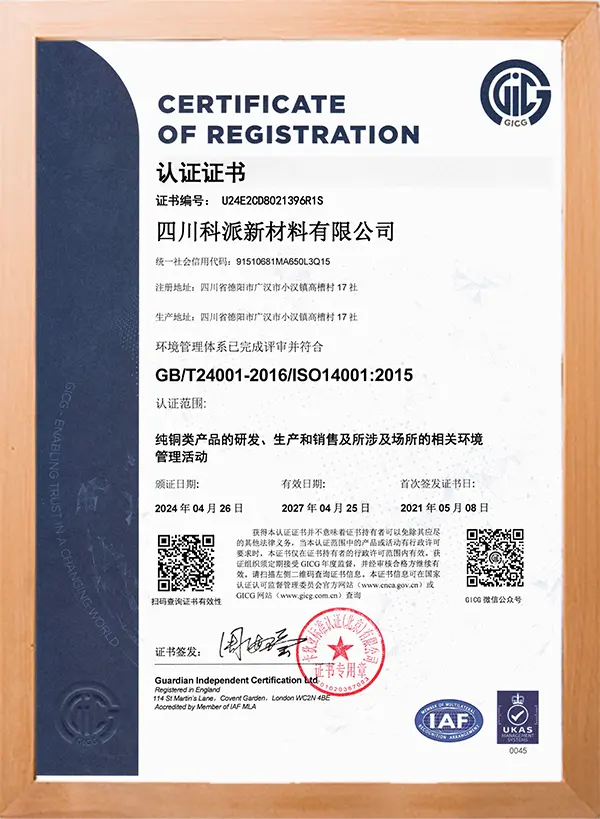
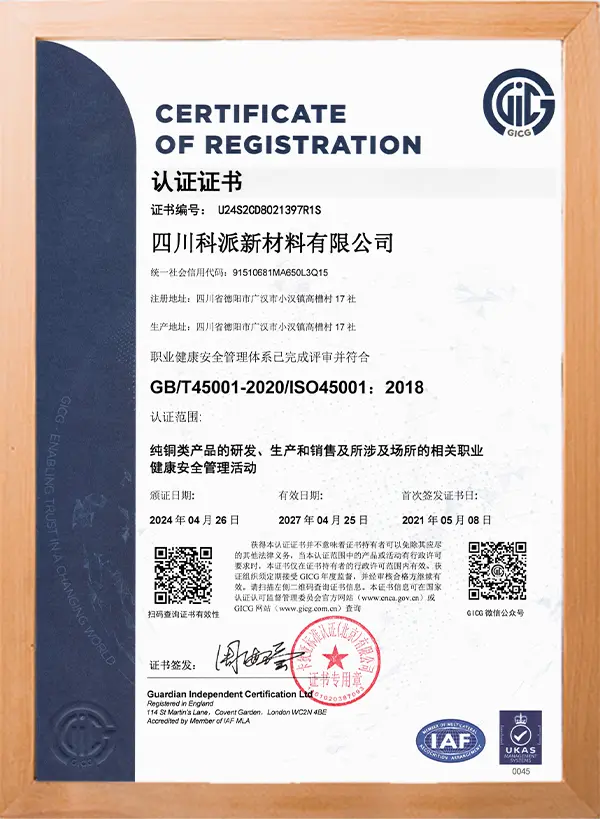
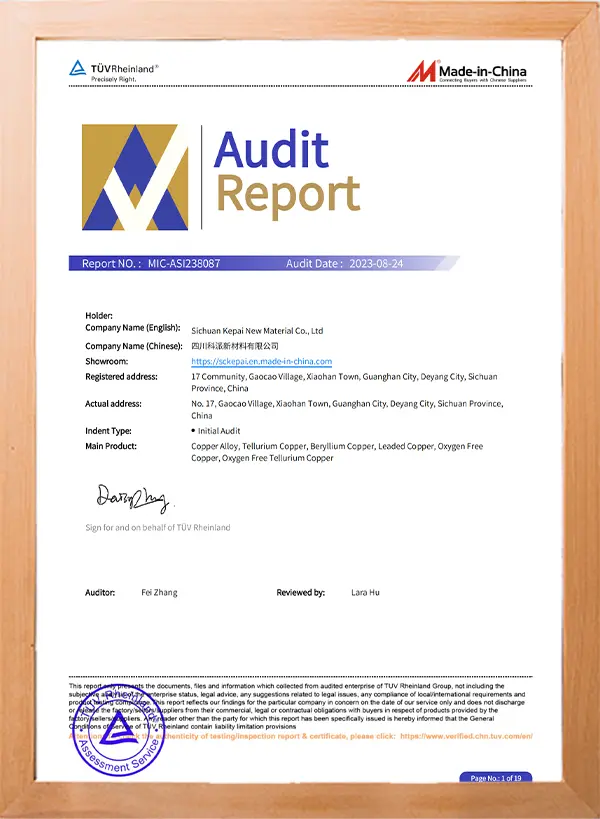
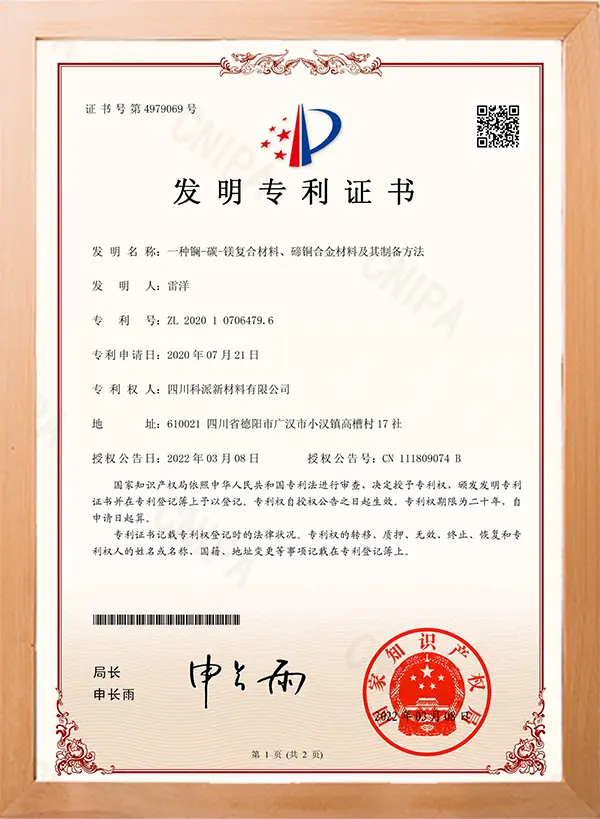
Our manufacturing system is certified to international environmental and quality benchmarks, ensuring reliability for critical global supply chains.
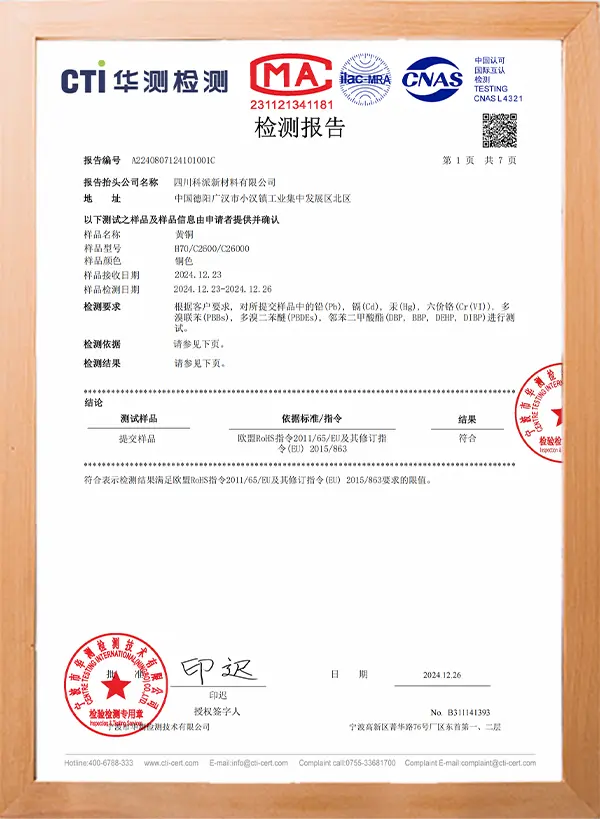
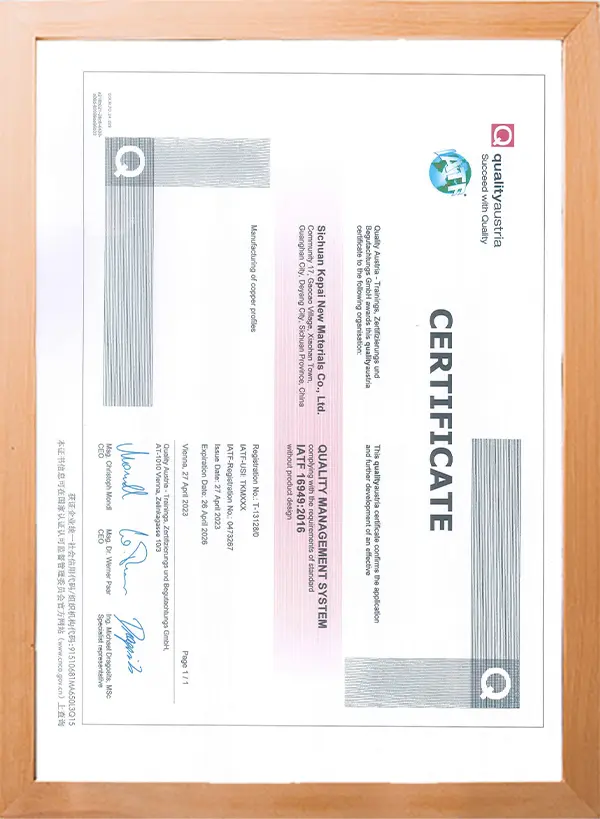
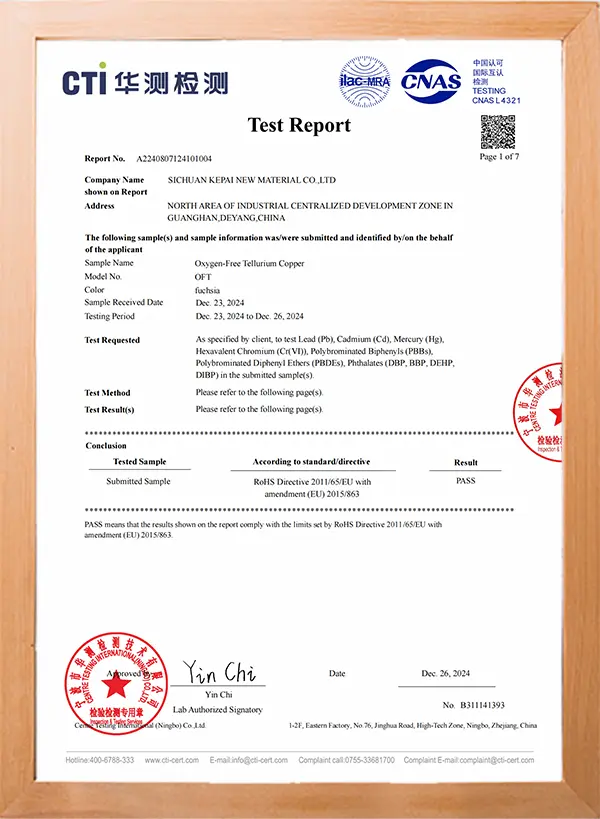
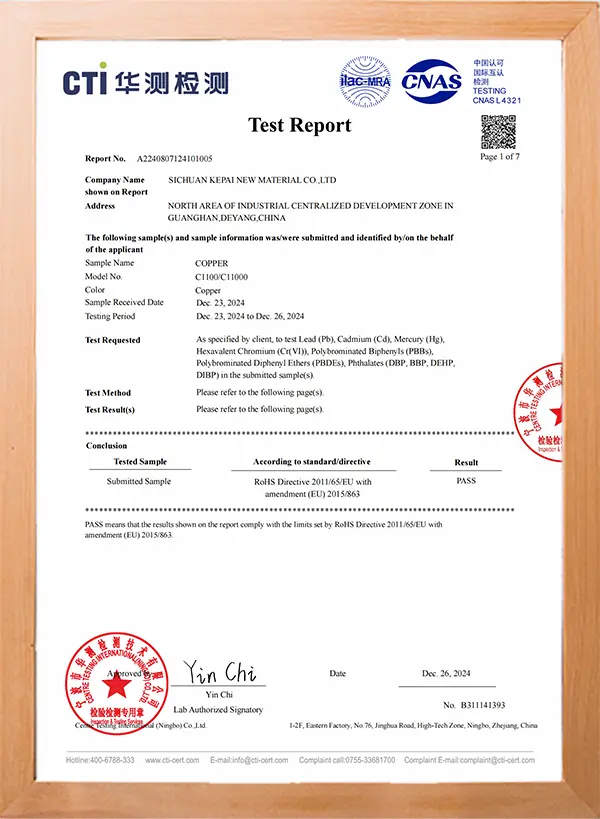
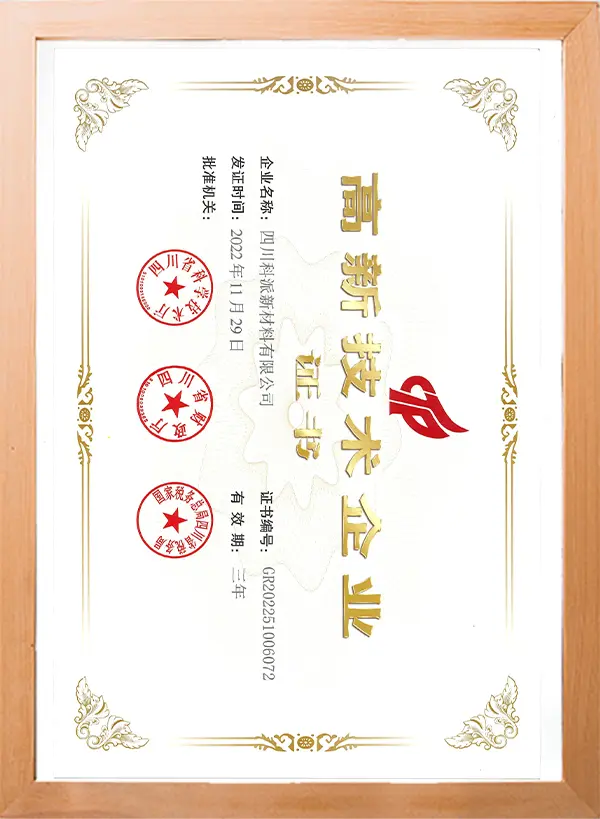
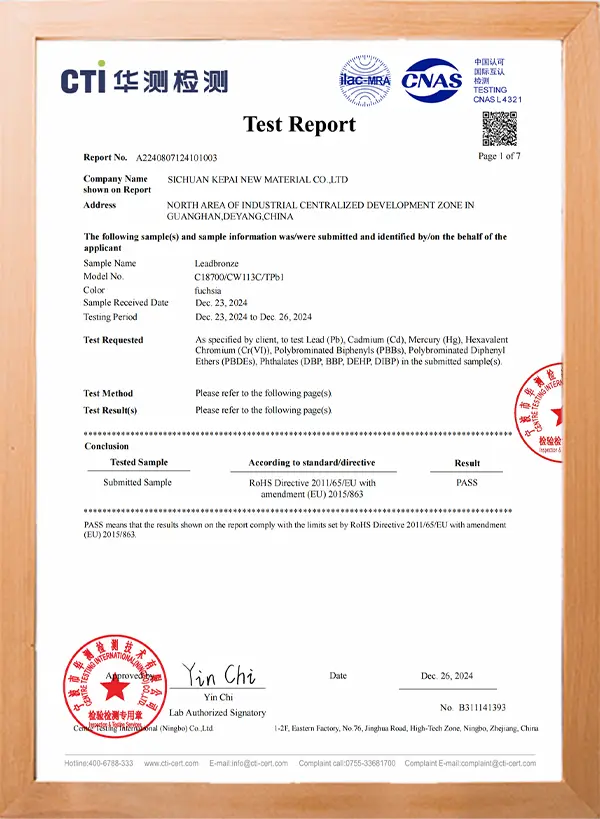
Standard brass alloys rely on trace lead additions (often 1.5% to 3.0%) to facilitate chip breaking and tool cooling during machining operations. However, global directives such as RoHS and REACH are driving a market transition toward lead-free options. The industry's primary challenge is replacing lead without compromising machinability or electrical conductivity.
Sichuan Kepai has developed alternative micro-alloying techniques to address this challenge. By substituting lead with elements like tellurium or bismuth and optimizing grain structure during cold extrusion, we produce alloys that meet strict environmental guidelines while maintaining the performance required for high-speed machining.
Operating a 9,000 square meter facility allows us to implement quality control measures at every step of production. Our metallurgical processes are monitored using advanced analytical equipment:
Located in the Sichuan Guanghan Industrial Zone with access to National Highway 108, Kepai is integrated into major domestic and international shipping routes. We leverage nearby dry ports and air transport hubs to coordinate logistics and deliver customized packaging that protects our high-purity copper products during transit.
Detailed answers to technical questions commonly raised by procurement managers and design engineers.
Pure copper (such as C11000) is highly ductile and gummy during machining, which leads to tool wear, long stringy chips, and lower production efficiency. C14500 Tellurium Copper introduces a small amount of tellurium, forming copper telluride particles that act as natural chip breakers. This increases machinability to approximately 85% of free-cutting brass, allowing faster spindle speeds and cleaner cuts while maintaining over 93% IACS electrical conductivity.
C18150 is a precipitation-hardened copper alloy containing chromium and zirconium. It undergoes solution heat treatment followed by aging to precipitate secondary phases within the copper matrix. This micro-structural design allows it to retain high hardness, tensile strength, and electrical conductivity at operating temperatures up to 500°C. It is widely used for spot welding electrodes, plasma cutting nozzles, and high-current relay components that face repeated thermal cycling.
Oxygen-free copper alloys (such as C10100) are manufactured with oxygen levels kept below 0.001% (10 ppm). This low level prevents hydrogen embrittlement when the copper is exposed to reducing atmospheres at elevated temperatures. It also ensures high thermal and electrical conductivity (101% IACS minimum) and minimizes outgassing under vacuum, making it suitable for semiconductor manufacturing equipment and high-power vacuum electronics.
We source verified raw materials and test each production run in our chemical composition laboratory. Using optical emission spectrometry and inductively coupled plasma (ICP) diagnostics, we verify that trace element levels, particularly heavy metals like lead and cadmium, remain within RoHS and REACH compliance limits.
Additional custom-engineered copper-nickel, pure copper, and specialized high-strength bronze variants available for global distribution.
Looking ahead, Sichuan Kepai New Materials Co., Ltd. will continue to focus on the research and application of advanced copper alloys, contributing to the development of the industry globally. Contact our engineering team today for custom formulations, dimensions, and competitive bulk pricing.
 Kepai
Kepai