High-purity formulations designed to reduce production overheads and enhance operating lifespans across heavy industries.
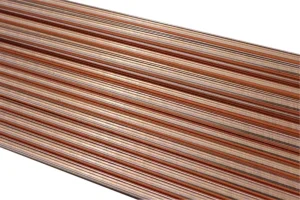
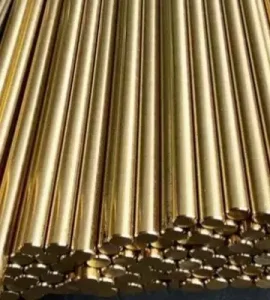
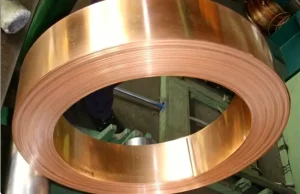
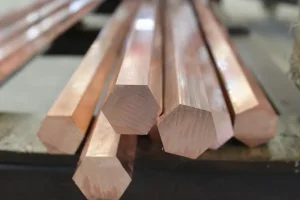
In the high-intensity domain of heavy industrial tribology, materials must withstand severe conditions of boundary lubrication, mechanical stress, and thermal fluctuations. Leaded bronze alloys continue to serve as the baseline standard for high-performance friction sleeves, mechanical guide bushings, and heavy-duty slide bearings. By incorporating lead (Pb) into the copper-tin matrix, metallurgists create a material that combines the mechanical load-bearing capacity of copper alloys with the self-lubricating properties of lead.
Unlike interstitial alloying elements, lead remains practically insoluble in the solid copper-tin matrix. It distributes as fine, discrete globules throughout the alloy dendritic microstructure. When subjected to localized friction, the microscopic dispersion of lead acts as an emergency dry lubricant. If external lubrication pathways fail, this dispersed lead smears across the sliding surface to form a thin boundary film that prevents catastrophic metal-to-metal galling and seizure. This self-lubricating behavior makes lead bronze highly valuable for machinery with frequent start-stop cycles, reciprocating motions, or environments where standard lubrication is difficult to maintain.
The free-cutting nature of leaded copper alloys significantly lowers tool wear, minimizes machining temperatures, and improves dimensional tolerances during high-volume turning and milling operations.
Under boundary lubrication conditions, the dispersed lead phase functions as a solid-state lubricant, protecting rotating and sliding assemblies from dry-run failures.
The relatively soft bronze matrix allows foreign abrasive particles to embed themselves into the bearing surface rather than score the mating shaft, preserving critical assembly tolerances.
The global market for copper alloys is transitioning toward high-performance, specialized formulations. Traditional foundries are shifting from commodity casting to advanced metallurgical manufacturing. Rapid growth in the marine, renewable energy, and heavy transport sectors has increased the demand for alloys that can endure higher mechanical loads, corrosive environments, and extended maintenance intervals.
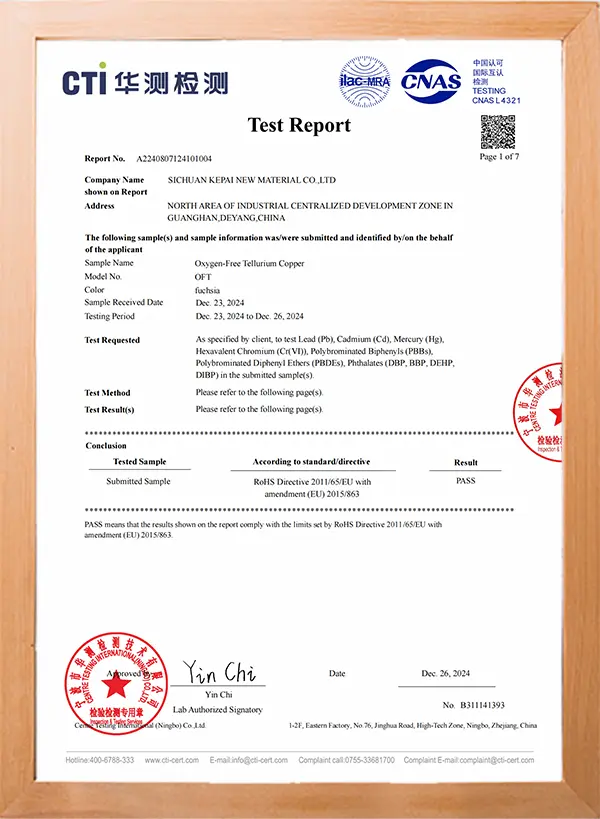
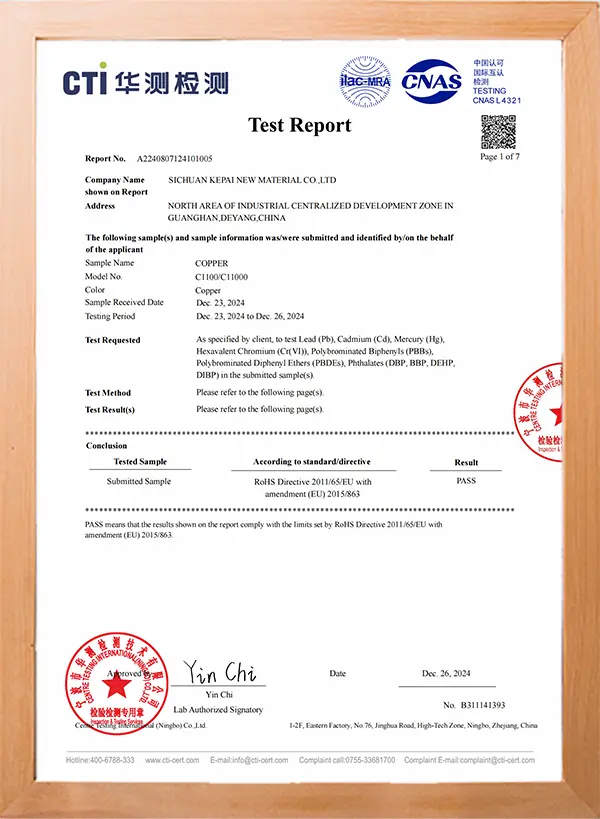
In response to international standards like REACH and RoHS, the industrial use of lead-bearing alloys is subject to strict engineering assessments. Where lead bronze remains necessary due to extreme speeds, temperatures, or pressures—such as in aerospace landing gear bushings, marine propulsion shaft sleeves, and high-load mining machinery—manufacturing facilities must operate under tight environmental controls. Industrial consumers are increasingly sourcing materials from vertically integrated factories capable of providing certified chemical compositions, trace element verification, and clean melting processes that conform to global environmental standards.
Sichuan Kepai New Materials Co., Ltd. addresses this demand by producing highly specialized copper alloys. Through precision-controlled vacuum melting and horizontal continuous casting, Kepai prevents lead segregation—a common casting defect where lead pools in specific areas due to its high density. This process ensures a uniform distribution of lead throughout the alloy matrix, yielding consistent mechanical properties and reliable performance in finished parts.
A High-Tech Enterprise Driven by Innovation & Sustainable Materials Engineering
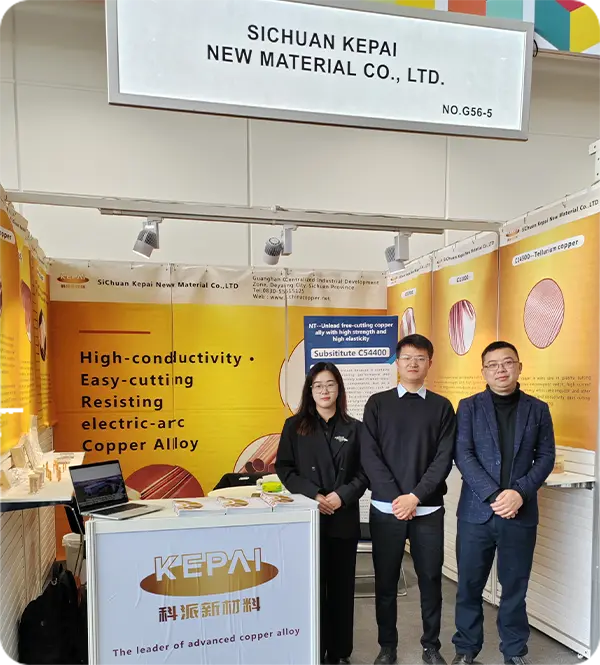
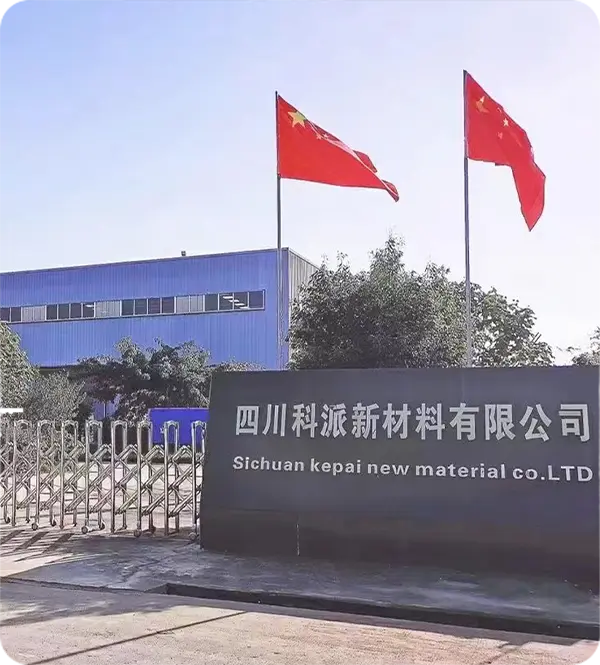
Established in 2017, Sichuan Kepai New Material Co., Ltd. is a high-tech manufacturer specializing in the research, development, production, and sales of high-performance copper alloys. Operating a 9,000-square-meter facility with an advanced 1,000-square-meter office and testing lab, the company is situated in the western area of the Sichuan Guanghan Industrial Development Zone, adjacent to National Highway 108 for streamlined logistics.
Kepai focuses on materials engineered for demanding modern technologies, including tellurium copper, high-conductivity oxygen-free copper, silver copper, dispersion copper, and lead-tin bronzes. These alloys are widely used in emerging fields such as new energy vehicles (NEVs), 5G telecommunication networks, industrial laser cutting, relay contacts for lithium energy storage systems, and precision aerospace components.
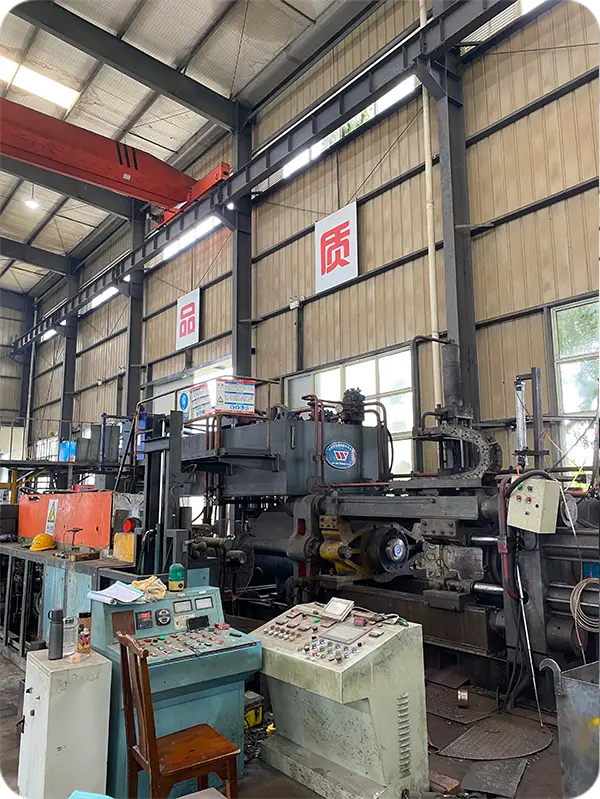
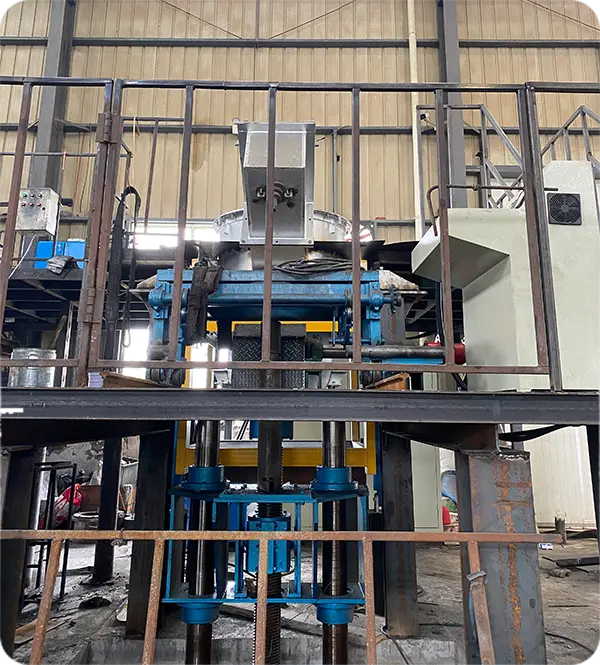
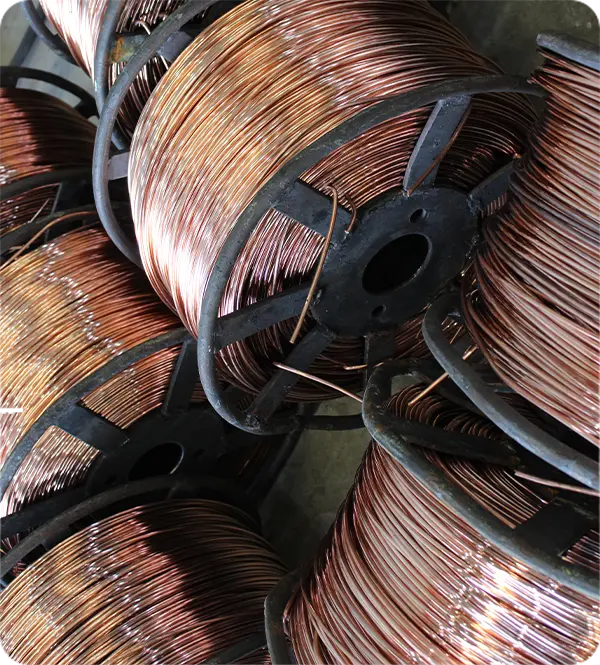
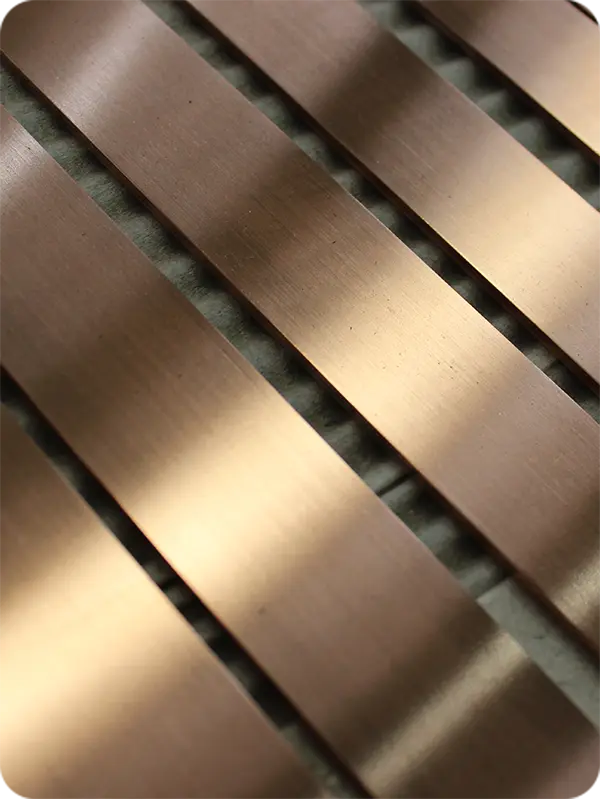
Our vertically integrated manufacturing process, from induction smelting to testing, ensures consistent material properties.
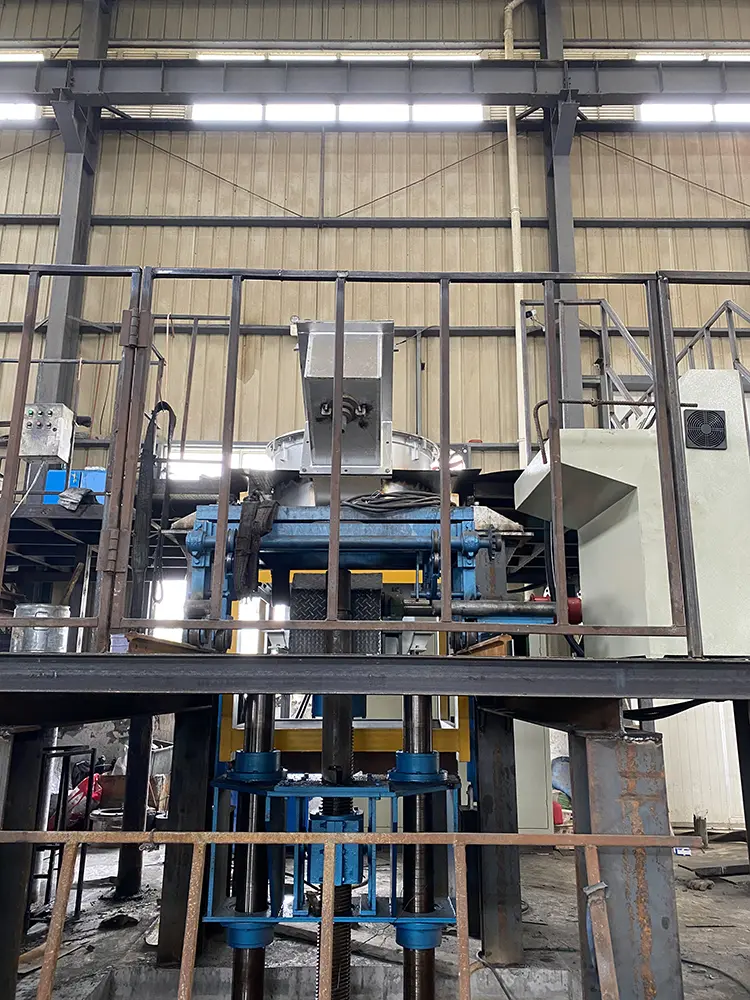
Smelting & Casting
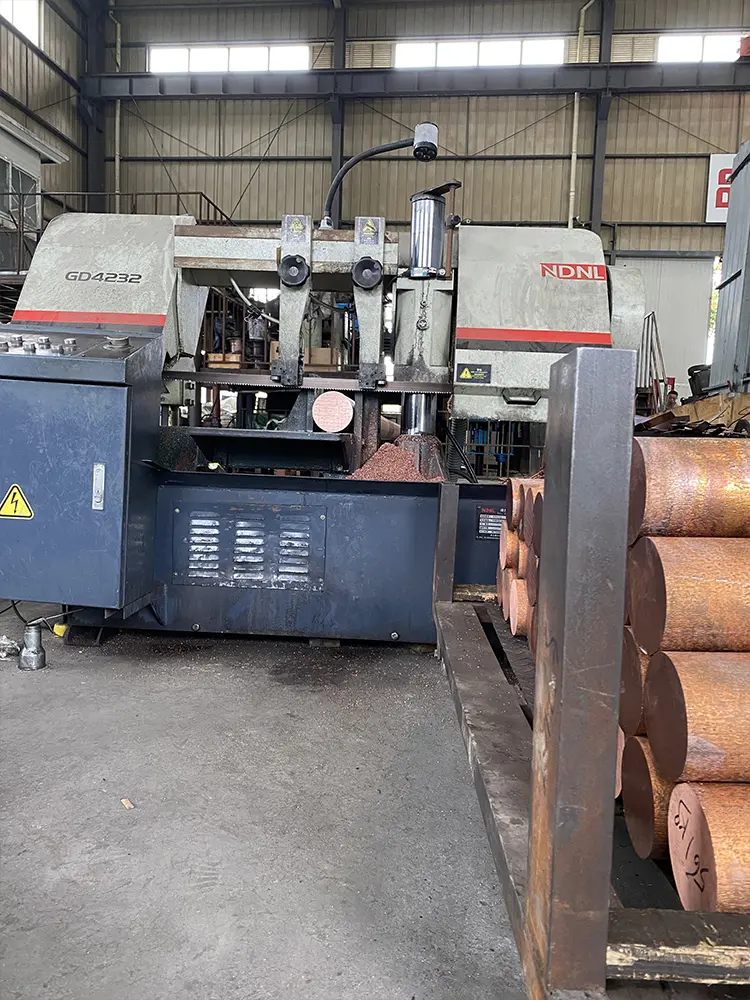
Laying-off & Sizing
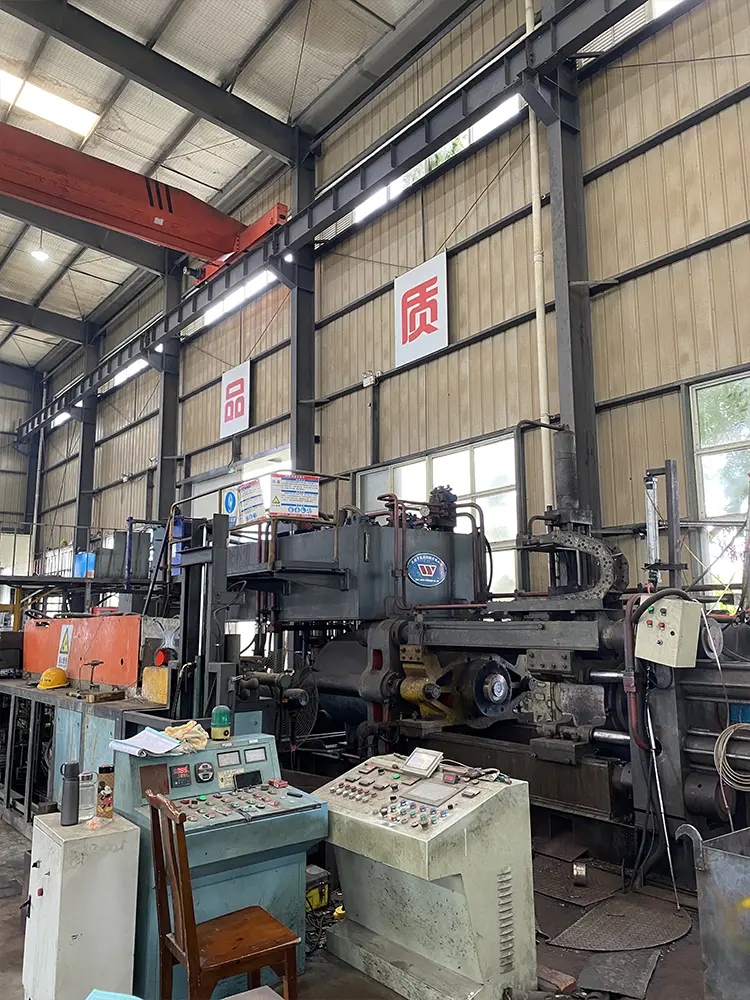
Hot Extrusion Press
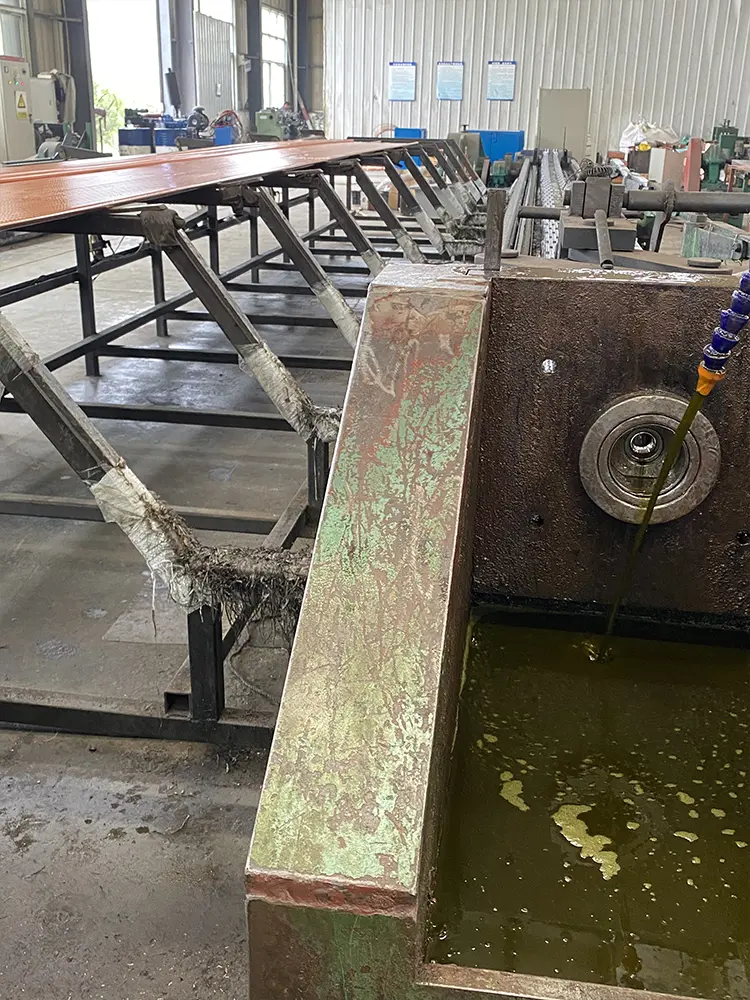
Cold Drawing Bench
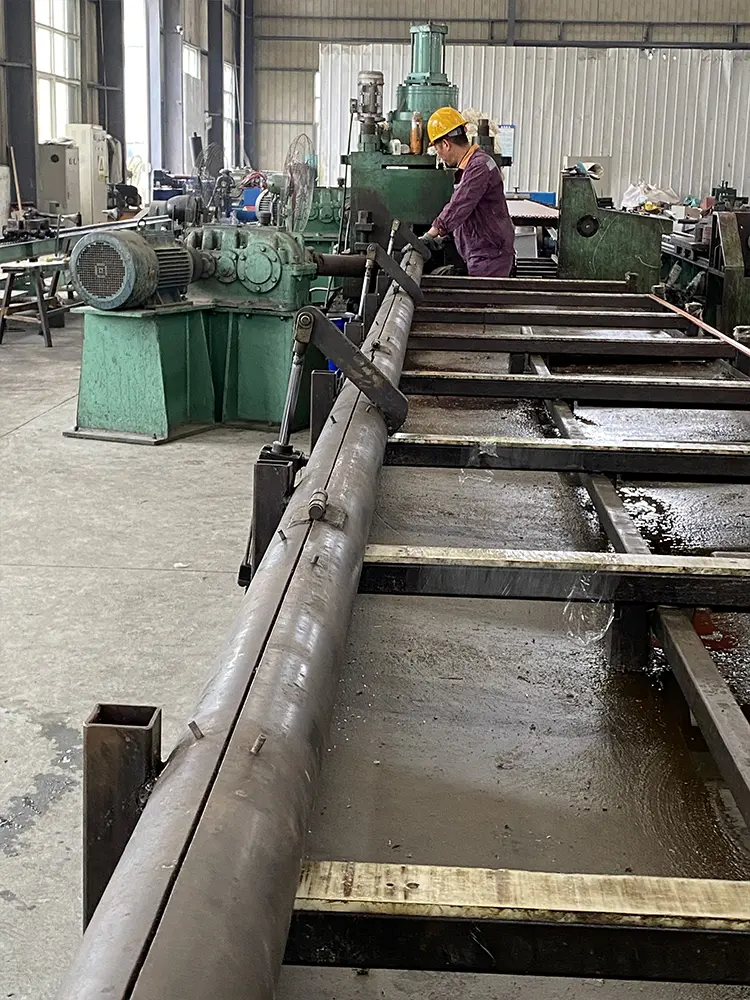
Precision Straightening
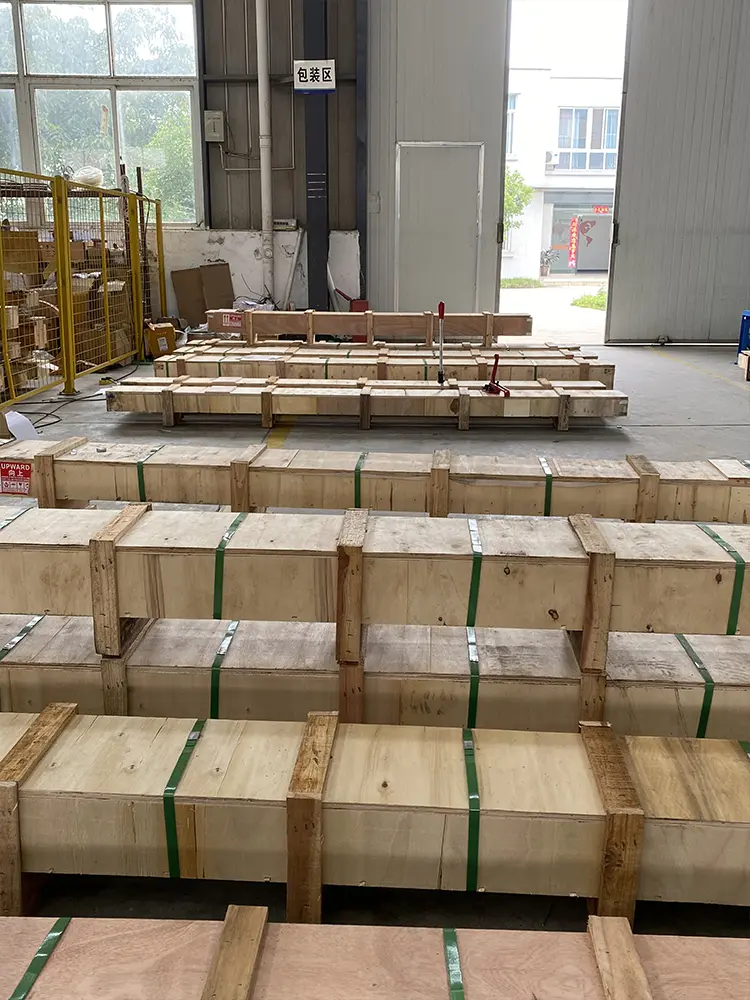
Protective Packaging
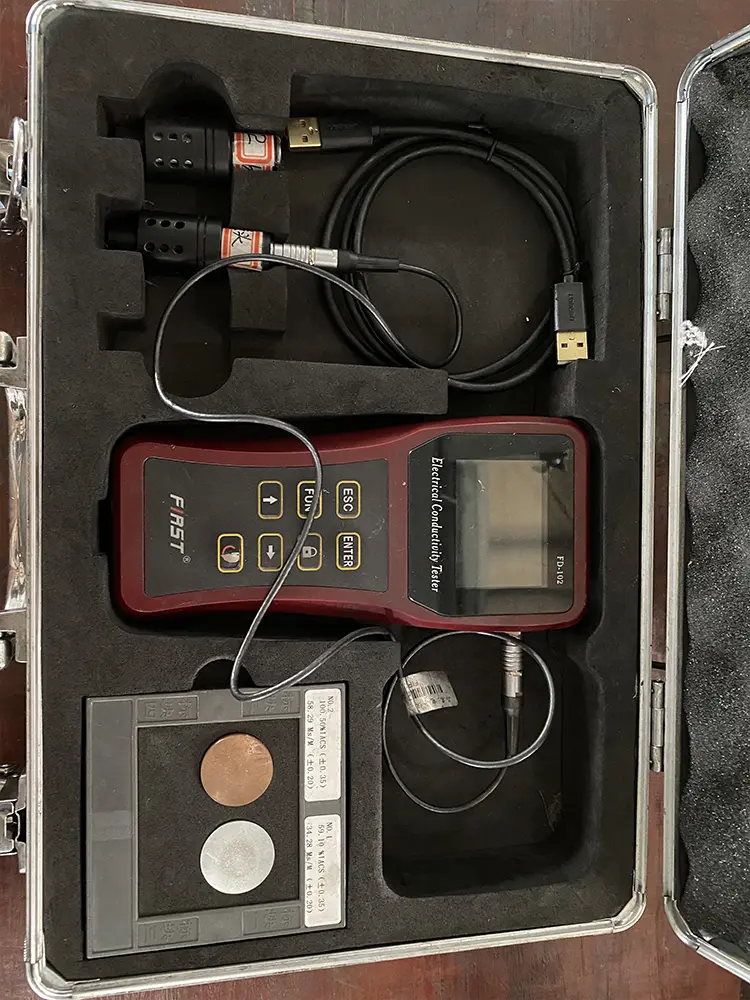
Eddy Current Conductance Testing
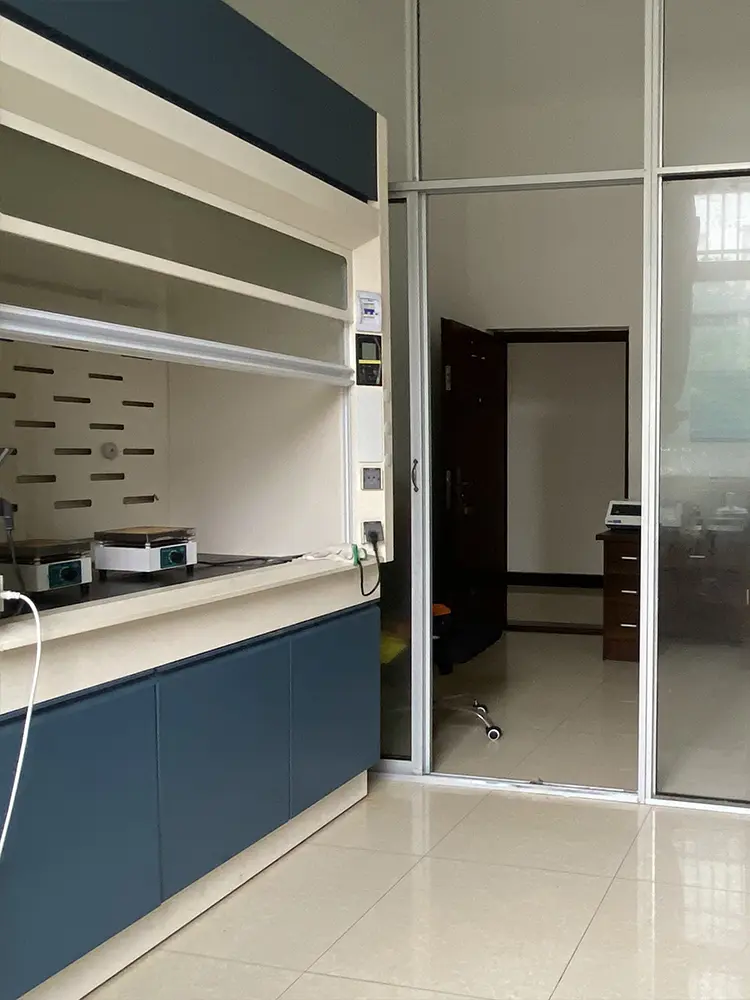
Chemical Composition Testing Lab

Metallographic Specimen Polishing
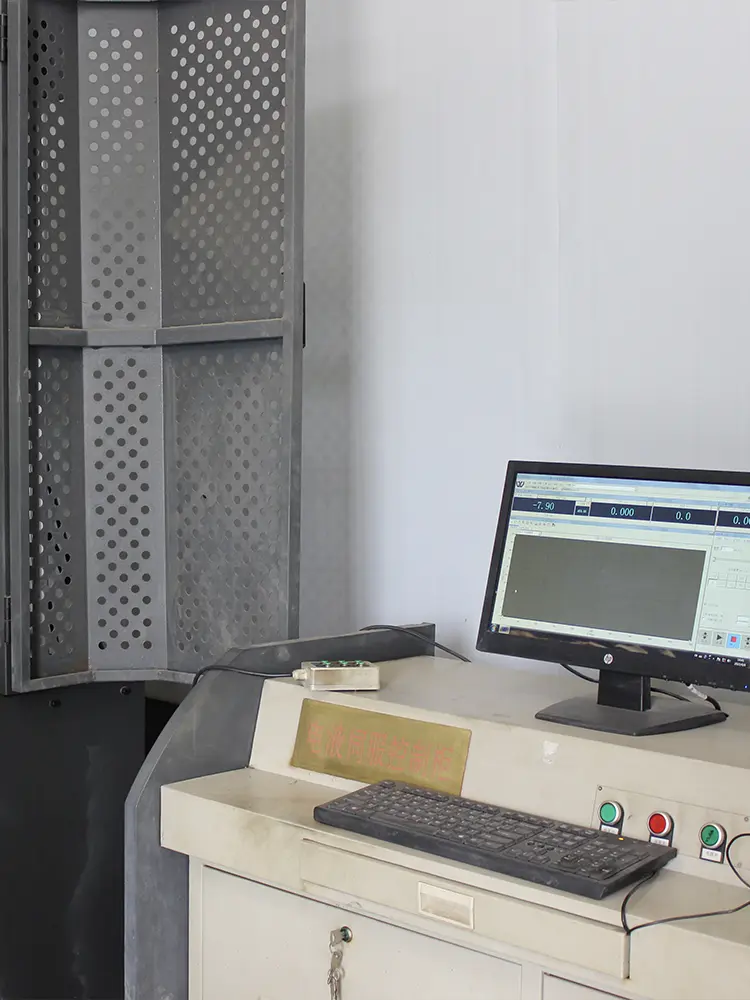
Electro-Hydraulic Servo Testing Machine
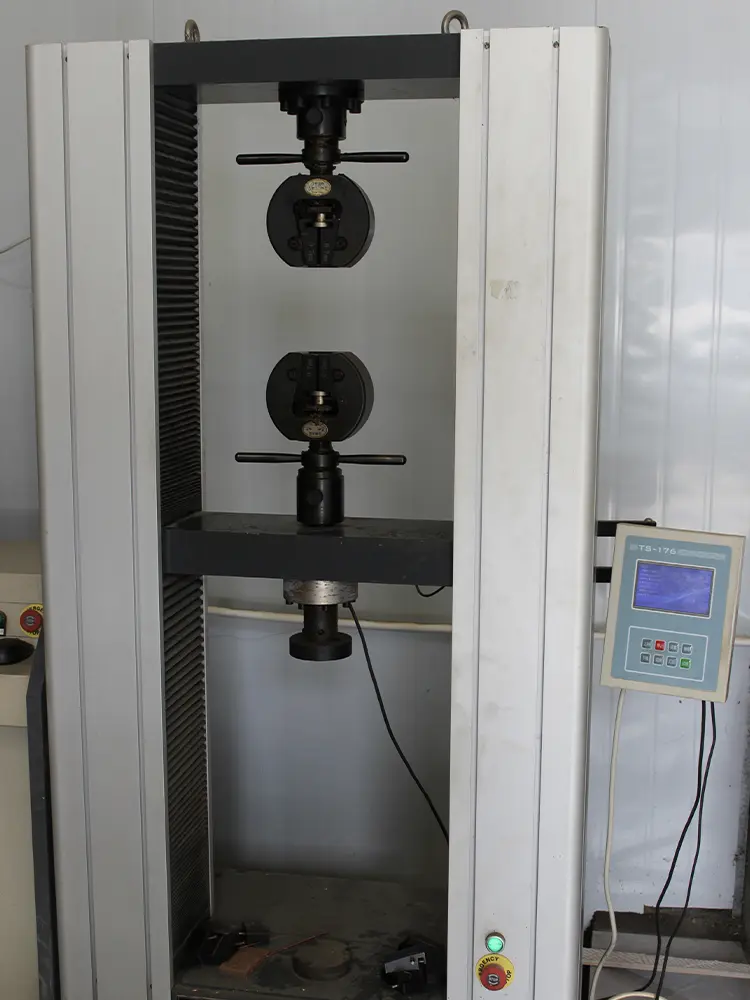
LCD Electronic Universal Tester
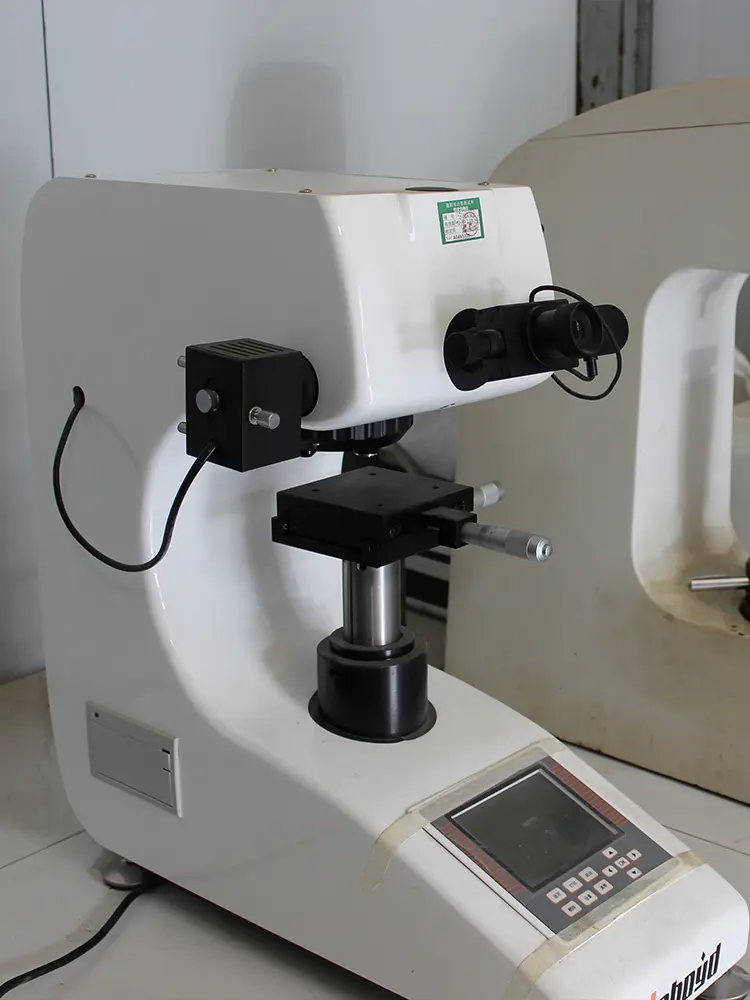
Microhardness Tester
Industrial demand continues to push the limits of copper alloy performance. To meet the requirements of emerging technologies, Sichuan Kepai maintains an active R&D pipeline focused on three primary areas: refined microstructures, green chemistry formulations, and multi-element copper matrices.
1. Dendritic Refinement & Lead Phase Control: By using electromagnetic stirring during continuous casting, our production process breaks down long dendrites in the cooling metal. This creates a uniform grain structure that prevents the pooling of dense elements like lead. The result is a consistent, isotropic structure in the extruded rods and tubes, which helps ensure uniform friction performance across the entire component.
2. Alternative Green Cut Alloys (The Bismuth-Tellurium Vector): Recognizing global regulatory trends restricting lead content, Kepai is researching Bismuth-Tellurium-Copper (Bi-Te-Cu) and Sulfur-Copper (S-Cu) alloys. These materials aim to match the high machinability and self-lubricating properties of leaded bronze while meeting RoHS restrictions for consumer-facing electronics and potable water systems.
3. Integrated Hybrid Alloys for Automotive and Electronics: Industrial power systems require components with high electrical conductivity, physical strength, and wear resistance. By combining tellurium or sulfur with chromium and zirconium, we produce alloys designed to resist thermal softening and mechanical wear under the high electrical currents found in EV fast-charging connectors and power transmission relays.
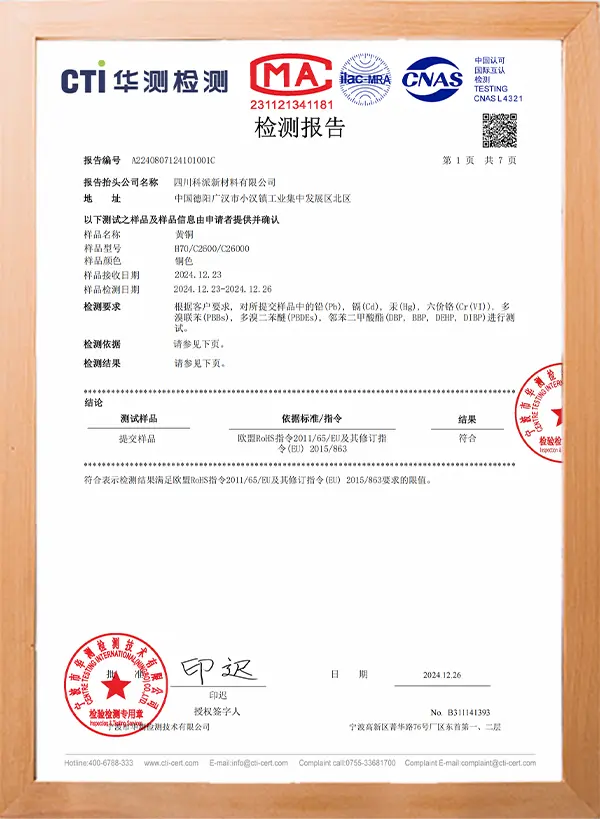
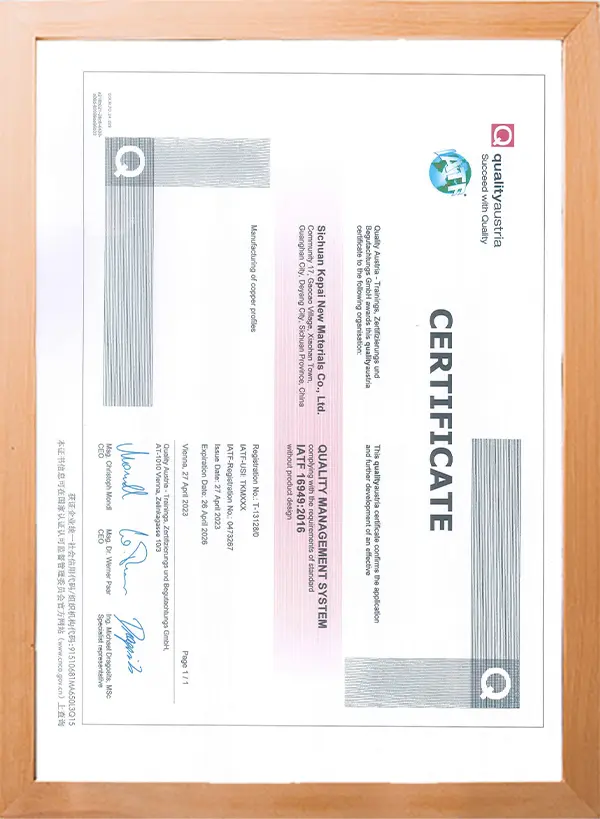
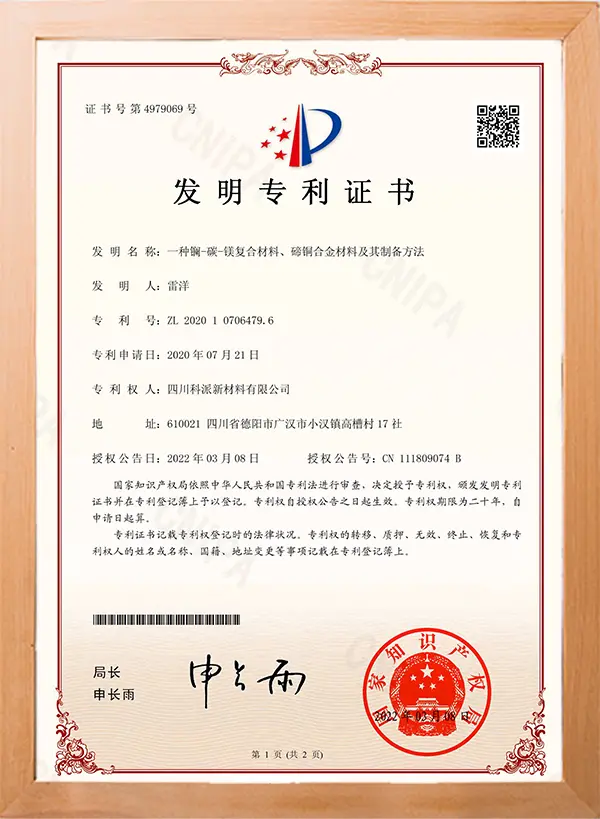
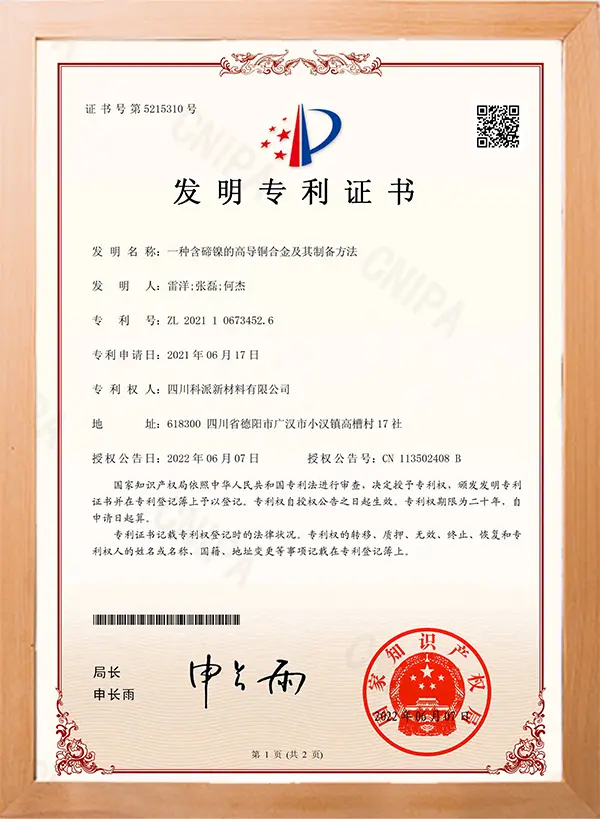
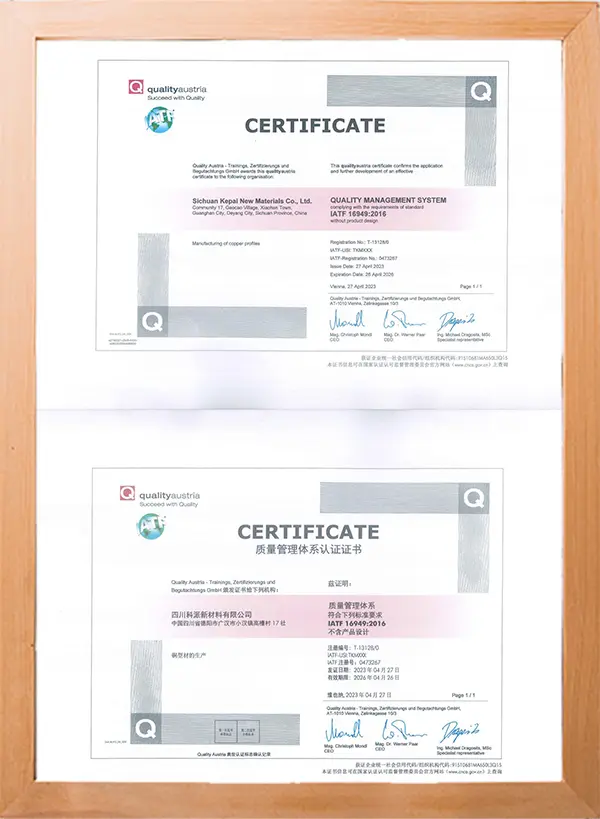
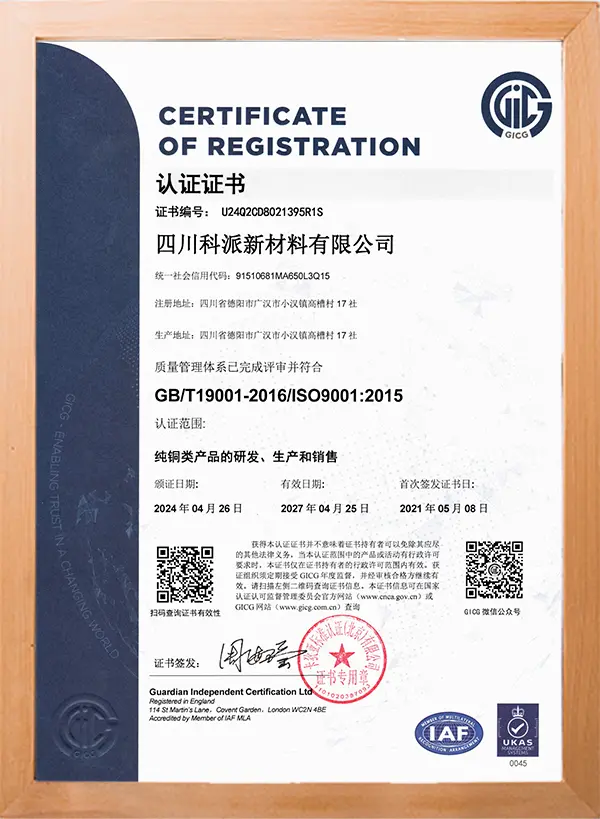
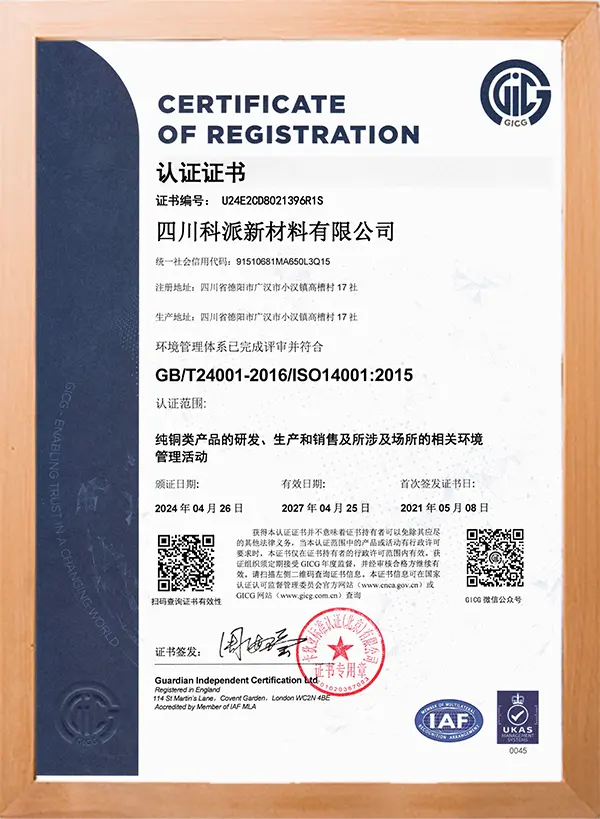
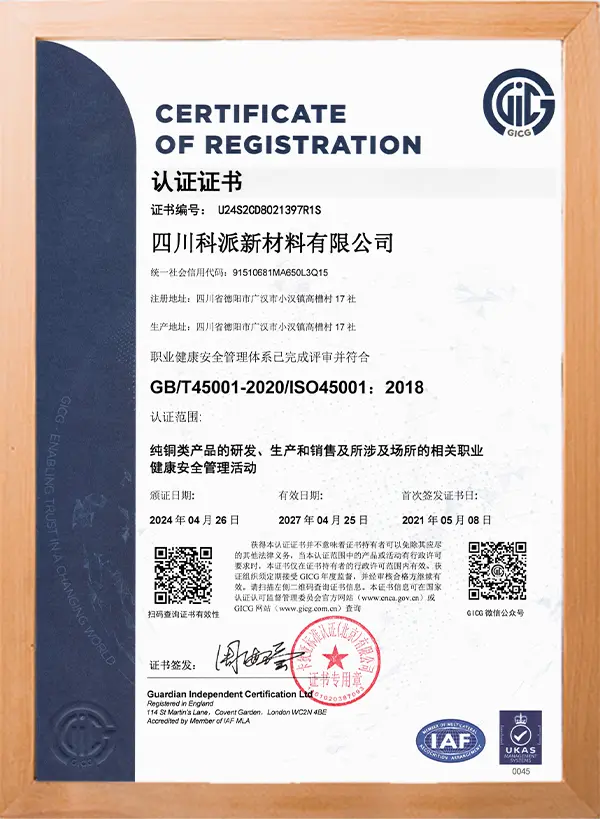
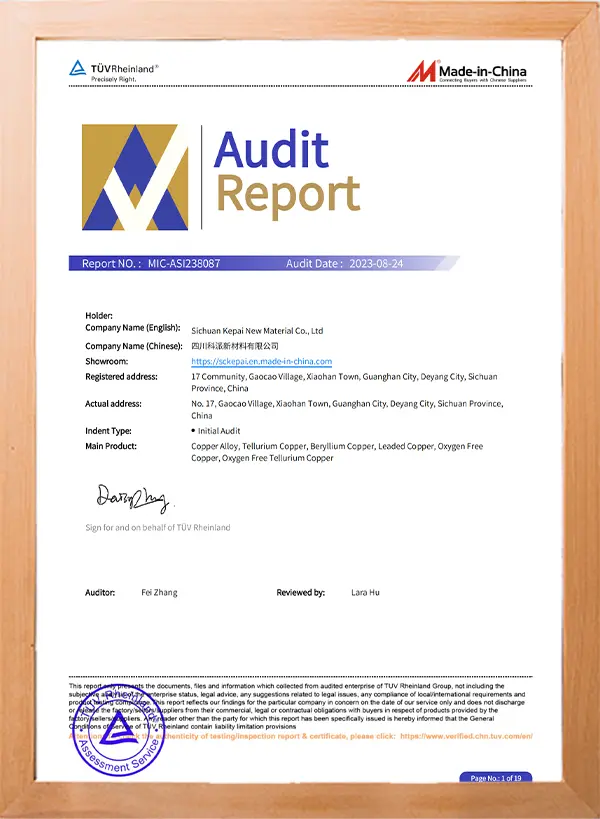
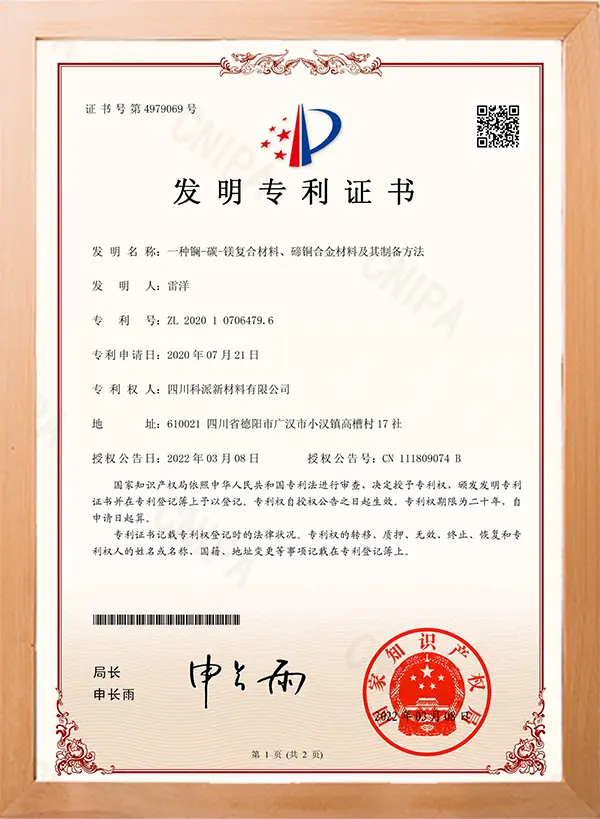
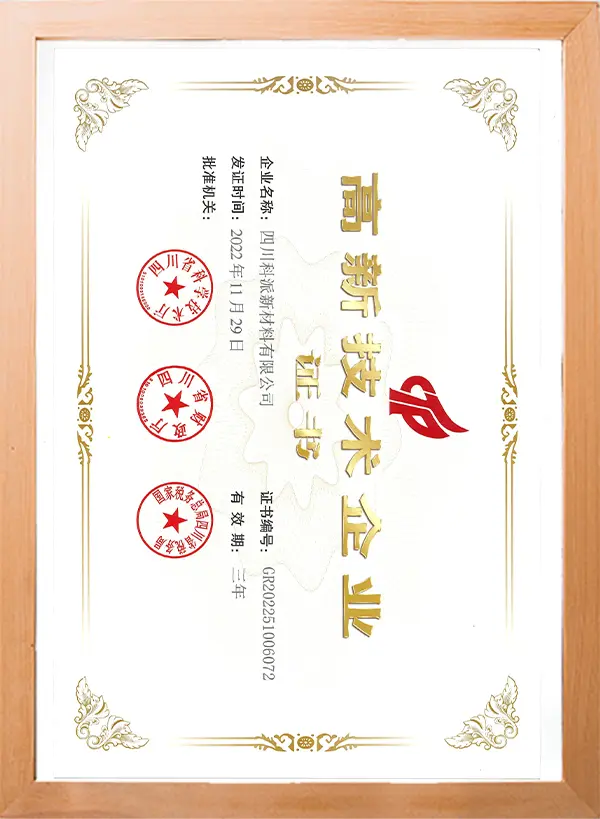
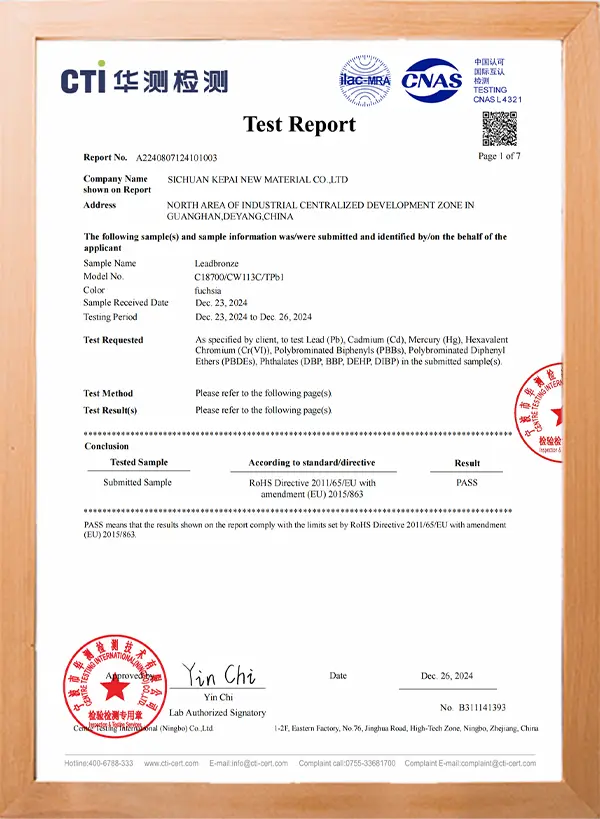
We maintain a comprehensive quality management system, with all processes audited to guarantee material traceability and consistency.
How our copper alloy products serve critical global infrastructure and emerging technology sectors.

Leaded bronze alloys like C93200 (SAE 660) and C93700 are used to fabricate high-load, low-speed bushings and sleeve bearings for mining machinery, earthmoving equipment, and marine gearboxes. The lead phase provides conformability, allowing the bearing to accommodate minor shaft misalignments without localized pressure spikes or premature failures.
In EV power distribution units, battery charging connections, and high-frequency 5G transmission stations, electrical conductivity is critical. Kepai’s tellurium-copper (C14500) and oxygen-free high-conductivity copper provide high electrical and thermal transmission, low contact resistance, and excellent resistance to electric arc degradation.
In chemical processing, marine piping, and oil exploration, pump impellers and valve guides operate in corrosive fluids. Leaded tin bronzes offer high corrosion resistance, protecting components against cavitation and chemical wear in salty or mildly acidic media.
Expert metallurgical answers to common design, engineering, and manufacturing questions.
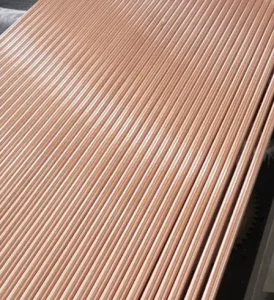
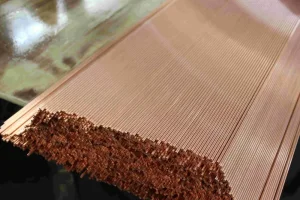
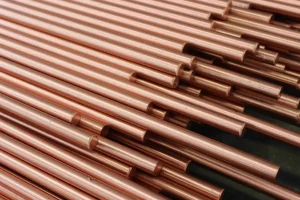
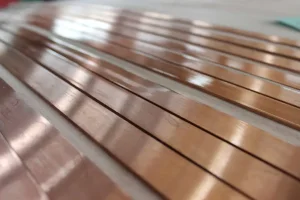
Explore our range of high-performance copper-based alloys designed for demanding industrial operations.
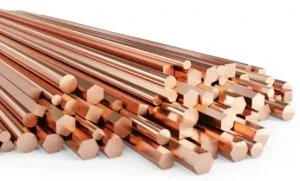

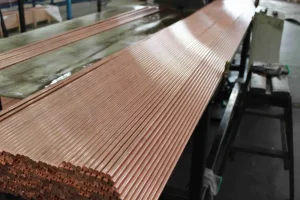
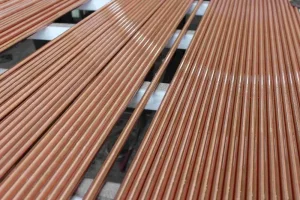
Partner with a high-tech manufacturer to optimize your material performance and reduce production costs. Sichuan Kepai is ready to deliver tailored engineering solutions for your application.
 Kepai
Kepai