Explore our premium high-purity and micro-alloyed copper products, custom manufactured for critical thermal and electrical conduction demands.
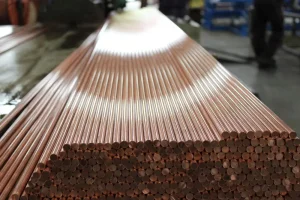
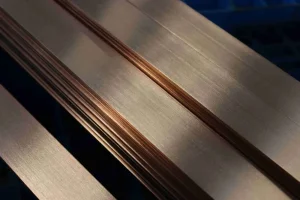
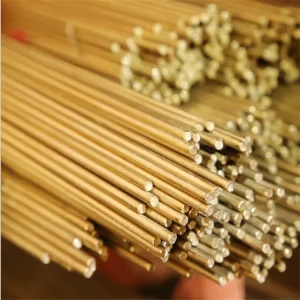
An in-depth analysis of high conductivity copper’s critical role in the global shift toward decarbonization, high-frequency telecommunications, and heavy-duty electrical architectures.
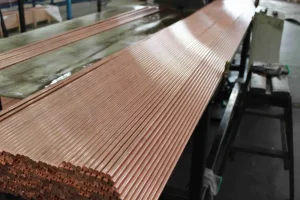
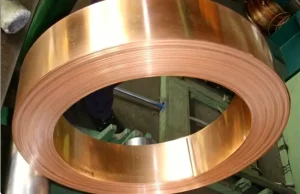
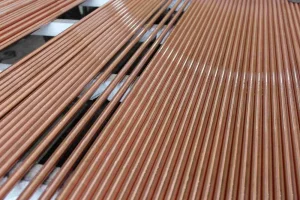
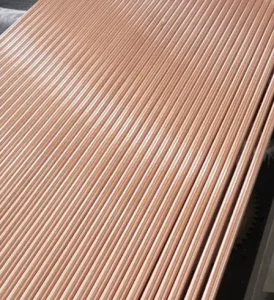
In the contemporary industrial landscape, High Conductivity Pure Copper is not merely a raw material; it is a foundational component of modern electrification and high-frequency communication infrastructures. Defined metallurgically by its ability to reach or exceed 100% IACS (International Annealed Copper Standard), pure copper (such as ASTM C10100 and C10200) offers unparalleled electrical and thermal transmission. As global power grids undergo transition and electric vehicle (EV) architectures migrate toward 800V-plus platforms, the demand for reliable, oxygen-free, high-conductivity copper has scaled to historic heights.
Historically, the manufacturing of high-conductivity copper relied on standard smelting procedures. However, the rise of modern precision technologies, including high-power fiber laser cutting, ultra-fast 5G networks, and solid-state battery relays, has exposed the limits of standard grade ETP (Electrolytic Tough Pitch) copper. Industry leaders now demand copper that is practically free of oxygen and hydrogen-susceptible impurities to prevent structural failures like hydrogen embrittlement. This requires state-of-the-art oxygen-free smelting technologies that maintain oxygen levels below 5 ppm, and total impurities under 100 ppm.
Sourcing from verified manufacturers has become a critical strategic objective for procurement teams worldwide. By transitioning to specialized alloys such as Tellurium Copper (C14500) and Chromium-Zirconium Copper (C18150), engineers achieve a calculated balance: preserving up to 93-98% IACS conductivity while introducing outstanding machinability, anti-adhesive characteristics, and mechanical strength at elevated operating temperatures. This balance is crucial for manufacturing components like plasma cutting nozzles, industrial welding electrodes, and high-load EV busbars.
Integrating world-class metallurgy, research, and production to deliver elite-grade strategic copper alloys globally.
Established in 2017, Sichuan Kepai New Materials Co., Ltd. is a high-tech enterprise integrating research and development, production, and sales. Located strategically in the western area of the Sichuan Guanghan Industrial Development Zone, adjacent to National Highway 108, Kepai enjoys convenient transportation networks, laying a solid foundation for rapid global distribution and supply chain coordination.
Currently, the factory covers an area of approximately 9,000 square meters, with an office space of about 1,000 square meters. The company primarily engages in the production of strategic emerging new materials aligned with modern high-tech initiatives, including special copper alloys such as tellurium copper, high-conductivity oxygen-free copper, silver copper, and dispersion copper. Concurrently, our specialized research laboratory focuses on the R&D of high-conductivity, easy-to-machine, and high-strength copper alloys designed for next-generation applications.
By prioritizing "innovation-driven development, quality wins the market," Kepai provides global industrial sectors with advanced copper alloy materials, directly driving sustainable development and industrial upgrades across multiple domains like high-speed rail transit, aerospace, electrical grids, and robotics.
Understanding the balance between electrical conductivity, mechanical strength, and machinability across various copper grades.
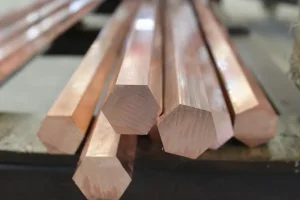
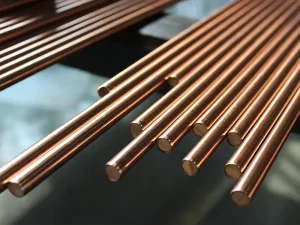
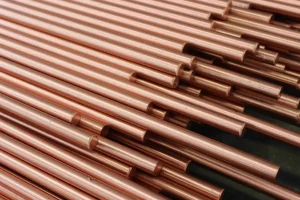
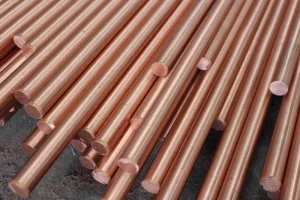
Combines high electrical and thermal conductivity with excellent free-cutting capabilities. Features an 85% machinability rating (relative to free-cutting brass) while retaining 93% to 98% IACS conductivity. Ideal for laser cutting nozzles and electrical connector pins.
Designed for heavy-duty industrial applications requiring high mechanical strength paired with excellent thermal and electrical conductivity at high temperatures. Widely used for resistance welding electrodes, switchgear components, and contact tips.
A family of high-performance alloys (including C17500 and C17510) featuring beryllium, cobalt, and nickel. They offer high mechanical strength, fatigue resistance, and hardness, making them suitable for electronic connectors and springs.
In high-precision manufacturing, selecting the correct material depends on the application's operating conditions. While high-purity oxygen-free copper (OFC) achieves maximum conductivity, its soft mechanical state makes it difficult to machine without deformation. For components requiring complex CNC milling, Tellurium Copper (C14500) serves as a reliable alternative, helping reduce tool wear and processing times without significantly compromising electrical performance.
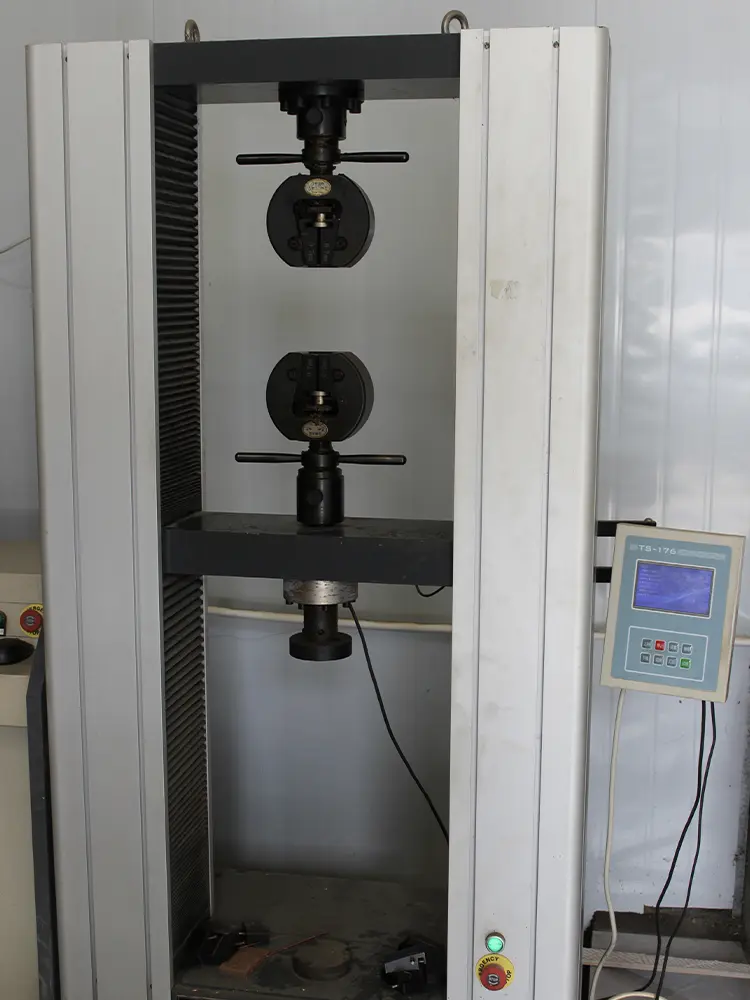
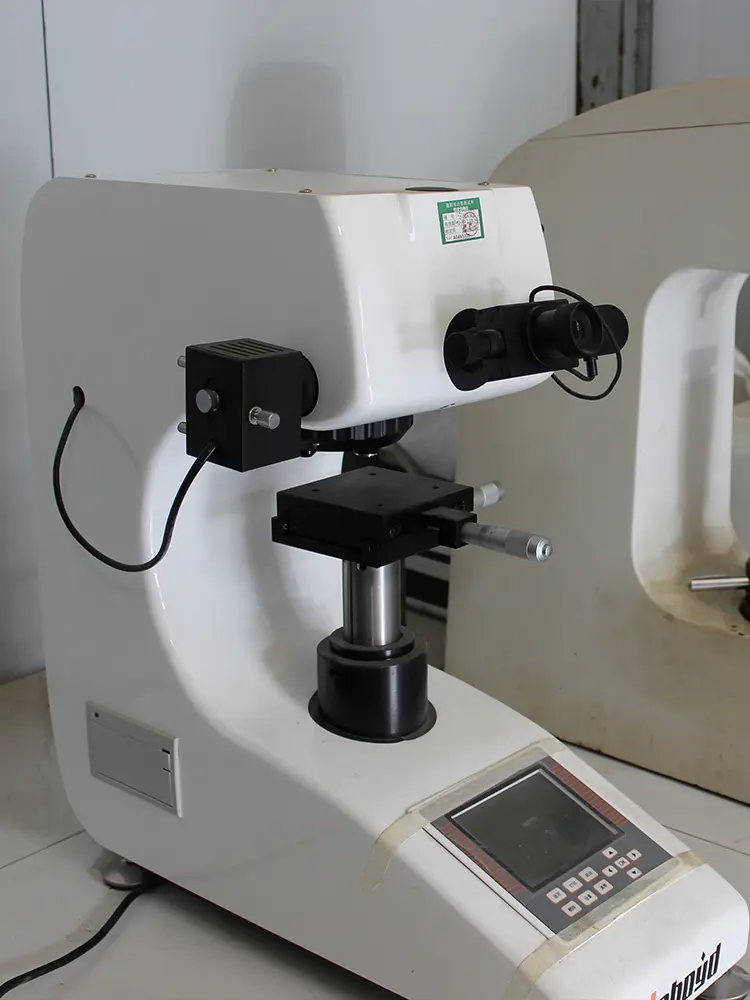
State-of-the-art smelting, extrusion, drawing, and analytical testing equipment ensuring raw material consistency and precision quality control.
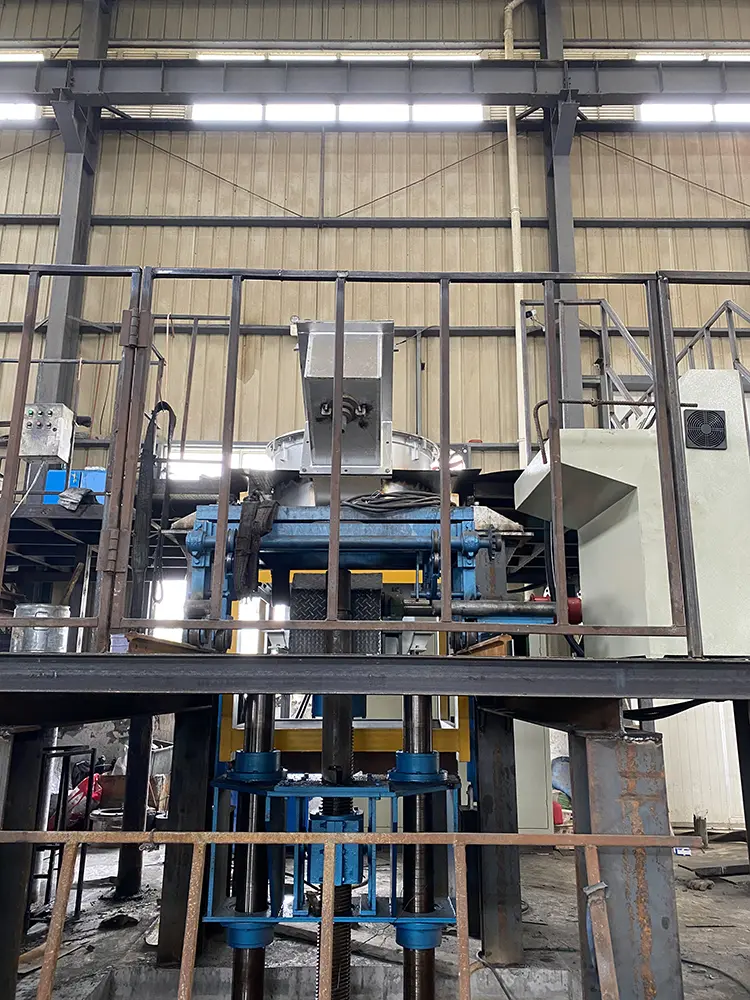
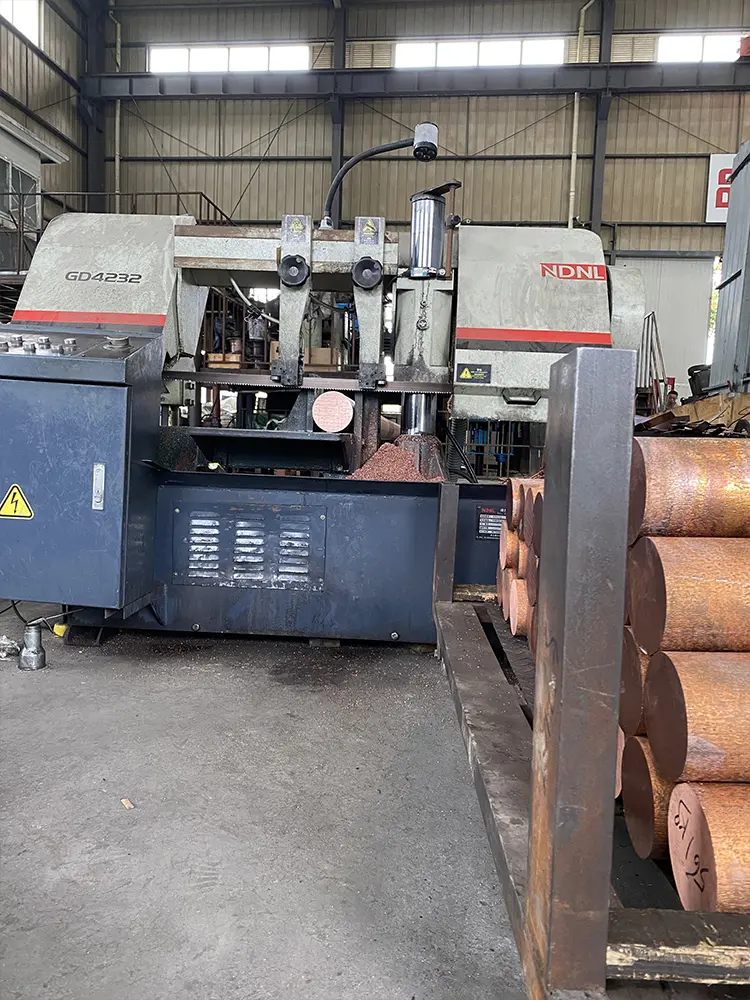
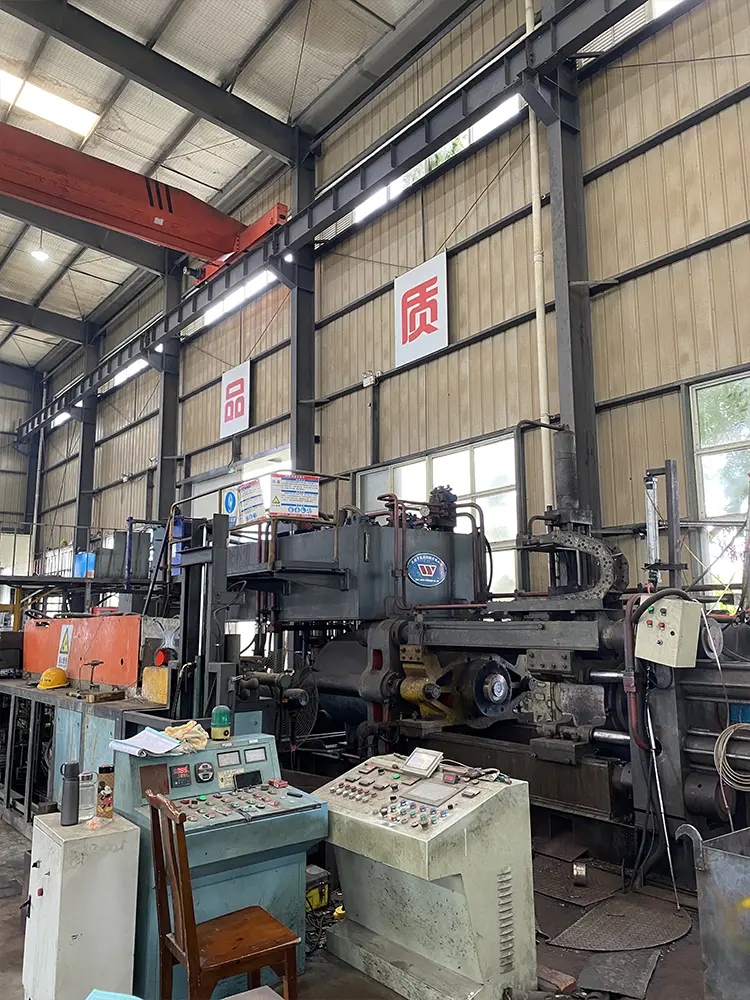
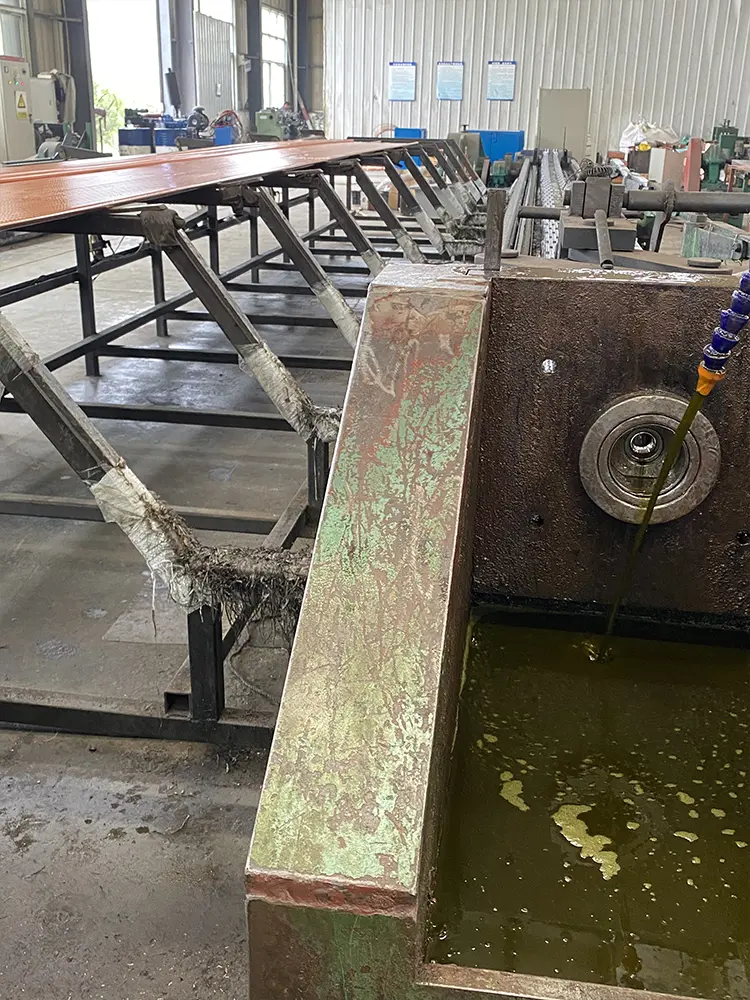
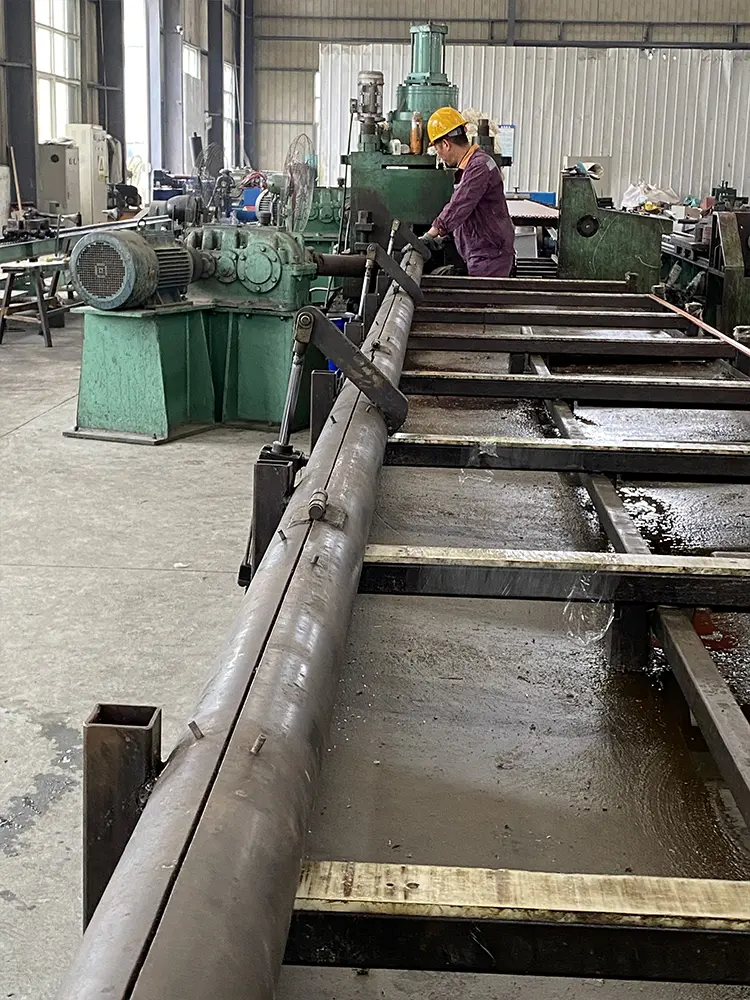
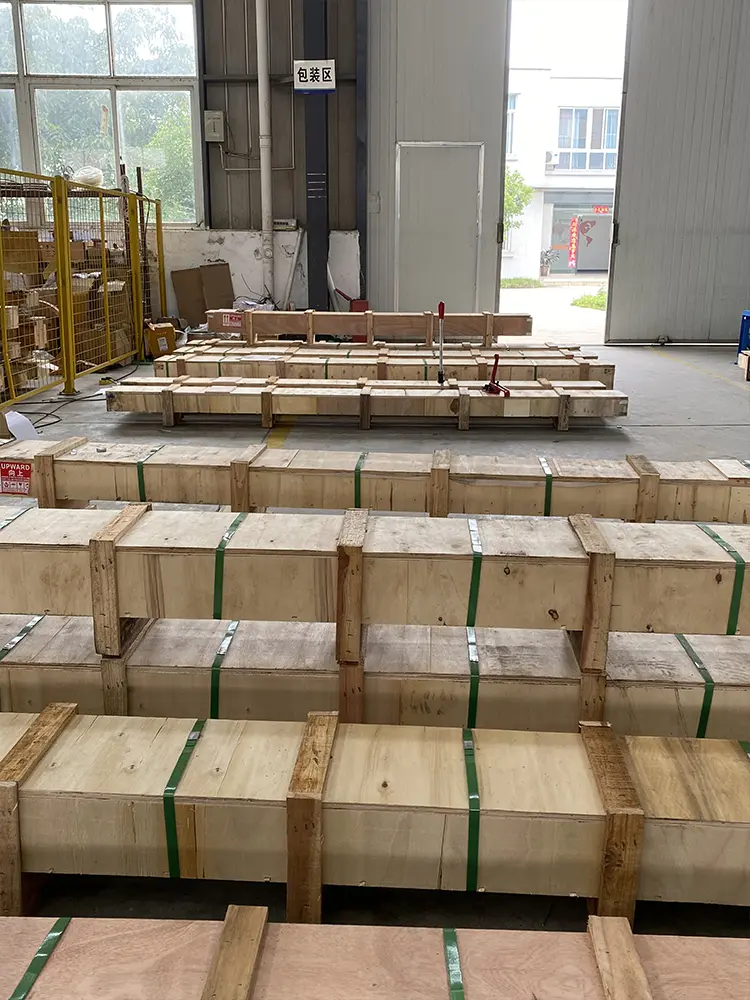
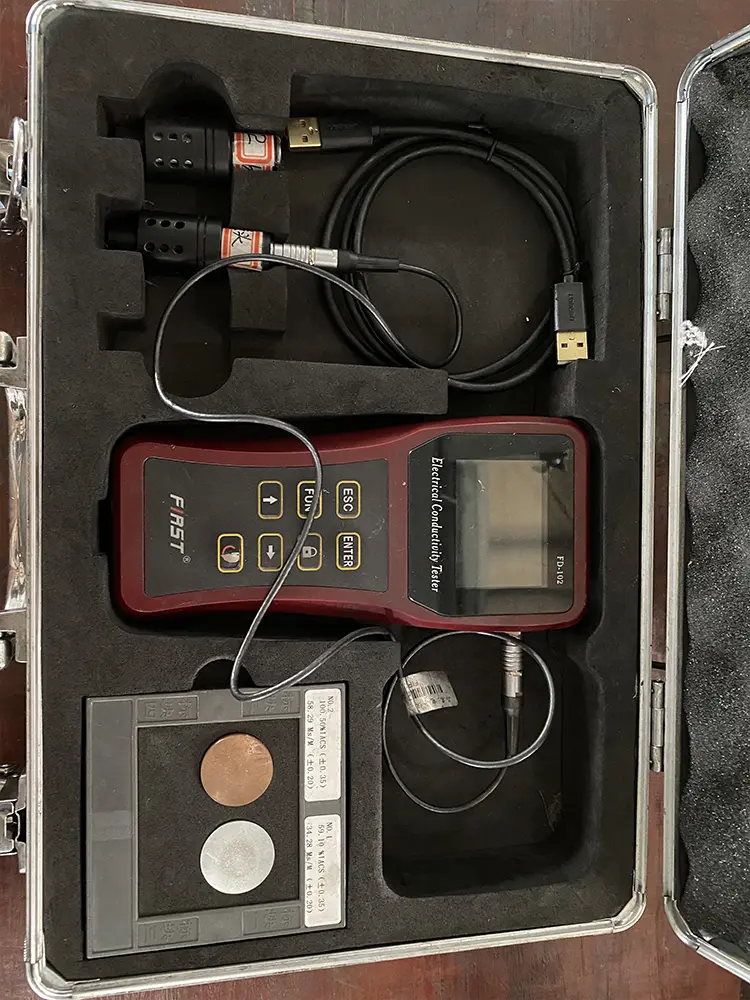
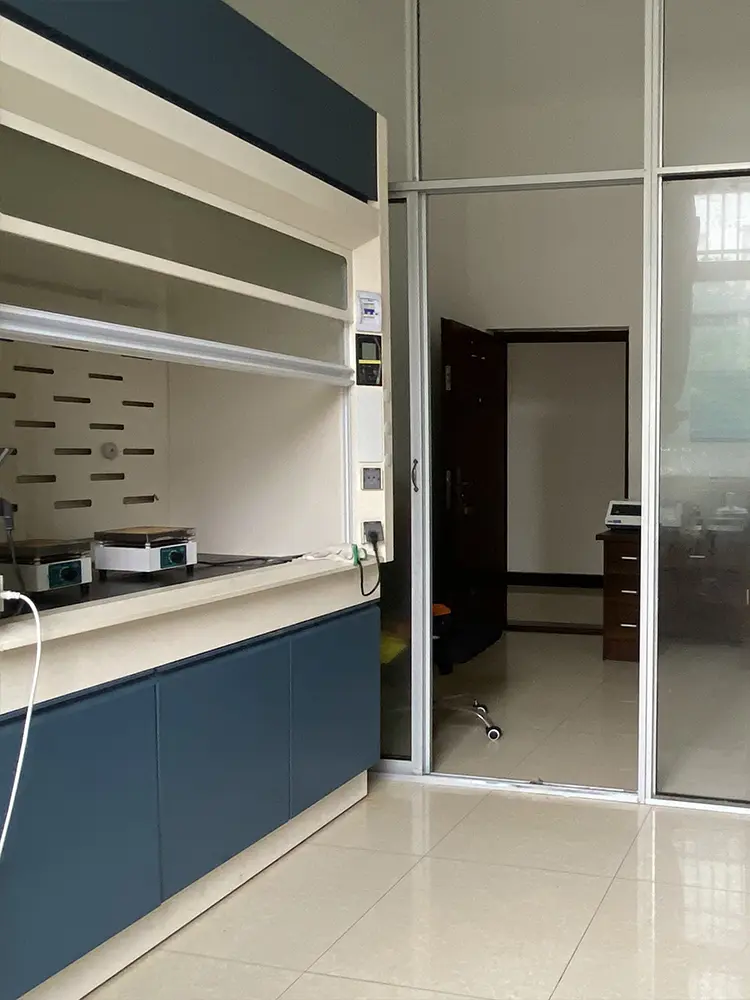

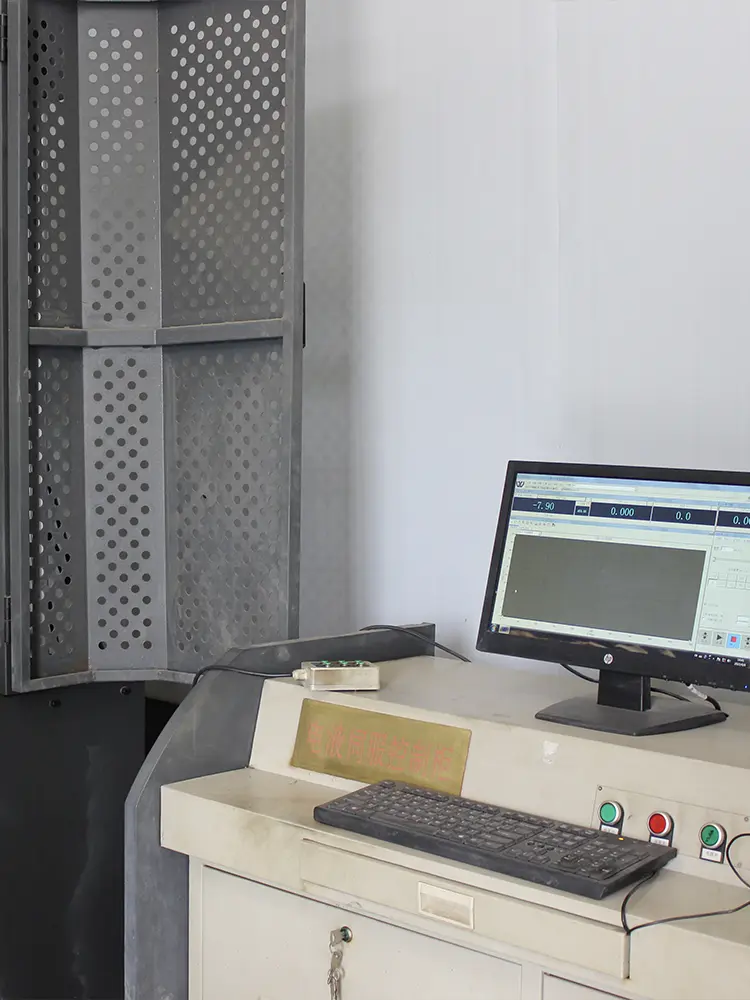
Analyzing key industrial drivers and localized application scenarios for high-performance copper materials.
Modern electric vehicles rely on high-conductivity materials for efficient power management. Key components include traction motor windings, high-voltage battery pack connections, and charging connectors. Alloys such as tellurium copper and chromium-zirconium copper are increasingly specified to withstand continuous thermal loads while maintaining high current densities, helping to support fast charging without overheating.
The roll-out of 5G and high-frequency communication infrastructure demands materials with stable signal transmission and minimal thermal losses. High-conductivity oxygen-free copper and specialized phosphor bronzes (like C51100) are commonly utilized in RF connectors, coaxial cables, and high-frequency communication components, helping to ensure signal integrity and structural stability.
Laser and plasma cutting heads operate under high-temperature and erosive conditions. Materials like tellurium copper (C14500) are widely used for cutting nozzles due to their thermal conductivity, resistance to slag adhesion, and machinability, contributing to longer component lifetimes and cleaner cuts.
Power distribution grids and high-voltage DC relays require contact materials with low contact resistance and high arc erosion resistance. Dispersion copper and beryllium-cobalt-copper alloys help prevent contact welding and mechanical failure under high-inrush currents, supporting long-term grid reliability.
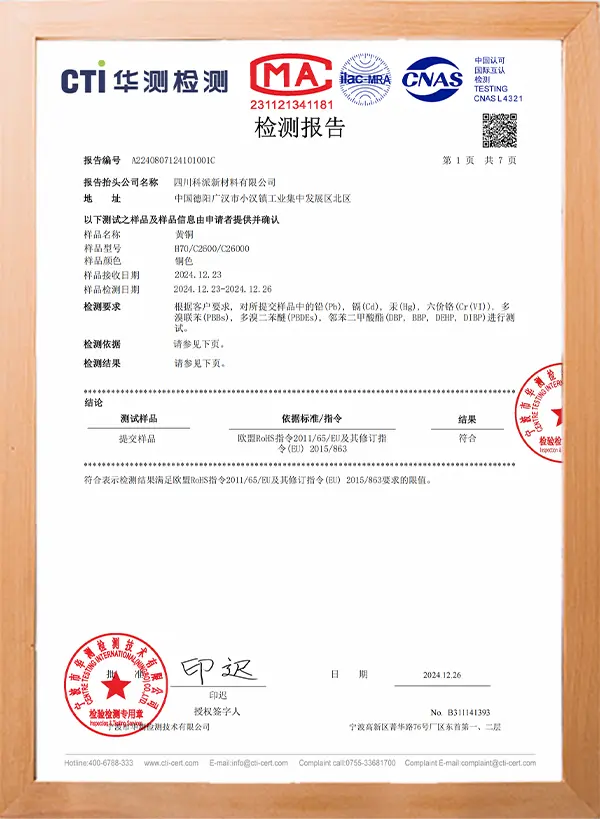
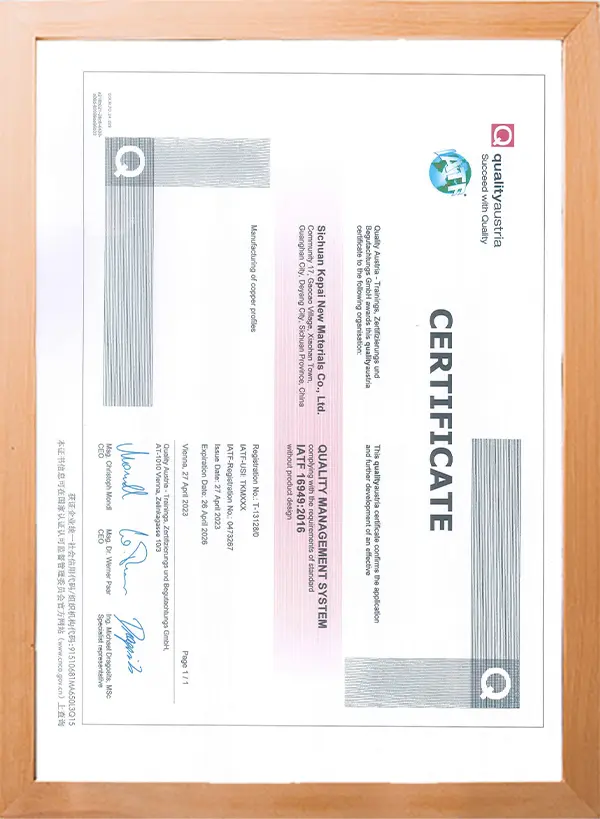
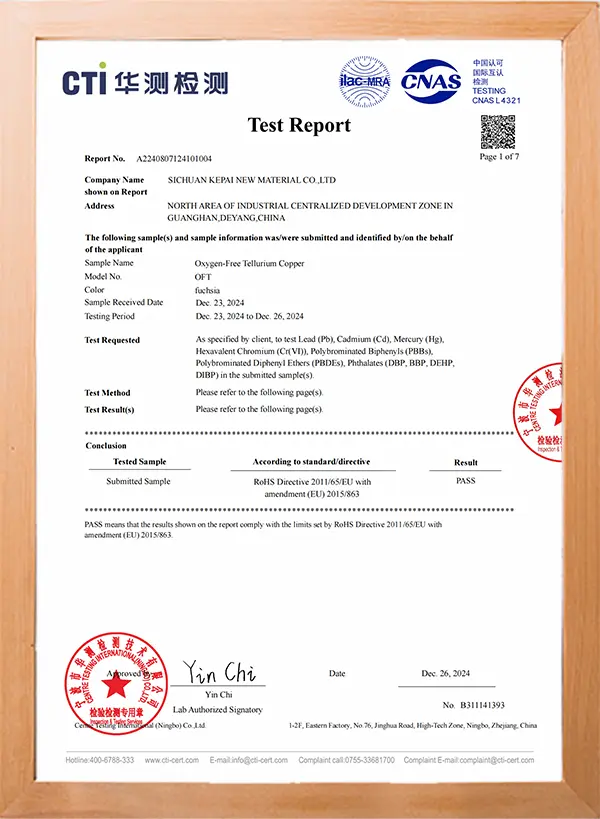
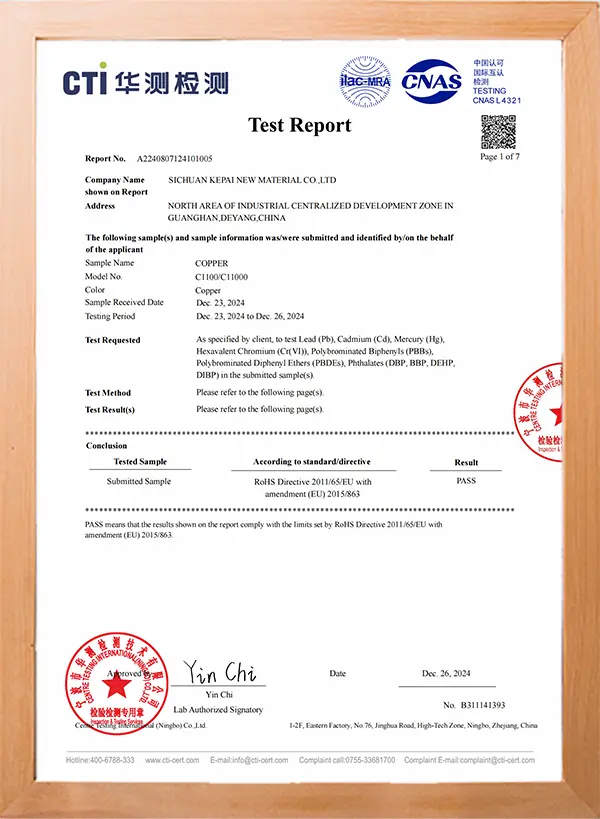
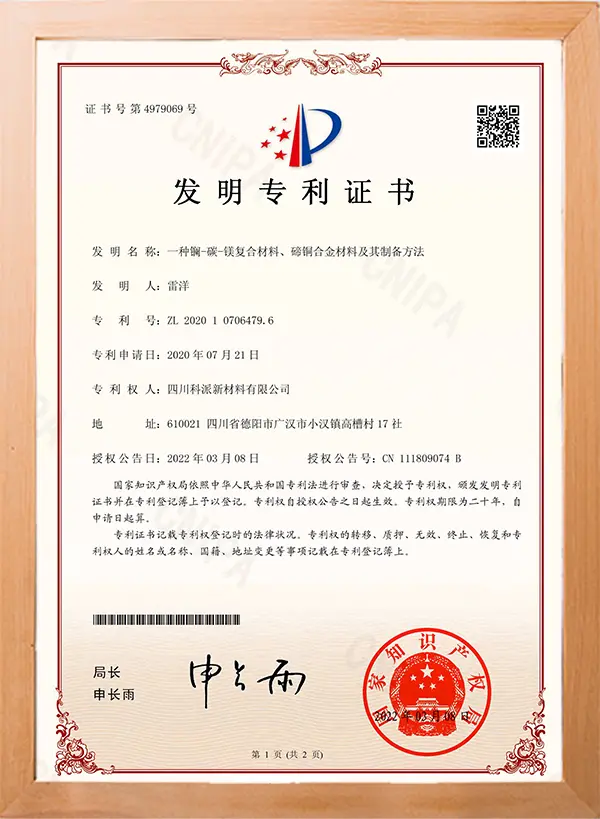
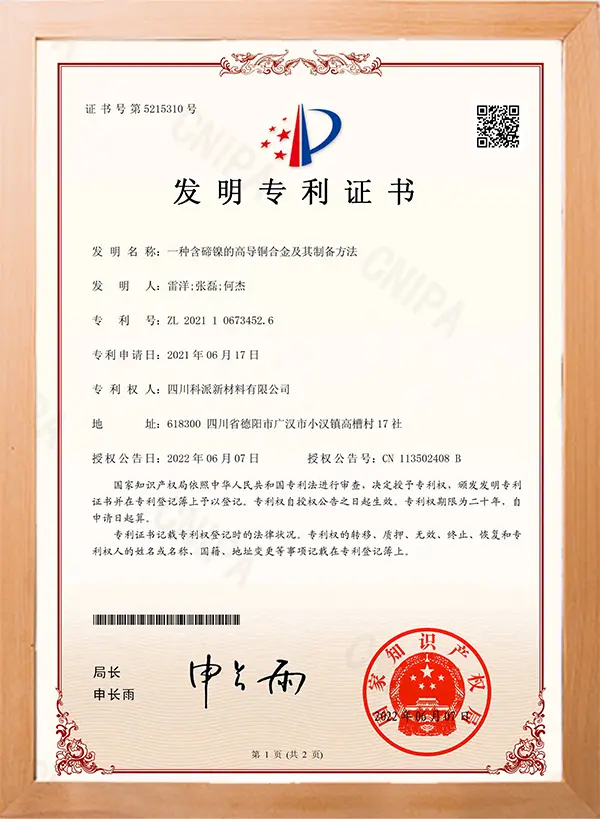
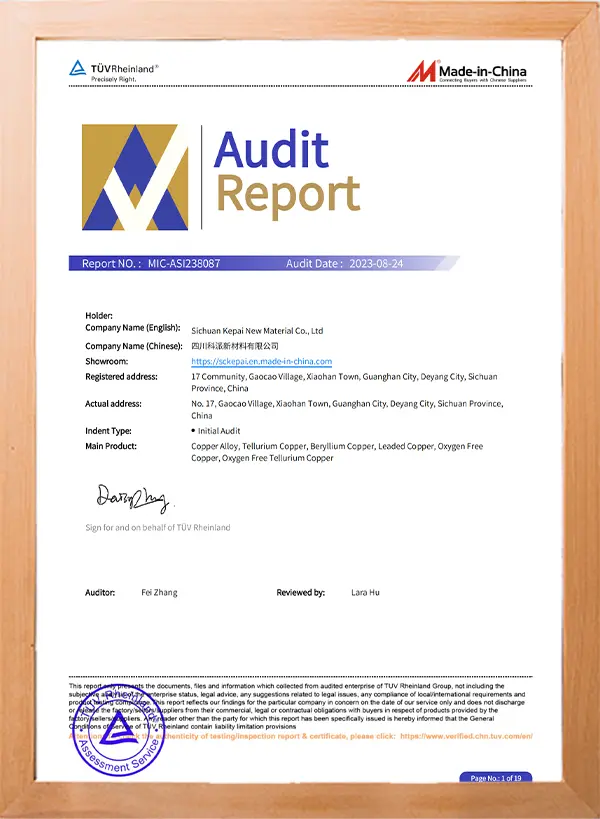
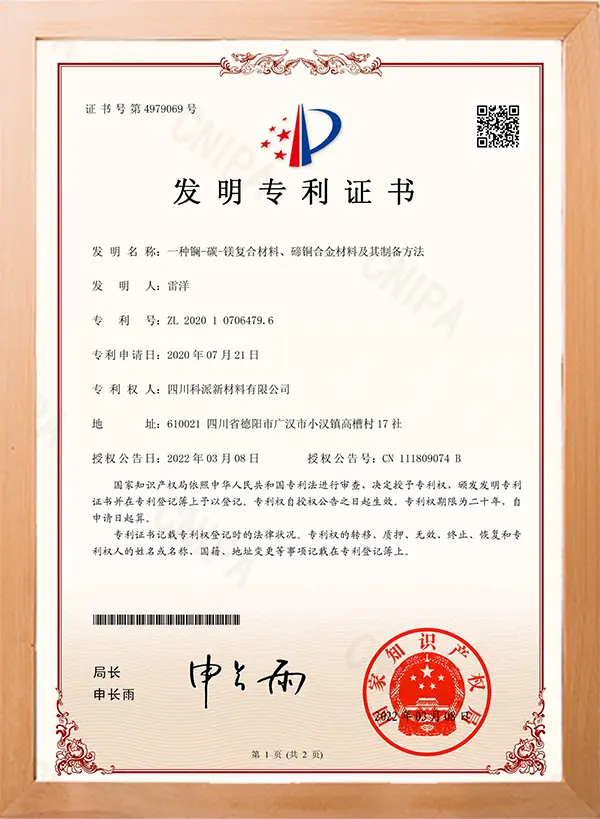
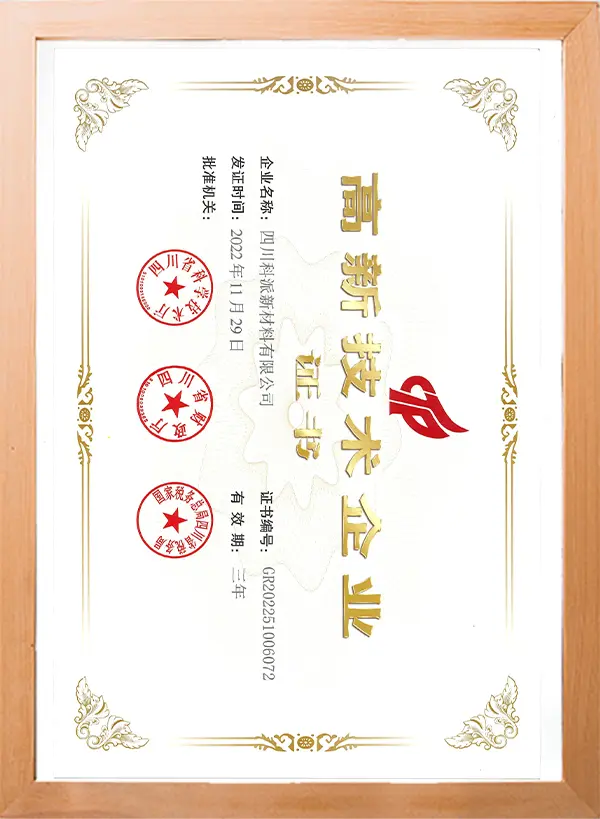
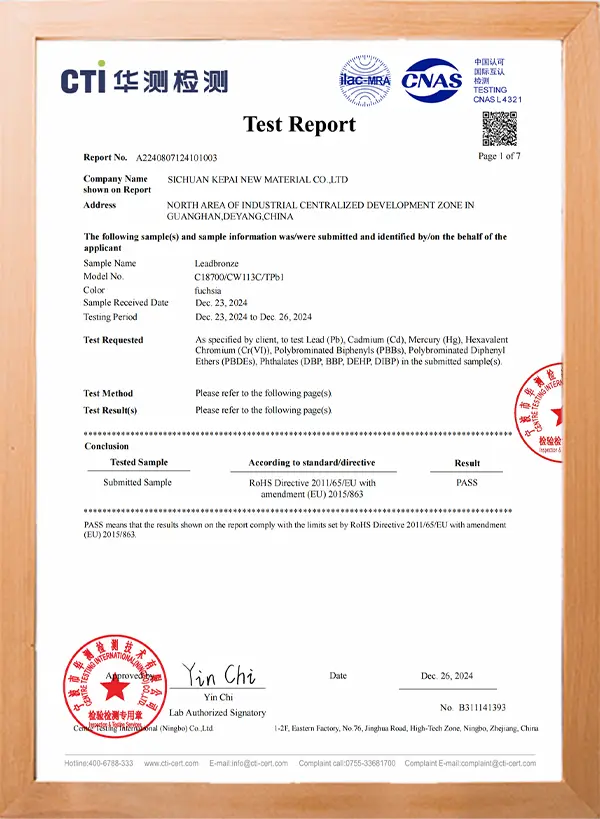
Our commitment to quality is backed by rigorous testing standards and verified international certifications.
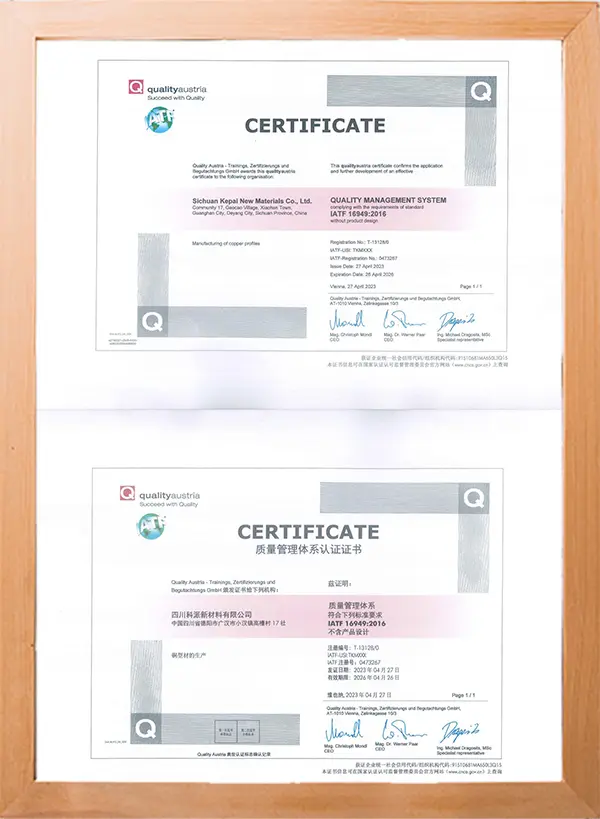
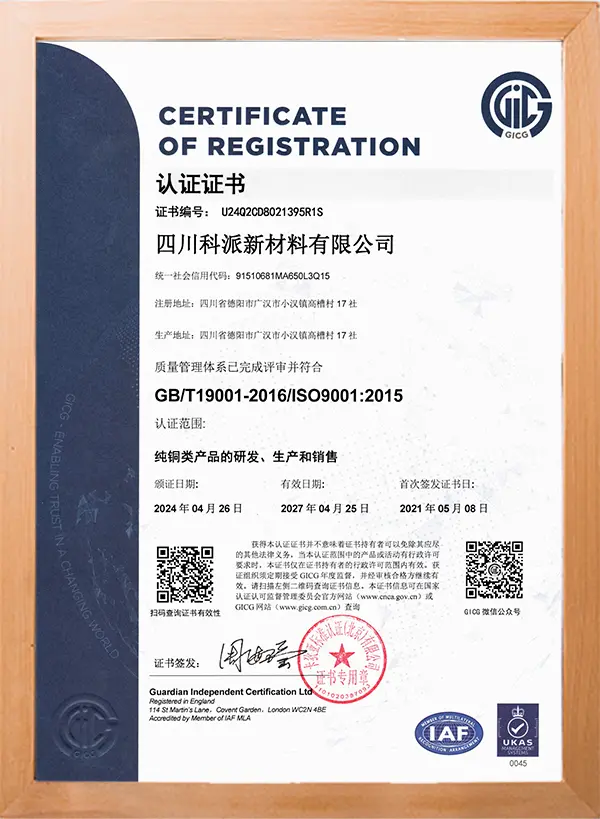
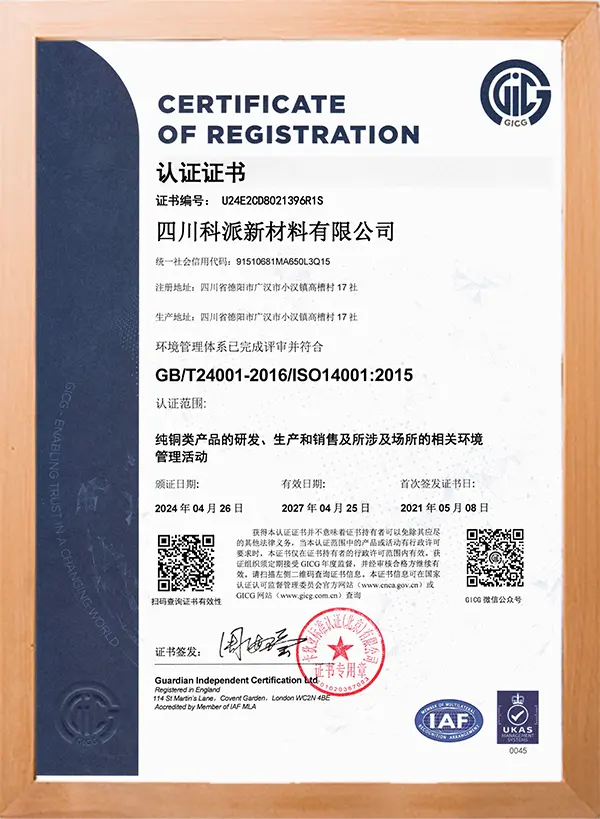
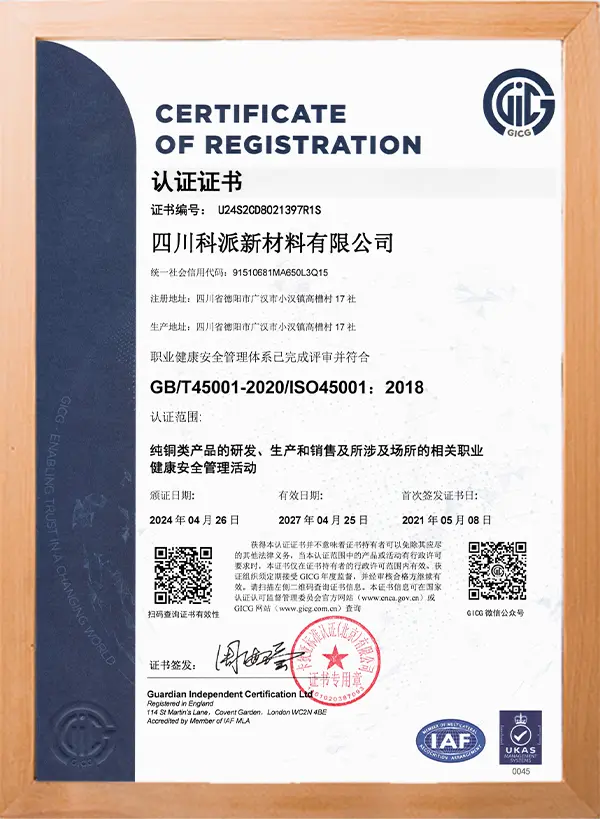
Critical metallurgical answers for procurement managers, structural engineers, and production leads.
Oxygen-Free Copper (OFC/OFE) is melted under controlled, non-oxidizing atmospheres to keep oxygen content below 5–10 ppm, compared to standard Electrolytic Tough Pitch (ETP) copper, which contains 200–400 ppm of oxygen. This difference makes OFC highly resistant to hydrogen embrittlement during high-temperature processing, heat treatment, or welding, while also maintaining higher, more stable electrical conductivity (exceeding 100%–101% IACS).
Pure copper is highly ductile and prone to tool gumming during precision CNC machining. Tellurium copper contains approximately 0.5% tellurium, which acts as a chip breaker, boosting the machinability rating to 85% without significantly lowering conductivity (which remains at 93-98% IACS). For laser and plasma cutting nozzles, this combination allows for precise geometry, smooth gas flow, and resistance to molten slag adhesion.
Unlike pure copper, which softens around 200°C, C18150 undergoes precipitation hardening. This alloying process raises the softening temperature to over 500°C. As a result, it retains its mechanical strength and hardness under thermal stress, making it a standard choice for resistance welding electrodes, mold components, and high-temperature electrical switches.
Sichuan Kepai utilizes a range of internal quality control testing procedures, including eddy current testing for electrical conductivity, wet chemical analysis to verify elemental composition, and universal tensile testing machines to measure yield strength and elongation. We also perform metallographic evaluations to inspect grain structure and check for impurities.
Sichuan Kepai New Materials Co., Ltd. is committed to the research, development, and supply of high-performance copper alloys. Contact our sales and engineering teams today to request a quote or discuss custom specifications.
Explore additional high-performance copper grades, alloys, and specialized composite configurations.
 Kepai
Kepai