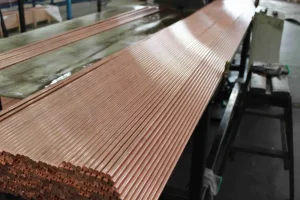
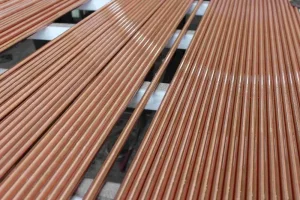
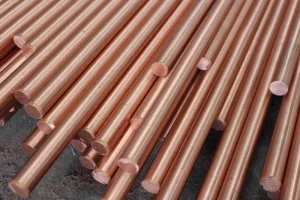
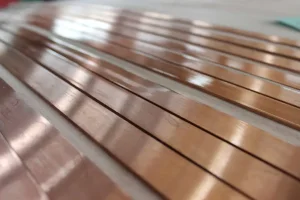
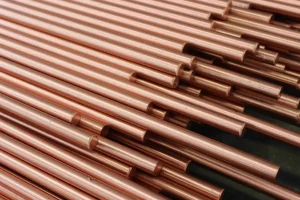
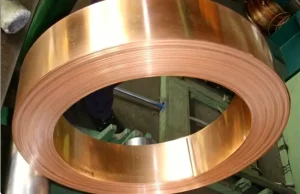
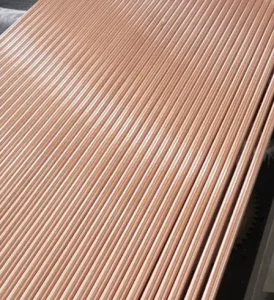
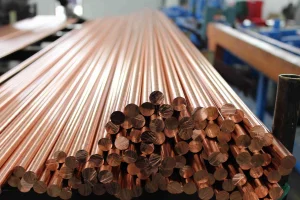
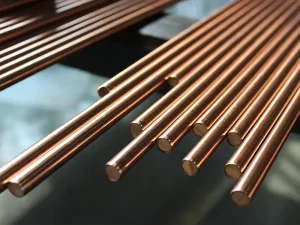
Explore our engineering-grade custom copper alloys, produced under stringent ISO standards for high-performance global applications.
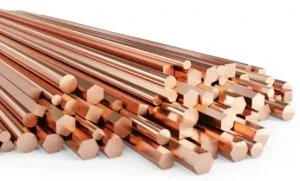
UNS C11000 copper, globally designated as Electrolytic Tough Pitch (ETP) copper, is the industry benchmark for high conductivity. Boasting a nominal copper purity exceeding 99.90% and a regulated oxygen level (typically between 100 ppm and 650 ppm), C11000 offers an outstanding electrical conductivity rating of at least 101% IACS (International Annealed Copper Standard). This optimal blend of high purity and controlled oxygen content ensures that C11000 maintains a highly ordered crystal lattice structure, which minimizes electron scattering and maximizes current transmission efficiency.
From a physical properties standpoint, UNS C11000 displays a density of 8.89 g/cm³, a melting point of approximately 1083°C (1981°F), and a thermal conductivity of 391 W/(m·K) at ambient temperatures. In terms of mechanical workability, C11000 shows exceptional hot and cold formability. However, engineers and procurement managers must pay attention to its temperature limits: due to its oxygen content, heating C11000 above 370°C (700°F) in a reducing atmosphere (such as hydrogen) can trigger hydrogen embrittlement. For setups requiring hydrogen brazing, switching to oxygen-free copper variants (like UNS C10200) is advised.
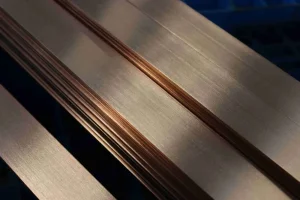
On the global stage, UNS C11000 is widely used across the energy, transport, and telecommunications sectors. The push for global electrification, driven by renewable energy infrastructure and electric vehicles (EVs), has placed C11000 at the heart of key power systems. It is the primary choice for electrical busbars, transformer windings, high-current switchgear, and architectural components, making it a vital resource for modern industrial growth.
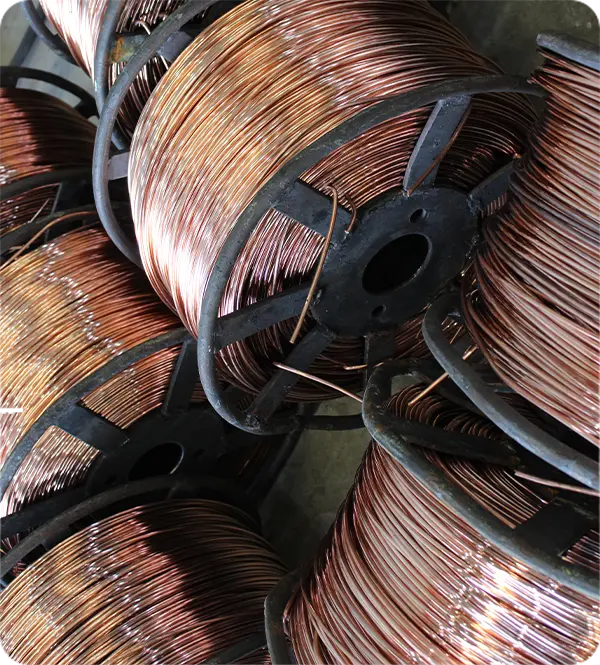
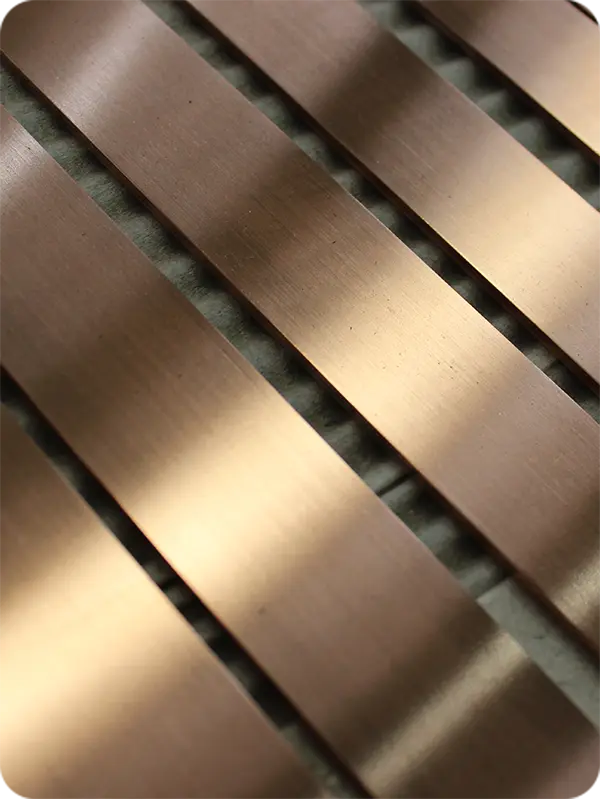
A trusted high-tech manufacturer specializing in premium copper alloy R&D, advanced casting, and precision extrusion solutions.
Established in 2017, Sichuan Kepai New Materials Co., Ltd. is a modern high-tech enterprise integrating research and development, production, and sales. Located in the western area of the Sichuan Guanghan Industrial Development Zone, adjacent to National Highway 108, our facility offers excellent logistical access to major global shipping hubs. Currently, our advanced factory covers an area of approximately 9,000 square meters, supported by a 1,000 square meter dedicated office and R&D space.
Manufacturing high-purity UNS C11000 copper efficiently at scale requires a balance of raw material sourcing, processing technology, and optimized logistics. Located in the industrial hub of Guanghan, Sichuan, Kepai leverages the regional industrial ecosystem to manage costs and ensure stable material supplies. Our localized supply chain enables secure raw material access and lowers transport costs, allowing us to deliver high-performance copper products at competitive prices.
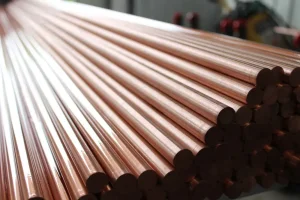
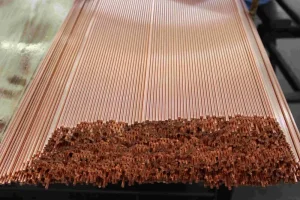
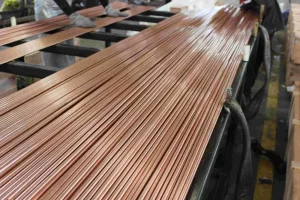
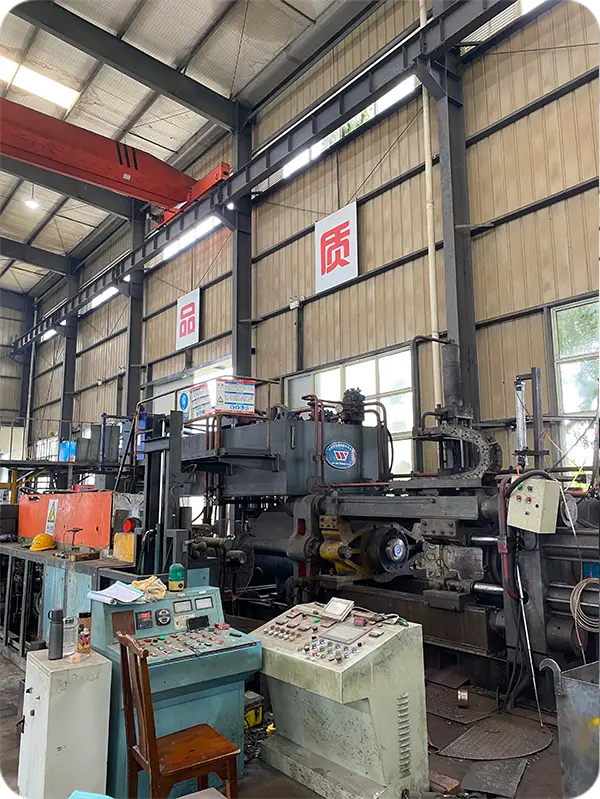
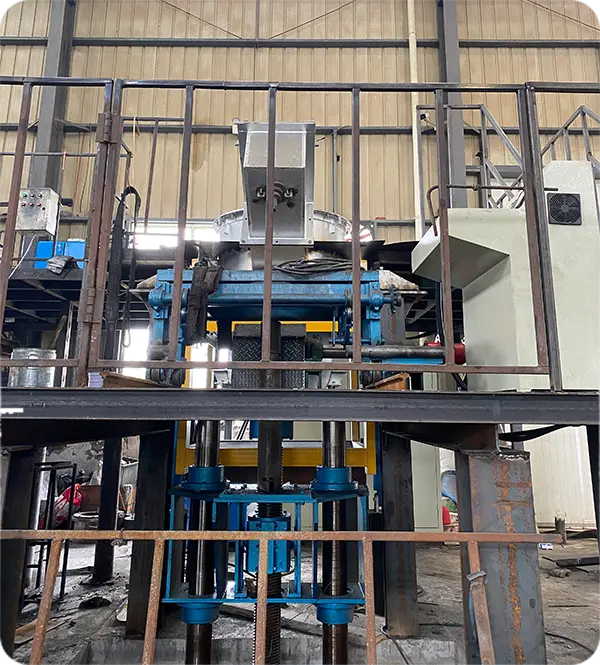
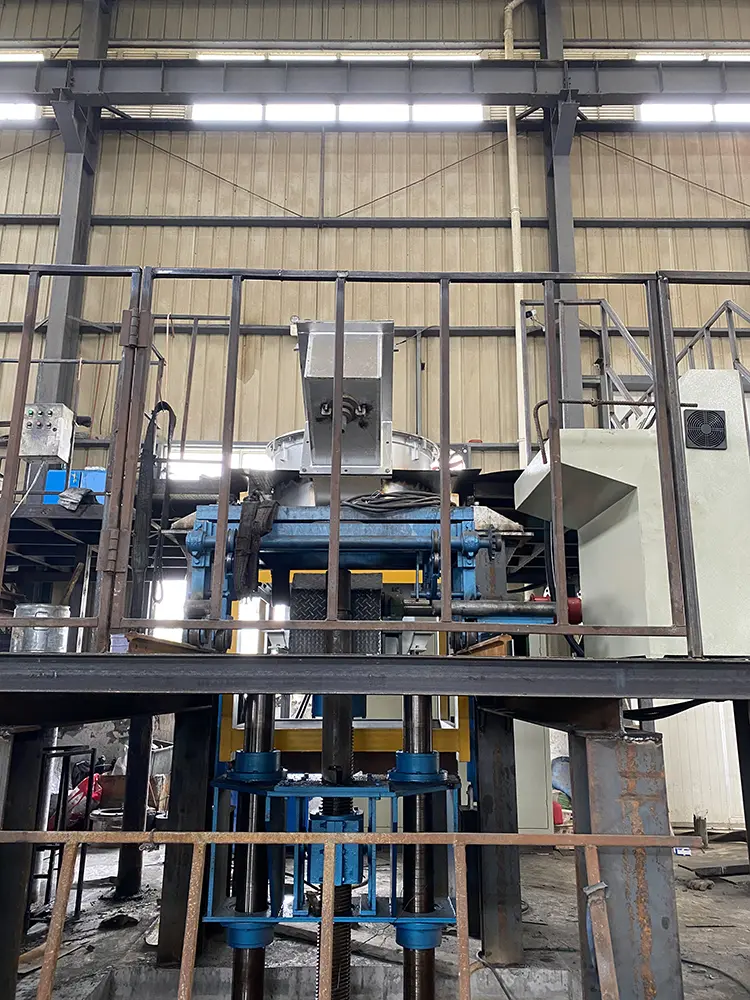
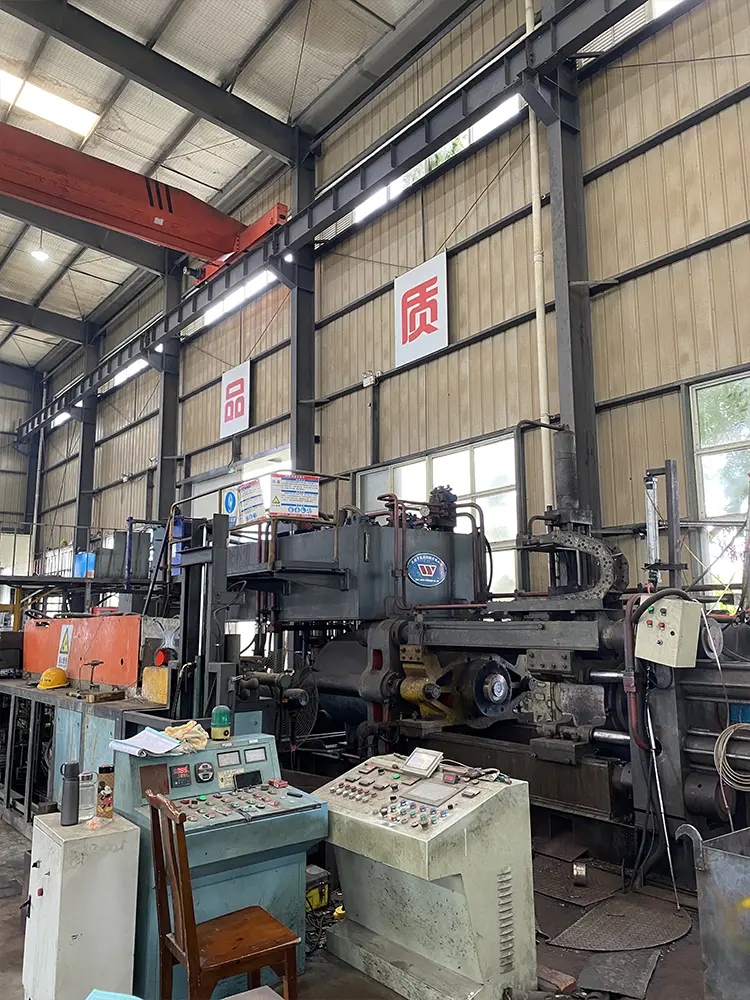
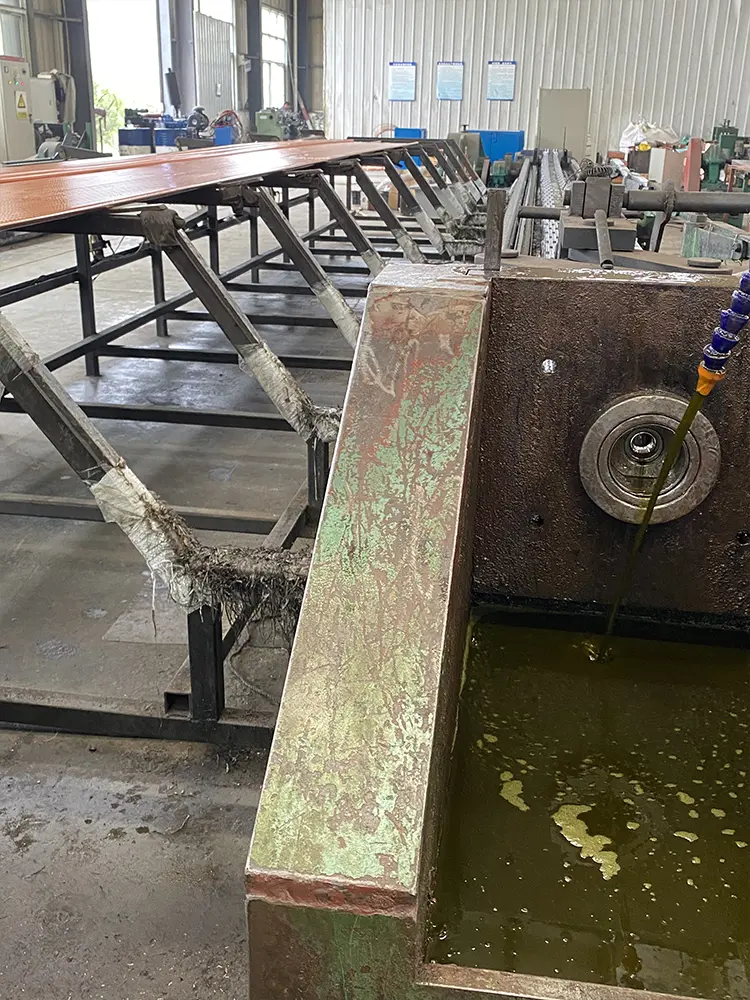
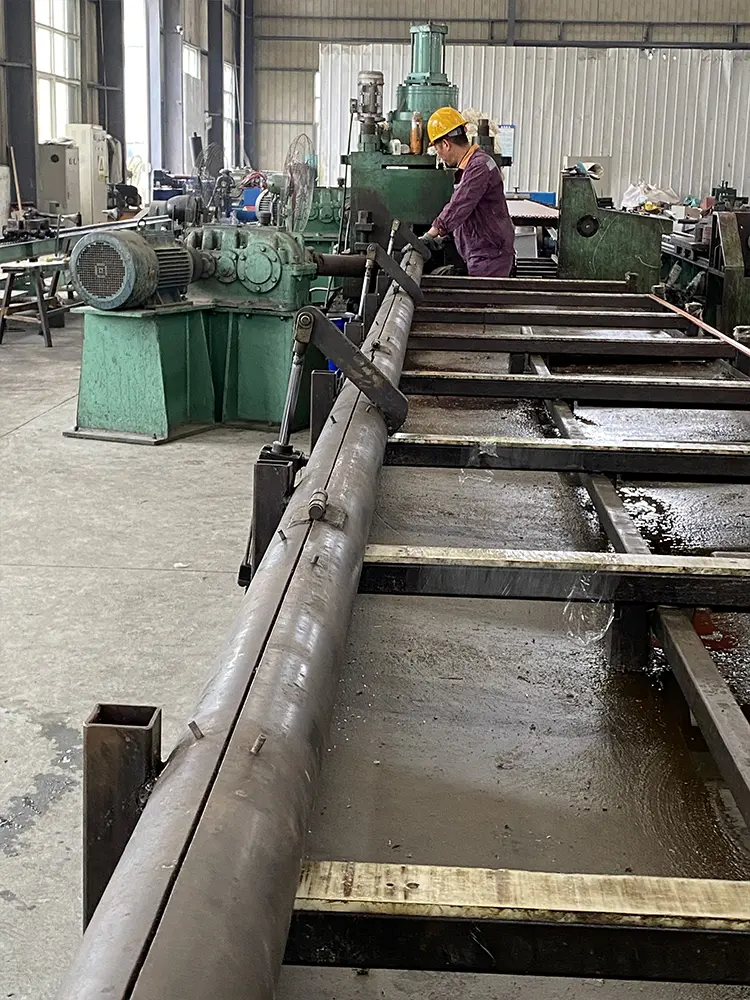
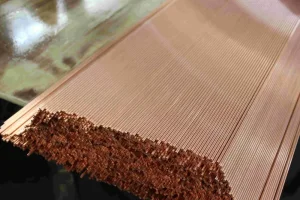
Our production relies on advanced vertical continuous casting and high-precision extrusion systems. By using automated temperature controls during smelting, we keep oxygen distribution uniform and prevent oxidation defects. The mechanical deformation during extrusion refines the grain structure, enhancing both the material's mechanical strength and electrical performance. Additionally, our automated drawing and straightening processes ensure close dimensional tolerances (down to ±0.02mm), reducing waste and setup times during final machining at customer facilities.
| Alloy Grade | Copper Purity (Min %) | Electrical Conductivity (% IACS) | Thermal Conductivity (W/m·K) | Primary Industrial Applications |
|---|---|---|---|---|
| UNS C11000 (ETP) | 99.90% | 101% | 391 | Electrical busbars, switchgears, EV battery connectors, anode plates |
| UNS C10200 (OF) | 99.95% | 100% | 391 | Vacuum electronics, waveguides, glass-to-metal seals |
| UNS C14500 (Tellurium) | 99.20% (with Te) | 93% - 98% | 355 | High-speed machining parts, plasma torch tips, EV connectors |
| UNS C18150 (Cr-Zr-Cu) | 98.90% (with Cr, Zr) | 80% - 85% | 320 | Resistance welding electrodes, EDM mold plates, power grid contacts |
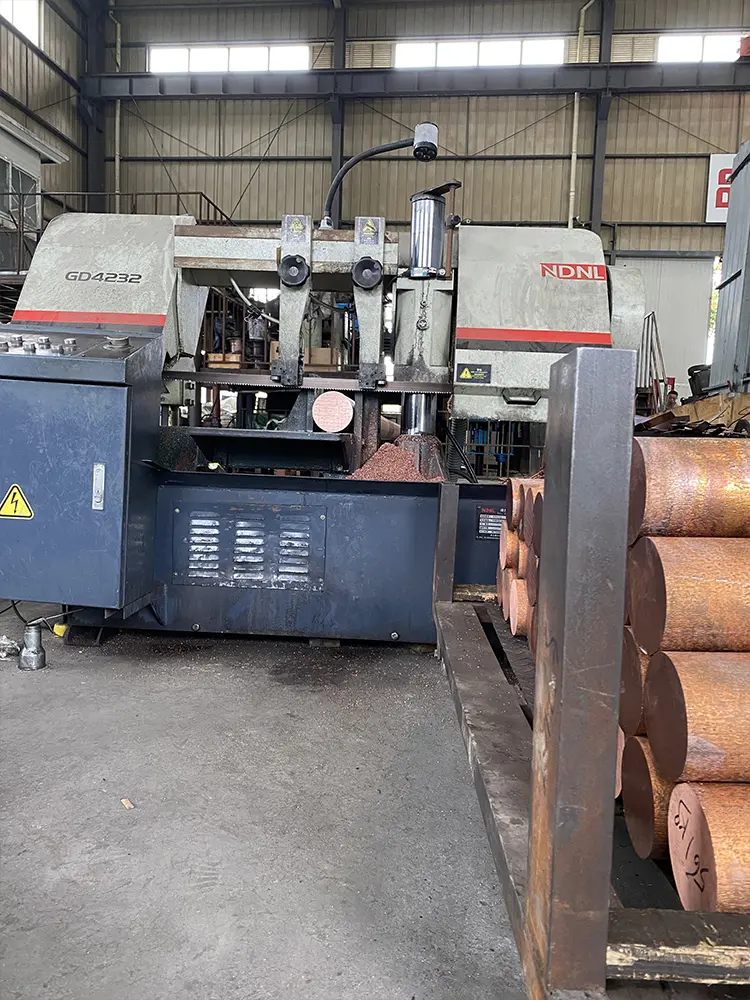
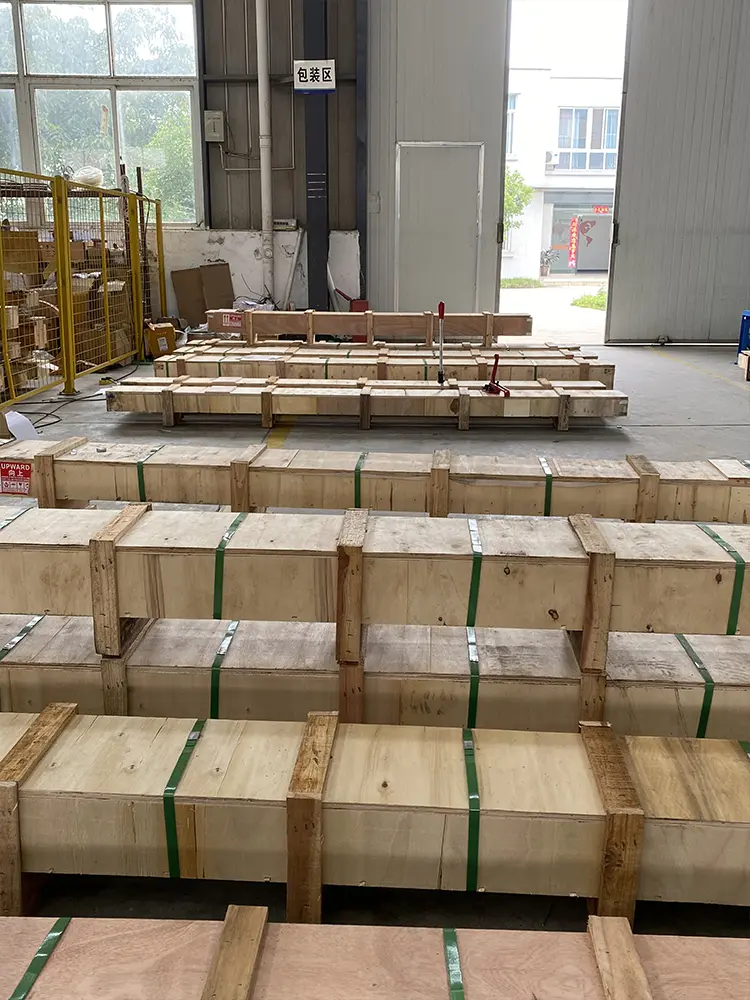
From smelting to final chemical testing, our production line uses advanced equipment to maintain high-quality material consistency.
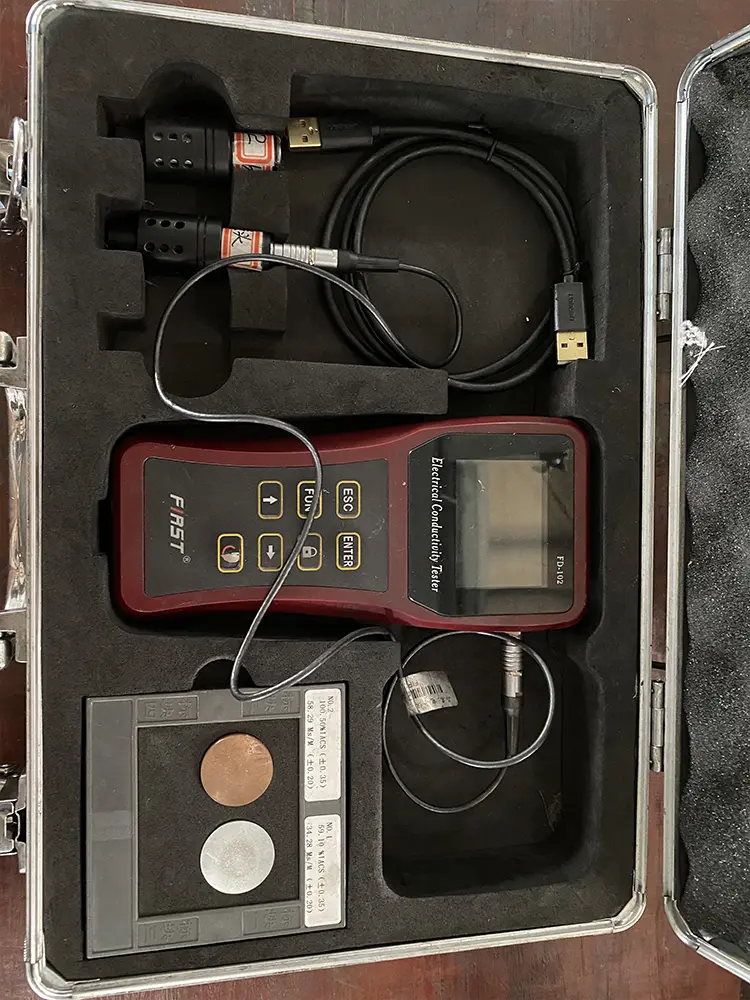
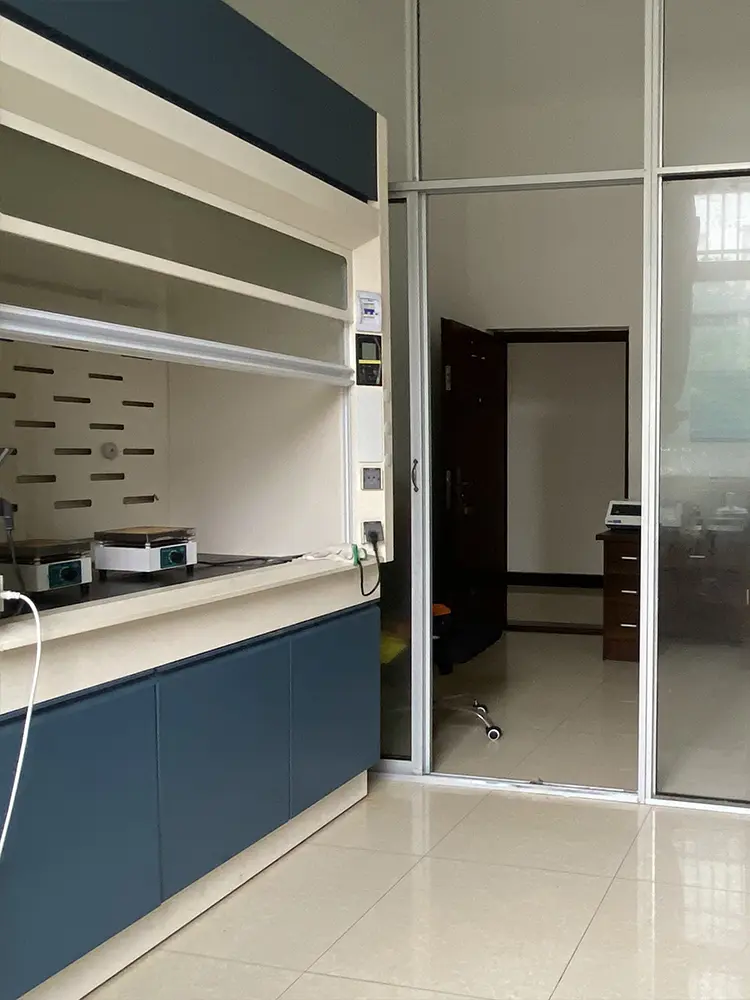

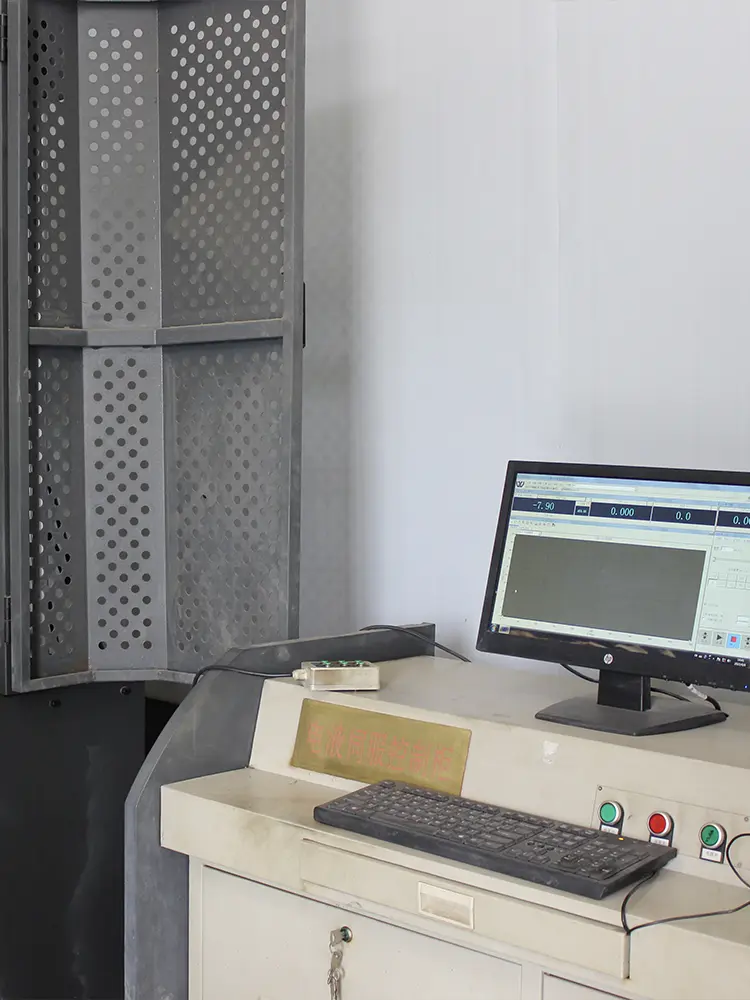
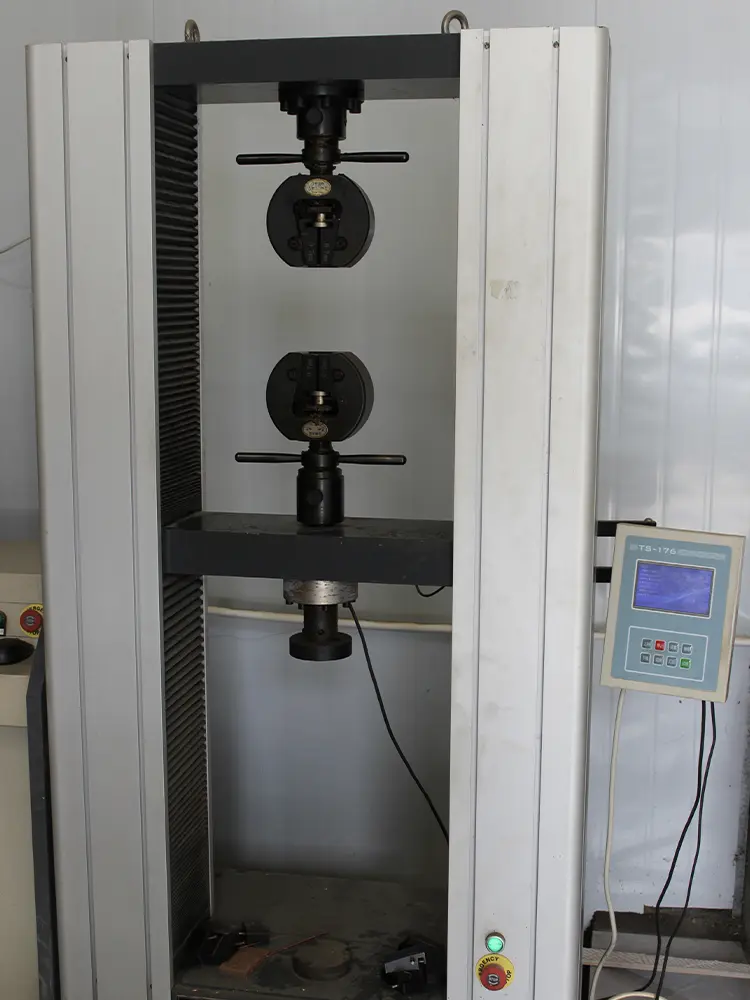
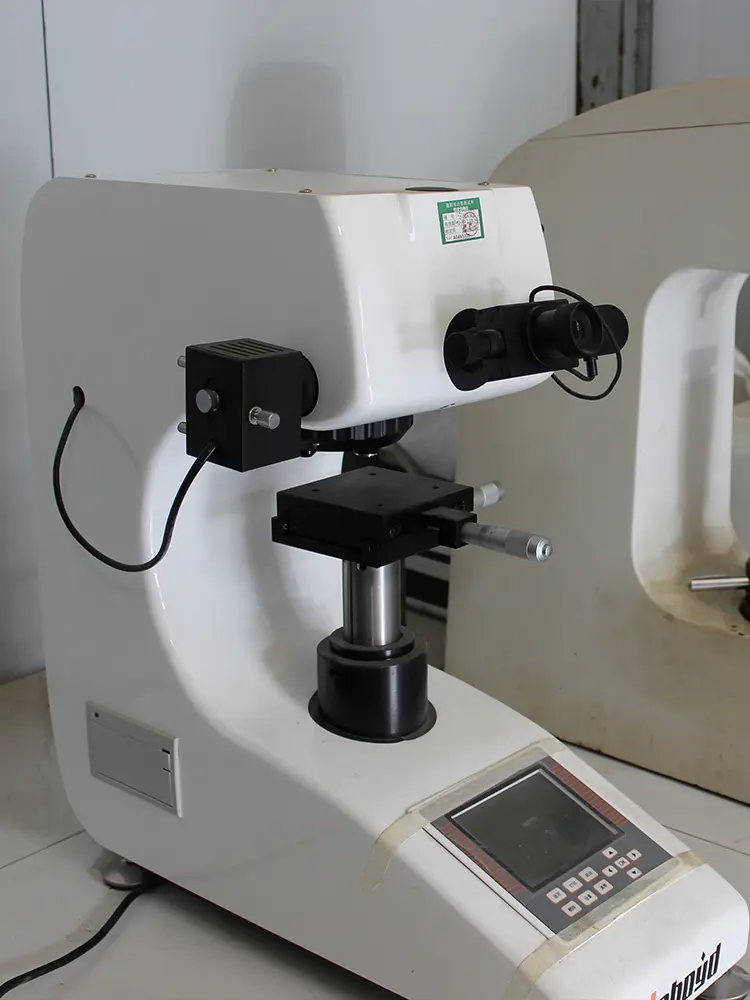
In modern industrial applications, UNS C11000 copper is selected based on specific operational needs. In the New Energy Vehicle (NEV) sector, the demand for fast charging and high current throughput places significant thermal stress on battery busbars. C11000 busbars, with their high thermal conductivity, help dissipate heat rapidly, reducing thermal runaway risks in battery packs. In 5G Telecommunications, C11000 acts as a reliable shield for high-frequency coaxial cables and RF transceivers, where low electrical resistance is essential to prevent signal degradation and maintain data integrity.
For industrial systems like high-power relays and power distribution grids, the fatigue life of contact materials under mechanical stress is a key performance factor. To address this, Kepai applies tailored cold-working processes to adjust grain sizes, improving the yield-to-tensile ratio of our C11000 copper. This helps ensure components resist mechanical deformation over thousands of operating cycles. In laser cutting and plasma systems, our copper's thermal conductivity helps maintain dimensional stability under high temperatures, reducing thermal wear on consumables.
The transition toward renewable energy systems and smart grids is driving global demand for high-conductivity copper materials. Additionally, the miniaturization of electronic devices requires copper components with higher mechanical strength and narrower dimensional tolerances, accelerating development in alloy design.
Global procurement teams must consider chemical composition, dimensional tolerance, surface finishing, and packaging to prevent corrosion during shipping. Partnering with vertically integrated factories helps ensure consistent quality and reliable delivery timelines.
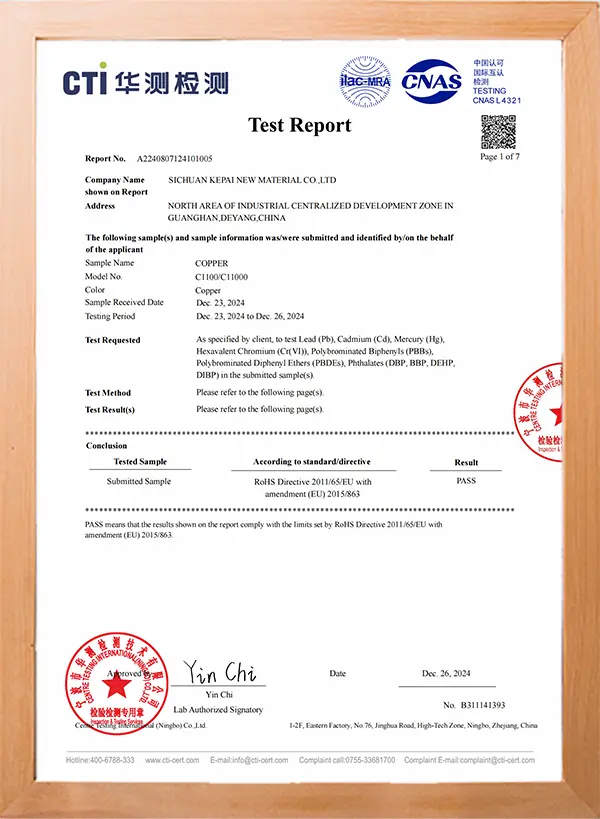
Our production complies with RoHS and REACH standards. Backed by extensive testing capabilities (including chemical, mechanical, and electrical analysis), we provide full material traceability to support global quality assurance needs.
Detailed technical answers addressing mechanical properties, alloy behavior, and manufacturing standards for UNS C11000.
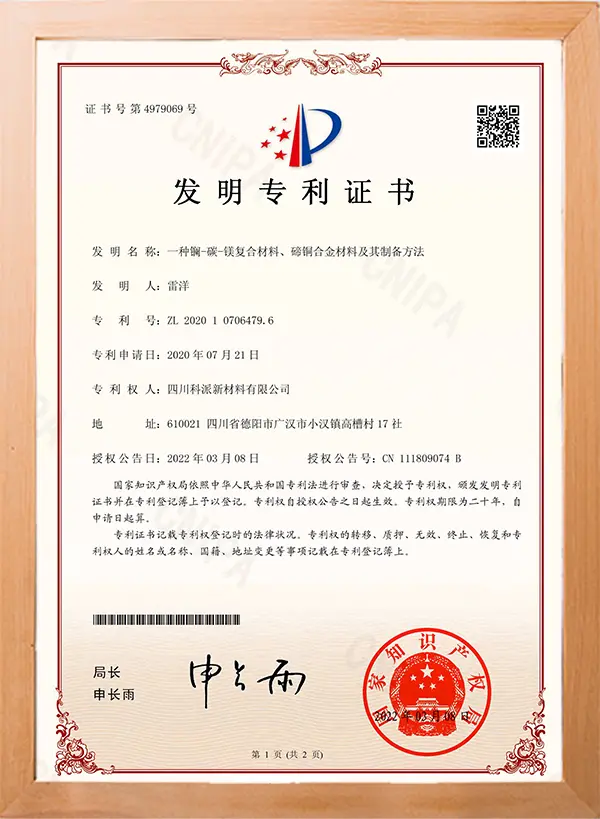
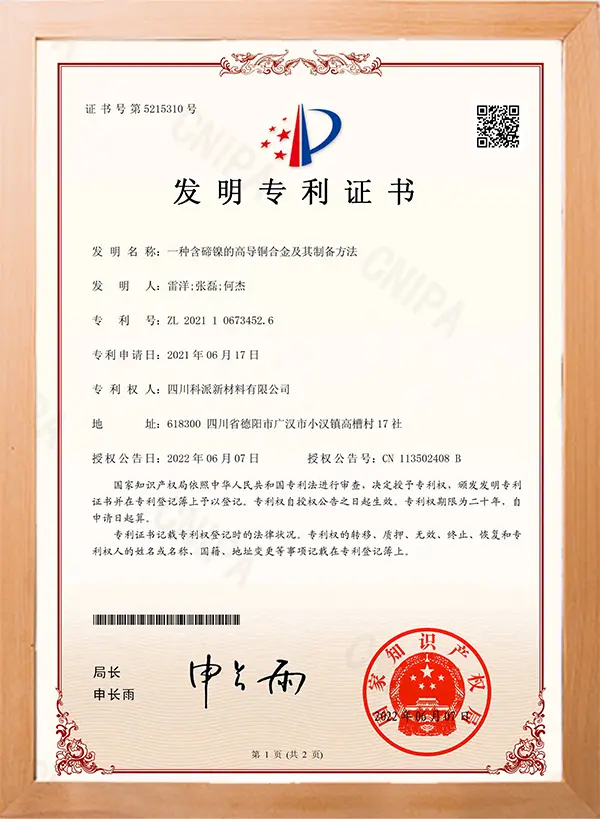
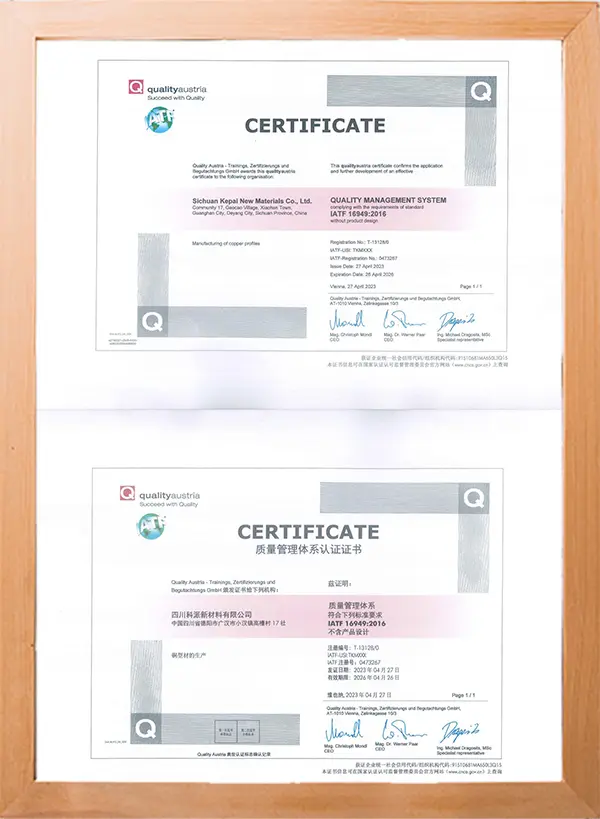
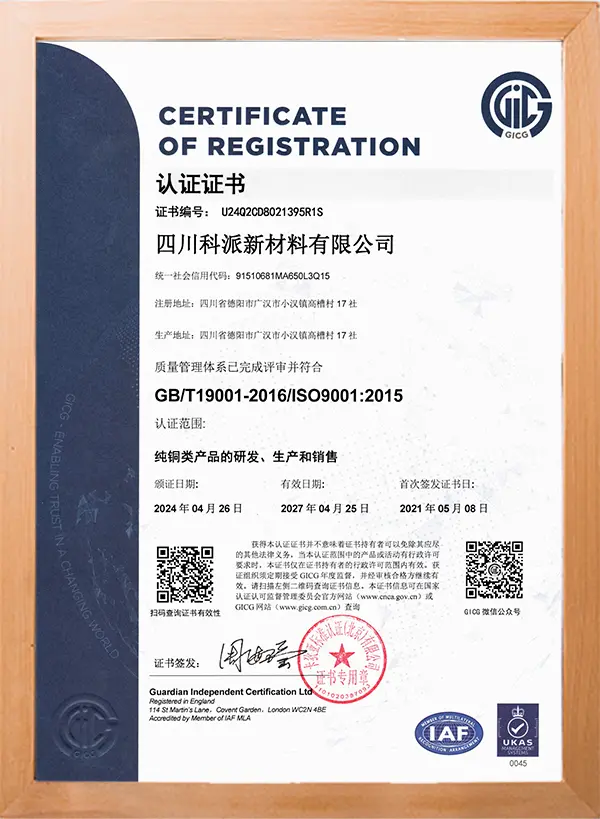
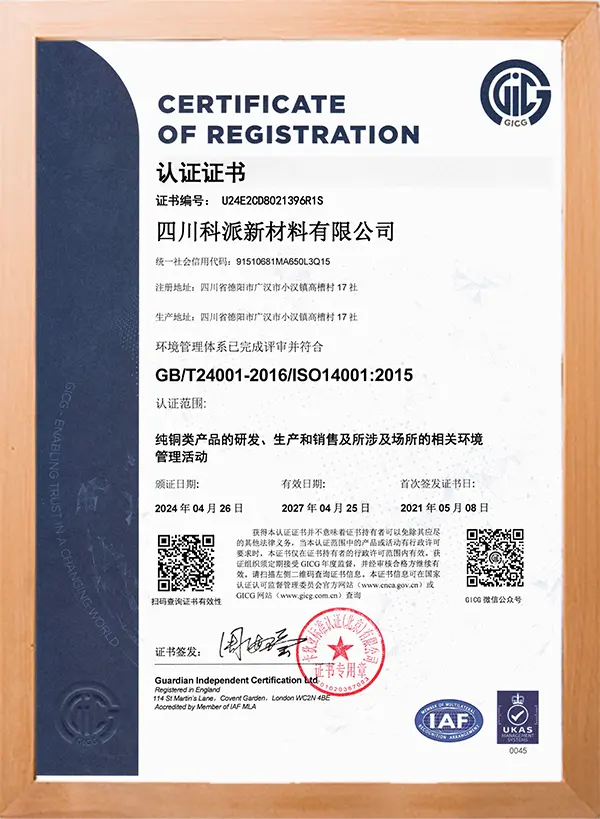
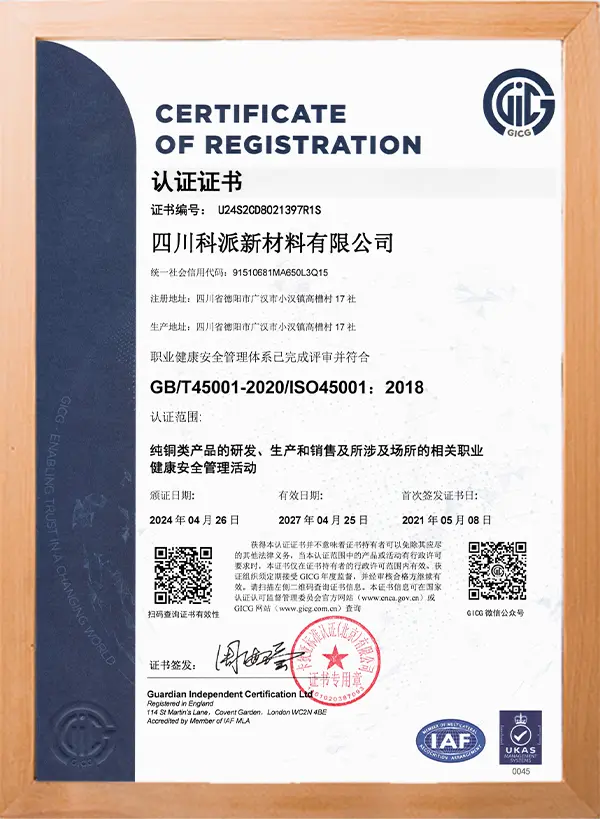
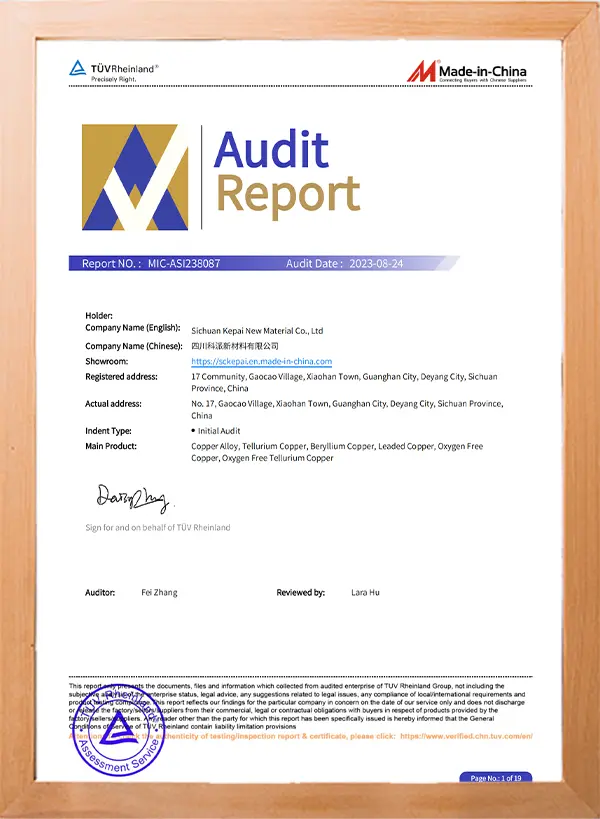
Our manufacturing and quality systems are audited to comply with international standards, helping to ensure consistent product performance.
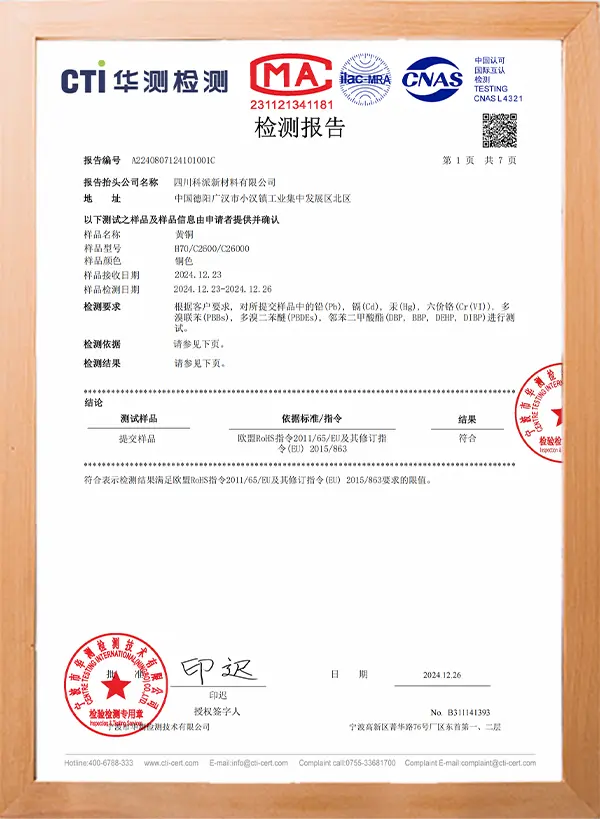
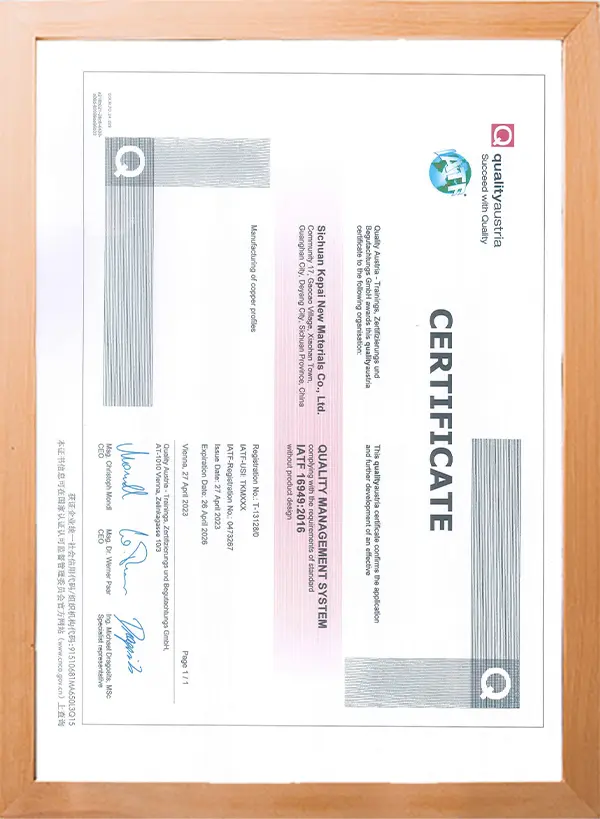
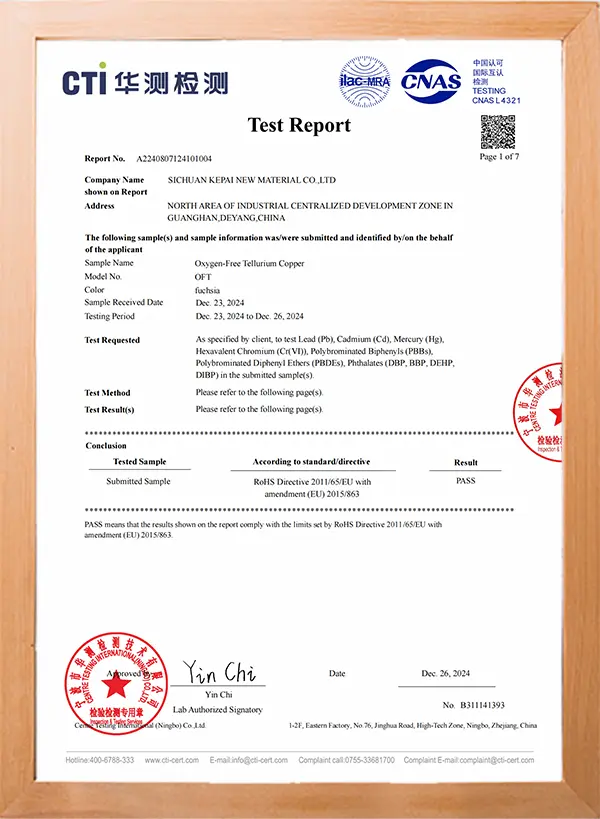
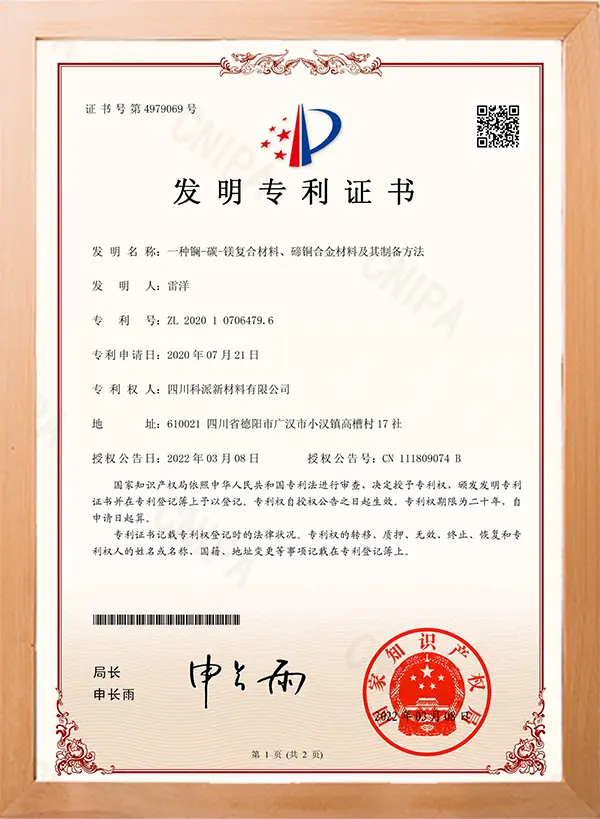
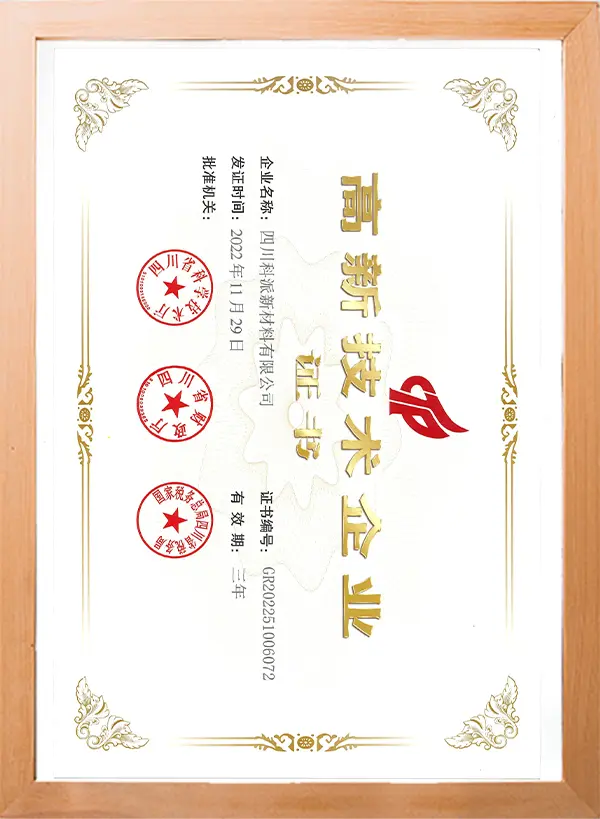
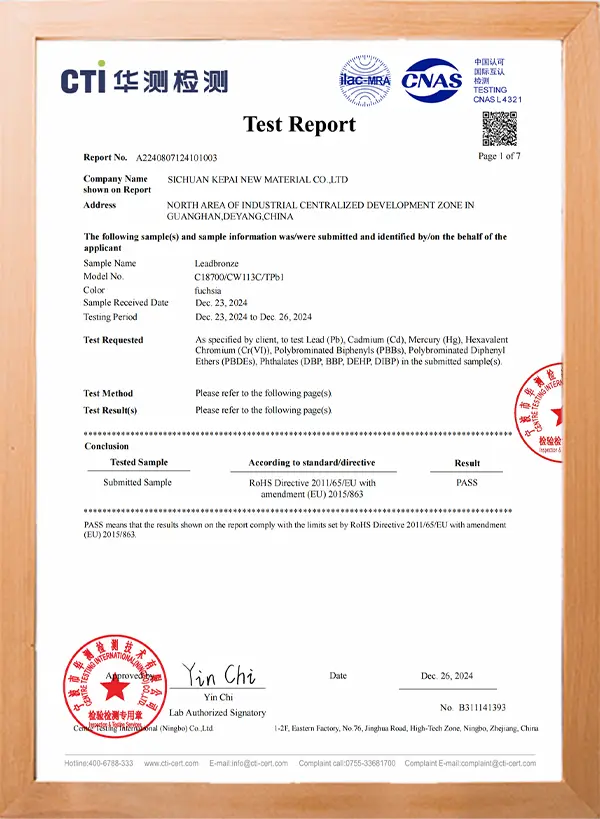
Review our specialized copper alloys, including high-conductivity tellurium copper and phosphor copper, developed for demanding engineering applications.
Contact our engineering and sales teams for assistance with material selections, custom alloy tempers, or volume shipping options.
 Kepai
Kepai