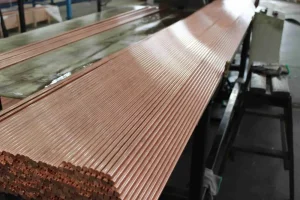
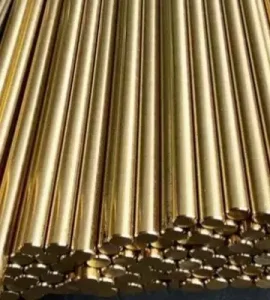
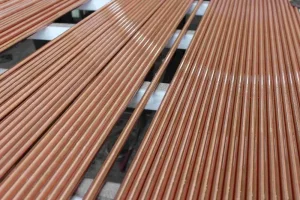
High-performance conductive and mechanical copper grades tailored to meet stringent modern specifications.
Decoding the shifting paradigms of high-current power transmission and signal integrity in the era of smart electrification.
As the pace of global industrial digitalization accelerates, electronic copper alloys have emerged as the foundational backbone for high-performance power distribution and signal routing. Industries ranging from electric vehicle (EV) charging stations and lithium-ion batteries to 5G cellular arrays and high-power industrial fiber lasers require materials with high electrical conductivity, mechanical yield strength, thermal stability, and corrosion resistance. In this environment, OEMs look for manufacturers capable of optimizing alloys to achieve custom parameters, breaking away from standard mill runs to supply custom-engineered material systems.
Historically, engineers had to compromise between mechanical structural integrity and electrical efficiency (IACS value). For instance, adding alloying components like phosphorus or iron increases tensile strength but degrades electrical conductivity. Modern metallurgical processes bypass this trade-off. Through micro-alloying and precipitation-hardening techniques, today's top-tier manufacturers introduce elements like tellurium, chromium, zirconium, and beryllium in tightly controlled PPM metrics to construct specialized, high-performance alloys.
Established in 2017, Sichuan Kepai New Material Co., Ltd. is a high-tech enterprise integrating research, development, production, and sales of high-performance electronic copper alloys. Strategically located in the western area of the Sichuan Guanghan Industrial Development Zone, adjacent to National Highway 108, Kepai benefits from convenient transport corridors that facilitate rapid domestic and global shipping.
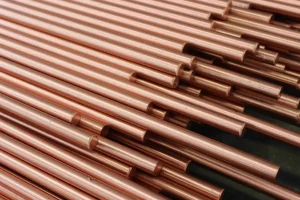
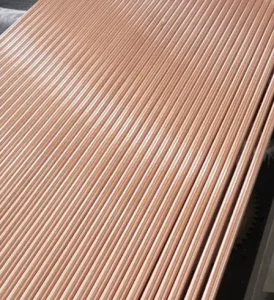
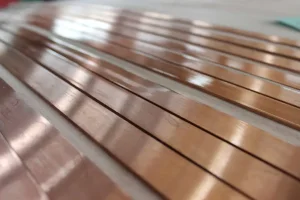
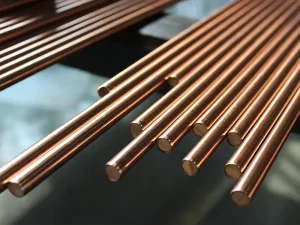
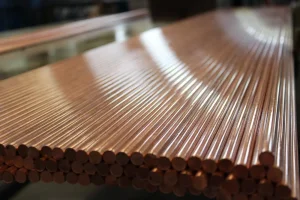
Our company primarily produces strategic emerging materials listed under international technology roadmaps, including special copper alloys such as tellurium copper, high-conductivity oxygen-free copper, silver copper, and dispersion-strengthened copper. We focus on engineering high-conductivity, easy-to-machine, and high-strength copper alloys that meet the demanding thermal profiles of next-generation industrial devices.
"We operate under the core business philosophy of 'innovation-driven development, quality wins the market', aiming to guide the industrial upgrading of copper alloy systems and support global OEM procurement channels with reliable, high-yield material supplies."
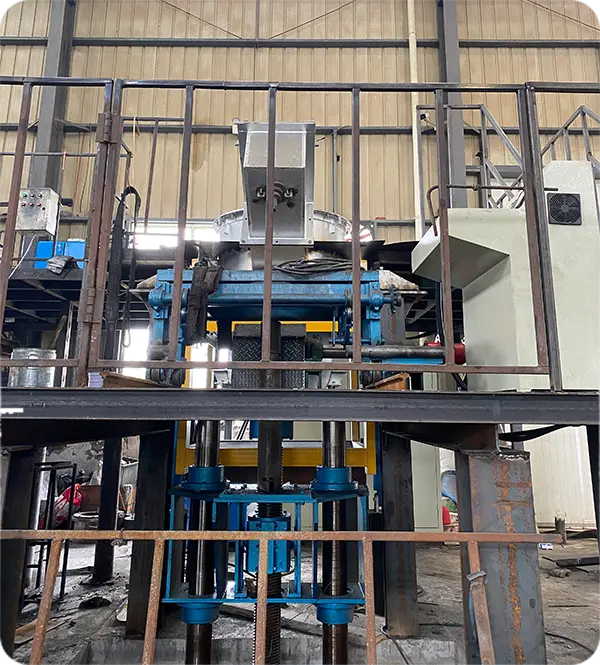
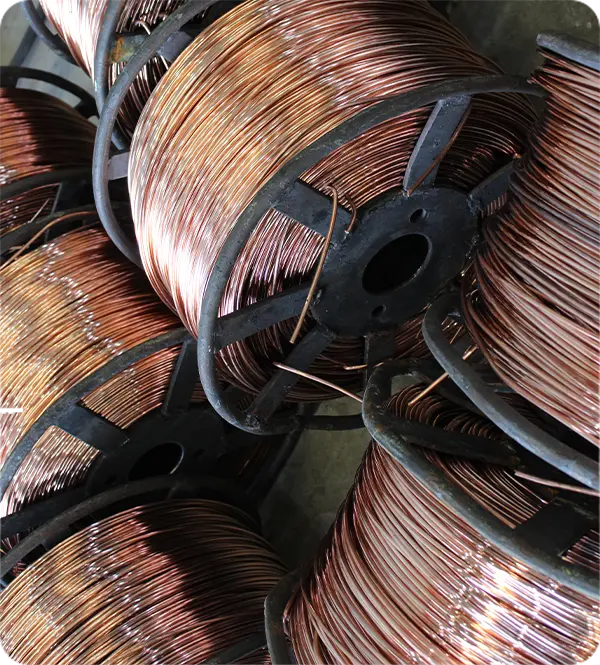

Translating basic metallurgy into optimized system efficiencies across high-growth electronic industries.
High-power DC fast charging systems generate localized heat that degrades standard contact materials. Kepai's Tellurium Copper (C14500) provides 85% free-machining performance, allowing components like charger pins and high-voltage relays to be turned with minimal tool wear, while maintaining up to 98% IACS conductivity.
High-frequency micro-connectors demand high mechanical strength and stable signal transmission. Beryllium Copper (C17200, C17300) delivers high spring characteristics and fatigue resistance, preventing degradation under constant physical engagement cycles and high thermal environments.
Laser cutting and plasma arc systems rely on consumable tips and nozzles that experience extreme thermal erosion. Chromium-Zirconium-Copper (CrZrCu) alloys offer high-temperature hardness and high thermal conductivity, reducing wear rates and extending nozzle life.
A comparative overview of primary electronic copper alloys engineered for high-performance applications.
| Alloy Grade | UNS Number | Electrical Conductivity (% IACS) | Thermal Conductivity (W/m·K) | Machinability Rating (%) | Key Applications |
|---|---|---|---|---|---|
| Tellurium Copper | C14500 | 93% - 98% | 355 | 85% | EV Charging Pins, Connectors, Laser Nozzles |
| Oxygen-Free Copper | C10200 / C10100 | ≥101% | 391 | 20% | Vacuum Electronics, Busbars, Semi-conductors |
| Beryllium Copper | C17200 / C17300 | 22% - 28% | 105 - 130 | 20% - 50% | Spring Contacts, Aerospace Connectors, Mold Tooling |
| Phosphor Bronze | C51100 / C54400 | 15% - 20% | 67 - 84 | 20% - 80% | Relays, Switch Springs, Electronic Hardware |
| Free-Cutting Brass | C36000 | 26% | 115 | 100% (Standard) | Screw Machine Parts, Electrical Connectors, Hardware |
Standard copper (like C11000 ETP) has high electrical properties, but it is difficult to machine efficiently, producing long, stringy chips that can wrap around tooling. Adding tellurium to C14500 results in copper telluride (Cu2Te) phase precipitates. These precipitates facilitate chip breaking, allowing high-speed precision turning while preserving ≥93% IACS conductivity. This is critical for high-volume automotive and electronics manufacturing.
Oxygen-Free High-Conductivity Tellurium Copper (OFT) builds on this performance by keeping oxygen content below 10ppm. Standard ETP copper contains cuprous oxide, which can cause hydrogen embrittlement if welded or brazed at temperatures above 370°C. OFT copper resists hydrogen embrittlement, ensuring joint integrity in vacuum electronics and high-power electrical assemblies.
Sichuan Kepai New Materials operates under a "rooted in Sichuan, radiating nationwide, and moving towards the world" expansion strategy. We supply materials across Asia, North America, and Europe, establishing long-term partnerships with tier-one electronics suppliers and high-current electrical component manufacturers.
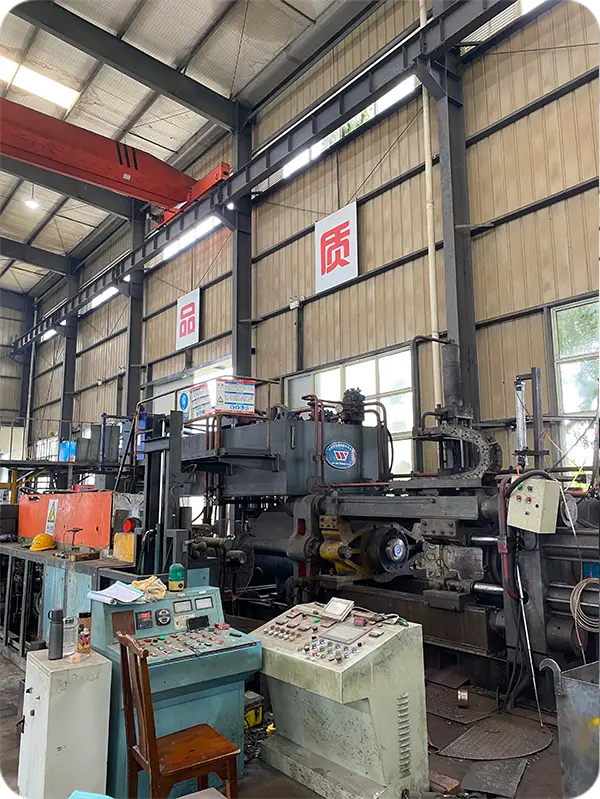
Our manufacturing processes conform to rigorous quality standards, supported by systematic testing labs and certification frameworks. From raw material melt chemistry verification through to final dimensional inspections, every product batch is traceable.
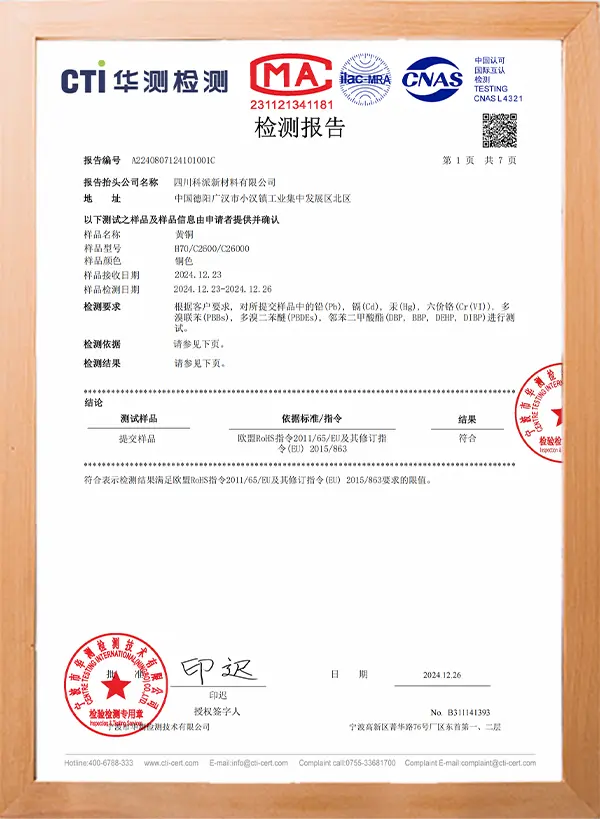
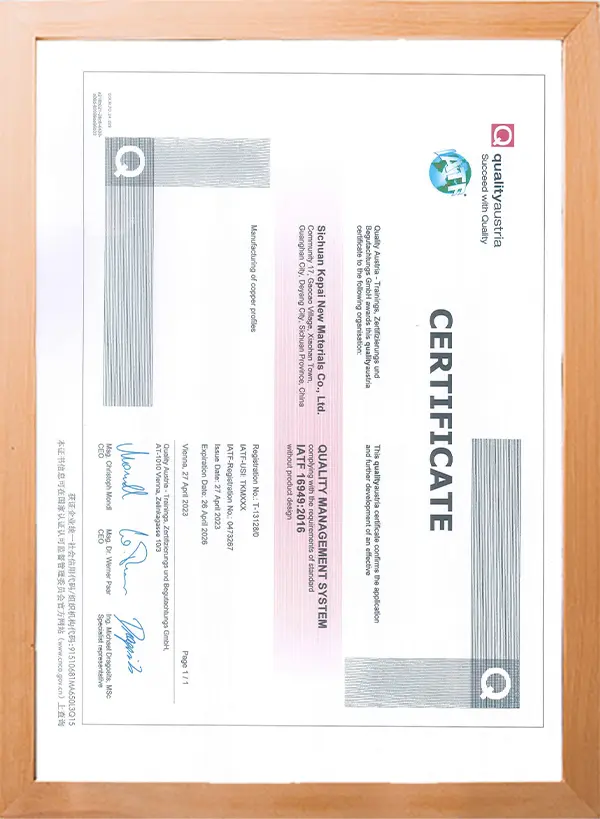
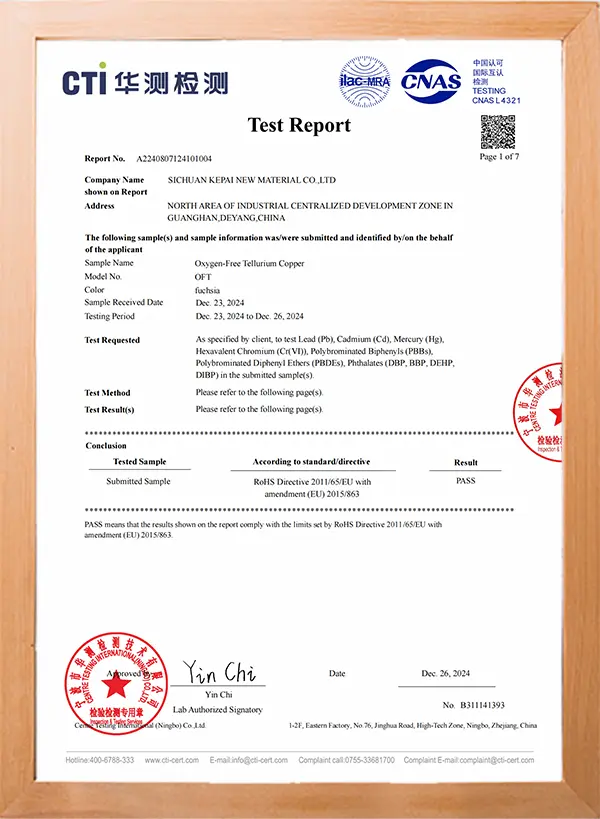
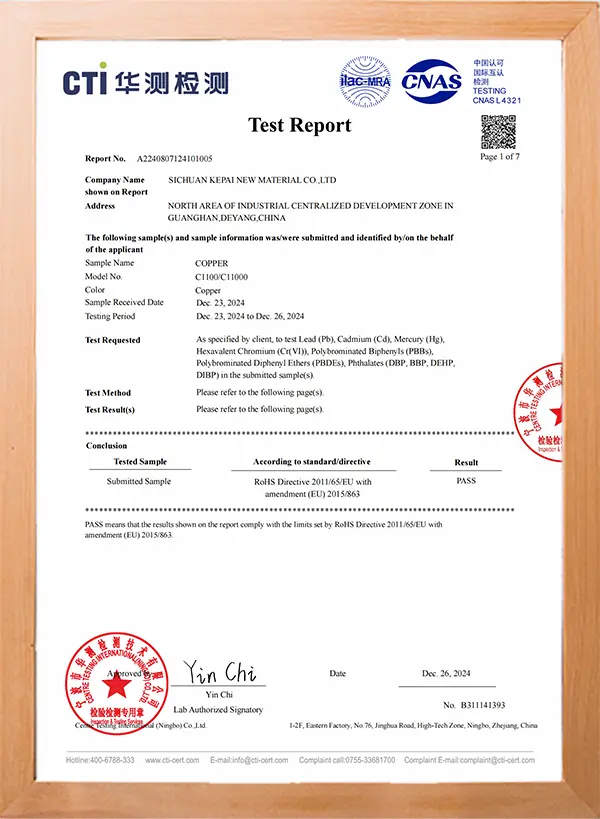
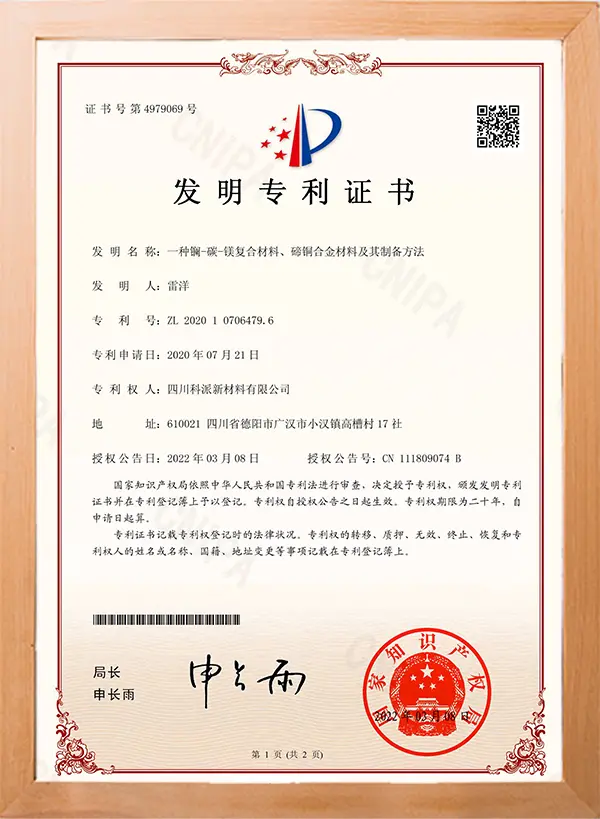
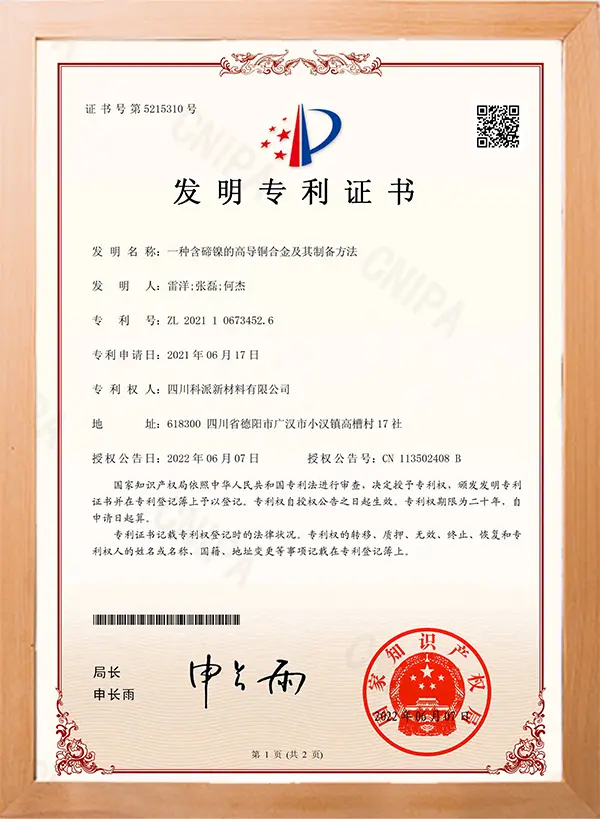
From vacuum induction melting to mechanical testing: ensuring material consistency.
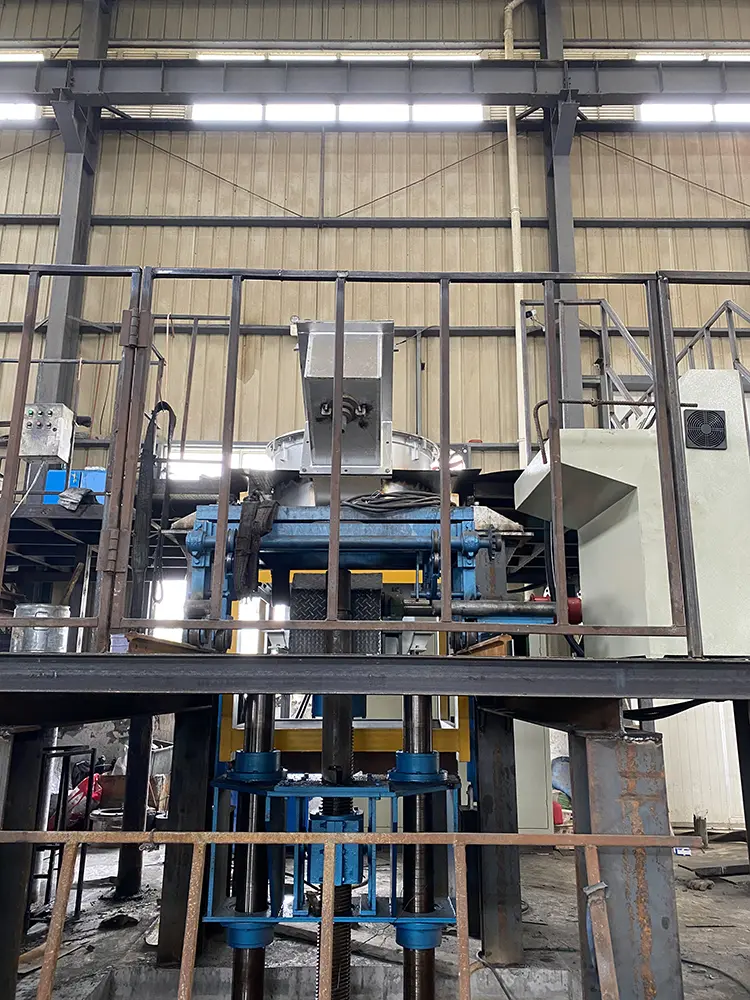
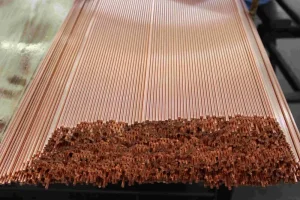
Smelting
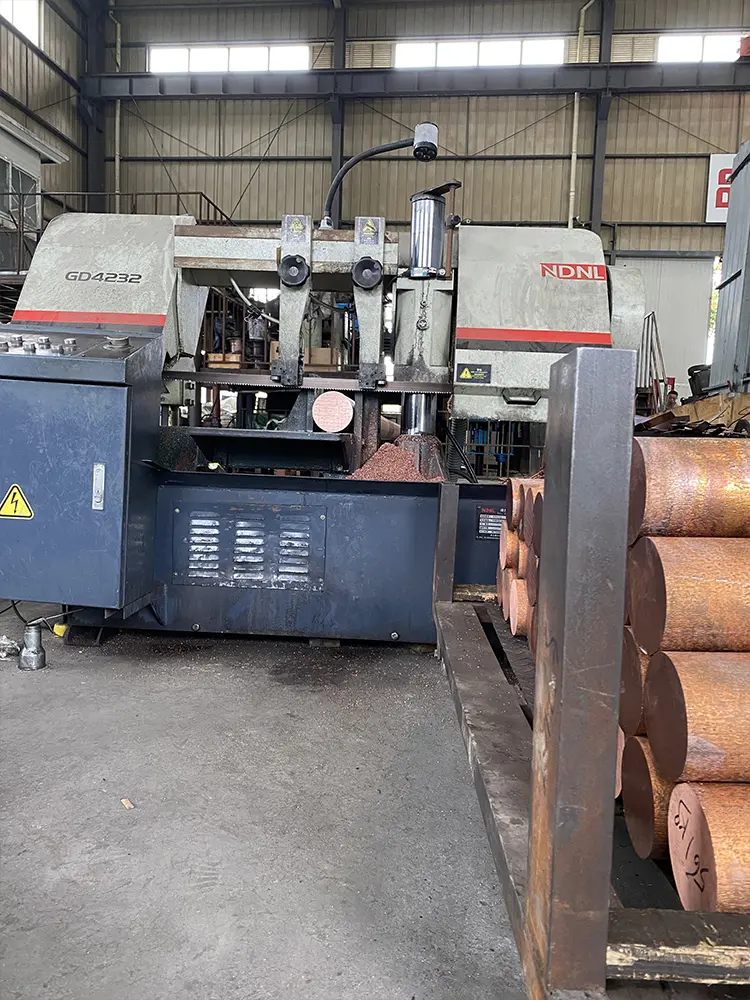
Laying-off
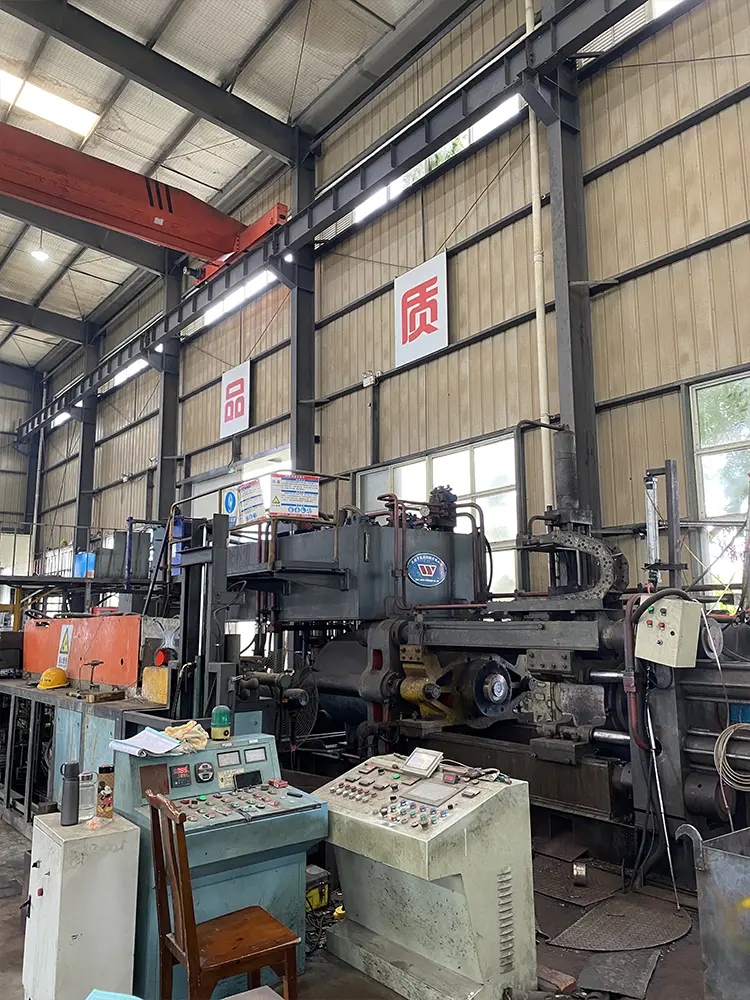
Extrusion
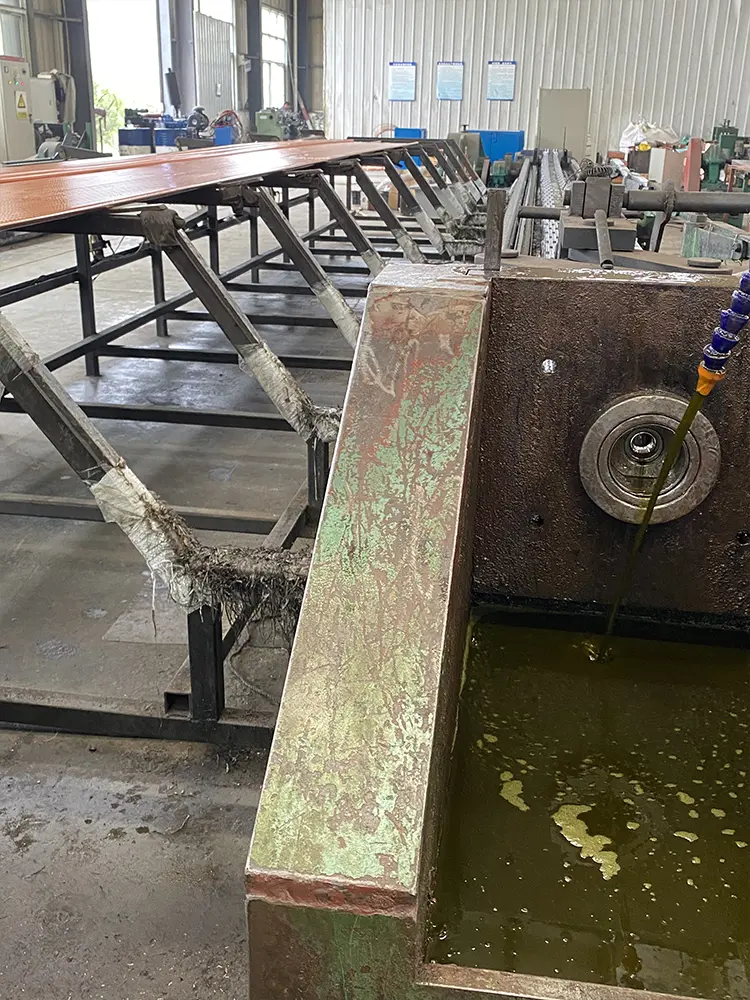
Drawing
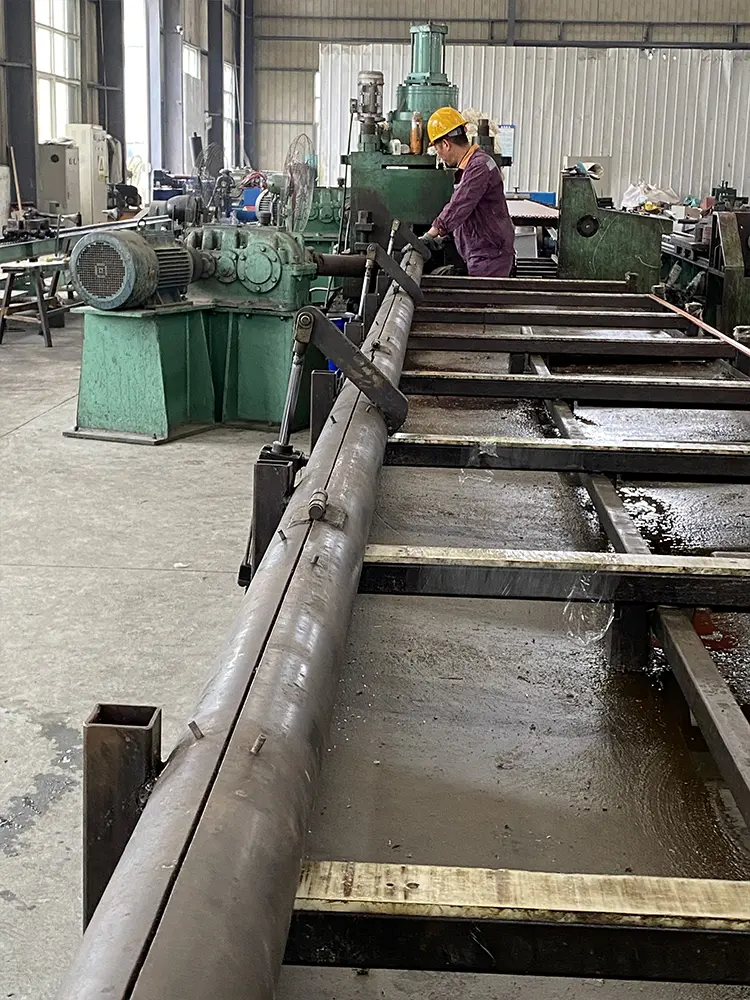
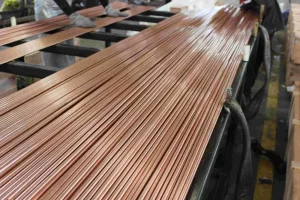
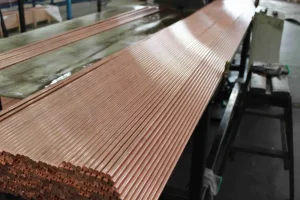
Straightening
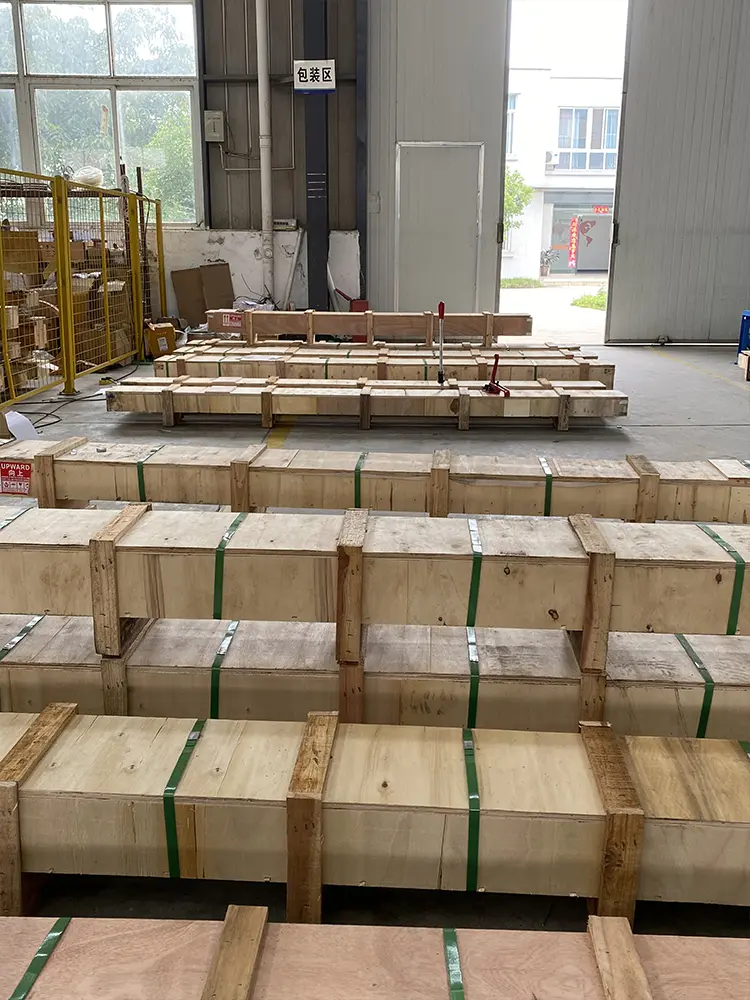
Package
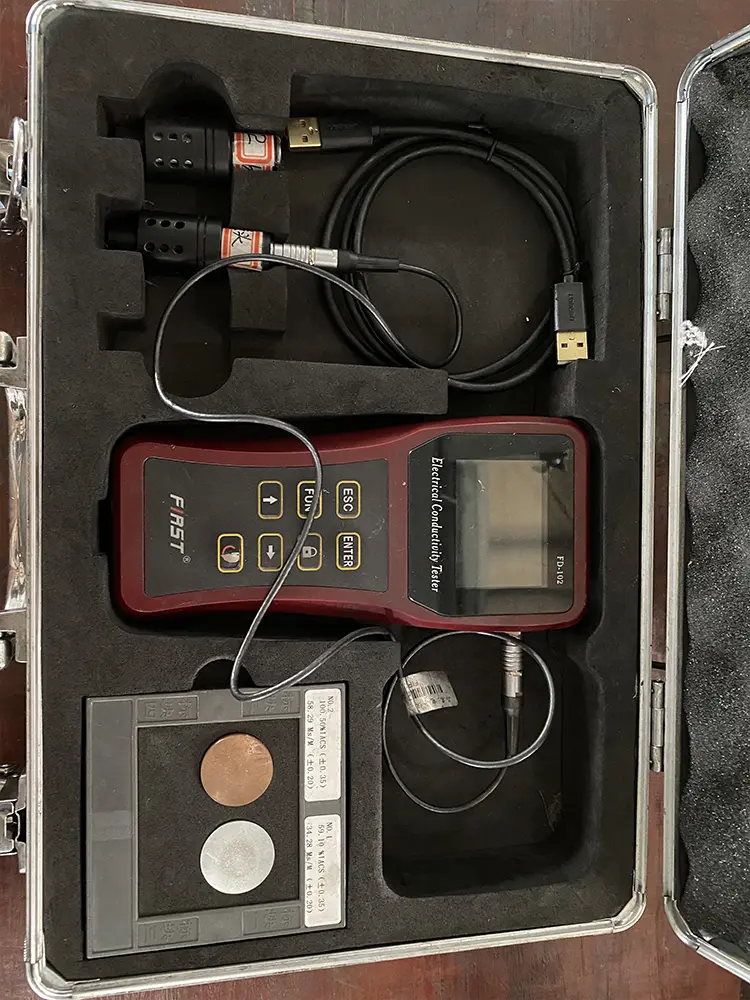
Eddy Current Conductance Instrument
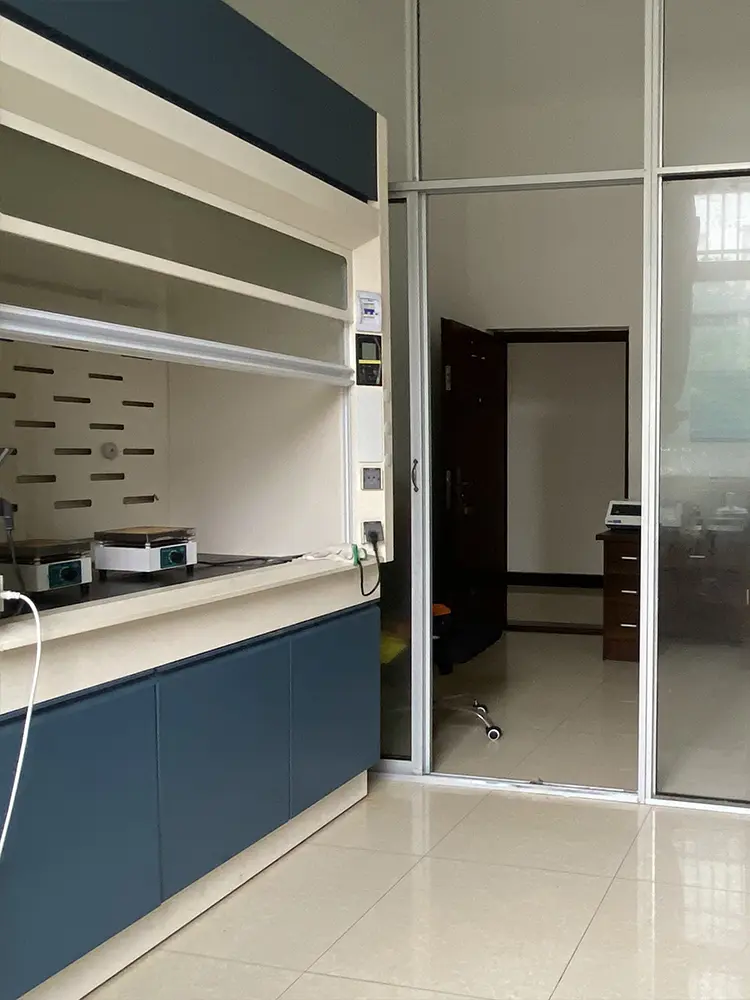
Chemical Composition Test Room

Metallographic Polishing Machine
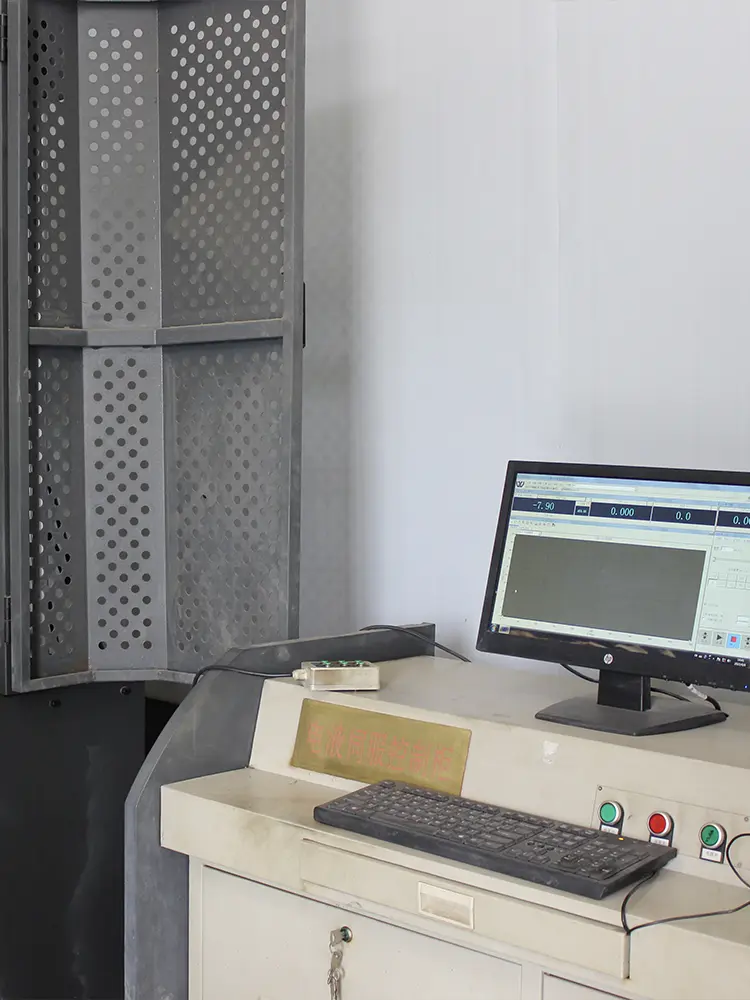
Electro-Hydraulic Servo Testing Machine
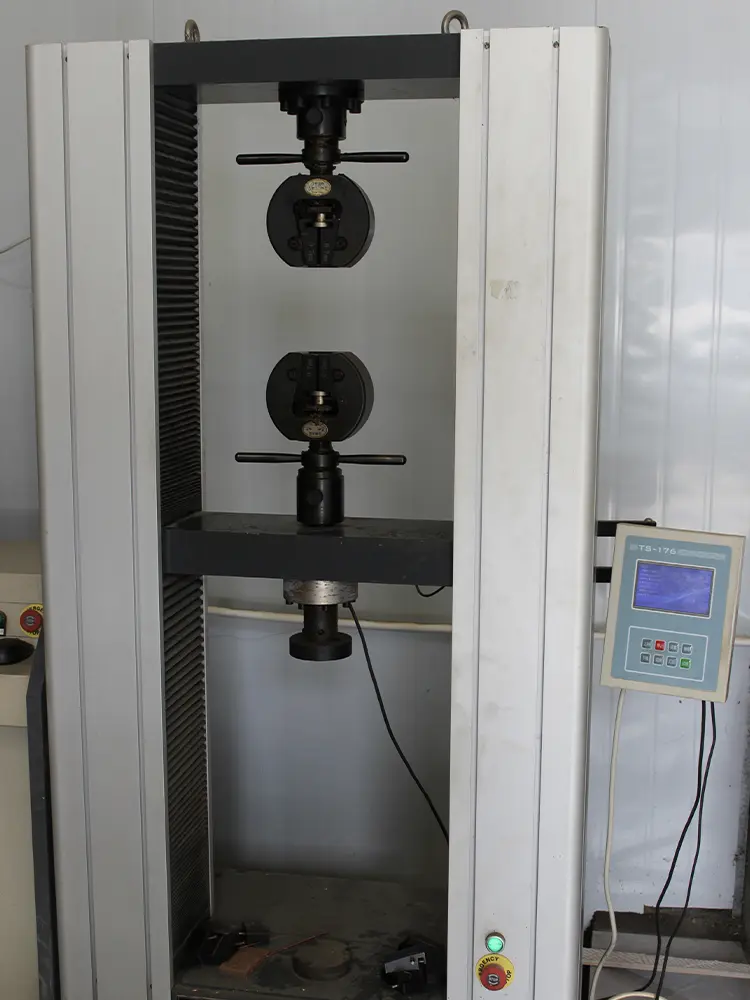
LCD Electronic Universal Tester
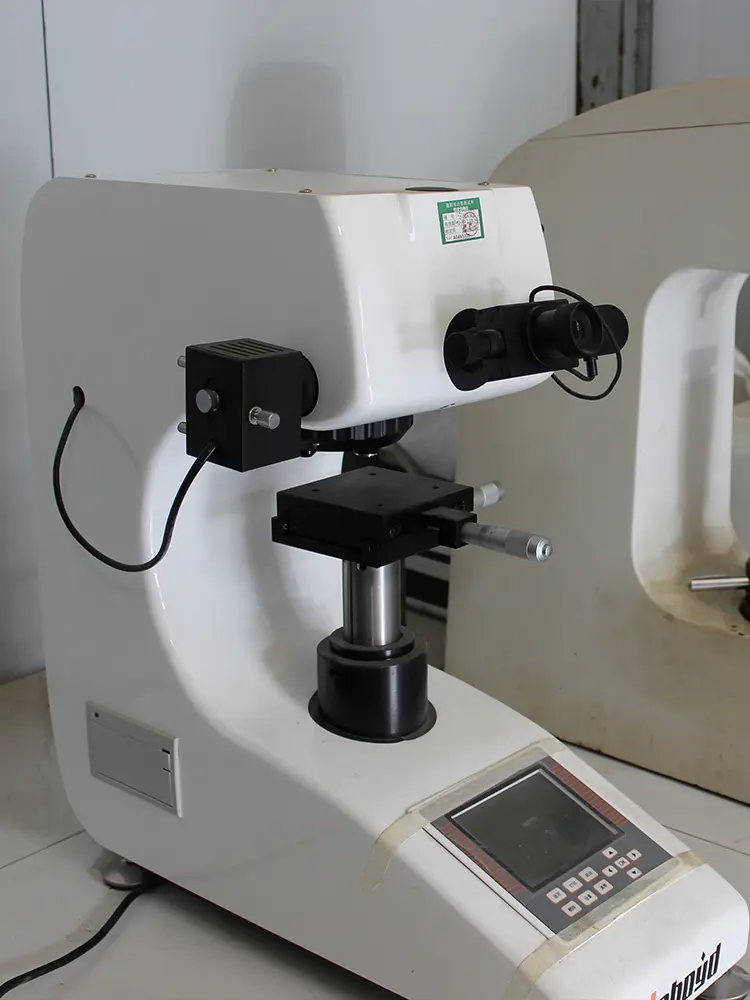
Hardness Tester
Safeguarding supply chains with environmentally responsible processes and regulatory compliance.
As international environmental regulations tighten, OEMs face pressure to audit raw material suppliers for regulatory compliance. Sichuan Kepai New Materials manages its supply chain under strict ESG frameworks. We use clean melting technologies and efficient material recovery methods to minimize the environmental footprint of our copper alloy production.
Our products comply with RoHS (Restriction of Hazardous Substances) and REACH (Registration, Evaluation, Authorization and Restriction of Chemicals) regulations. Lead-free manufacturing alternatives, such as our Tellurium Copper C14500 and Sulfur Copper variants, provide a viable replacement for traditional leaded copper alloys in electronic components, ensuring compliance in European and North American markets.
Answers to critical engineering questions about electronic copper alloys.
OFC offers ≥101% IACS conductivity, but its low machinability (20%) leads to tool wear and high production costs during high-volume precision turning. Tellurium Copper (C14500) provides 85% machinability and retains 93-98% IACS conductivity. The addition of tellurium forms copper telluride inclusions, which act as chip breakers without significantly degrading electrical properties.
Kepai utilizes an in-house chemical composition test room and metallographic sample preparation systems to monitor elements at the PPM level. Every cast lot is verified using eddy current conductance instruments and microcomputer-controlled universal testing machines. Material certification documents (MTCs) detailing grain size, hardness, and electrical conductivity are provided for every batch.
Beryllium copper alloys are heat-treatable alloys with high mechanical strength (tensile strengths up to 1400 MPa) combined with moderate electrical conductivity (22-28% IACS). They are used in spring contacts, high-pressure connectors, and dynamic contact interfaces due to their fatigue resistance, high hardness, and anti-galling behavior.
Yes. Our research and development team, in partnership with industrial universities, develops custom copper alloy compositions. We adjust composition parameters, heat treatments, and mechanical profiles to align with customer-specific requirements for thermal stability, conductivity, and mechanical strength.
Standard copper contains dissolved oxygen as cuprous oxide (Cu2O). In high-temperature hydrogen-containing atmospheres (during brazing or welding), hydrogen diffuses into the copper and reacts with the cuprous oxide to form steam (H2O), which creates micro-voids and cracks. By keeping oxygen levels below 10ppm, OFT prevents this reaction, ensuring high joint reliability.
Additional material options for heavy-duty electrical applications and precision machined parts.
Connect with Sichuan Kepai's engineering team to discuss material properties, request chemical test reports, or obtain a quote for custom dimensions.
 Kepai
Kepai