Precision-engineered copper materials matching the rigorous requirements of high-frequency power distribution, electric vehicle systems, and advanced metallurgical environments.
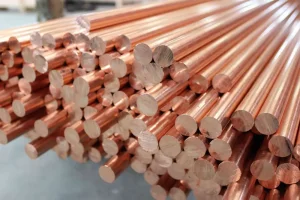
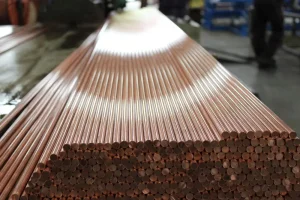
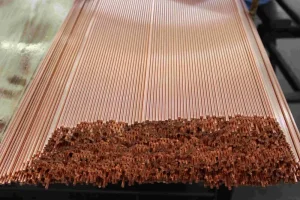
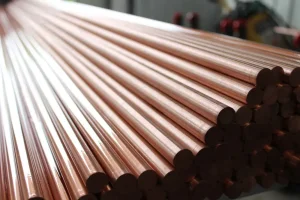

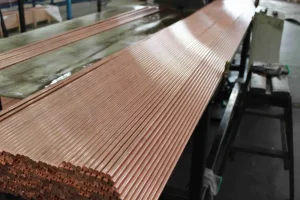
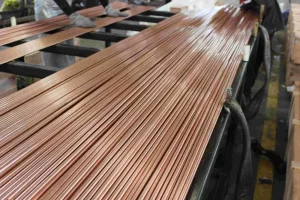
The global demand for pure copper wire has experienced an unprecedented surge over the past decade, driven by the global transition toward electrification, green energy, and digitized industrial infrastructure. Pure copper wire, especially grades demonstrating an International Annealed Copper Standard (IACS) electrical conductivity of 100% or higher (such as ASTM C11000 Electrolytic Tough Pitch and ASTM C10100/C10200 Oxygen-Free copper), serves as the foundational substrate for electrical engineering, power transmission, and electronics manufacturing worldwide.
In modern infrastructure, the efficiency of electrical distribution relies directly on the chemical purity of copper conductor materials. Impurities such as phosphorus, arsenic, and iron, even in fractional quantities measured in parts per million (ppm), severely degrade electrical conductivity and mechanical formability. Consequently, industries requiring high-performance power distribution—such as automotive drivetrain electrification, high-voltage offshore wind generation, and ultra-high-speed telecommunication systems—have mandated strict metallurgical purity standards. Sourcing from certified manufacturers that control the entire value chain, from high-purity cathode melting to oxygen-free casting, has become a top priority for procurement officers and engineering departments globally.
Furthermore, as international markets confront volatile energy costs and supply chain constraints, the geographical distribution of raw material extraction and secondary refinement continues to shift. Emerging regulatory frameworks, including the European Union's Carbon Border Adjustment Mechanism (CBAM) and strict RoHS compliance protocols, demand that copper manufacturers implement eco-efficient refining methods and highly transparent chemical tracing. This shift highlights the necessity for engineering departments to partner directly with advanced production facilities capable of delivering certified, low-oxygen, high-conductivity copper profiles that align with international carbon reduction roadmaps.
A premier national high-tech enterprise integrating research and development, precision manufacturing, and international supply chains for high-performance copper alloys.
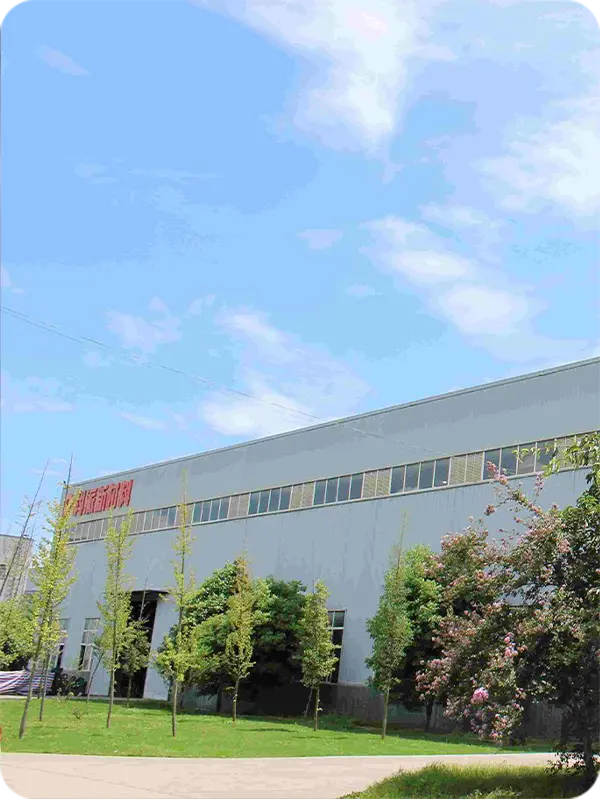
Sichuan Kepai New Materials Co., Ltd., established in 2017, is a high-tech enterprise integrating research and development, production, and sales. Currently, the factory covers an area of approximately 9,000 square meters, with an office space of about 1,000 square meters. The company primarily engages in the production of strategic emerging new materials for the national 13th Five-Year Plan, including special copper alloys such as tellurium copper, high-conductivity oxygen-free copper, silver copper, and dispersion copper, while also focusing on the research and development of high-conductivity, easy-to-machine, high-strength copper alloys. The products are mainly applied in high-tech fields such as new energy vehicles, 5G technology, laser cutting, and lithium battery relays.
Located strategically in the western area of the Sichuan Guanghan Industrial Development Zone, adjacent to National Highway 108, our facility benefits from excellent logistics connectivity and regional infrastructure. Since our founding, we have focused on the core operating philosophy of "innovation-driven development, quality wins the market." By bridging the gap between metallurgical research and high-volume industrial demand, we empower global enterprises to upgrade their production processes with premium copper materials.
Our multi-dimensional engineering capabilities ensure the highest level of stability, purity, and responsiveness for global supply chains.
Technological innovation is the core competitiveness of Sichuan Kepai New Materials Co., Ltd. The company has a research and development and production team composed of senior industry experts who keep pace with international cutting-edge technology trends and continuously explore the unknown boundaries in the field of new copper alloy materials. Through a combination of independent research and development and industry-university-research collaboration, Kepai has made breakthrough progress in several areas, including high-performance tellurium copper, lead copper, and sulfur copper. Many of its technological achievements have reached international advanced levels and have been successfully applied in various industries such as new energy vehicles, precision machining parts, plasma cutting, relays, and energy storage, earning widespread recognition and praise in the market.
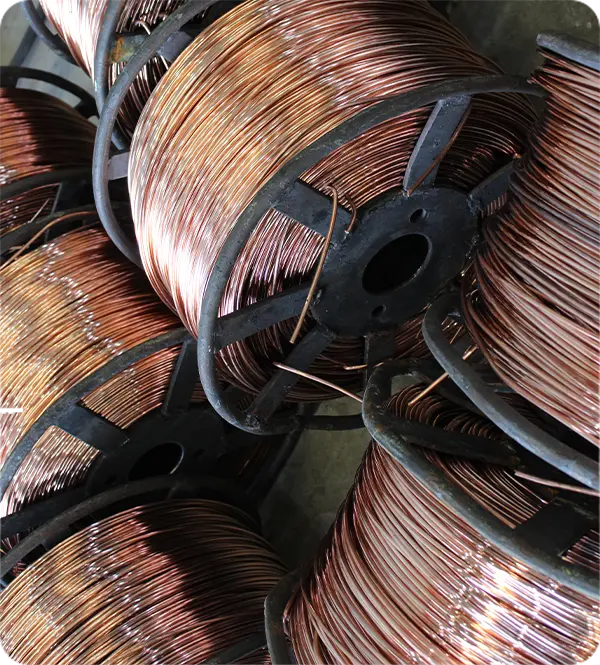
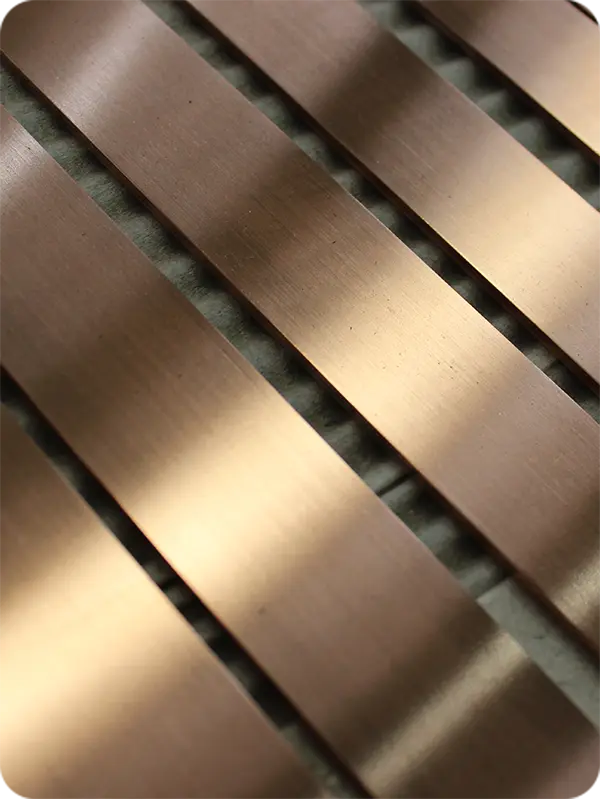
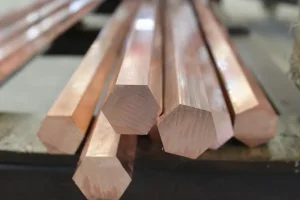
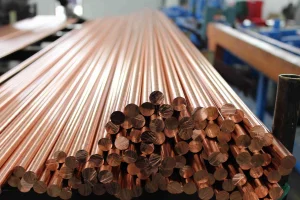
Kepai's product line is rich and diverse, covering a comprehensive range of solutions from basic materials to high-end customization. We focus on providing customers with high-performance, high-quality high-end copper alloy products, including but not limited to pure copper, oxygen-free copper, oxygen-free high-conductivity tellurium copper, nickel tellurium copper, tin bronze, beryllium copper, lead bronze, sulfur copper, and chromium zirconium copper. These products play an important role in reducing production costs and enhancing product performance due to their excellent physical and chemical properties and environmental friendliness, creating significant economic and social benefits for customers.

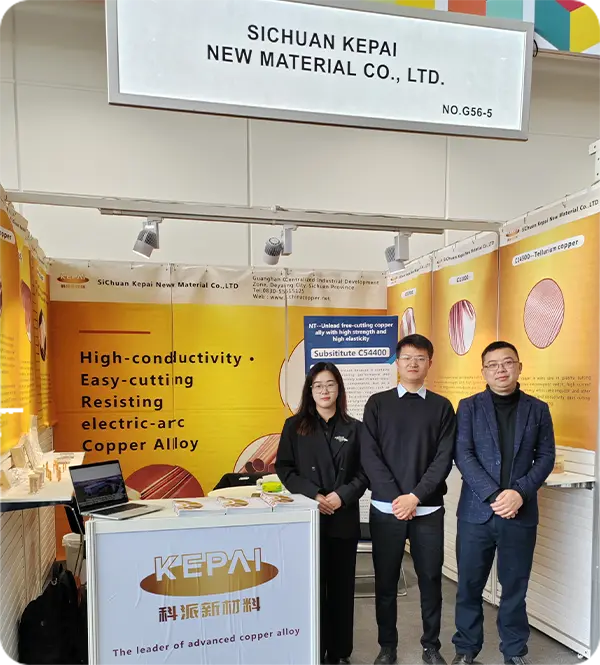
In the face of global market competition, Sichuan Kepai New Materials adheres to the development strategy of "rooted in Sichuan, radiating nationwide, and moving towards the world." By continuously optimizing market layout and improving the sales network, we have established a stable customer base in multiple provinces and cities across the country and have formed long-term cooperative relationships with several internationally renowned enterprises. At the same time, the company actively expands into overseas markets, participates in international competition and cooperation, and strives to promote Kepai's brand influence on the global stage.
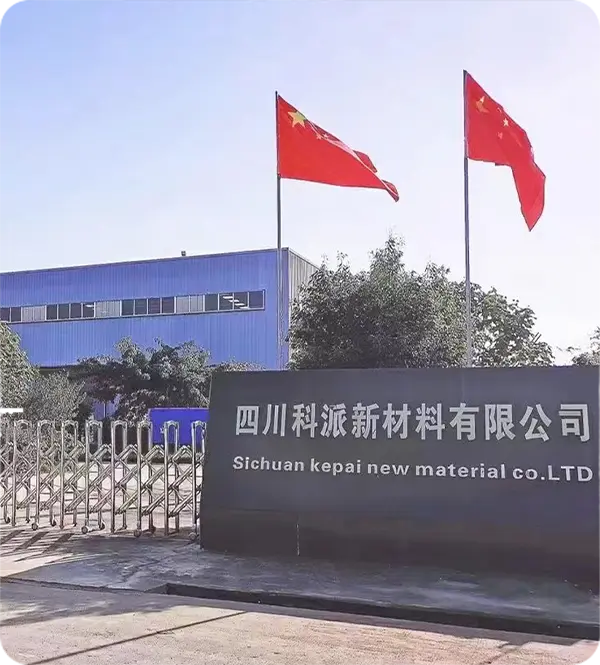
We understand that the long-term development of an enterprise is inseparable from an excellent corporate culture. We advocate the corporate spirit of "integrity, innovation, collaboration, and win-win," encouraging employees to explore boldly and innovate courageously, while also emphasizing teamwork and talent cultivation, striving to create a harmonious, open, and inclusive work atmosphere. We believe that only by continuously pursuing excellence and creating value can we win the trust of customers and the respect of society.
The competitive edge of manufacturing pure copper wire in China is rooted in an integrated ecosystem combining metallurgical expertise, highly efficient logistics, and rapid technological adoption. Chinese manufacturing complexes, particularly high-tech operations situated in key industrial zones like Sichuan, have transitioned from traditional, low-margin casting to highly automated, value-added metallurgical synthesis. This transition allows factories to maintain optimal processing control over parameters such as grain alignment, impurity extraction, and surface micro-finish, which are critical for high-frequency electrical applications.
One of the primary structural advantages of Chinese copper factories is vertical integration. Raw cathode feedstocks are refined and immediately processed via continuous horizontal casting or upward continuous casting systems within the same manufacturing campus. This minimizes reheating energy requirements and prevents atmospheric oxidation of high-purity materials. By integrating the smelting, drawing, and annealing processes, companies like Sichuan Kepai New Material Co., Ltd. drastically reduce production cycles while guaranteeing chemical uniformity. This operational agility enables fast turnaround times, allowing customized alloys like tellurium copper, sulfur copper, and dispersion-strengthened copper to be produced and shipped in a fraction of the time required by traditional Western foundries.
Furthermore, China's robust industrial supply chain ensures steady access to rare alloying materials, such as tellurium, beryllium, and zirconium. This geographical proximity to material sources, combined with highly optimized logistical networks (including rapid rail transport connecting Sichuan to international ports), translates directly into lower Total Cost of Ownership (TCO) for global buyers. By leveraging advanced automation in cold-drawing and inline eddy-current testing, Chinese factories can deliver high-performance copper wire profiles that consistently meet or exceed international standards (such as ASTM, DIN, and EN) at highly competitive prices.
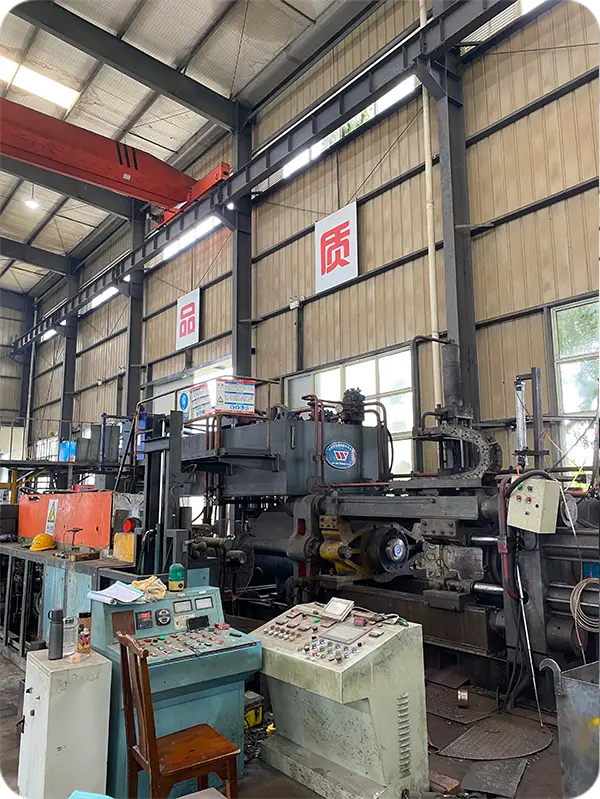
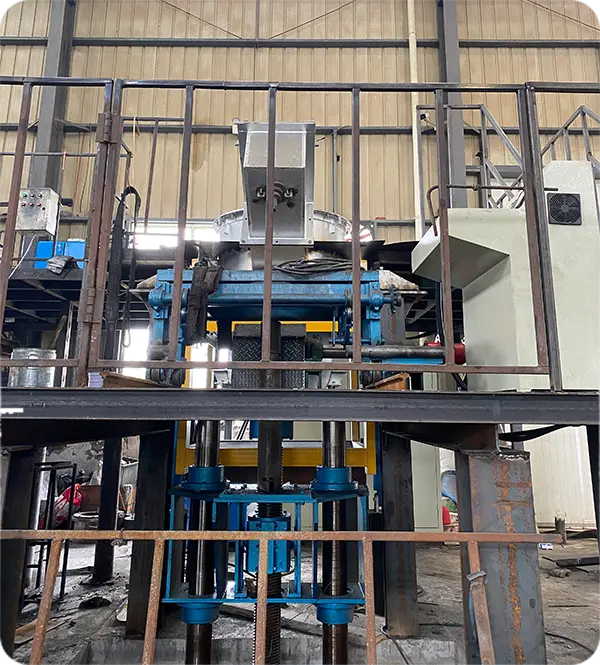
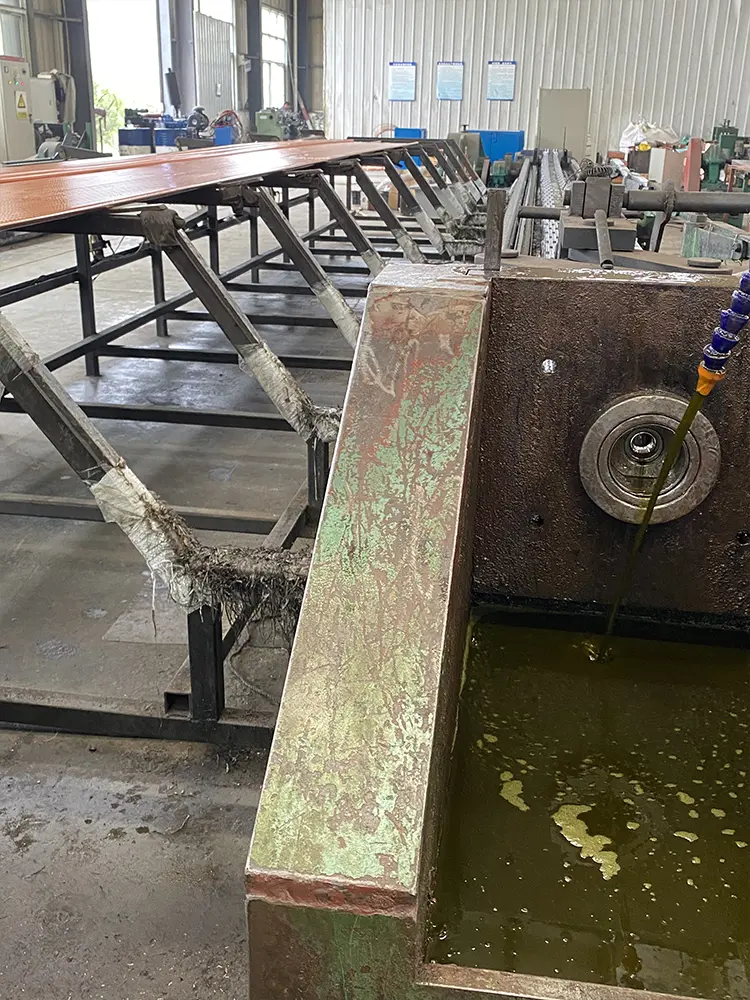
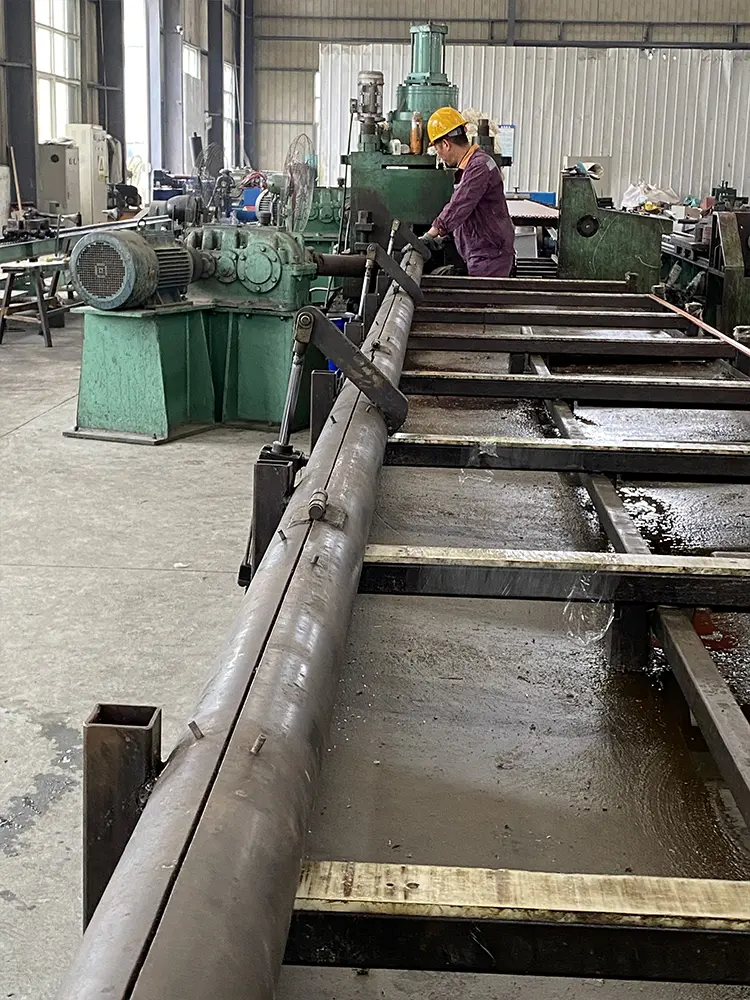
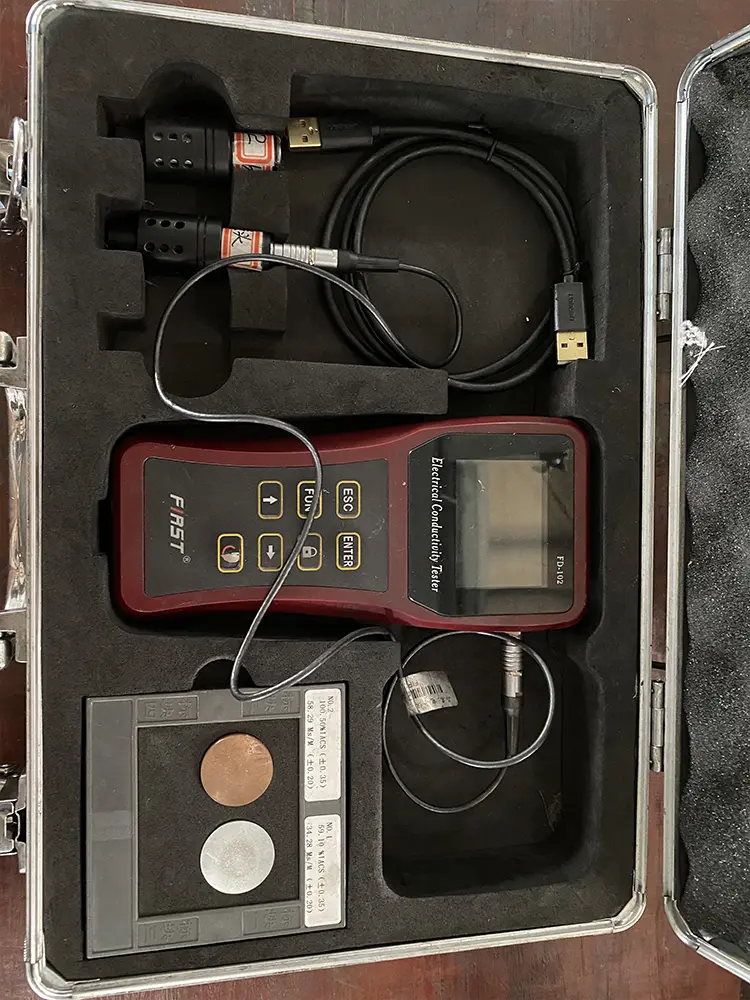
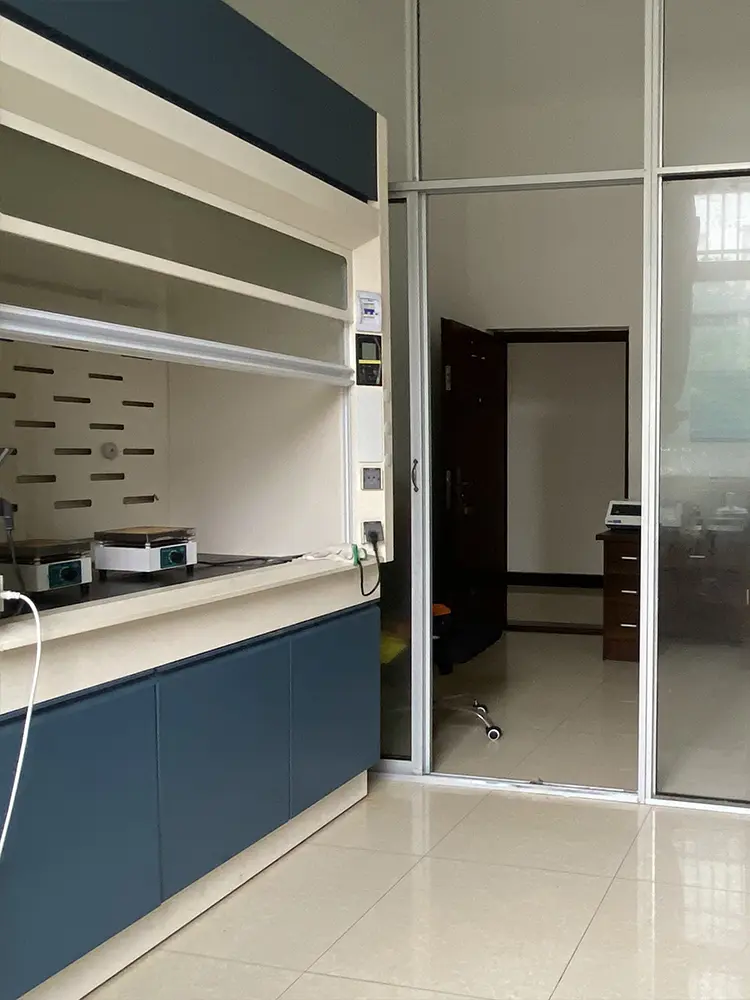
Our processing facilities and test laboratories are equipped with advanced systems, ensuring every production batch matches strict mechanical and chemical tolerances.
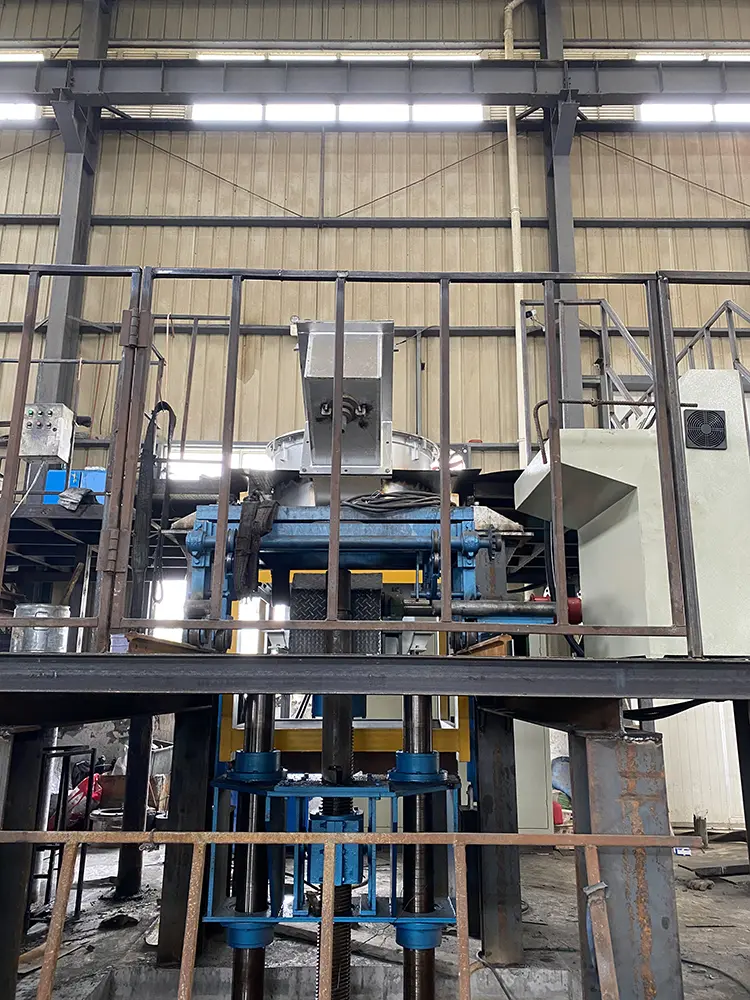
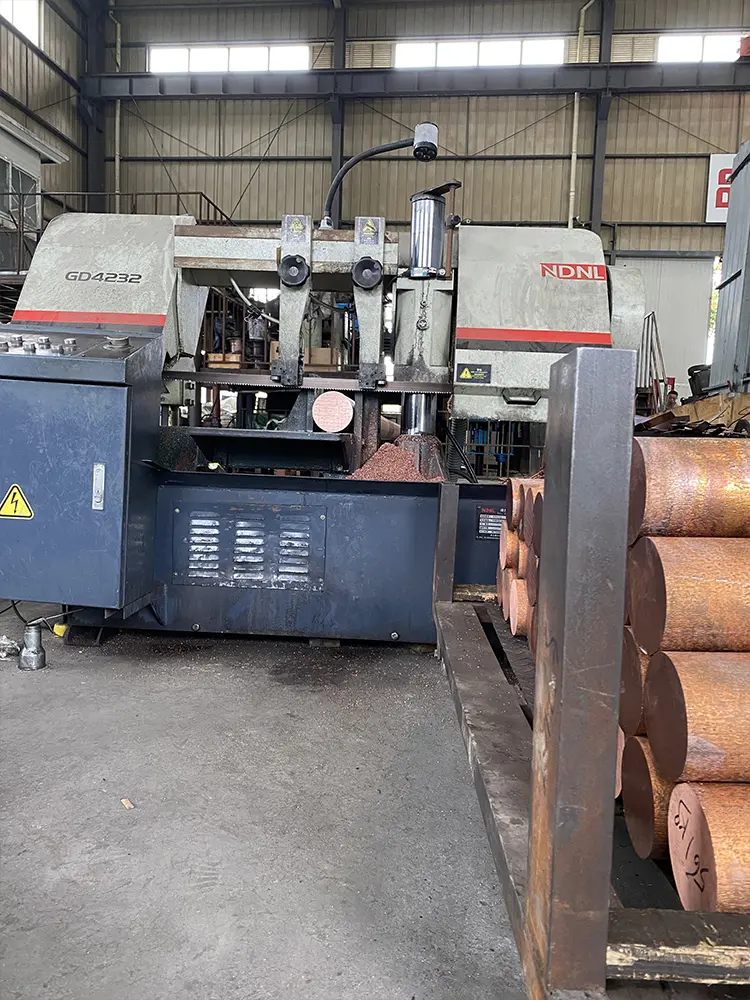
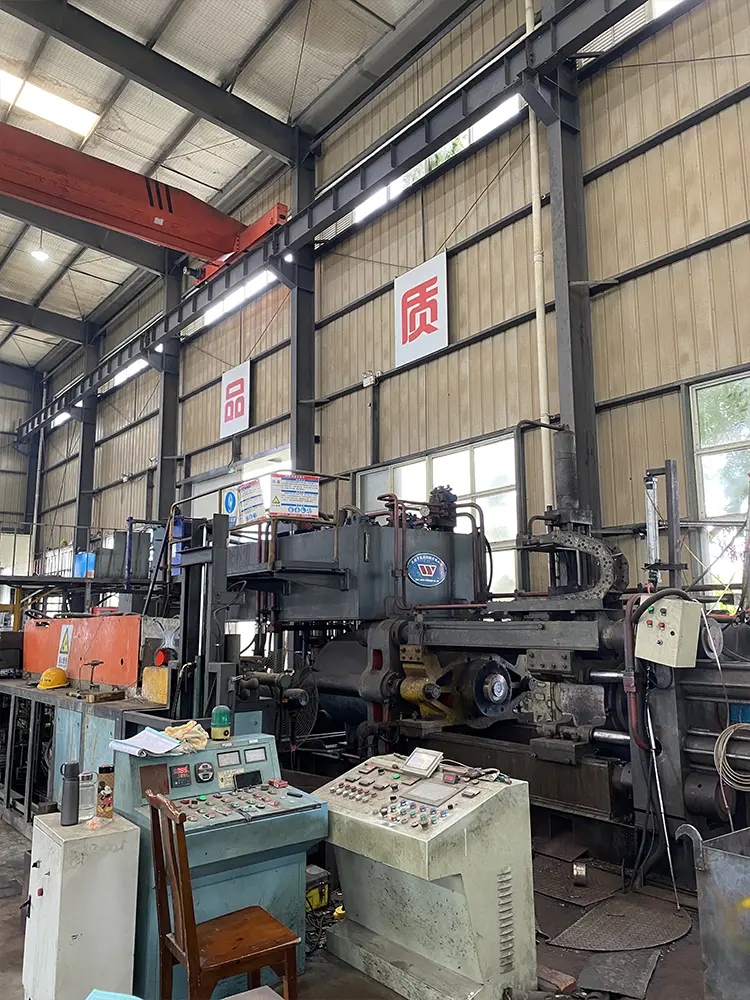


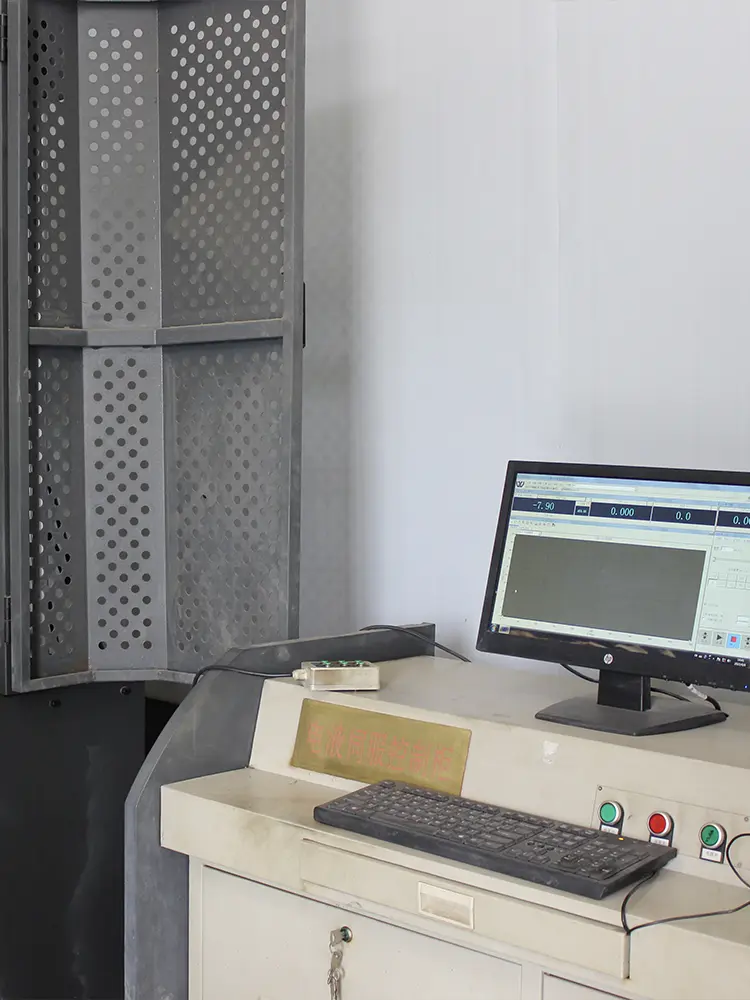
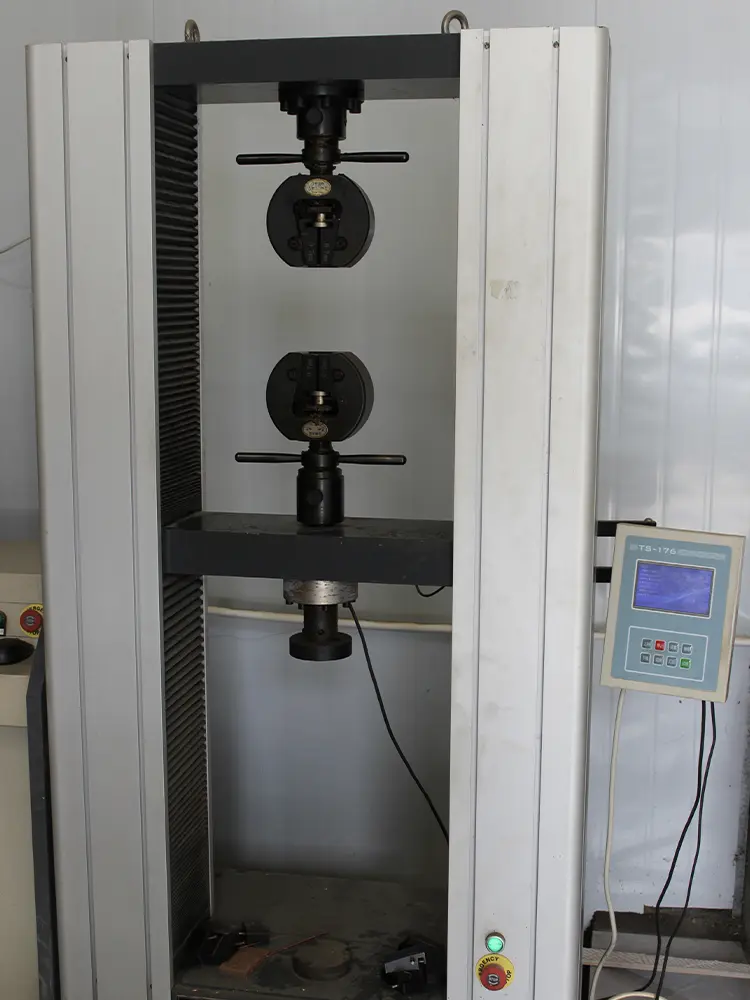
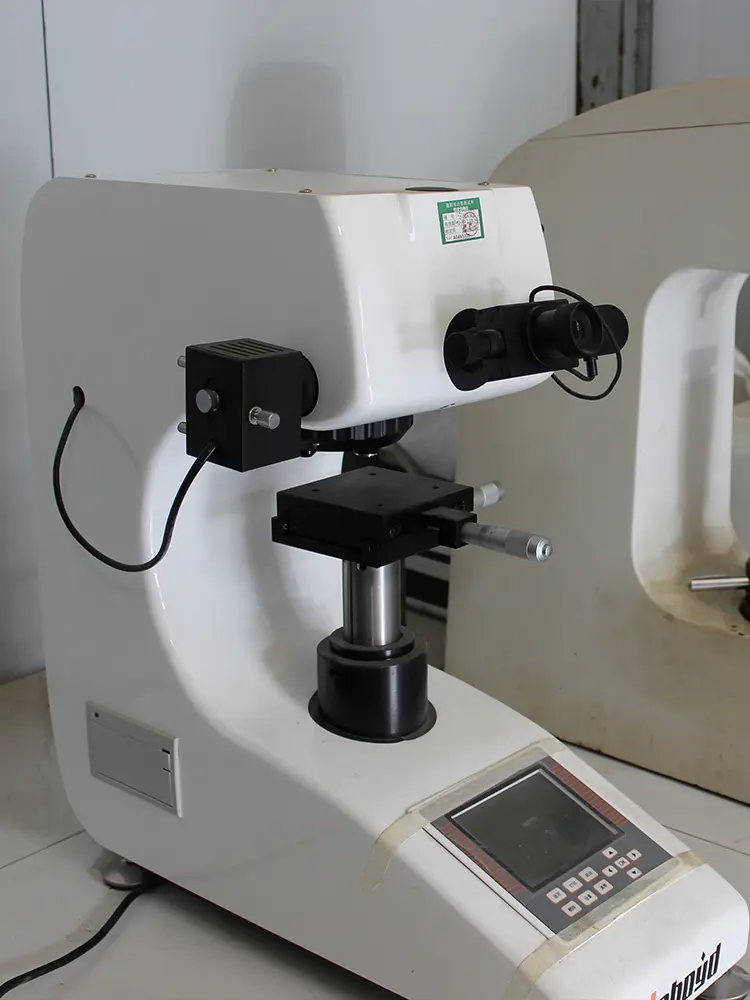
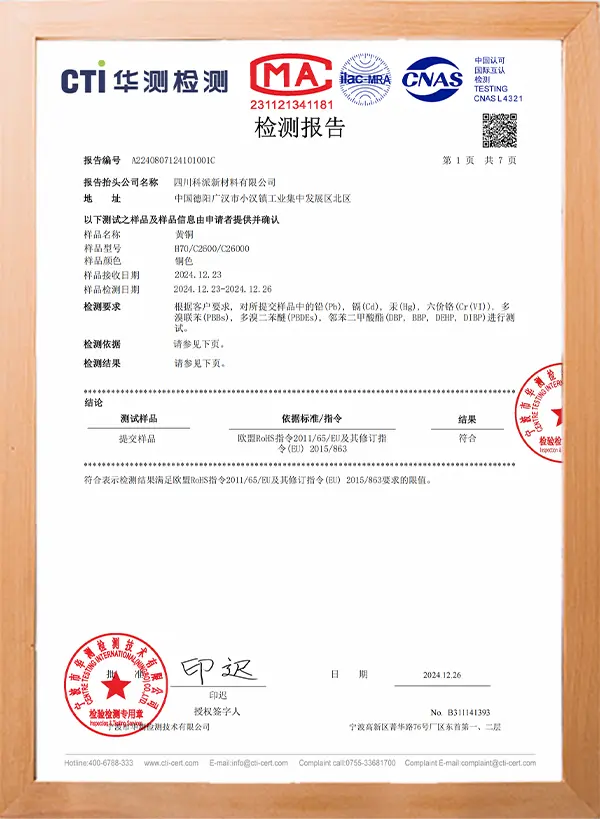
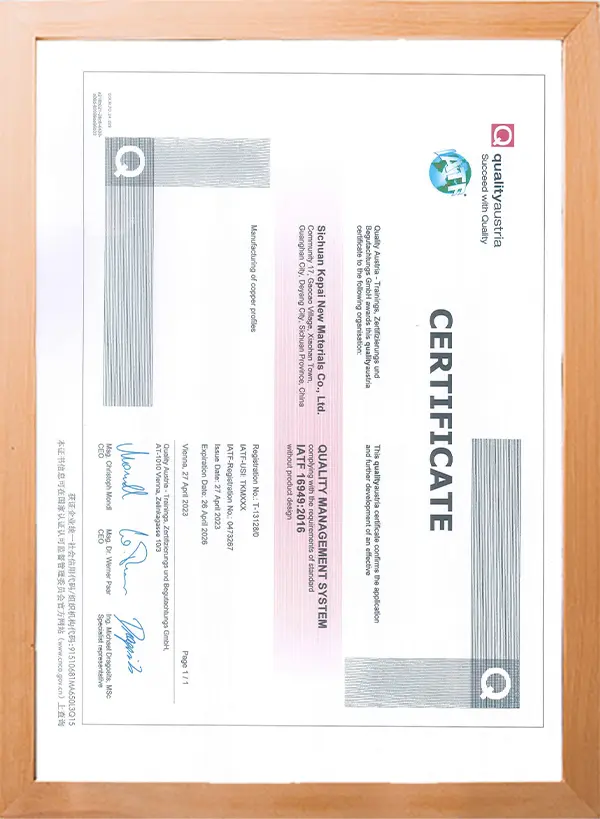
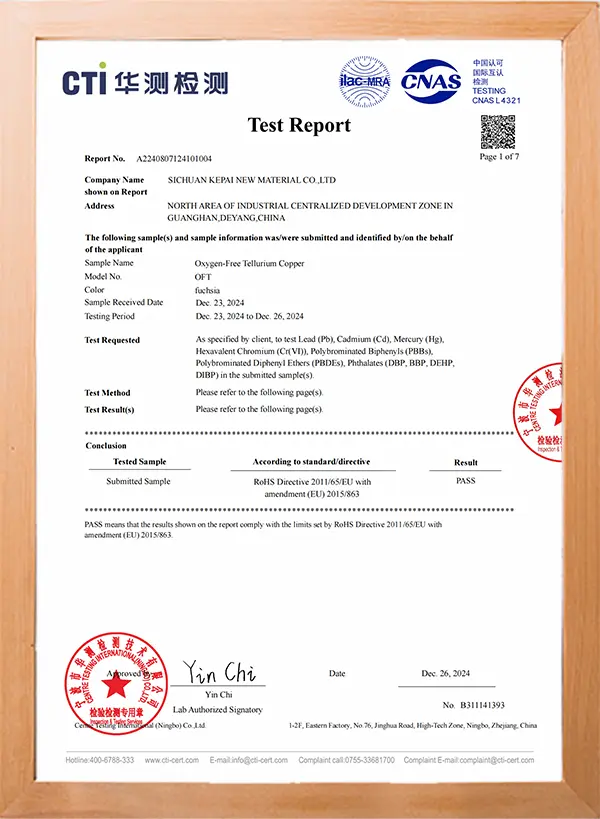
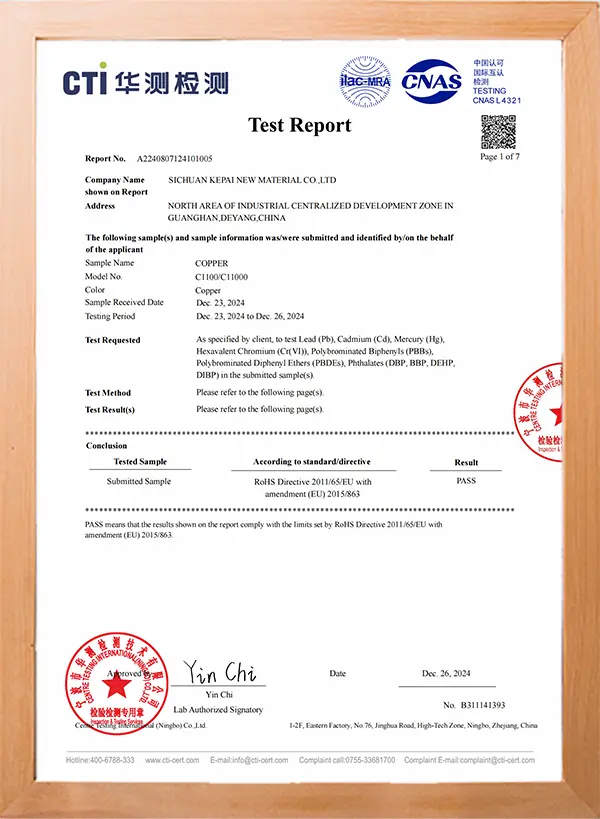
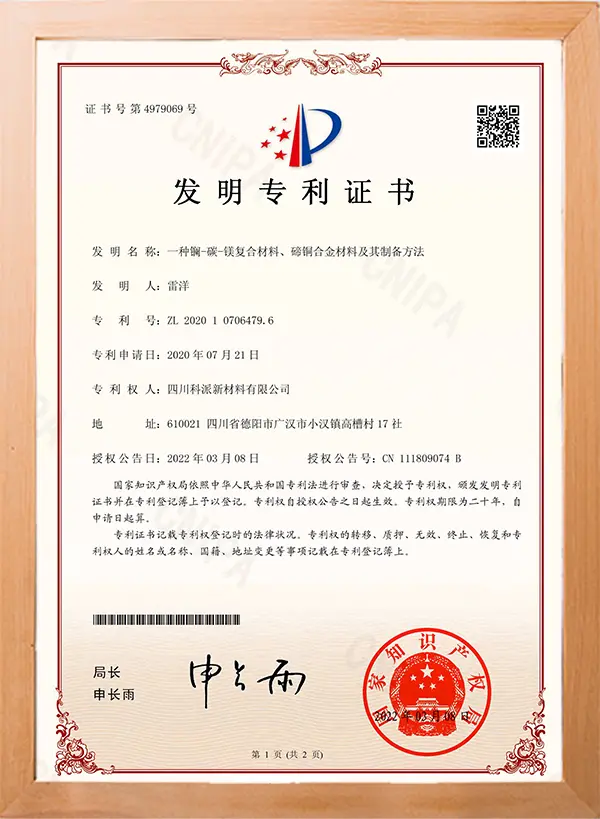
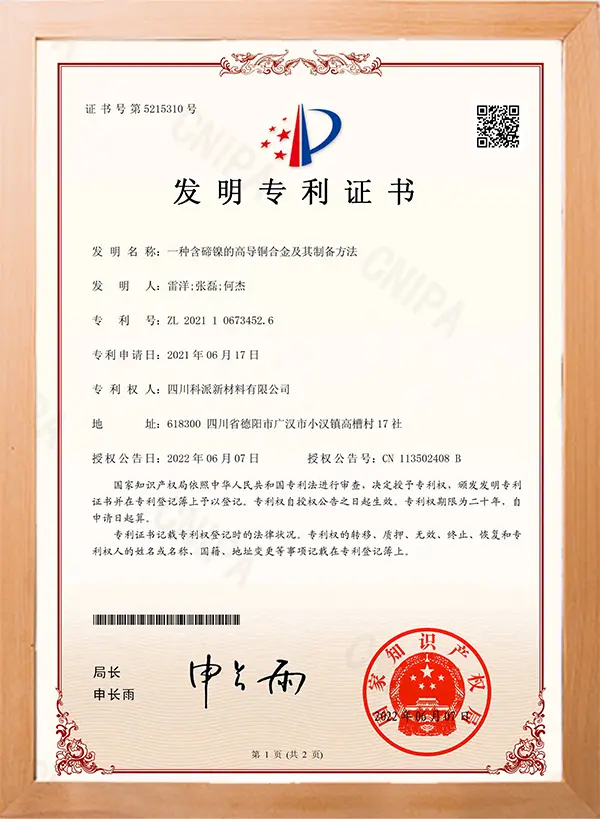
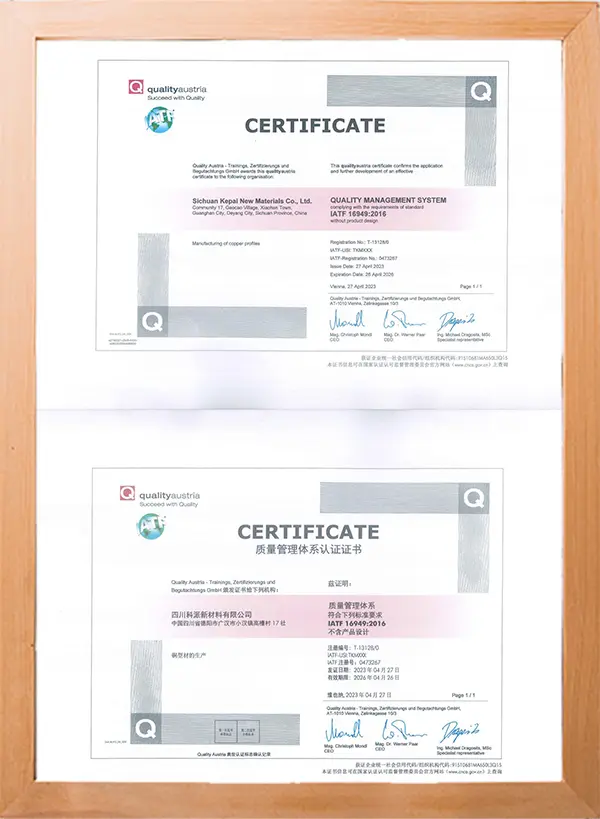
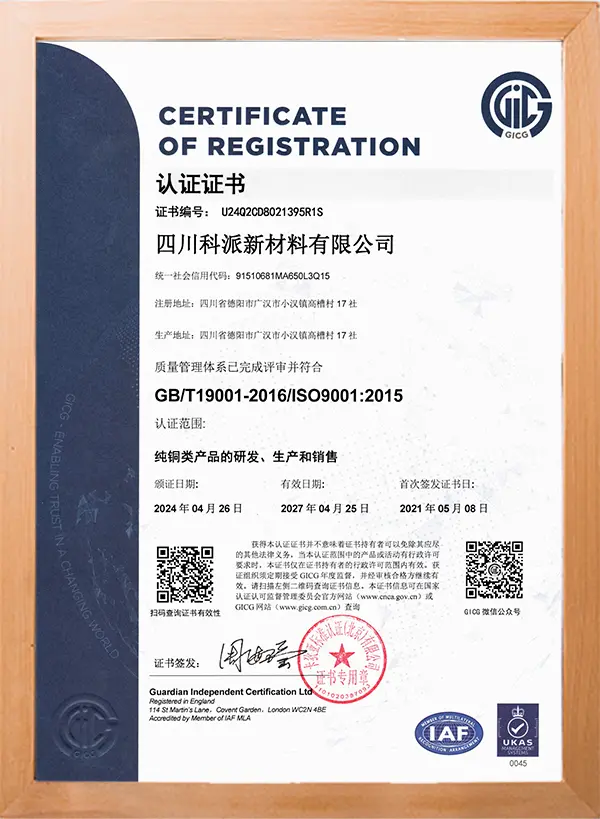
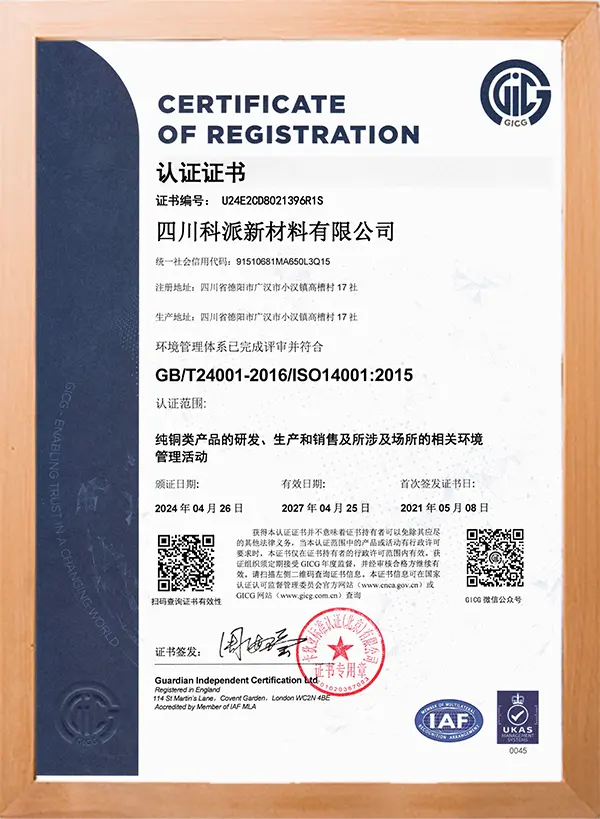
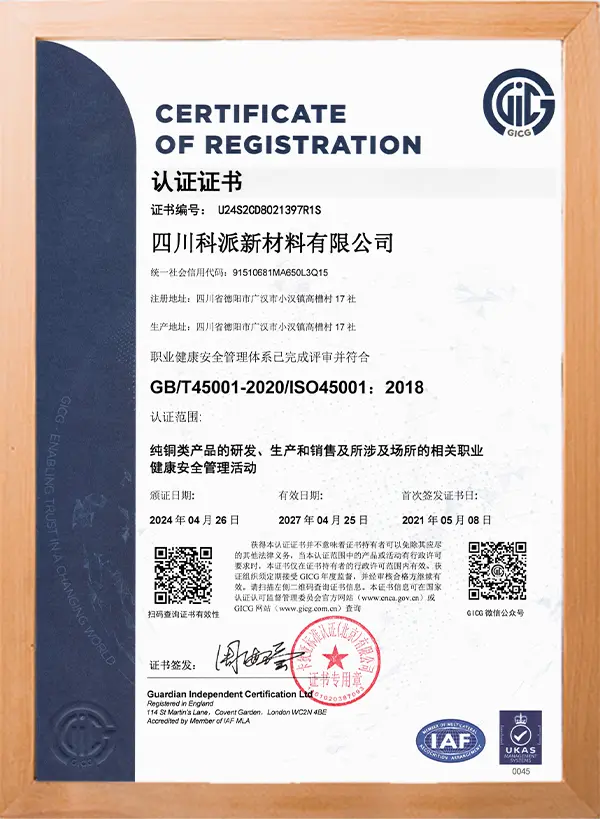
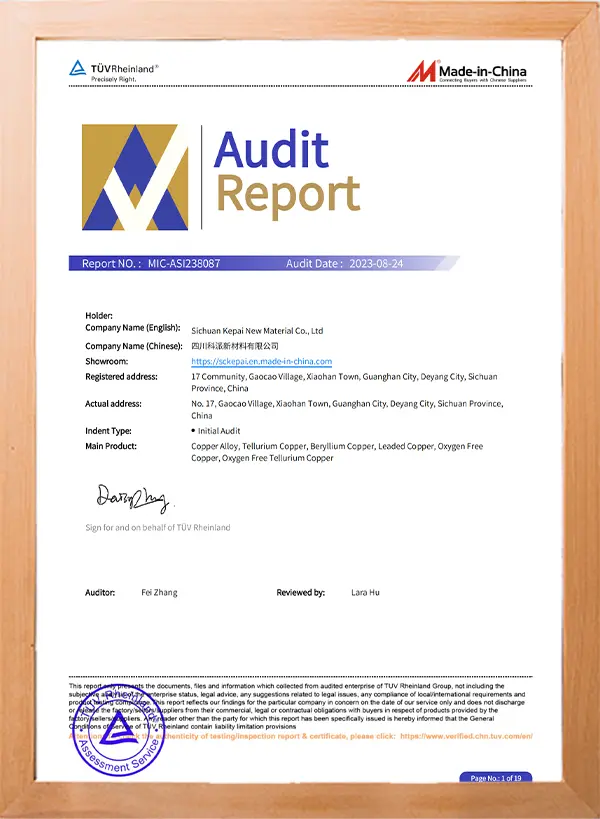
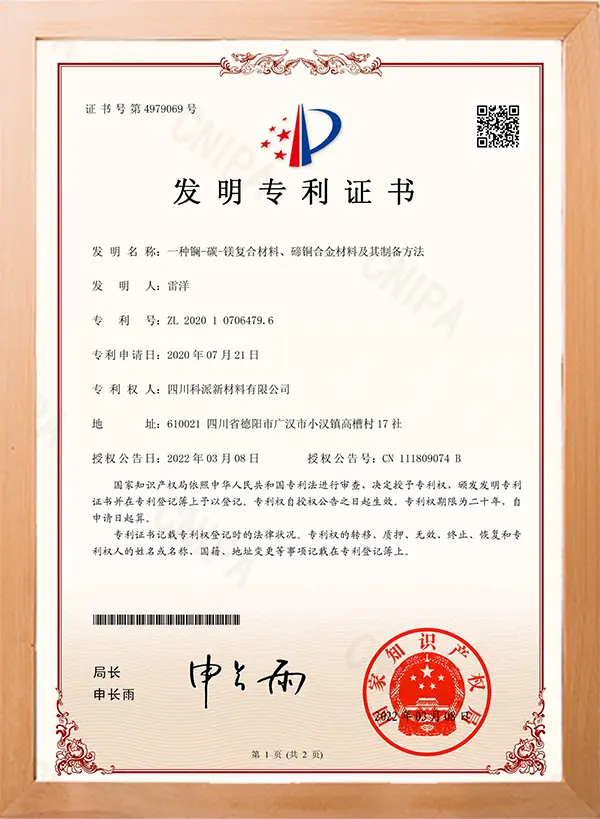
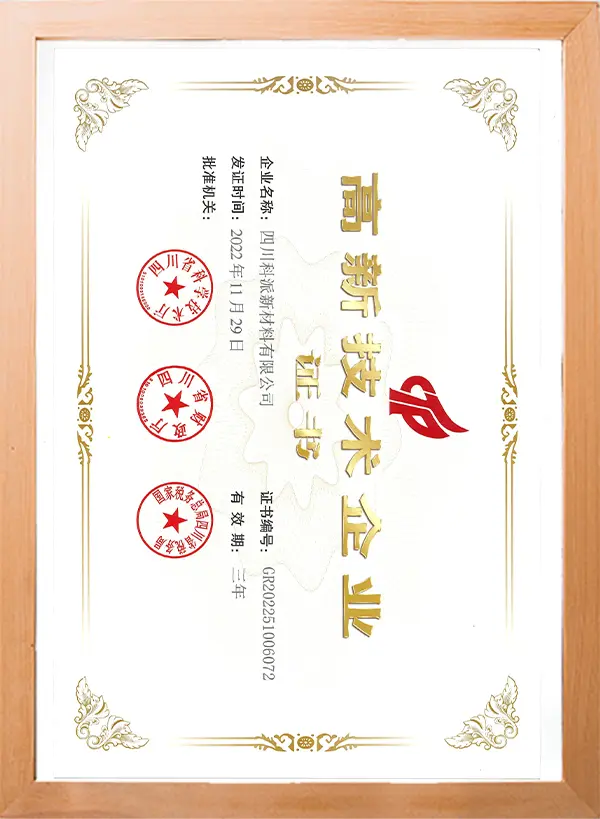
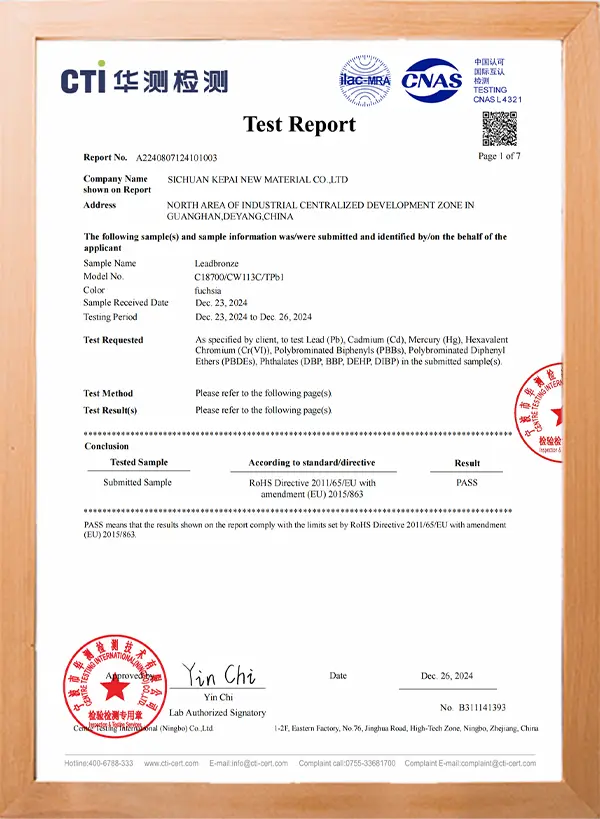
Compliance with international industrial standards is a core value of our operation, validated through rigorous certifications.
The practical implementation of high-performance copper wire spans multiple critical engineering sectors, each demanding specific material properties. In **New Energy Vehicles (NEVs)**, for example, the high-voltage busbars, charging connections, and traction motor windings must withstand constant heat and mechanical vibration. Standard copper grades can suffer from thermal fatigue and loss of conductivity under these loads. Using micro-alloyed oxygen-free copper with trace elements of silver or tellurium allows engineers to balance electrical conductivity with high tensile strength, ensuring safe and reliable operation over the vehicle's lifespan.
In **5G Telecommunication and High-Frequency Signal Transmission**, high-conductivity copper is essential to prevent signal loss. The "skin effect" in high-frequency transmission causes electrical currents to flow primarily along the outer surface of the conductor. As a result, the surface quality and grain structure of the copper wire become critical factor in signal integrity. Oxygen-free copper wires with fine grain structure and polished surfaces minimize RF impedance and signal degradation, making them the standard choice for next-generation coaxial lines, high-speed micro-coaxial interconnects, and antenna system feeds.
Another demanding application is **Industrial Laser and Plasma Cutting Systems**. These systems rely on high-conductivity nozzle tips and electrode components to handle intense thermal loads and electrical currents. Tellurium copper (C14500) has become the industry standard for these parts due to its excellent electrical conductivity, thermal performance, and free-machining characteristics. This allows components to be fabricated with high precision, improving tool life and cut quality. Similarly, the **Smart Grid and Lithium-ion Battery Relay** sectors depend on high-performance copper alloys to ensure safe power switching and distribution, protecting systems against electrical surges and mechanical wear.
The copper manufacturing industry is undergoing a significant transformation driven by the global focus on sustainability and the modernization of electrical grids. As nations work to reduce their carbon footprints, energy transmission infrastructure must upgrade to handle more complex, decentralized power inputs from renewable sources like solar and wind. This change requires conductors with higher ampacity and lower thermal losses, increasing the demand for advanced copper formulations with optimized grain structures that reduce resistance in high-voltage DC (HVDC) transmission lines.
Concurrently, manufacturing operations are moving toward cleaner, more energy-efficient production methods. Modern copper mills are adopting clean melting processes, electric induction systems, and closed-loop water systems to minimize their environmental impact. This focus on sustainability extends to sourcing recycled feedstocks, which must be carefully processed to remove impurities and maintain the high electrical conductivity required for high-end industrial applications. This combination of advanced recycling and strict quality control enables manufacturers to meet both environmental goals and technical specifications.
On the technical front, research in metallurgy is focusing on micro-alloying and dispersion strengthening. By adding tiny amounts of elements like zirconium, chromium, or silver to the copper matrix, engineers can significantly improve mechanical strength and heat resistance without compromising electrical conductivity. These advanced alloys are essential for the high-temperature, high-stress environments found in modern aerospace systems, high-speed rail networks, and heavy-duty industrial automation, helping to define the future of high-performance electrical conductors.
For procurement managers and supply chain directors in Fortune 500 manufacturing firms, sourcing high-purity copper products involves balancing multiple technical, regulatory, and financial factors. When dealing with specialized alloys like tellurium copper or high-purity oxygen-free copper, verifying the chemical composition and mechanical properties is crucial. Buyers require detailed material certification reports, including Mill Test Certifications (MTCs), chemical analysis via spark spectrometry, and mechanical testing profiles. These documents prove that the material complies with global standards such as ASTM B187 for copper bar and rod, ASTM B170 for oxygen-free copper shapes, and RoHS/REACH environmental directives.
In addition to material performance, reliability of supply and risk management are critical considerations. Sourcing teams prioritize partners with robust quality management systems, certified under ISO 9001 and ISO 14001 frameworks. This guarantees consistency across production batches, minimizing defects and downtime in downstream machining or automated winding processes. Working with established manufacturers who maintain deep inventories of raw materials and flexible production schedules helps mitigate risks associated with market volatility, enabling stable pricing models and dependable delivery timelines for international projects.
Technical answers to key inquiries regarding copper alloy metallurgy, manufacturing processes, and international procurement standards.
From high-strength beryllium copper alloys to high-conductivity oxygen-free variants, select the ideal specification for your engineering applications.
Looking ahead, Sichuan Kepai New Materials Co., Ltd. will continue to uphold its original intention, with even greater enthusiasm and determination, to engage in research and application in the field of new materials, contributing to the development of the new copper alloy materials industry in China and globally. We look forward to working hand in hand with friends from all walks of life to create a brilliant future together!
 Kepai
Kepai