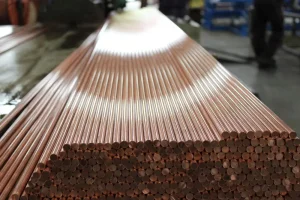
Explore our elite range of copper alloys developed to support high electrical conductivity, mechanical endurance, and thermal resistance.
CW106C (CrZrCu), standardized in EN systems and highly comparable to C18150 ASTM specifications, is a precipitation-hardened copper alloy containing chromium and zirconium. By combining trace amounts of Chromium (Cr: 0.5% – 1.2%) and Zirconium (Zr: 0.03% – 0.3%) with ultra-pure copper, this material achieves structural properties that exceed conventional unalloyed copper. Standard copper grades soften rapidly at temperatures above 200°C; however, Cw106c maintains mechanical integrity, hardness, and high yield strength at temperatures reaching up to 500°C.
The microstructure of Cw106c develops its strength through a process known as precipitation hardening. During solid-solution annealing at temperature ranges exceeding 900°C, the chromium and zirconium phase-dissolve within the copper lattice. Subsequent rapid water quenching holds these elements in a supersaturated state. The key transformation occurs during the aging stage (approx. 450°C to 500°C), where microscopic, sub-nanometer coherent chromium and zirconium particles precipitate inside the grains. This blocks dislocation motion and multiplies the structural yield strength without significantly obstructing electrical pathways.
Maintains ≥ 80% IACS (International Annealed Copper Standard), delivering optimal thermal performance under stress.
Exhibits softening resistance up to 500°C, preventing early deformation in intensive thermal cycles.
Delivers tensile values between 370 MPa and 540 MPa depending on thickness, processing, and heat treatments.
Procurement requirements for high-quality Cw106c CrZrCu materials have risen globally as modern electronics, automotive production, and energy storage systems scale. Procurement teams face quality challenges, such as mechanical inconsistencies across batches, inner gas porosities, and varying conductivity. Industrial enterprises must partner with specialized mills capable of offering verified batch analytics, trace documentation, and optimized raw-material purity.
Global application sectors prioritize Cw106c for several reasons:
Integrating R&D, Production, and Global Sales of Strategic Non-Ferrous Alloys
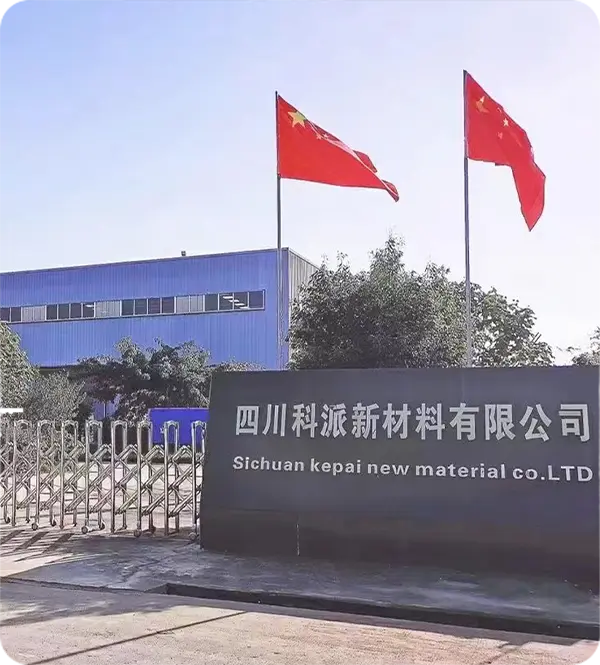
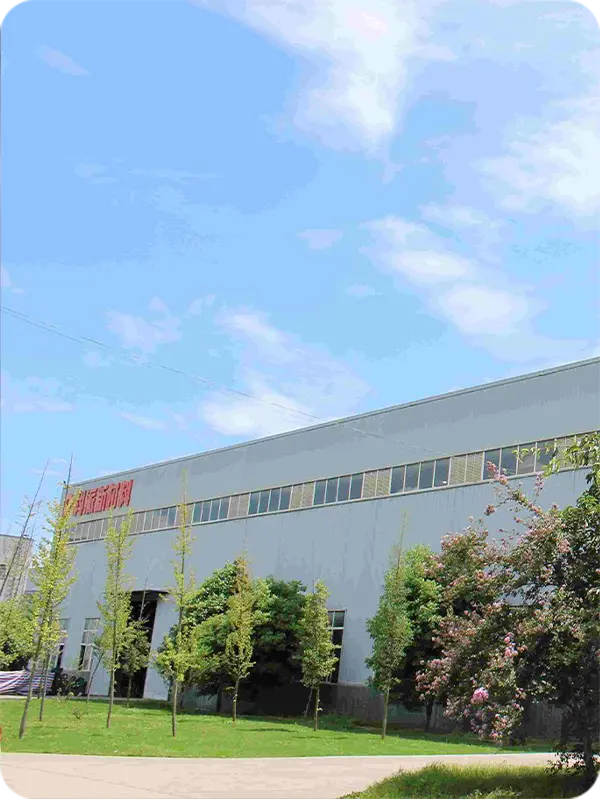
Sichuan Kepai New Materials Co., Ltd., established in 2017, is a high-tech enterprise integrating research and development, production, and sales. Currently, the factory covers an area of approximately 9,000 square meters, with an office space of about 1,000 square meters. The company primarily engages in the production of strategic emerging new materials for the national 13th Five-Year Plan, including special copper alloys such as tellurium copper, high-conductivity oxygen-free copper, silver copper, and dispersion copper, while also focusing on the research and development of high-conductivity, easy-to-machine, high-strength copper alloys. The products are mainly applied in high-tech fields such as new energy vehicles, 5G technology, laser cutting, and lithium battery relays.
Our operational base is located in the western area of the Sichuan Guanghan Industrial Development Zone, adjacent to National Highway 108, boasting a superior geographical location and convenient transportation, which lays a solid foundation for the rapid development of the enterprise.
Since its establishment, Kepai has adhered to the business philosophy of "innovation-driven development, quality wins the market," committed to providing customers with the highest quality high-end copper alloy materials, and promoting industrial upgrading and sustainable development. We implement resource efficiency and emission reduction strategies throughout our production cycles.
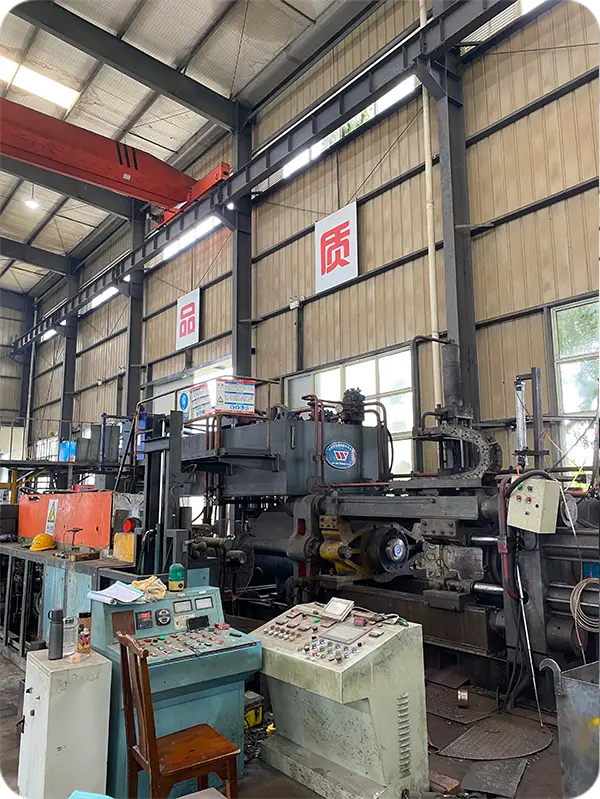
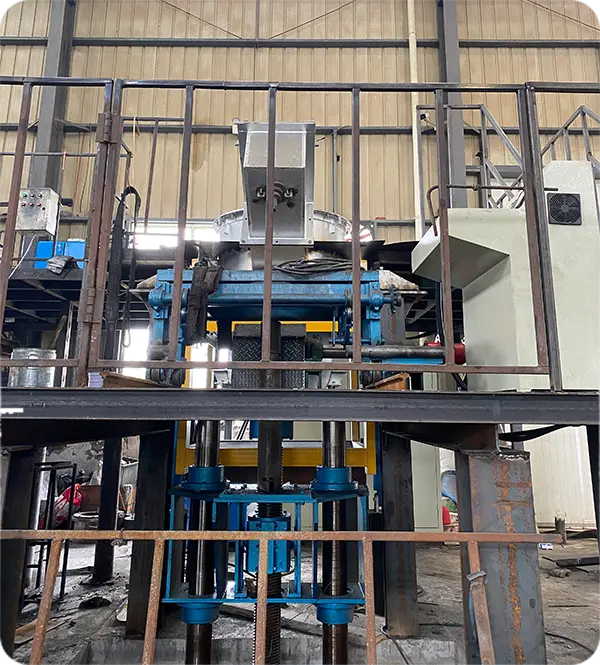
Technological innovation is the core competitiveness of Sichuan Kepai New Materials Co., Ltd. The company has a research and development and production team composed of senior industry experts who keep pace with international cutting-edge technology trends and continuously explore the unknown boundaries in the field of new copper alloy materials.
Through a combination of independent research and development and industry-university-research collaboration, Kepai has made breakthrough progress in several areas, including high-performance tellurium copper, lead copper, and sulfur copper. Many of its technological achievements have reached international advanced levels and have been successfully applied in various industries such as new energy vehicles, precision machining parts, plasma cutting, relays, and energy storage, earning widespread recognition and praise in the market.
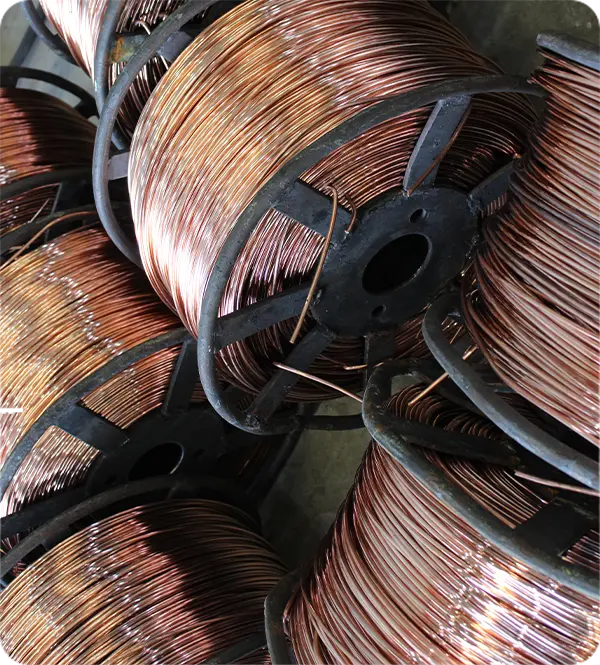
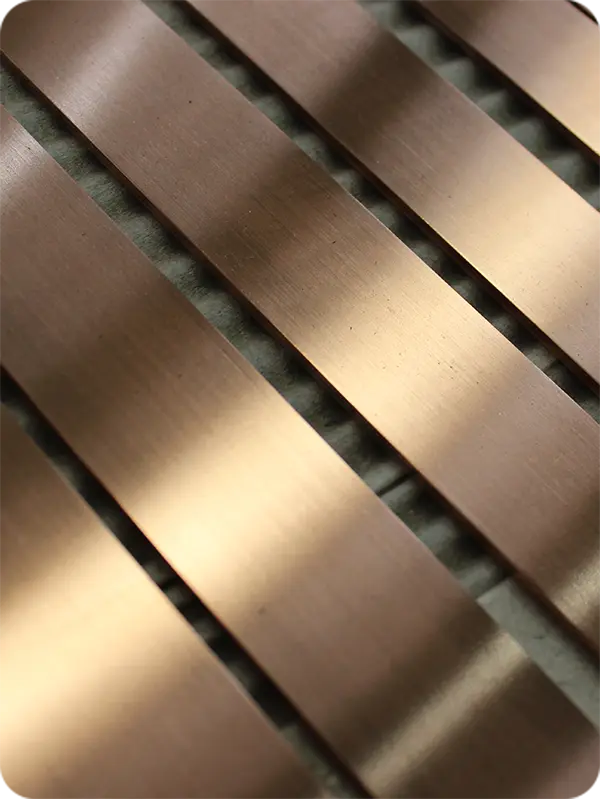
Kepai's product line is rich and diverse, covering a comprehensive range of solutions from basic materials to high-end customization. We focus on providing customers with high-performance, high-quality high-end copper alloy products, including but not limited to pure copper, oxygen-free copper, oxygen-free high-conductivity tellurium copper, nickel tellurium copper, tin bronze, beryllium copper, lead bronze, sulfur copper, and chromium zirconium copper.
These products play an important role in reducing production costs and enhancing product performance due to their excellent physical and chemical properties and environmental friendliness, creating significant economic and social benefits for customers.

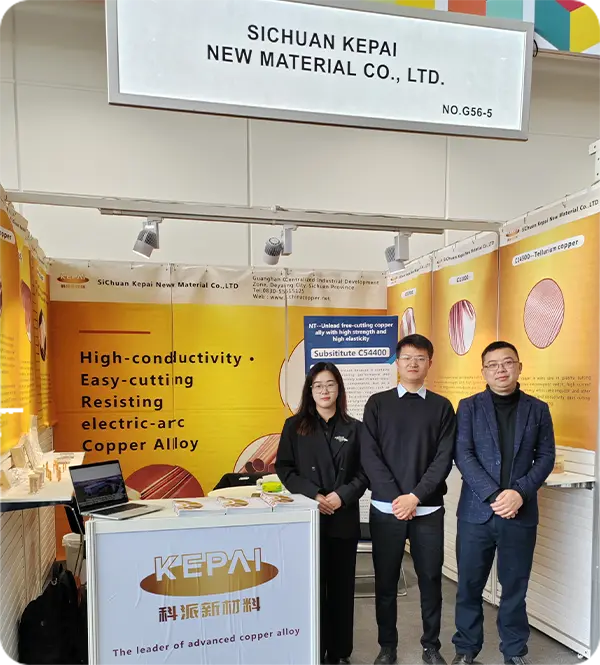
In the face of global market competition, Sichuan Kepai New Materials adheres to the development strategy of "rooted in Sichuan, radiating nationwide, and moving towards the world."
By continuously optimizing market layout and improving the sales network, we have established a stable customer base in multiple provinces and cities across the country and have formed long-term cooperative relationships with several internationally renowned enterprises. At the same time, the company actively expands into overseas markets, participates in international competition and cooperation, and strives to promote Kepai's brand influence on the global stage.
We understand that the long-term development of an enterprise is inseparable from an excellent corporate culture. We advocate the corporate spirit of "integrity, innovation, collaboration, and win-win," encouraging employees to explore boldly and innovate courageously, while also emphasizing teamwork and talent cultivation, striving to create a harmonious, open, and inclusive work atmosphere.
We believe that only by continuously pursuing excellence and creating value can we win the trust of customers and the respect of society.
Demonstrating our strict quality management system, environmental responsibility, and international compliance guarantees.
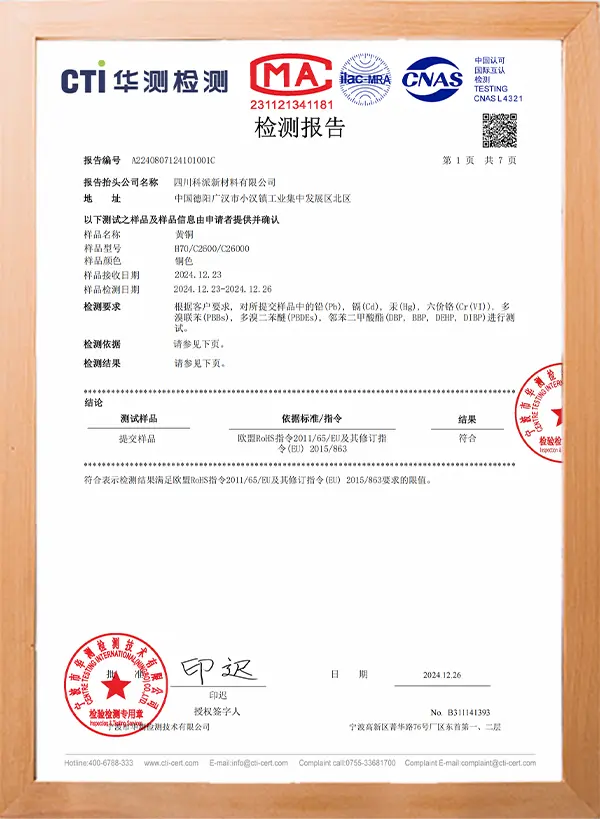
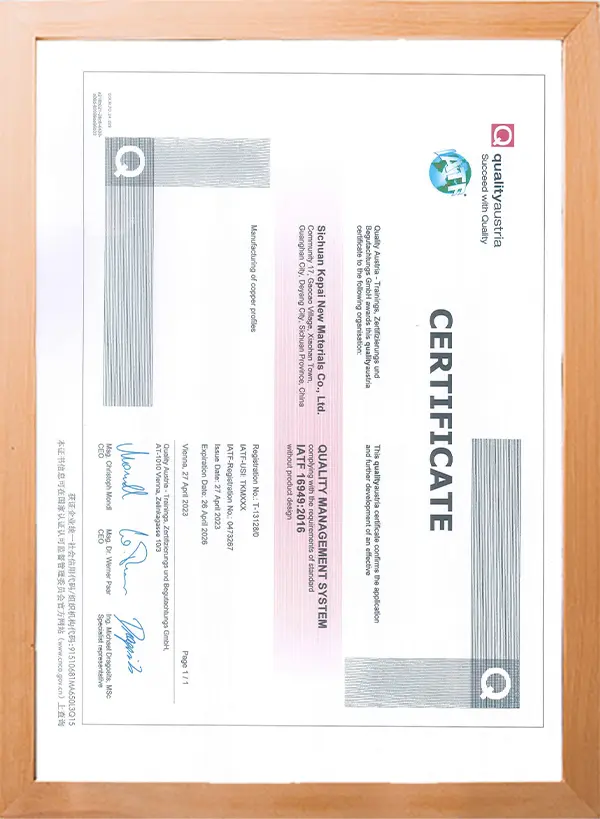
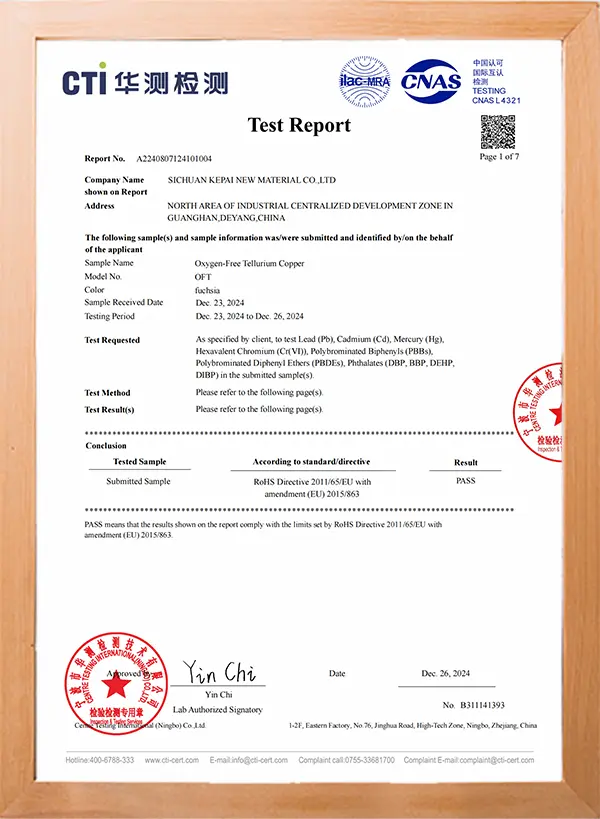
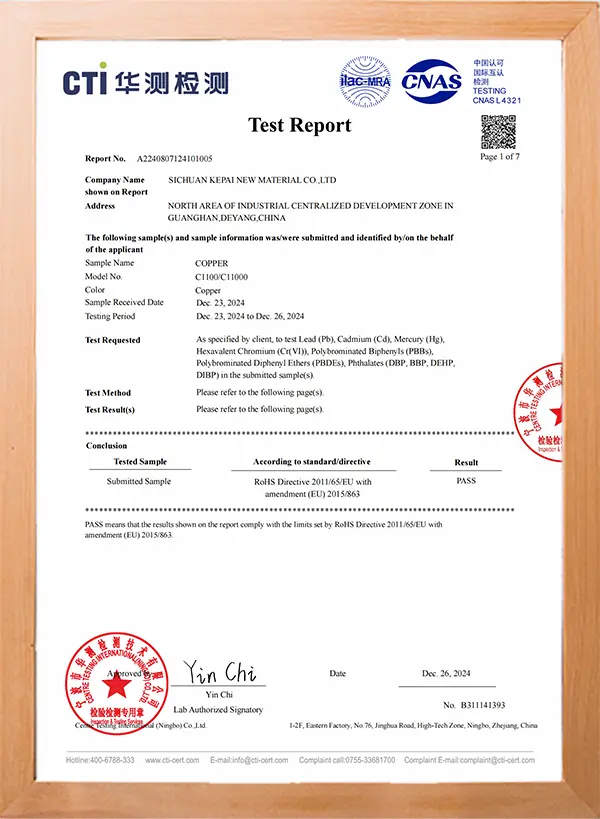
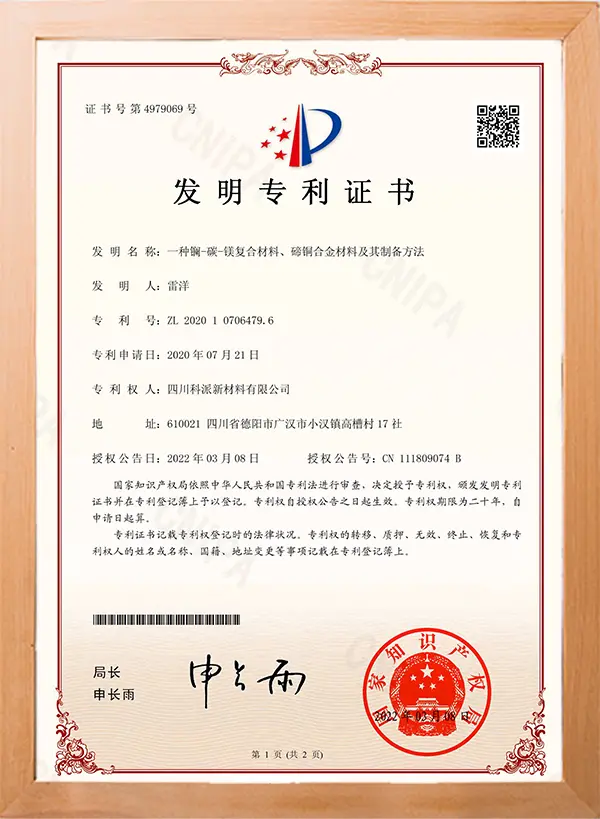
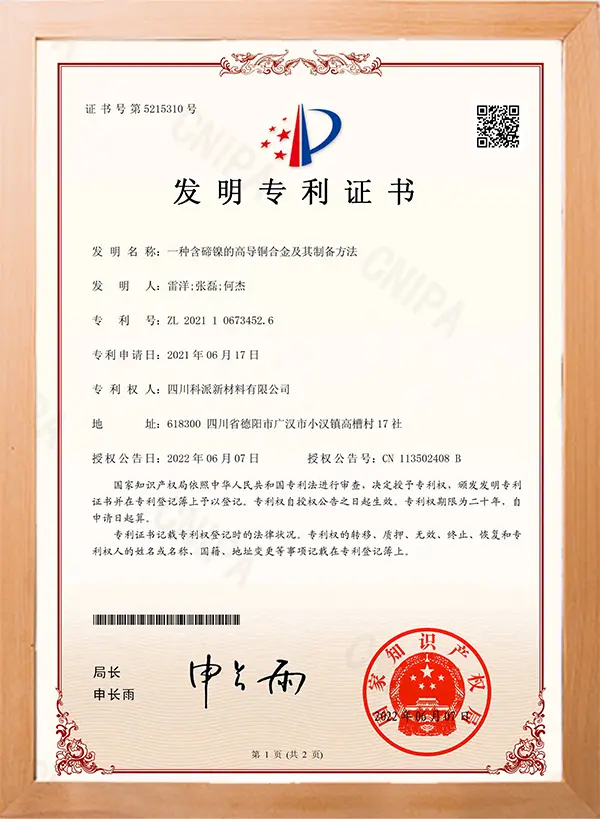
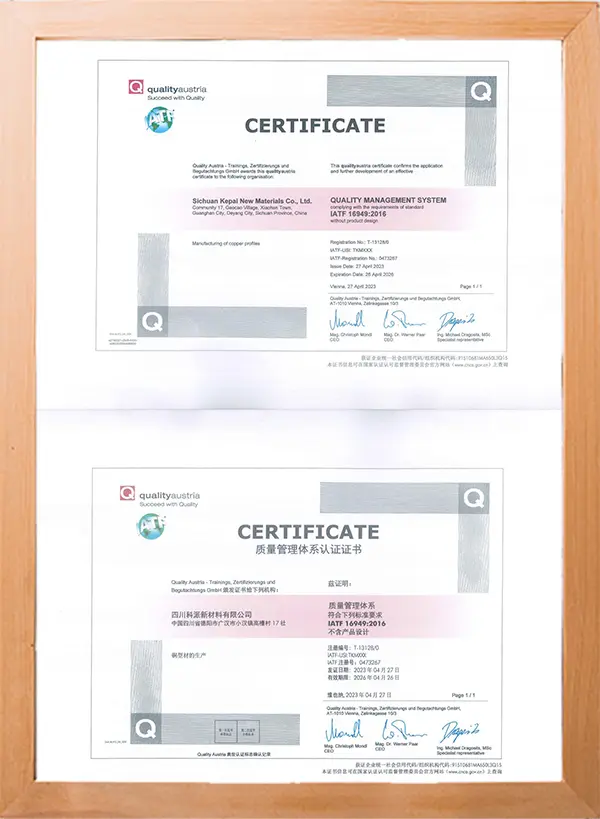
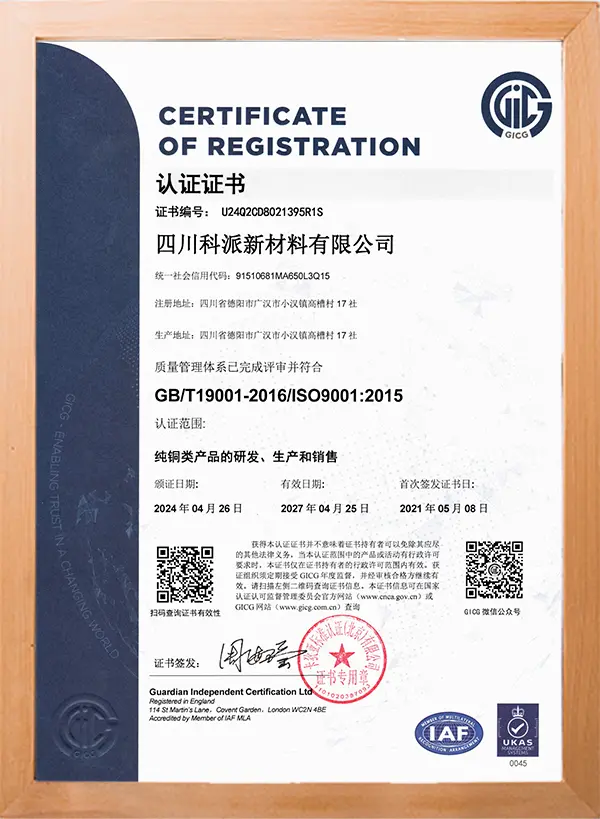
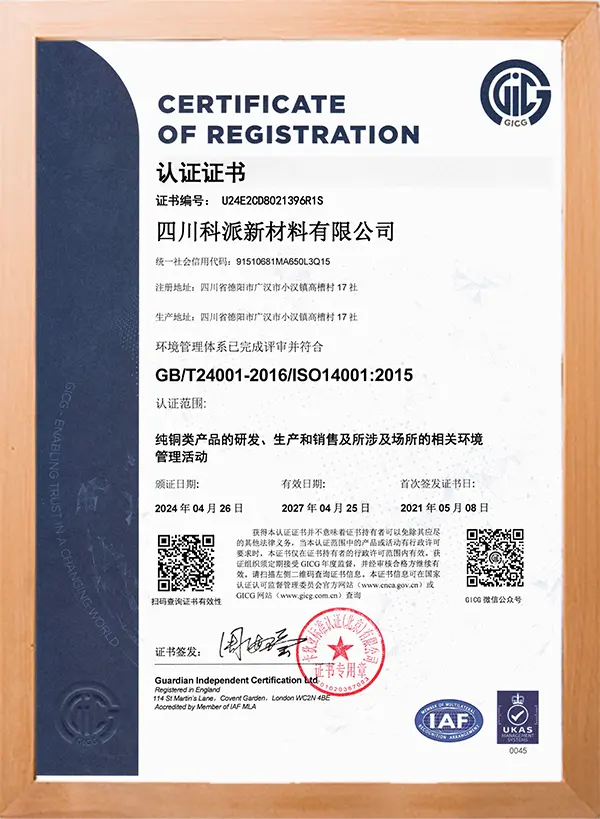
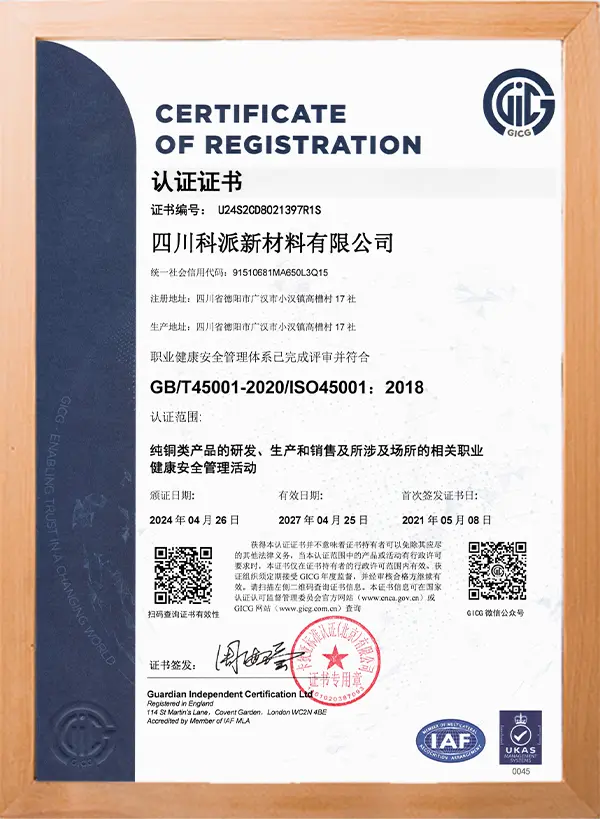
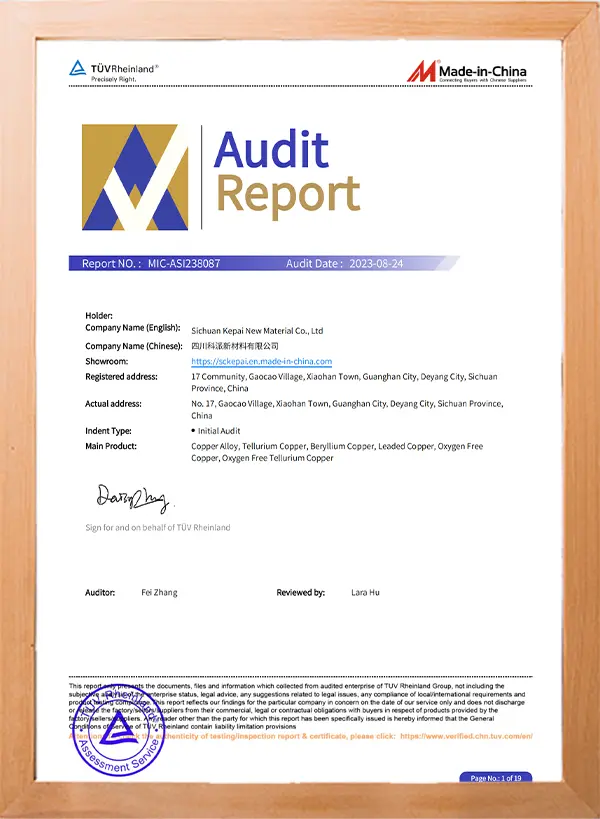
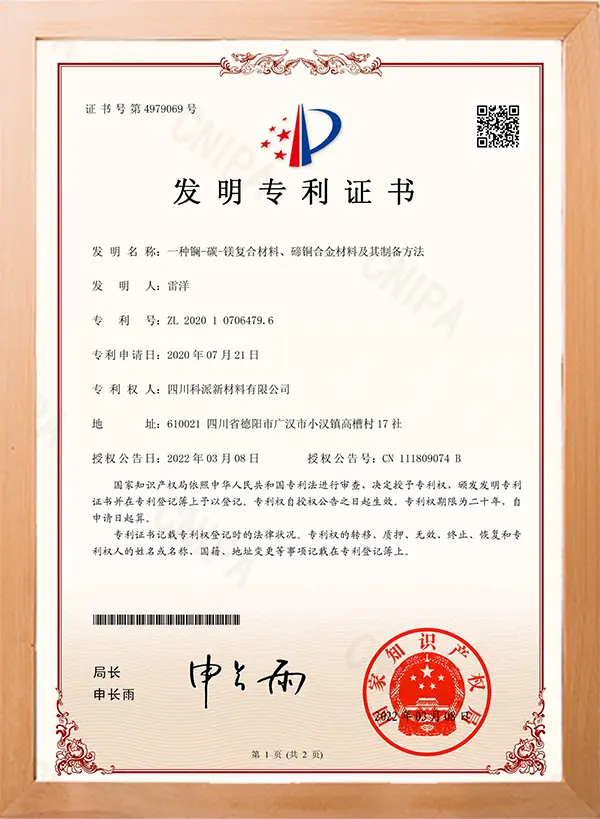
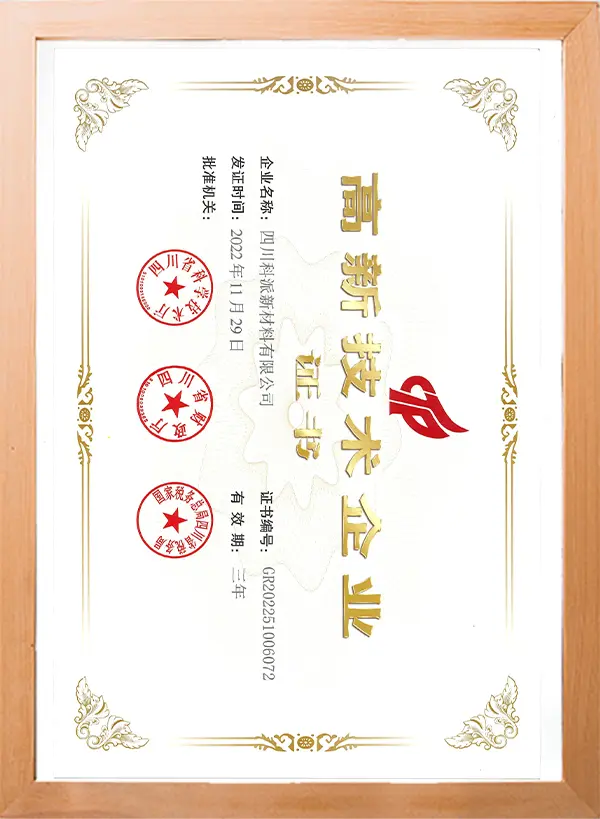
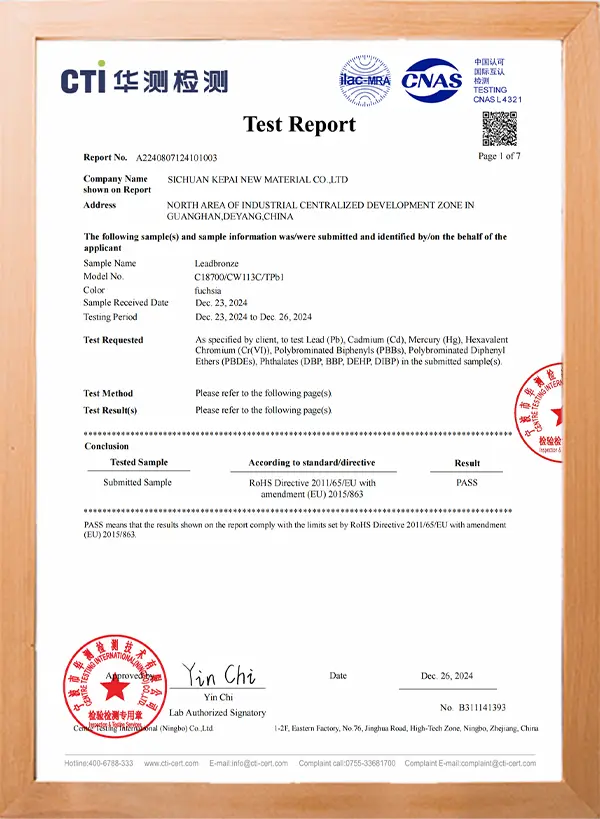
From raw smelting to final structural analysis: Kepai's advanced industrial production line and QA facilities.
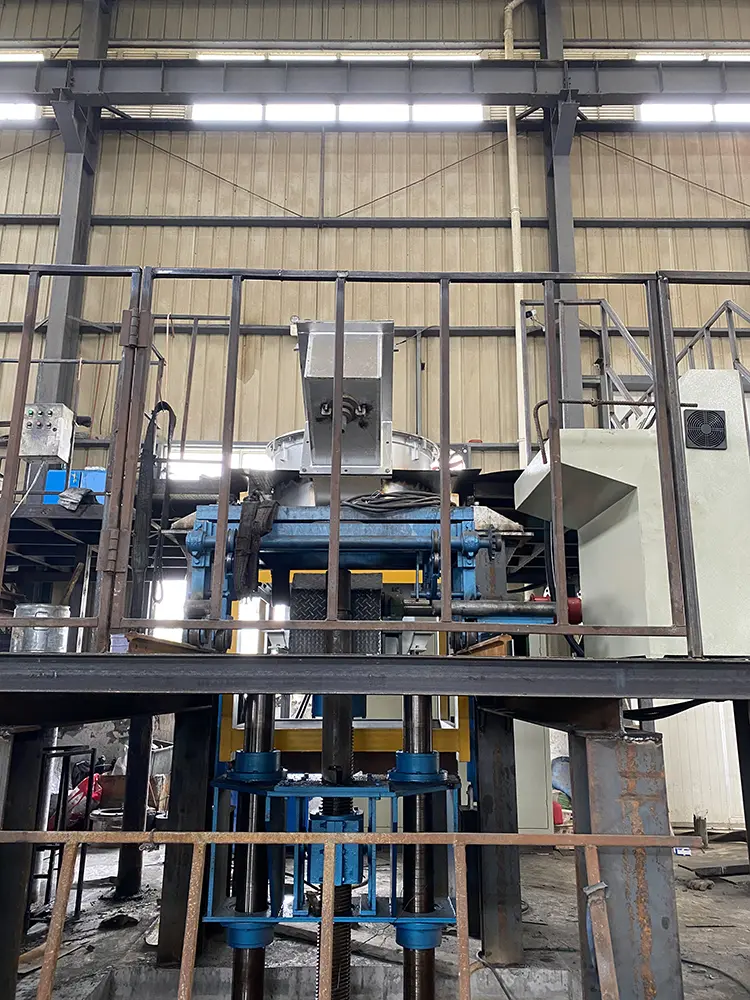
Smelting
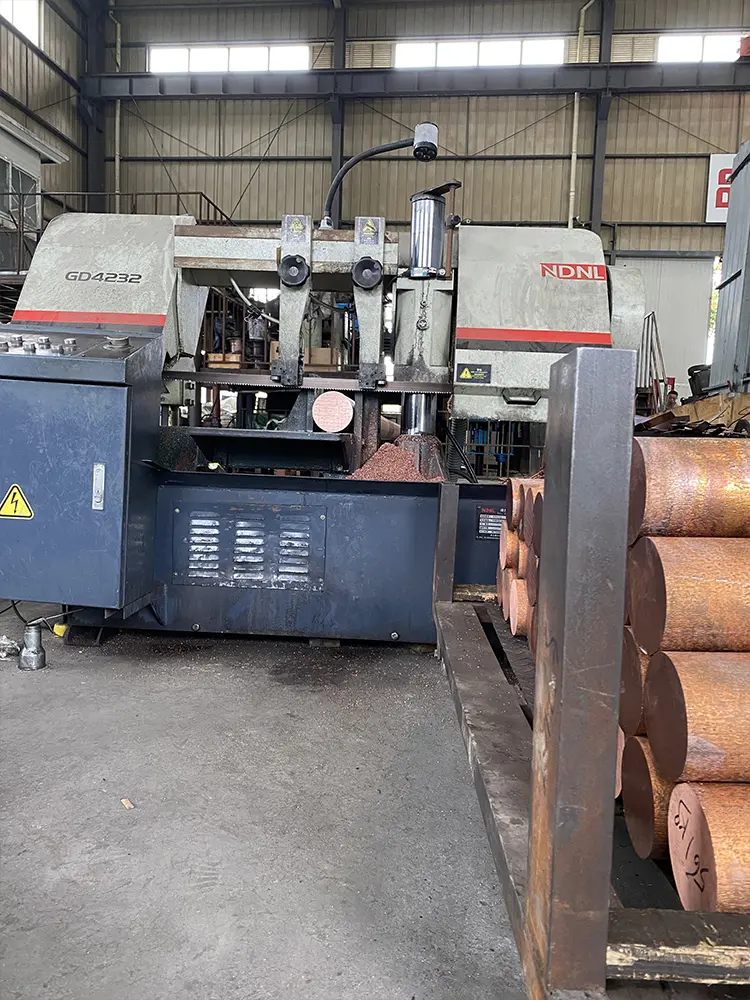
Laying-off
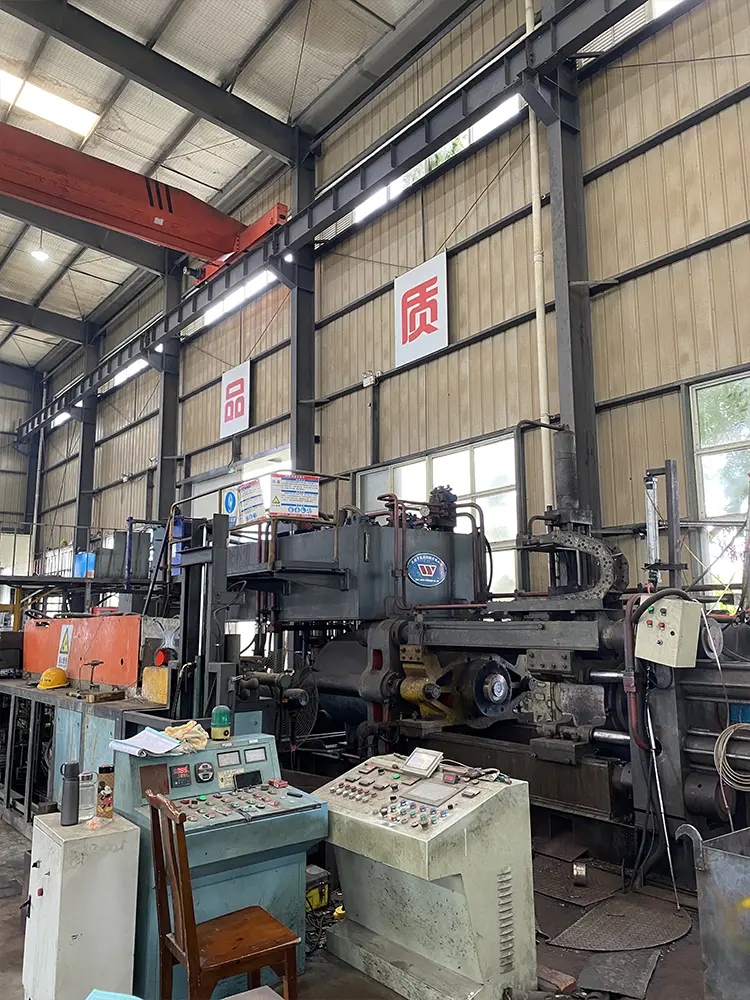
Extrusion
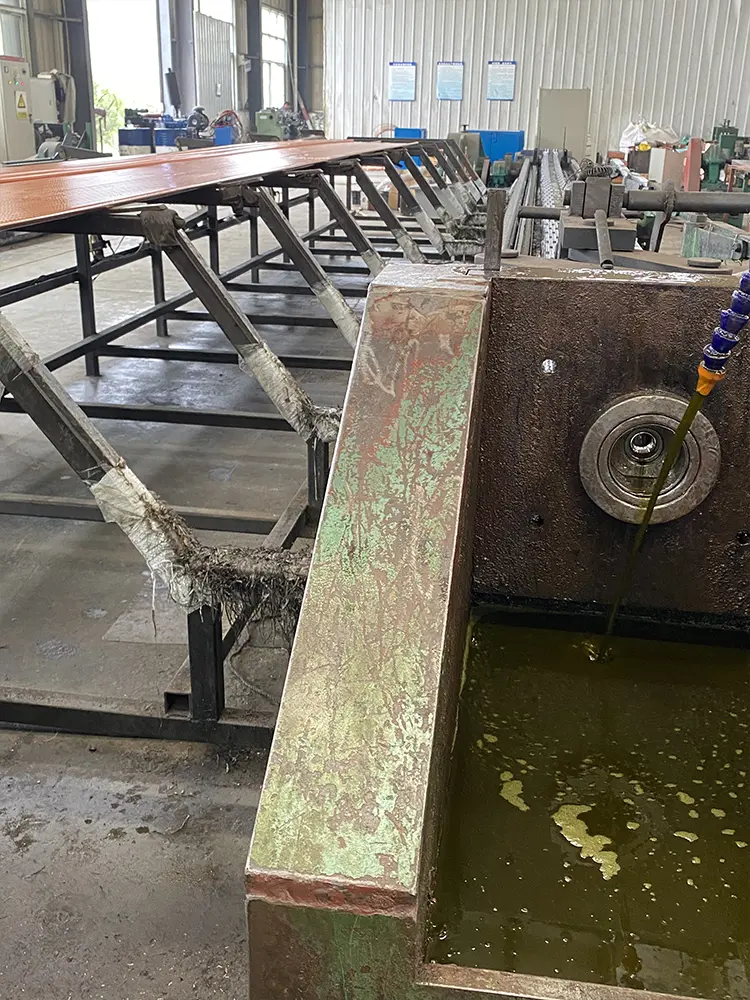
Drawing
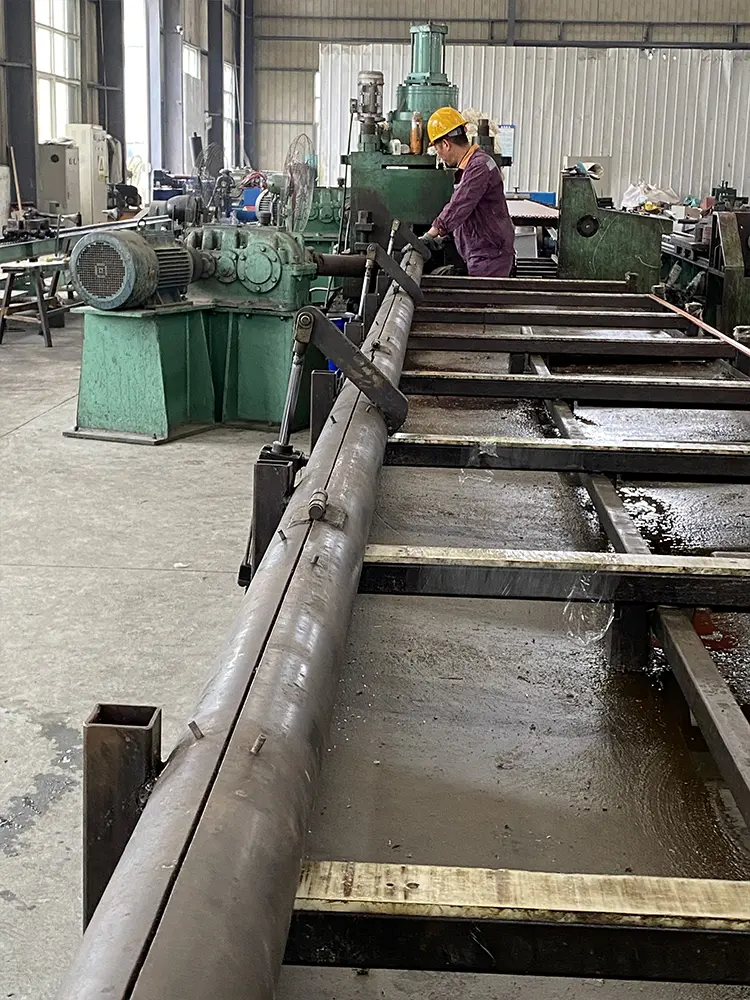
Straightening
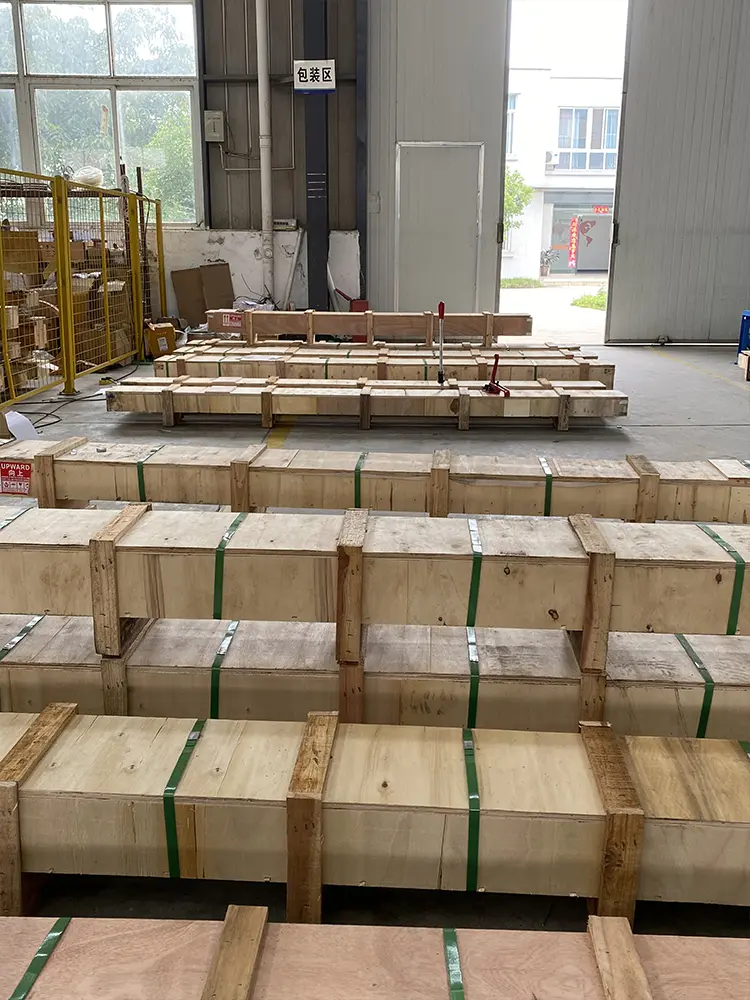
Package
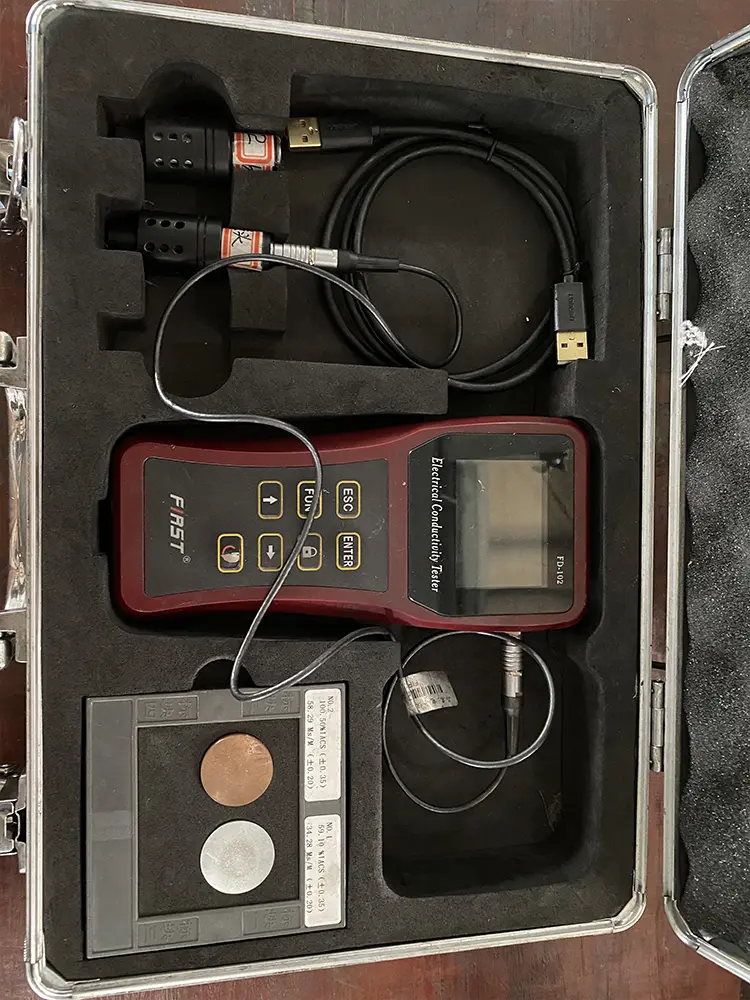
Eddy current conductance instrument
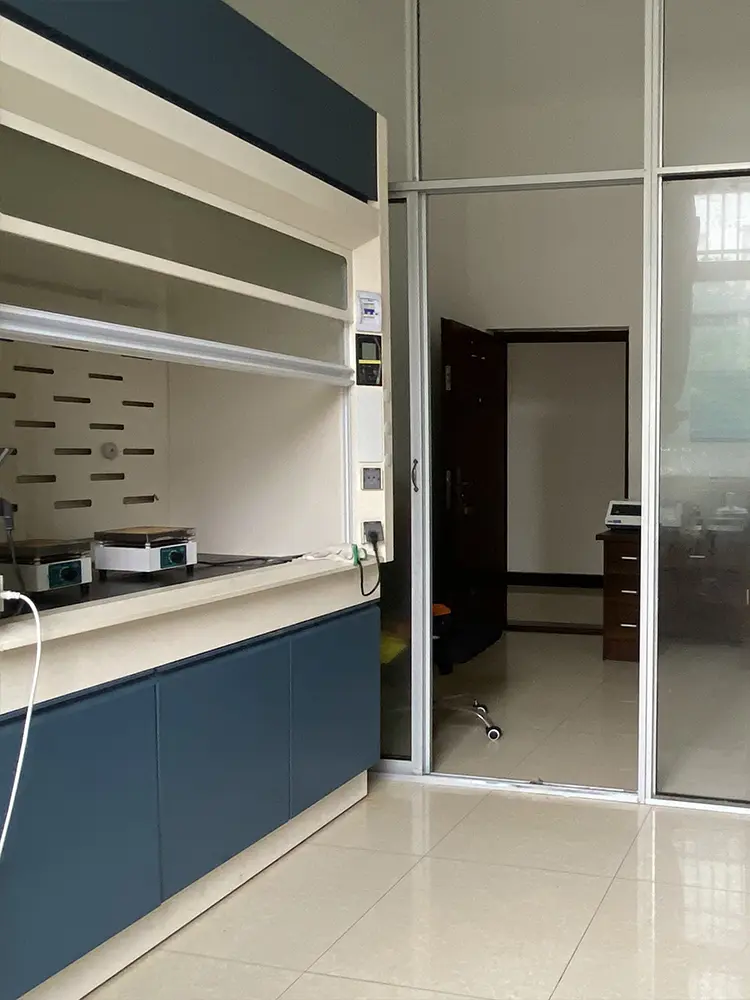
Chemical composition test room

Metallographic sample polishing machine
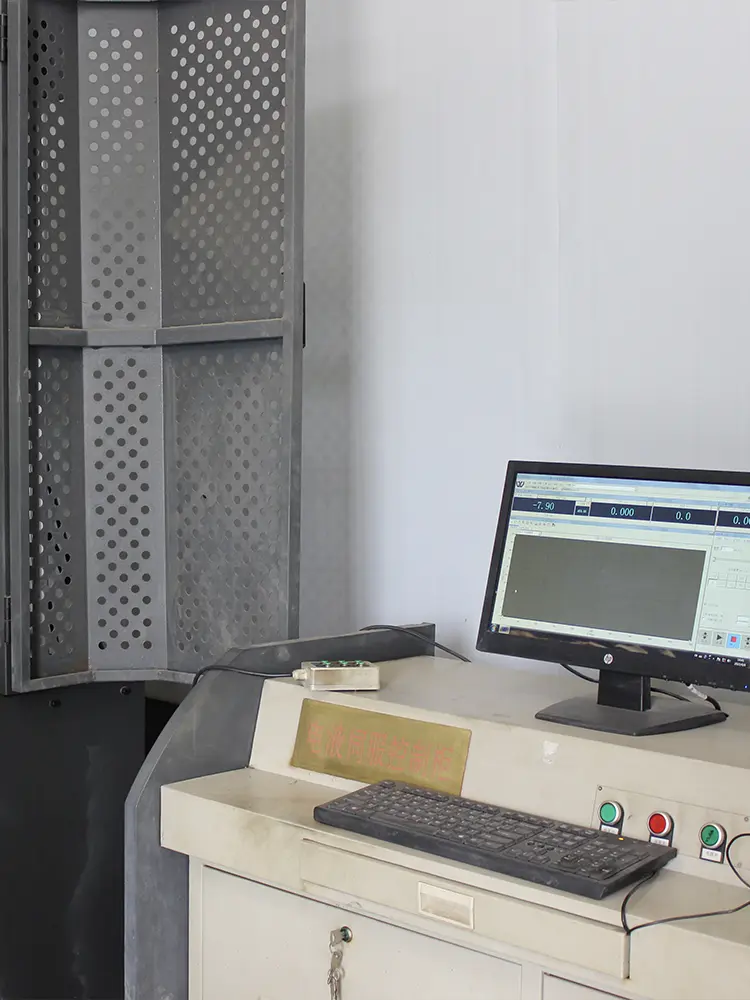
Microcomputer controlled universal testing machine
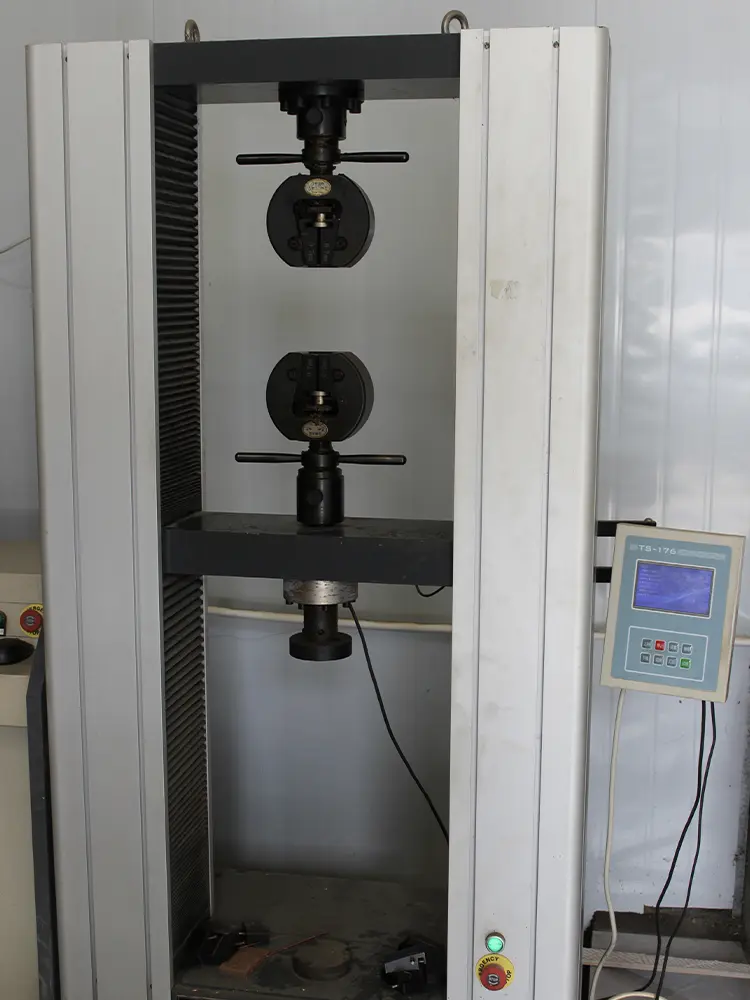
Liquid crystal display electronic testing machine
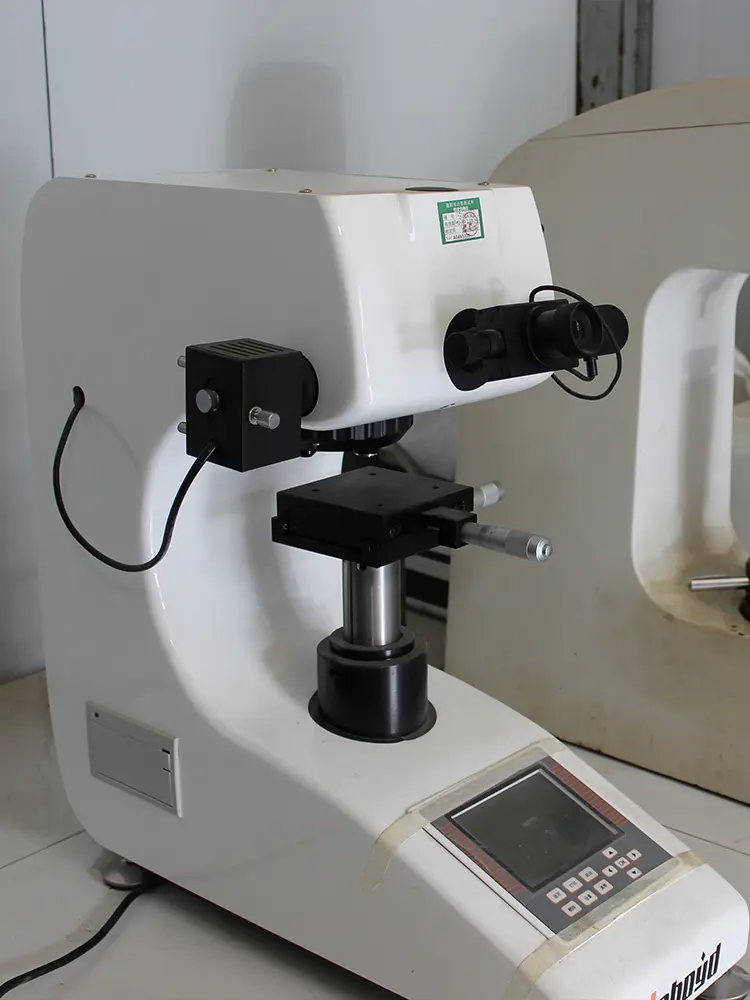
Hardness tester
As heavy machinery, robotic automation, and green vehicles evolve, traditional materials hit critical physical boundaries. High-conductivity requirements often compete with mechanical durability. When standard copper is hardened by adding conventional alloying elements, its electrical conductivity drops, leading to heat generation during high-power processes. Cw106c addresses this problem through precipitation hardening, balancing mechanical strength with high electrical conductivity.
Our research and development program focuses on three main goals:
As the industry shifts toward high-voltage architectures, particularly in the EV sector, demand for reliable copper components is increasing. Sichuan Kepai is adapting its processes to produce optimized Cw106c materials that meet the strict requirements of new energy vehicle platforms, high-voltage distribution networks, and advanced automation components.
Professional answers to common technical, design, and procurement questions from engineers and quality teams.
Under EN standards, CW106C (CrZrCu) copper alloy is defined with a composition containing Chromium (Cr) between 0.5% and 1.2%, and Zirconium (Zr) between 0.03% and 0.30%, with the balance being high-purity copper (including trace impurities). This composition is balanced to promote precipitation hardening while maintaining high electrical conductivity, typically exceeding 80% IACS.
While both alloys offer high conductivity, the addition of Zirconium (Zr) in CW106C improves thermal stability. Zirconium forms stable intermetallic phases that resist grain growth at higher temperatures. As a result, CW106C maintains its hardness and mechanical strength up to 500°C, whereas CW105C begins to soften at lower temperatures when exposed to prolonged thermal stress.
Pure copper softens at temperatures around 200°C and lacks the wear resistance needed for the mechanical pressure of resistance welding. Under spot welding conditions, pure copper electrodes would deform quickly, leading to poor weld quality and high maintenance costs. Cw106c provides the necessary mechanical strength, hardness, and wear resistance at working temperatures, extending electrode life and maintaining consistent weld quality.
The process starts with solution heat treatment at approximately 900°C–950°C to dissolve chromium and zirconium into the copper matrix, followed by rapid water quenching. The material then undergoes precipitation aging at 450°C–480°C for several hours. This multi-stage process causes fine Cr and Zr particles to precipitate, increasing hardness and tensile strength while restoring high electrical conductivity.
Yes, our CW106C CrZrCu materials are compliant with European RoHS and REACH environmental directives. The alloy contains no added lead, cadmium, or mercury, making it suitable for modern, environmentally conscious electronics, electrical distribution systems, and automotive manufacturing processes.
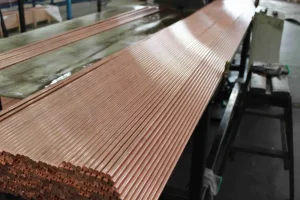
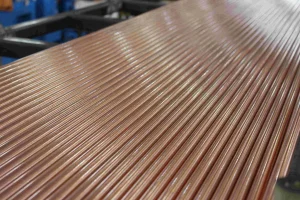
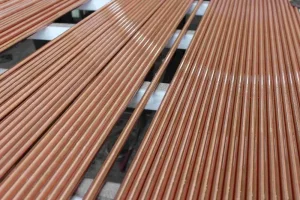
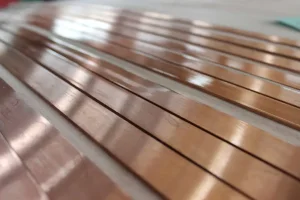
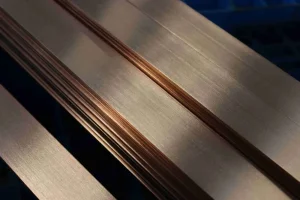
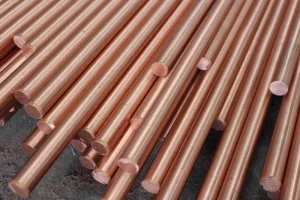
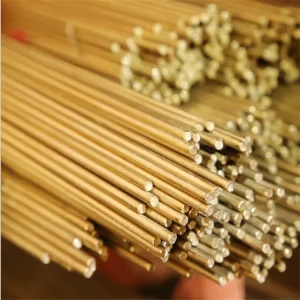
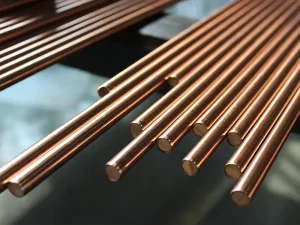
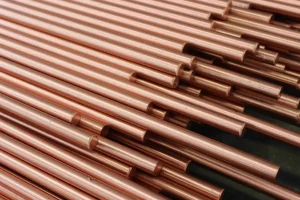
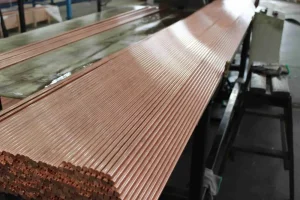
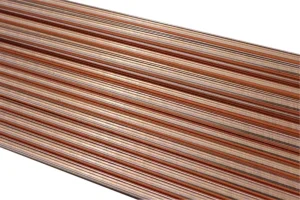
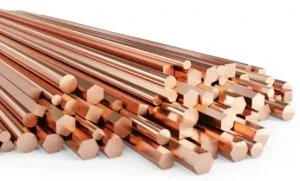
Sichuan Kepai provides Cw106c in a range of semi-finished forms, including extruded rods, drawn wires, plates, sheets, and custom-engineered profiles. We also accommodate specific dimensional tolerances and heat-treatment states tailored to our customers' application requirements.
Check out our broader selection of copper, brass, and bronze alloys engineered for demanding industrial environments.
Looking ahead, Sichuan Kepai New Materials Co., Ltd. will continue to uphold its original intention, with even greater enthusiasm and determination, to engage in research and application in the field of new materials, contributing to the development of the new copper alloy materials industry in China and globally. We look forward to working hand in hand with friends from all walks of life to create a brilliant future together!
 Kepai
Kepai