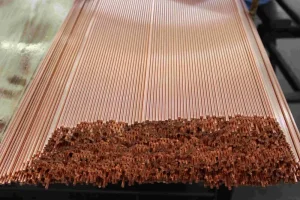
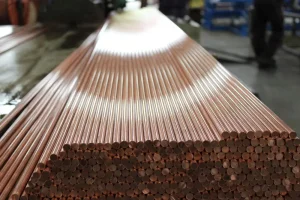
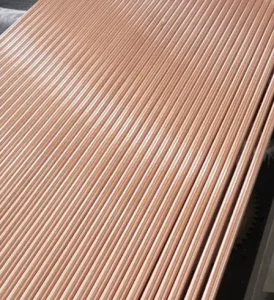
Explore our premium grade materials engineered to deliver structural stability and precision during demanding cold forming operations.
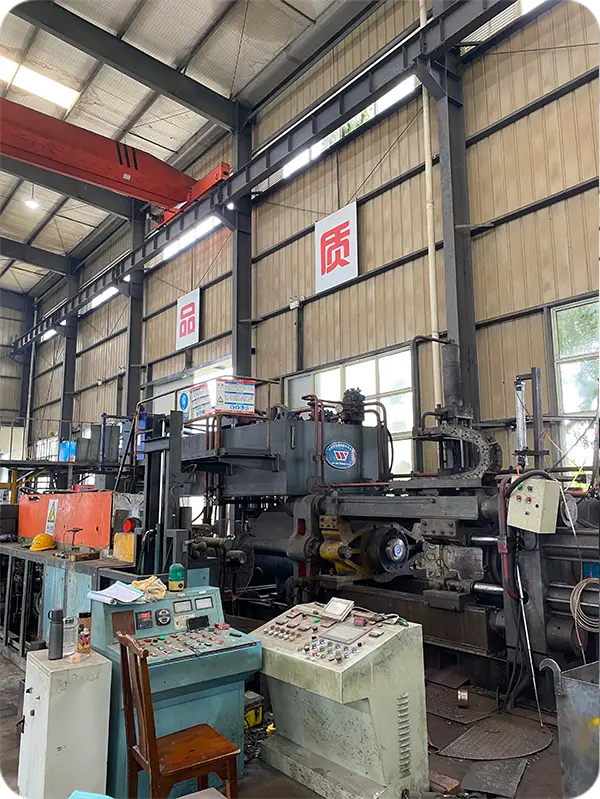
Established in 2017, Sichuan Kepai New Material Co., Ltd. has grown rapidly to become a leading high-tech manufacturer specializing in strategic copper alloys. Situated within the Western Industrial Development Zone of Guanghan, Sichuan, our facility enjoys prime access to national transport corridors, allowing rapid logistics routes for global supply chains.
Covering an expansive factory layout of over 9,000 square meters and backed by modern research labs, we deliver high-performance metal alloys tailored to the stringent demands of advanced industries including 5G communications, NEV high-voltage power networks, precision medical devices, and plasma cutting systems.
An authoritative breakdown of metallurgic characteristics, deformation behaviors, and systemic solutions for global industrial supply chains.
In contemporary precision manufacturing, the mechanical viability of structural copper alloys is defined heavily by their cold processing performance. Traditional hot working processes, while effective for basic geometry breakdown, often introduce microstructural oxidation, thermal stresses, and dimensional tolerances that are unacceptable for aerospace, telecommunications, and automotive electronics.
Globally, the push towards green electrification has intensified the requirement for ultra-high conductivity copper alloys. Components like high-power connectors, new energy vehicle charging contacts, and heavy-duty industrial relays require tight geometric configurations that can only be produced via progressive die stamping, cold extrusion, and deep drawing. As a result, the commercial supply chain is shifting towards manufacturers who can guarantee uniform plastic deformation without shear failure, cracking, or localized stress concentrations.
Cold working relies on plastic deformation below the recrystallization temperature, shifting the dislocation density within the copper matrix to raise yield strength—a process known as strain hardening. The metallurgical challenge lies in balancing this increase in strength with sufficient residual ductility to prevent catastrophic fractures.
Alloys such as C17200 Beryllium Copper and C18150 Chromium-Zirconium Copper are engineered to be shaped in a highly ductile solution-annealed state, then thermally aged to lock precipitates, yielding tensile strengths up to 1400 MPa.
C51100 and C51900 Phosphor Bronzes exhibit exceptional elastic limits and wear resistance, making them standard choices for bellows, diaphragms, and electrical leaf springs.
Oxygen-Free Tellurium Copper (C14500) utilizes soft telluride phases to break chips efficiently without embrittlement, providing 93% IACS conductivity along with fast, clean cold-forming responses.
Procurement teams at multinational enterprises look beyond baseline alloy numbers. According to Google Semantic Search intent trends and aerospace procurement guidelines, technical buyers evaluate vendors on six distinct vectors:
Sichuan Kepai New Material Co., Ltd. delivers holistic metallurgical solutions that resolve specific engineering pain points for high-growth sectors:
For high-voltage busbars, battery terminals, and charging plug contacts, our High-Performance Oxygen-Free Copper provides high conductivity and excellent bendability. Our materials withstand extreme deformation without micro-cracking, helping prevent thermal runaway in high-power setups.
5G RF filters and coaxial switch components require high conductivity and tight tolerances. Kepai's C17300 Beryllium Copper and Tellurium Copper allow manufacturers to shape complex parts while retaining the high springiness needed for signal integrity.
Industrial switchgear is subjected to continuous cyclic load. Using our C18150 Chromium Zirconium copper, manufacturers can design components with high structural hardness and excellent electrical conductivity, extending contact tip life and reducing replacement costs.
Our oxygen-free high-conductivity tellurium copper is engineered for high heat dissipation and clean machinability, maximizing nozzle life and ensuring smooth cut paths on CNC machinery.
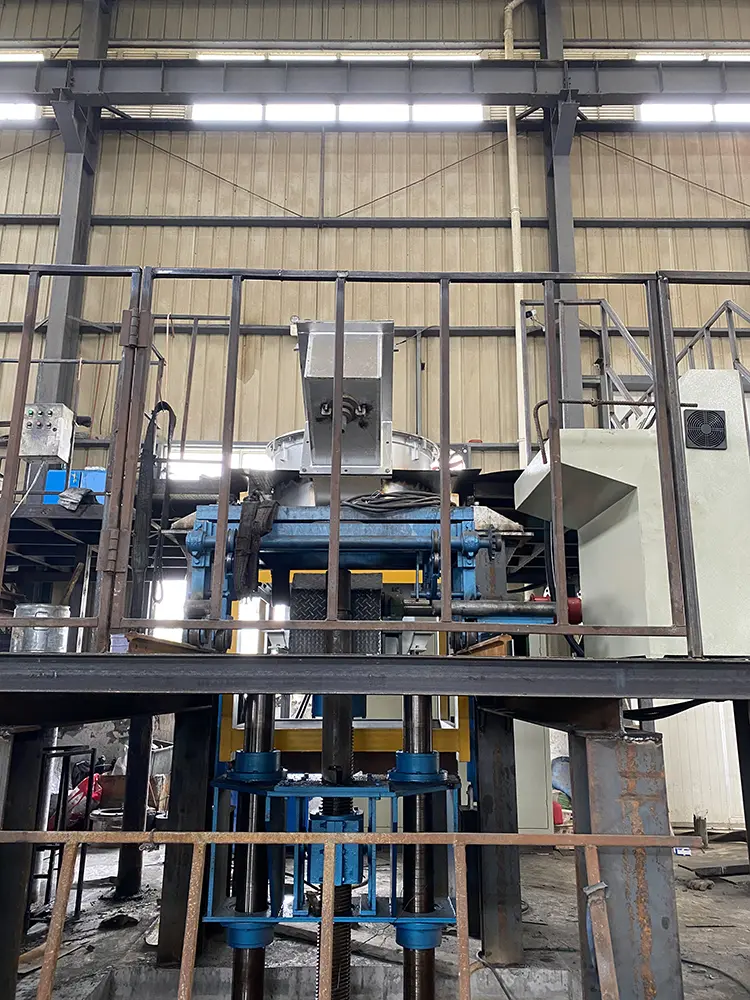
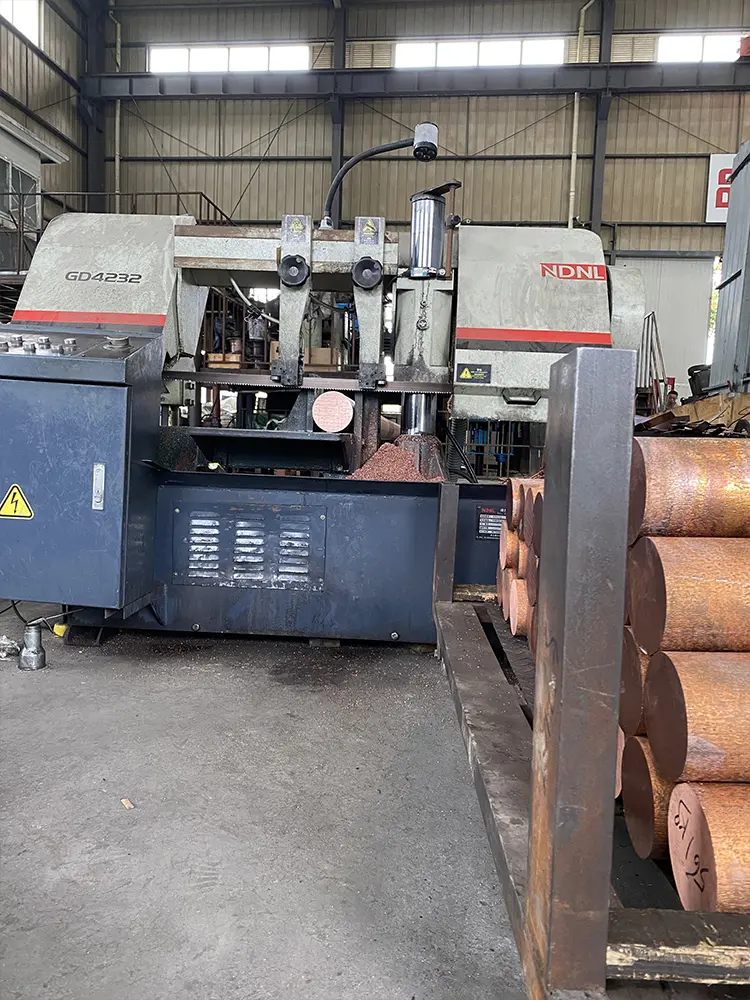
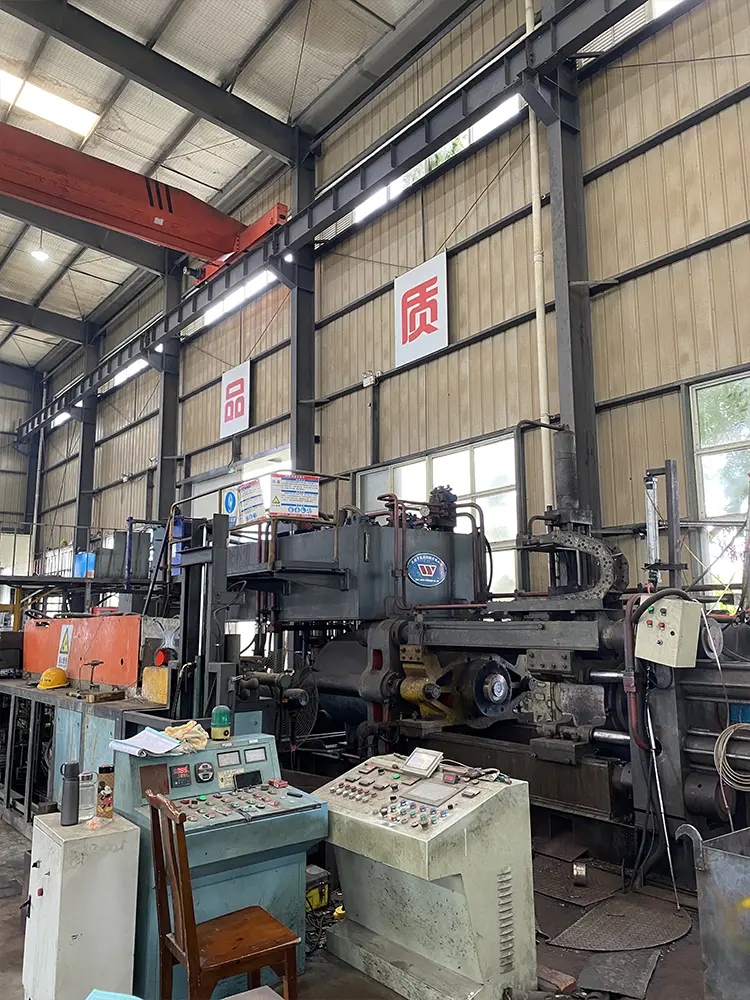
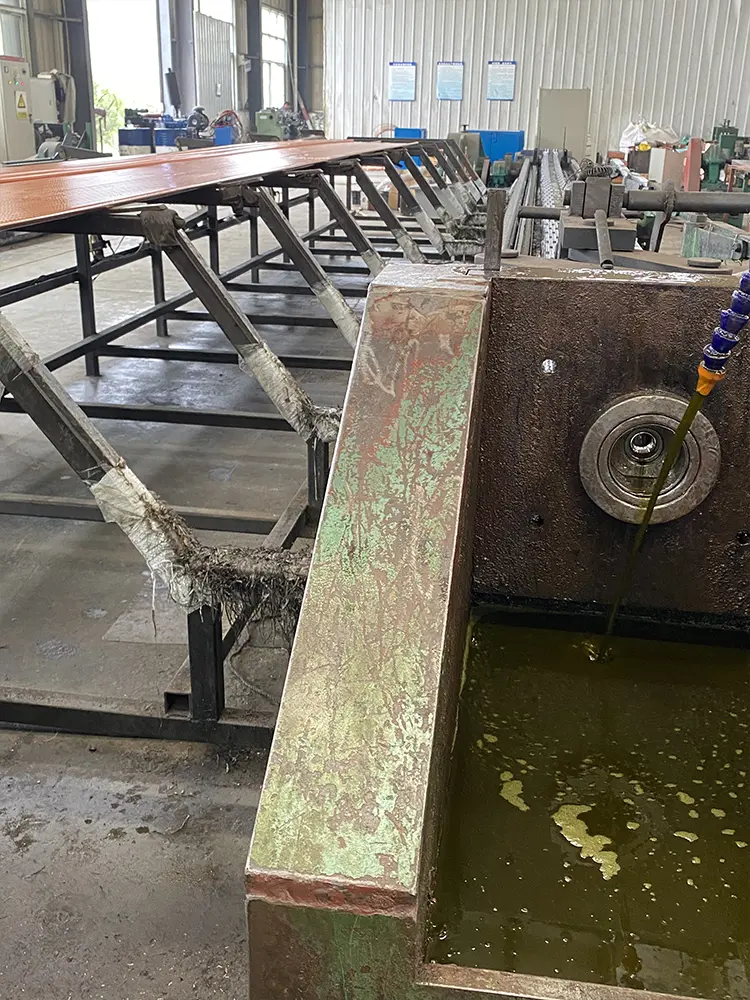
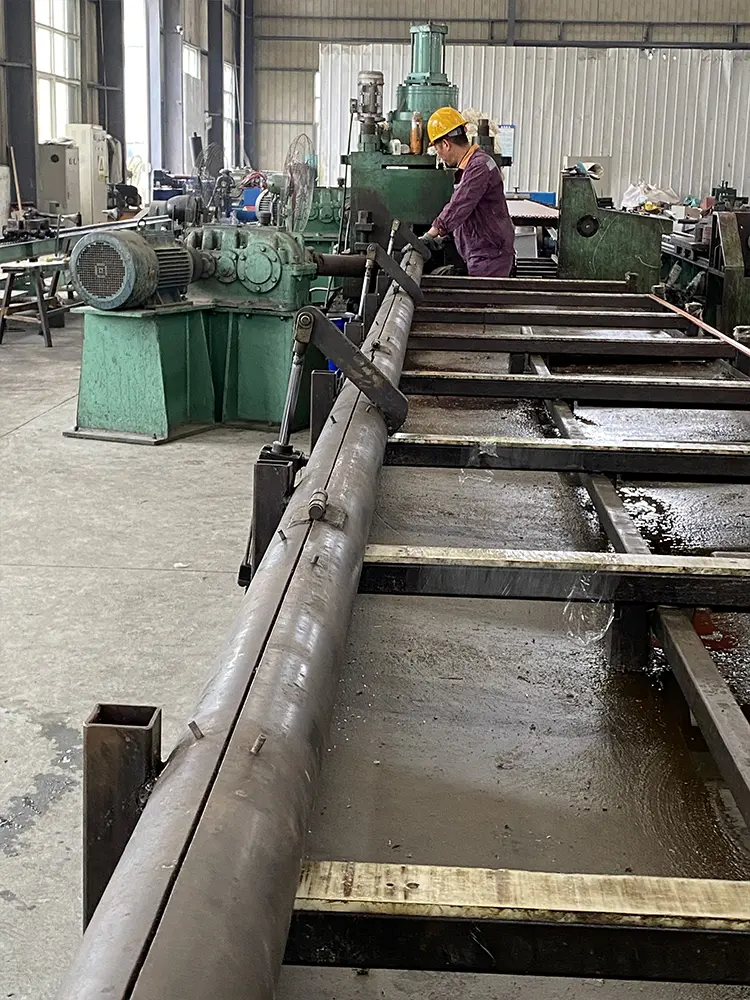
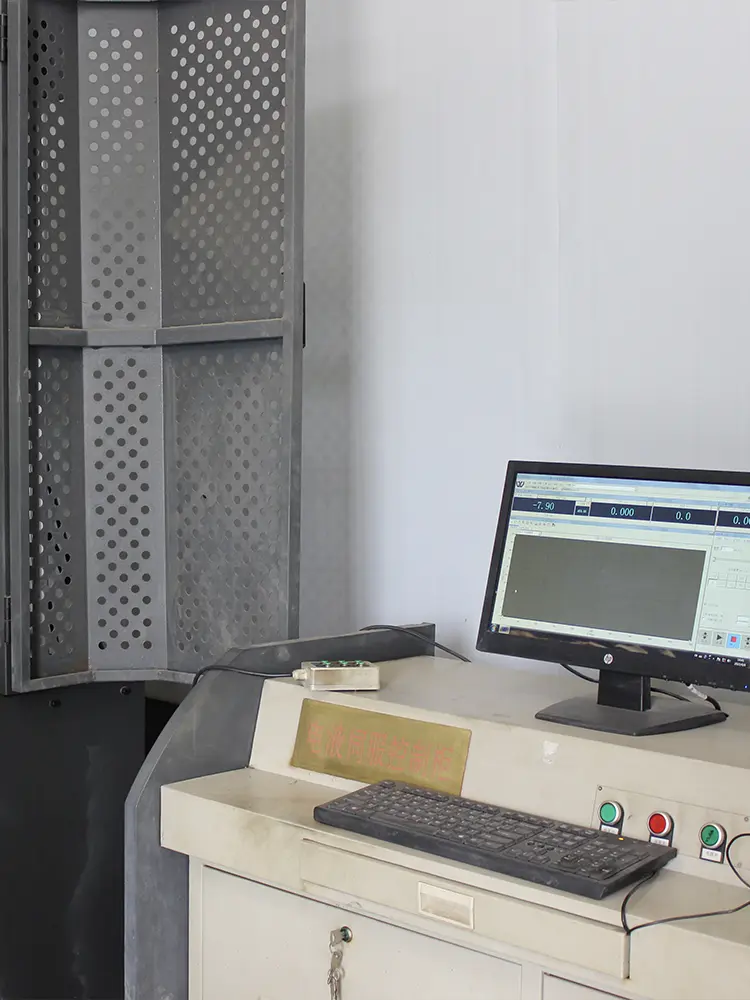
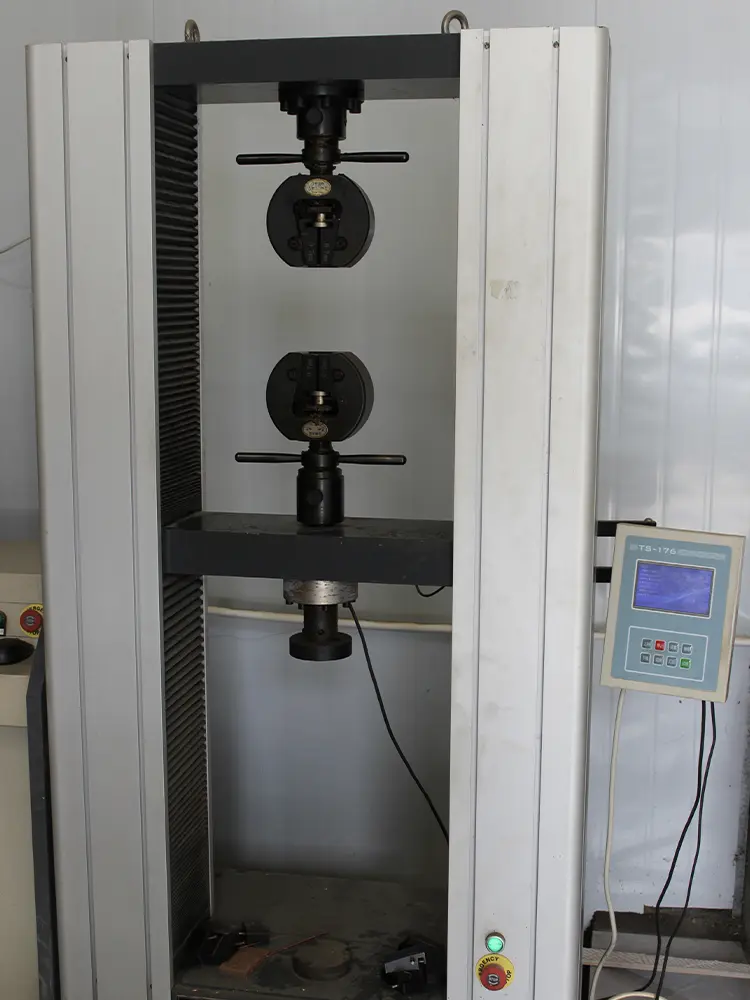
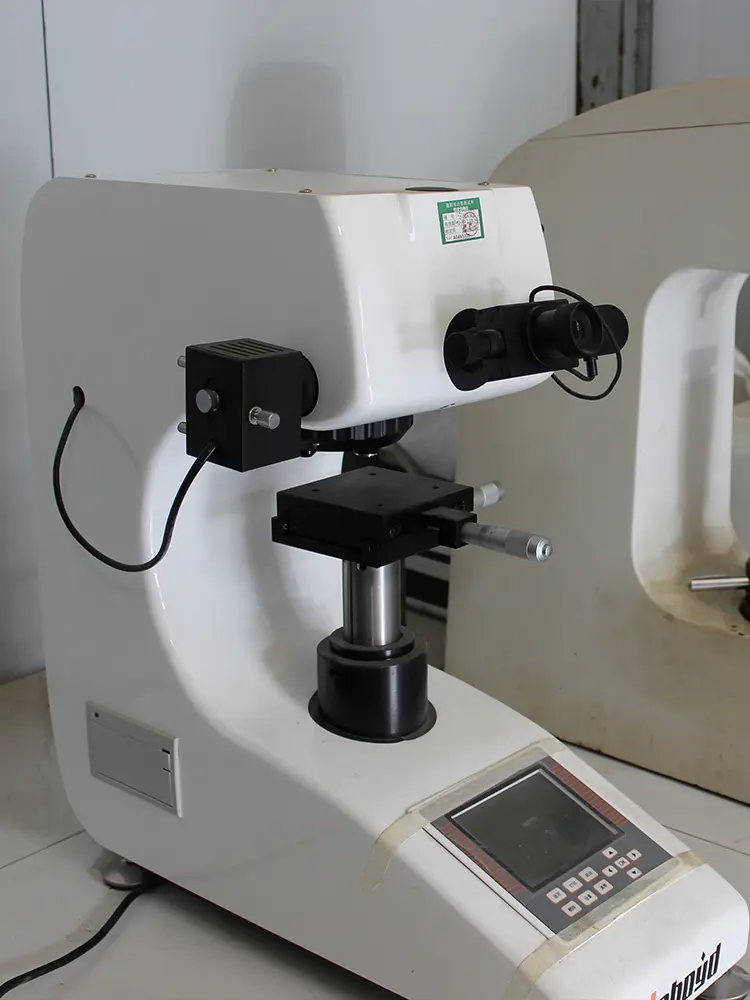
Our vertically integrated facility controls every step of production, from raw melt charge selection to final dimensional calibration.

The future of copper alloy manufacturing lies at the intersection of electrical performance, mechanical strength, and sustainability. Kepai's technical team focuses on two main development pathways:
Phase-Separated Microalloying: By tailoring the addition of alloying elements at the atomic scale, we create dispersion-hardened systems where precipitates do not compromise the electron path. This allows us to produce alloys with high yield strength while maintaining electrical conductivity above 85% IACS.
Eco-Friendly Alloys: In response to tightening global environmental rules, we are focusing on lead-free, high-machinability alternatives. Using bismuth, tellurium, or sulfur as substitute lubricants, we produce materials that cut clean while meeting strict global ecological regulations.
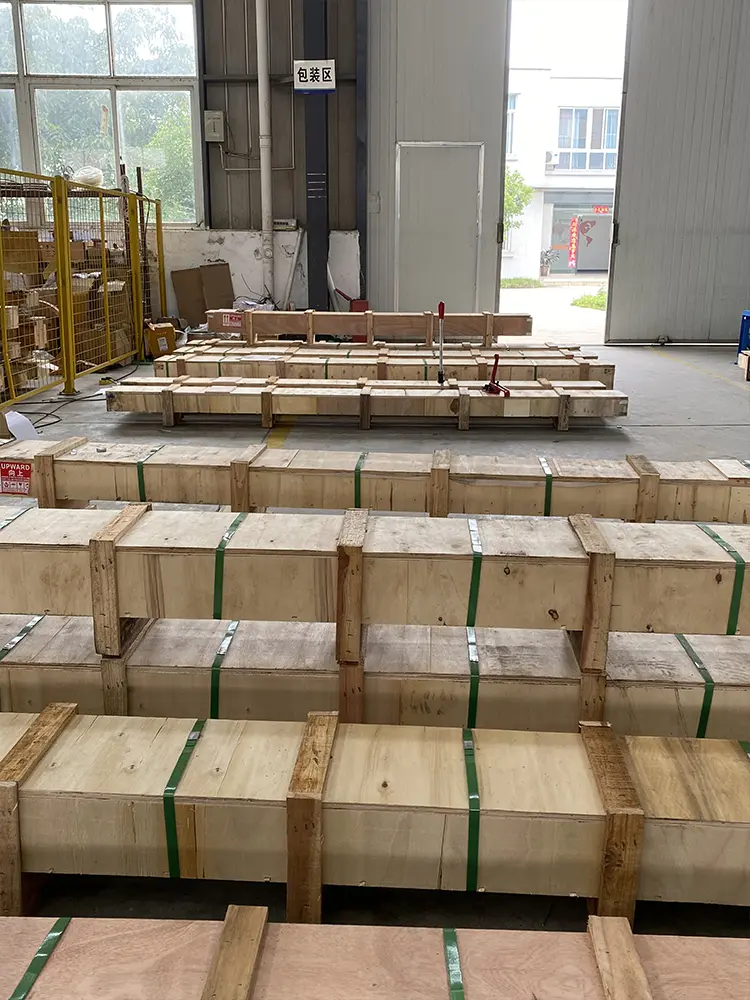
To serve critical manufacturing centers across the Americas, Europe, and Asia-Pacific, Kepai maintains strict quality standards at every step. From raw material sorting to final packaging, all production runs are fully documented for traceability.
Our logistics network ensures reliable shipping routes. By partnering with international freight forwarders, we handle custom clearance and port delivery efficiently, maintaining stable, predictable lead times for global factory lines.
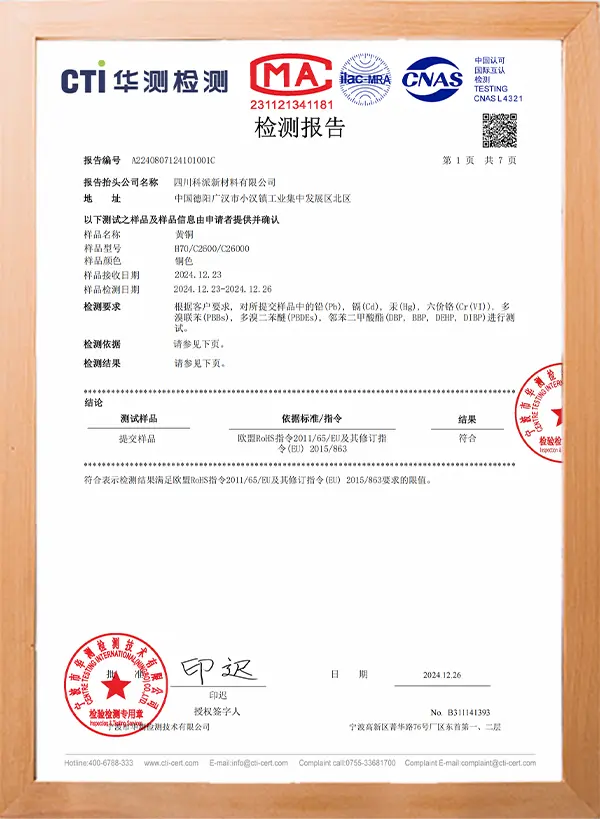
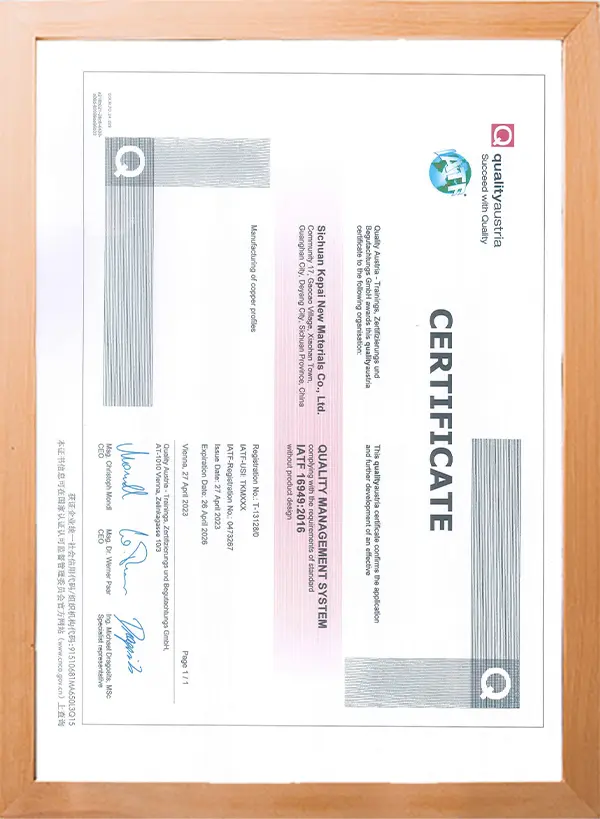
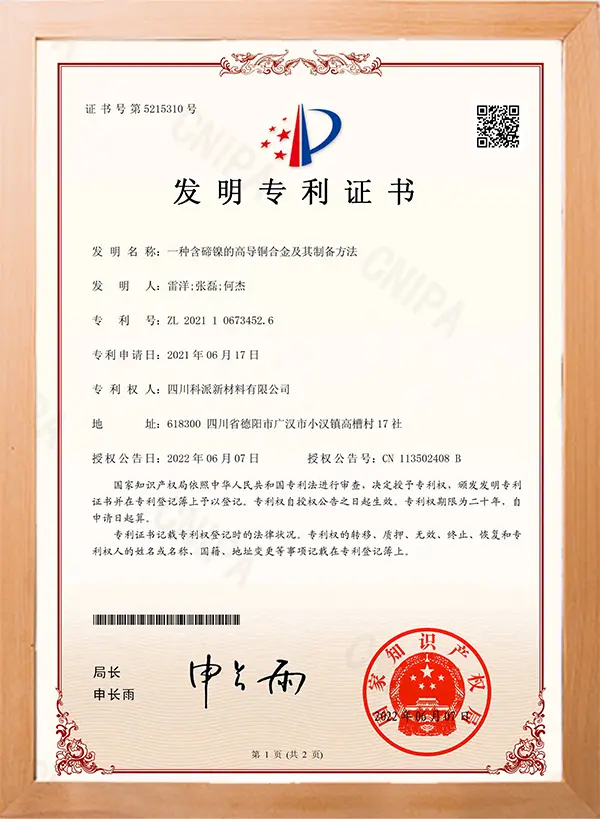
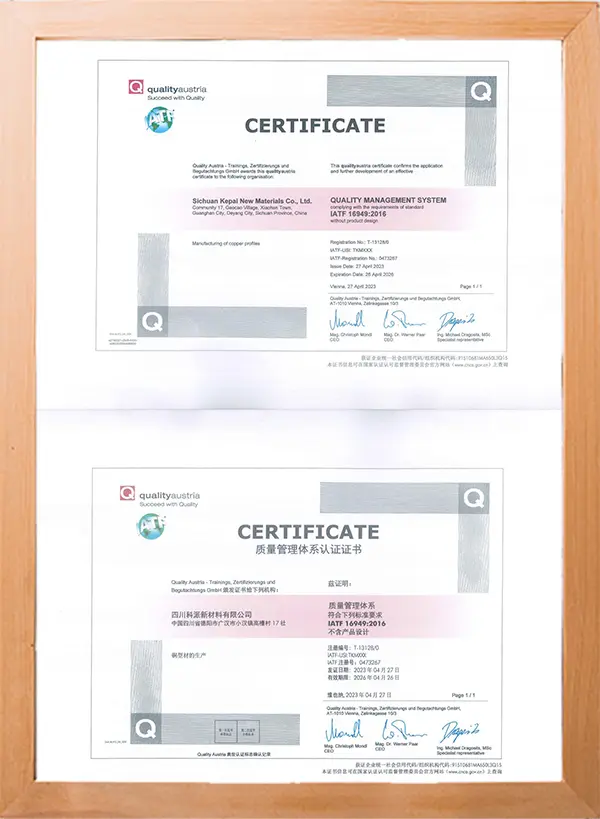
Our production facilities operate under strict ISO guidelines, providing verified documentation to meet global quality audits.
Get answers to common technical, manufacturing, and supply questions from Kepai's engineering team.
Suitability is defined by crystal structure, uniform elongation values, and the work hardening exponent. Finer, uniform grain sizes prevent surface imperfections like orange peel, while balanced anisotropic ratios protect against tearing or uneven thinning during deep drawing.
Standard pure copper generates long, stringy chips that can clog tooling and cause heat buildup. C14500 Tellurium Copper features microscopic cuprous telluride precipitates that break up chips quickly, resulting in faster machining times and less tool wear while maintaining 93% IACS electrical conductivity.
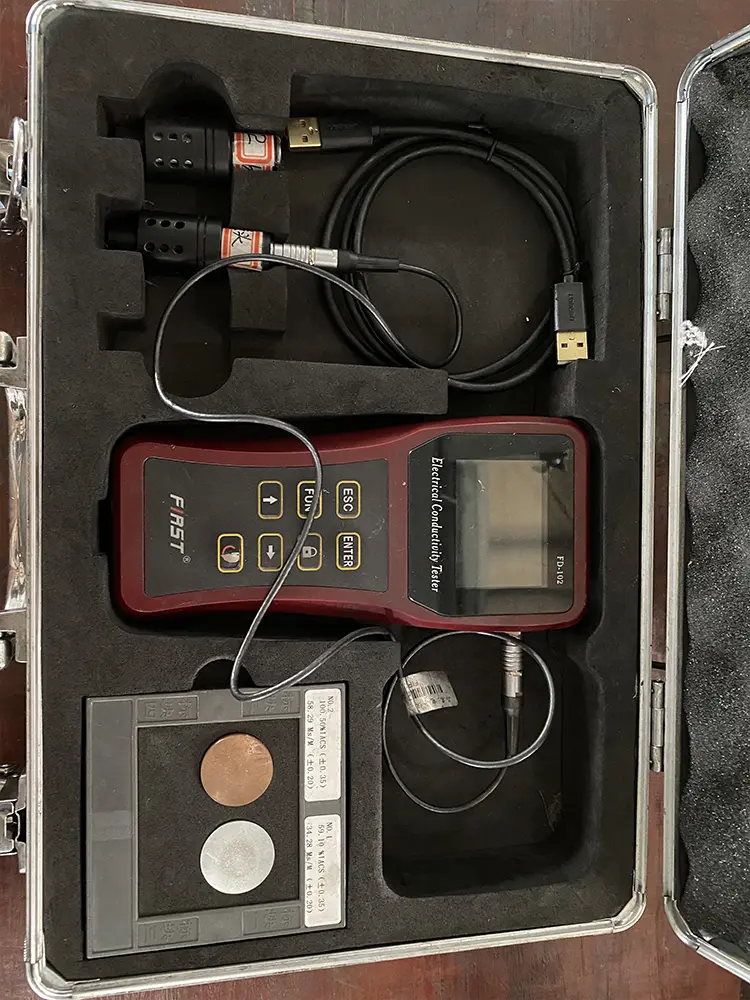
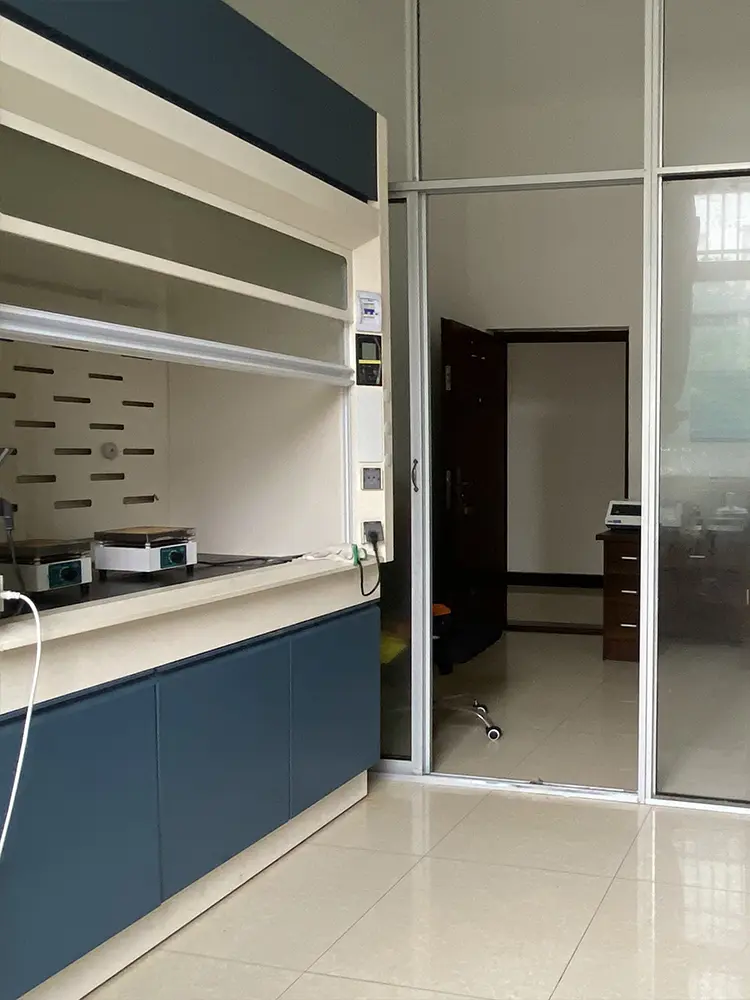
We operate a continuous quality loop. Each heat charge undergoes chemical analysis in our testing lab, followed by inline eddy-current testing, micro-hardness checks, and tensile test verification. This ensures every shipment meets specifications before leaving our warehouse.
Beryllium copper alloys like C17200 and C17300 reach their high strength through precipitation aging. For complex geometries, it is best to form the material in its soft, solution-annealed temper state, and then perform the final age-hardening bake to reach peak hardness and spring properties.
Cracking is typically caused by micro-impurities or uneven grain boundaries. We use specialized vacuum melting technologies to keep dissolved oxygen levels very low, while controlling our cold-drawing cycles to maintain fine grain structures and uniform directional properties.
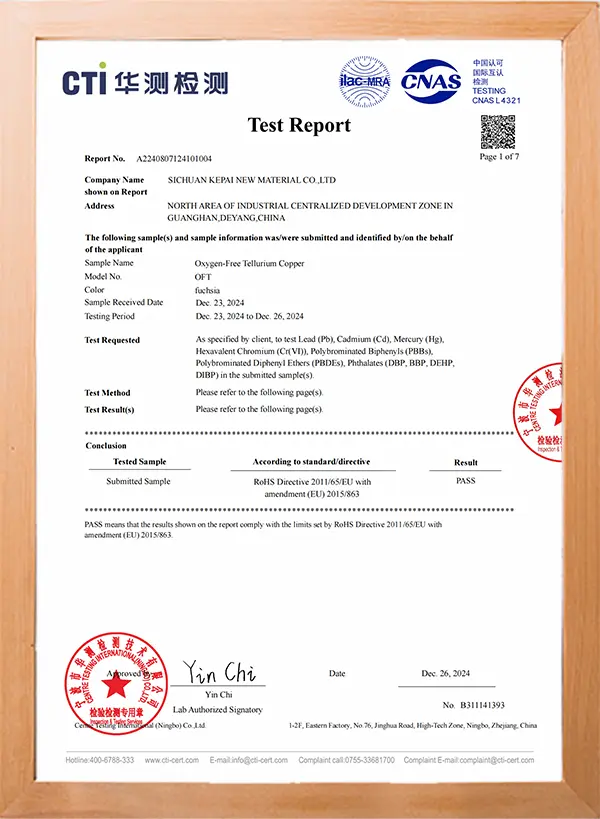
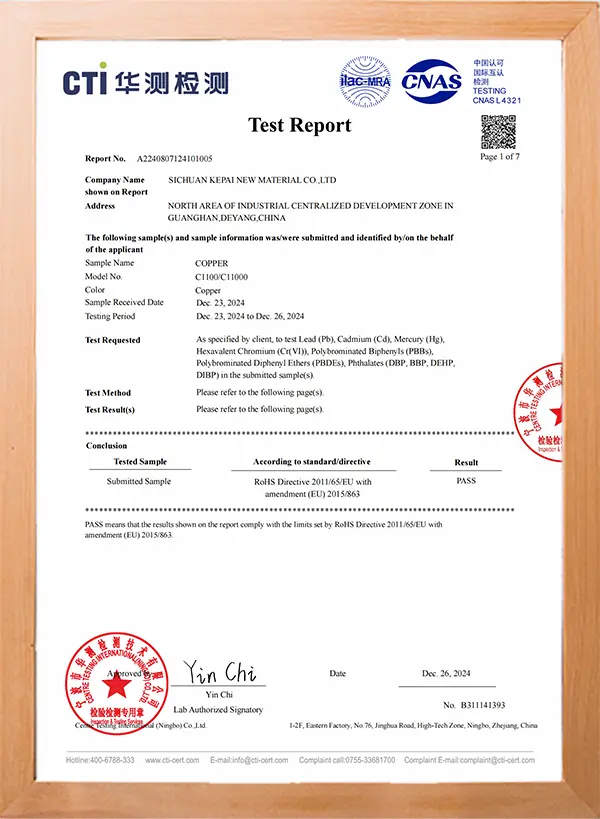
Yes. All Kepai materials are verified through SGS laboratories. We provide full composition declarations to ensure compliance with RoHS, REACH, and other global environmental standards, making them ready for immediate integration into international supply chains.
Review our specialized industrial copper alloys, optimized for wear resistance, electrical conductivity, and high mechanical loads.
Looking ahead, Sichuan Kepai New Materials Co., Ltd. will continue to focus on research and application in the field of new materials, contributing to the development of the new copper alloy materials industry globally. Contact our engineering team today to review your project specifications or request a custom quotation.
 Kepai
Kepai