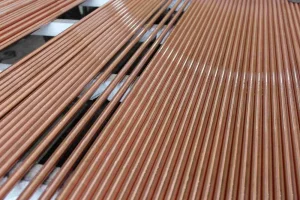
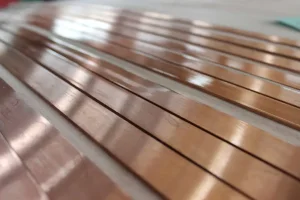
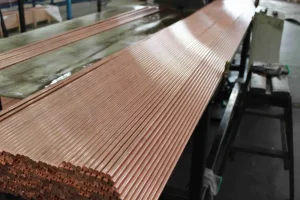
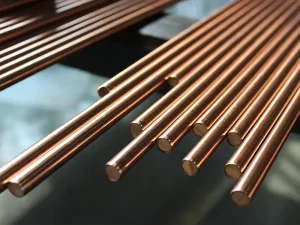
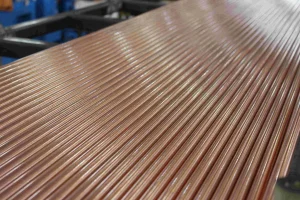
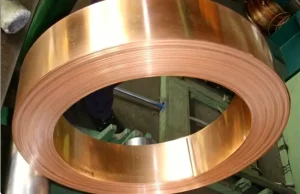
Explore our elite series of precision-engineered copper materials, tailored for high-frequency electrical transmission, thermal dissipation, and industrial tooling applications.
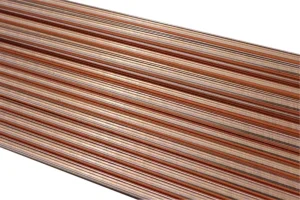
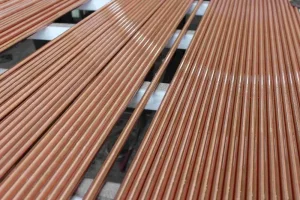
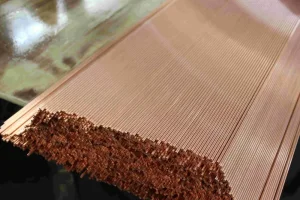
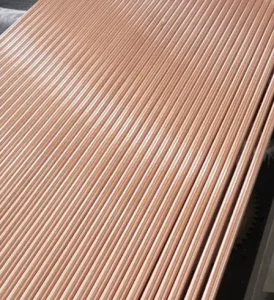
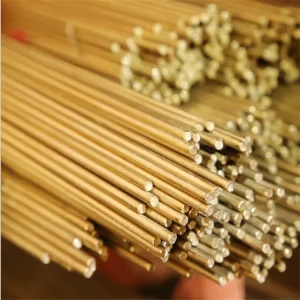
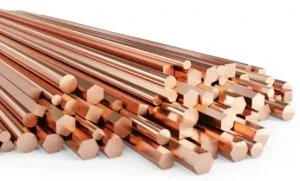
UNS C11000, commonly referred to as Electrolytic Tough Pitch (ETP) Copper, is the global benchmark for applications demanding exceptional electrical conductivity and thermal performance.
Chemically structured with a minimum copper purity of 99.90% (which incorporates silver trace elements to bolster tensile thresholds), C11000 contains controlled oxygen levels typically ranging between 0.02% and 0.04%. This specific oxygen level forms cuprous oxide (Cu2O) particles within the microstructure. The dispersion of these oxides plays a vital role in capturing impurities during the solidifying process, rendering the alloy highly conductive and structurally uniform. It achieves a nominal electrical conductivity rating of 100% to 101.5% IACS (International Annealed Copper Standard).
In high-power architectures, the choice between C11000 and alternative copper grades depends heavily on operating temperatures, processing methods, and structural stress criteria. While C11000 is outstanding for mechanical applications like forging, deep drawing, and rolling, its oxygen content demands careful consideration during high-temperature joining procedures. When exposed to reducing atmospheres at temperatures above 370°C (such as during hydrogen-shielded welding), the oxygen reacts with diffusing hydrogen to form microscopic pockets of high-pressure water vapor. This phenomenon—known as hydrogen embrittlement—can lead to intergranular cracking. Therefore, for processes requiring high-temperature welding or brazing, engineers often select oxygen-free copper grades like C10200 (OFHC).
| Copper Grade / UNS Designation | Min. Cu Purity (%) | Electrical Conductivity (% IACS) | Thermal Conductivity (W/m·K) | Primary Application Strengths | Hydrogen Embrittlement Vulnerability |
|---|---|---|---|---|---|
| C11000 (ETP - Electrolytic Tough Pitch) | 99.90% | 100 - 101.5% | 391 | Busbars, Electrical Contacts, Power Transmission, Motor Windings | High (Avoid heating in hydrogen atmospheres >370°C) |
| C10200 (OF - Oxygen-Free High Conductivity) | 99.95% | 101% | 391 | Vacuum Electronics, Waveguides, Cryogenic Superconductors, Laser Optics | Immune (Highly weldable and ductile) |
| C12200 (DHP - Phosphorus-Deoxidized) | 99.90% | 80 - 90% | 340 | Heat Exchanger Tubes, HVAC Piping, Industrial Boiler Shells | Immune (Optimized for welding, reduced conductivity) |
| C14500 (Tellurium Copper) | 99.50% (Te: 0.4-0.7%) | 90 - 98% | 355 | High-Precision CNC Components, Plasma Torch Nozzles, Welding Tips | Negligible (Optimized for ultra-fast free-machining) |
How Tier-1 manufacturers, global automotive OEMs, and infrastructure developers deploy C11000 Copper to fuel modern technology integration.
The global push for Electrification (EVs) has catalyzed a dramatic surge in C11000 copper demand. Battery packs, EV charging stations, and vehicle power distribution systems rely heavily on precision-rolled C11000 busbars. Its excellent electrical and thermal conductivity helps minimize resistive losses (I²R losses) and manage heat generation, enabling rapid charging cycles and extended vehicle ranges.
Utility providers, wind farm developers, and solar power plants require massive quantities of C11000 copper bars, wires, and connectors. These components handle high voltages and currents inside heavy-duty transformers, switches, and circuit breakers. High purity ensures stable, long-term performance under demanding electrical loads, reducing maintenance downtime.
In data centers, telecommunication towers, and consumer electronics, managing thermal output is a critical design challenge. C11000's thermal conductivity (~391 W/m·K) makes it a preferred choice for heat sinks, cooling fins, and thermal spreaders. These components rapidly dissipate waste heat away from delicate silicon wafers and optical transceivers, safeguarding system reliability.
Procuring raw copper alloys on a global scale involves navigating volatile commodity pricing indexes (LME/COMEX), shipping challenges, and quality assurance demands. Sichuan Kepai New Materials provides strategic solutions to secure supply consistency and mitigate market risks for industrial buyers:
We offer flexible contractual frameworks, including LME-aligned pricing options, allowing purchasers to lock in material rates ahead of high-volume manufacturing campaigns.
Every batch of copper undergoes spectrographic composition checks, tensile testing, and eddy current conductivity checks. Every delivery includes complete material trace records (MTRs).
We prioritize high-purity scrap recovery and clean smelting practices, helping global manufacturing partners meet their Scope 3 greenhouse gas reduction goals.
In electrical networks, even small trace impurities can significantly impact copper performance. For example, a tiny amount of phosphorus (P), iron (Fe), or arsenic (As)—as little as 0.05%—can reduce electrical conductivity by up to 15%. This increases electrical resistance and causes components to run hotter under load.
By utilizing high-purity electrolytic refining processes, Sichuan Kepai ensures its copper alloys consistently meet or exceed global standards. This strict quality control prevents performance loss, protects industrial equipment from overheating, and extends the lifespan of electric powertrains and power grids.
Addressing upcoming trends, advanced manufacturing challenges, and next-generation copper metallurgy.
As electronic systems shrink, components require thinner, more complex shapes. We are continuously refining our extrusion and cold-drawing processes to achieve micro-tolerances down to ±0.01 mm for custom-designed busbar systems.
To prevent oxidation in high-humidity or corrosive industrial environments, we offer custom electroplating solutions. C11000 copper profiles can be finished with nickel, tin, or silver plating to ensure long-term, stable contact resistance.
We are investing in refining technologies that allow us to melt and process high-grade recycled copper scrap while maintaining standard ETP conductivity levels, helping our partners achieve their carbon footprint reduction goals.
A premier manufacturer, developer, and global exporter of advanced copper alloys.
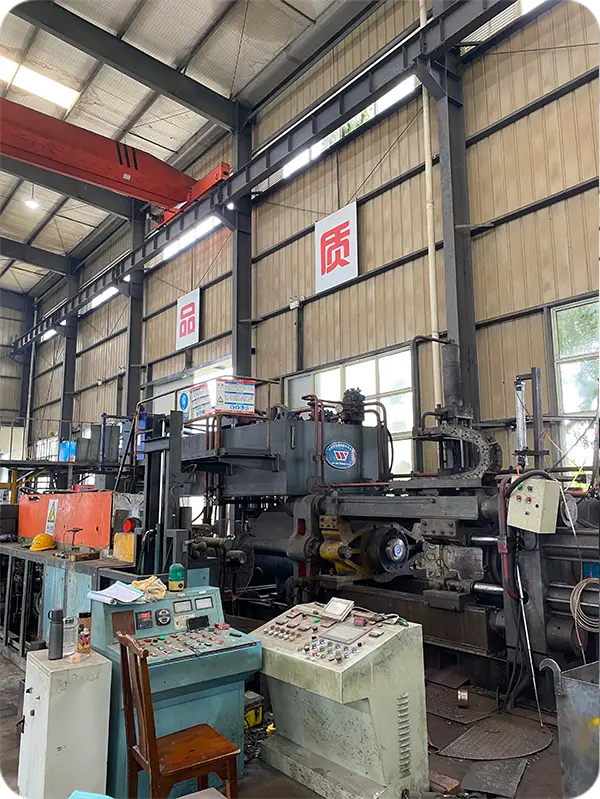
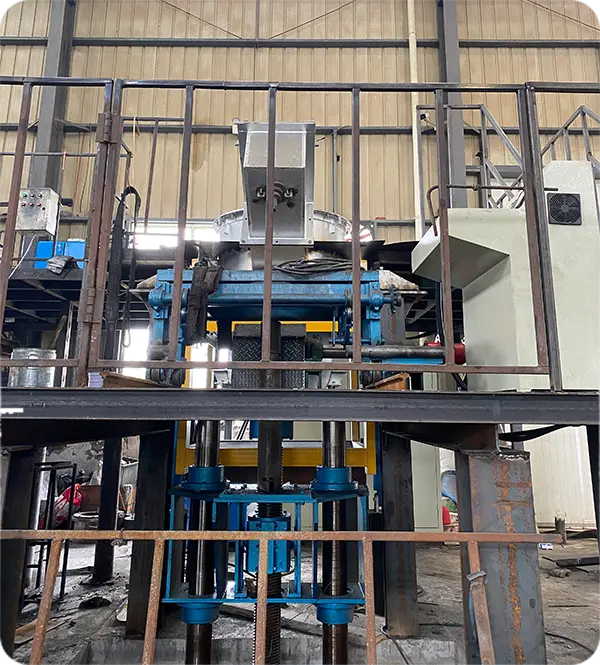
Established in 2017, Sichuan Kepai New Materials Co., Ltd. is a high-tech manufacturing enterprise that integrates research, development, production, and global sales. Our manufacturing facility spans approximately 9,000 square meters, complemented by a dedicated 1,000-square-meter administrative and R&D headquarters.
We focus on producing advanced copper materials, including high-conductivity oxygen-free copper, tellurium copper, silver copper, dispersion copper, and specialized high-strength copper alloys. These products serve demanding applications across the electric vehicle, 5G telecommunication, laser cutting, and energy storage industries.
Located in the Sichuan Guanghan Industrial Development Zone near National Highway 108, our facility benefits from reliable logistics connections. This strategic position helps us ensure timely shipments to domestic and international clients alike.
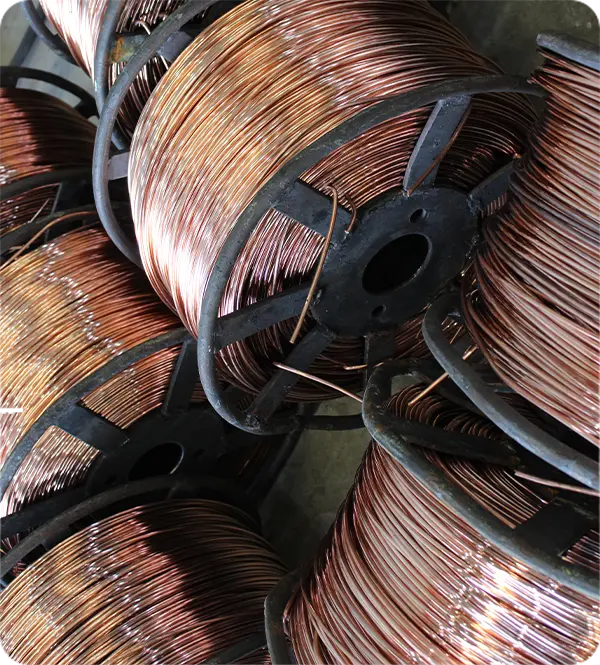
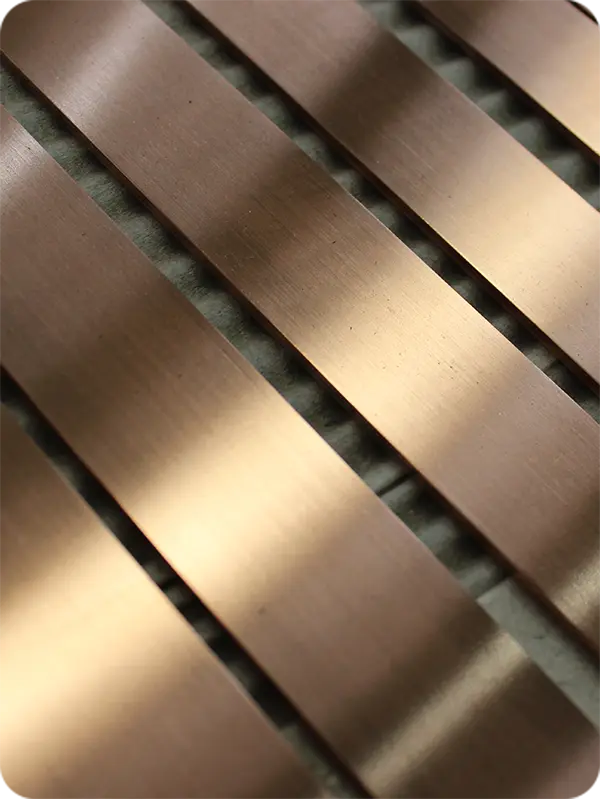
Our engineering and production team consists of industry specialists focused on developing high-performance copper materials. Through independent research and academic partnerships, Kepai has developed advanced solutions in high-conductivity tellurium, lead, and sulfur copper alloys.
We work closely with clients to supply tailored materials for demanding environments, helping optimize production efficiency and component performance. Our solutions are designed to deliver reliable electrical properties while remaining cost-effective.

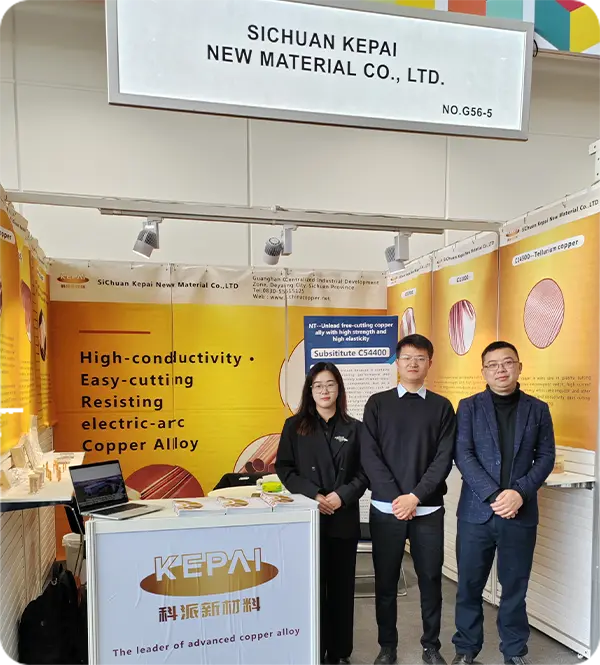
Following our strategy of "rooting in Sichuan, radiating nationwide, and moving towards the world," we serve a diverse global client base through a reliable distributor network. Our team works with companies worldwide to supply high-purity copper products for international manufacturing standards.
We value integrity, innovation, and collaboration. Our team is committed to delivering quality materials that support our clients' technical goals and sustainable business operations.
We combine advanced metallurgical technologies with responsible manufacturing practices to deliver high-quality copper alloys.
We maintain modern manufacturing machinery and testing labs to ensure consistent quality in every batch of copper.
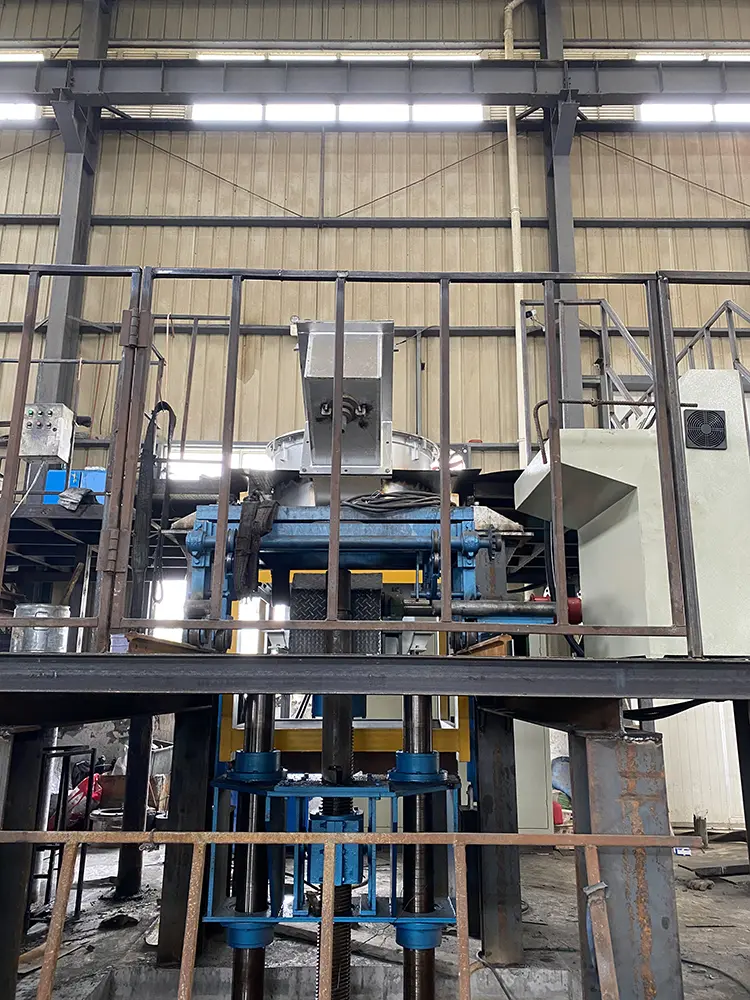
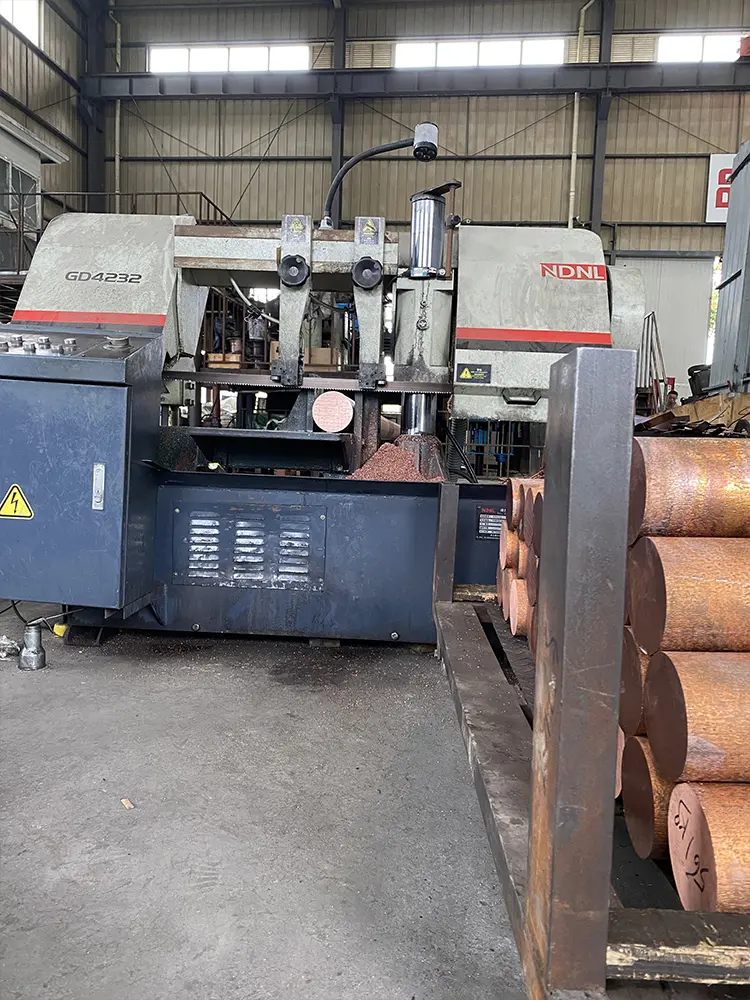
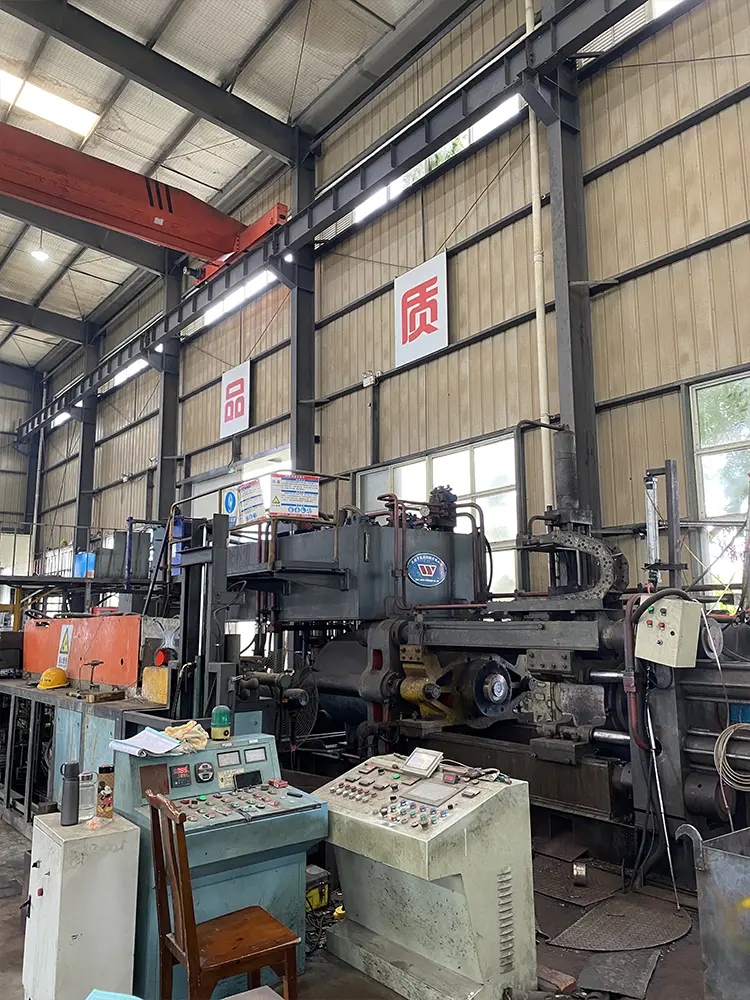
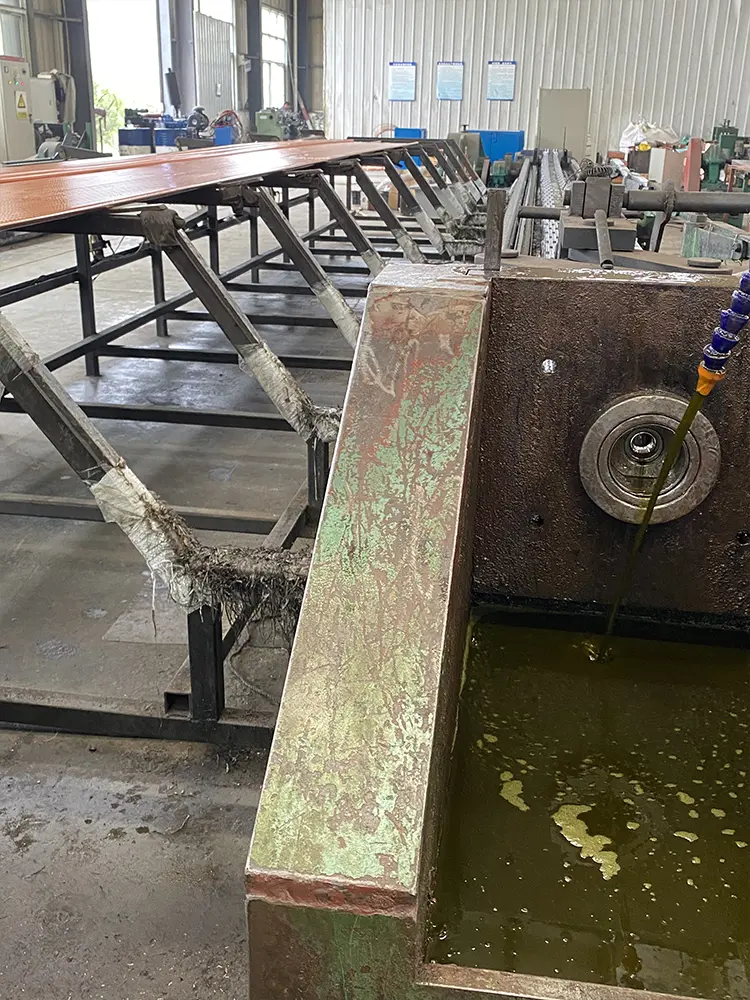
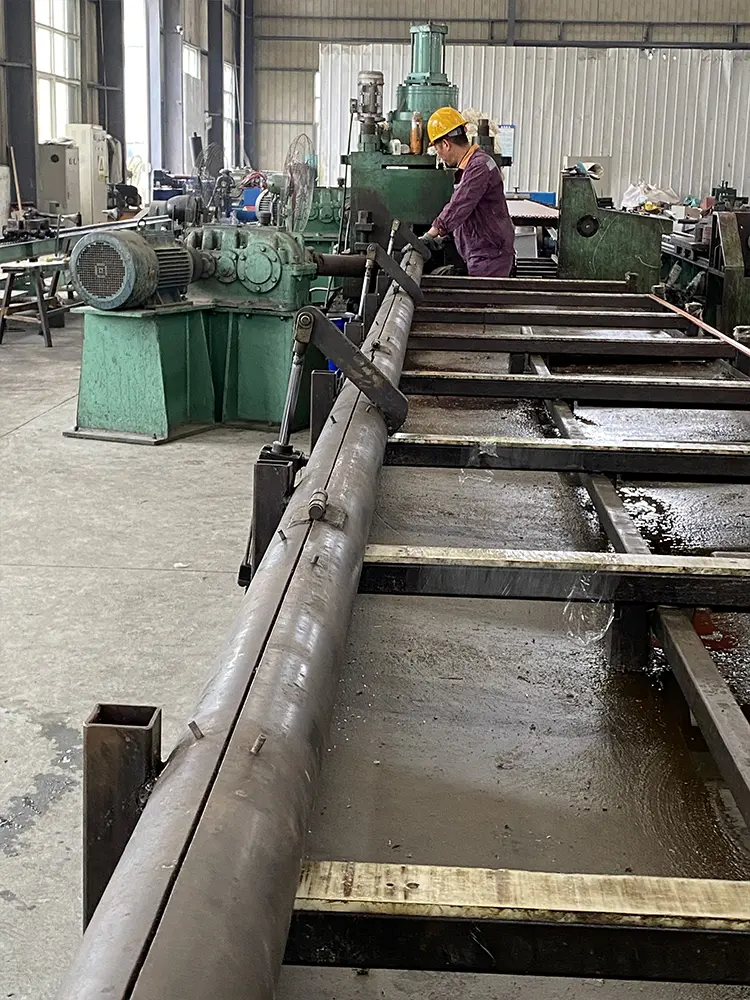
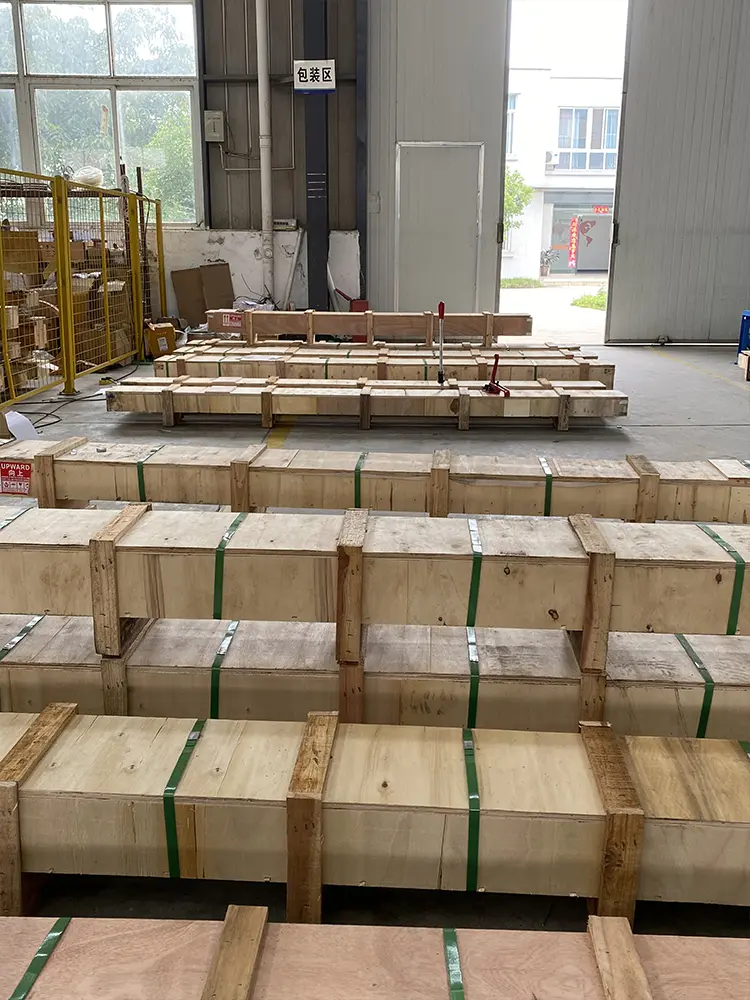
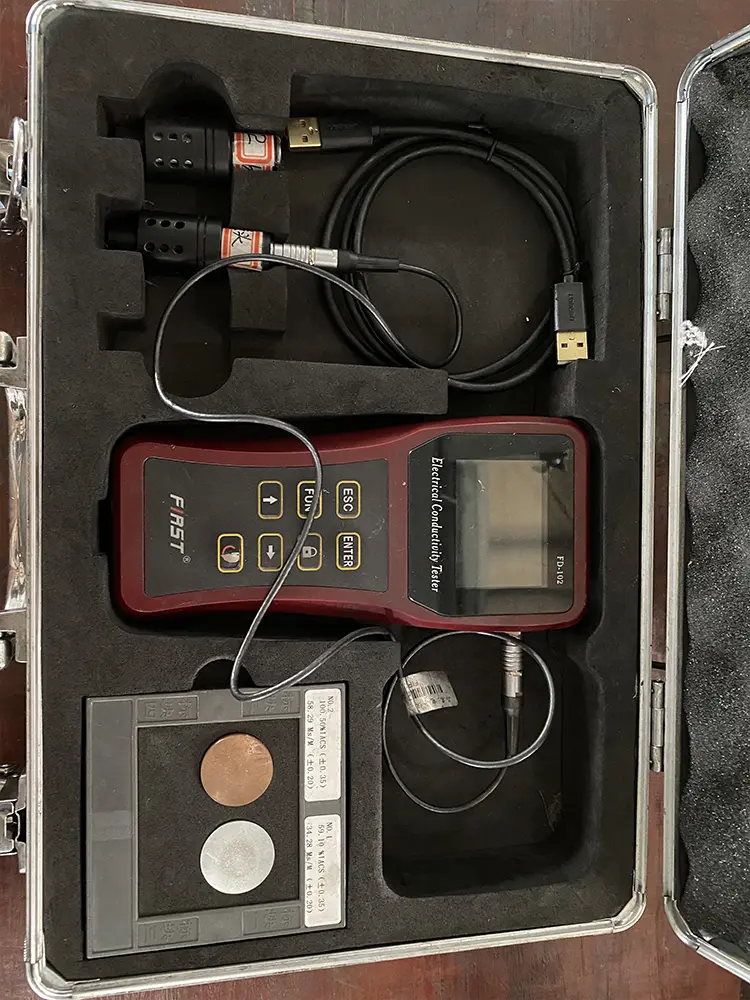
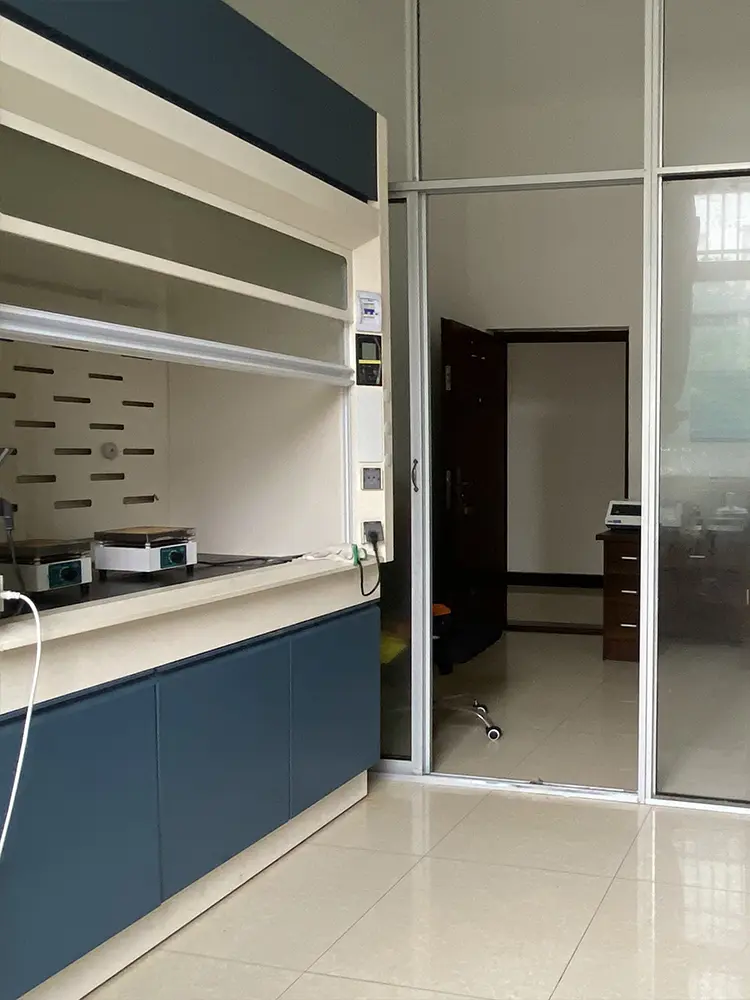

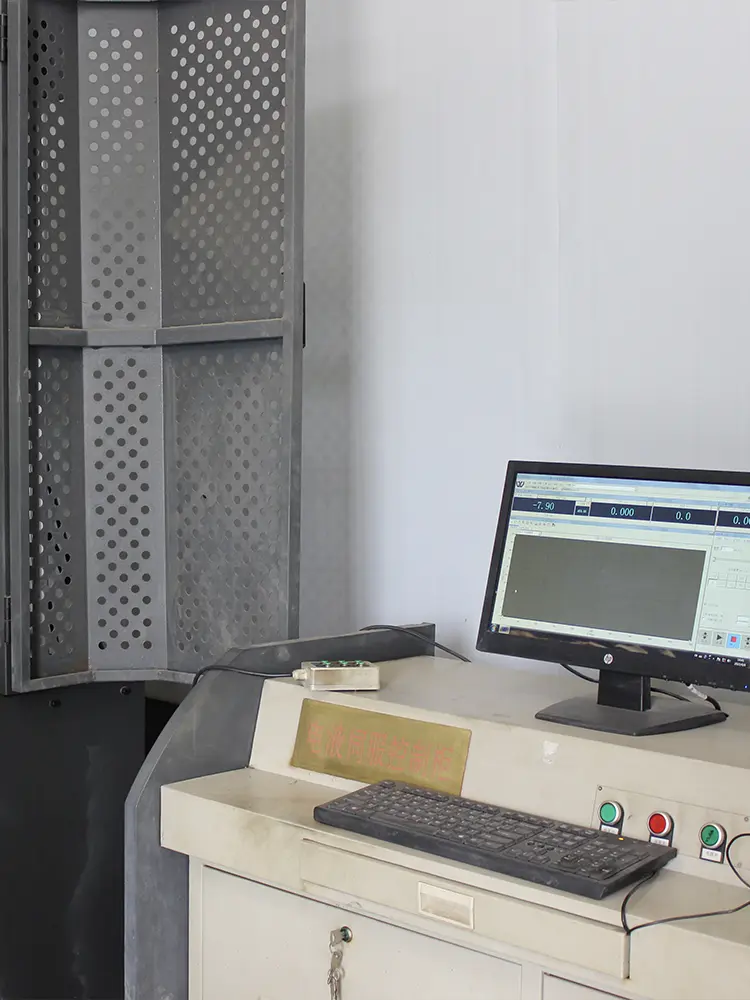
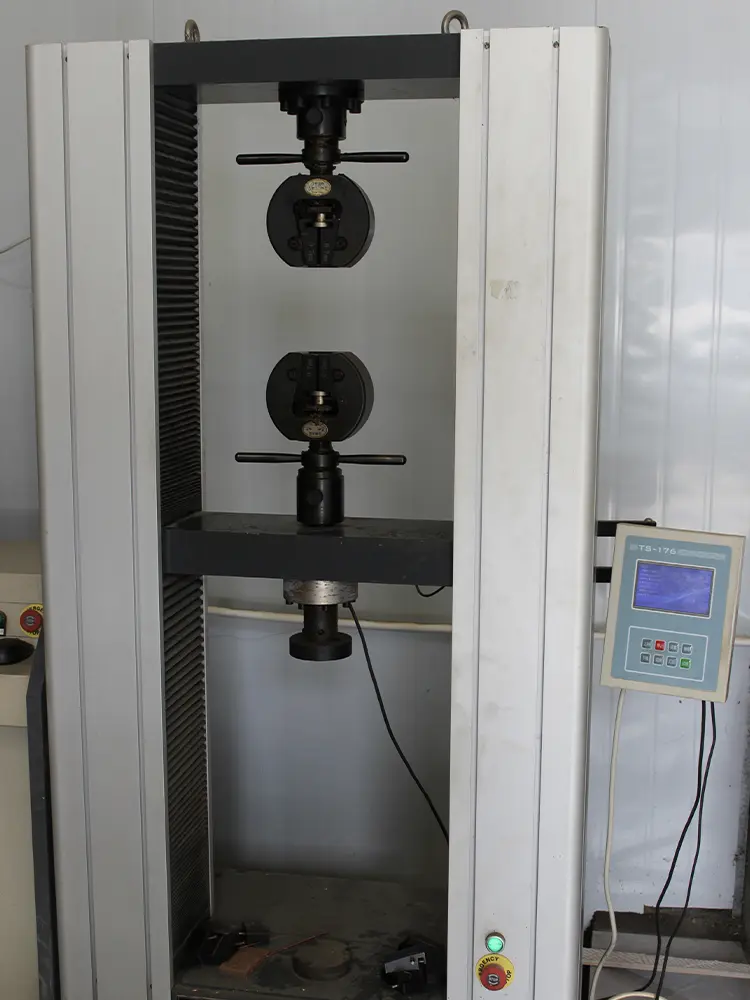
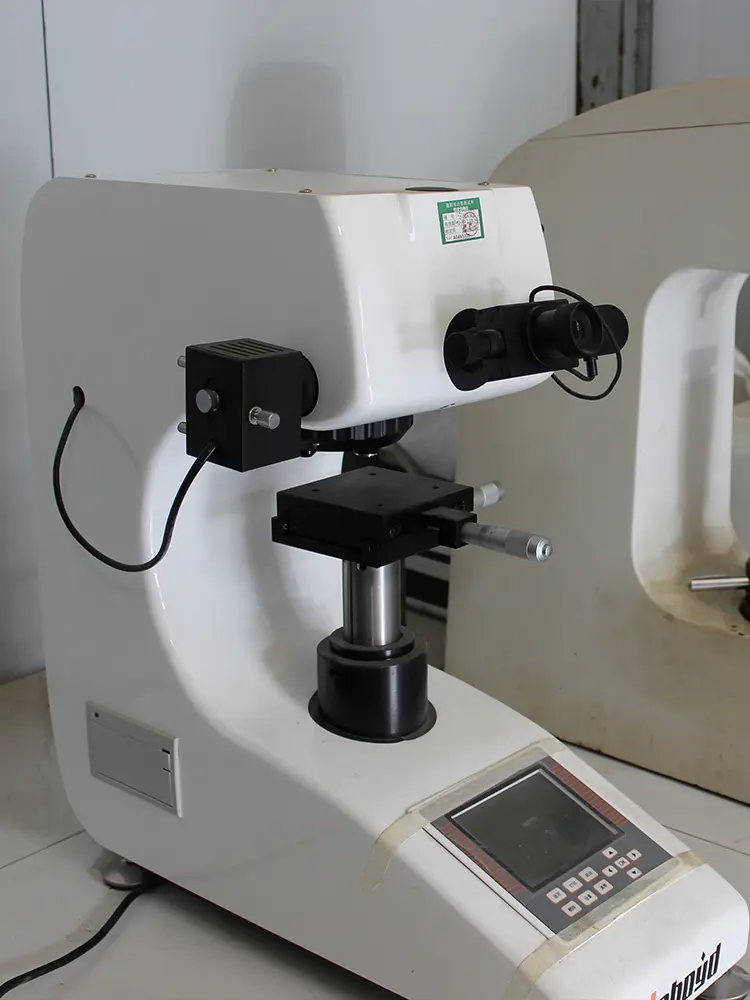
Our production processes follow global quality standards to ensure consistent material reliability.
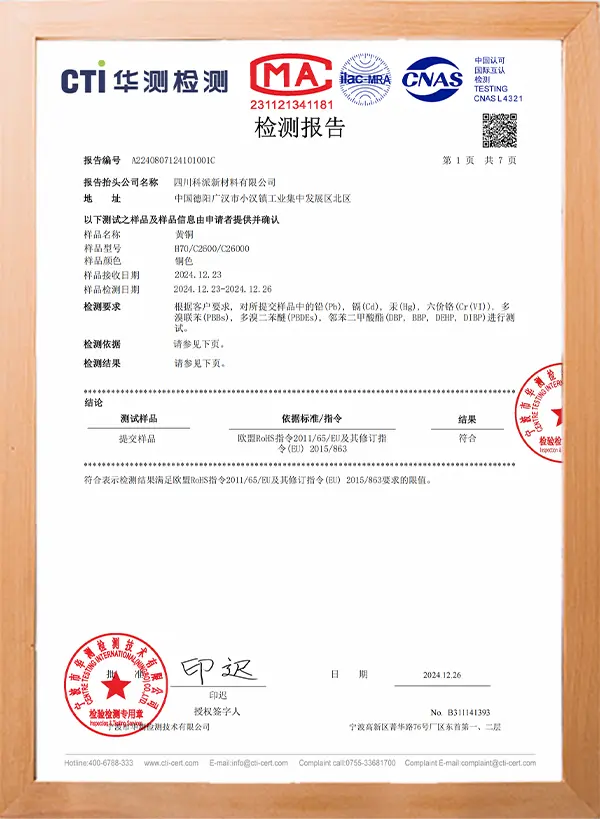
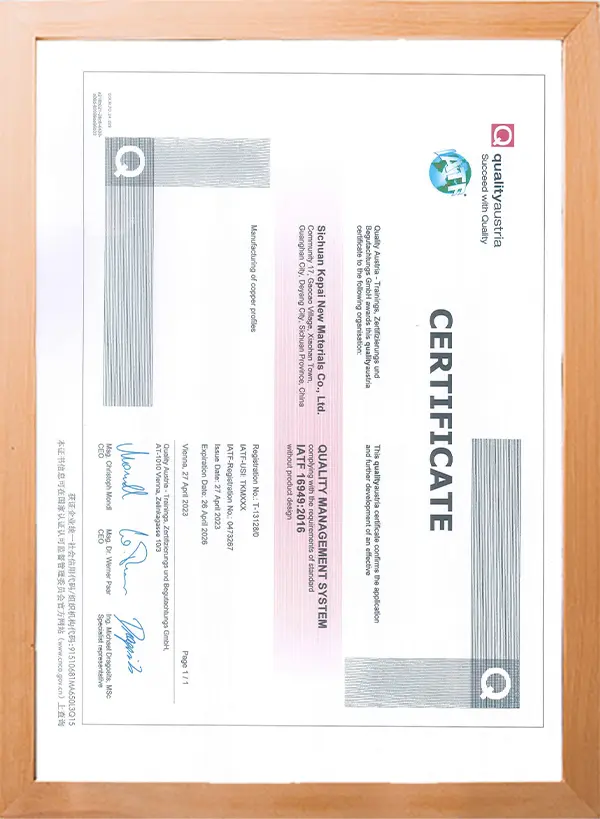
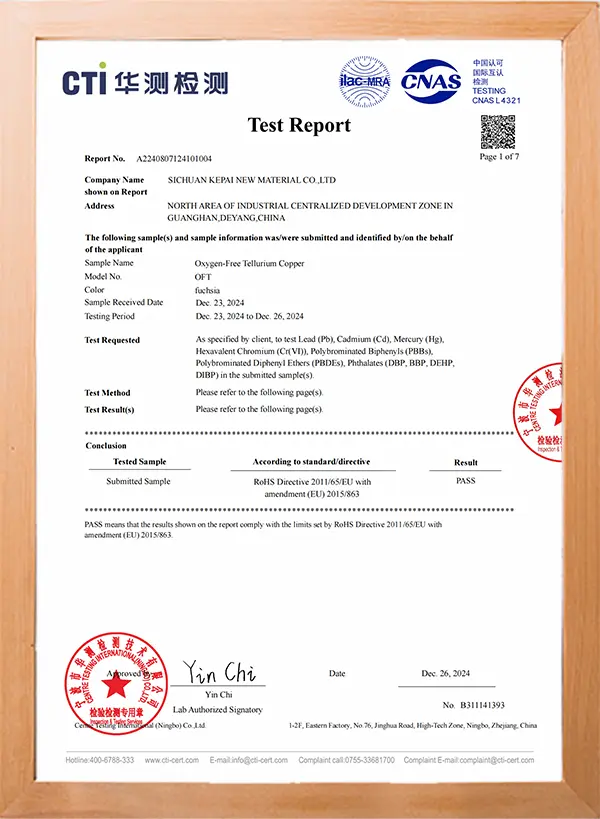
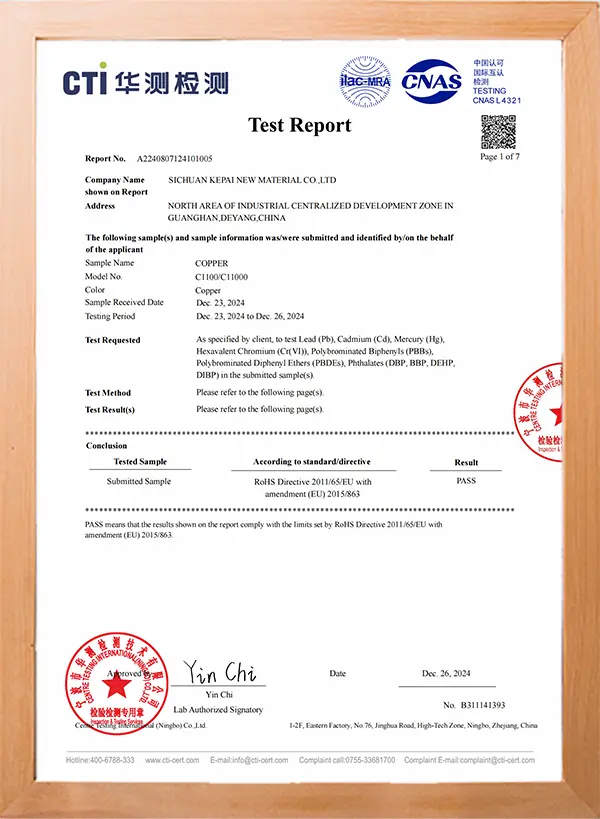
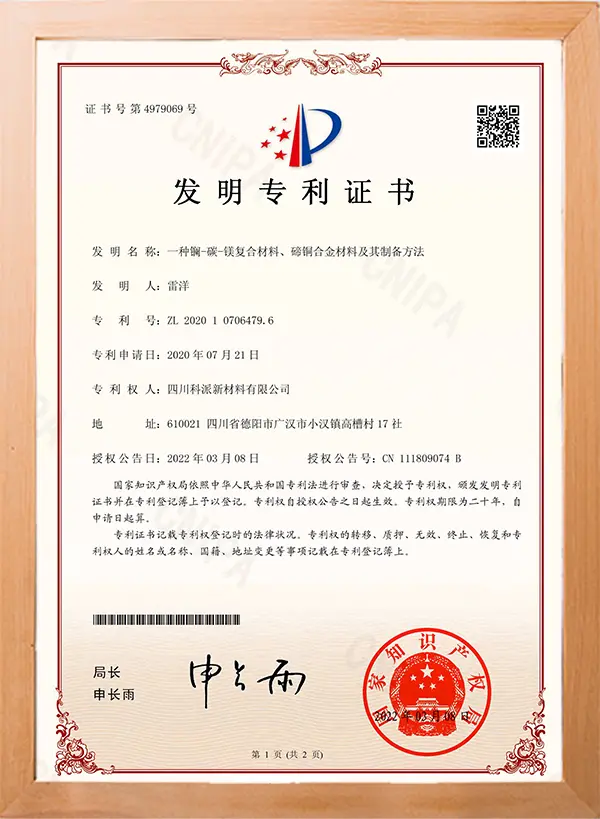
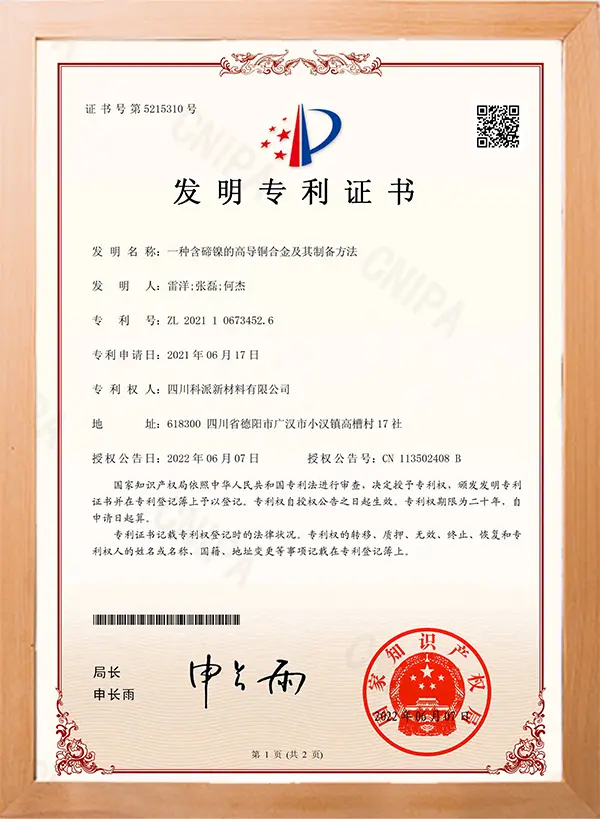
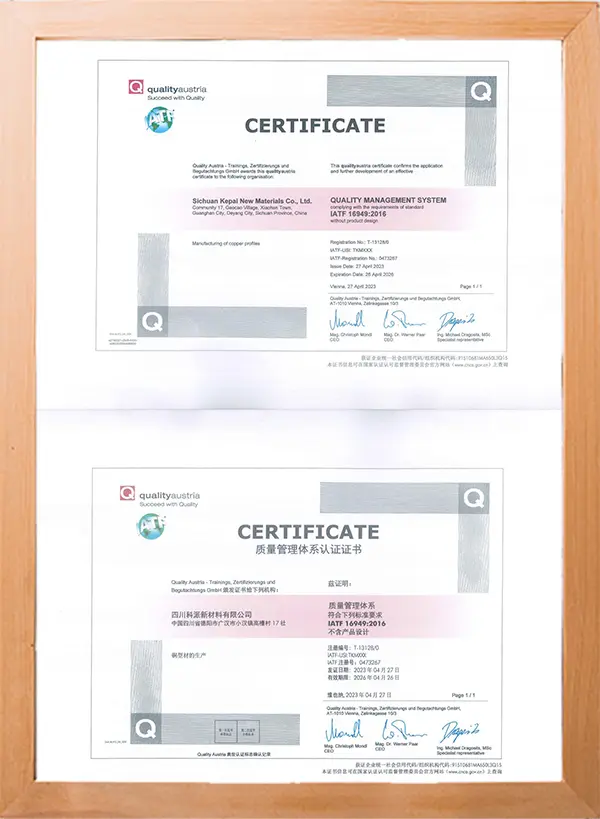
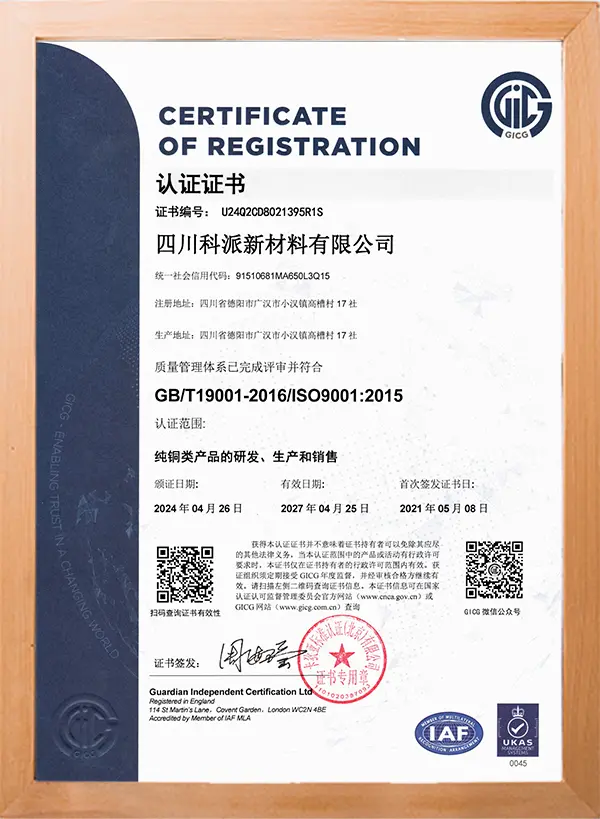
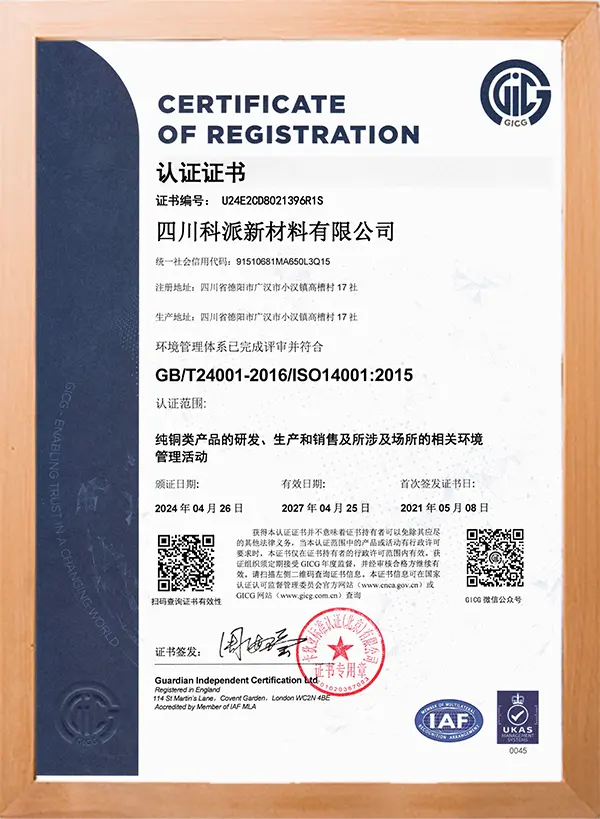
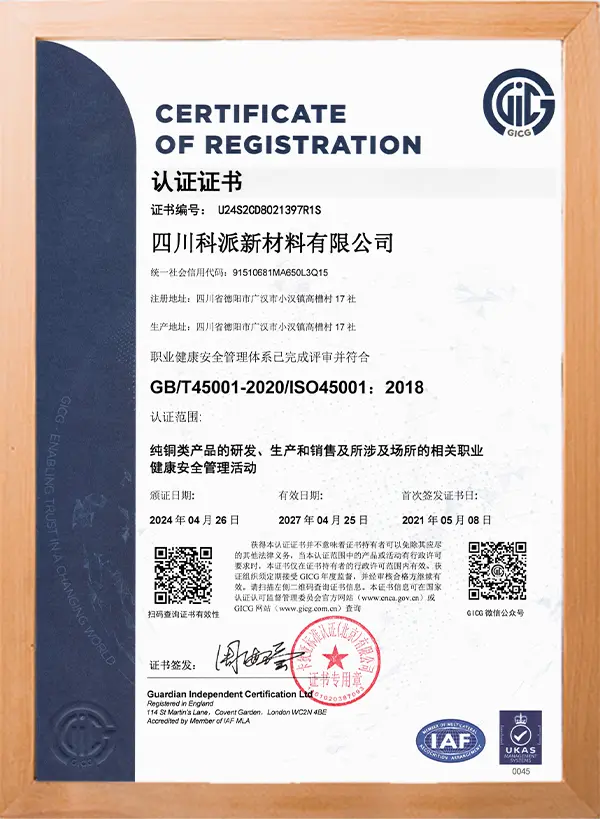
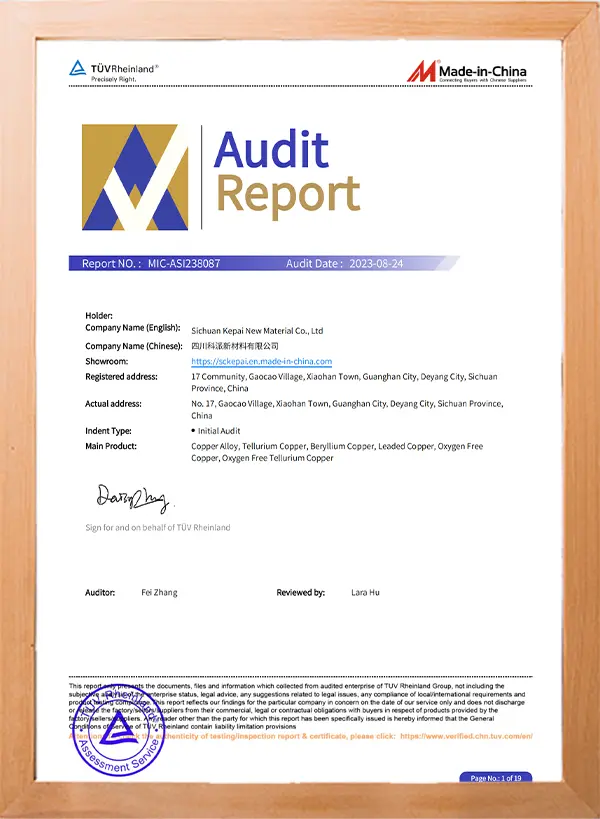
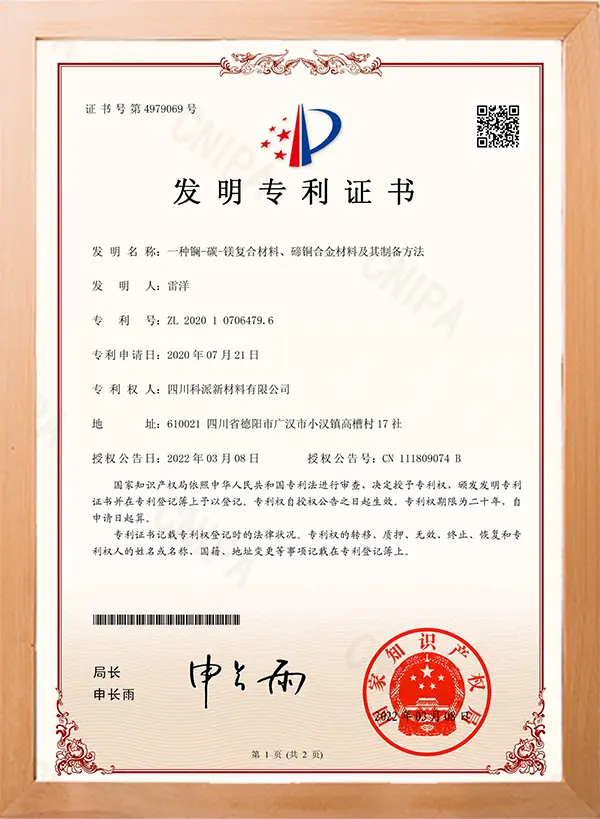
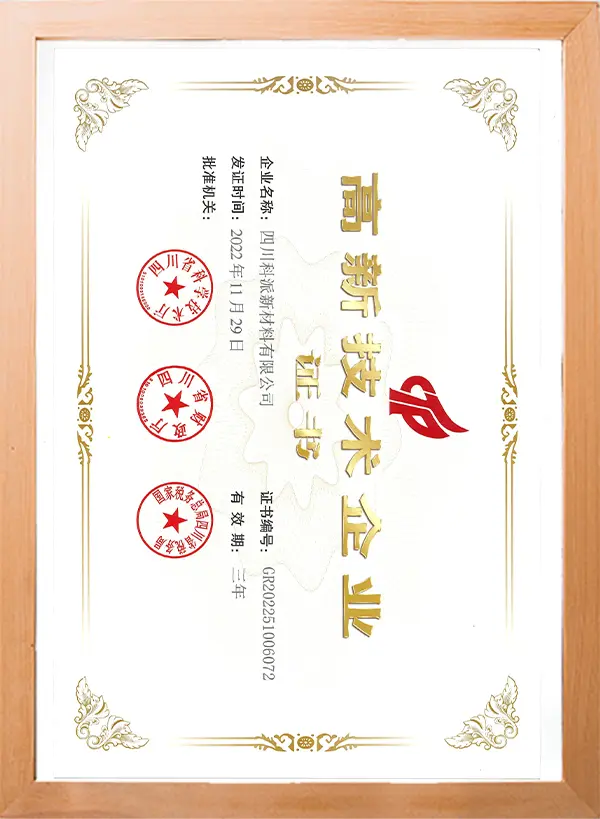
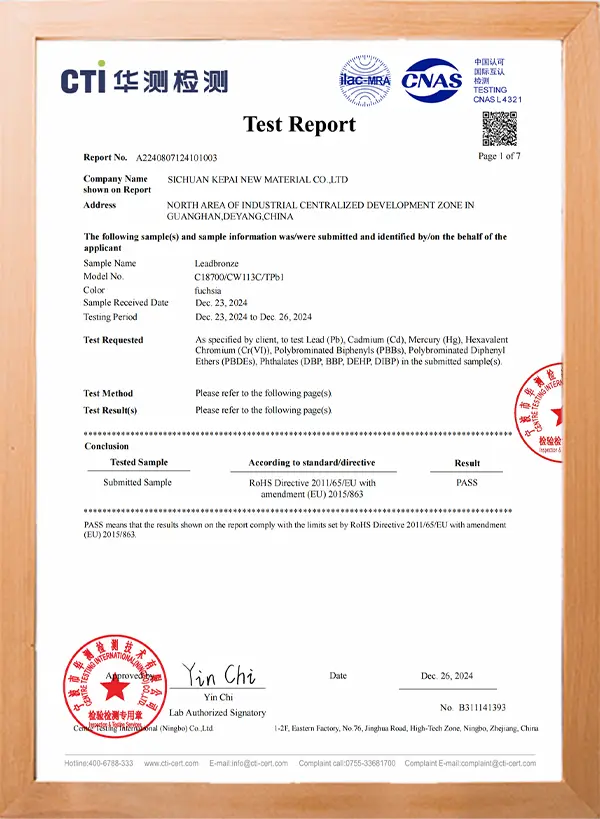
Sichuan Kepai supports manufacturers across the Americas, Europe, and the Asia-Pacific region with comprehensive technical assistance and reliable supply chain logistics. We ensure full compliance with international standards, helping simplify your procurement and manufacturing processes.
Our logistics and technical support services include:
Answers to common engineering, procurement, and metallurgical questions about C11000 ETP Copper.
Explore our specialized copper and brass alloy products, manufactured for high-strength, electrical conductivity, and precision engineering.
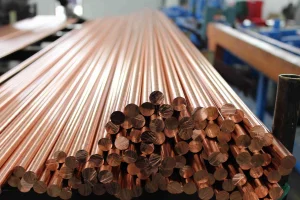
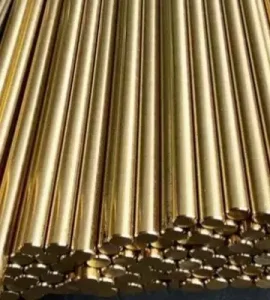
Sichuan Kepai New Materials provides high-purity copper products and custom alloy formulations to support your production requirements. Contact our team to discuss your project needs and request a quote.
 Kepai
Kepai