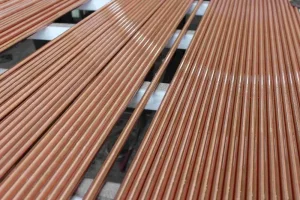
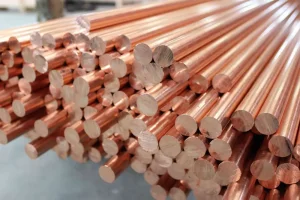
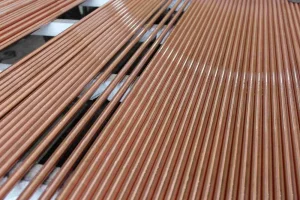
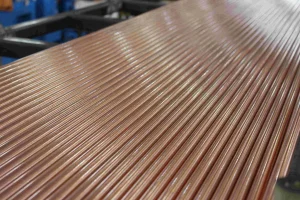
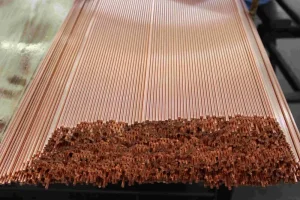
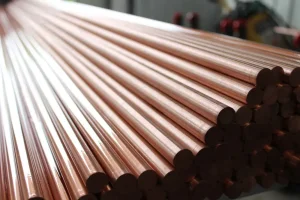
Portugal’s industrial landscape is undergoing a significant transition. Driven by robust clusters in the Norte region (around Porto), the Centro region (including the mold-making capital of Marinha Grande), and the automotive hub in Palmela, Portuguese precision engineering requires materials that meet rigorous mechanical and thermal standards. The automotive sector, anchored by Autoeuropa and its vast tier-1 supply network, demands high-performance electrical connectors, sensors, and structural relays capable of sustaining rapid electric vehicle (EV) transformation trends.
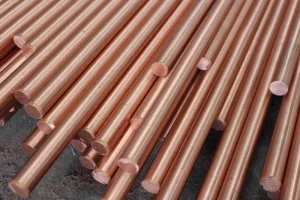
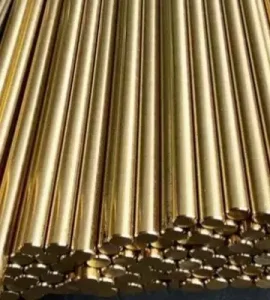
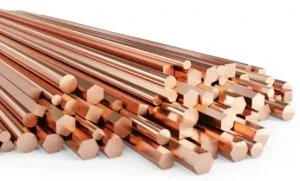
In high-speed CNC turning and electronic component fabrication, the choice of raw materials dictates tool wear, cycle time, and electrical efficiency. C14700 Sulfur Copper has emerged as the premier choice, balancing excellent electrical conductivity (minimum 85% IACS) and superior machinability (rating of 85 compared to standard free-cutting brass). By utilizing sulfur as a chip breaker instead of lead, C14700 provides an ecologically responsible solution that aligns with the European Union’s RoHS and REACH directives, ensuring Portuguese manufacturers maintain access to international markets.

For decades, leaded brass (such as C36000) was the default standard for automatic screw machines. However, its low electrical conductivity (around 26% IACS) renders it unsuitable for modern power distribution, EV battery terminals, and high-frequency communication relays. Pure copper (C11000), while displaying 100% IACS conductivity, is notoriously difficult to machine due to its high ductility, causing long stringy chips that nest around the cutting tools, leading to premature tool failure and poor surface finishes.
C14700 Sulfur Copper solves this engineering bottleneck. By adding controlled amounts of sulfur (0.2% to 0.5%) to the copper matrix, cuprous sulfide (Cu2S) particles form, which act as natural stress concentrators. This causes the chips to shear easily and break into short, manageable curls without reducing the material's thermal and electrical properties. Below is a comparative metallurgical overview:
| Alloy UNS Designation | Electrical Conductivity (% IACS) | Machinability Rating | Primary Chip Breaker | RoHS Compliance Status |
|---|---|---|---|---|
| C14700 (Sulfur Copper) | 85% - 95% | 85 | Sulfur (Cuprous Sulfide) | Fully Compliant (Lead-Free) |
| C14500 (Tellurium Copper) | 90% - 98% | 85 | Tellurium | Compliant |
| C11000 (Electrolytic Tough Pitch) | 101% | 20 | None | Compliant (Poor Machinability) |
| C36000 (Free-Cutting Brass) | 26% | 100 | Lead | Restricted (Under RoHS review) |
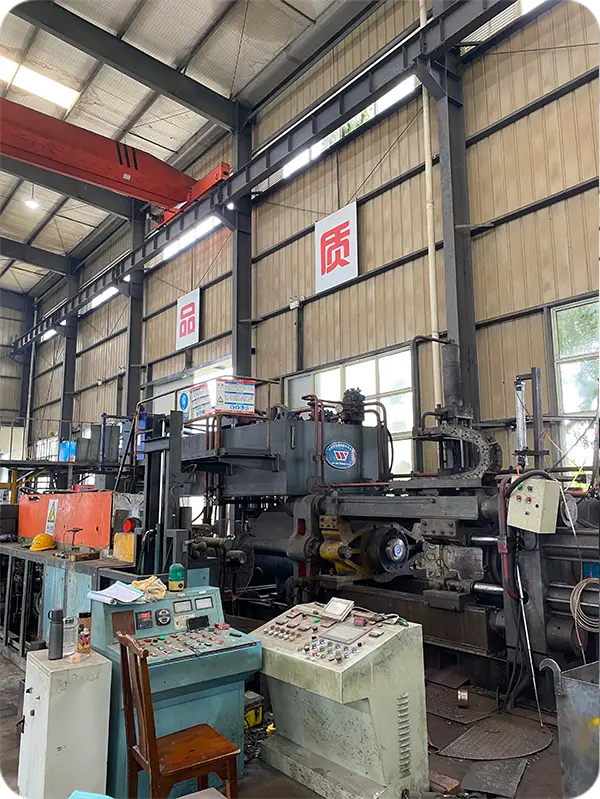
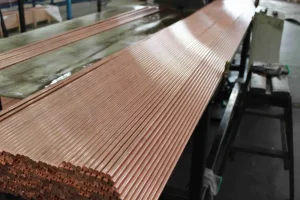
Sichuan Kepai New Material Co., Ltd. represents the absolute frontier of Chinese metallurgical innovation. Located in the Guanghan Industrial Development Zone, adjacent to crucial logistics nodes, the factory utilizes vertical integration to optimize lead times and maintain rigorous chemical consistency. By combining oxygen-free melting, continuous horizontal casting, and cold drawing processes under one roof, Kepai eliminates the supply chain fragmentation that often burdens Western mills.
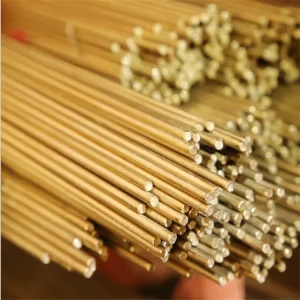
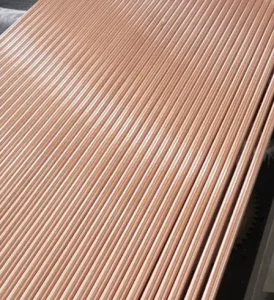
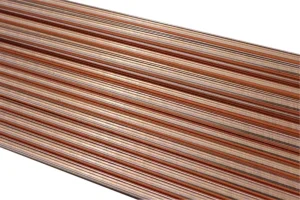
This integration is what enables us to supply Portuguese buyers with precision-drawn rods, tubes, and customized profiles at a highly competitive total cost of ownership (TCO). In-house quality control tools, including inline eddy current non-destructive testers and metallographic analysis labs, guarantee that every metric ton of C14700 Sulfur Copper matches or exceeds international ASTM B301 or EN equivalent standards. This level of process control ensures that high-speed CNC centers in Portugal experience zero structural defects, localized inclusions, or dimensional fluctuations.
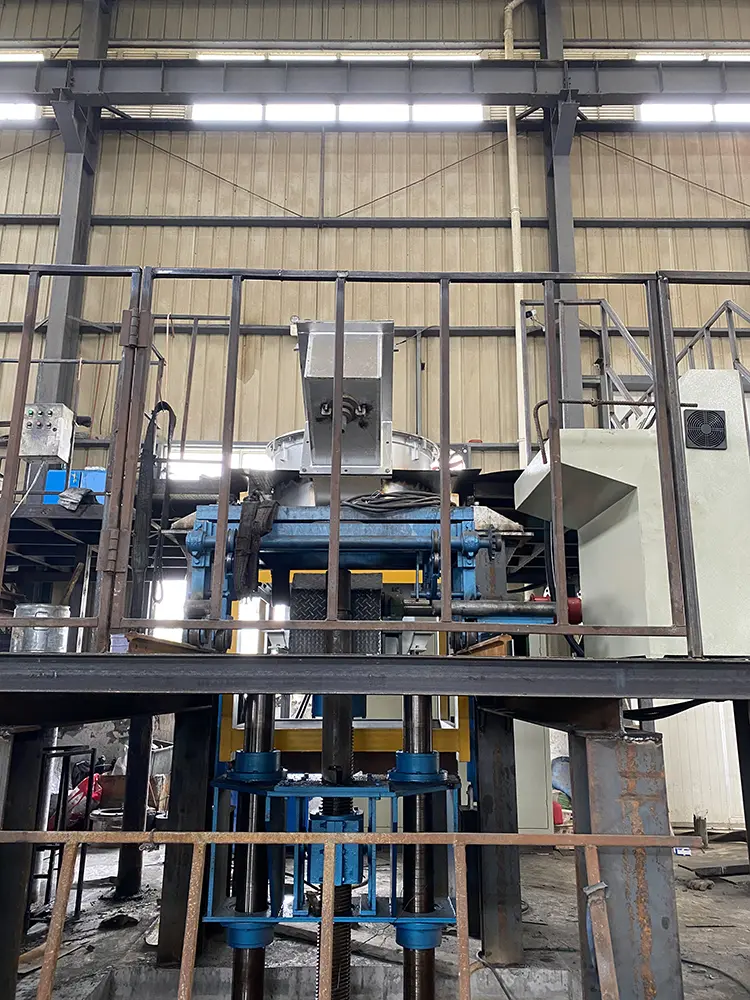
Oxygen-Free Smelting Furnace
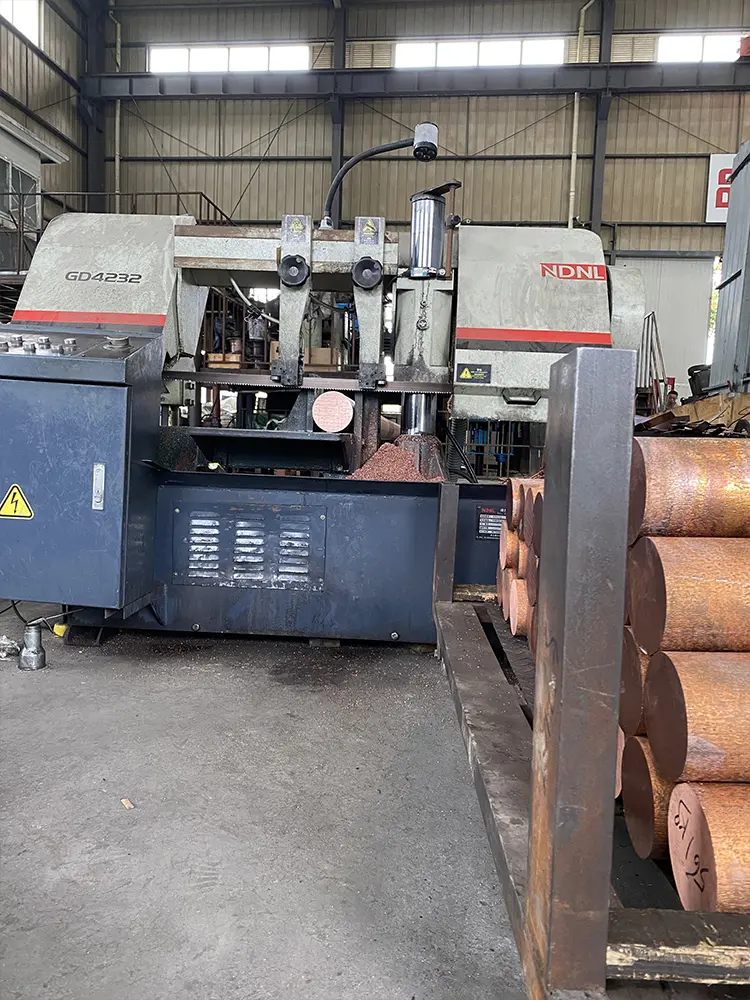
Precision Laying-off Systems
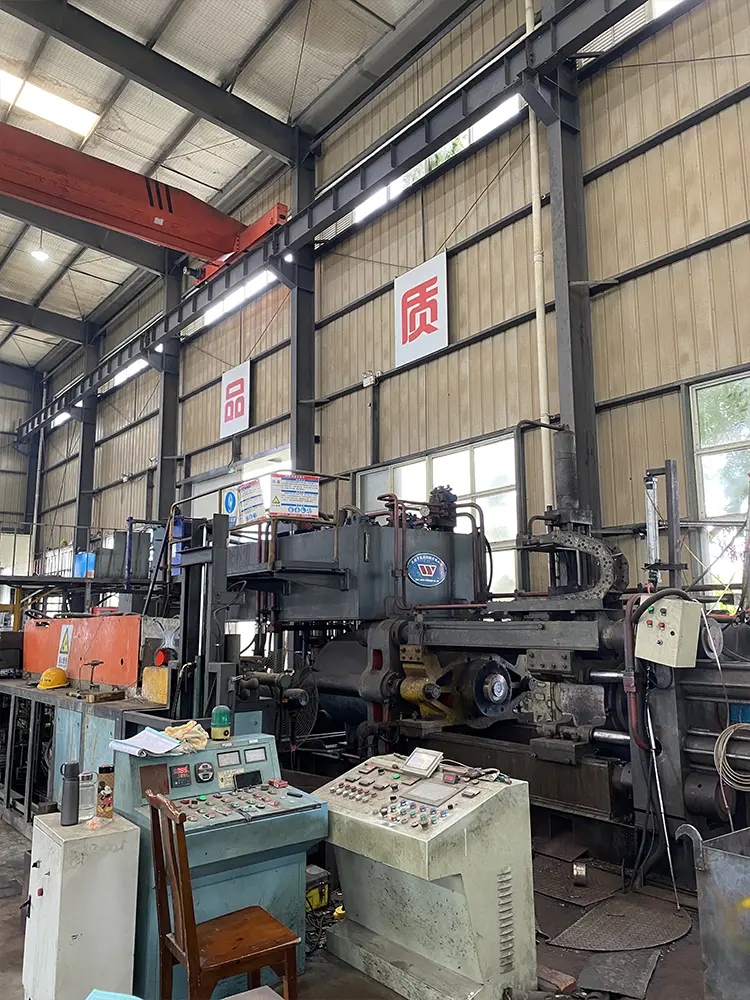
Heavy Extrusion Line
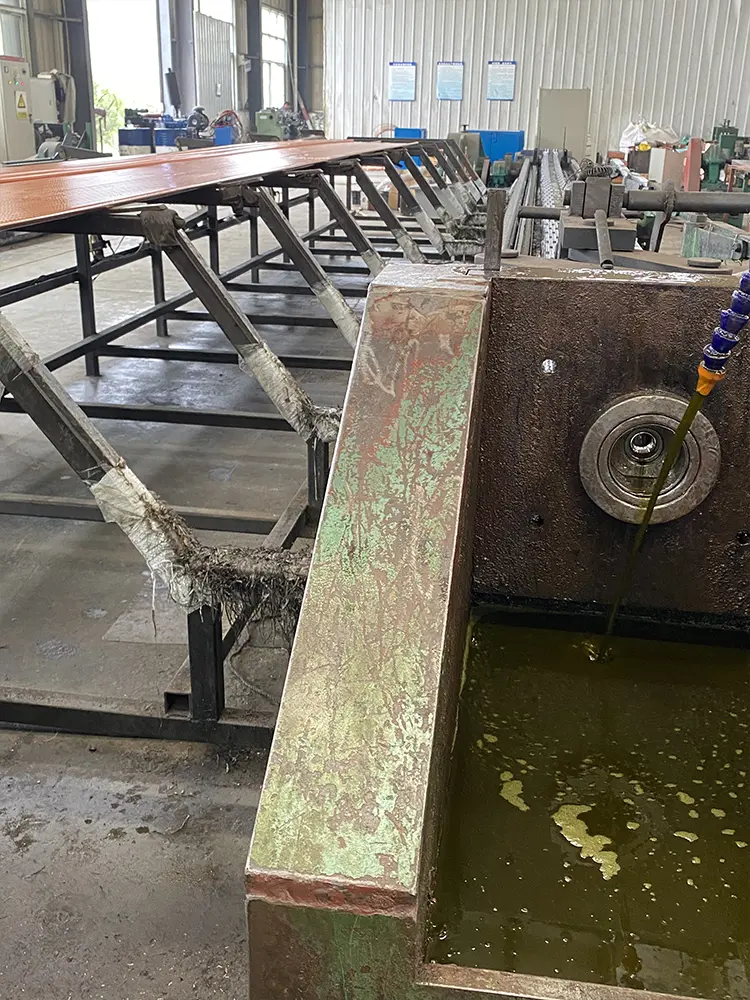
Cold Drawing Facilities
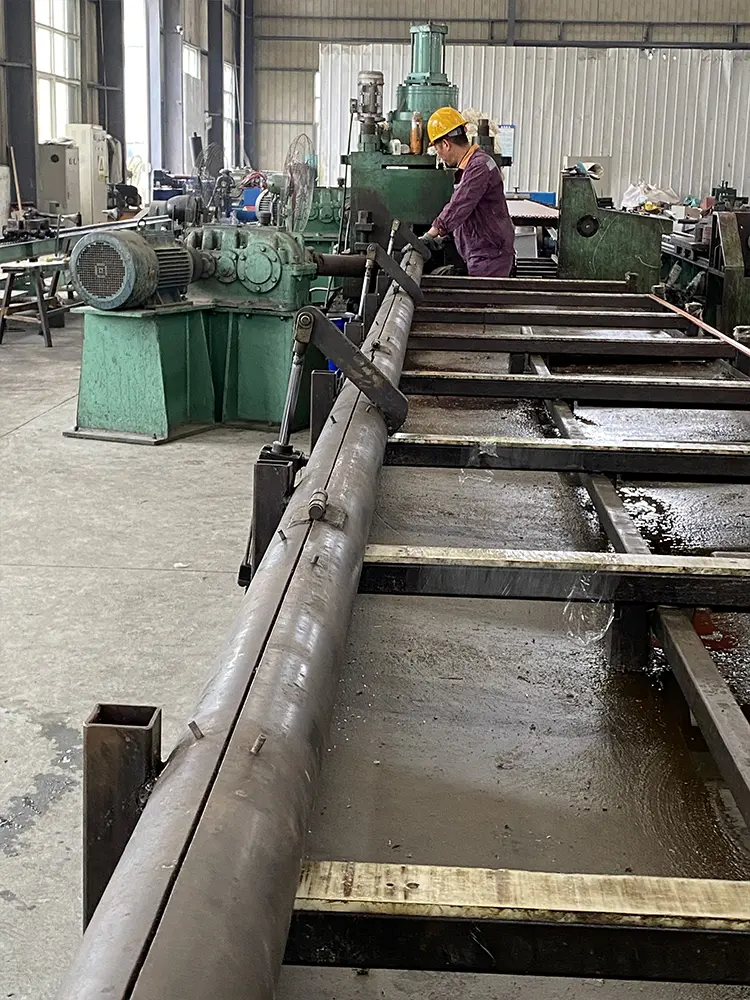
Automatic Straightening Machine
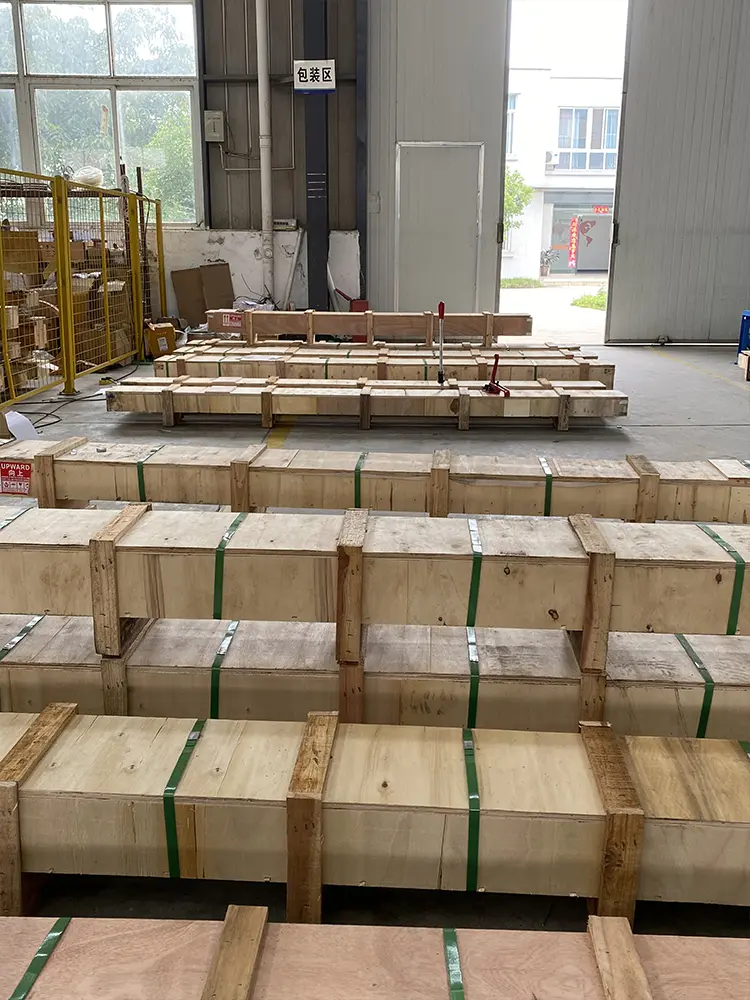
Export Standard Packaging Section
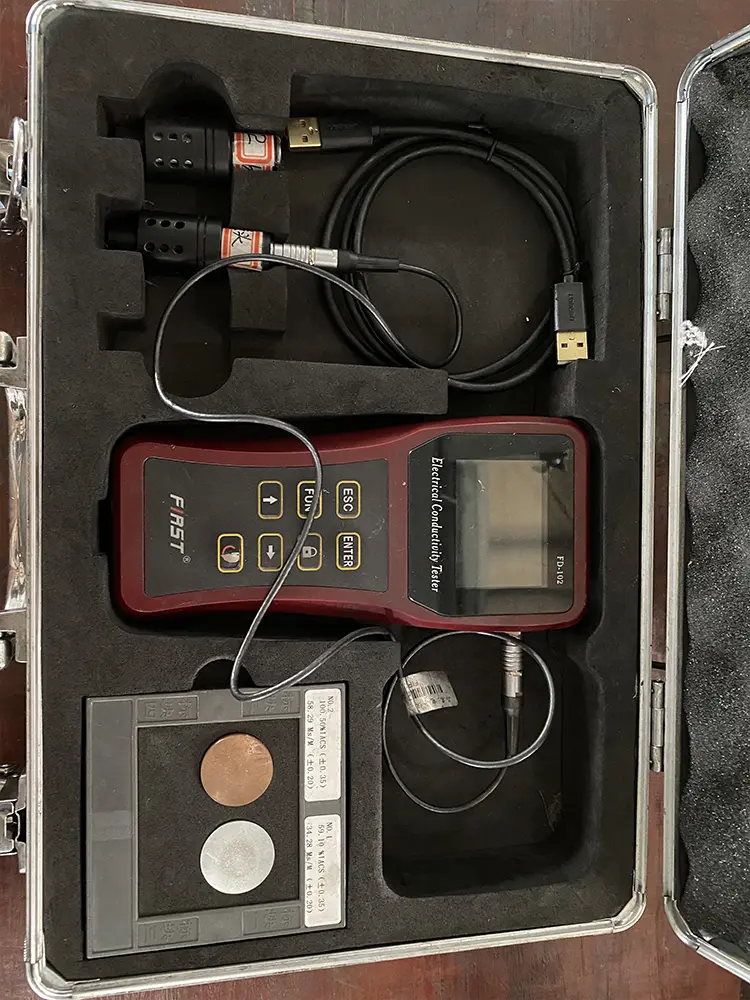
Eddy Current Conductance Analyzer
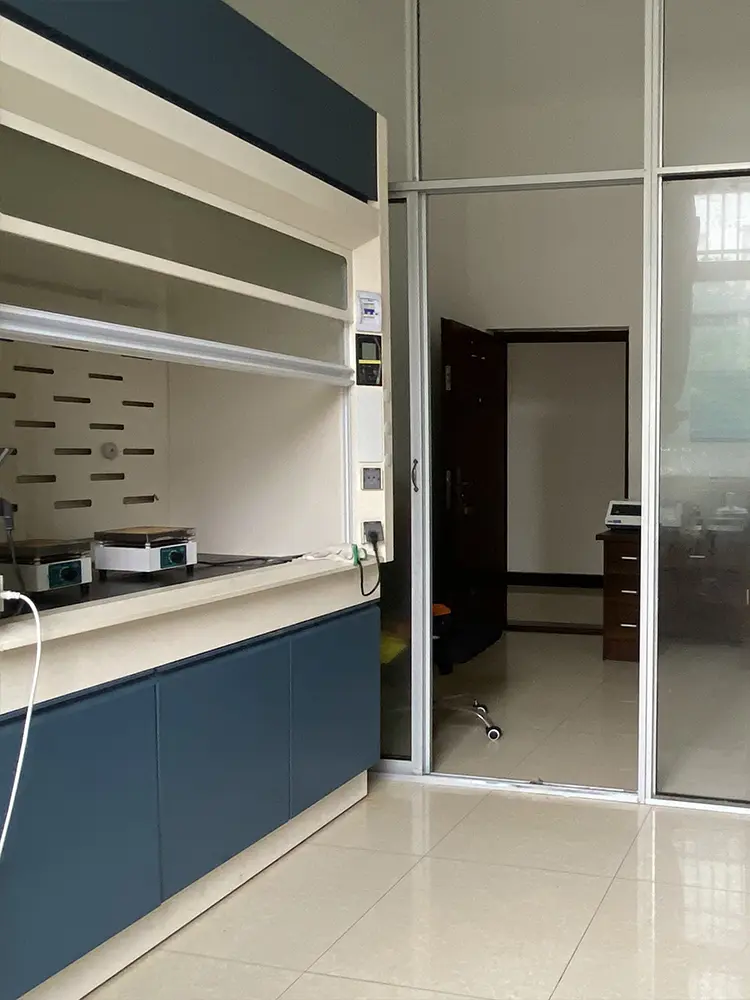
Chemical Composition Testing Laboratory

Metallographic Polishing Machine
The industrial landscape in Portugal requires tailored copper alloy solutions optimized for specific operating environments:
Under the EU Green Deal, Portugal is accelerating the deployment of public charging networks. Sulfur copper is the critical base alloy for EV charging gun contacts, high-voltage busbars, and distribution terminal blocks. Its combination of 85%+ conductivity and high mechanical strength prevents overheating during ultra-rapid DC charging cycles (150kW+).
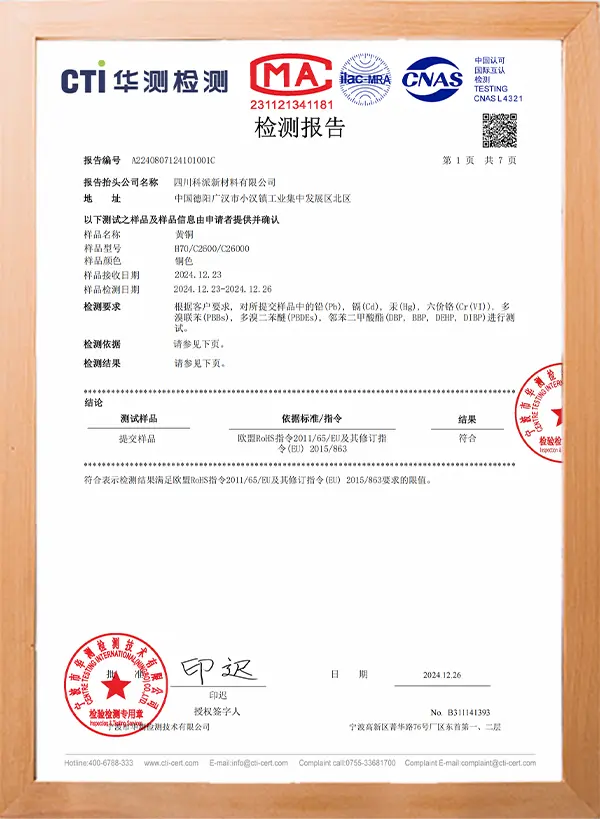
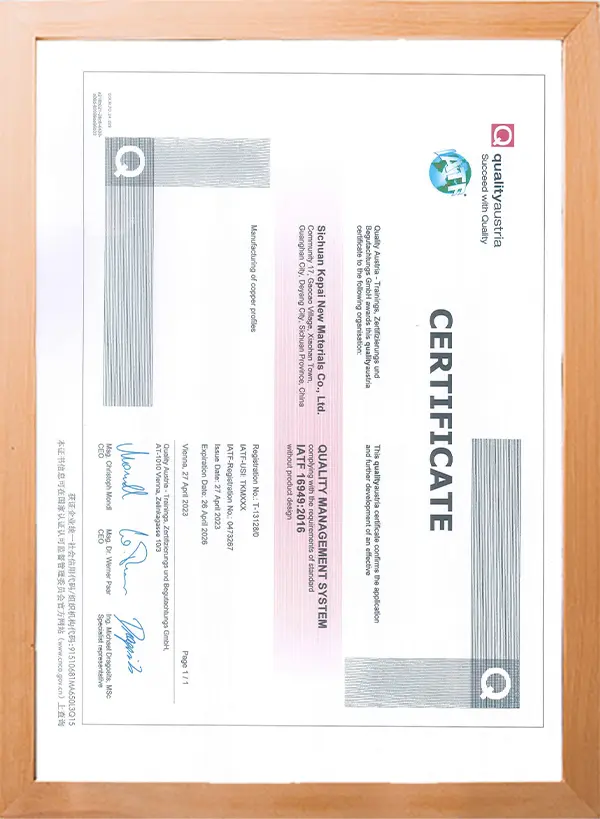
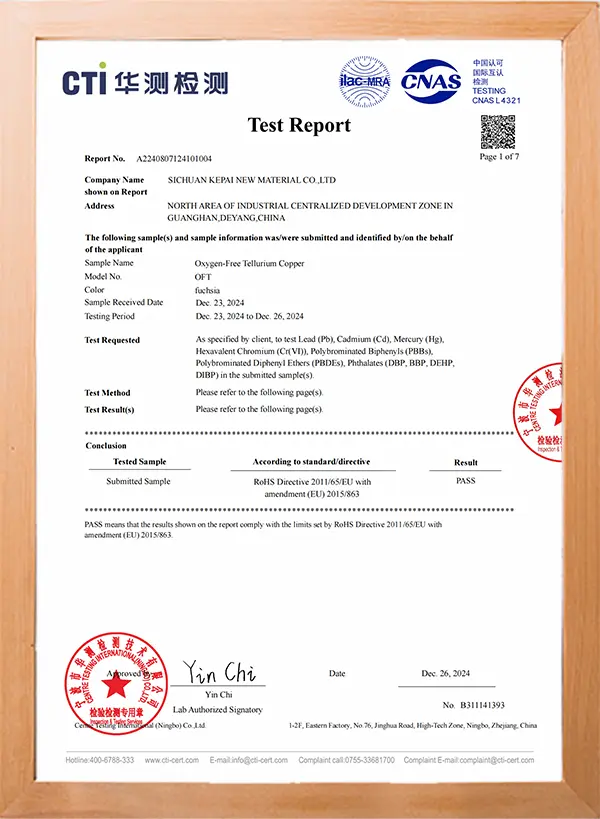
Our manufacturing facility operates under the strictest international regulatory oversight, validating our compliance with ISO 9001 and environmental protection regulations.
Reduce downtime and enhance conductivity for your electronic and automotive parts. Contact our metallurgical engineering team today for technical advice, dimension catalogs, and free quotes delivered straight to your operations in Portugal.
Send Inquiry Now Kepai
Kepai