Engineered to deliver exceptional wear resistance, high thermal stability, and low coefficient of friction under extreme mechanical load conditions.
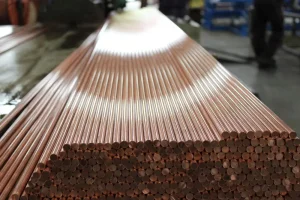
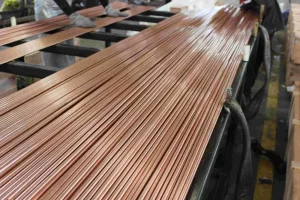
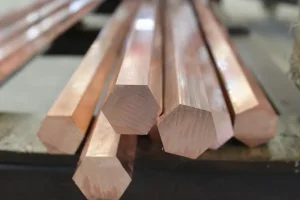
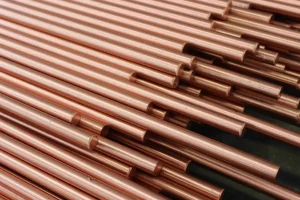
Belgium sits at the geographic and logistical center of Western Europe. Its economy is deeply integrated with global trade, driven by modern infrastructure like the Port of Antwerp-Bruges—the second largest seaport in Europe—and critical industrial zones across Flanders and Wallonia. The country hosts sophisticated mechanical engineering sectors, automotive assembly plants, marine operations, and aerospace clusters.
In these demanding industrial environments, machinery components are constantly subjected to extreme conditions. Mechanical components such as turbine shaft bushings, port crane articulating joints, planetary gear assemblies, and high-speed locomotive journal bearings require materials that can survive high friction, significant radial pressures, and corrosive atmospheres. Lead Bronze (particularly alloys like CuSn10Pb10 / C93700 and CuSn7Pb15 / C93800) remains a critical metallurgic necessity for these setups. The specific tribological characteristics of lead bronze provide high plastic compliance and self-lubrication, ensuring that heavy industrial gear operating in Antwerp's chemical terminals or Wallonia’s steel mills continues to perform without sudden catastrophic seizures.
At a metallurgical level, lead bronze is a heterogeneous copper alloy containing tin and lead as major alloying elements. While tin acts as a solid solution strengthener in the copper matrix—forming hard alpha-dendrites that bear the mechanical load—lead remains insoluble in the copper-tin solid solution. During solidification, lead aggregates in the interdendritic channels, dispersing throughout the copper matrix as fine, microscopic globules.
When sliding contact occurs, frictional heat causes a microscopic volume of lead to soften and migrate to the contact surface, forming a thin, continuous lubricant film. This self-lubricating mechanism dramatically lowers the coefficient of friction and protects components in boundary lubrication states, which typically occur during machine start-up, shutdown, or when the external liquid lubricant film collapses due to sudden shocks.
Additionally, lead bronze offers excellent "embeddability." This is the material's capacity to absorb abrasive foreign particles (such as metallic debris, dust, or combustion products) into its soft matrix, preventing these hard contaminants from scoring the mating shaft. This property is crucial in Belgian marine and material handling sectors where open-air operations often lead to grit contamination.
Established in 2017, Sichuan Kepai New Materials Co., Ltd. is a high-tech manufacturing enterprise integrating research, development, casting, and precision finishing of special copper alloys.
Covering an expansive 9,000 square meters of advanced manufacturing facilities and 1,000 square meters of administrative centers, we develop high-conductivity oxygen-free copper, tellurium copper, chromium zirconium copper, beryllium copper, and lead bronzes. Our products are exported to demanding industries globally, supporting fields such as electric vehicles, aerospace systems, high-speed rail, laser processing, and precision CNC components.
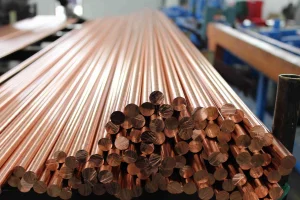
By situating our operations near major transport corridors in Sichuan, we streamline raw material procurement and export logistics. We offer customizable material compositions, custom billet casting, extruded rods, and finished machined components tailored to meet DIN, EN, ASTM, and ISO standards.
Procurement teams in Brussels, Ghent, and Liège face a complicated global landscape when sourcing lead bronze alloys. Raw copper and lead pricing are subject to London Metal Exchange (LME) volatility, which requires suppliers to maintain agile pricing and robust stock levels.
Furthermore, the European Union's REACH and RoHS regulations have placed heavy restrictions on lead contents in materials. However, certain industrial exemptions remain for heavy-duty sliding elements, bearings, and marine systems where no viable lead-free alternative matches the emergency run properties of lead bronze. In these situations, procurement managers must partner with transparent manufacturers who provide verifiable Mill Test Certificates (MTCs), raw material traceability, and precise chemical mapping. This ensures full legal compliance and prevents supply chain delays at Belgian customs.
At Sichuan Kepai, we support our European partners with complete metallurgical transparency. Every shipment is backed by chemical assay analyses performed via optical emission spectrometry, physical property verification, and formal compliance declarations.
The modern industrial model requires more than just low-cost manufacturing; it demands consistent quality, flexibility, and supply chain reliability. Sichuan Kepai’s manufacturing facility is designed around Factory 4.0 concepts, incorporating automated melt-monitoring, continuous horizontal casting lines, and digital process controls.
Our casting lines utilize continuous casting processes that prevent lead segregation—a common defect in traditional gravity casting where gravity causes lead to sink to the bottom of the casting mould. By maintaining controlled solidification speeds and thermal zones, we achieve a highly uniform dispersion of lead particles within the copper-tin matrix. This process-level consistency translates to uniform machining behavior and reliable wear performance during field service in Belgium.
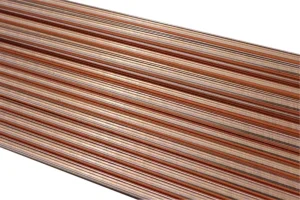
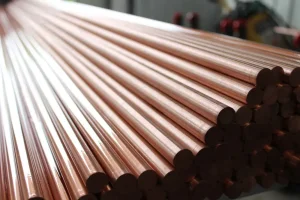
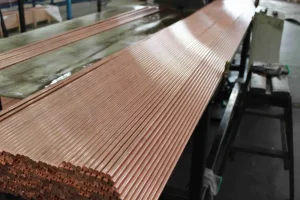
Our digital quality control framework tracks each batch from the melting furnace through extrusion, cold drawing, straightening, and packaging. This end-to-end monitoring guarantees that every rod, hollow bar, or custom component matches our customer's technical specification.
The operational requirements for copper alloys vary across Belgium’s industrial regions:
A high-tech manufacturing system designed to provide consistent material performance, strict tolerances, and flexible customization.
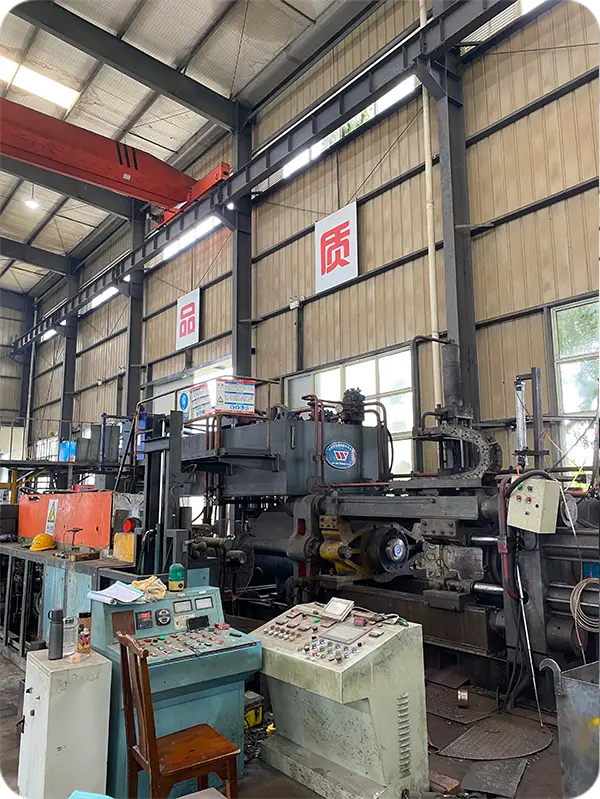
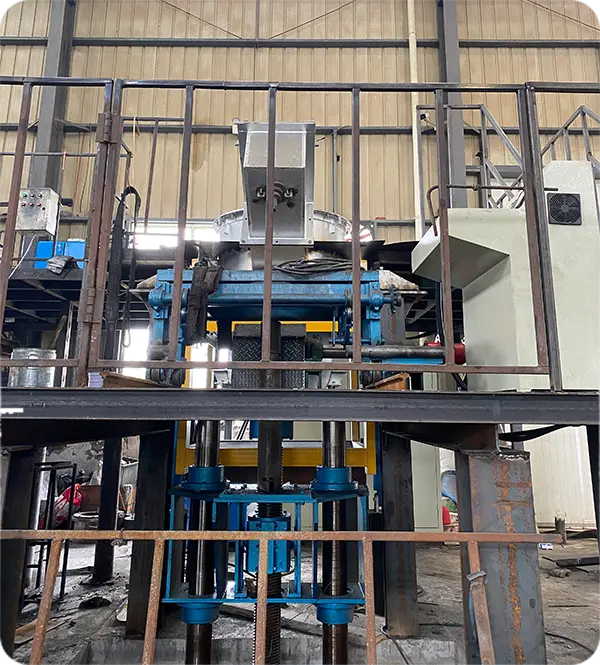
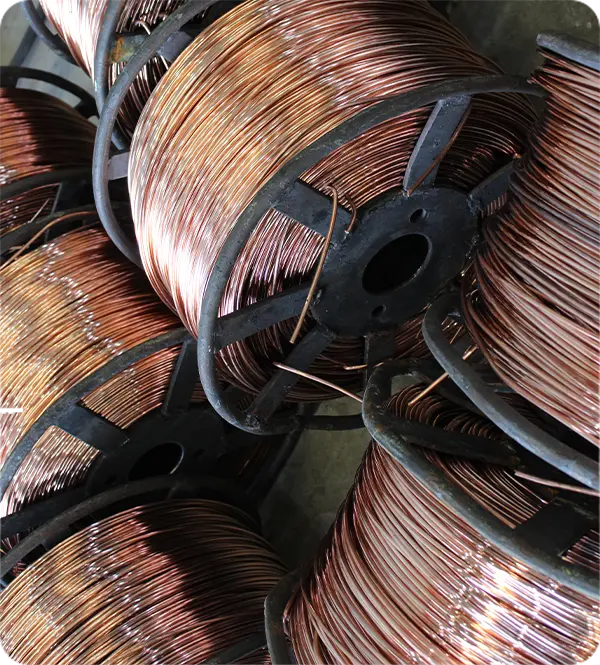
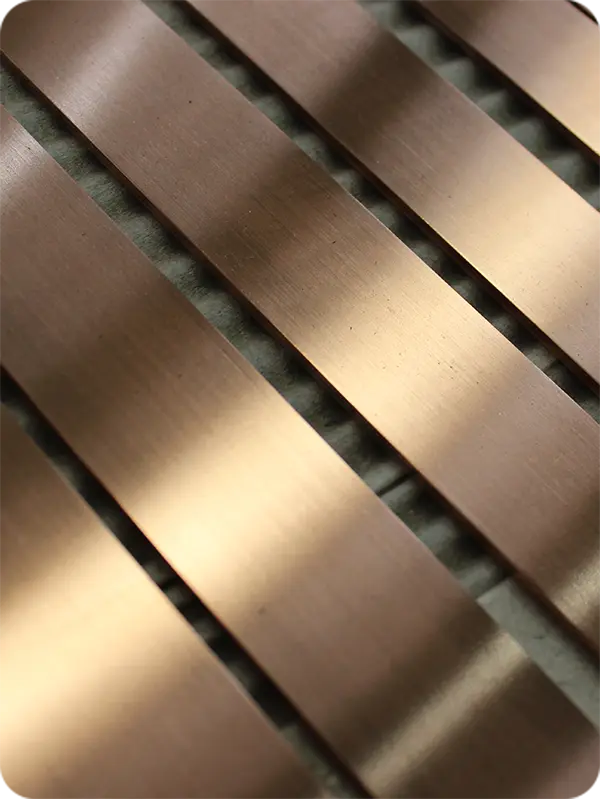
Sichuan Kepai maintains a dedicated R&D team composed of senior metallurgical engineers and industry experts. In addition to standard lead bronze alloys, we focus on high-conductivity tellurium copper, lead copper, and sulfur copper alloys.
Our technological achievements have been applied in new energy vehicle charging systems, plasma cutting torches, electrical relays, and high-voltage energy storage systems. Our integration of independent research and university-level collaborative partnerships allows us to adapt alloy compositions to resolve custom tribological challenges.
We supply Belgian manufacturing companies with tailored materials to optimize their production efficiencies, reduce machining tool wear, and improve the lifetime of mechanical sub-assemblies.
Certified processes conforming to ISO standards to verify traceability and performance.
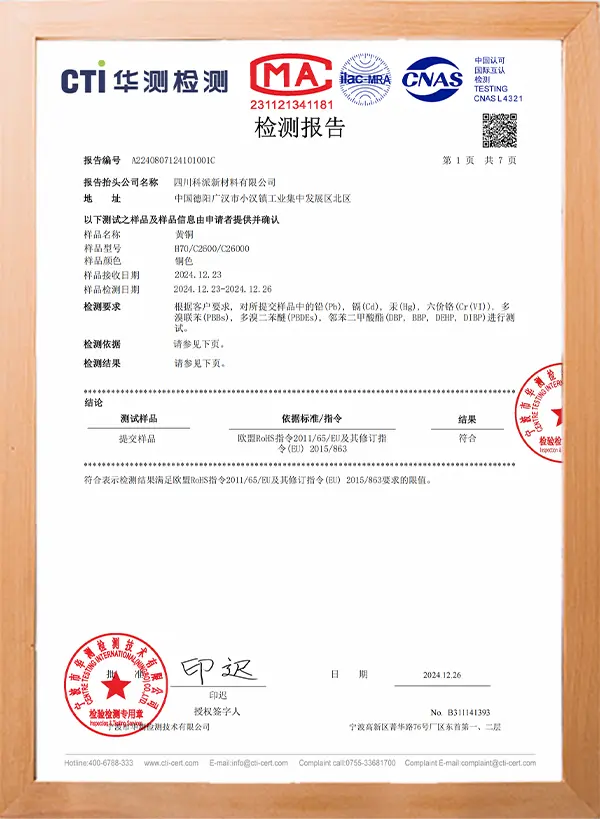
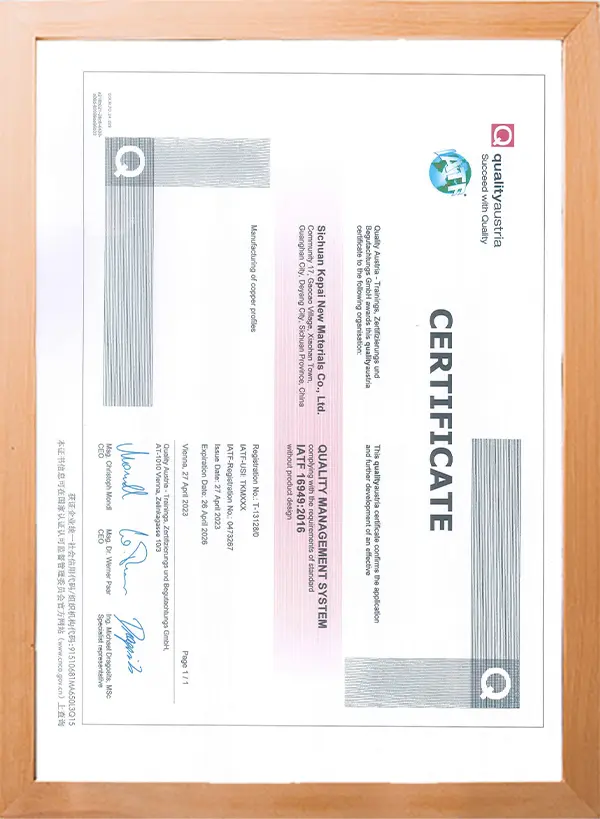
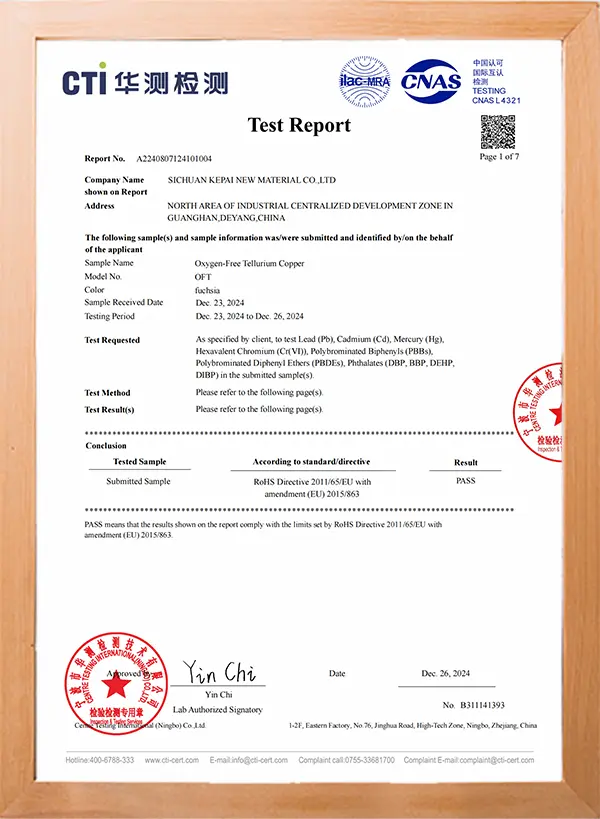
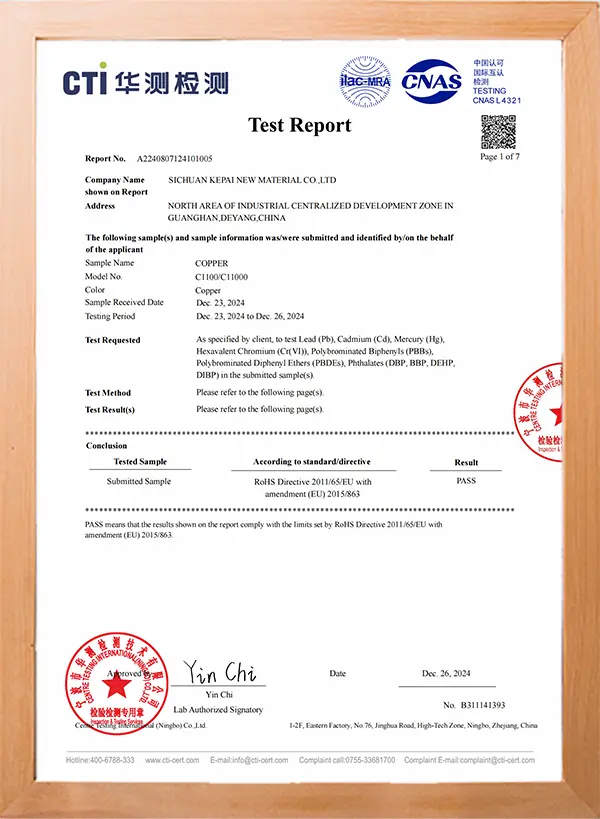
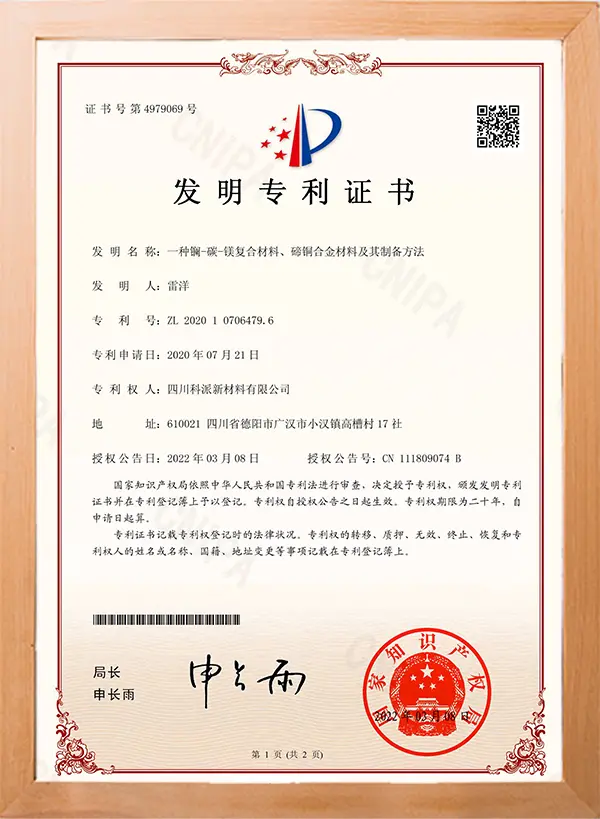
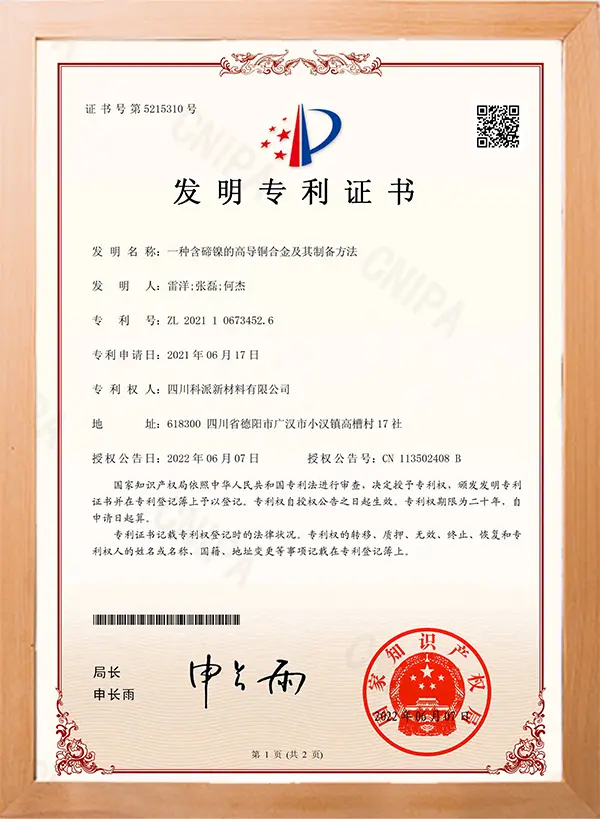
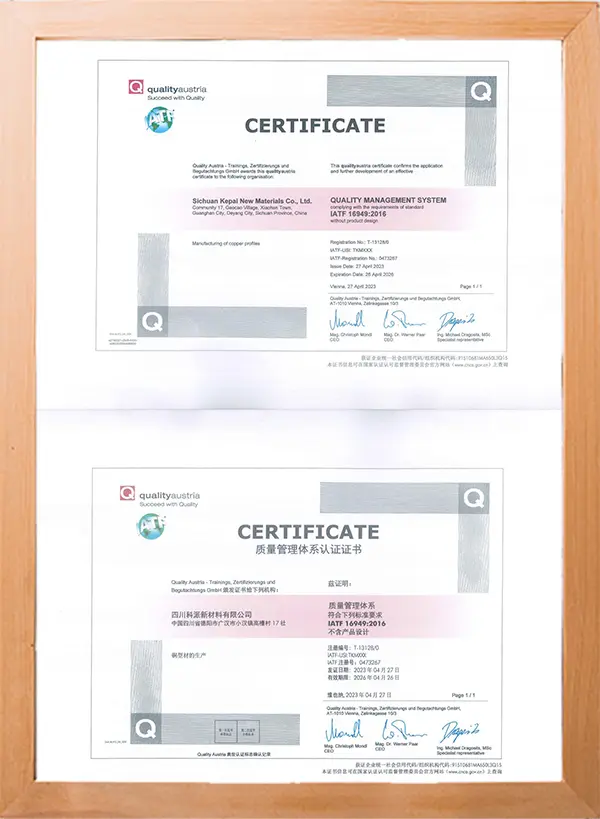
Precision casting, mechanical profiling, and metallurgical testing tools.
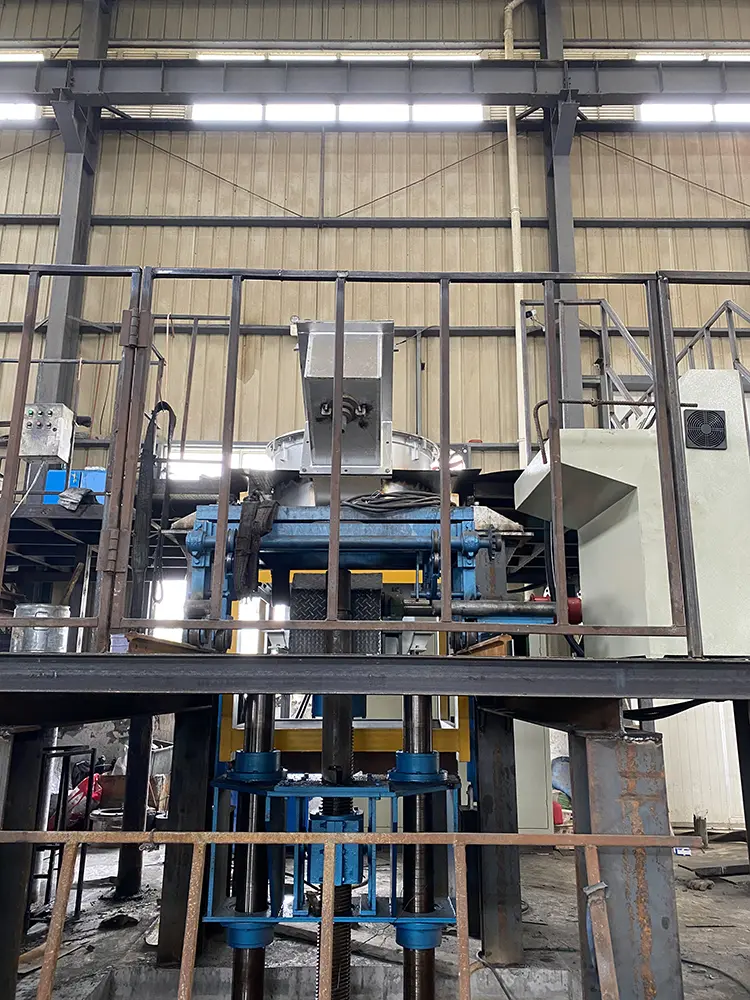
Smelting Facilities
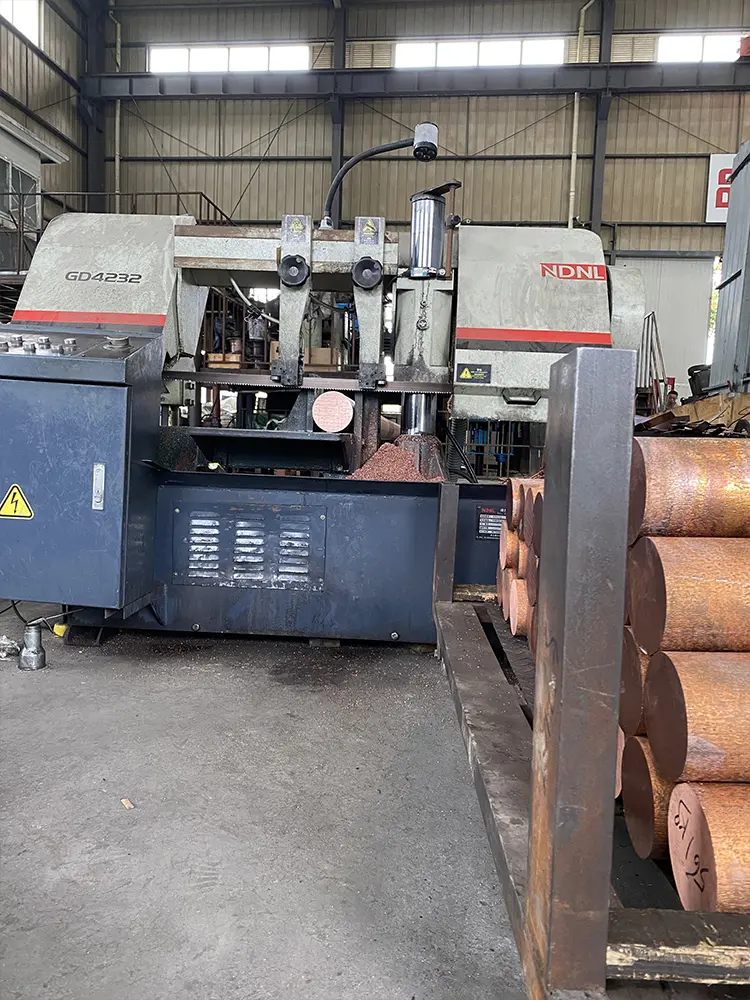
Laying-off Station
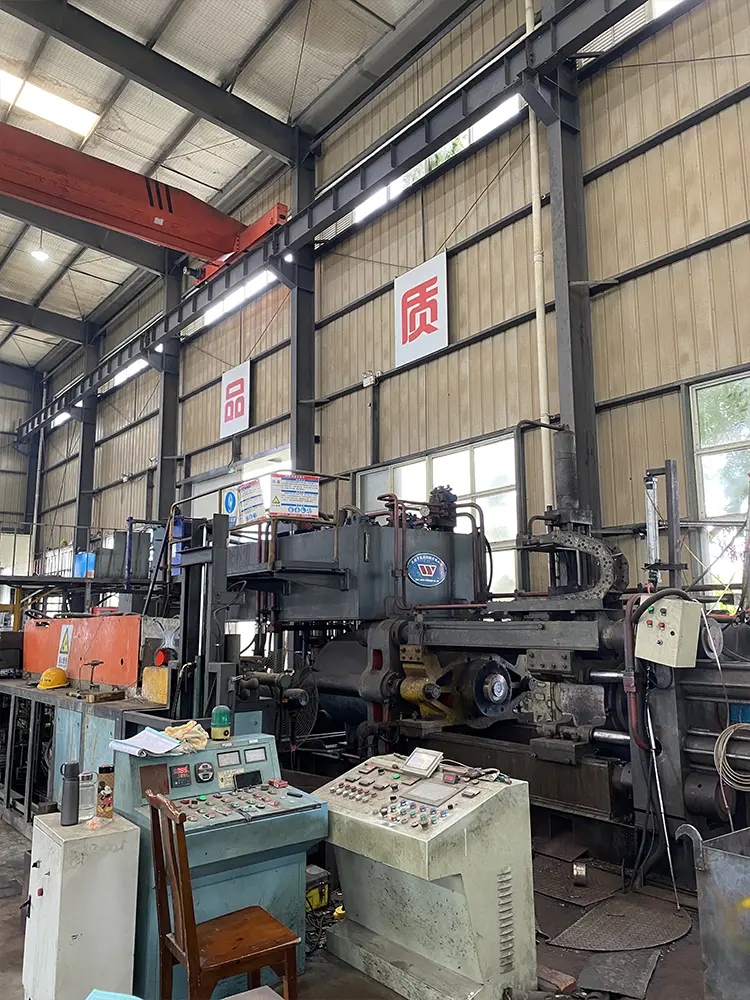
Extrusion Processing
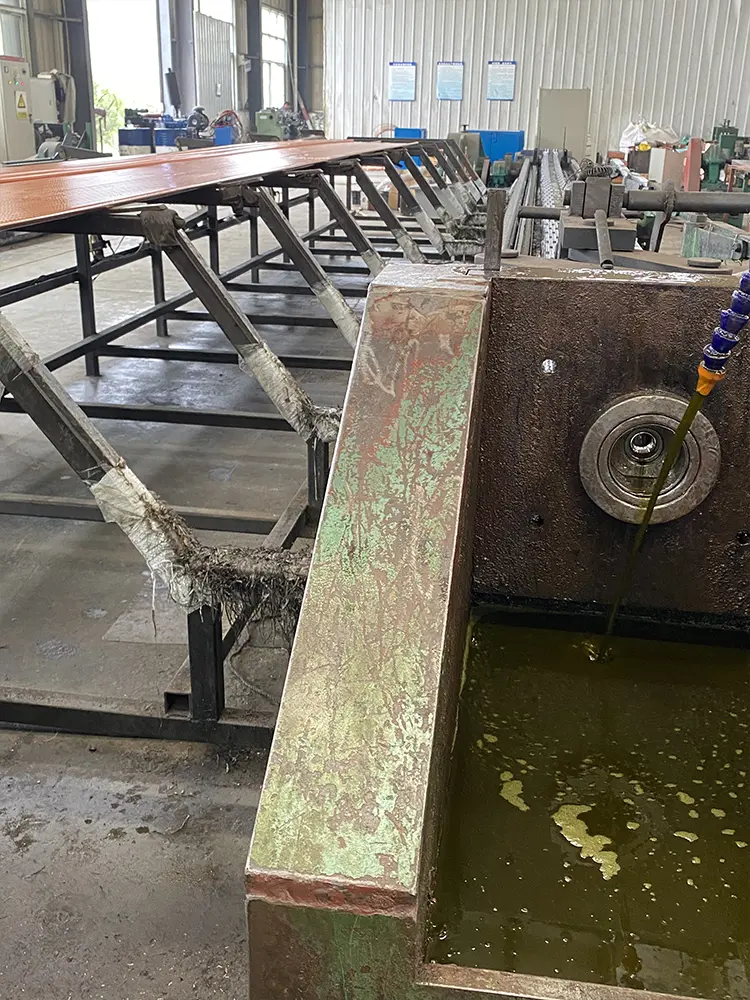
Cold Drawing Line
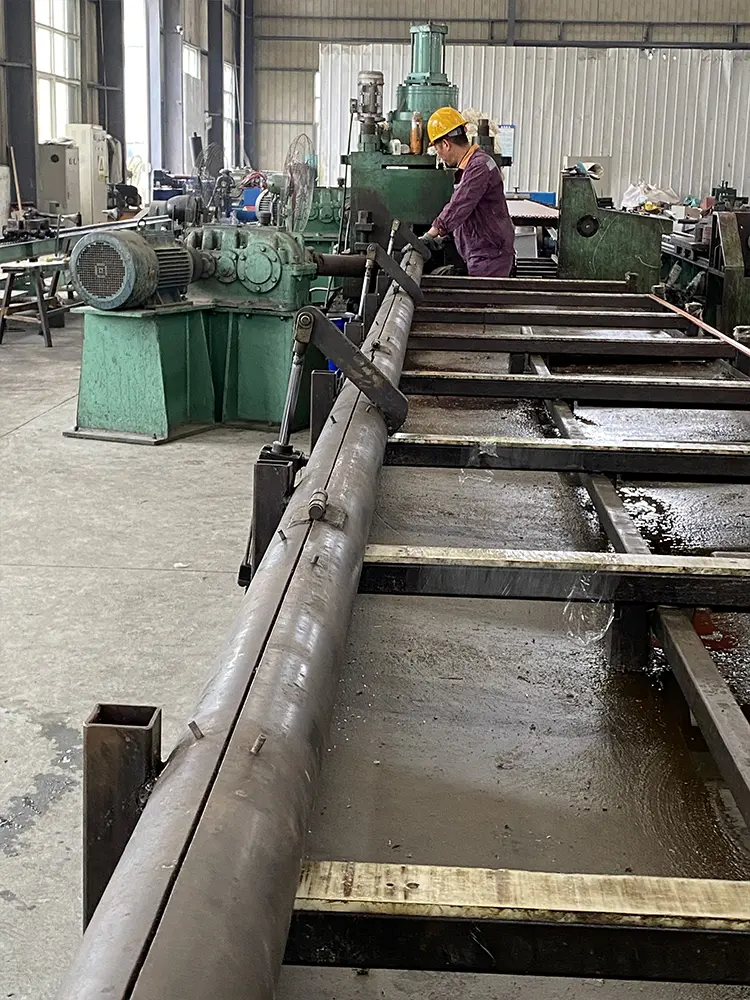
Straightening Equipment
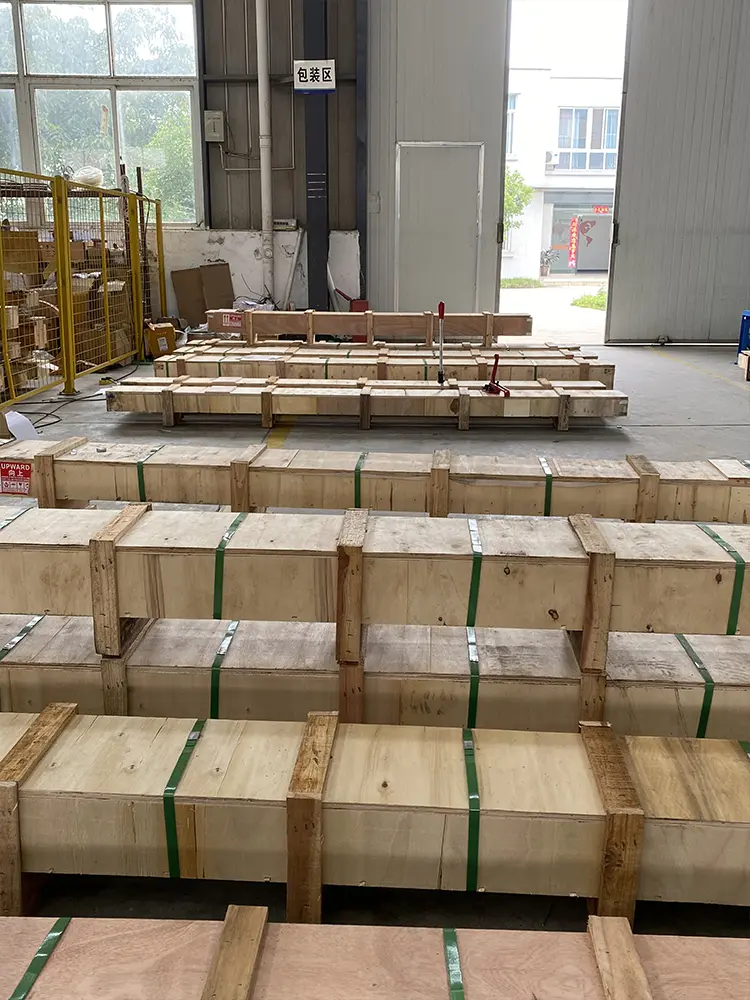
Protective Packaging
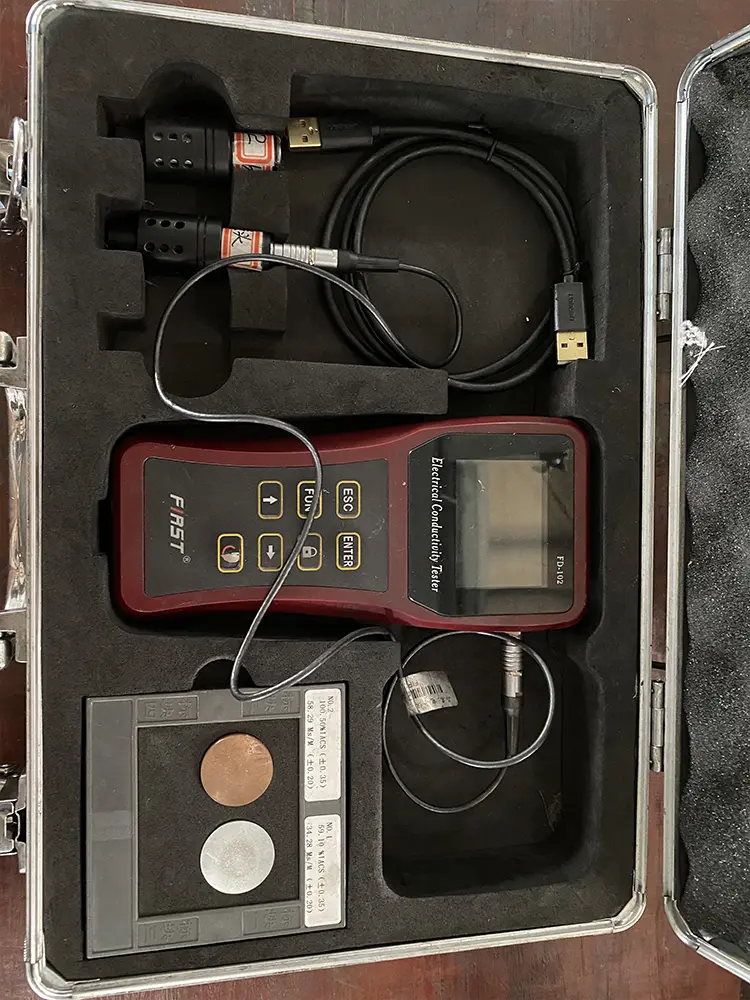
Eddy Current Testing
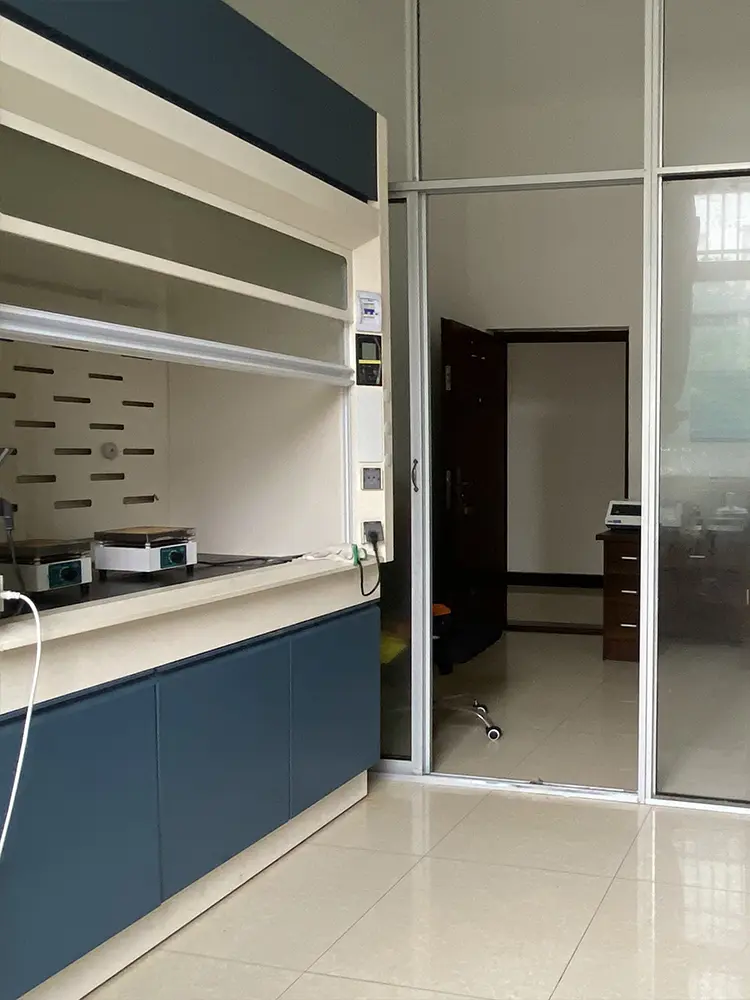
Chemical Testing Suite

Metallographic Polishing
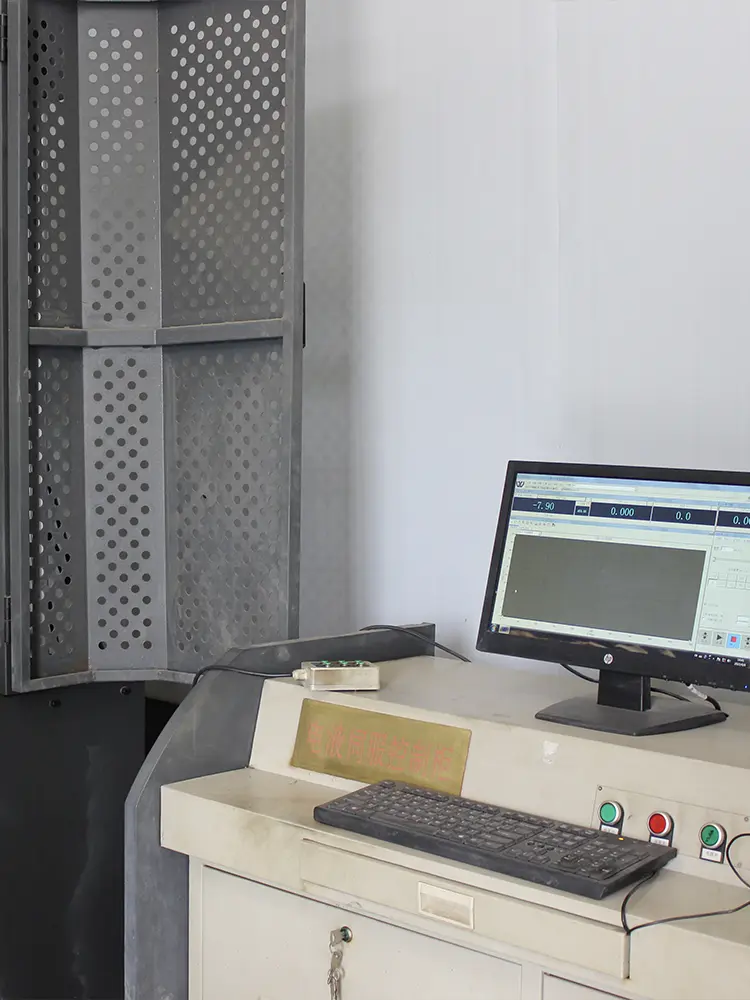
Servo Universal Tester
Clarifying chemical specifications, import regulations, and performance characteristics for Belgian industrial buyers.
Although lead-free bronze materials exist, they cannot match the emergency running safety properties of lead bronze. In boundary lubrication situations (where lubricant film breaks down), lead's self-lubricating film prevents direct copper-to-steel contact, preventing instantaneous shaft seizure. For heavy-duty marine cranes and turbine gearboxes operating in the Port of Antwerp, this capability prevents costly breakdowns and catastrophic equipment failure.
Under REACH regulation, lead is categorized as a Substance of Very High Concern (SVHC). However, specific derogations allow its use in critical industrial sliding elements, bearings, and heavy-duty transport systems. We support our Belgian importers by providing full Chemical Analysis Certificates and SDS (Safety Data Sheets) with precise composition ranges to ensure compliant customs processing and waste disposal planning.
Lead has a high density and is insoluble in the copper-tin matrix, which causes it to segregate to the bottom of the casting during slow cooling. Sichuan Kepai prevents this by using specialized horizontal continuous casting lines. Our casting speeds and cooling parameters are monitored to ensure rapid solidification, locking the lead particles into a homogeneous distribution throughout the alloy bar.
We handle logistics through combined rail and sea corridors. Standard sea freight leaves from China ports directly to the Port of Antwerp-Bruges, with typical delivery times ranging from 30 to 40 days. For urgent requirements, rail freight through the China-Europe Railway Express reaches Belgian hubs in approximately 18 to 22 days. All export items are packaged in anti-corrosion materials within reinforced crates to prevent damage in transit.
Exporters of high-precision copper alloys matching ASTM, DIN, and EN specifications for Belgian industrial applications.
 Kepai
Kepai