Select high-performance structural and conductive materials optimized for wear resistance, thermal dynamics, and heavy load capacities.
As Egypt accelerates its industrial modernization strategy under the umbrella of Egypt Vision 2030, the demand for highly specialized raw materials has surged. Among these materials, lead bronze alloys—distinguished by their exceptional tribological properties, machinability, and load-bearing capacities—play a critical role. From the maritime hubs along the Suez Canal Economic Zone (SCZONE) to the manufacturing complexes in Tenth of Ramadan City and Alexandria, lead bronze operates behind the scenes in heavy-duty machinery, pumps, valves, and rotating equipment.
This comprehensive technical whitepaper explores the physical, chemical, and industrial dynamics of lead bronze, mapping local application landscapes, global supply chain structures, and technological roadmaps. Sichuan Kepai New Material Co., Ltd. serves as an essential strategic supply partner, delivering high-conductivity, easy-to-machine, and high-strength copper alloys that meet global and Egyptian technical frameworks.
Egypt has historically been the industrial heart of the Middle East and North Africa (MENA) region. Today, the nation is transitioning from basic fabrication to advanced engineering, localized automotive manufacturing, and high-speed rail systems. This progression demands structural alloys capable of resisting severe wear under high pressure and temperature conditions.
Lead bronze, particularly formulations with tin (such as UNS C93200 / SAE 660 and UNS C93700 / SAE 64), provides the fundamental properties required for machinery components that operate in desert environments, where abrasive sand and high temperatures can accelerate component failure. Local Egyptian industrial operations, including Helwan Cement, Suez Canal dredging fleets, and the Alexandria Port dry docks, require specialized components capable of surviving dry-start environments. Lead bronze’s micro-structural properties, characterized by dispersed lead globules within a copper-tin matrix, offer built-in emergency self-lubrication.
The international supply chain for lead copper bronze is undergoing a regulatory shift. While Europe enforces strict REACH and RoHS restrictions regarding lead content, heavy-duty industrial sectors globally—including defense, marine transport, and deep mining—continue to rely on lead bronze due to its unparalleled emergency run-dry capability.
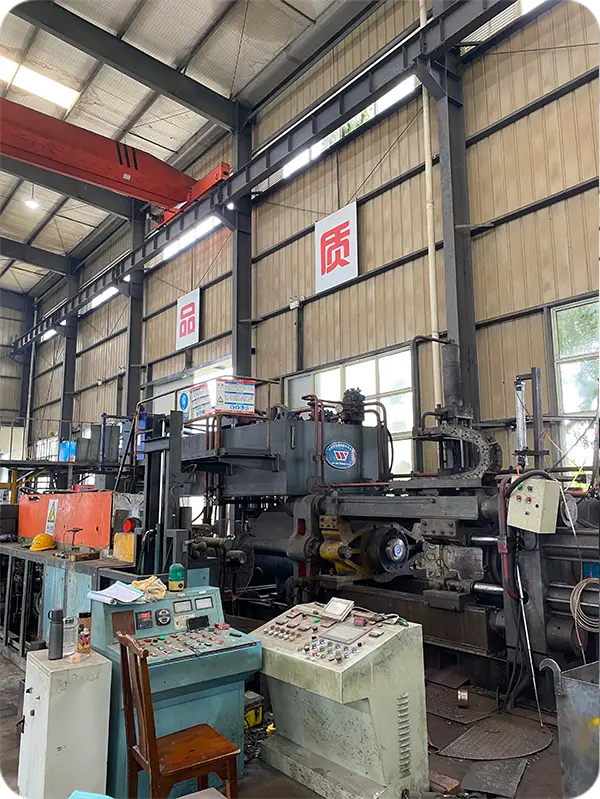
For Egyptian importers and manufacturers, sourcing copper alloys requires compliance with international standards such as ASTM B505 (continuous casting) and ASTM B271 (centrifugal casting). Sichuan Kepai New Material Co., Ltd. resolves this supply chain challenge by utilizing advanced smelting, extrusion, and drawing equipment to guarantee consistent element dispersion. This process minimizes segregations, which are a common cause of premature bearing failure.
The unique behavior of lead bronze (specifically high-lead alloys such as C93700 or C93800) stems from the insolubility of lead in the solid copper matrix. During the solidification process, lead separates into microscopic globules distributed throughout the alloy:
Mapping lead bronze materials to critical infrastructure projects and commercial zones across Egypt.
Propeller shaft sleeves, rudder bearings, and pump impellers operating in the Suez Canal and Port Said shipyard networks require seawater-resistant lead bronze to withstand chemical corrosion and cavitation wear.
Heavy machinery in the Helwan and Beni Suef cement plants operates in high-dust and high-temperature environments. Lead bronze slide plates and journal bearings prevent mechanical failure caused by abrasive cement dust.
Egypt’s western desert and Mediterranean offshore operations utilize high-strength, low-friction bronze bushings within downhole drilling assemblies and compressor equipment to withstand extreme pressure.
How continuous engineering is driving efficiency, sustainability, and next-generation metallurgy.
The metallurgical industry is evolving toward sustainability and material performance. Sichuan Kepai New Material Co., Ltd. is actively researching the next generation of high-conductivity, high-strength copper alloys. This R&D roadmap focuses on:
Continuous casting methods refine grain structure, optimize lead distribution, and eliminate internal voids. This guarantees that finished parts can handle high rotational speeds without developing micro-fractures.
Developing bismuth-bronze alloys to comply with international eco-standards. Bismuth acts similarly to lead, providing lubrication while meeting strict non-toxic material regulations.
Integrating trace tellurium to increase machinability while maintaining high thermal and electrical conductivity. This meets the needs of electrical relays and plasma cutting components.
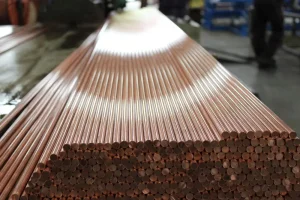
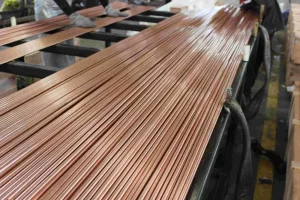
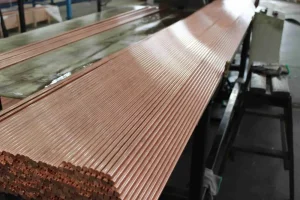
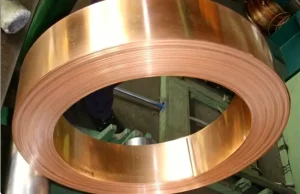
Sichuan Kepai New Materials Co., Ltd., established in 2017, is a high-tech enterprise integrating research and development, production, and sales. Currently, the factory covers an area of approximately 9,000 square meters, with an office space of about 1,000 square meters. The company primarily engages in the production of strategic emerging new materials, including special copper alloys such as tellurium copper, high-conductivity oxygen-free copper, silver copper, and dispersion copper, while also focusing on the research and development of high-conductivity, easy-to-machine, high-strength copper alloys. The products are mainly applied in high-tech fields such as new energy vehicles, 5G technology, laser cutting, and lithium battery relays.
Technological innovation is the core competitiveness of Sichuan Kepai New Materials Co., Ltd. Our research and development and production team is composed of senior industry experts who keep pace with international cutting-edge technology trends and continuously explore the unknown boundaries in the field of new copper alloy materials.
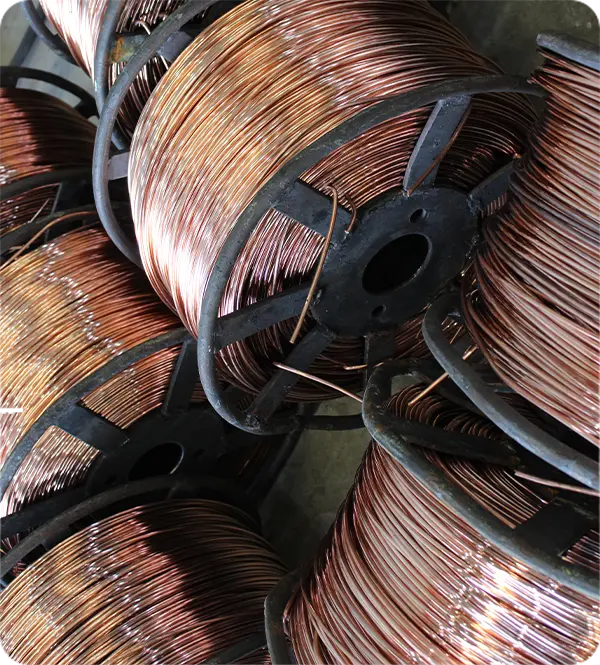
Through a combination of independent research and development and industry-university-research collaboration, Kepai has made breakthrough progress in several areas, including high-performance tellurium copper, lead copper, and sulfur copper. Many of its technological achievements have reached international advanced levels and have been successfully applied in various industries such as new energy vehicles, precision machining parts, plasma cutting, relays, and energy storage, earning widespread recognition and praise in the market.
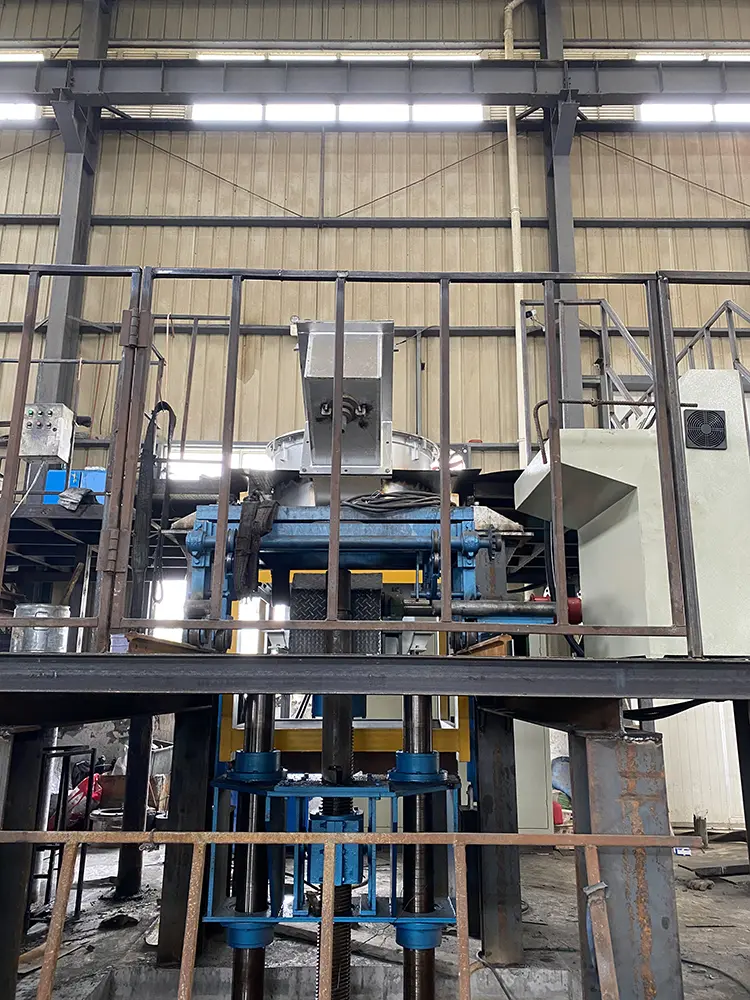
Smelting
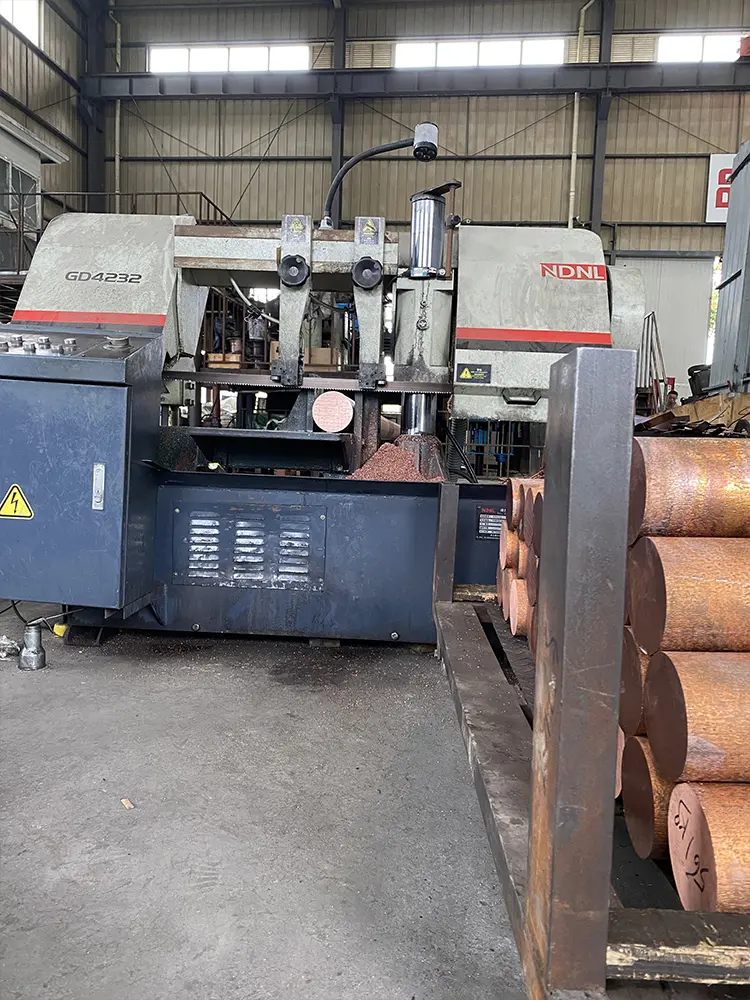
Laying-off
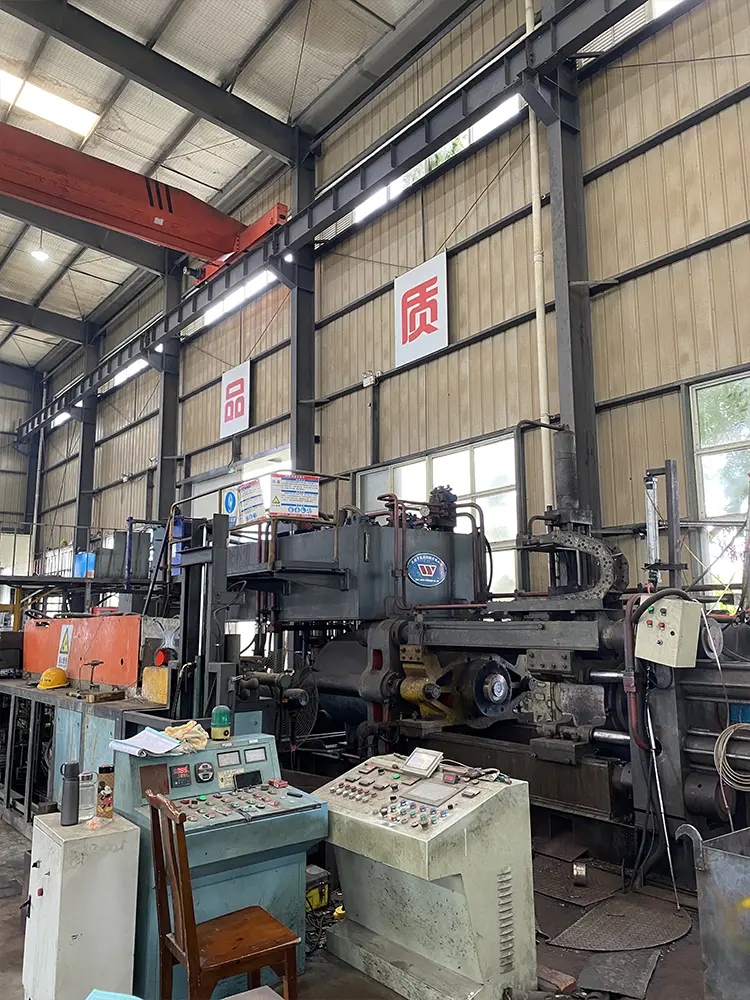
Extrusion
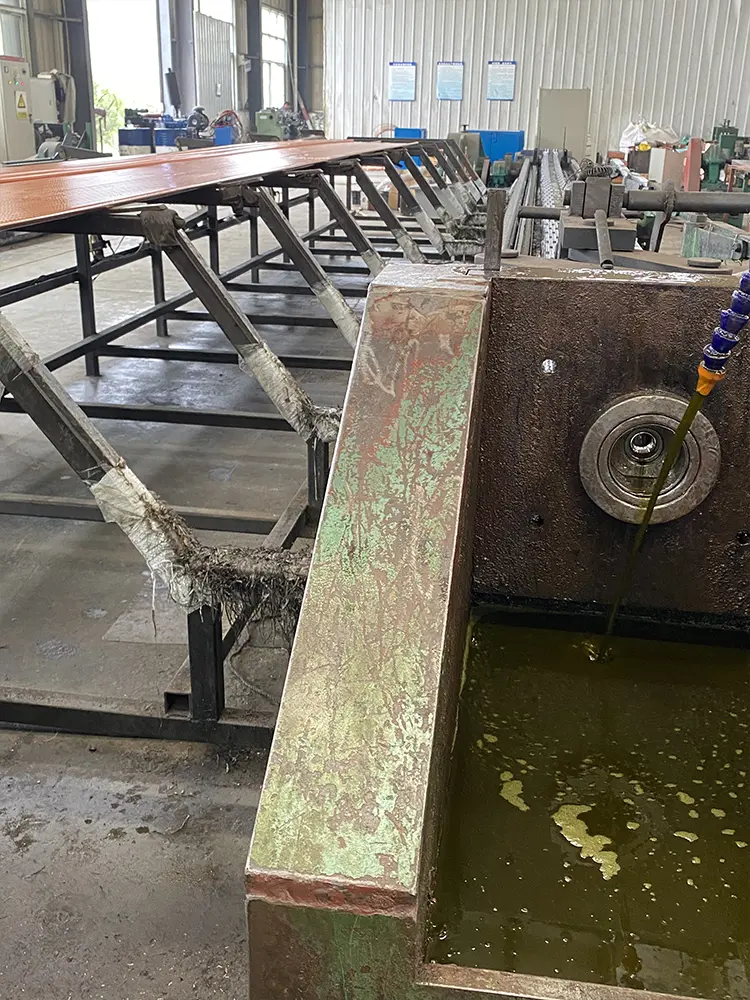
Drawing
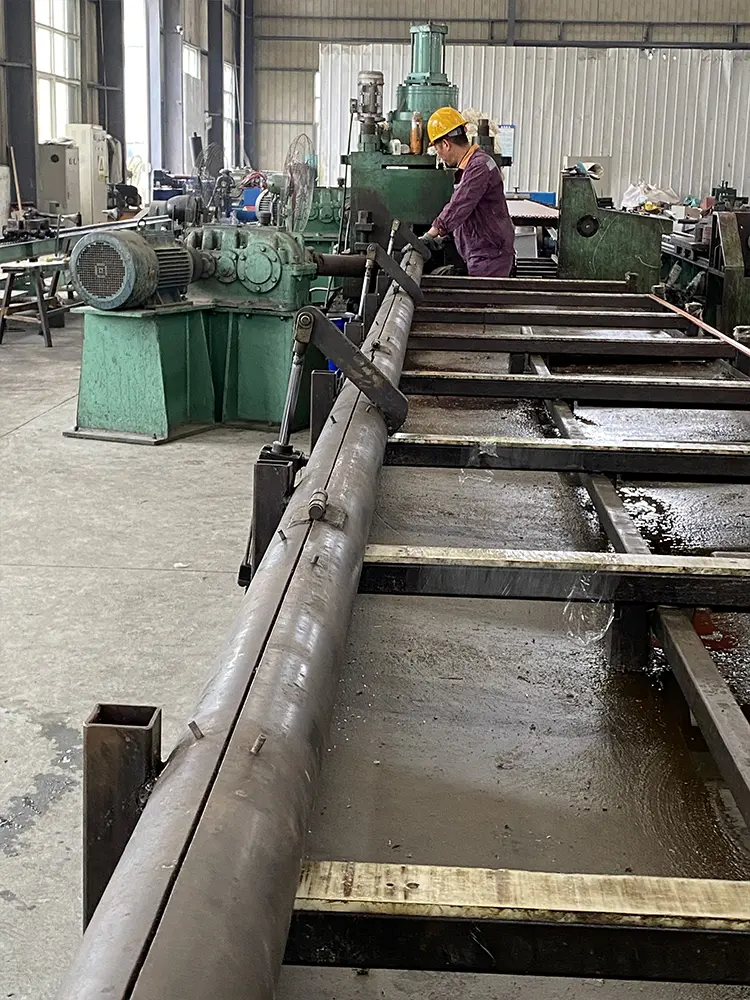
Straightening

Package
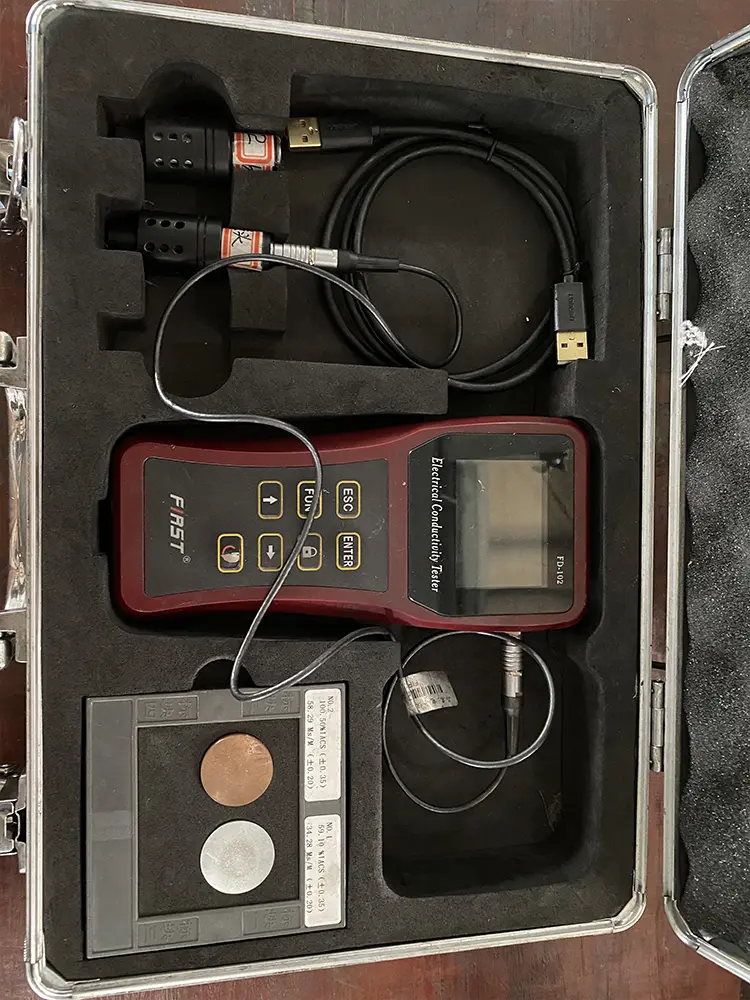
Eddy Current Conductance Instrument
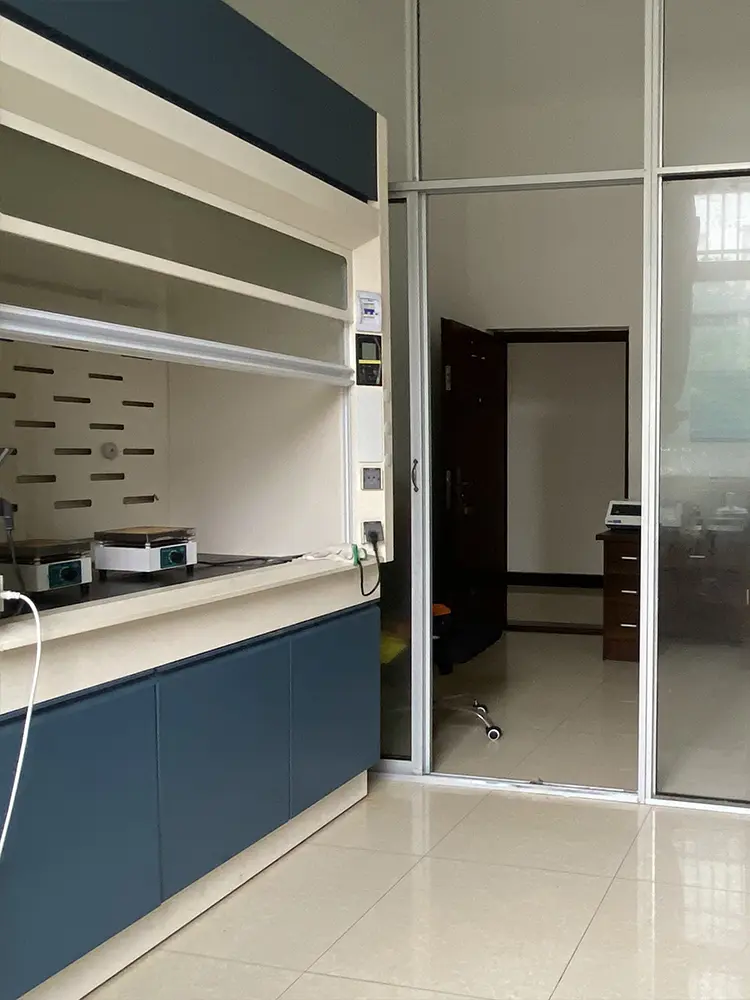
Chemical Composition Test Room
High-purity tellurium copper, beryllium copper, sulfur copper, and specialized brasses engineered for the Egyptian manufacturing and energy sectors.
Technical advice and supply chain insights for engineers, procurement officers, and plant operators.
Lead bronze alloys, such as C93700, contain dispersed lead particles that do not dissolve in the copper matrix. Under extreme friction or during lubricant failure, these lead particles melt slightly and smear across the contact surface, providing self-lubrication. This prevents shaft seizing, making it crucial for marine propeller shaft sleeves and pumps in the Suez Canal region.
Because lead has a high density and does not dissolve in copper, gravity segregation can occur during casting. Sichuan Kepai uses advanced horizontal continuous casting equipment and precise thermal management in our smelting facilities to ensure uniform distribution of lead globules throughout the alloy matrix.
Kepai arranges shipping from our advanced manufacturing facility via direct sea routes to major Egyptian ports, including Alexandria, Port Said, and Damietta. We handle custom metallurgical declarations and provide mill test reports (MTRs) to ensure smooth customs clearance under Egyptian import regulations.
Yes. Lead bronze retains its mechanical strength and self-lubricating properties at elevated operating temperatures. Its high thermal conductivity allows friction-generated heat to dissipate away from critical bearing surfaces, which is essential for heavy machinery operating in Upper Egypt and Cairo's industrial zones.
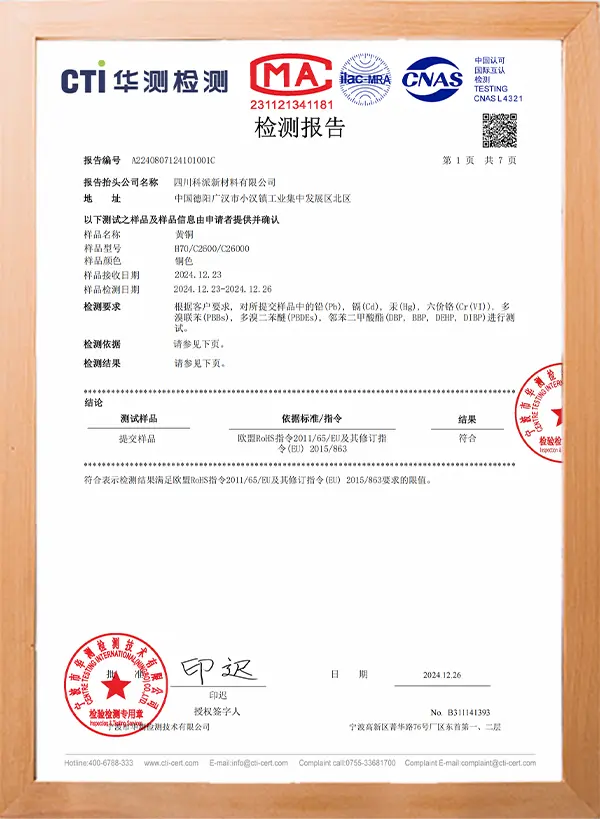
We manufacture bismuth-copper and tellurium-copper alloys as low-lead or lead-free alternatives. These alloys maintain high machinability and electrical performance, helping Egyptian manufacturers meet European import standards such as RoHS and REACH.
Get in touch with our engineering team for custom chemical formulations, dimensional casting profiles, and bulk supply pricing tailored for Egypt's industrial and marine sectors.
Send Inquiry Now Kepai
Kepai