High-Conductivity, High-Strength Alloy Solutions Customized for Tokyo, Nagoya, and Osaka's Precision Industrial Sectors
Engineered to comply with stringent Japanese quality benchmarks, these core high-conductivity and high-strength alloys support high-end electronic connectors, electric automotive components, and aerospace industries.
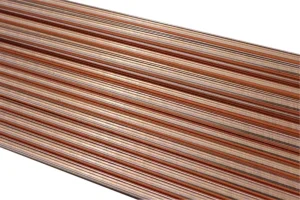
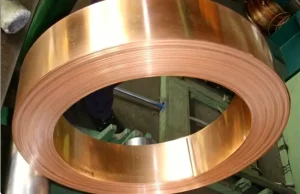
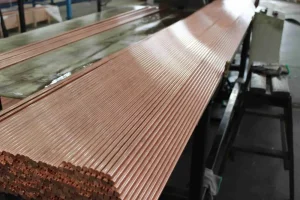
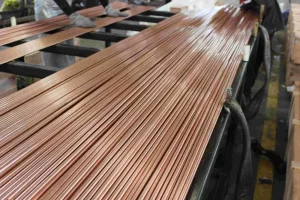
In high-tech manufacturing, particularly within the Japanese industrial corridors of Tokyo, Nagoya, and Osaka, the demand for high-conductivity, high-yield strength alloys has reached unprecedented levels. Beryllium Cobalt Copper (predominantly classified as C17500 and C17510) stands out as an indispensable metallurgy breakthrough. Combining excellent electrical conductivity (typically 45% to 60% IACS) with extreme mechanical strength, hardness, and thermal resistance, this class of materials drives advancement in semiconductor testing, new energy automotive assembly, and precision automated machinery.
As a leading R&D-driven manufacturer, Sichuan Kepai New Material Co., Ltd. provides comprehensive industrial supply solutions. Leveraging our high-end refining, precise drawing, and microcomputer-controlled testing processes, we deliver C17500 and related performance copper alloys tailored to Japanese industrial standards (JIS). We ensure the dimensional precision, structural reliability, and cost-efficiency required by Japan's leading system integrators and tier-one manufacturers.
Japan's "Monozukuri" philosophy values extreme reliability and precision. Beryllium Cobalt Copper fulfills these requirements in key industrial centers:
Known as "Silicon Island", Kyushu hosts semiconductor manufacturing hubs that demand microscopic precision. C17500 and C17510 alloys are drawn into micro-wires and machined into spring probes, pogo pins, and high-frequency coaxial test interfaces. Excellent thermal conductivity and stress relaxation resistance ensure stable contact resistance across millions of test cycles under extreme temperatures.
In Nagoya, the automotive capital, OEMs are accelerating EV and hybrid integration. Our Beryllium Cobalt Copper alloys are deployed for high-current EV relay contacts, fast-charging battery terminals, and resistance welding electrodes. The material withstands thermal loads and arc degradation, outperforming standard brass and bronze alloys.
Heavy-duty industrial robotic arms, high-speed servo motors, and automated pick-and-place systems depend on wear-resistant gear joints and sliding contacts. Beryllium Cobalt Copper provides low-friction, high-strength characteristics, reducing downtime and component degradation in automated environments.
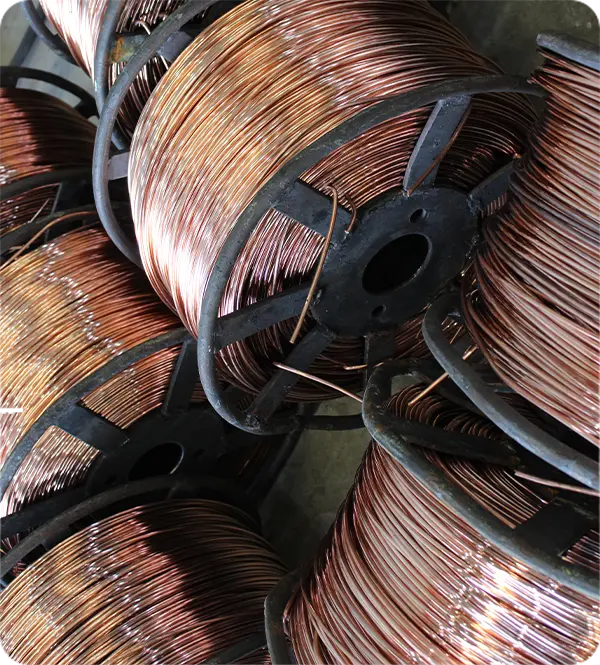

The precipitation-hardening mechanism of Beryllium Cobalt Copper offers a balanced combination of strength and conductivity. Heat treatment produces a sub-micron dispersed precipitate phase within the copper matrix. This microstructural architecture restricts dislocation movement, raising mechanical yield strength without creating electrical resistance bottlenecks.
| Alloy Grade (JIS / UNS) | Composition (Nominal) | Electrical Conductivity (IACS %) | Tensile Strength (MPa) | Hardness (HRB) | Primary Japanese Application |
|---|---|---|---|---|---|
| C17500 (Be-Co-Cu) | Be: 0.4-0.7%, Co: 2.4-2.7%, Cu: Bal. | 45 - 60 | 680 - 820 | 92 - 100 | Resistance Welding, EV Relays, Die Casting Plunger Tips |
| C17510 (Be-Ni-Cu) | Be: 0.2-0.6%, Ni: 1.4-2.2%, Cu: Bal. | 48 - 60 | 690 - 850 | 95 - 102 | Semiconductor Probe Pins, High-Current Terminals |
| C17200 (High-Be Cu) | Be: 1.8-2.0%, Co+Ni: 0.2%, Cu: Bal. | 15 - 25 | 1100 - 1300 | 105 - 110 | Heavy Duty Springs, Aerospace Actuators, Anti-galling Bushings |
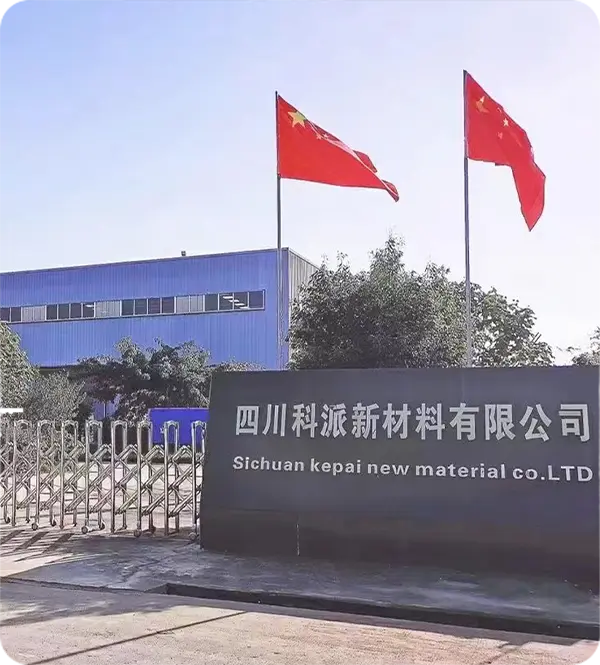
Located in the western area of the Sichuan Guanghan Industrial Development Zone, adjacent to National Highway 108, Sichuan Kepai is positioned for domestic supply and international logistics.
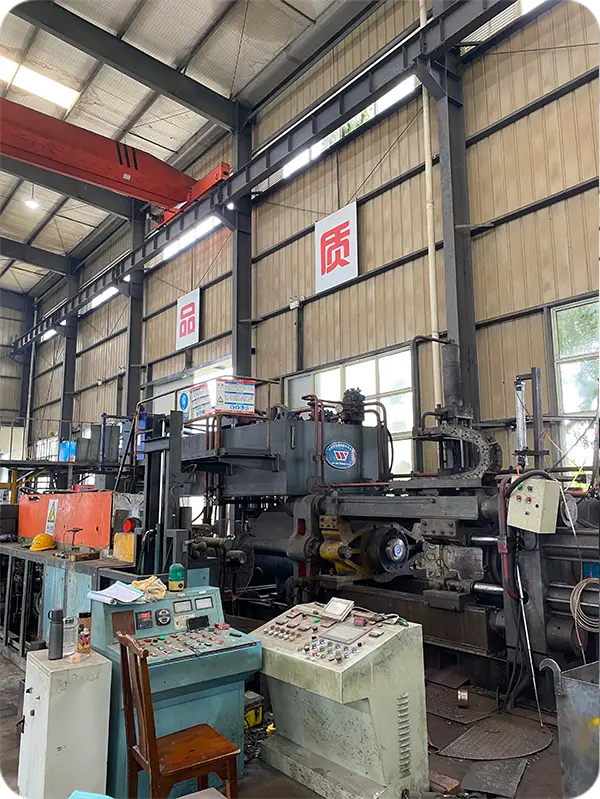
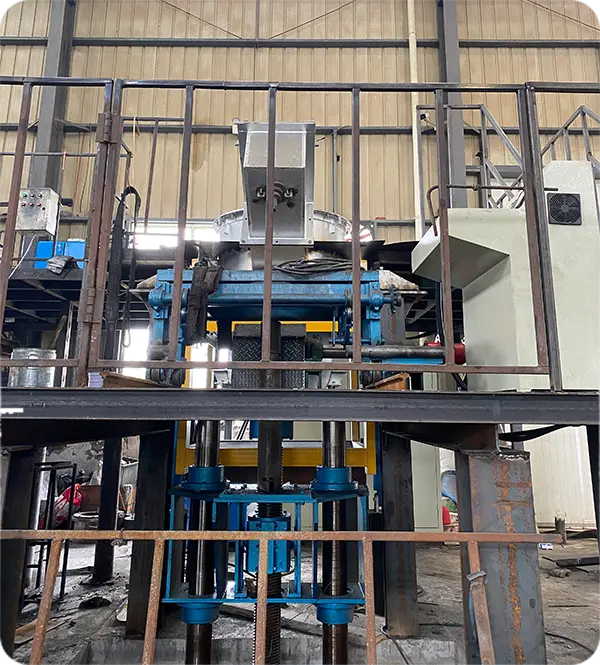
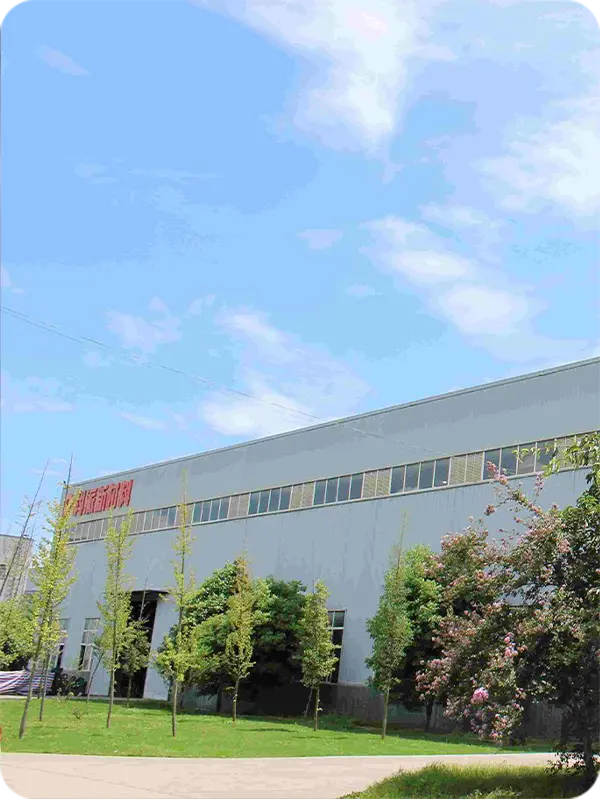
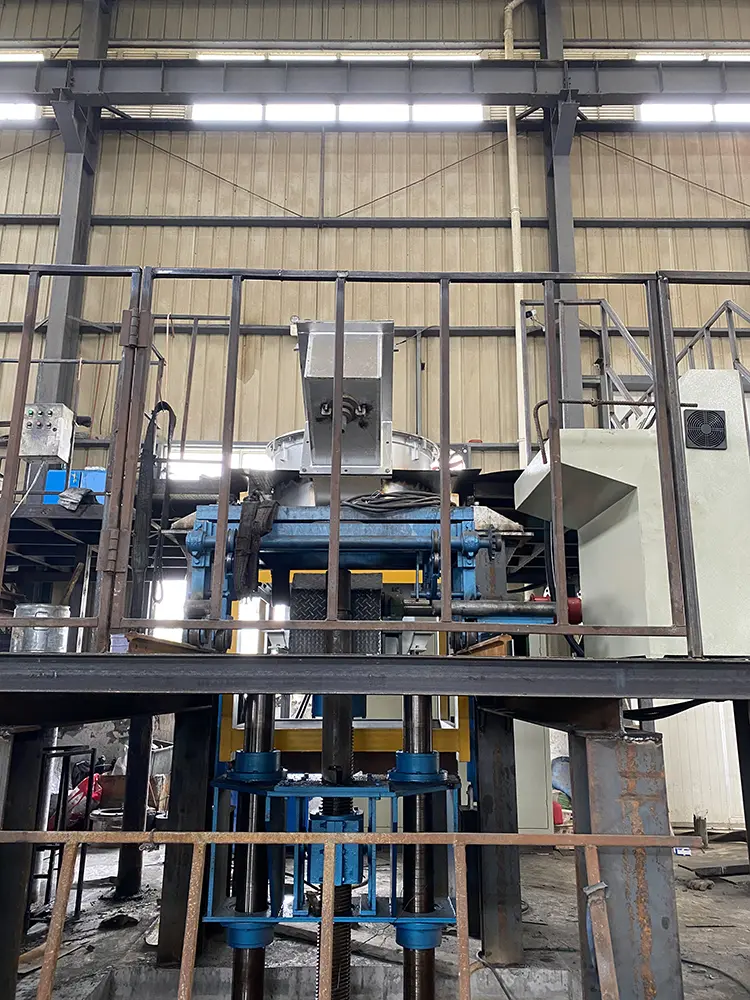
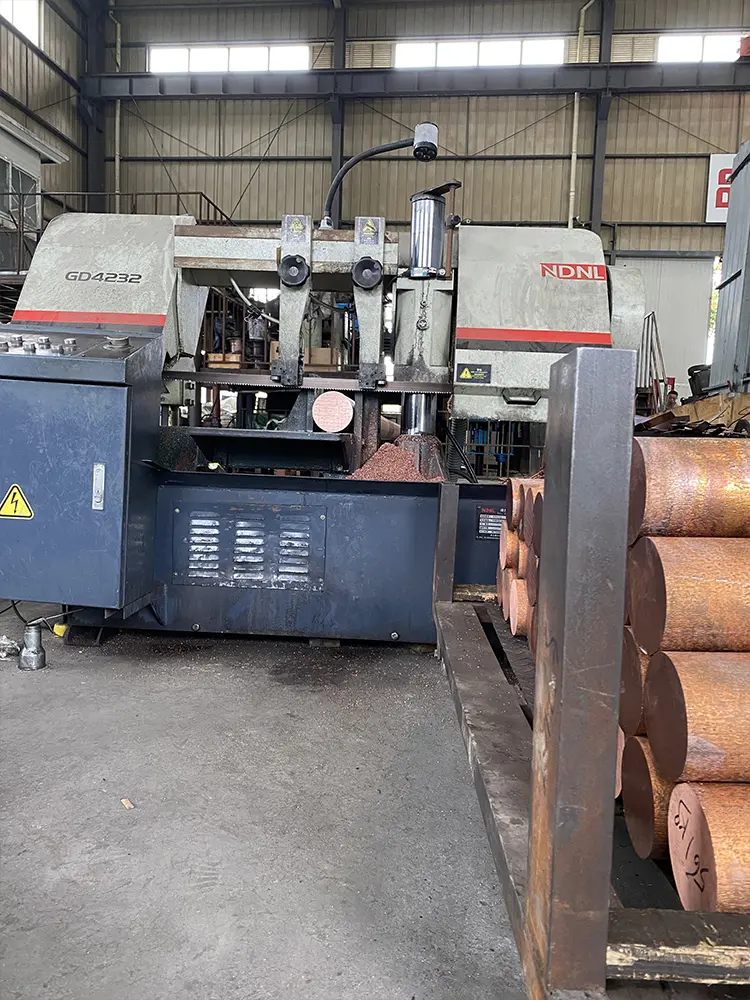
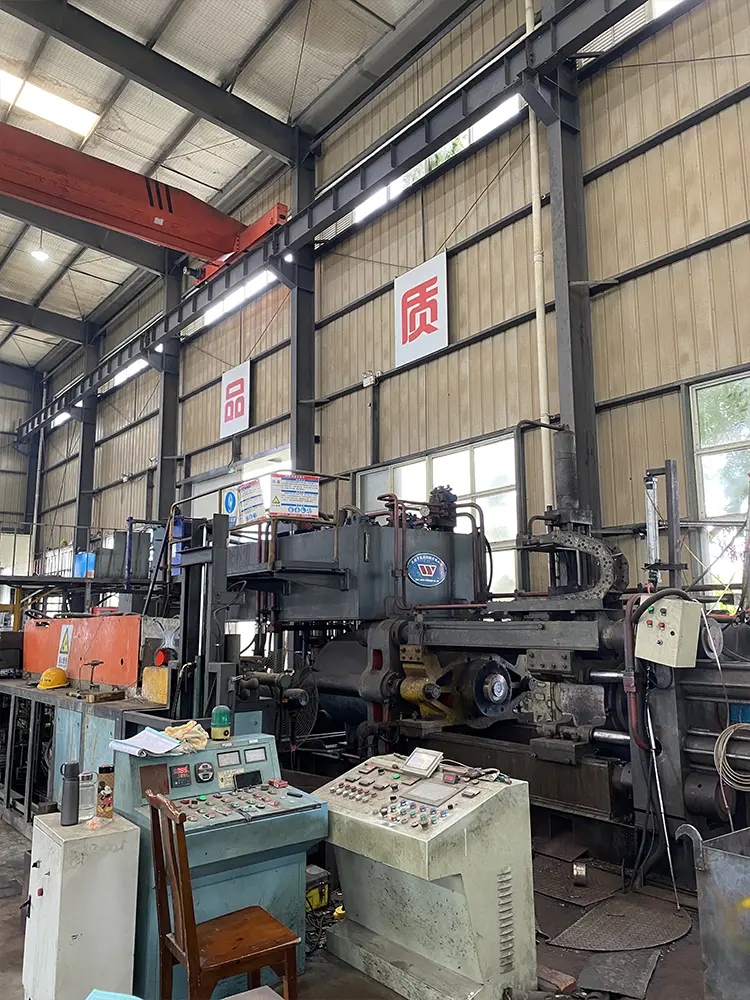
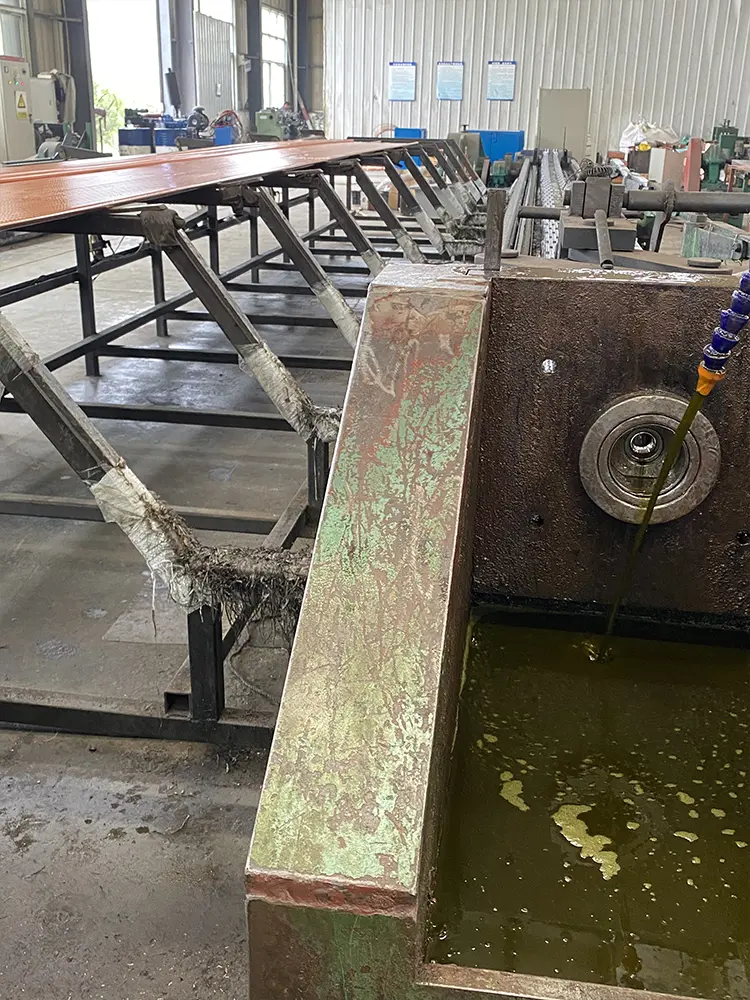
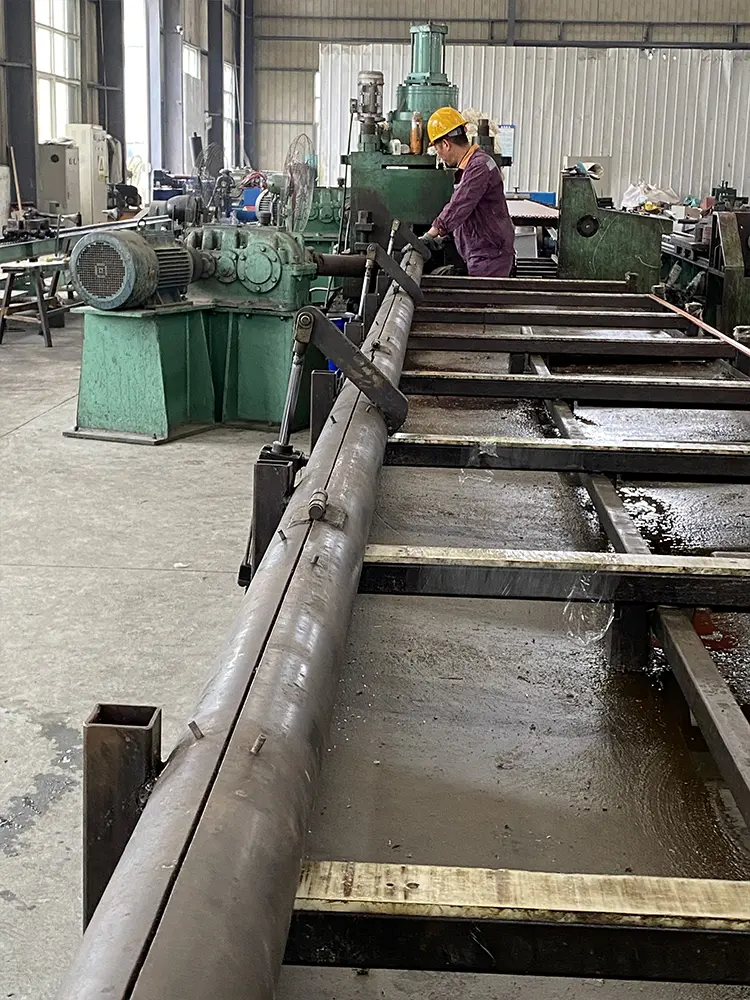
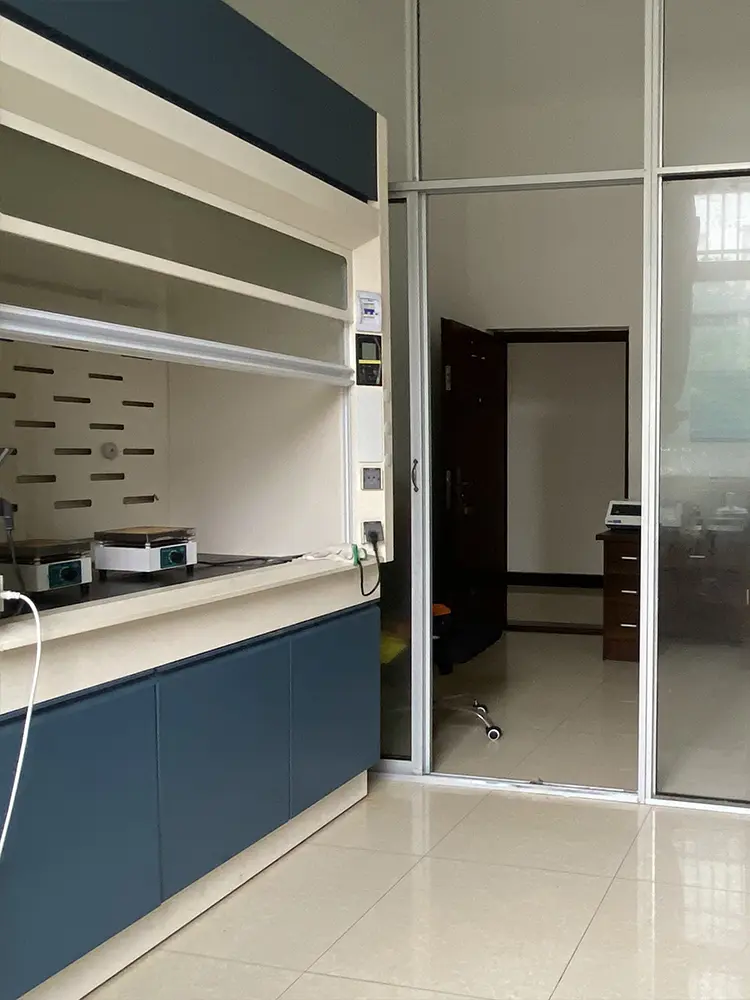
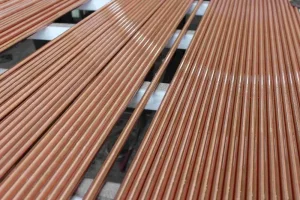
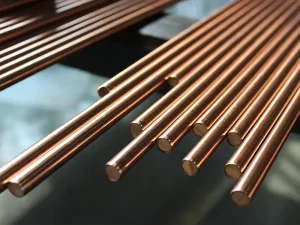
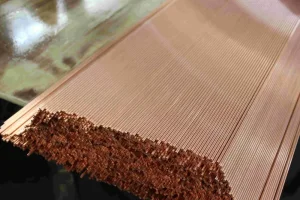
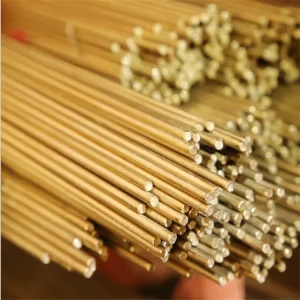
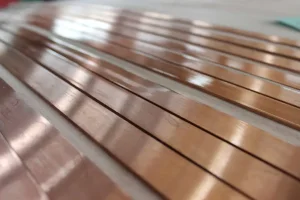
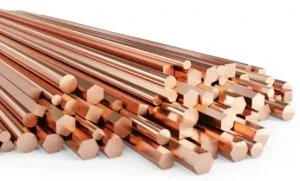
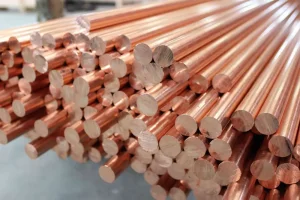
We operate a 9,000-square-meter facility with specialized production lines for high-conductivity oxygen-free copper, tellurium copper, silver copper, dispersion copper, and beryllium cobalt copper. By managing the supply chain from raw material smelting to final extrusion, drawing, straightening, and testing, we maintain quality control across the manufacturing process.
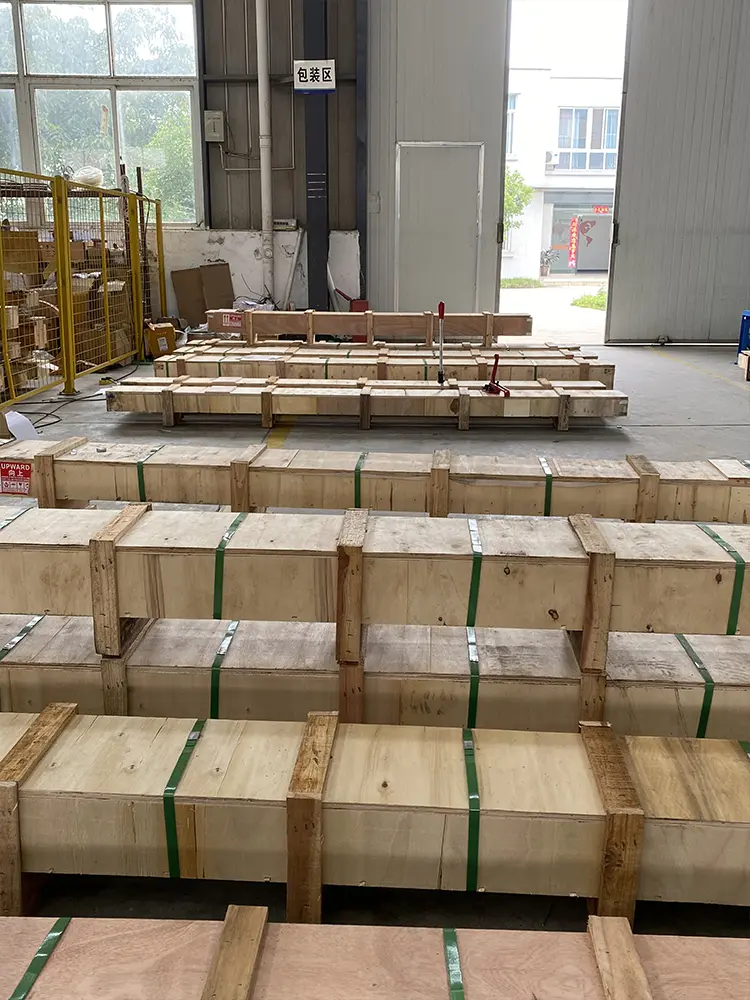
Our proximity to transport infrastructure enables containerized shipments to move from our factory to major Japanese ports (Kobe, Osaka, Nagoya, and Yokohama) via Yangtze River intermodal shipping or rail links to coastal ports. This approach minimizes transport delays and ensures reliable delivery times for Japanese manufacturers' just-in-time (JIT) production lines.

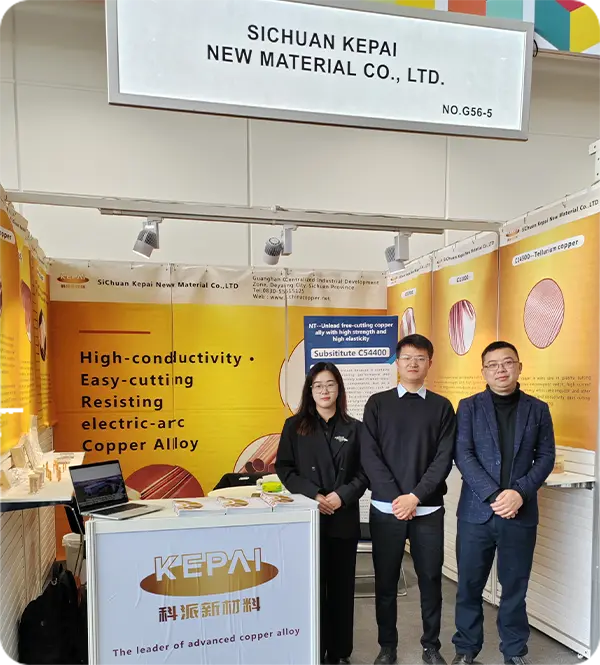
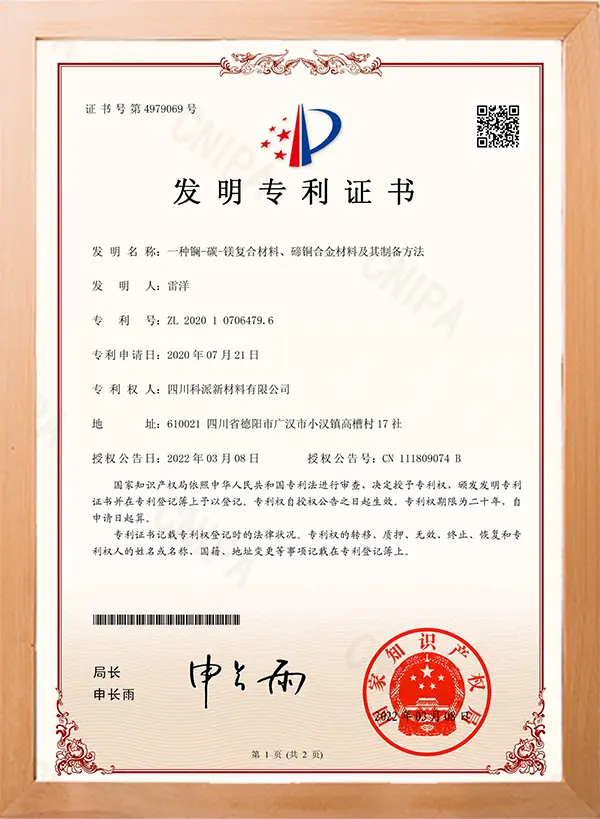
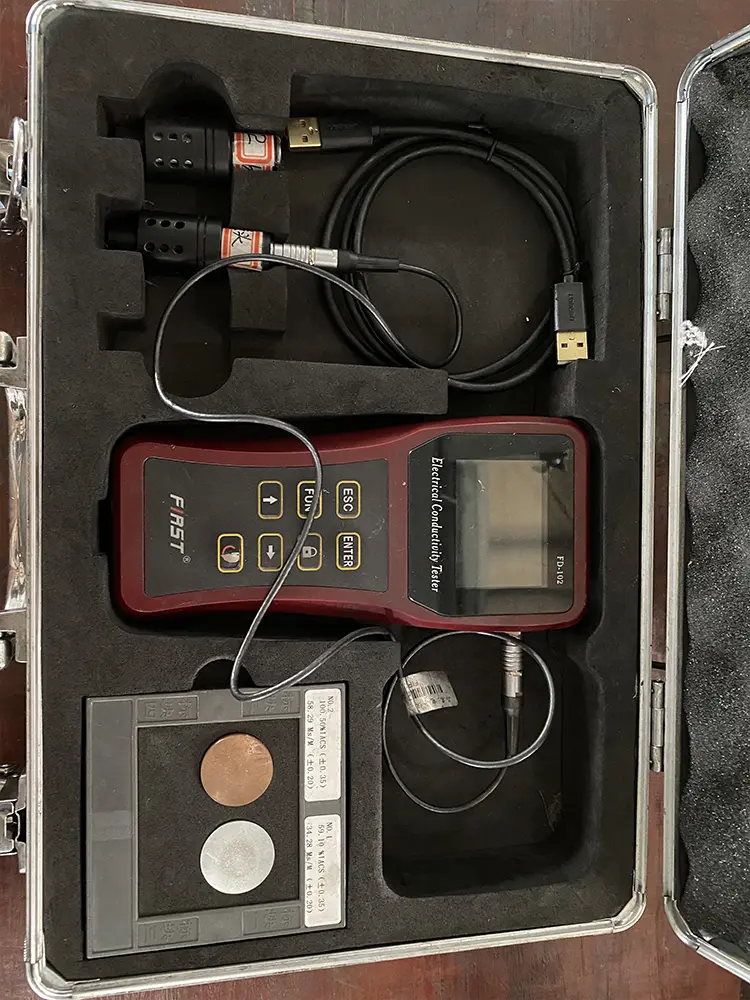
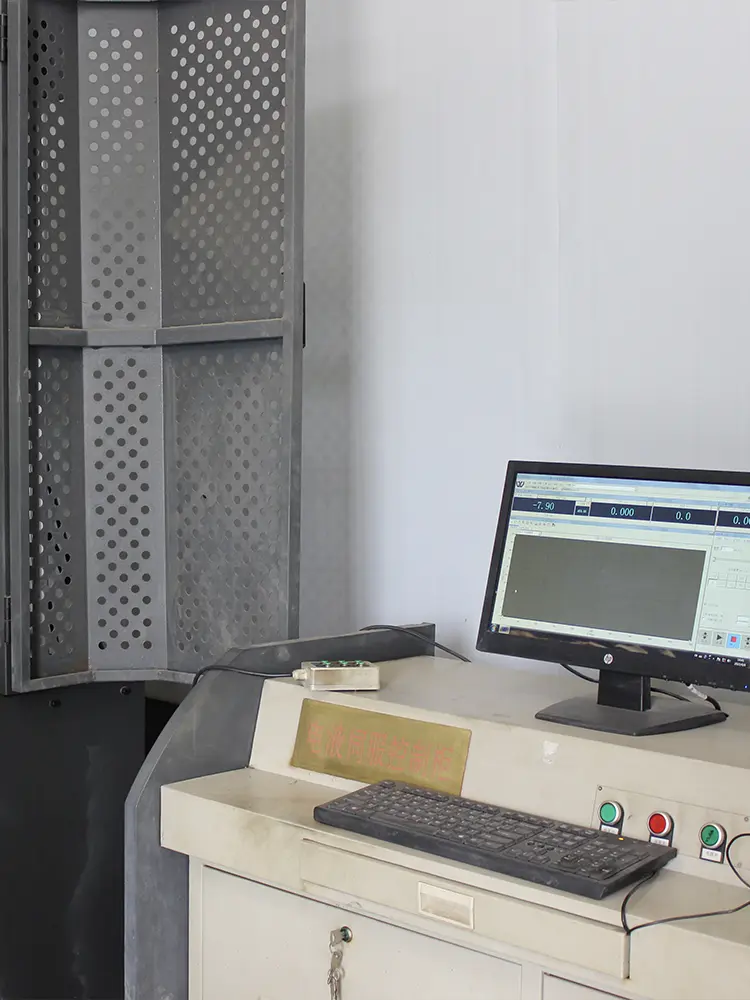
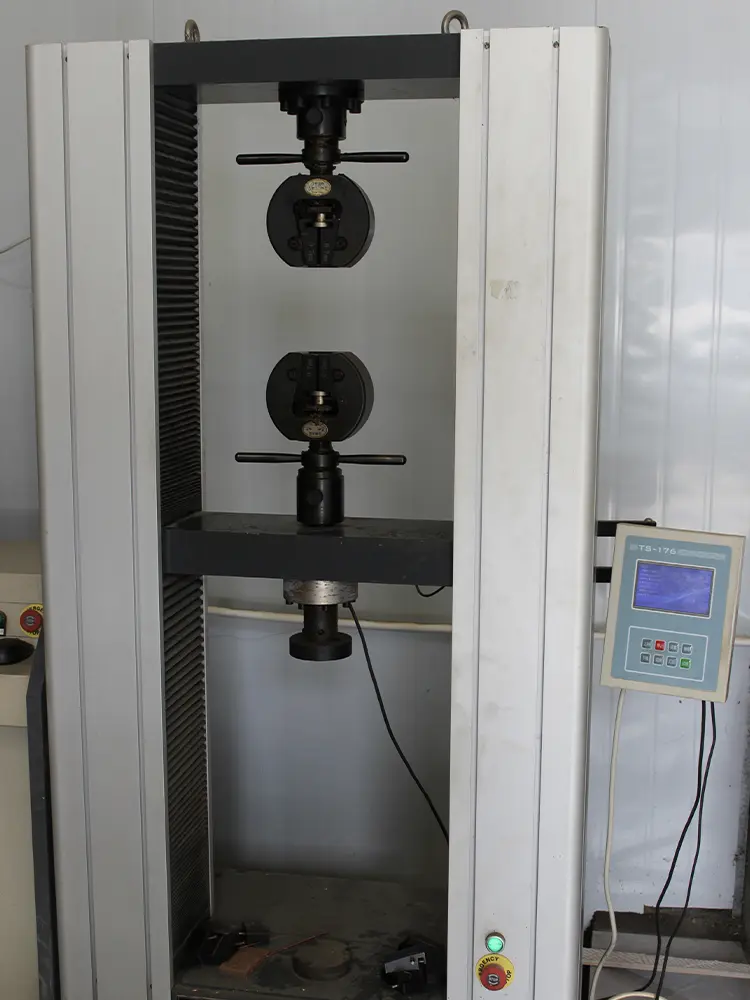
Our high-tech enterprise integrates R&D, production, and sales. With advanced testing equipment and a dedicated engineering team, we produce strategic materials used in 5G technology, laser cutting, and lithium battery relays.
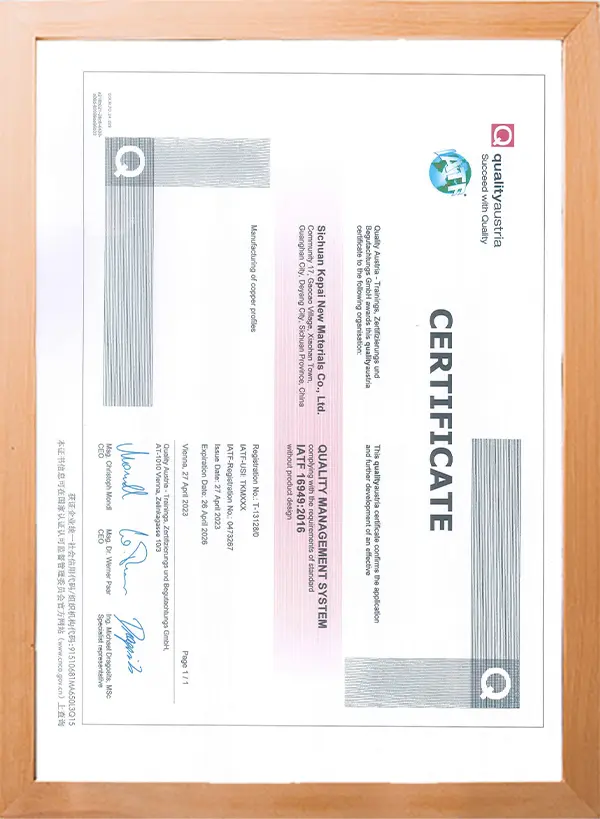
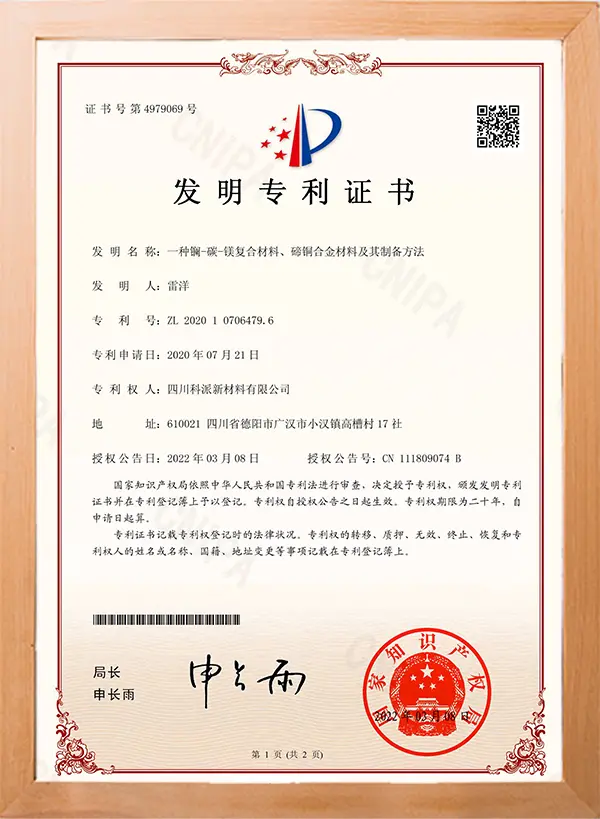
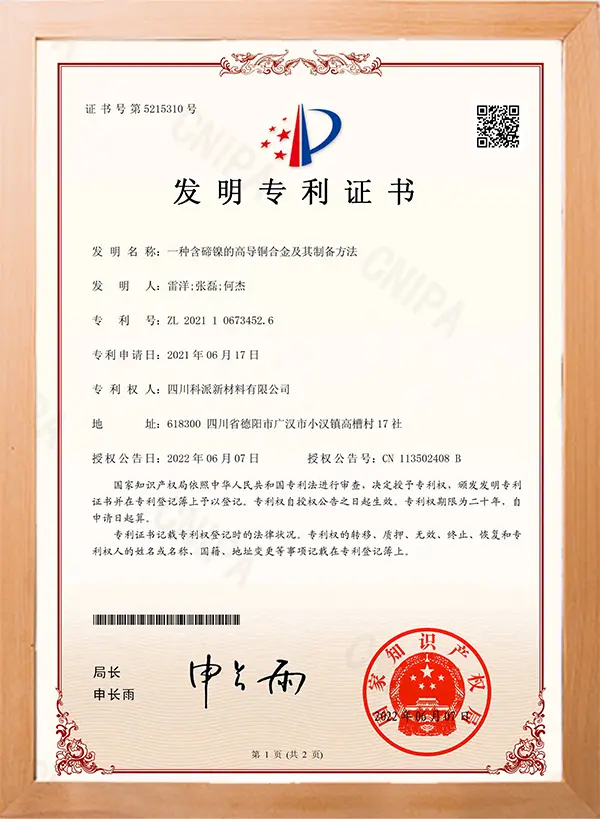
Established in 2017, Sichuan Kepai New Materials Co., Ltd. focuses on high-conductivity, easy-to-machine, and high-strength copper alloys. We align with global industrial standards to meet the demands of advanced markets, particularly Japan's electronics and automotive sectors. Our engineering team collaborates with academia and industry partners to develop specialty alloys that improve production efficiency and lower operational costs for our clients.
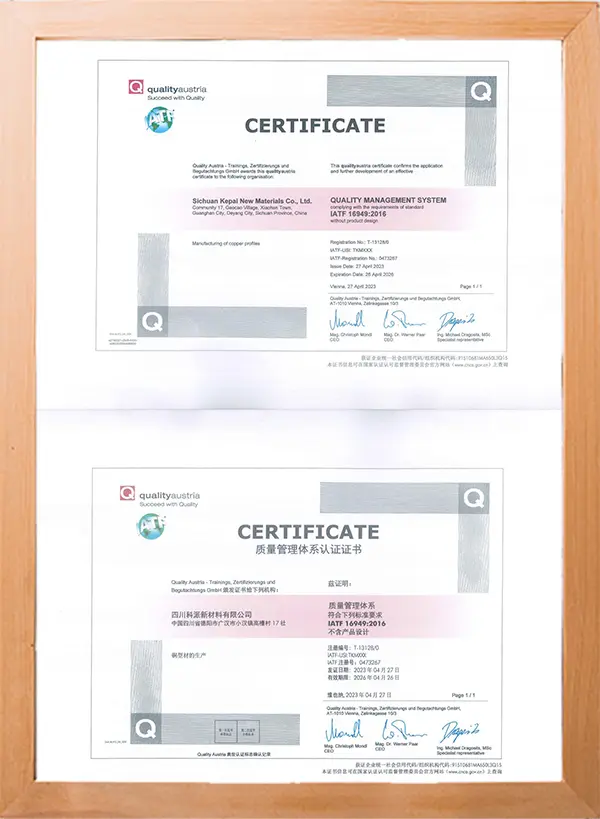
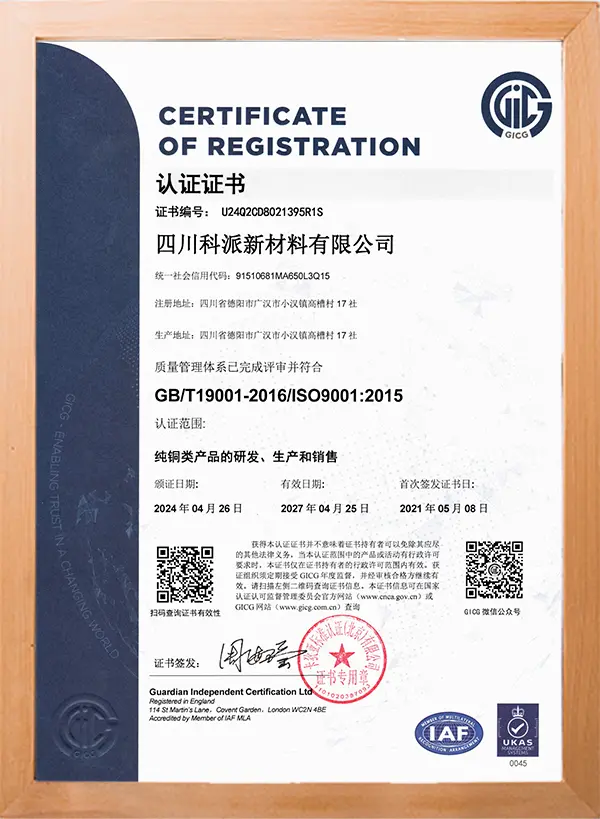
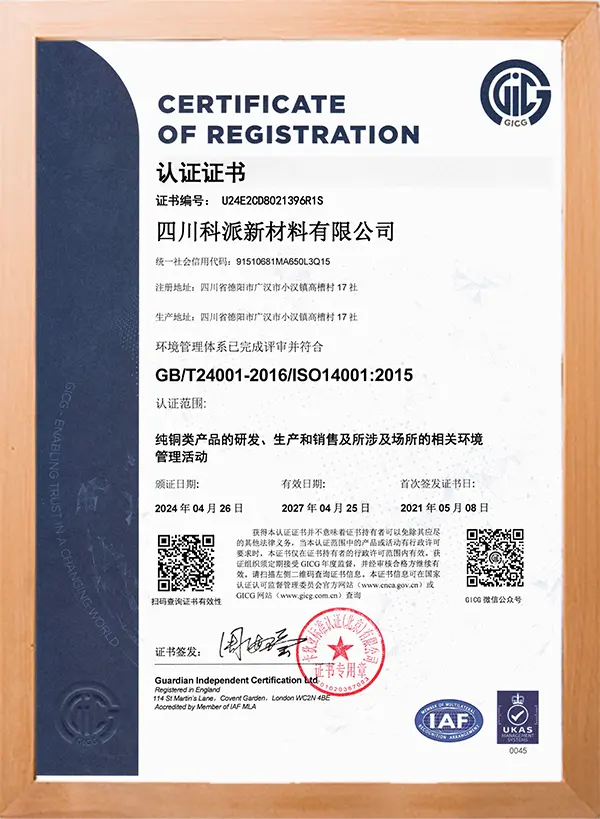
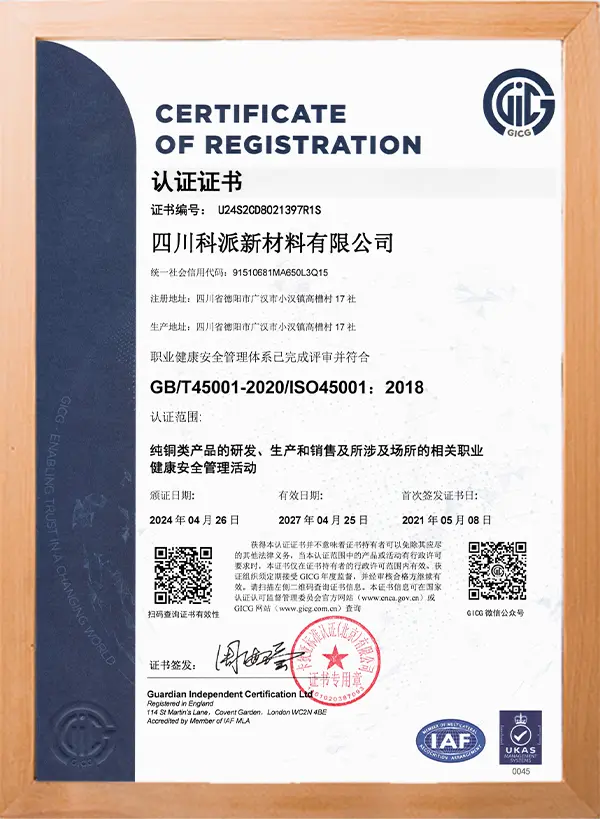

Metallurgical explanations answering critical quality, application, and compliance queries from Japanese procurement teams.
C17500 Beryllium Cobalt Copper contains cobalt (2.4-2.7%) and beryllium (0.4-0.7%), which undergo a precipitation hardening reaction. This results in a yield strength exceeding 700 MPa and hardness over 95 HRB while retaining electrical conductivity of approximately 45-60% IACS. In resistance welding, this combination prevents electrode deformation under high mechanical clamping forces and thermal loads, extending electrode life and maintaining weld consistency.
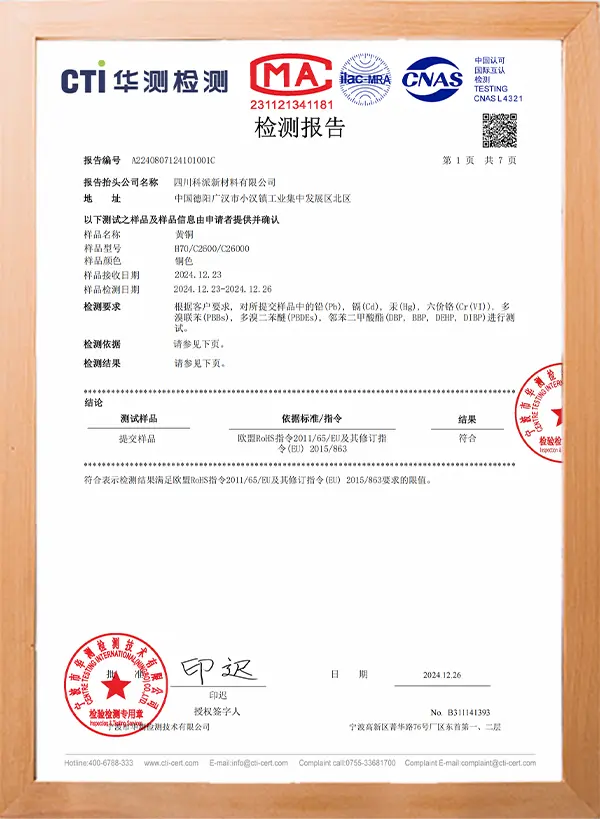
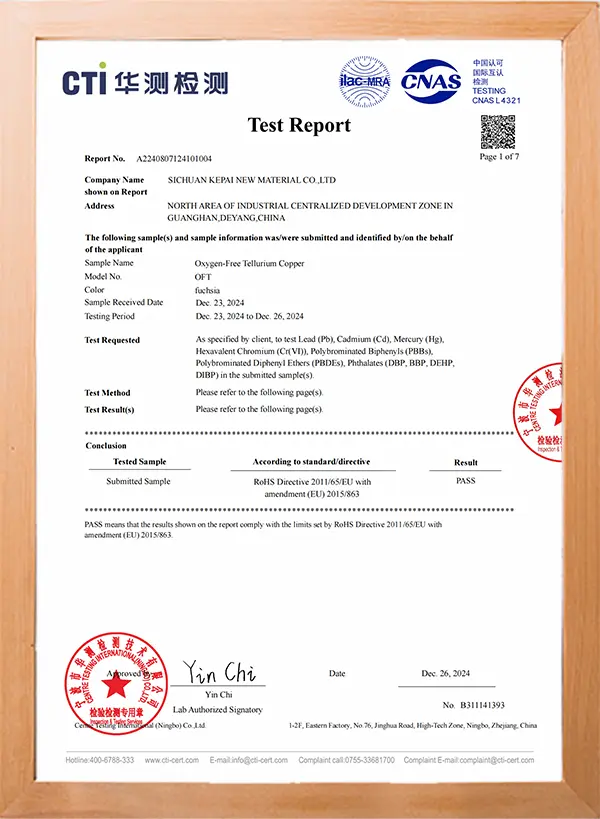
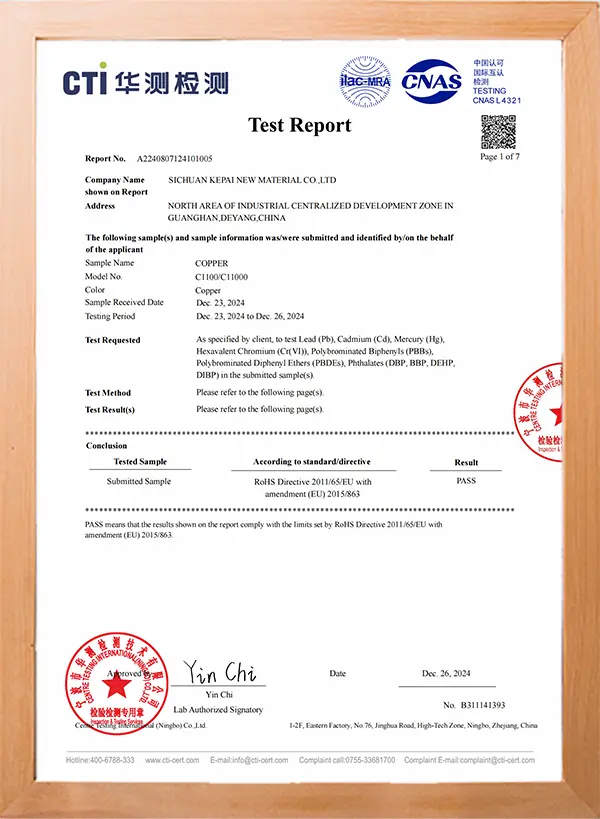
We comply with EU RoHS, REACH, and Japanese METI regulations. Solid Beryllium Cobalt Copper alloys do not present inhalation hazards during normal handling. For operations that generate dust, such as grinding or machining, we provide safety guidelines and recommend dust extraction systems. Our products are shipped with certified documentation verifying alloy composition and regulatory compliance.
C17500 utilizes Cobalt (Co) as the primary stabilizing element with Beryllium, whereas C17510 replaces Cobalt with Nickel (Ni). C17510 offers slightly higher electrical conductivity and thermal performance in specific temper conditions, making it suitable for semiconductor probe cards. C17500 is typically selected for applications requiring higher thermal resistance and hardness under mechanical stress, such as welding dies and casting systems.
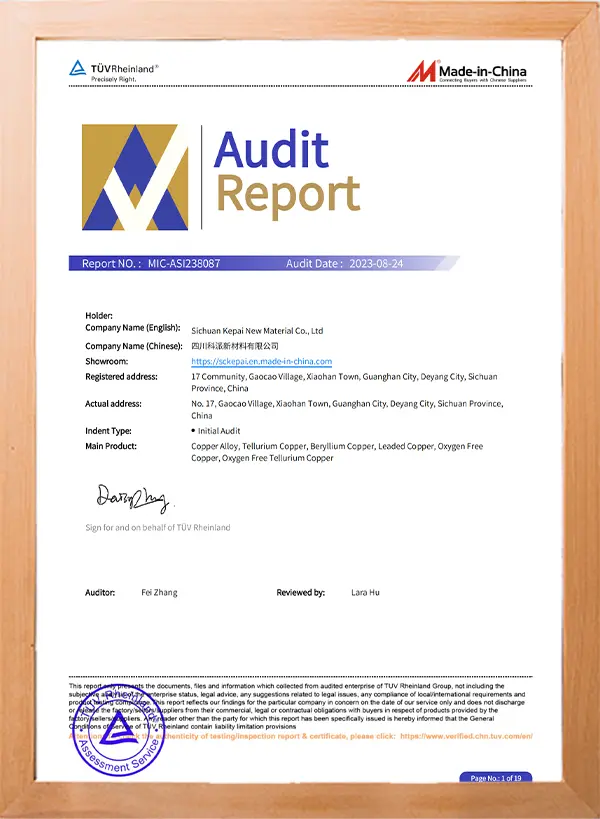
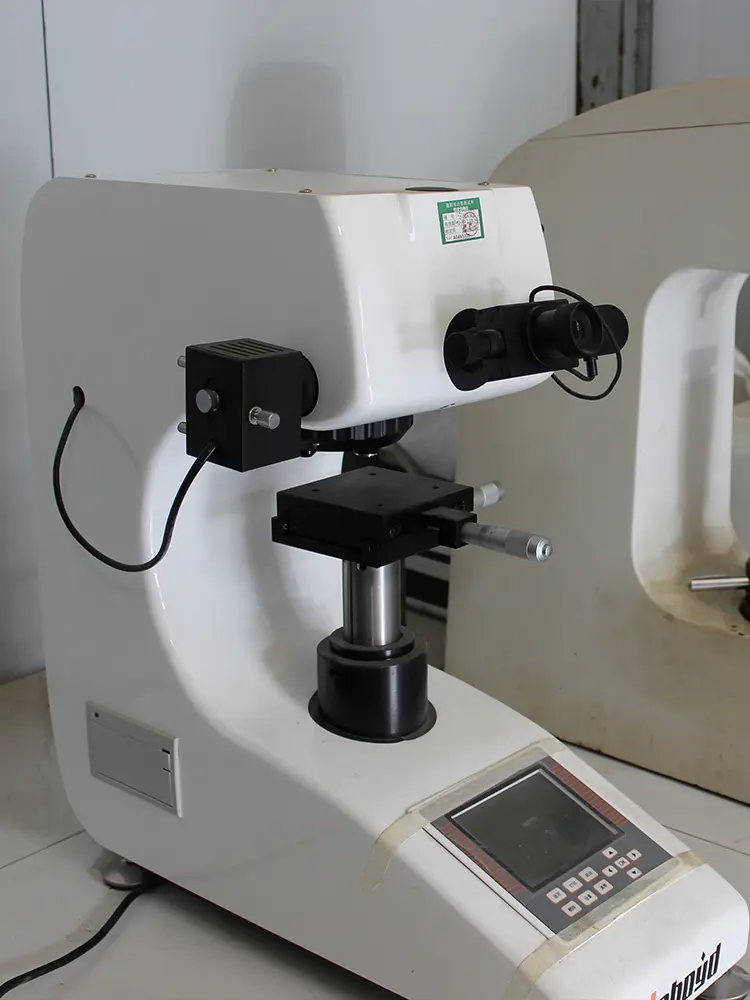
Our quality assurance protocol includes testing at multiple stages: optical emission spectrometry for chemical composition control, eddy current testing for internal defect detection, and mechanical testing for tensile strength and hardness. Every batch sent to Japan is traceable and accompanied by an official Mill Test Certificate (MTC).
We offer a range of specialized copper alloys, including free-cutting, high-conductivity, and wear-resistant grades for precision machining facilities in Yokohama, Shizuoka, and Kobe.
 Kepai
Kepai