Premium precision materials engineered to handle extreme mechanical and electrical loads.
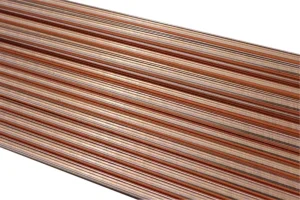
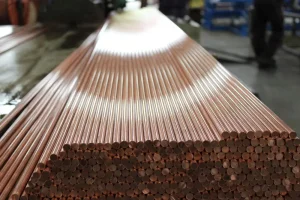
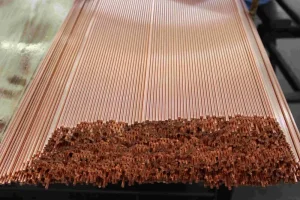
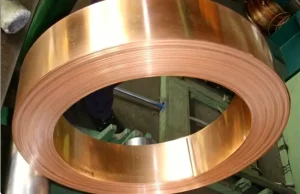
Bangkok and its surrounding provinces, particularly the key zones within the Eastern Economic Corridor (EEC), have transitioned from traditional manufacturing centers into advanced technological hubs. The acceleration of high-performance automotive platforms, precision consumer electronics, and smart energy infrastructure across Samut Prakan, Chonburi, and Rayong has fueled a surge in demand for specialized copper alloys. High among these is Beryllium Cobalt Copper (C17500 / C17510), which offers a unique combination of high thermal conductivity and superior mechanical strength.
For industries located in Bangkok's metropolitan region, maintaining a continuous supply chain of grade-A alloyed copper is critical. Standard copper variations cannot handle the combined heat and stress of robotic resistance welding lines, automotive wire harnesses, and semiconductor lead frames. Local sub-tier automotive suppliers are increasingly requesting Beryllium Cobalt Copper because of its ability to retain structural integrity at elevated temperatures. It serves as the primary electrode material for spot welding operations, particularly in light-alloy automotive body structures where efficiency and consistency determine profitability.
By micro-alloying copper with 0.4–0.7% Beryllium and 2.4–2.7% Cobalt, the alloy undergoes precipitation hardening. This results in an electrical conductivity rating of up to 60% IACS while maintaining a hardness rating of up to 95 HRB. This ensures minimal contact resistance and maximum thermal transfer, reducing equipment downtime on manufacturing lines.
As a global manufacturer and key supplier to the ASEAN region, Sichuan Kepai New Material Co., Ltd. addresses the specific material challenges faced by Bangkok enterprises. By ensuring consistent stock, compliant chemical ratios, and direct engineering advisory services, we help local fabricators optimize their stamping and machining setups to prevent cracking and micro-fractures in high-voltage relays and telecom components.
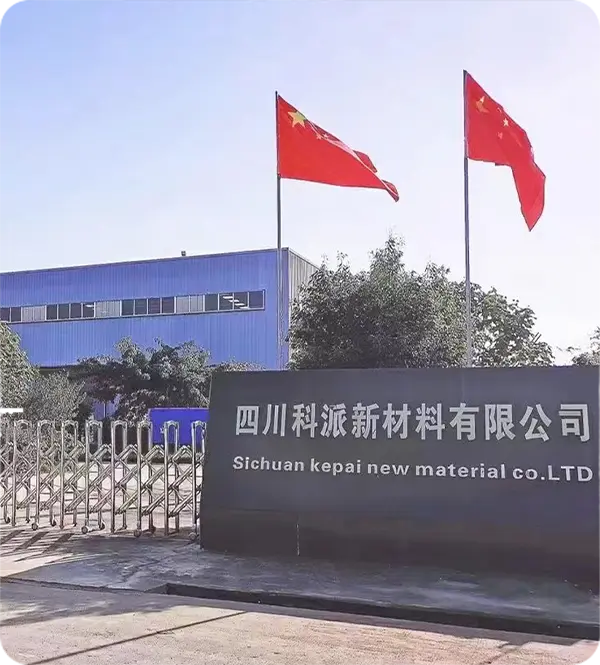
Established in 2017, Sichuan Kepai New Materials Co., Ltd. is a high-tech enterprise integrating R&D, advanced precision manufacturing, and international export distribution. The factory sits on a state-of-the-art facility covering approximately 9,000 square meters, supported by a 1,000 square meter technical and administrative office block.
Our operations focus on the production of strategic metallic alloys highlighted under key national industrial frameworks. We are specialists in producing specialty copper alloys including Tellurium Copper, high-conductivity Oxygen-Free Copper, Silver Copper, Dispersion Copper, and high-tensile Beryllium Copper varieties (C17200, C17500, C17510).
These products play vital roles in rapidly developing fields such as Electric Vehicle (EV) components, 5G wireless network infrastructure, high-power industrial fiber laser cutting heads, and heavy-duty battery relays. By locating our production base in Guanghan Industrial Development Zone close to major transport veins like National Highway 108, we maintain optimized transit times and logistics pipelines for both regional and international shipments.
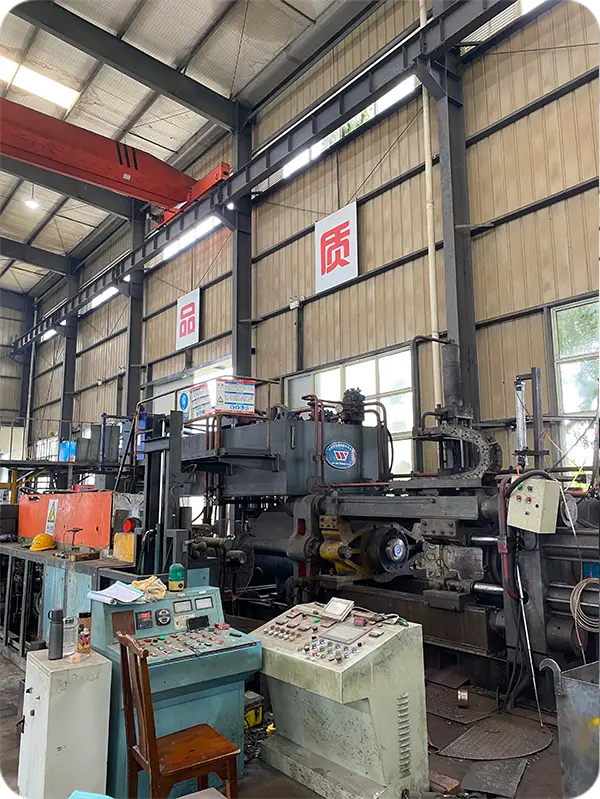
Our goal is the alignment of green manufacturing protocols with highly reliable industrial production outputs, ensuring that heavy-duty copper products are delivered with lower footprints.
Kepai is located in the western area of the Sichuan Guanghan Industrial Development Zone, adjacent to National Highway 108. This location provides convenient transportation which forms the foundation of our logistics network. Since our inception, we have prioritized innovation-driven development and quality-focused market positioning, supporting industrial upgrading and sustainable initiatives in copper metallurgy.
Our engineering and support structure is built around solving complex metallic wear and conductivity failures.
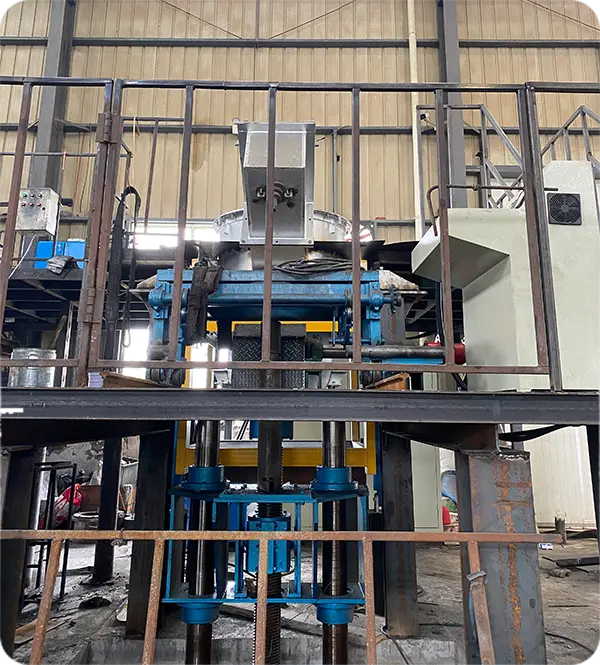
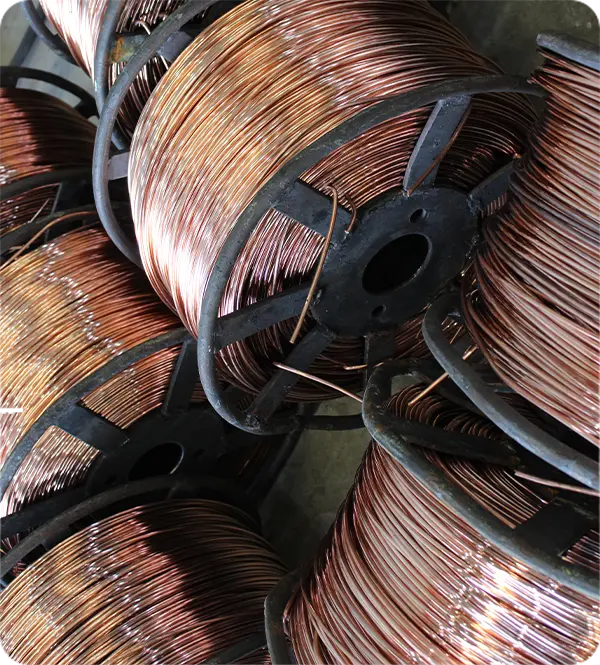
Technological innovation is our core competitiveness. We host an R&D and production team composed of industry metallurgists who track international engineering developments in copper alloys. Through independent research and academic partnerships, Kepai has developed advancements in high-conductivity Tellurium Copper, Sulfur Copper, and Lead Copper. Our material formulations are used in industries including electric vehicles, precision machining, plasma cutting, and energy storage, securing market recognition across multiple international corridors.
Kepai's product portfolio is structured to offer standard formulations alongside custom specifications. We focus on providing high-performance copper alloy solutions, including pure copper, oxygen-free copper, oxygen-free high-conductivity tellurium copper, nickel tellurium copper, tin bronze, beryllium copper, lead bronze, sulfur copper, and chromium zirconium copper. Designed for longevity and environmental compliance, these alloys help reduce production costs while enhancing target device properties.


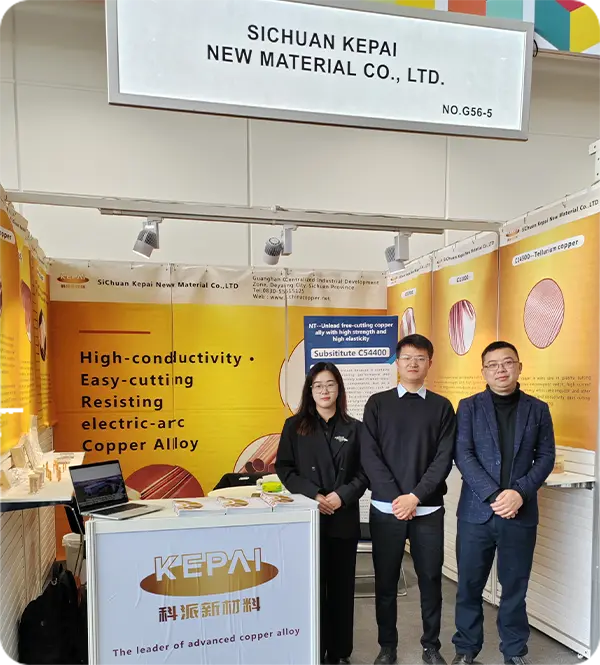
Addressing global market competition, Kepai operates under a strategy of localizing client support while scaling global reach. We have built stable sales networks across domestic provinces and established partnerships with several international manufacturing firms. Our export department manages delivery timelines, tariff documentation, and material compliance (such as RoHS and REACH declarations) to provide seamless operations for overseas buyers.
Analyzing the specifications and supply chain expectations for modern micro-alloyed copper metals.
C17500 alloy is used to manufacture durable contact tips, electrode caps, and welding wheels that handle high thermal loads under mechanical pressure.
Used in high-voltage distribution terminals, relay contact points, and charging connection couplers demanding high conductivity and arc resistance.
C17200 Beryllium Copper provides the hardness and wear resistance required for micro-stamping lead frames and connector housings.
The manufacturing of micro-alloyed Beryllium Cobalt Copper requires precise temperature control during melting, hot extrusion, cold drawing, and aging treatment stages. Minor fluctuations in raw chemical composition can alter the precipitate distribution within the grain boundaries. Our research team focuses on refining grain sizes to reach ASTM 8 or higher, which reduces localized mechanical failure risk under cyclic load profiles.
We employ vacuum induction melting systems to minimize oxidation, producing clean alloys free of inclusions. This structural purity ensures that when parts are machined on high-speed CNC centers in Bangkok or elsewhere, the tool wear is uniform, reducing tool change cycles and micro-burring.
Additionally, we are actively researching lower-beryllium alternative alloys and optimized multi-element systems to meet evolving international ecological guidelines while preserving high mechanical strength.
Our processes are audited to international quality guidelines, ensuring consistency from batch to batch.
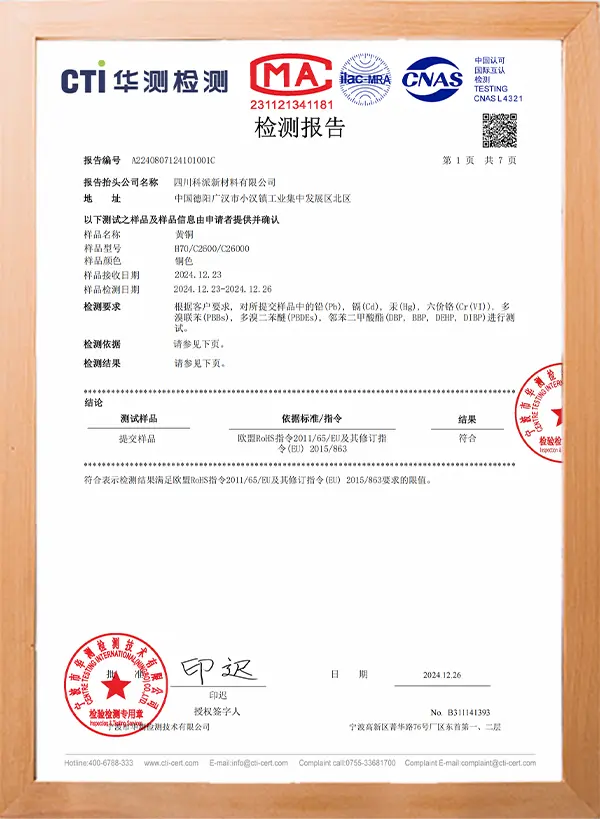
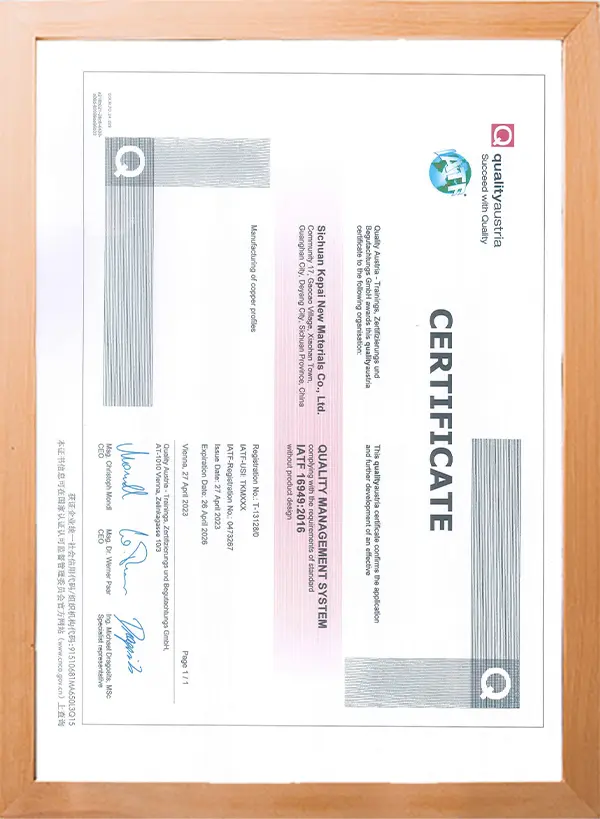
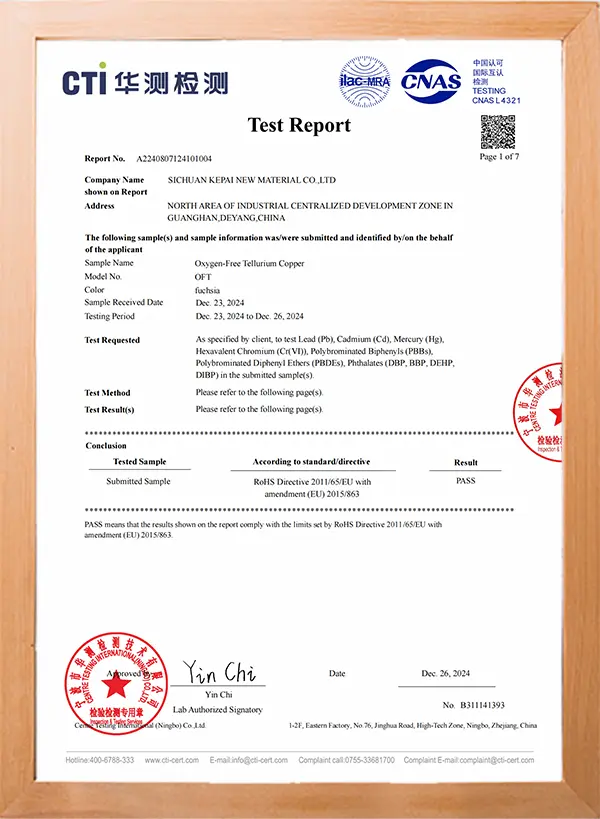
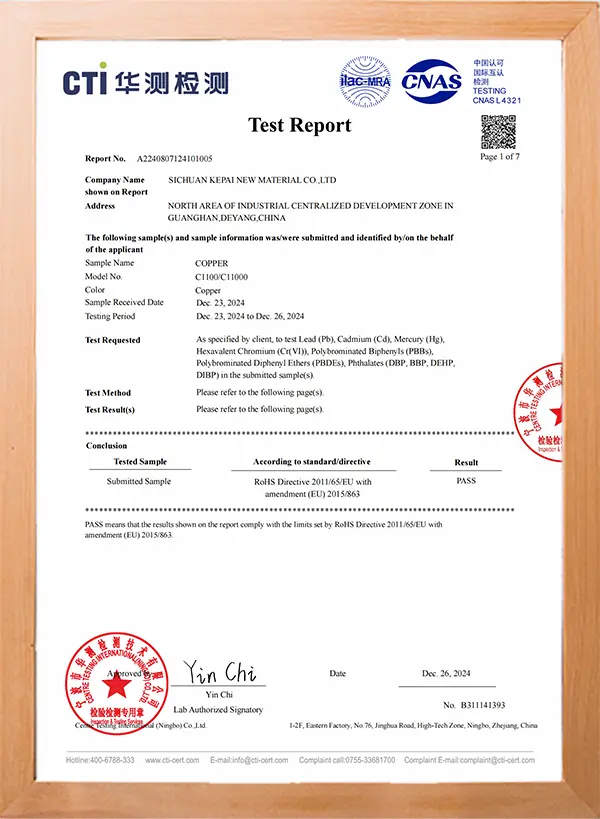
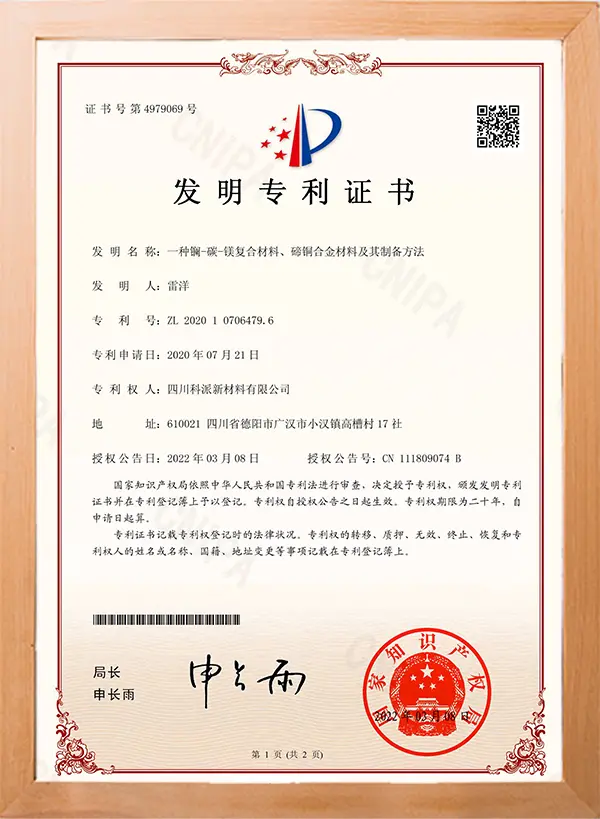
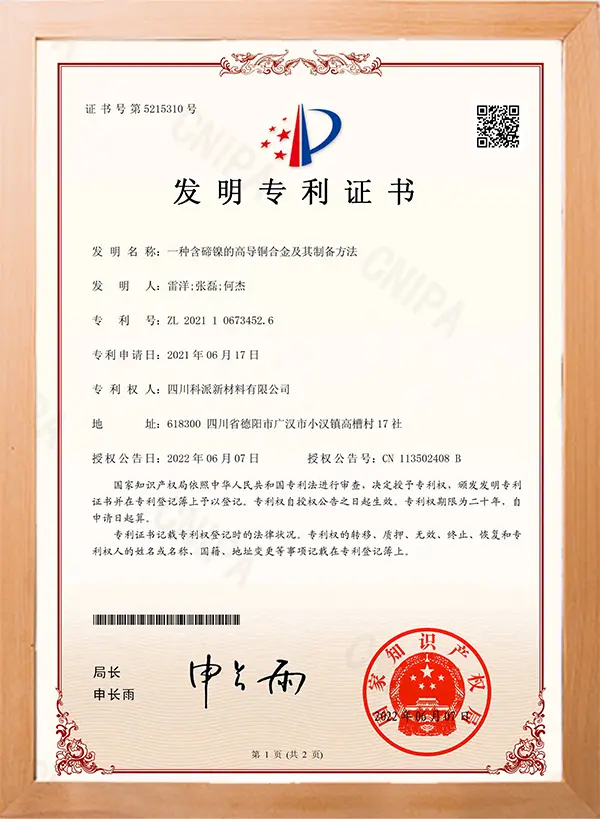
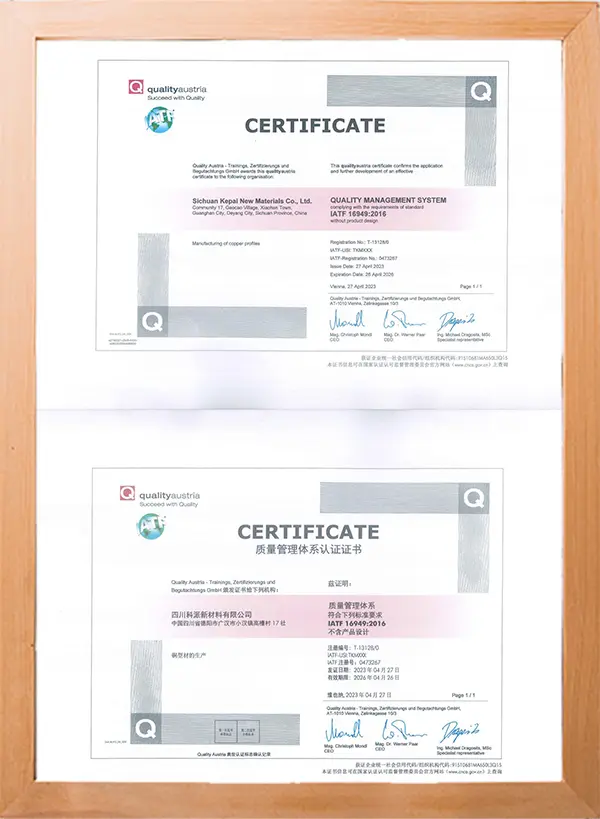
Each alloy batch is shipped with physical analysis certifications containing spectrographic chemical testing, electrical conductivity evaluation (IACS % values), hardness checks (HRB/HV), and dimensional variance verification. Our testing facilities feature computerized universal testers, hardness testing rigs, and chemical testing chambers to verify compliance before shipment.
Our advanced production line enables reliable output from initial smelting to final packaging.
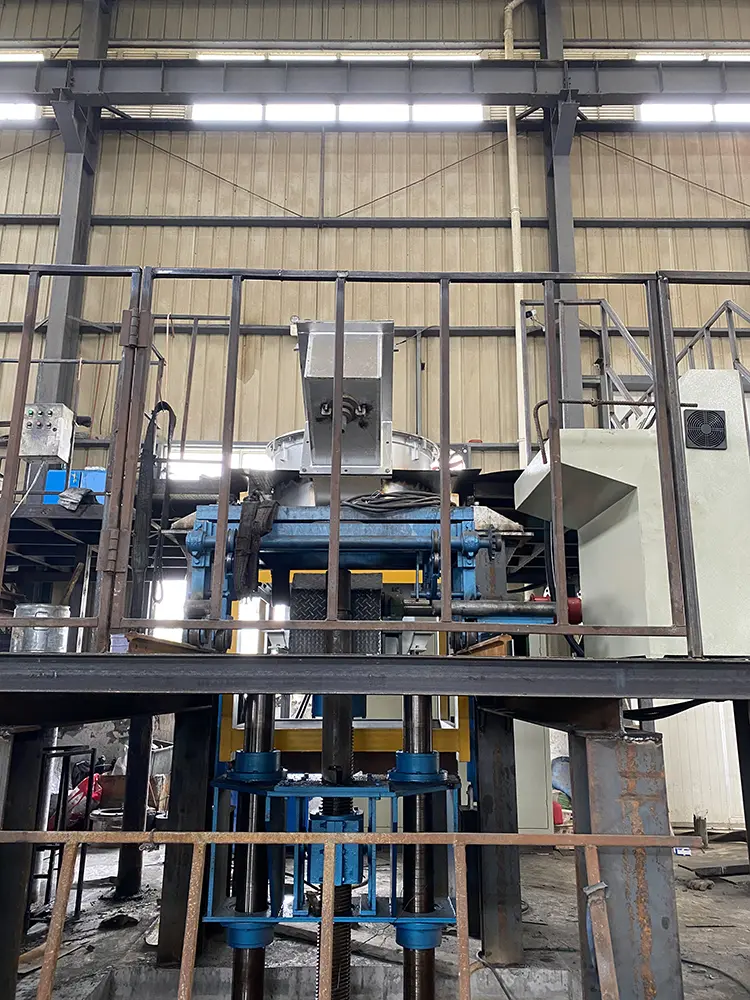
Alloy Smelting
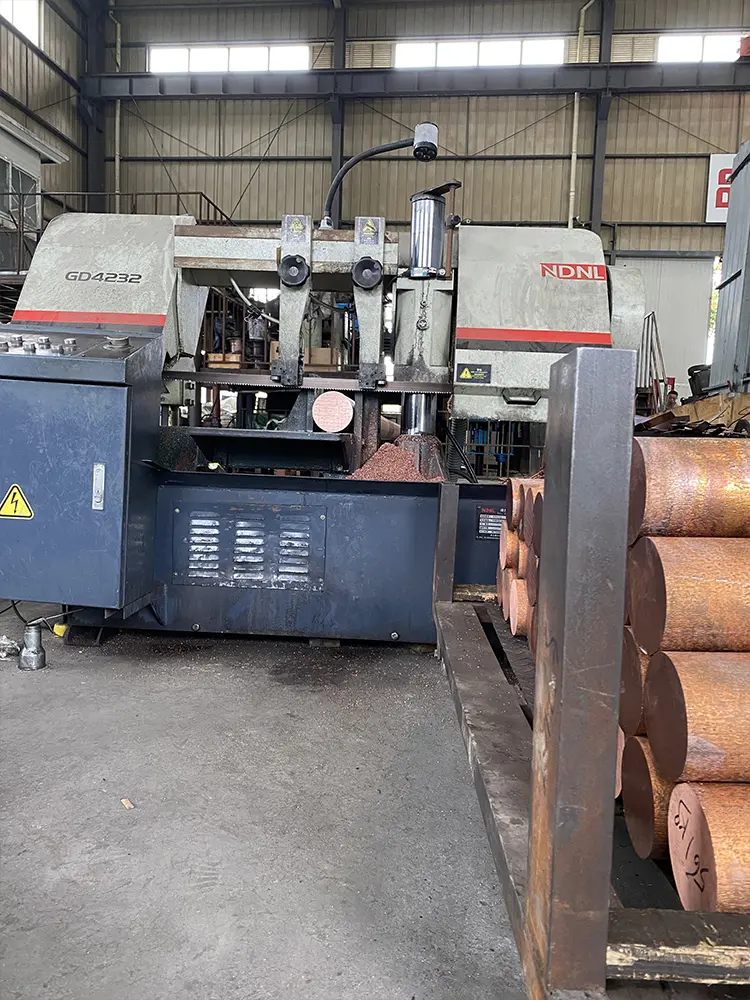
Laying-Off / Billets
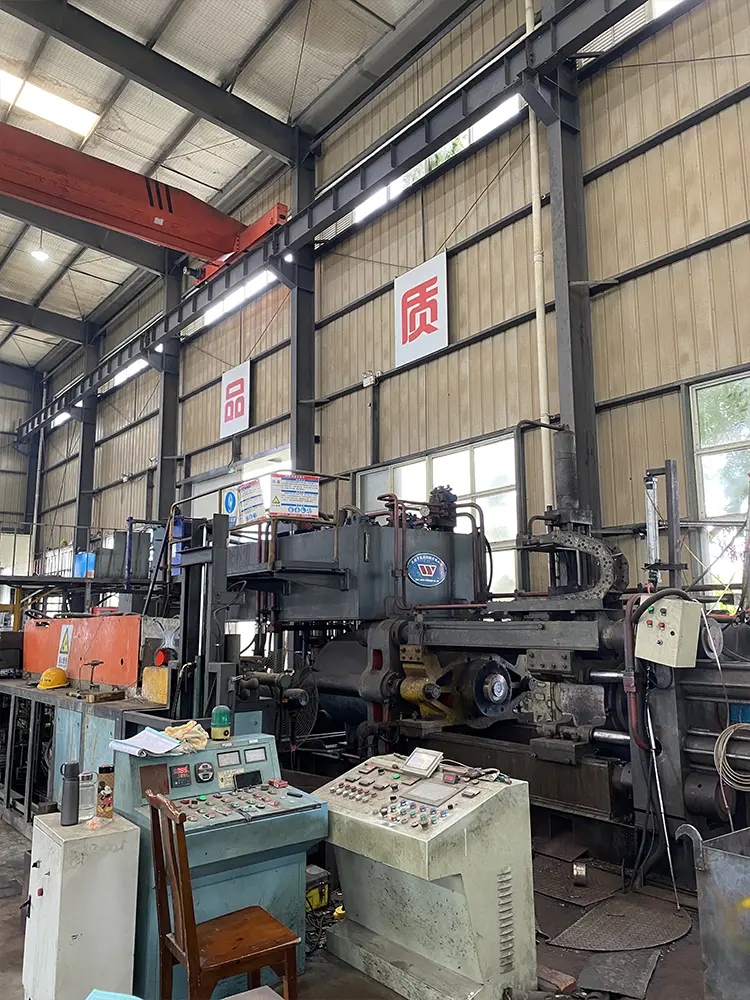
Extrusion Pressing
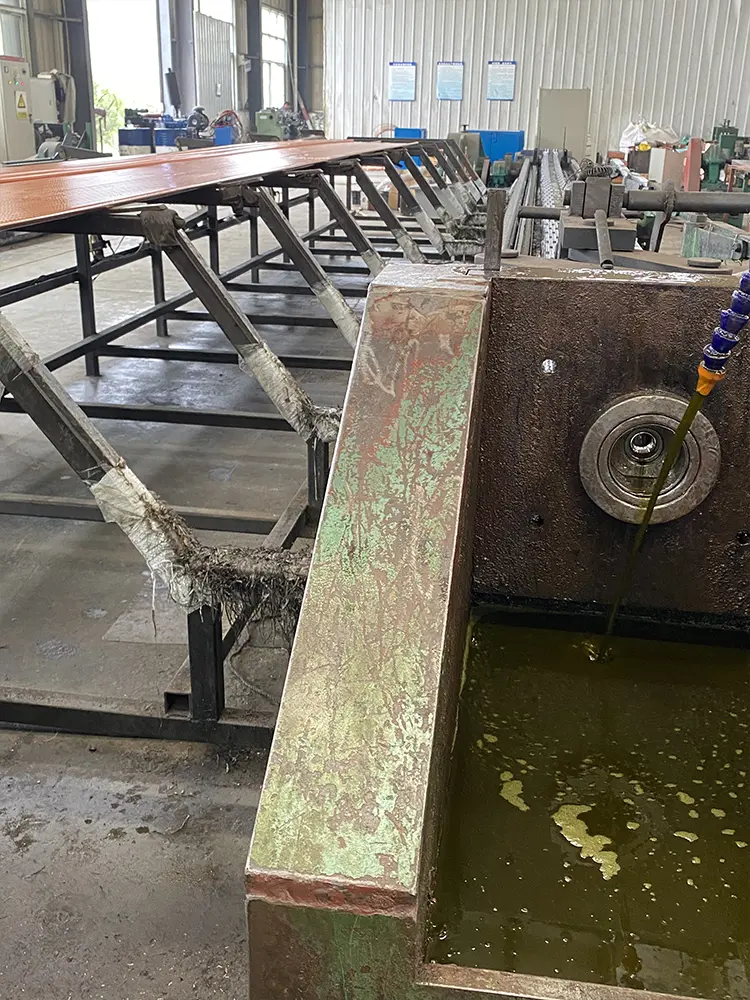
Cold Drawing Line
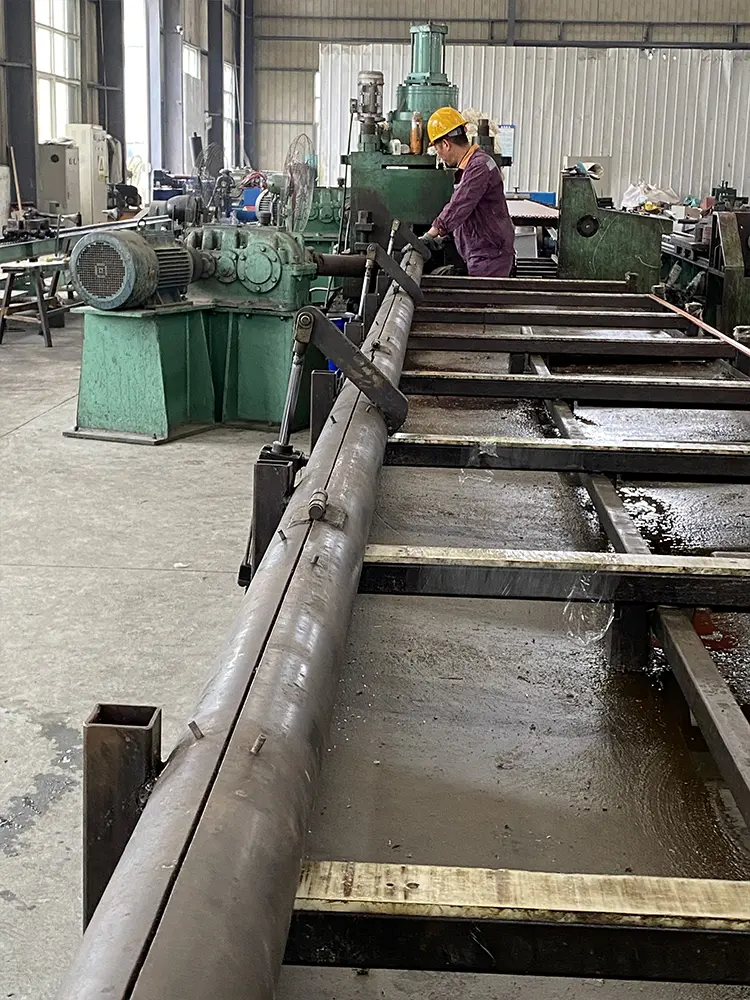
Straightening Machine
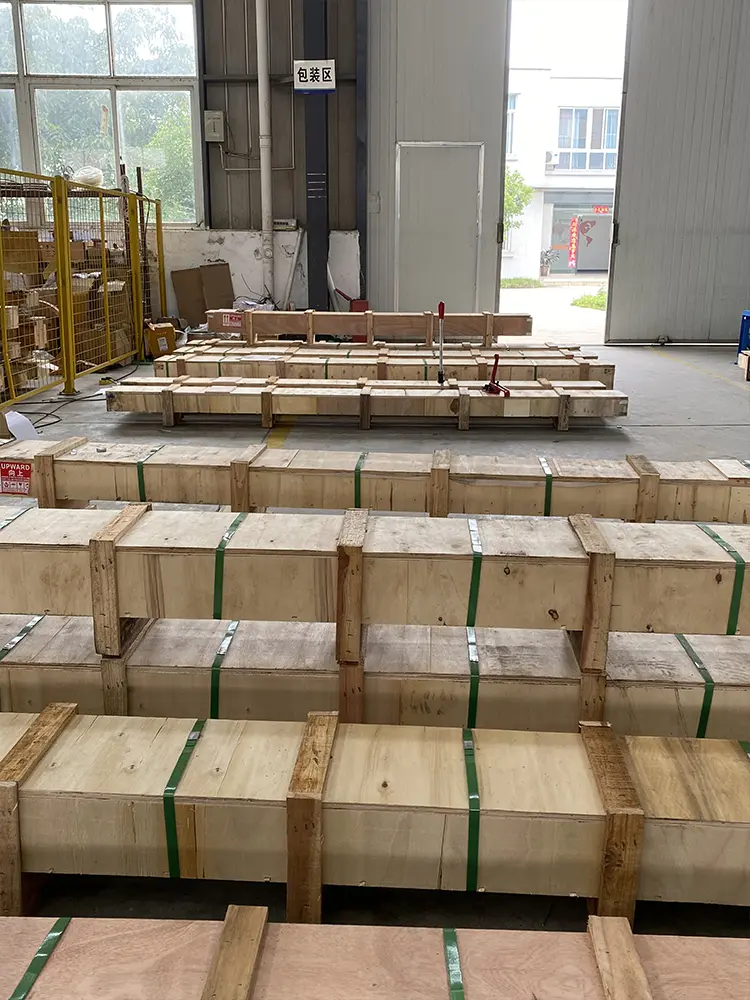
Protective Packaging
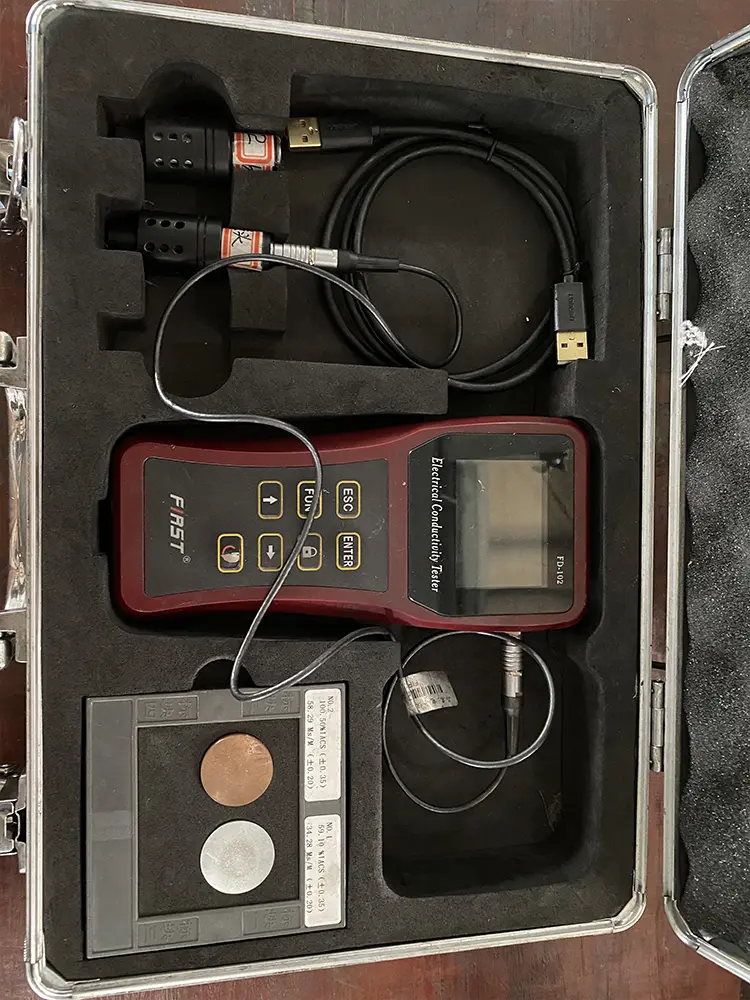
Eddy Current Conductivity Instrument
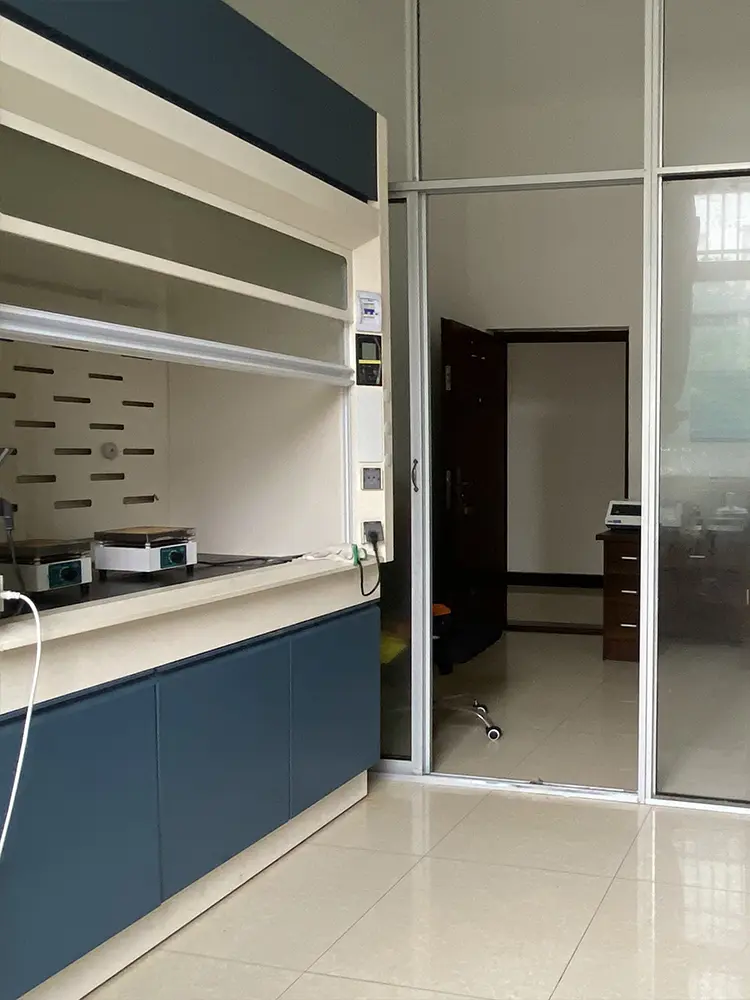
Chemical Composition Analysis

Metallographic Polishing
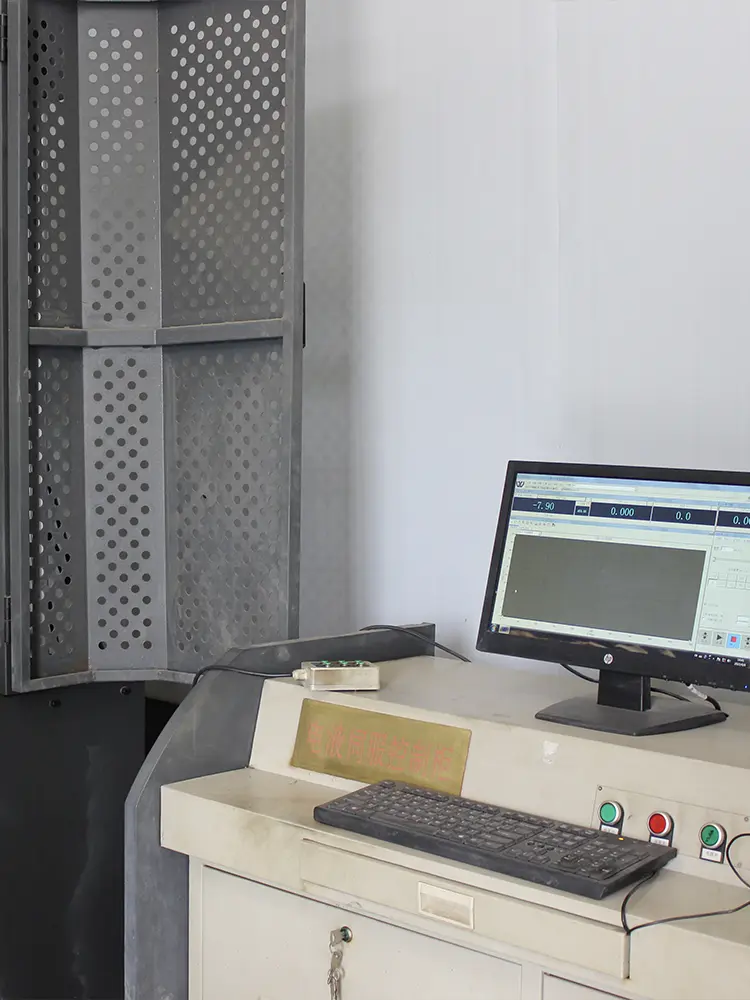
Electro-Hydraulic Servo Testing
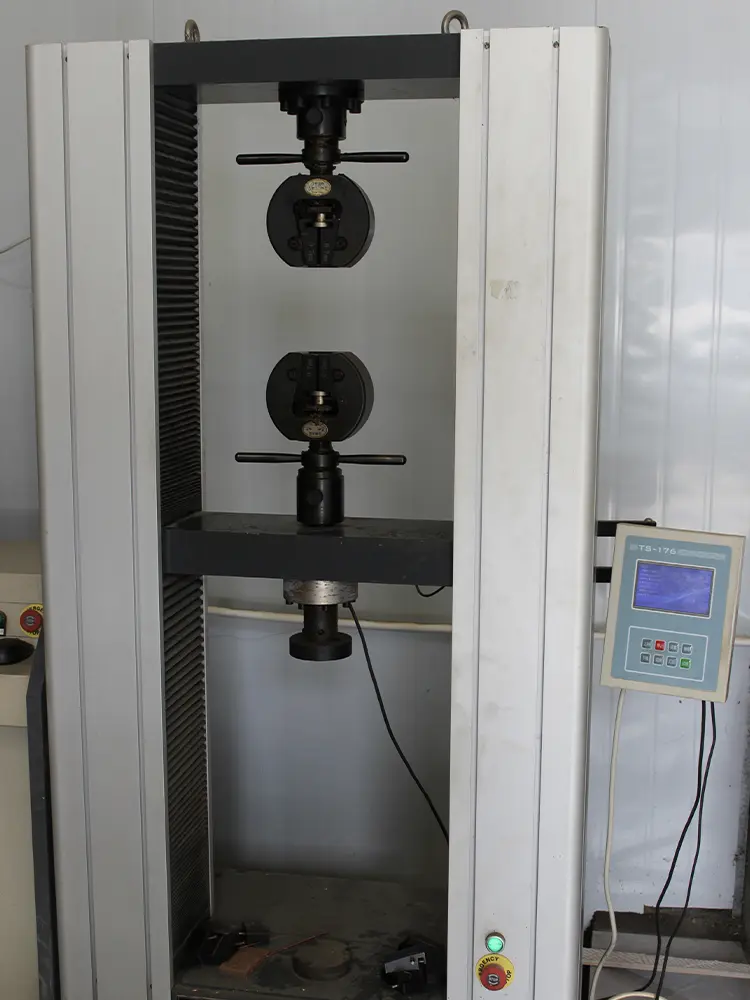
Electronic Universal Testing
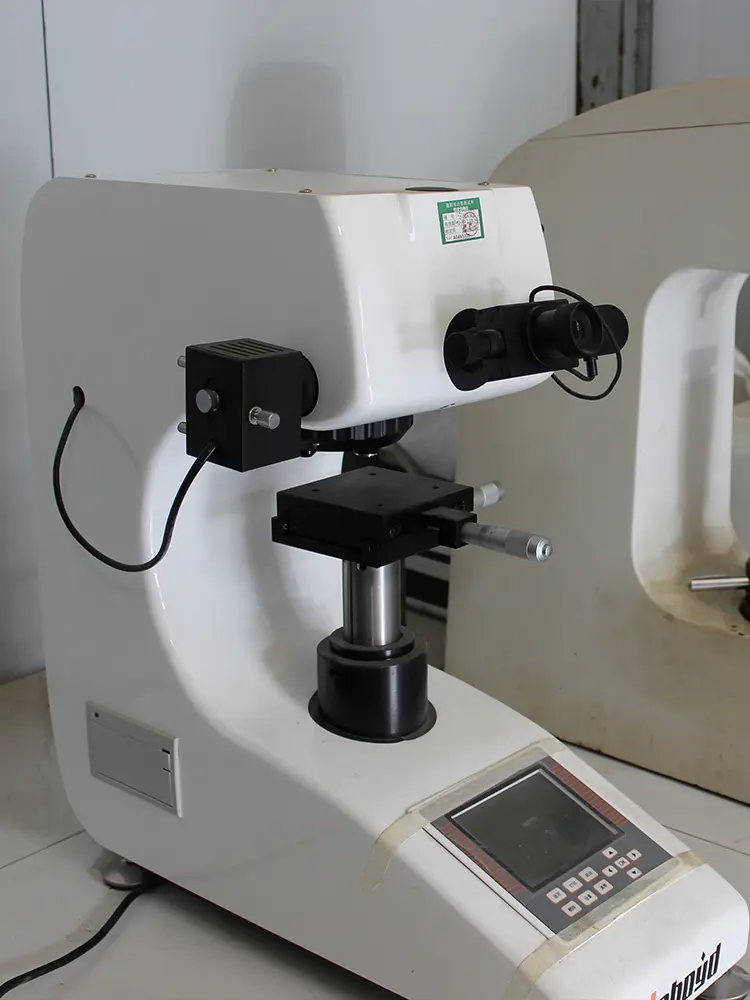
Digital Hardness Tester
Common questions regarding the selection, application, and processing of copper alloys.
C17500 Beryllium Cobalt Copper features a composition of 0.4–0.7% Beryllium and 2.4–2.7% Cobalt, offering high electrical and thermal conductivity (typically 45-60% IACS) combined with high hardness and strength. C17510 replaces Cobalt with Nickel (1.4–2.2% Nickel, 0.2–0.6% Beryllium) in specific formulations, which provides similar mechanical properties and electrical conductivity, often making it an alternative for high-performance thermal connectors and switches.
These alloys achieve their properties through precipitation hardening (aging). Solution annealing at around 900–950°C dissolves the alloying elements, followed by a water quench. The material is then aged at 450–480°C for 2 to 3 hours, causing fine beryllide phases to precipitate, which increases the material's mechanical strength and hardness while restoring electrical conductivity.
Yes, Beryllium-containing alloys in solid form are compliant with current RoHS and REACH directives. They do not contain restricted hazardous substances like lead, mercury, or cadmium above allowable limits. However, processing that generates dust or fumes, such as dry grinding or welding, requires proper local exhaust ventilation to ensure airborne particle concentrations remain below occupational exposure limits.
Due to our proximity to National Highway 108 and key rail terminals, we offer multiple shipping routes. Bulk orders are typically shipped via Chengdu-Guangdong rail links to marine terminals, followed by sea transit to the Port of Bangkok or Laem Chabang. Urgent material requirements can be dispatched via air freight from Chengdu Shuangliu International Airport. We provide export customs clearance documents, certificates of conformity, and packing lists to support fast processing.
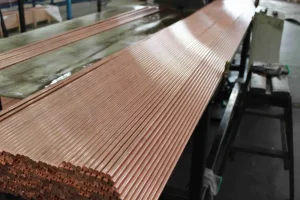
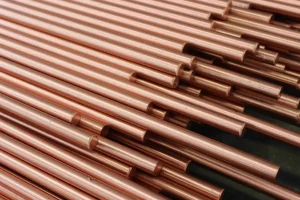
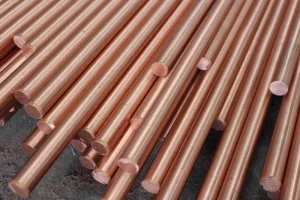
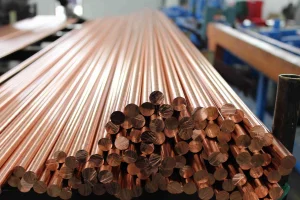
Our primary line of high-conductivity, wear-resistant, and high-strength alloys available for global delivery.

Need technical datasheets, certified test reports, or customized geometry pricing? Contact our engineering team for support with your requirements.
 Kepai
Kepai