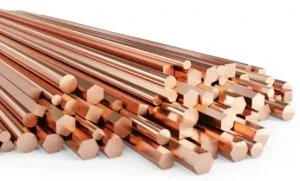
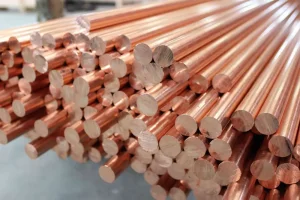
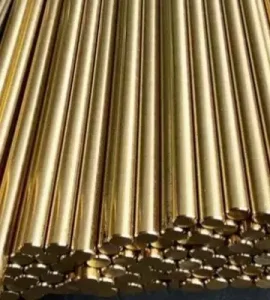
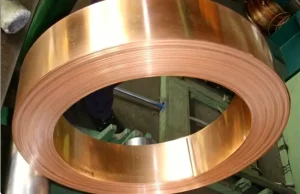
Explore our top-performing precision copper alloys engineered for high structural strength, thermal conductivity, and outstanding processability.
Understanding the high-conductivity, precipitation-hardened matrix that defines the pinnacle of heavy industrial copper applications.
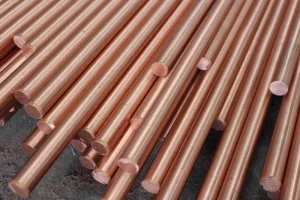
C18150 Chromium Zirconium Copper (CuCr1Zr) represents a premium, high-strength, high-conductivity copper alloy meticulously engineered for structural and electrical performance under extreme conditions. The addition of Chromium (Cr) and Zirconium (Zr) induces precipitation-hardening, which fundamentally alters the metallurgical lattice structure. During the solution annealing stage, these alloying elements remain dissolved within the copper matrix. Subsequent aging processes precipitate coherent sub-microscopic particles of chromium and zirconium compounds. This atomic configuration acts as an exceptionally efficient barrier against dislocation movement, boosting mechanical strength and hardness without dramatically reducing the electrical path length of free electrons.
In contrast to standard pure coppers which soften rapidly at temperatures above 200°C, C18150 retains its mechanical integrity and resists deformation at temperatures up to 500°C. The zirconium additions actively prevent grain growth at elevated temperatures, providing crucial creep resistance and anti-stick properties when used in resistance welding electrodes and high-power electrification grids. These factors ensure longer production lifecycles, reduced down-time, and stable thermal dissipation cycles.
| Chemical / Physical Characteristic | Composition Value / Metric Limit | Engineering Benefit |
|---|---|---|
| Chromium (Cr) Content | 0.50% – 1.50% | Promotes precipitation hardening; increases mechanical strength at elevated temperatures. |
| Zirconium (Zr) Content | 0.05% – 0.25% | Enhances creep resistance; elevates softening temperature; prevents stickiness during welding. |
| Copper (Cu) Base | Balance (Min. 98.0%) | Preserves ultra-high thermal conductivity and excellent electrical performance (>80% IACS). |
| Hardness Range | 70 - 85 HRB | Resists mechanical deformation and abrasive wear in harsh friction environments. |
| Softening Temperature | 500°C (932°F) | Maintains structure under continuous high-temperature thermal loads. |
Analyzing the worldwide shift towards C18150 alloys within the green energy grid, aerospace manufacturing, and automotive electrification.
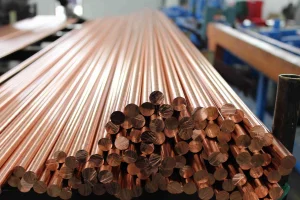
The rapid transition to battery electric vehicles demands high-performance electrical connectors, busbars, and robust robotic spot-welding components. C18150 copper rods serve as the standard material for automated EV assembly lines due to their long wear life and superior conductivity.
With rising thermal stresses in modern avionics, propulsion systems, and rocket combustion chambers, manufacturers utilize C18150 for its structural stability under severe thermal cycling and high-temperature oxidation resistance.
Smart grids and high-voltage transmission networks depend on reliable switchgear, electrical contacts, and circuit breakers. Using C18150 ensures these components operate safely without overheating under surge current conditions.
How Sichuan Kepai New Material Co., Ltd. integrates environmental responsibility with state-of-the-art copper metallurgy production.
Strategically located in the western zone of the Sichuan Guanghan Industrial Development District, adjacent to Highway 108, Kepai enjoys optimized logistics routes to major shipping terminals. Since our founding in 2017, we have prioritized clean, resource-efficient smelting processes, utilizing regional hydropower to reduce the carbon footprint of our high-conductivity copper alloys.
How C18150 Chromium Zirconium Copper rods solve critical engineering challenges in real-world operations.
Automotive assembly lines utilize high-frequency robotic spot-welding systems that operate under high current loads and mechanical pressures. Electrode tips fabricated from standard copper soften rapidly, losing their geometric profiles, which leads to weld defects.
The C18150 Solution: Our C18150 rods provide the high hardness and thermal resistance needed to prevent tip deformation and minimize sticking, resulting in consistent weld quality and significantly reducing tip-dressing intervals.
High-voltage grid switchgears experience severe electrical arcing during contact separation. Contact terminals must maintain low contact resistance to prevent thermal runaway under continuous load.
The C18150 Solution: The high conductivity of CuCr1Zr maintains a cool running temperature, while its hardness resists arcing erosion and mechanical wear over thousands of connection cycles.
Driving technological boundaries through advanced micro-alloying and innovative fabrication techniques.
By optimizing our heat treatment parameters and cold working ratios, we are refining the average grain size of our C18150 copper matrix to under 10 micrometers. This grain refinement significantly enhances fatigue life and wear resistance under cyclical stress.
Integrating vacuum induction melting (VIM) processes to limit oxygen content in the alloy below 10 ppm. This extremely low level of oxygen prevents internal oxidation of chromium and zirconium, maximizing the distribution of precipitating phases.
Developing specialized spherical C18150 metal powder optimized for laser powder bed fusion (L-PBF) 3D printing. This enables the direct manufacturing of complex, conformal-cooled induction coils and aerospace components with high electrical and thermal conductivity.
Sichuan Kepai New Material Co., Ltd. - A trusted supplier of strategic emerging new materials.
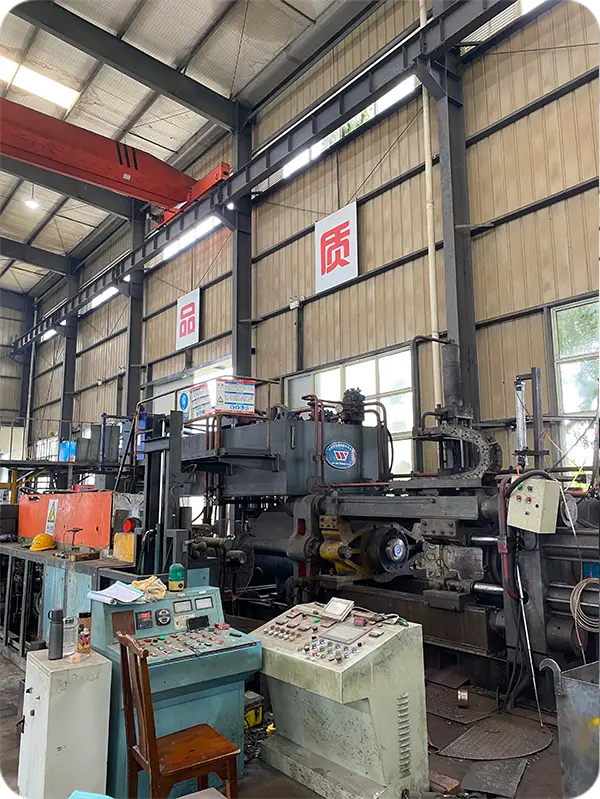
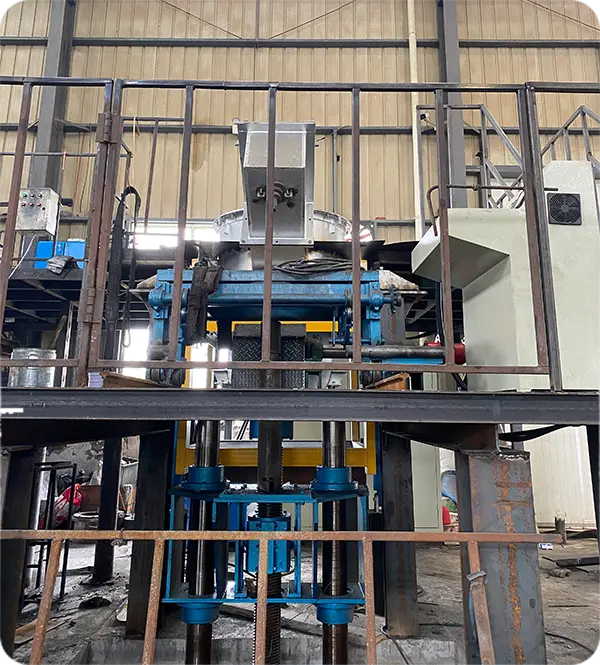
Technological innovation is our core competitiveness. Backed by senior industry experts, we explore new limits in copper metallurgy. Through internal R&D and university partnerships, we achieve breakthroughs in tellurium, lead, and sulfur copper alloys, delivering high-conductivity materials that meet global standards.
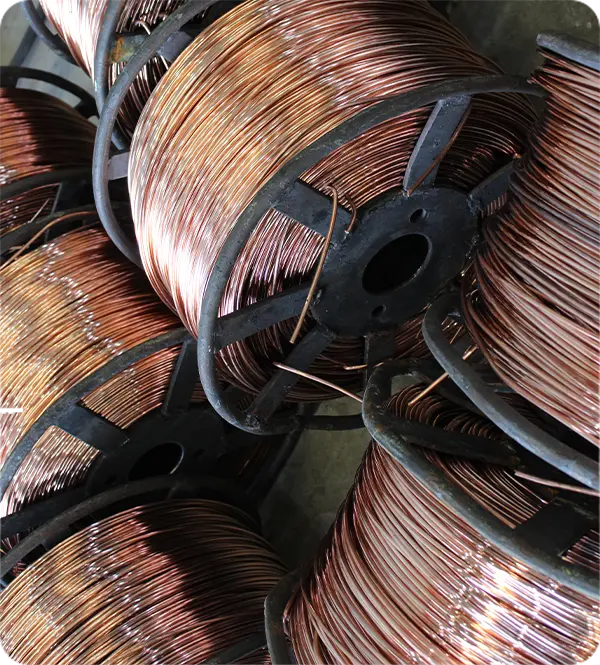

We provide diverse, high-performance copper solutions, from pure copper and oxygen-free copper to advanced alloys like tellurium copper, beryllium copper, and chromium zirconium copper. Our materials are designed to enhance equipment efficiency, reduce operating costs, and limit environmental impact.

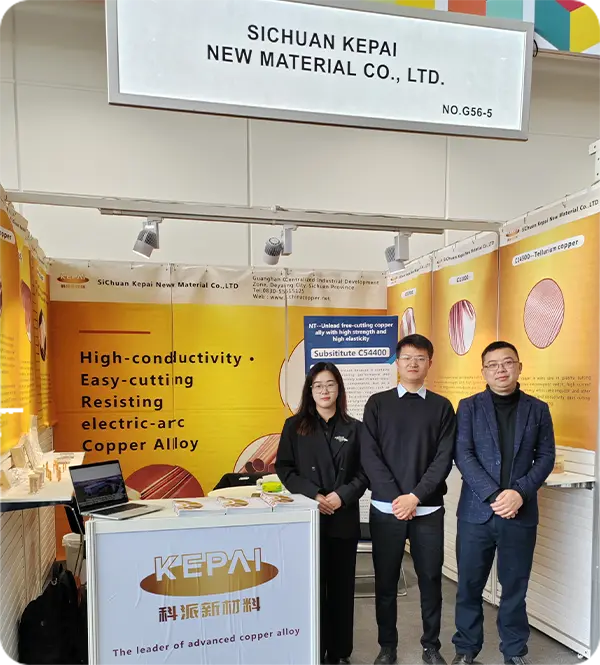
Adhering to our strategy of "rooting in Sichuan, radiating nationwide, and moving towards the world," we have built a robust distribution network serving global manufacturers. Through continuous optimization, we support leading enterprises across international industrial markets.
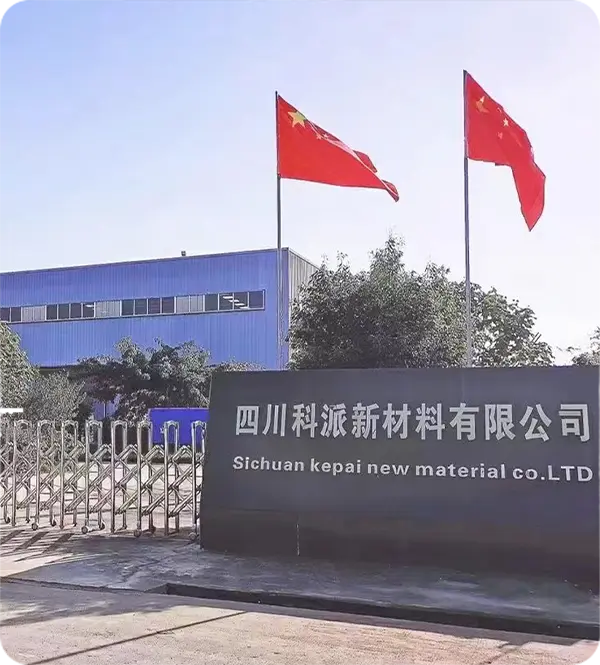

Guided by "integrity, innovation, collaboration, and win-win," we foster an inclusive, creative work environment. By focusing on employee development and shared success, we aim to deliver long-term value for our clients and the manufacturing industry.
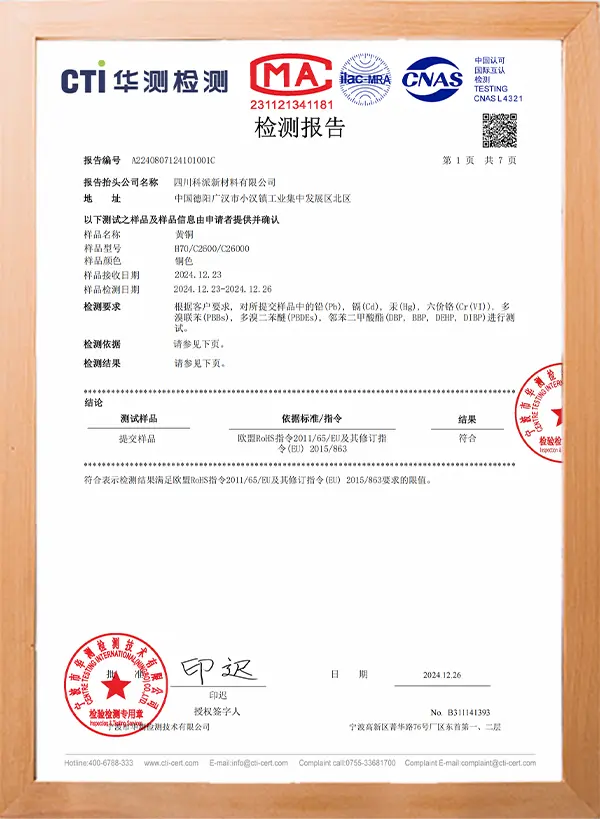
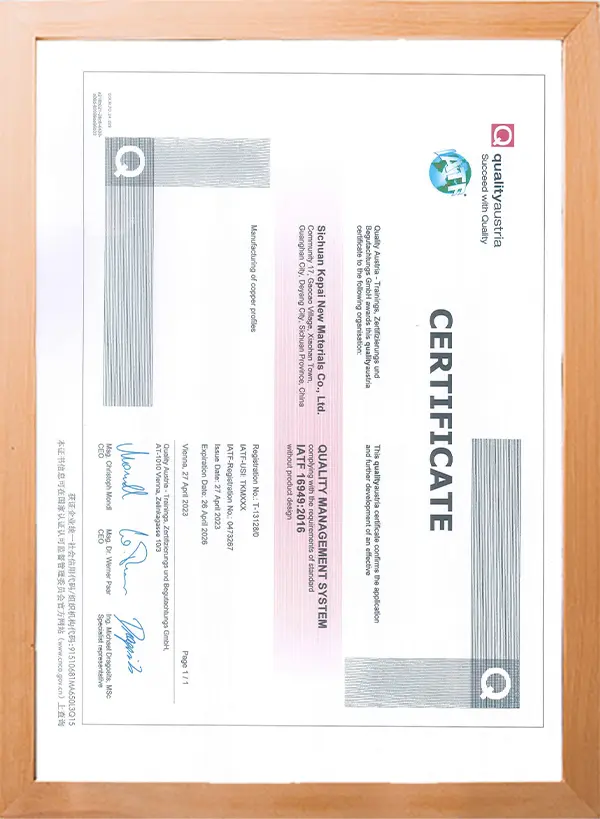
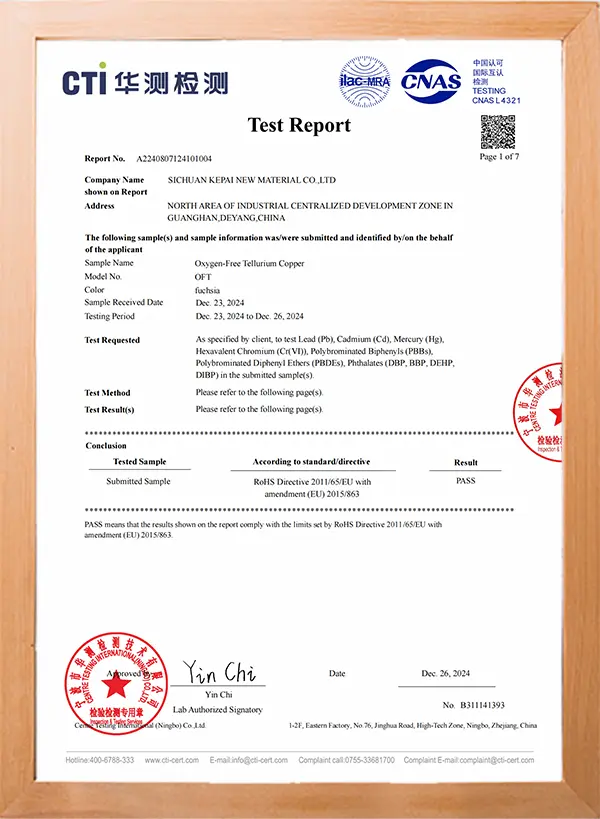
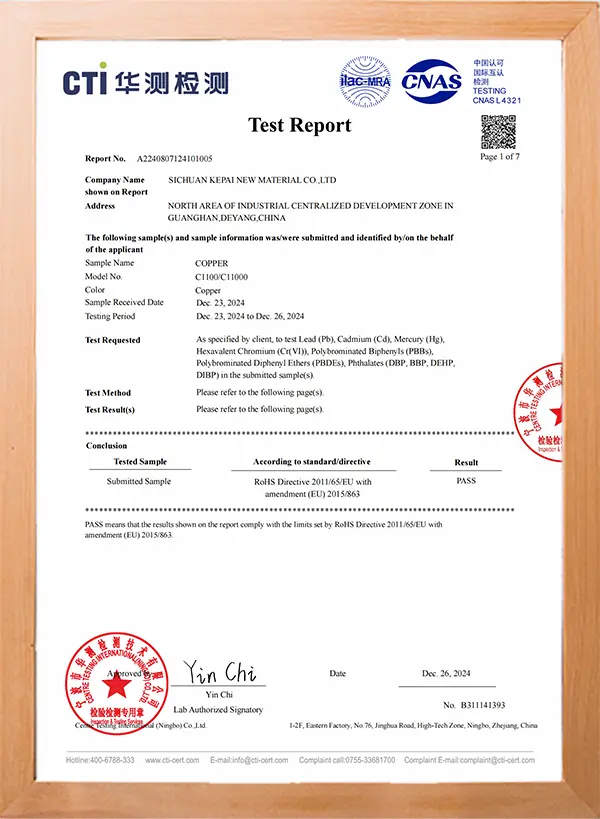
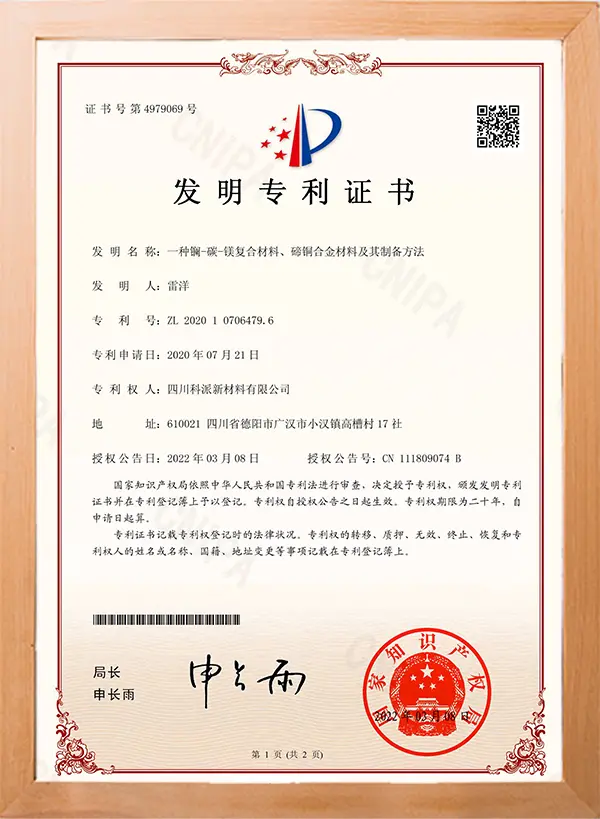
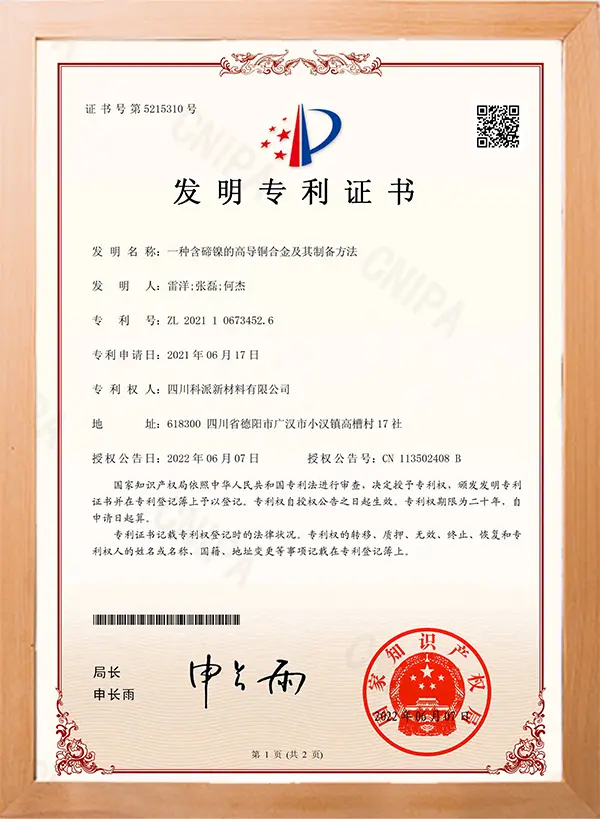
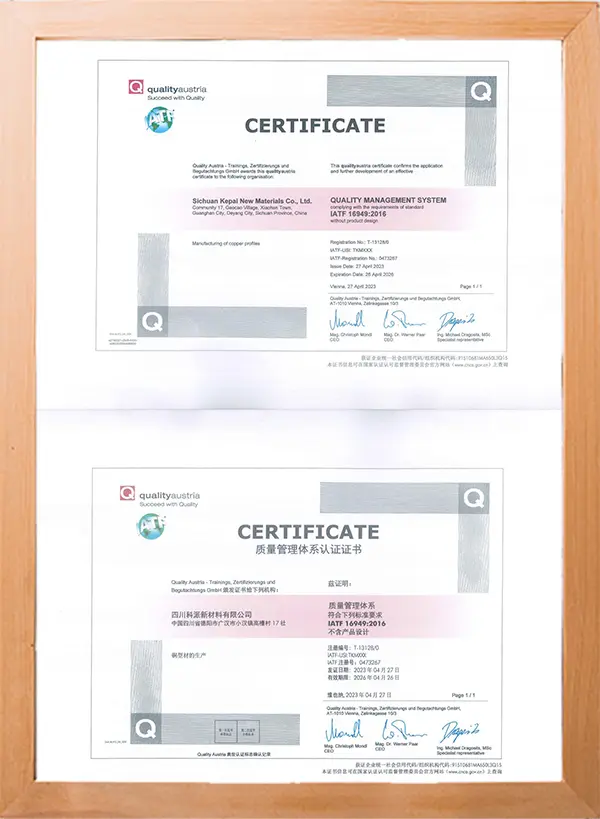
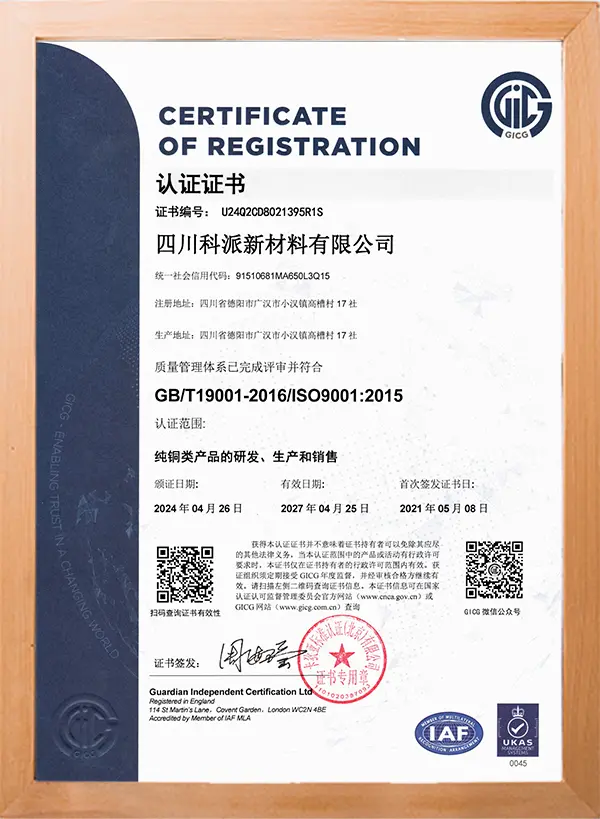
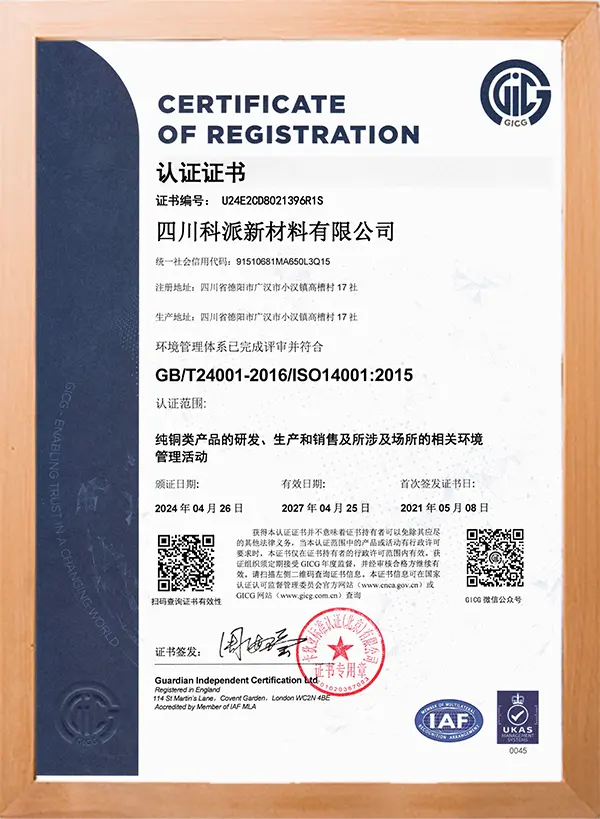
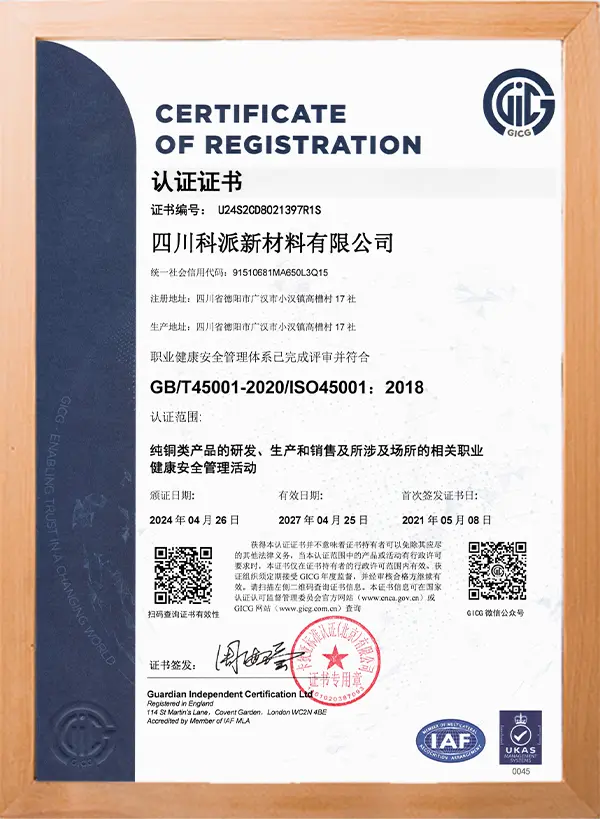
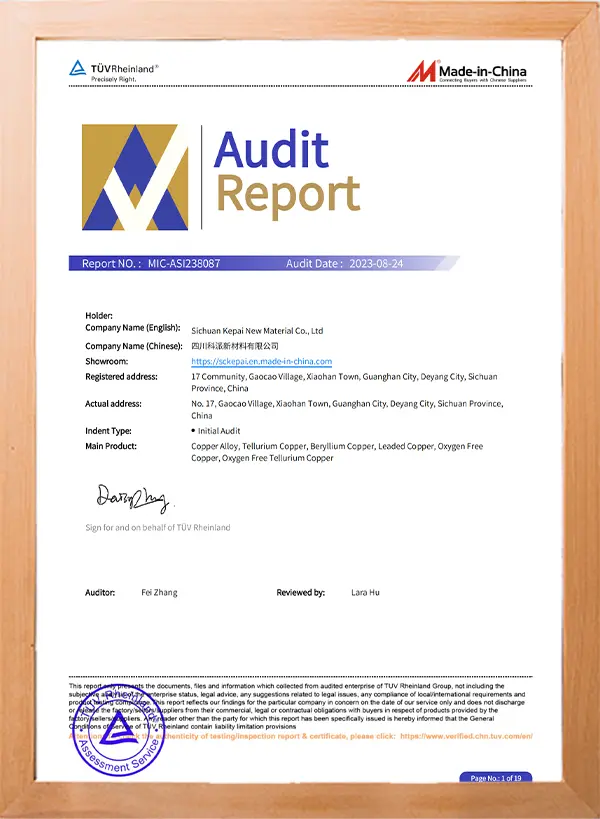
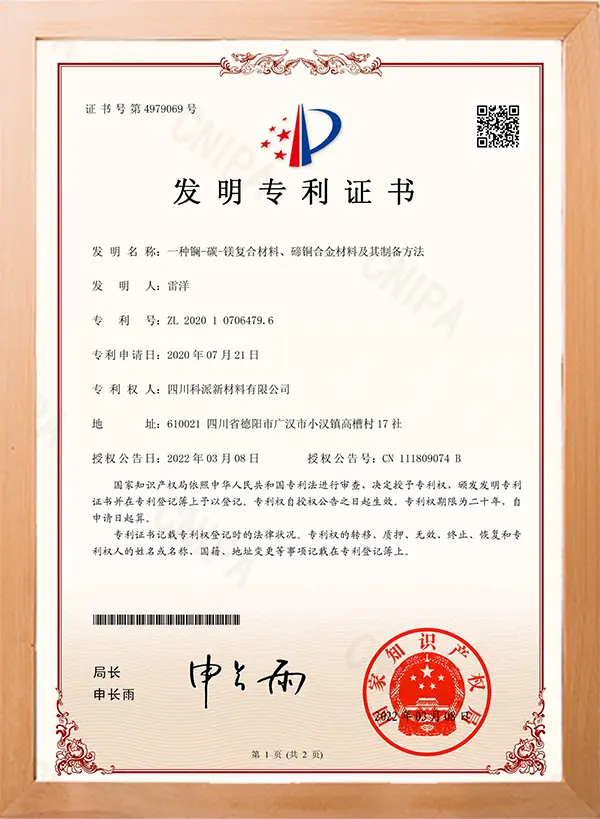
Our manufacturing processes are certified to meet international quality, environmental, and occupational safety standards.
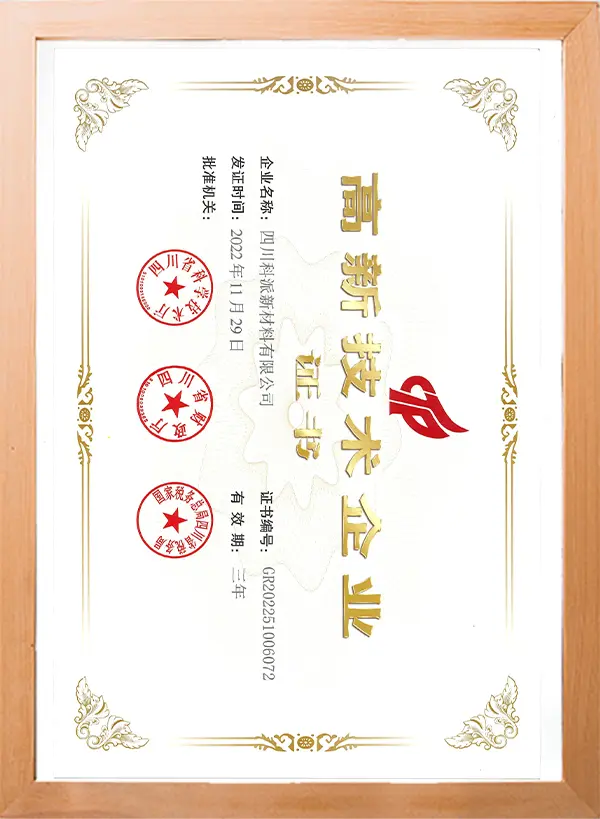
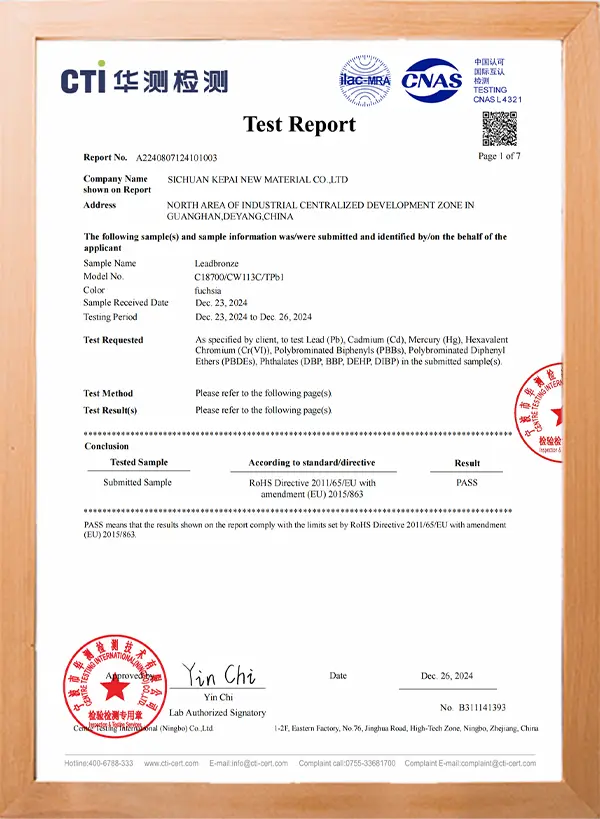
From vacuum smelting to metallographic analysis, our facilities are equipped to maintain tight dimensional tolerances and composition control.
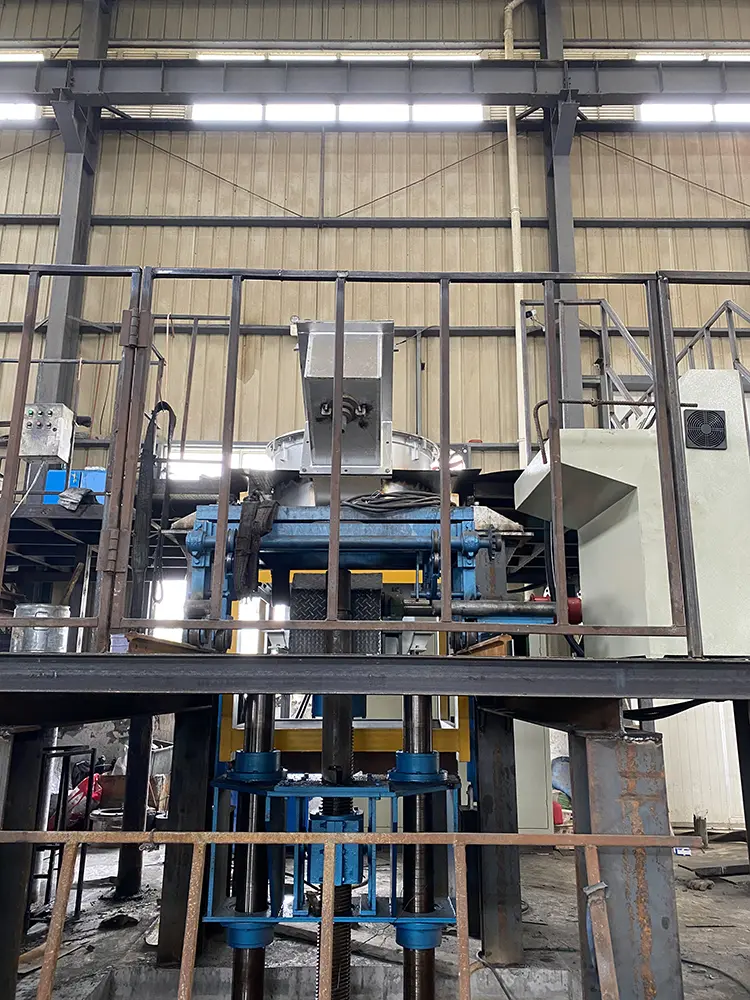
Controlled melting conditions limit impurities and ensure accurate composition for all custom alloys.
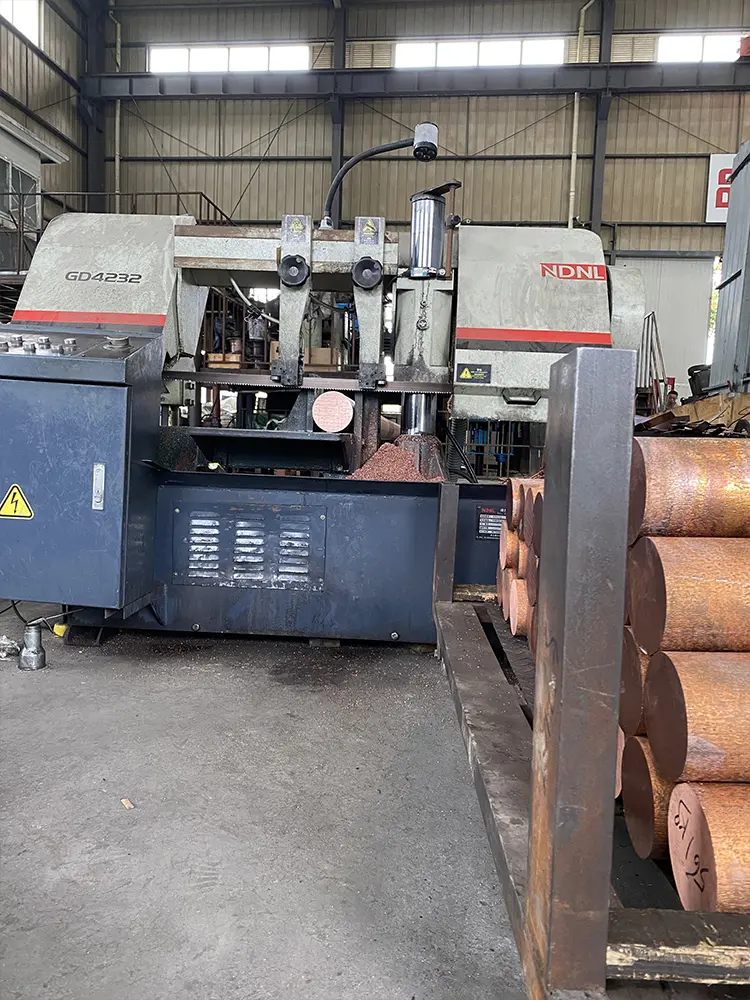
Precision cutting process that prepares alloy billets for subsequent extrusion and processing phases.
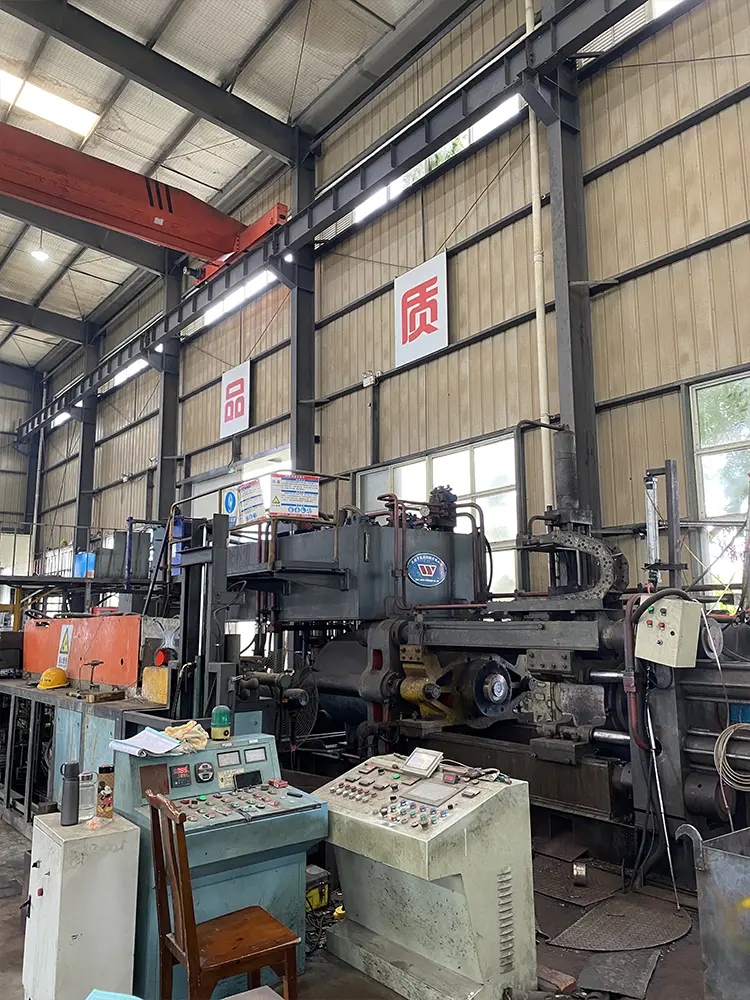
High-capacity hot extrusion structures copper grains for uniform mechanical property distribution.
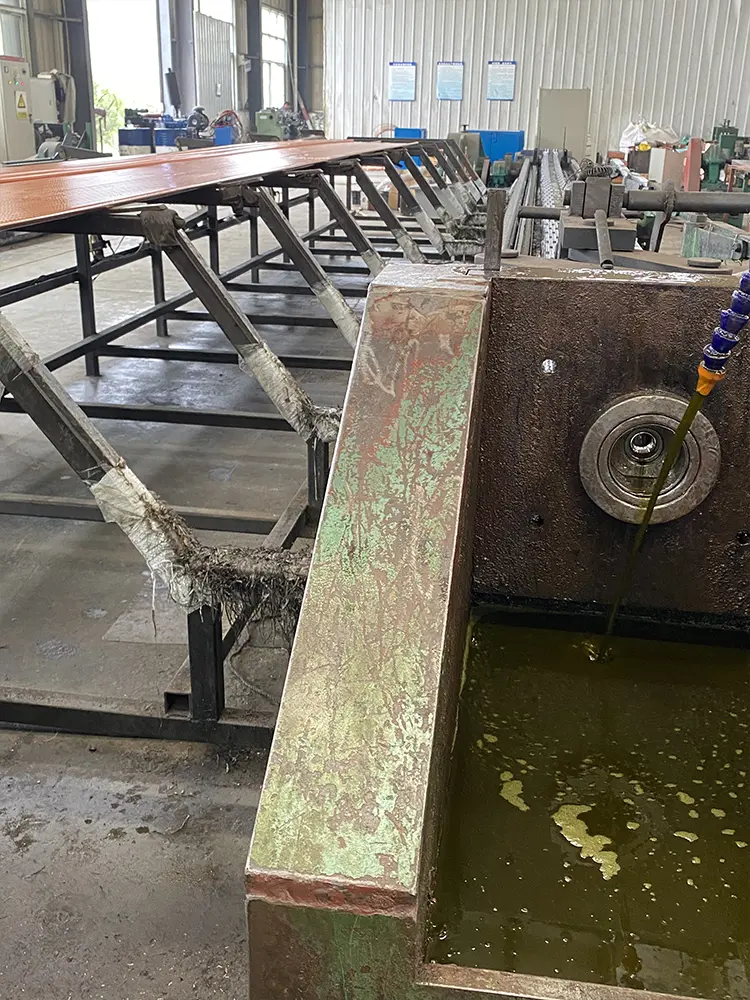
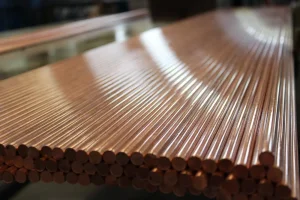
Cold drawing stages achieve close dimensional tolerances and increase hardness through work hardening.
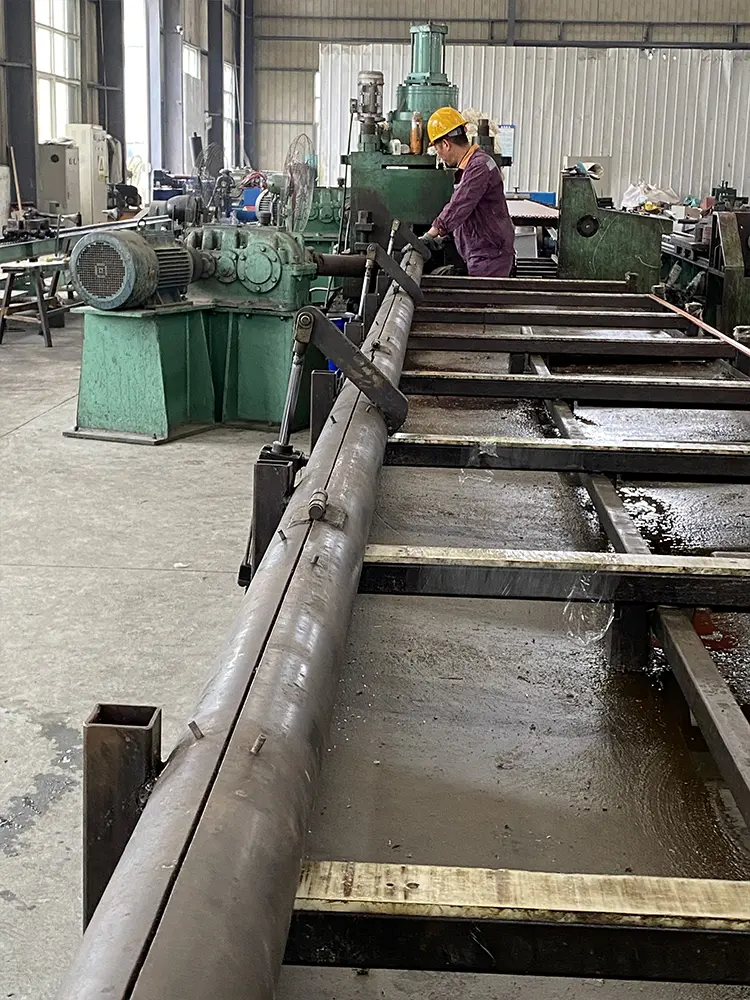
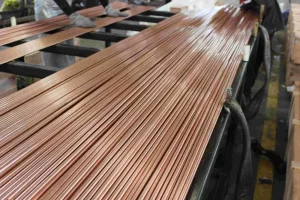
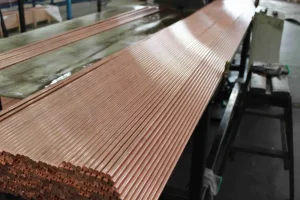
Precision alignment processes ensure optimal straightness for automated CNC machining lines.
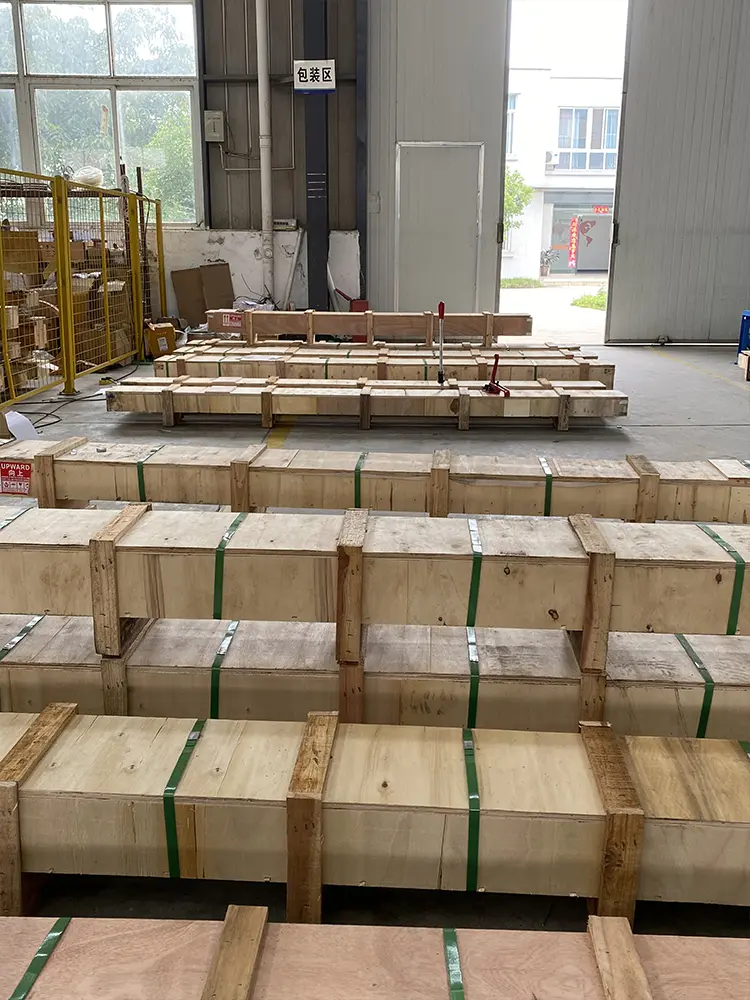
Protective wrapping prevents oxidation and physical damage during international transit.
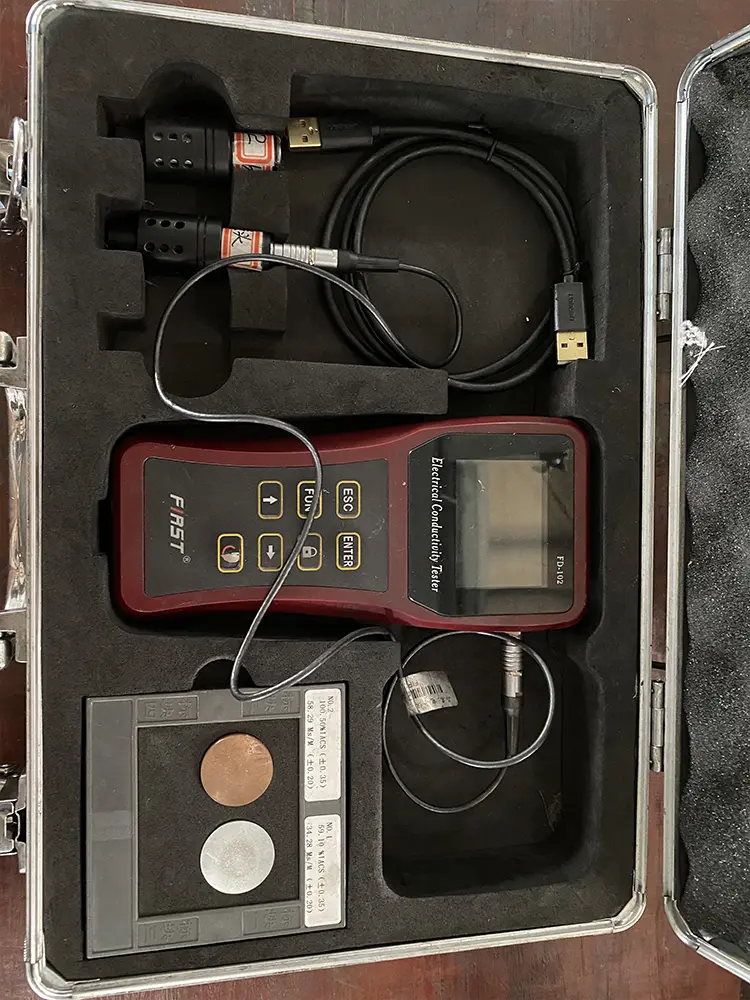
Non-destructive electromagnetic testing to verify electrical conductivity levels across production runs.
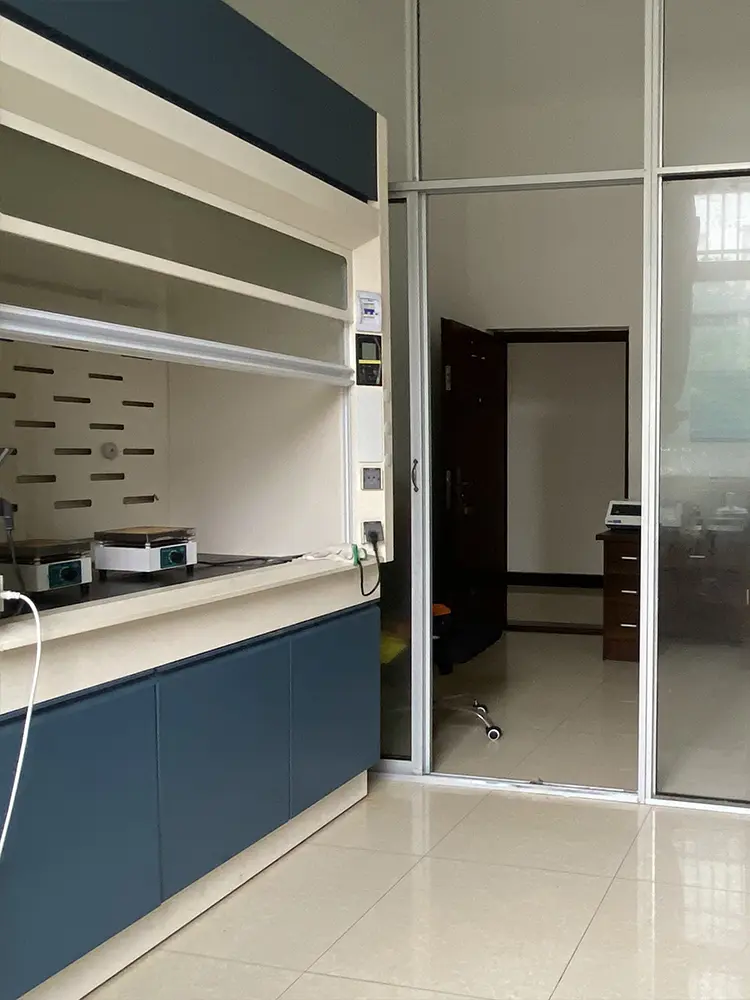
Spectrometric equipment confirms concentration levels of alloying elements like Cr and Zr.

Prepares alloy cross-sections to examine grain structures under high-power optical microscopes.
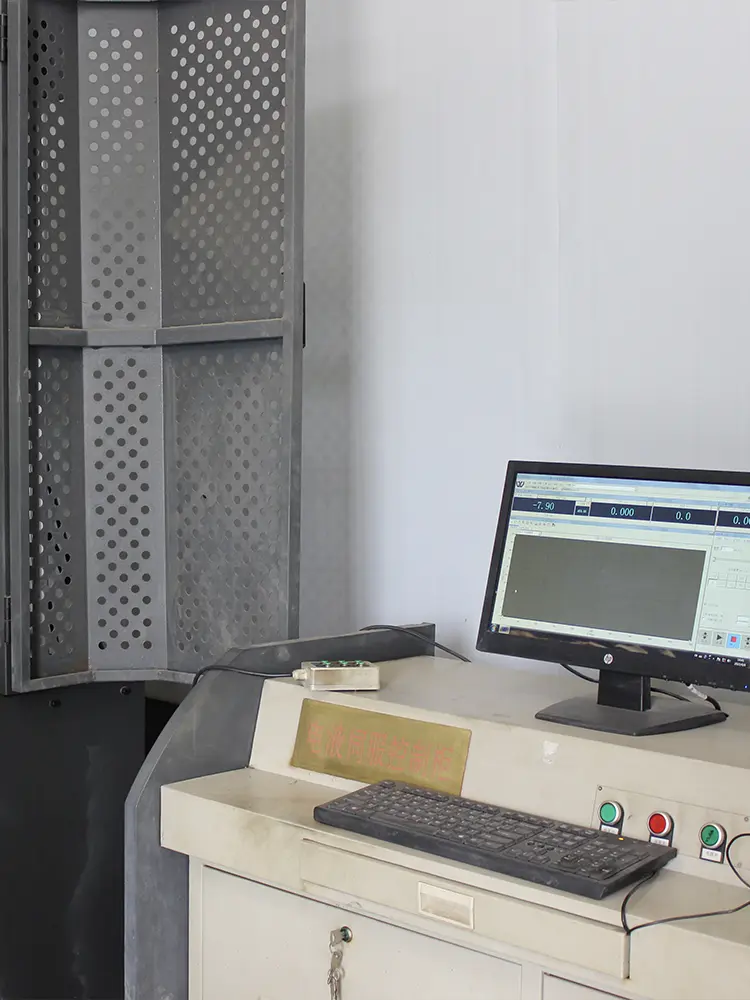
Evaluates mechanical properties, including tensile strength, yield strength, and elongation limits.
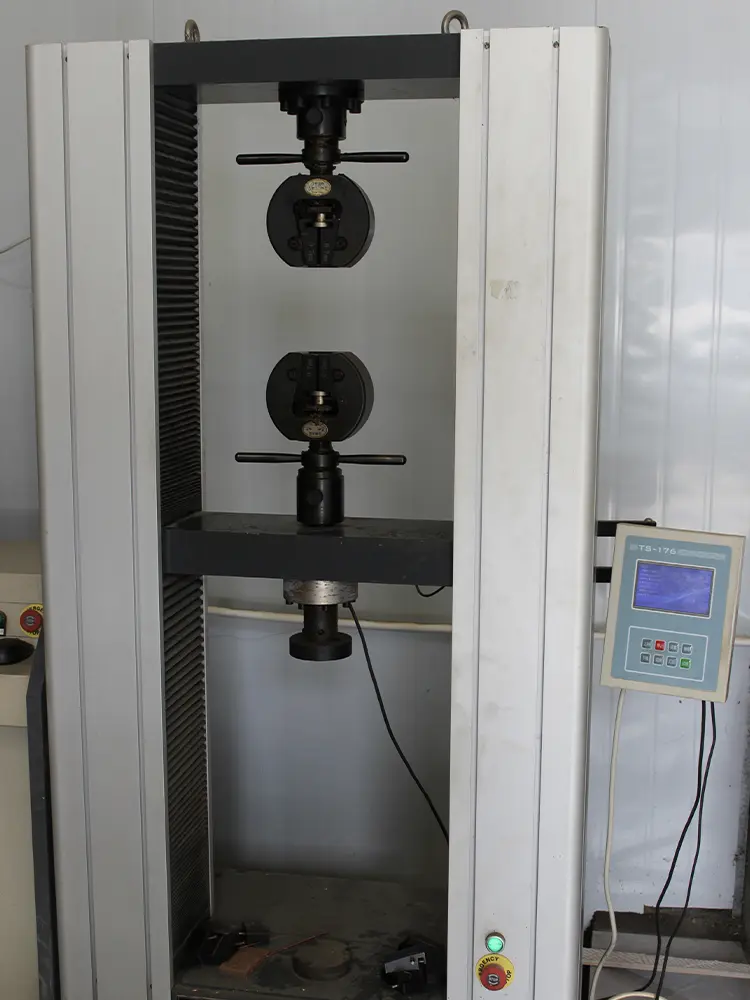
Ensures high-precision tracking of physical deformation characteristics under variable load speeds.
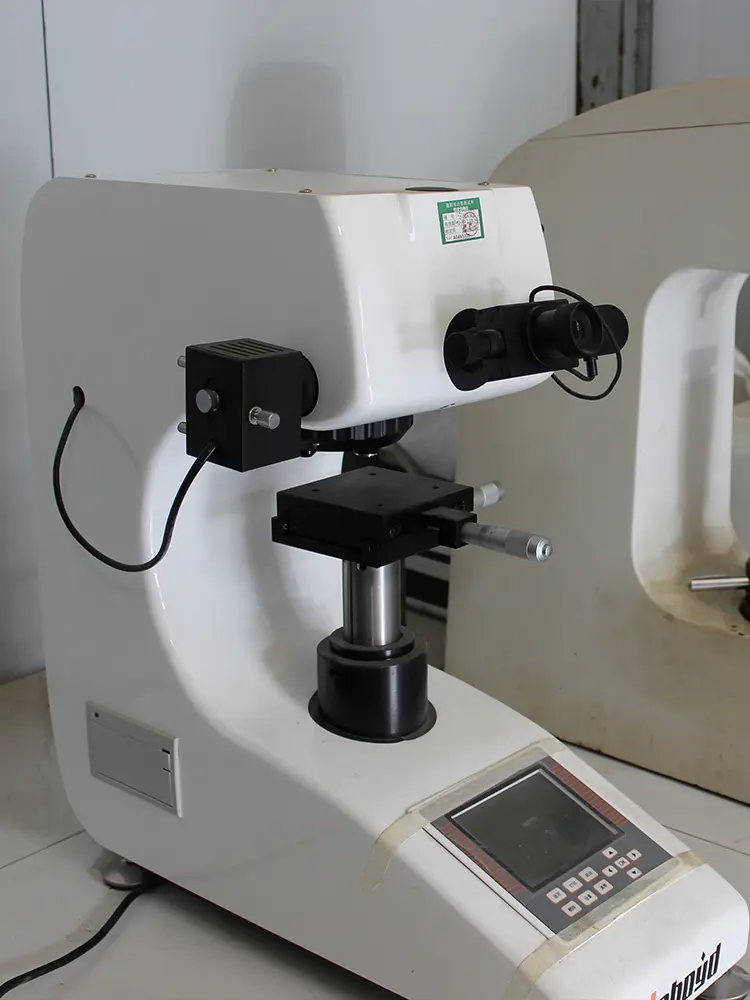
Verifies surface hardness across batches to confirm effective precipitation hardening.
Direct answers to the metallurgical and logistical inquiries commonly raised by procurement managers and engineers.
Get in touch with Sichuan Kepai New Materials today to request a free quote, receive detailed mechanical datasheets, or discuss custom alloy specifications with our engineers.
Explore the rest of our strategic copper materials designed for high strength, wear resistance, and reliable conductivity.
 Kepai
Kepai