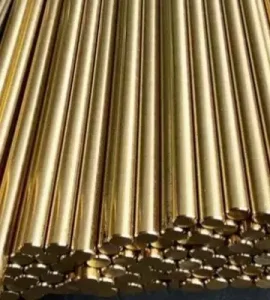
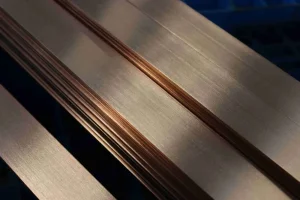
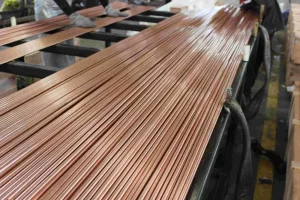
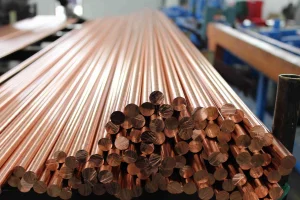
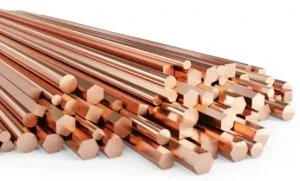
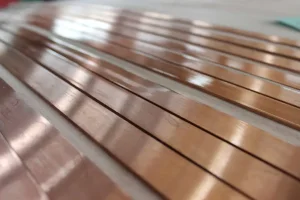
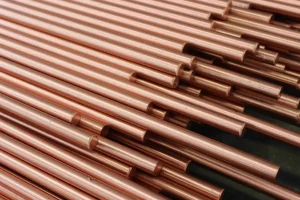
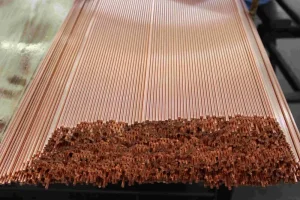
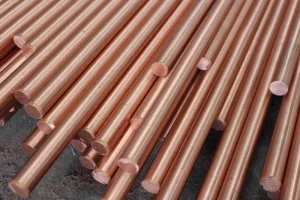
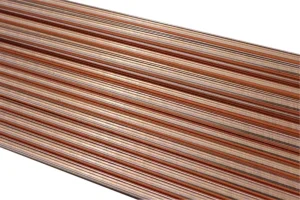
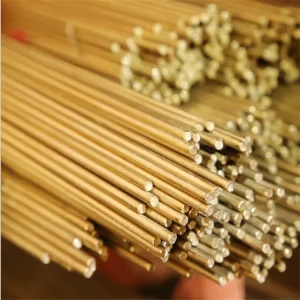
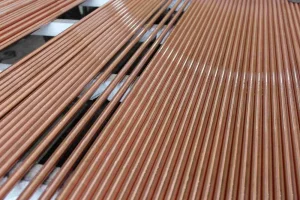
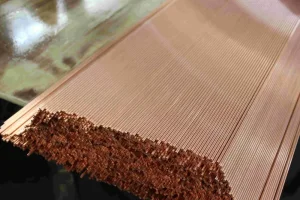
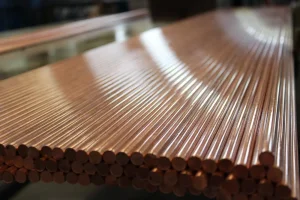
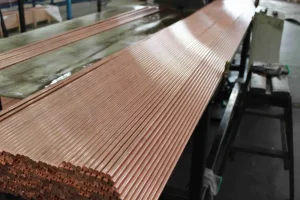
Explore our elite range of specialty copper alloys, manufactured to strict global standards for demanding industrial applications.
In high-conductivity manufacturing, selecting the ideal material requires balancing **electrical conductivity** with **machinability**. Pure copper (C11000/C10200) boasts exceptional conductivity but behaves poorly during precision machining, leading to tool wear, long stringy chips, and high rejection rates. C14500 Tellurium Copper resolves this issue.
By incorporating 0.4% to 0.7% tellurium (Te) into the copper matrix, C14500 creates finely dispersed copper telluride (Cu₂Te) particles. These particles act as natural chip-breakers during machining. This improves the **machinability rating to 85%** (compared to free-cutting brass), while retaining an outstanding **electrical conductivity of over 93% IACS** and a thermal conductivity that remains stable across varied temperatures.
Additionally, a trace amount of phosphorus (0.004%–0.012%) is added as a deoxidizer. This ensures excellent hot-workability and prevents hydrogen embrittlement during welding or brazing, making it ideal for clean-energy systems and high-current electrical contacts.
Alloy C14500 (Tellurium Copper): Machinability 85% | Conductivity 93-98% IACS | Excellent Arc Resistance
Alloy C11000 (ETP Copper): Machinability 20% | Conductivity 101% IACS | Poor Machinability
Alloy C36000 (Free-Cutting Brass): Machinability 100% | Conductivity 26% IACS | Low Conductivity
Critical Insight: For heavy-duty EV charging contacts and 5G terminal interfaces, switching from brass to C14500 cuts energy loss by over 70% while maintaining fast cycle times on multi-axis CNC machines.
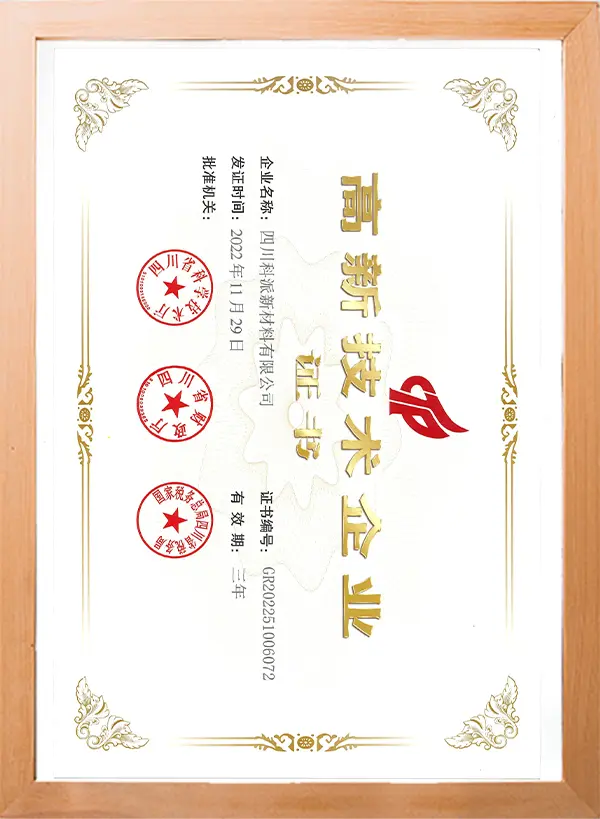
Established in 2017, Sichuan Kepai New Material Co., Ltd. is a high-tech manufacturing enterprise focused on the research, development, production, and sale of advanced structural copper alloys. With our facility spanning 9,000 square meters and modern offices covering 1,000 square meters, we specialize in high-end specialty alloys.
Our core catalog aligns with emerging industries, producing materials like **tellurium copper, high-conductivity oxygen-free copper, silver copper, and dispersion-strengthened copper**. We focus on developing high-conductivity, easy-to-machine, and high-strength alloys.
Our products serve demanding technological applications, including new energy vehicles (EV charging pins and contacts), 5G telecommunication networks, high-power plasma laser cutting systems, and high-voltage lithium battery relays.
Our structured operational capabilities ensure high-quality material sourcing from initial smelting to global delivery.
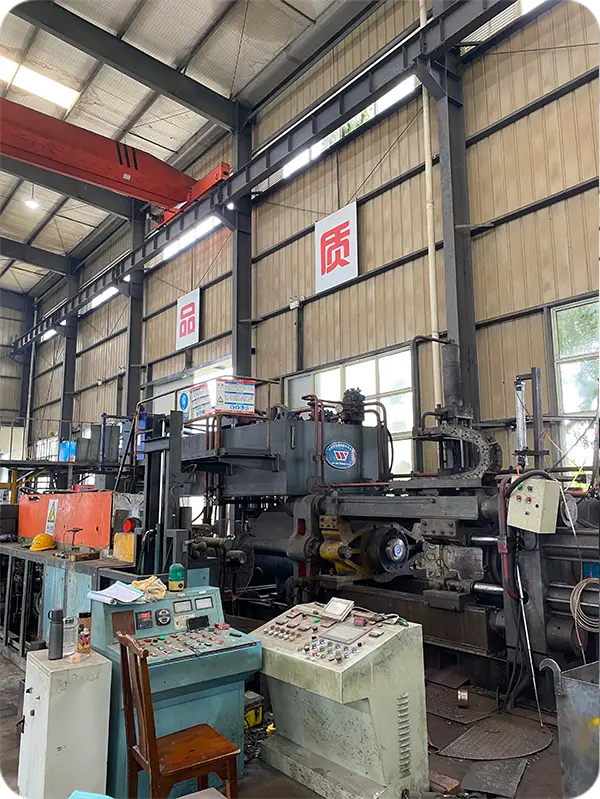
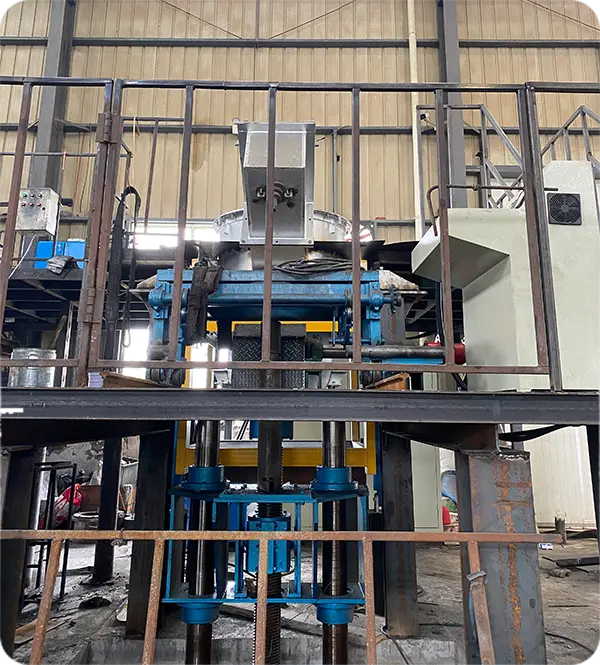
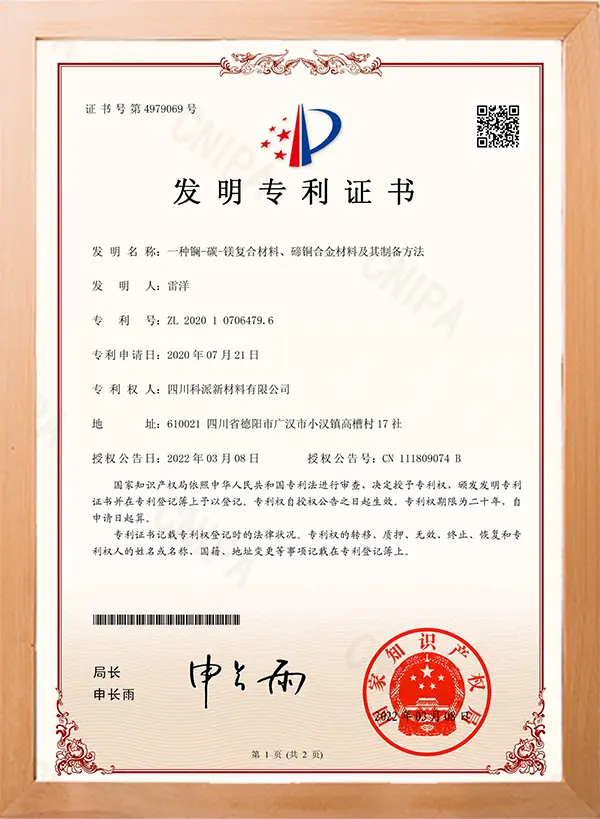
At Kepai, technological innovation is our core competitive advantage. Our R&D and production engineering teams include senior metallurgy specialists who monitor international advancements in material science.
Through our internal research programs and university collaborations, we have developed high-performance formulations for tellurium copper, lead copper, and sulfur copper. Many of these developments are deployed in EV battery assemblies, precision-turned electrical contacts, and plasma torches.
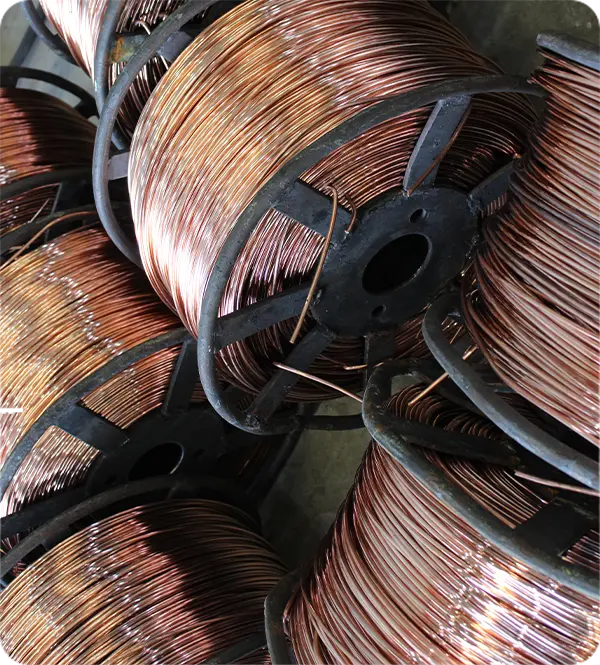
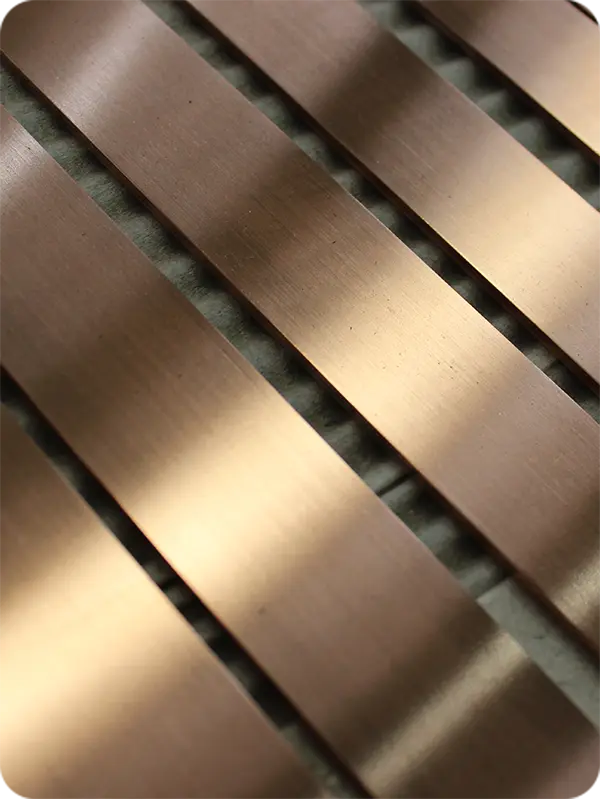
We manufacture a broad range of standard and customized options. Our portfolio includes oxygen-free high-conductivity tellurium copper, nickel tellurium copper, tin bronze, beryllium copper, lead bronze, sulfur copper, and chromium zirconium copper.
These materials help customers reduce machining wear, optimize electrical transmission, and lower heat dissipation requirements in finished assemblies, providing clear economic benefits.

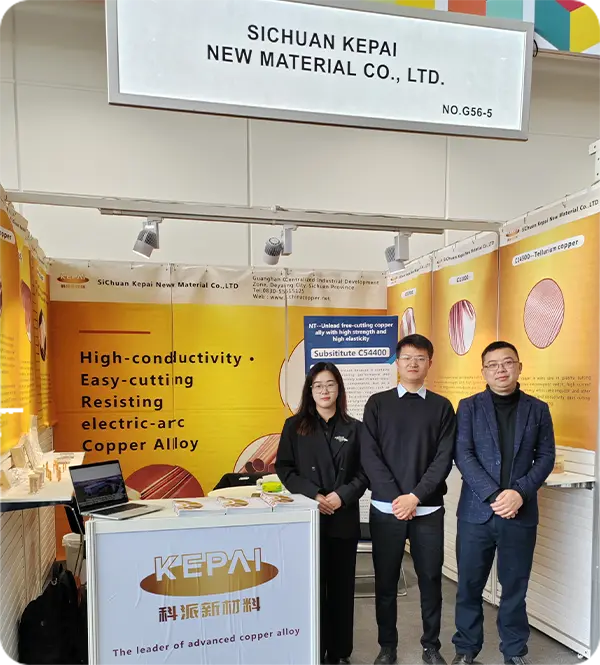
We operate under a growth strategy focused on expanding our domestic presence and building international partnerships. We maintain regular export channels to global manufacturing hubs in Europe, North America, and Southeast Asia.
Guided by our values of **integrity, innovation, collaboration, and mutual benefit**, we invest in workplace training, environmental management, and strict quality control to build long-term commercial partnerships.
How C14500 Tellurium Copper solves critical engineering challenges across advanced sectors.
Electric vehicle charging systems rely on low contact resistance and high current capacities. C14500 is used for high-voltage charging gun terminals, battery connectors, and relay contacts, minimizing energy loss and heat generation under high-load conditions.
High-frequency RF coaxial connectors and board-to-board terminals require precise tolerances and reliable signal transmission. C14500 enables clean thread cutting and thin-wall drilling, ensuring consistent signal path geometries and low intermodulation distortion (PIM).
Plasma cutting nozzles and gas diffusers operate at high temperatures. C14500 provides high thermal and electrical conductivity, which aids heat dissipation and extends nozzle lifespan while resisting nozzle orifice deformation.
Explore the machinery and precision testing equipment used to maintain quality at Kepai.
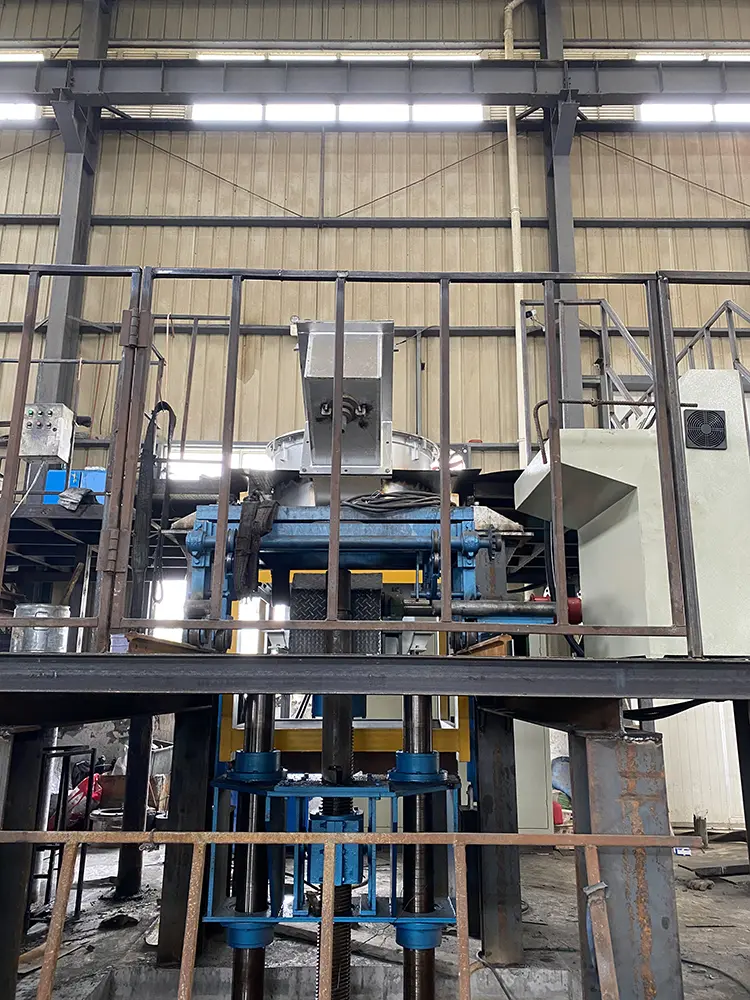
Smelting Furnace
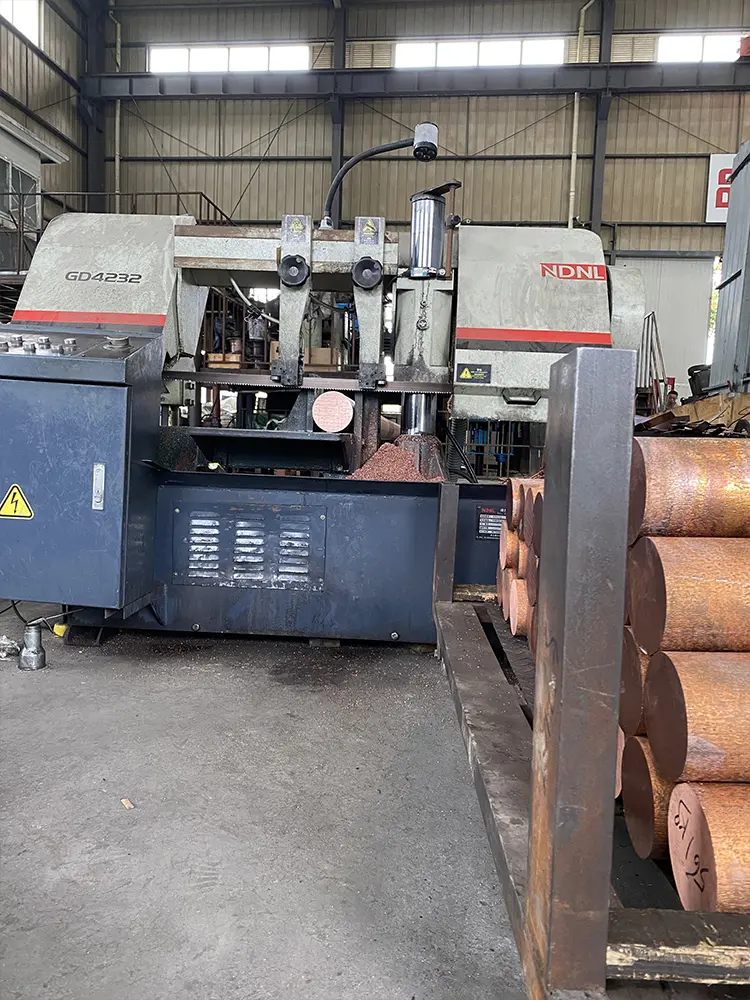
Laying-off Station
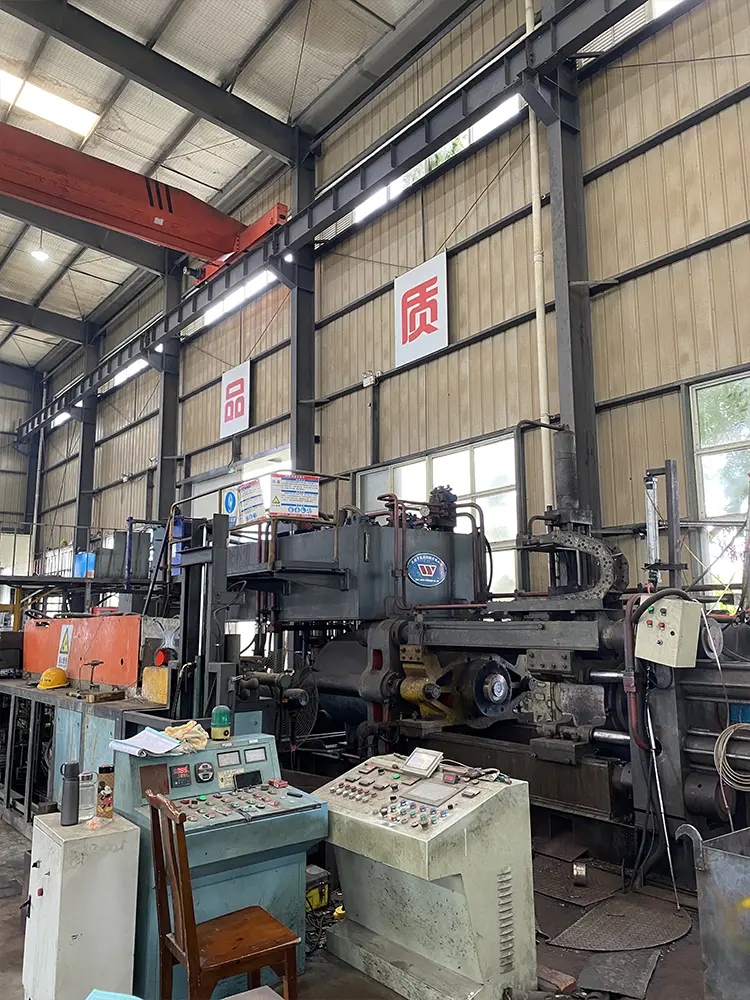
Alloy Extrusion Press
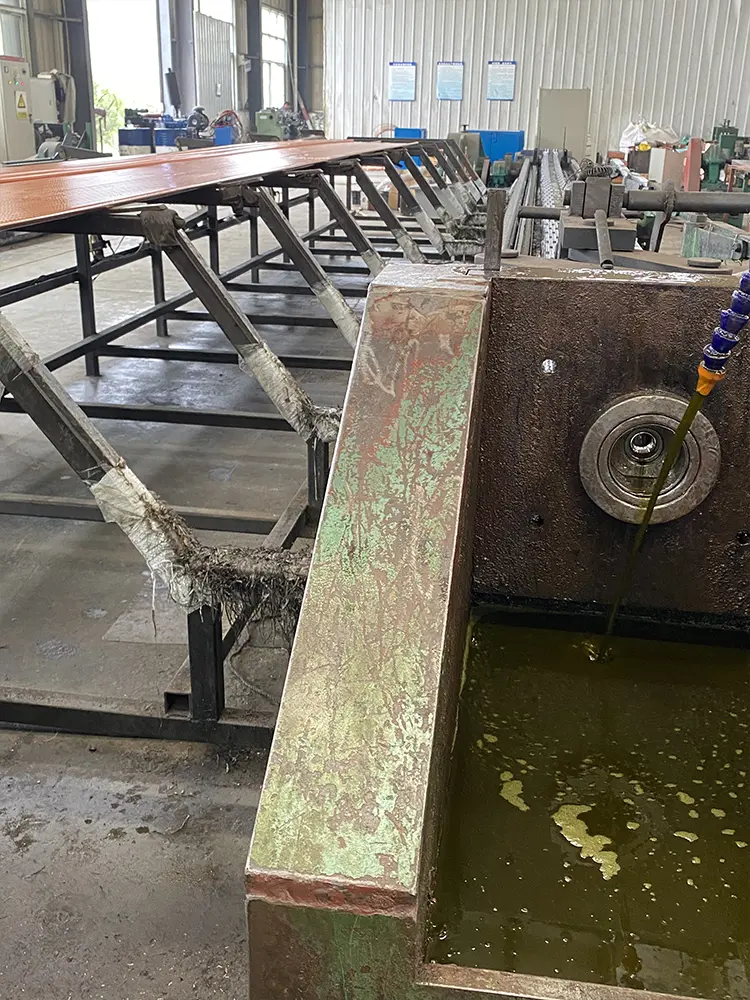
Precision Drawing Machine
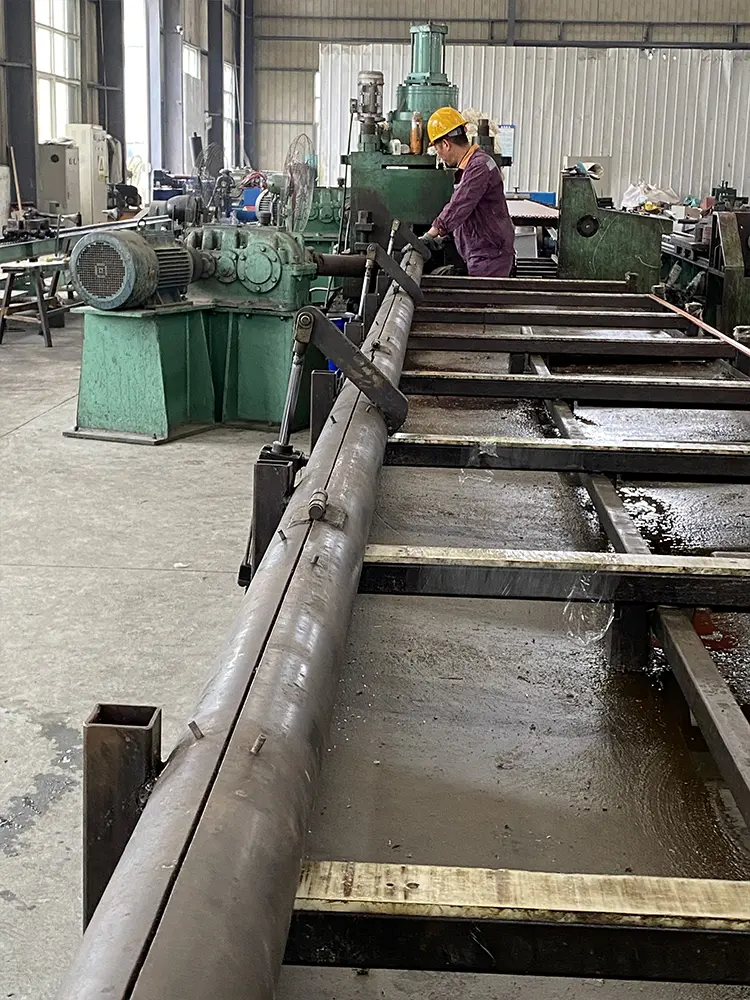
Bar Straightening Machine
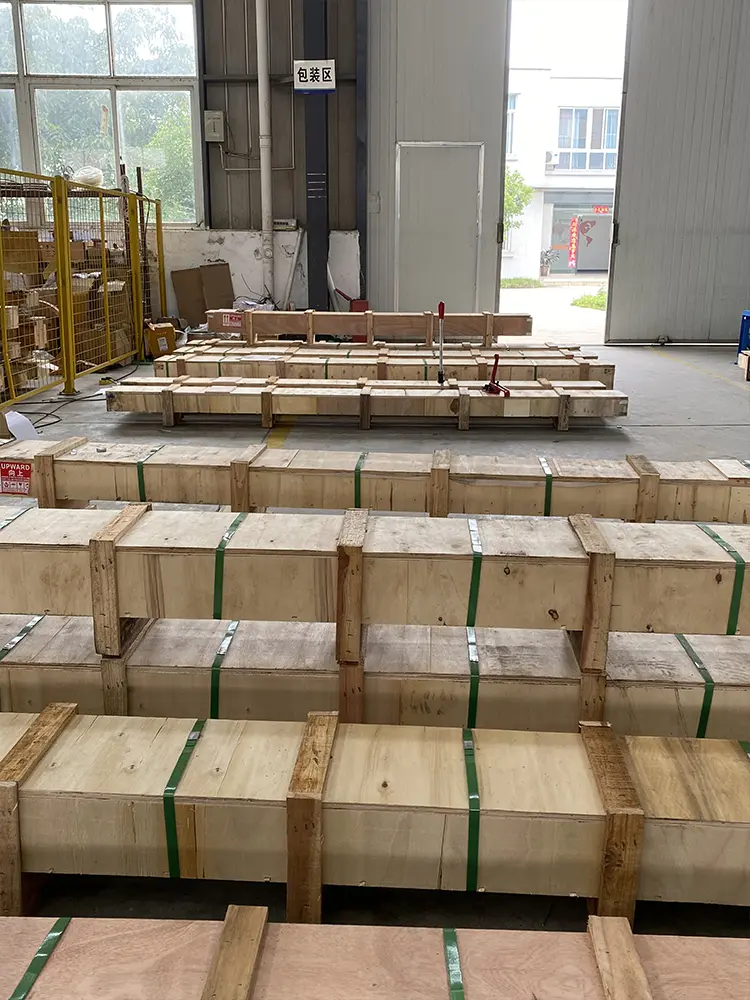
Protective Packaging Area
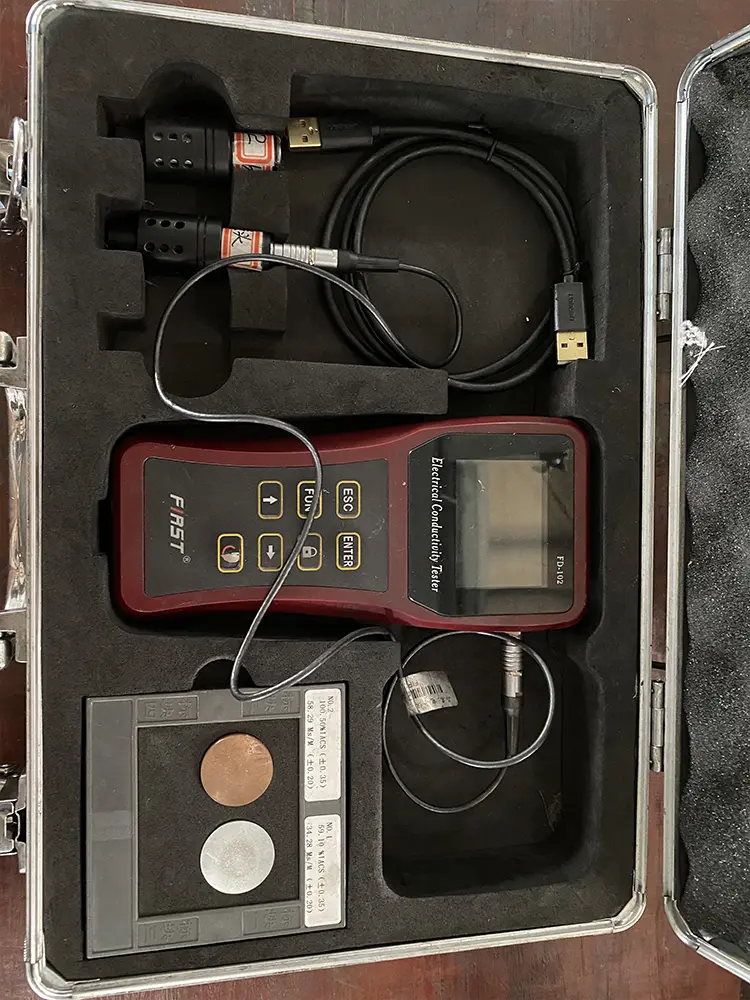
Eddy Current Conductance Instrument
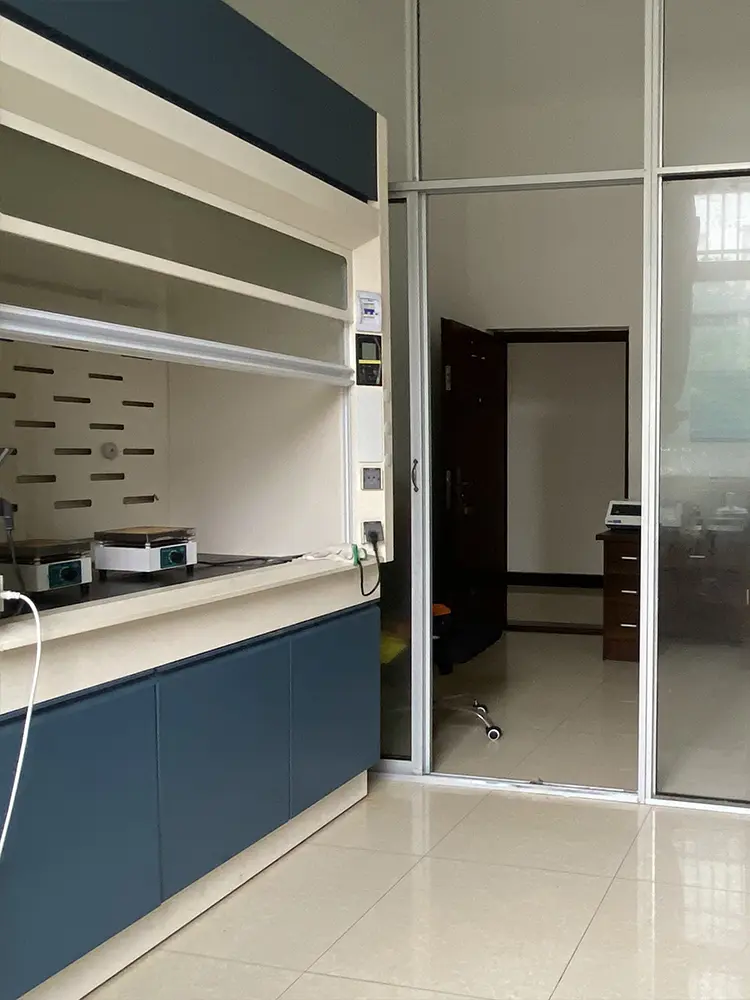
Chemical Composition Testing Lab

Metallographic Specimen Polisher
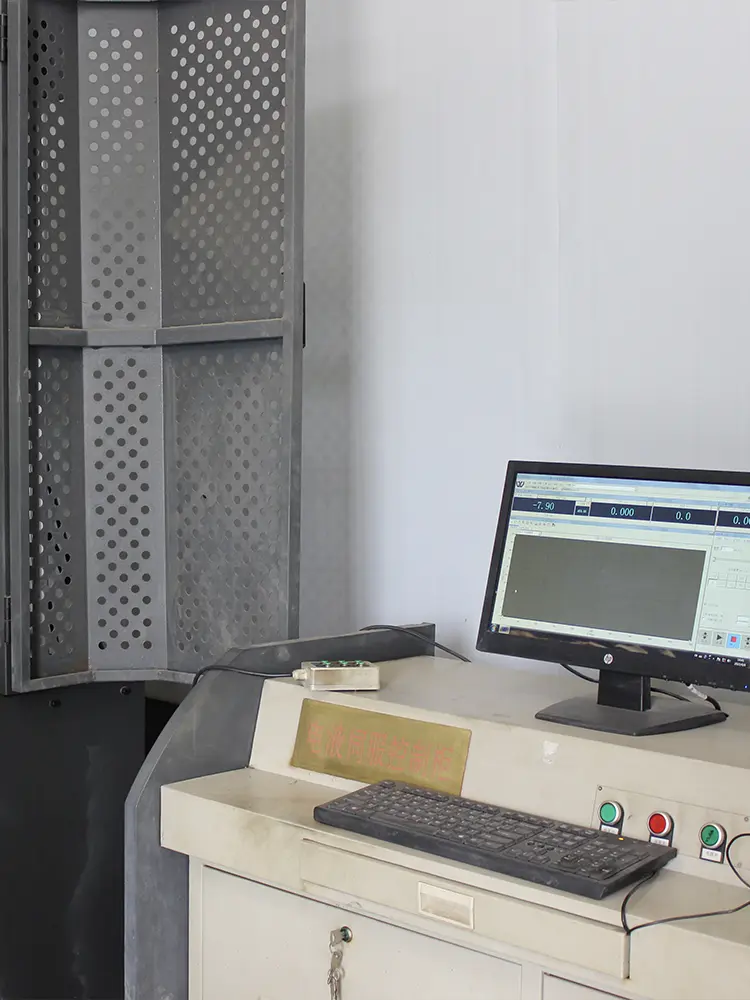
Electro-Hydraulic Servo Tester
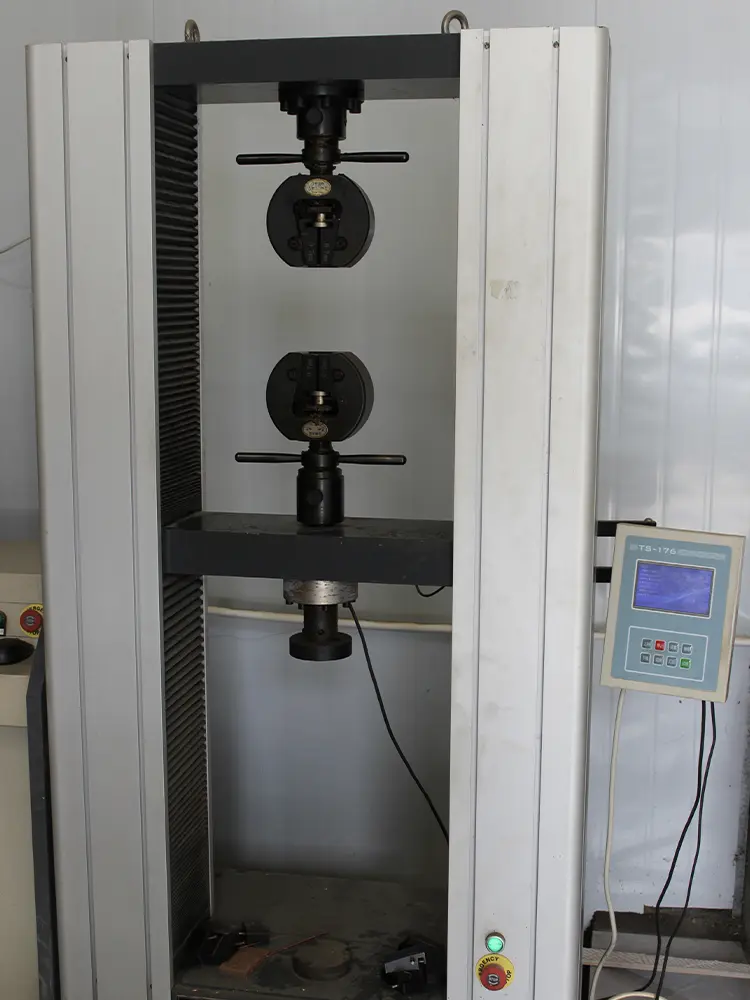
Electronic Universal Testing Machine
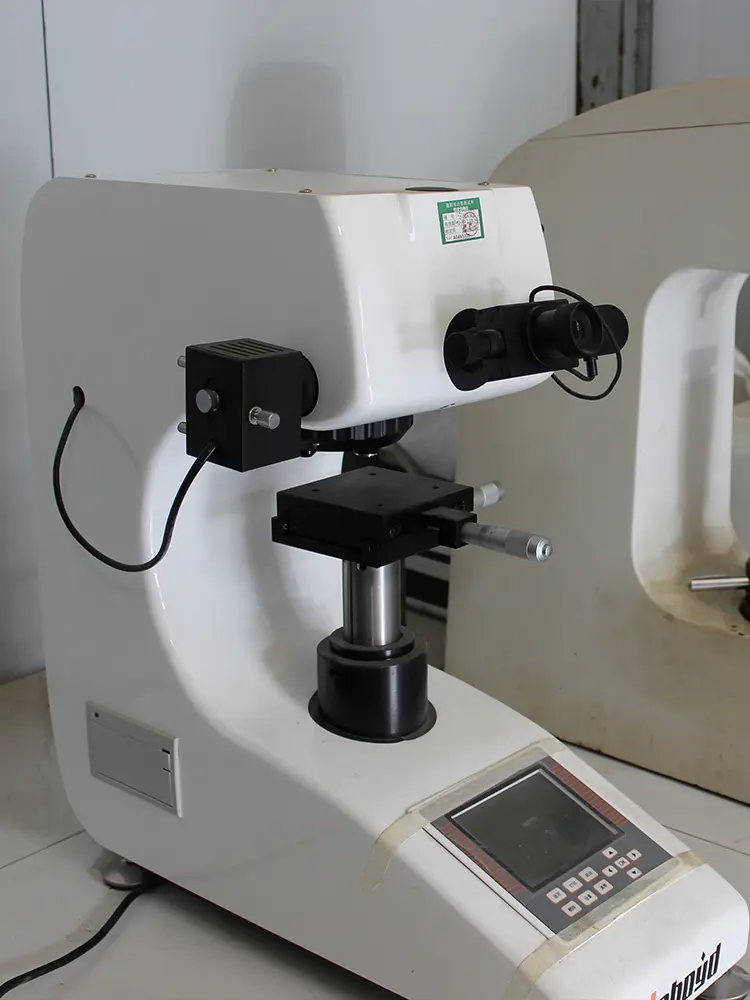
Vickers & Brinell Hardness Tester
Our material research direction aligns with electrification, carbon reduction, and micro-alloying.
Traditional tellurium copper contains trace oxides that can impact high-power laser welding. Kepai is developing an ultra-low oxygen tellurium copper (< 5ppm O₂) designed for clean laser welds in modern EV battery pack assembly.
We are exploring tertiary and quaternary copper alloys (Cu-Te-Ni-Si) to support applications requiring both high mechanical strength and good conductivity. These alloys aim to offer tensile strengths above 550 MPa while maintaining over 75% IACS conductivity.
In line with green manufacturing goals, our production lines utilize regenerative thermal energy systems. We have also developed close-loop scrap collection programs to reduce carbon footprints for international buyers.
We meet international standards to simplify compliance and logistics for overseas procurement.
Exporting industrial alloys requires compliance with international environmental and engineering standards. Kepai’s C14500 materials meet **ASTM B301/B301M** (standard specification for free-cutting copper rod and bar), **EN 12164**, and **JIS H3250** standards.
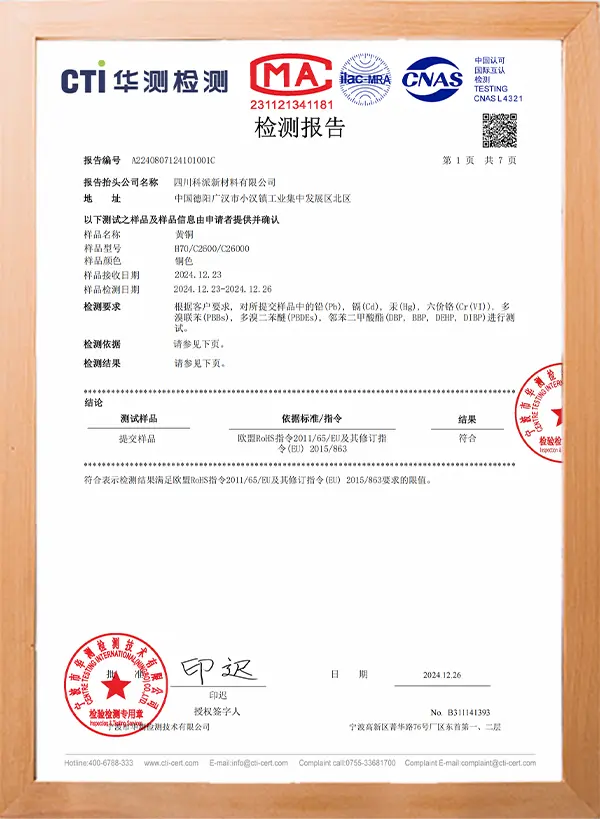
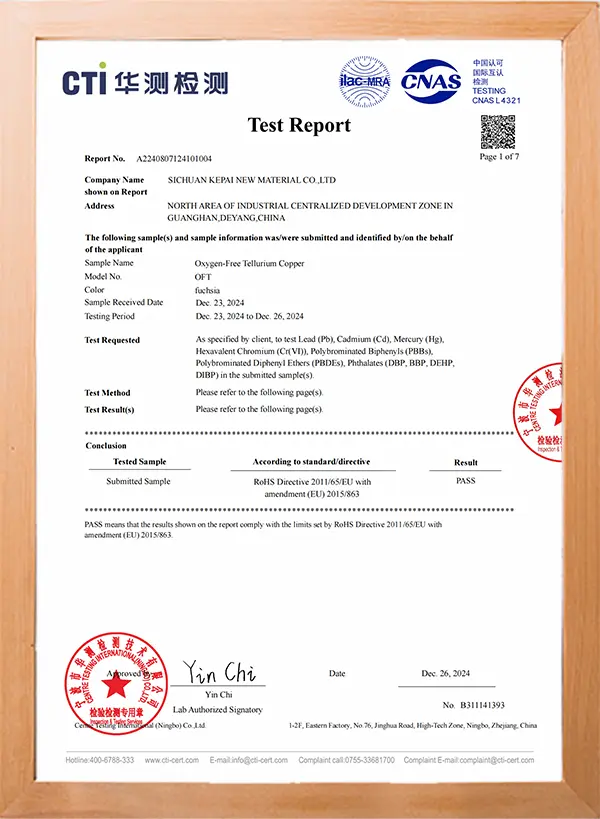
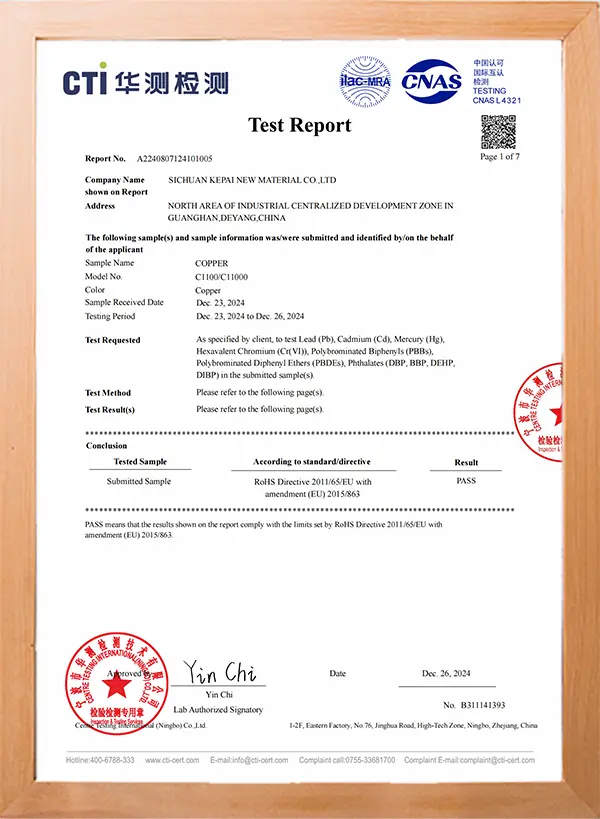
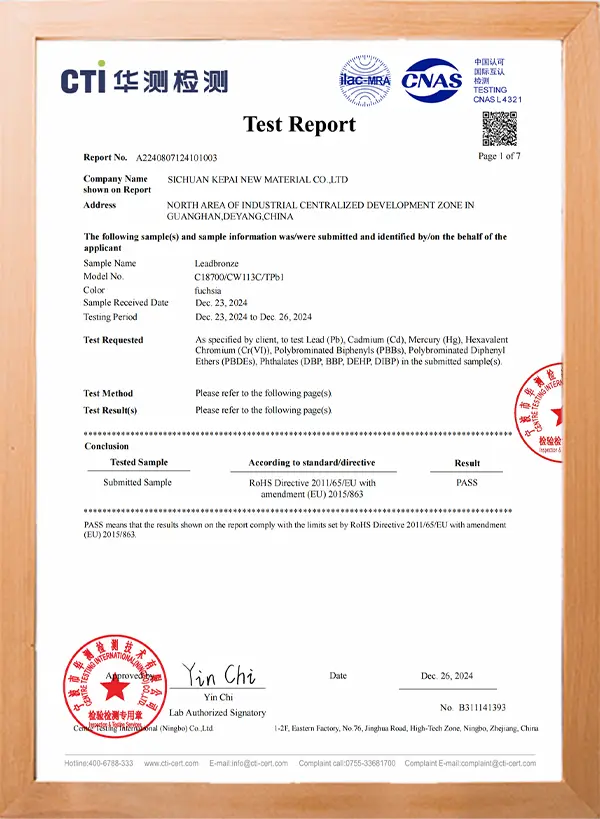
We verify our products against EU environmental standards, ensuring compliance with the **RoHS directive (2011/65/EU)** and the **REACH registry**. Unlike lead-bearing free-machining alloys, which face strict regulatory limits, C14500 is a reliable, compliant alternative for long-term product lifecycles.
Every batch of tellurium copper is shipped with a certified Mill Test Report (MTR) showing its chemical composition, electrical conductivity, tensile strength, and hardness values.
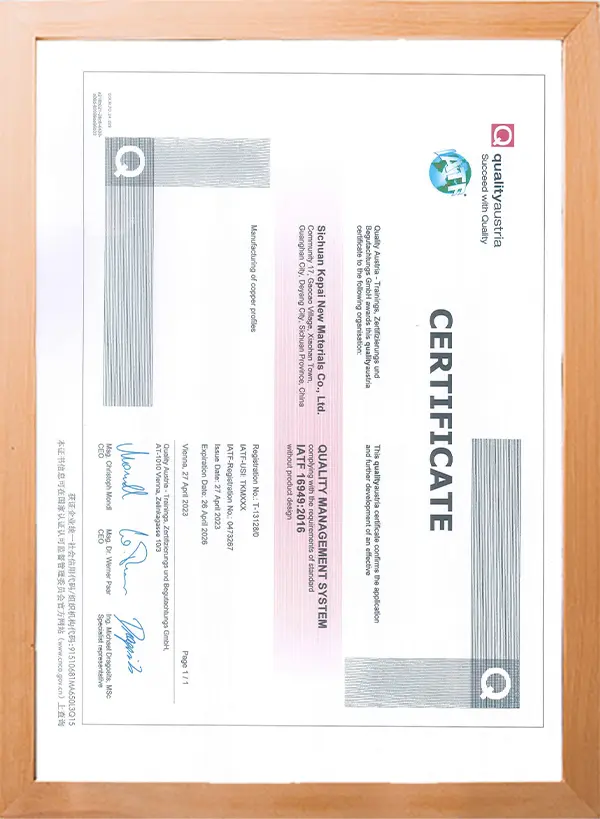
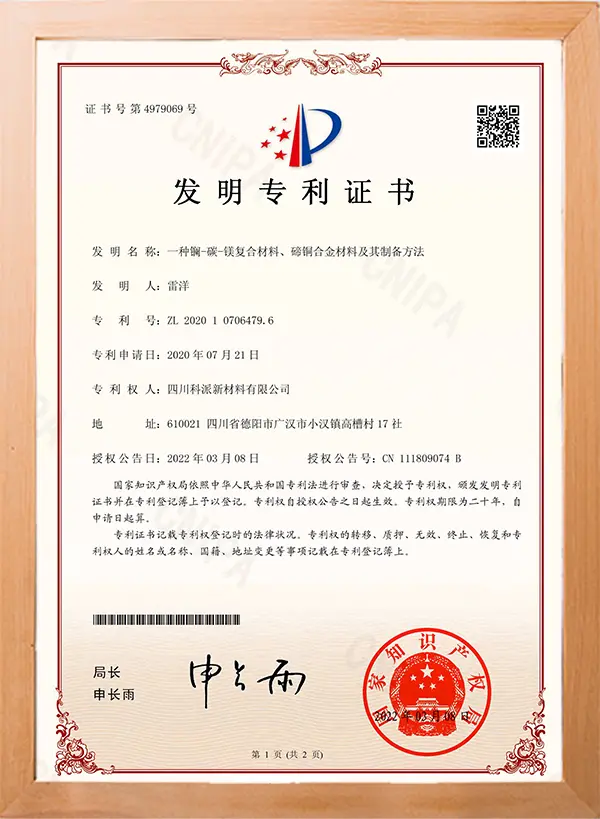
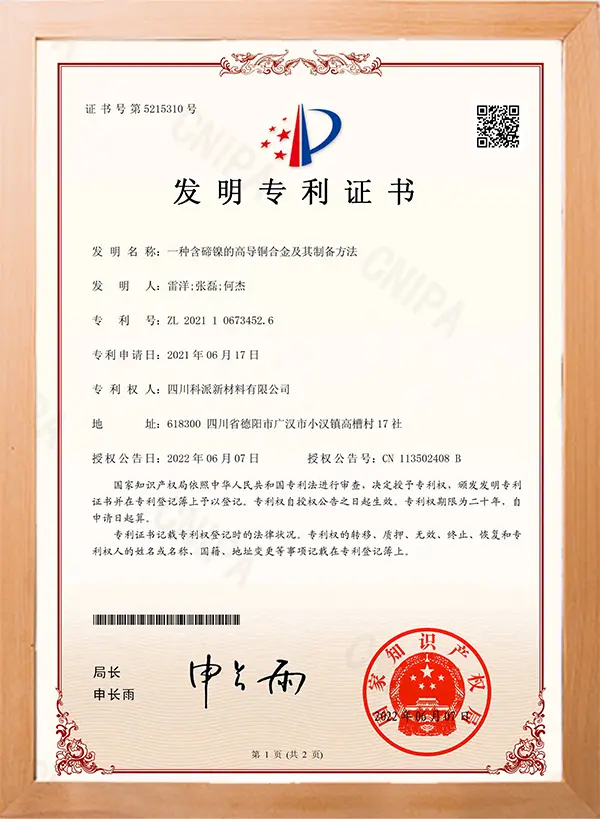
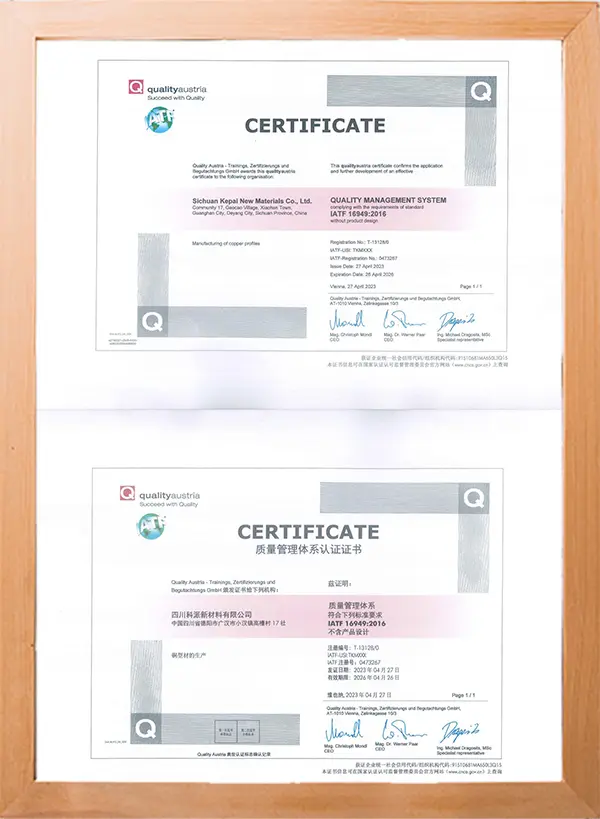
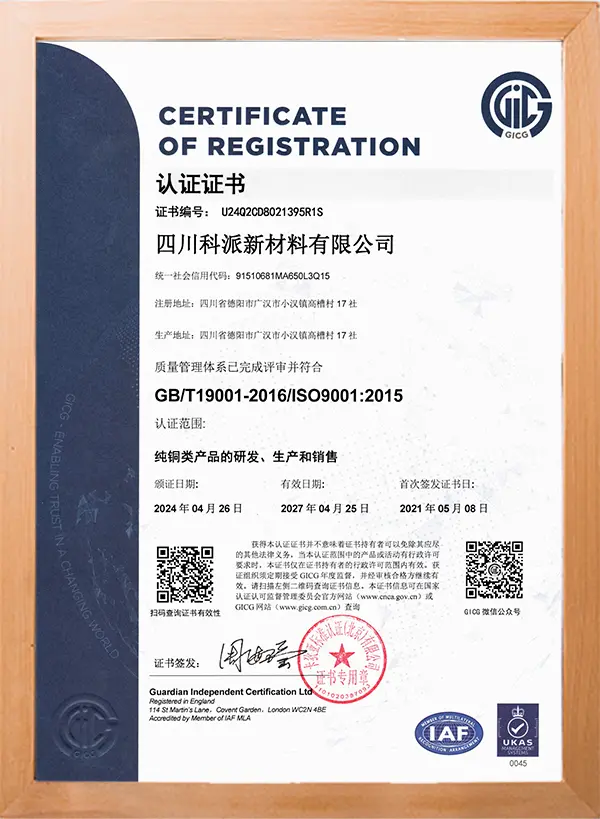
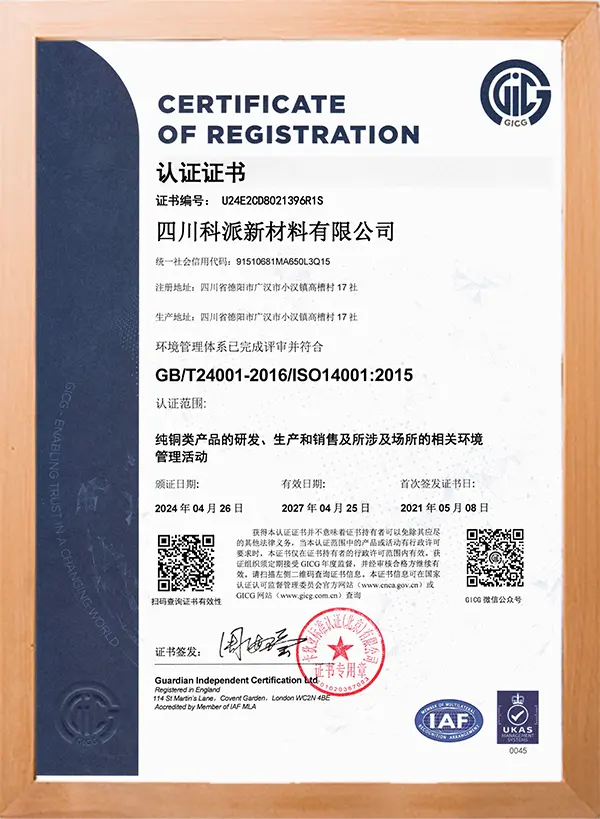
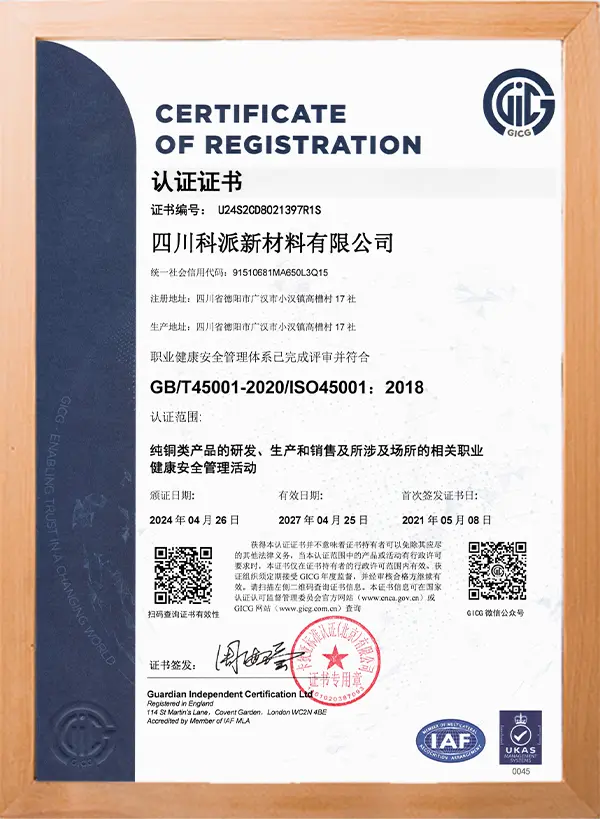
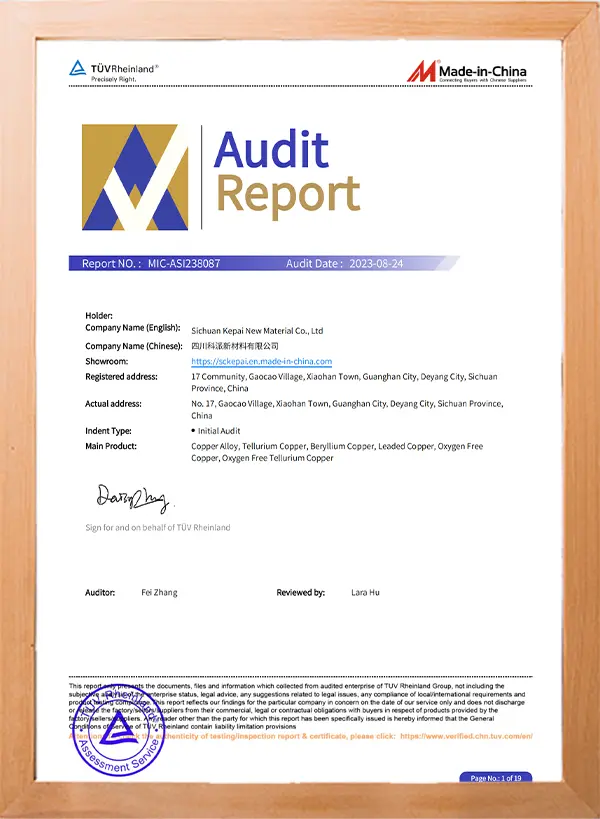
Our quality management systems are audited and certified to meet international standards.
Frequently asked questions from global engineers, designers, and procurement managers.
Standard chemical composition according to ASTM B301 includes: Tellurium (Te) between 0.40% and 0.70%, Phosphorus (P) from 0.004% to 0.012% as a deoxidizer, and Copper (Cu) accounting for the remaining balance (minimum 99.2% copper + silver + tellurium). Trace impurities are kept within strict limits to ensure stable conductivity.
Leaded brass C36000 has a low electrical conductivity of around 26% IACS, which causes high resistive heating in power applications. Tellurium Copper C14500 provides an electrical conductivity of 93% to 98% IACS while retaining a machinability rating of 85%, significantly reducing resistive losses and heat build-up.
Yes. C14500 contains trace amounts of phosphorus (0.004%–0.012%) used to deoxidize the copper matrix. This makes it resistant to hydrogen embrittlement when heated in reducing atmospheres, allowing it to be brazed or welded without degrading its structural integrity.
For H04 hard temper rods, C14500 typically features a tensile strength range of 290–380 MPa, a yield strength range of 250–340 MPa, and an elongation between 8% and 20% depending on the cross-sectional thickness. It retains a Rockwell B hardness of 45 to 65.
Yes, our C14500 alloy is RoHS and REACH compliant. Since it uses tellurium instead of lead to achieve free-machining properties, it avoids the regulatory restrictions and sunset dates faced by leaded brasses and bronzes in the EU and other regions.
We recommend carbide tooling with polished rake faces to minimize chip adhesion. Use high speeds and light feeds. Since tellurium copper chips break easily, a continuous supply of light oil or emulsion coolant will help maintain tool life and ensure surface finishes under Ra 0.8 μm.
Browse our selection of chromium-zirconium, beryllium, and oxygen-free copper grades.
Looking ahead, Sichuan Kepai New Materials Co., Ltd. will continue to focus on the development and production of advanced copper alloys. Contact our engineering and sales teams to request material samples, technical specifications, or custom configuration support.
 Kepai
Kepai