High-Conductivity Oxygen-Free and Electrolytic Pure Copper Solutions for High-Precision Engineering, Smart Grid Infrastructure, and Clean Energy Industries.
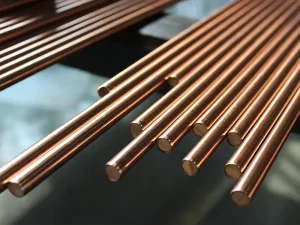
Explore our industrial-grade special copper materials engineered for high-conductivity and thermal performance.
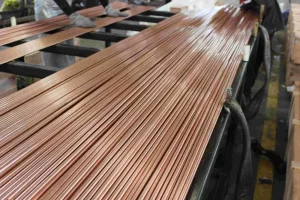
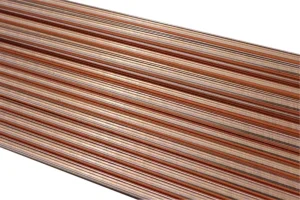
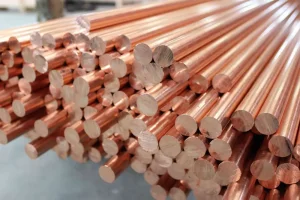
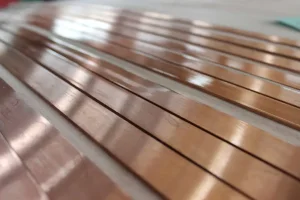
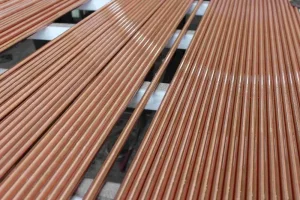
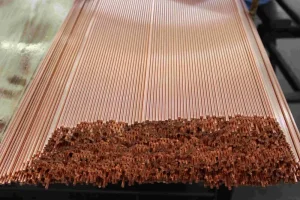
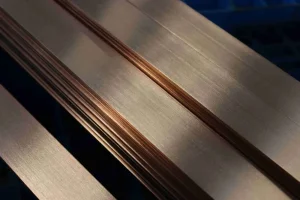
In modern industrial manufacturing, high-purity copper is a foundational material. When searching for a wholesale 99.9% pure copper sheet manufacturer, engineers and procurement managers must evaluate several technical dimensions. This whitepaper analyzes 99.9% pure copper sheets (commonly categorized under UNS C11000, C10200, or C10100 standard copper chemistry), looking at their chemical structures, mechanical profiles, industrial applications, and supply chain logistics.
Industrial copper sheets are defined by their electrical conductivity, corrosion resistance, and ductility. 99.9% pure copper exhibits an electrical conductivity of at least 100% IACS (International Annealed Copper Standard). In its annealed state, the material features a tensile strength ranging from 220 to 260 MPa, with an elongation at break exceeding 35%, making it suitable for deep drawing and stamping operations.
For electrical engineering, trace elements like phosphorus, lead, and iron must be kept to a minimum. Phosphorus is a deoxidizer, but even 0.005% phosphorus can reduce electrical conductivity by up to 5%. This highlights why wholesale buyers must source from certified manufacturers like Sichuan Kepai New Material Co., Ltd. We use precise melt refining and electromagnetic testing to ensure impurities do not affect performance.
99.9% pure copper sheets are used in several specialized industrial applications:
Continuous technological development backed by modern production infrastructure.
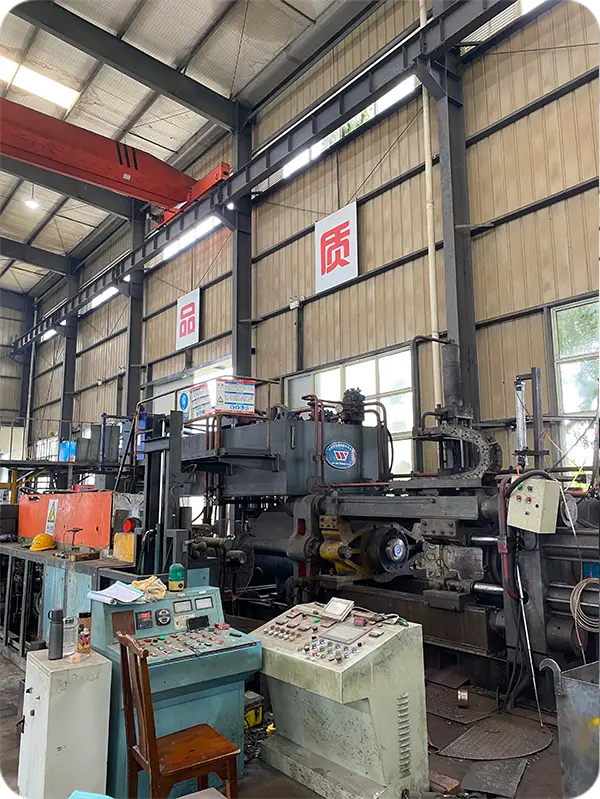
Sichuan Kepai New Materials Co., Ltd. operates from a 9,000 square meter factory in the western area of the Sichuan Guanghan Industrial Development Zone. Positioned near National Highway 108, our facility has access to transport links that connect domestic refining sources with major international shipping ports. Our manufacturing processes focus on scrap recycling and energy-efficient smelting to reduce emissions.
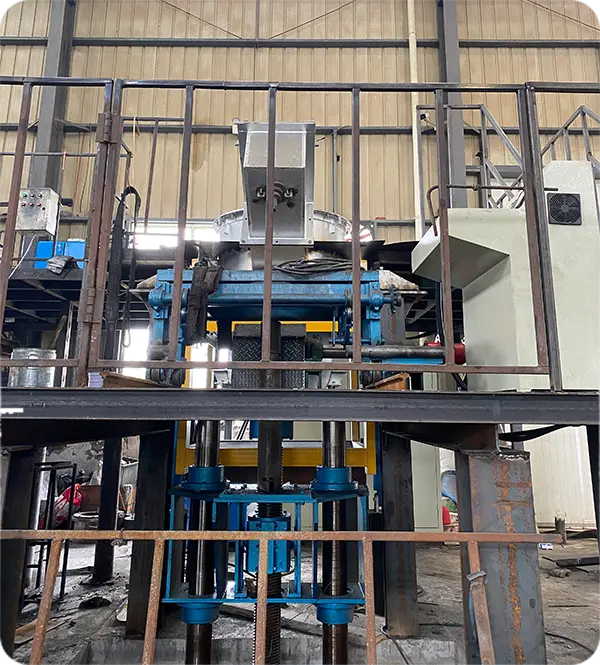
The manufacturing of 99.9% pure copper sheets requires strict control over raw material sourcing and metallurgical processes. The process starts with high-purity cathode copper, which is melted under a protective charcoal layer or inert gas cover in induction furnaces. This step prevents atmospheric oxygen contamination and limits oxygen levels below 10 ppm for oxygen-free variants.
After casting, the copper slabs undergo hot rolling at temperatures between 750°C and 900°C to reduce thickness. This is followed by cold rolling to achieve the final dimension. Cold rolling increases the mechanical strength of the copper sheet while reducing its ductility. To recover ductility for stamping or deep drawing, the sheets undergo controlled atmosphere annealing at temperatures between 450°C and 600°C.
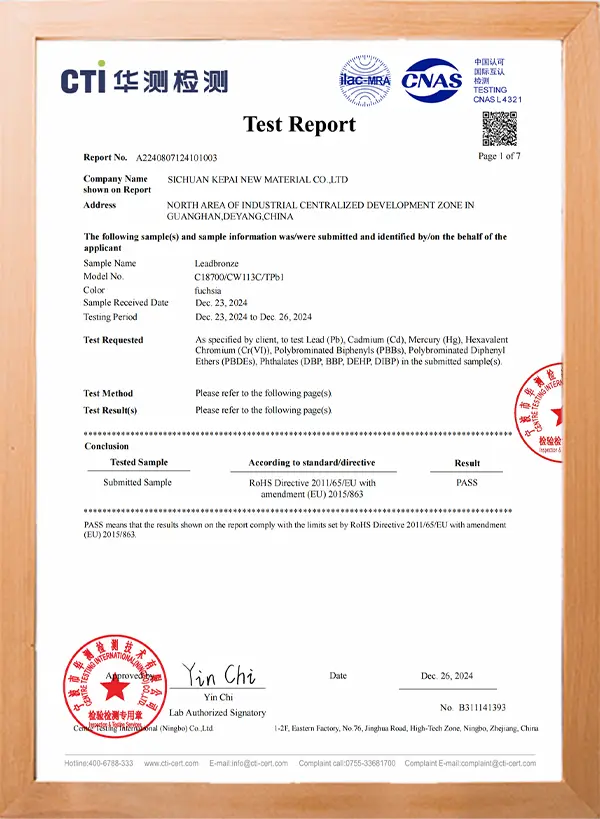
For international applications, materials must comply with standard specifications. Sichuan Kepai tests chemical compositions to verify compliance with ASTM B152 (standard specification for copper sheet, strip, plate, and rolled bar), DIN EN 13599, and JIS H3100. Key testing requirements include:
A comprehensive look at our technical capabilities and product development focus.
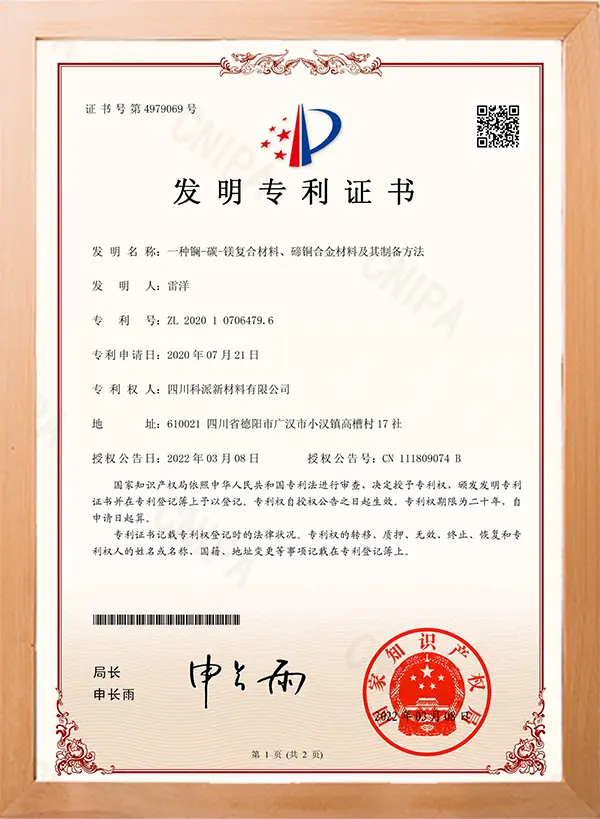
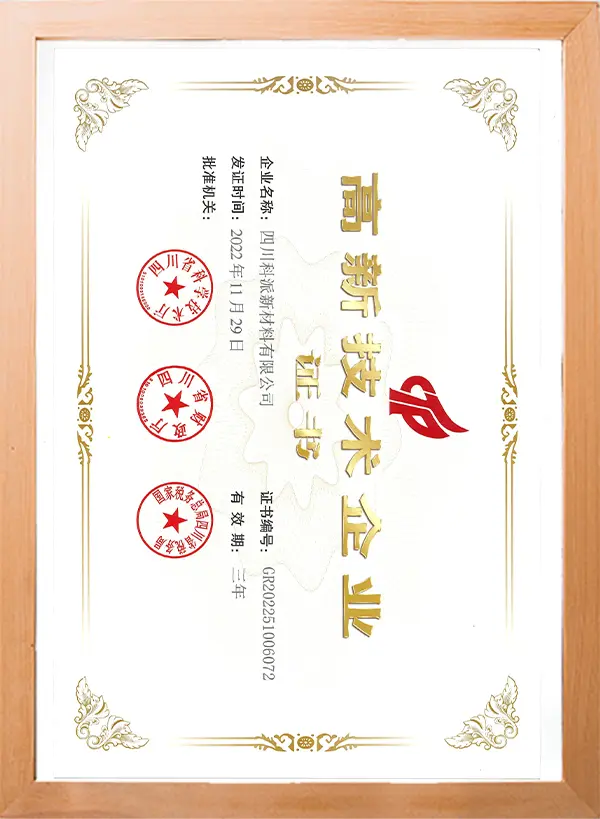
Technological innovation is central to Sichuan Kepai New Materials Co., Ltd. Our engineering team monitors international developments in copper alloy metallurgy. Through independent research and industry-university collaborations, Kepai has developed high-performance tellurium copper, lead copper, and sulfur copper alloys. Many of these developments are used in electric vehicles, plasma cutting, and energy storage systems.
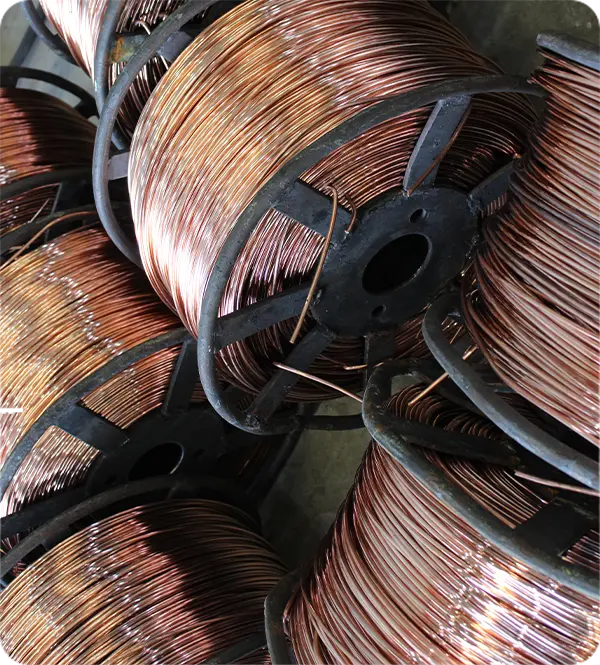
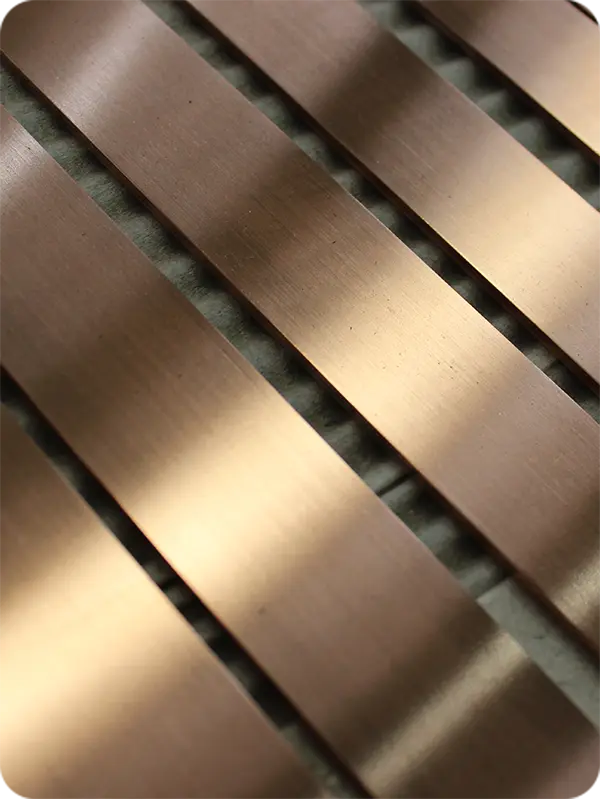
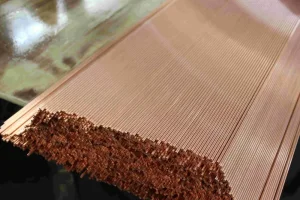
Kepai's product line covers high-performance copper alloy solutions, including pure copper, oxygen-free copper, oxygen-free high-conductivity tellurium copper, nickel tellurium copper, tin bronze, beryllium copper, lead bronze, sulfur copper, and chromium zirconium copper. These materials help reduce production costs and improve component performance across various industries.
Sichuan Kepai New Materials operates under a market strategy focused on regional and international distribution. We have established client relationships across several provinces in China and supply materials to international manufacturers. The company participates in overseas markets to expand its global brand presence.

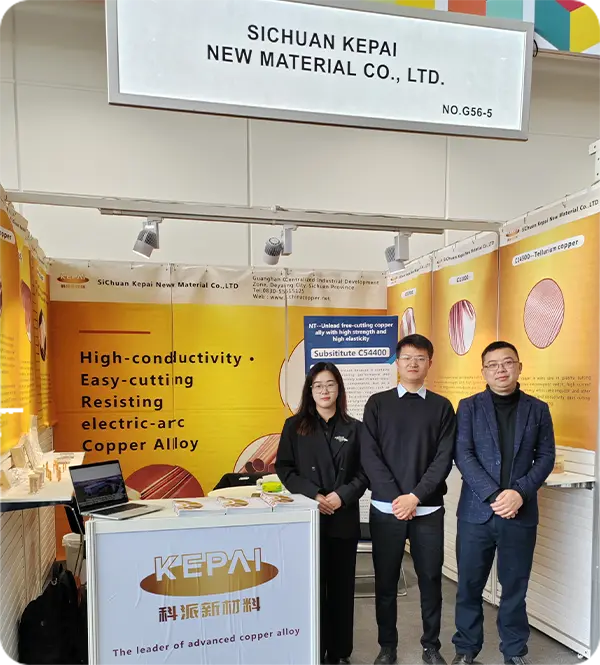
We focus on a culture of integrity, innovation, collaboration, and mutual growth. Our company supports technical skill development and teamwork to maintain a productive and open working environment. We work to build long-term relationships with customers by focusing on material quality and technical service.
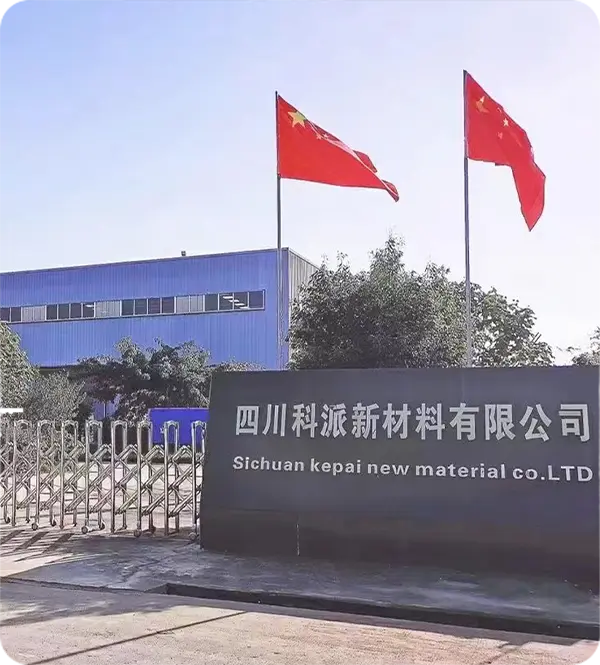

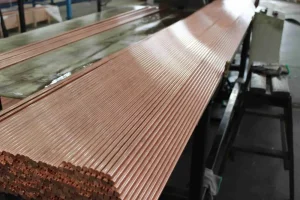
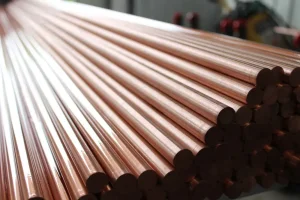
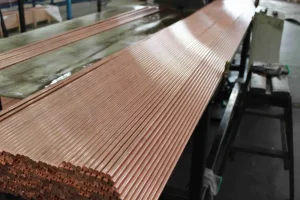
Our manufacturing workflow combines advanced extrusion and drawn processing with mechanical testing systems.
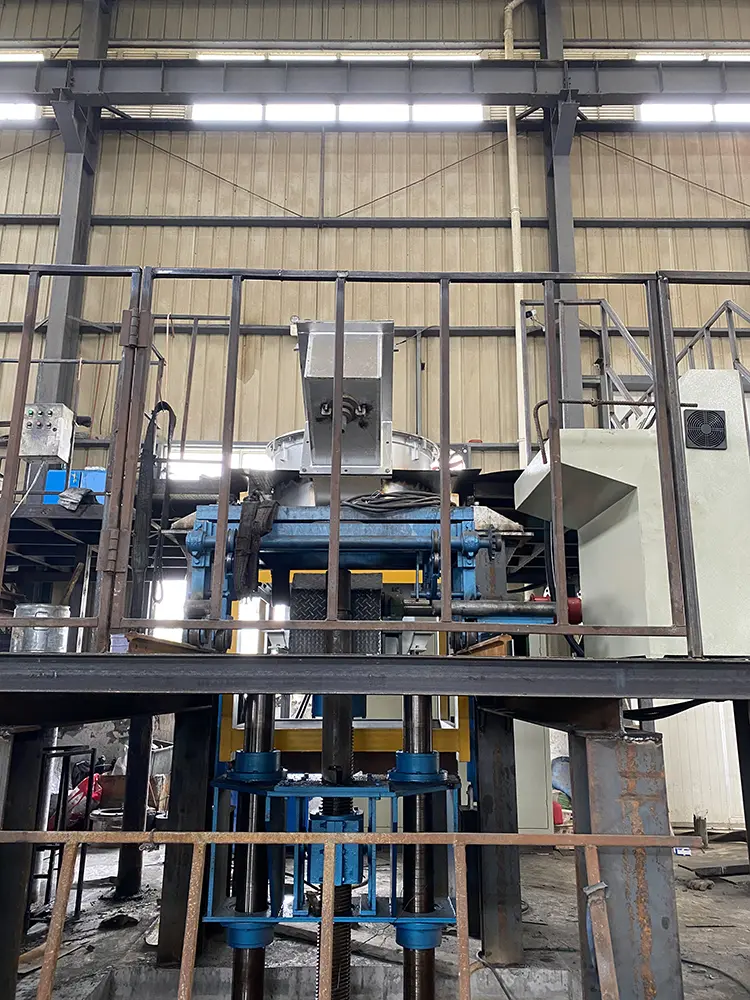
Smelting
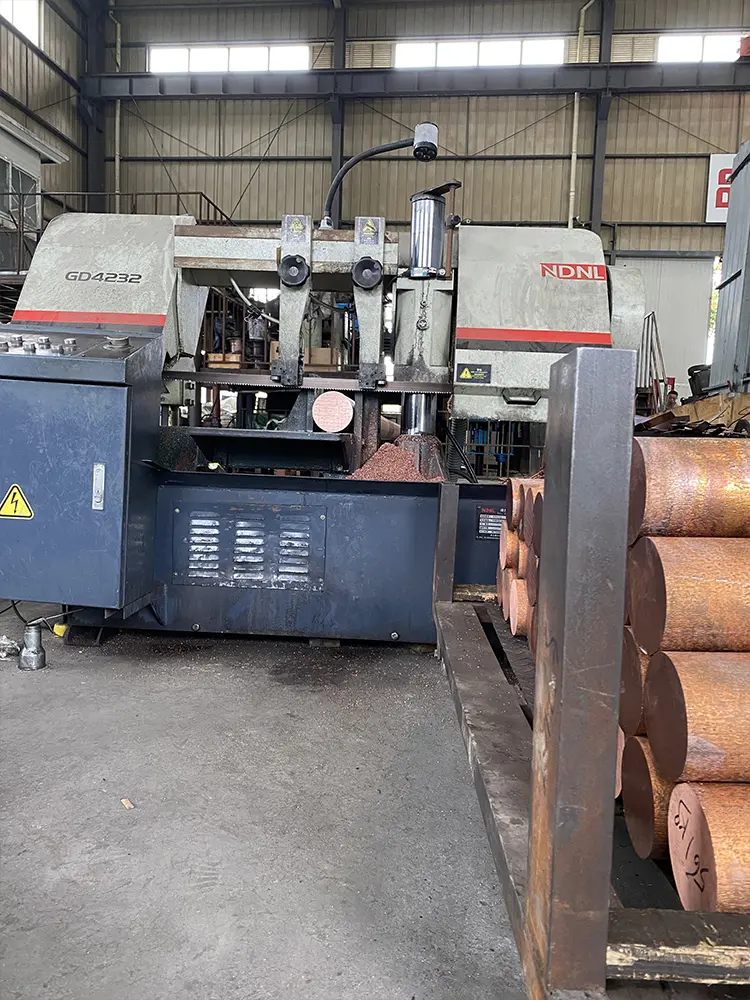
Laying-off
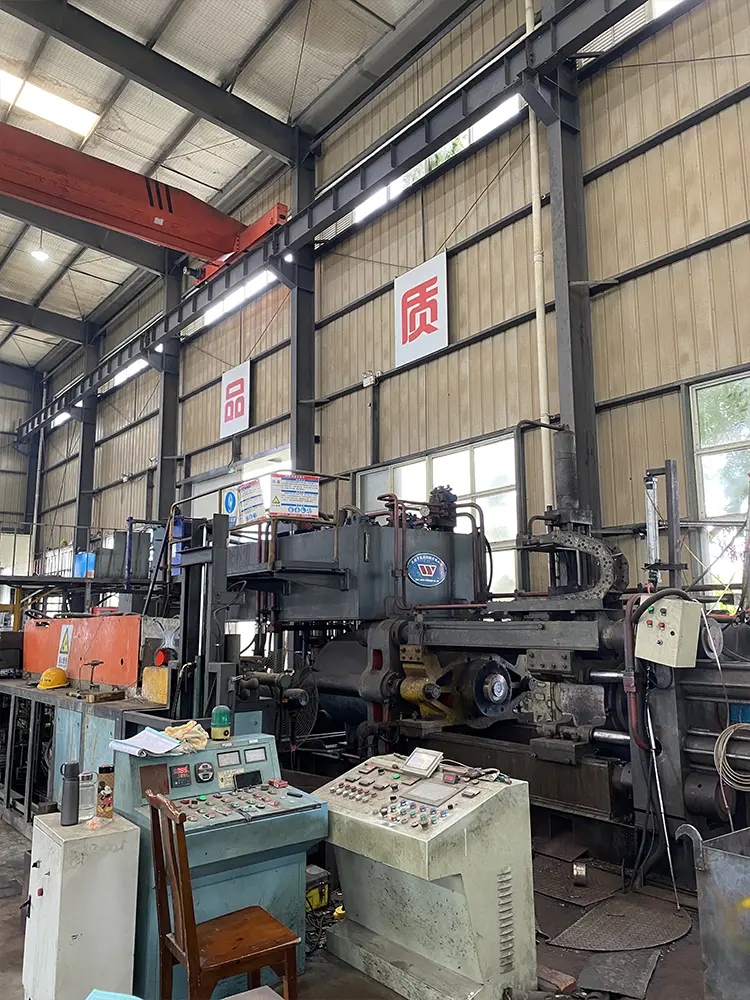
Extrusion
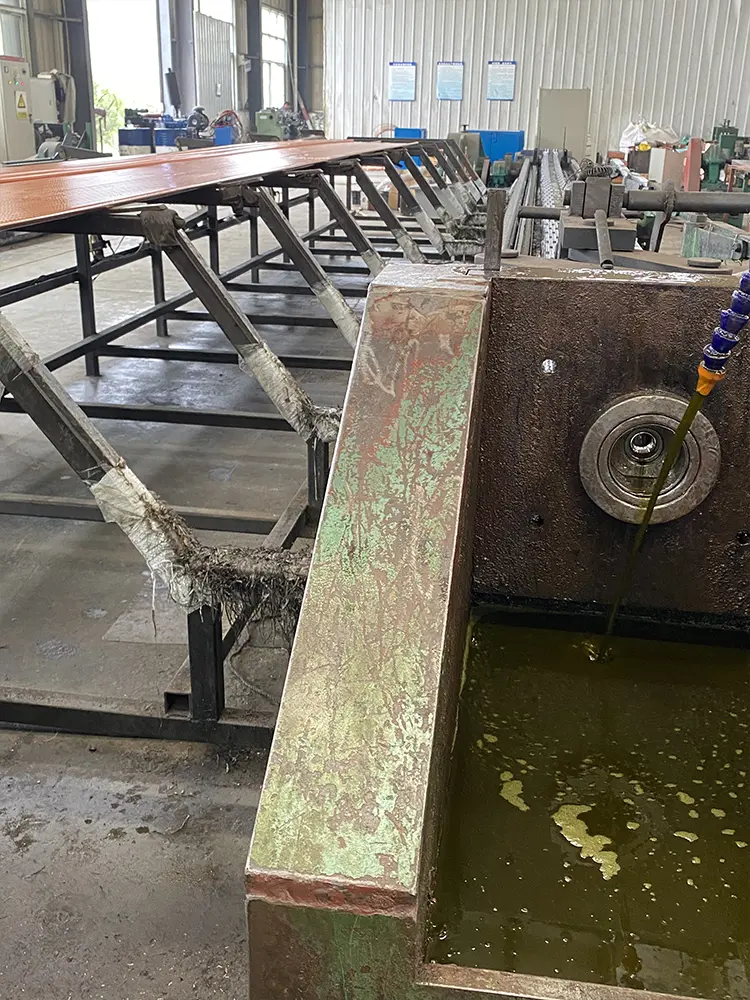
Drawing
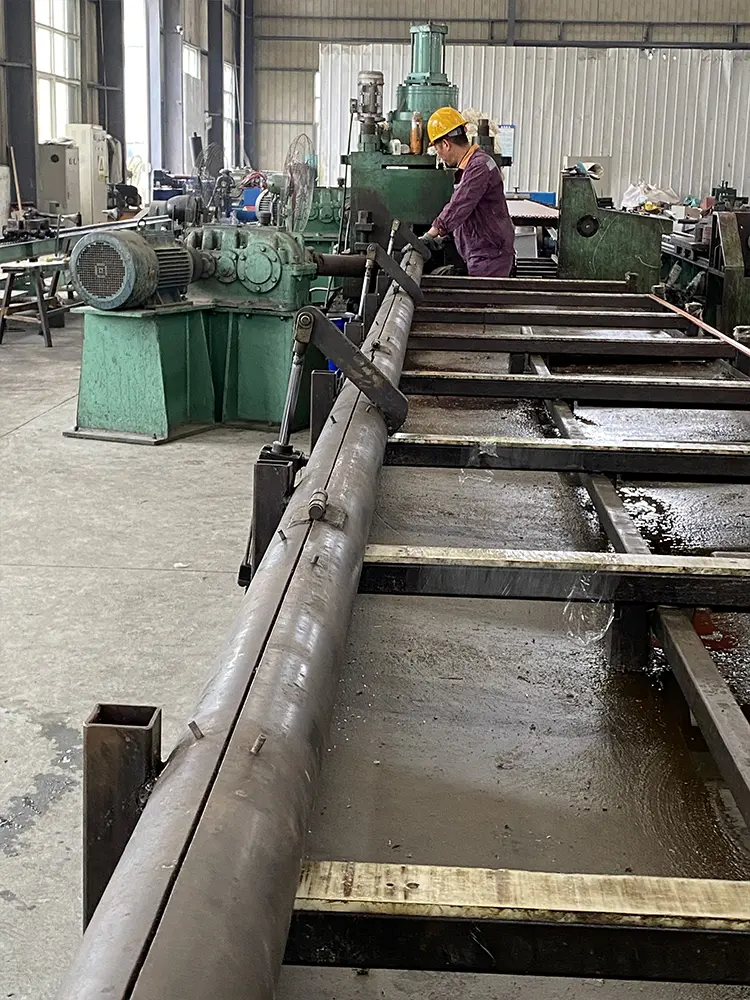
Straightening
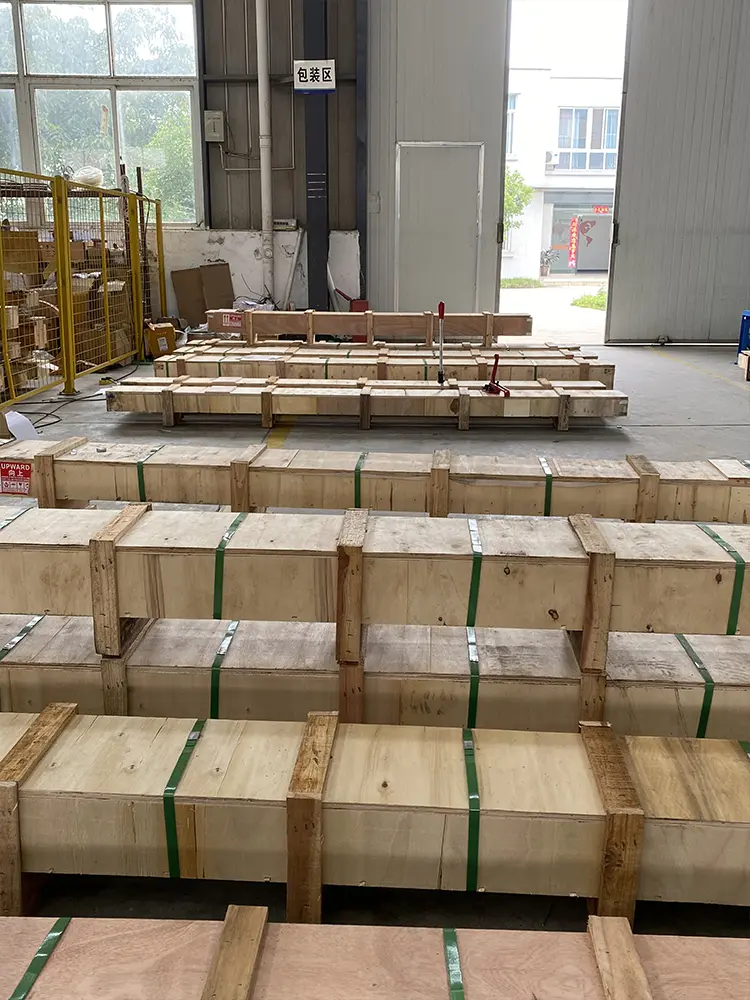
Package
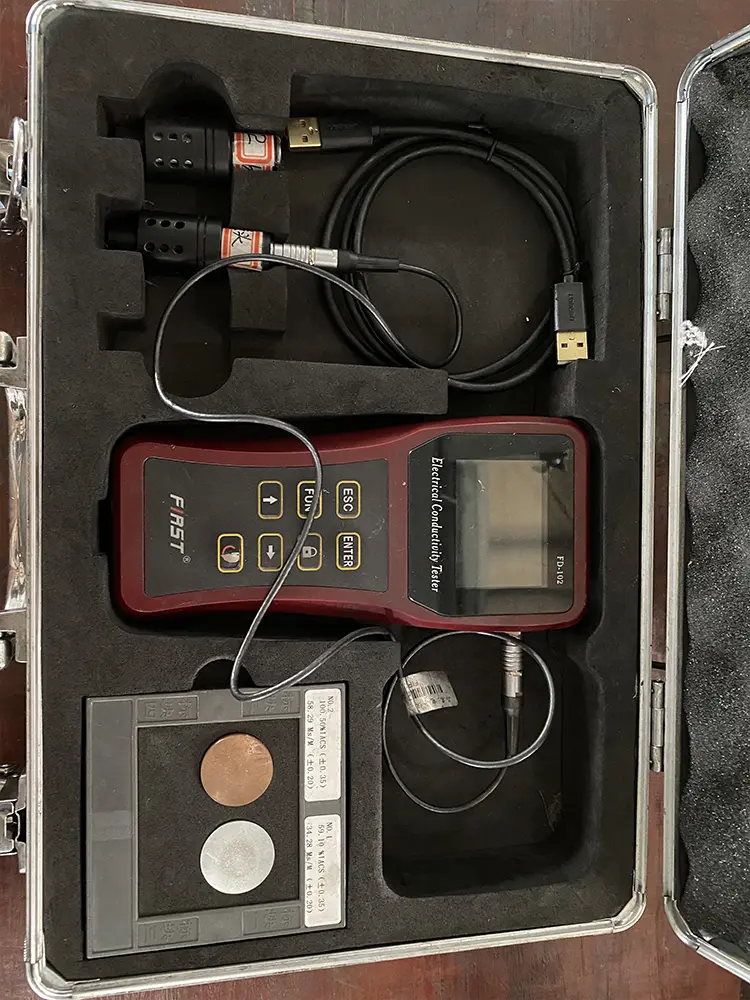
Eddy Current Conductance Instrument
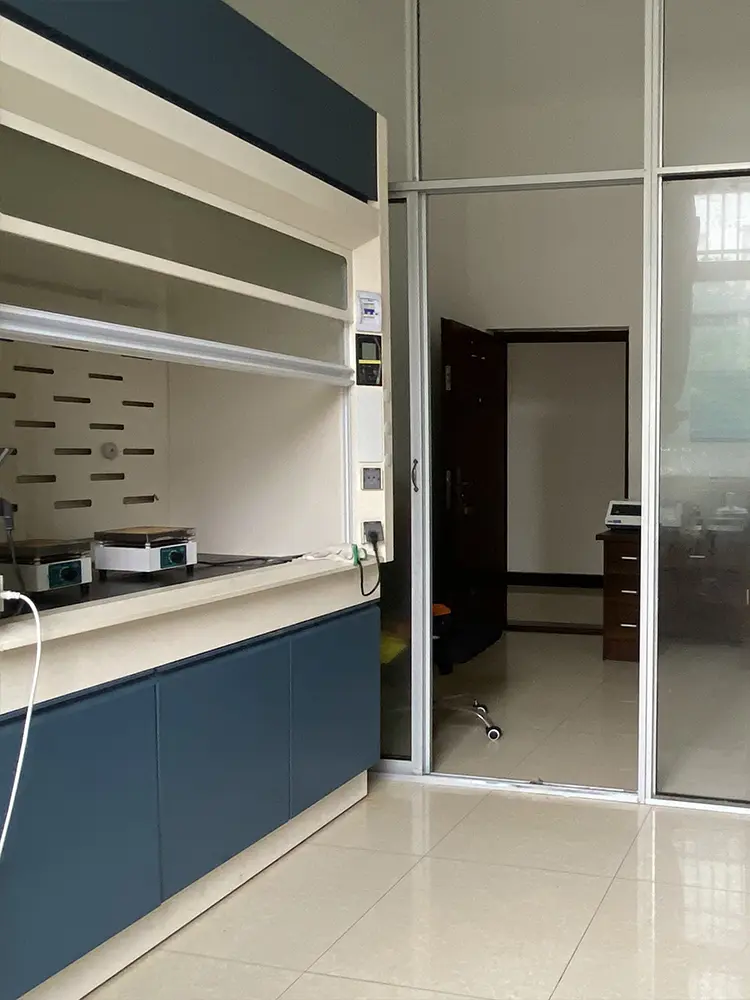
Chemical Composition Test Room

Metallographic Polishing
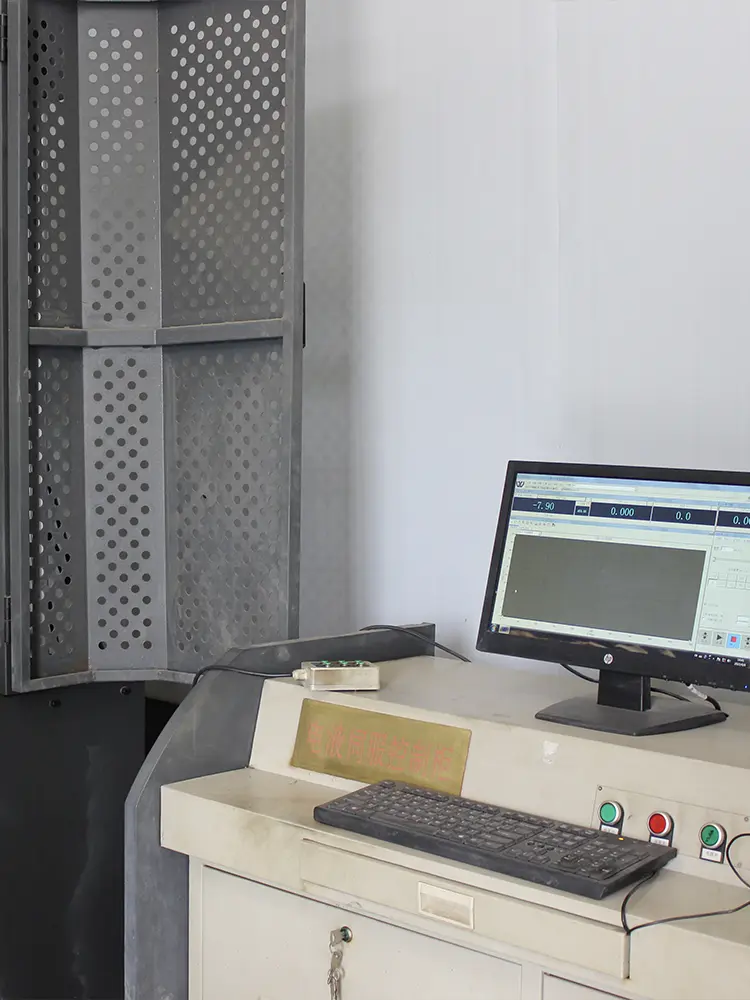
Servo Universal Testing Machine
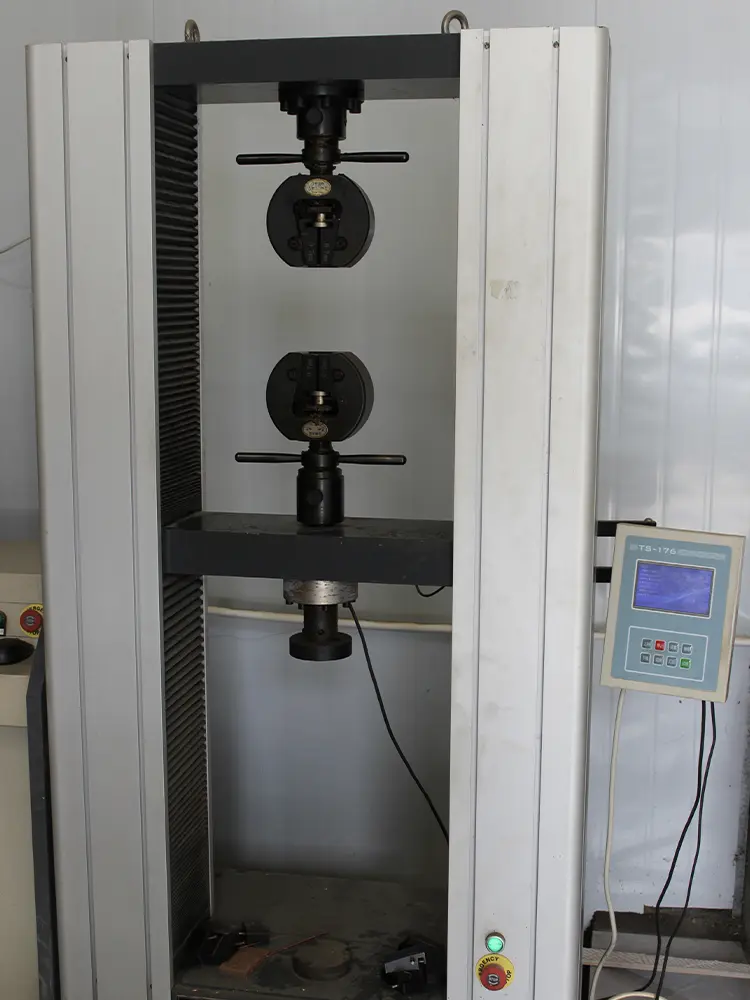
LCD Electronic Tester
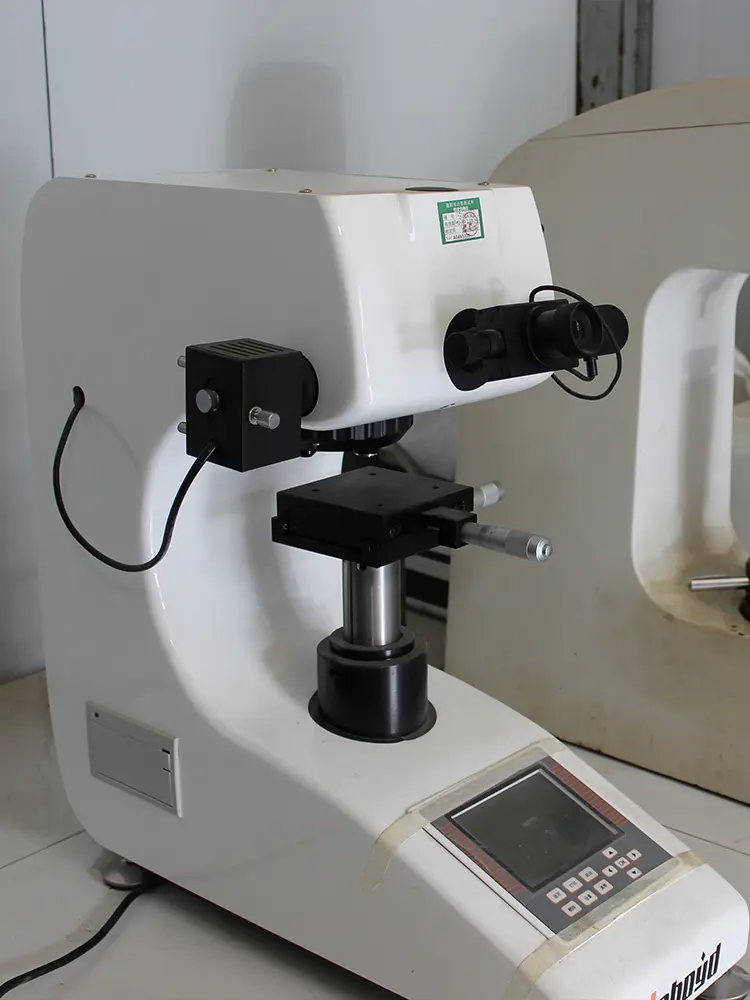
Hardness Tester
Our quality control processes comply with international standards.
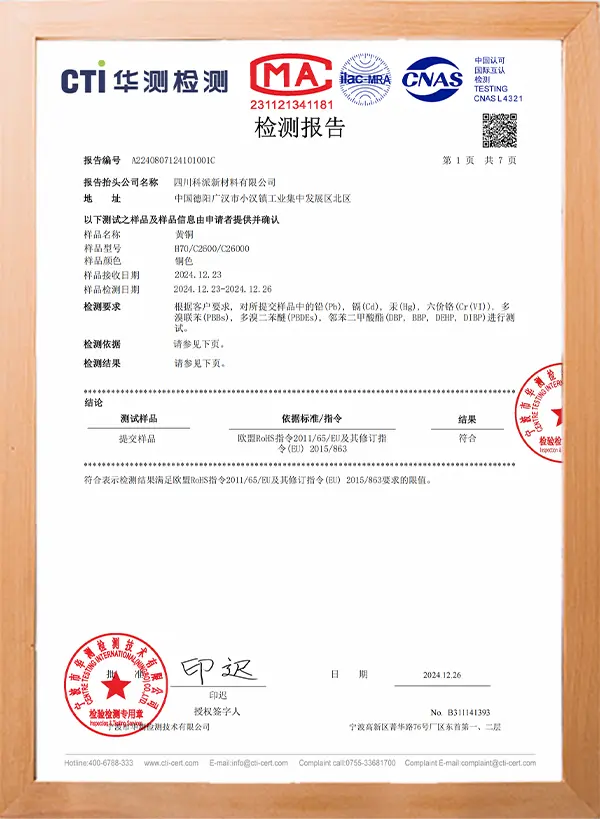
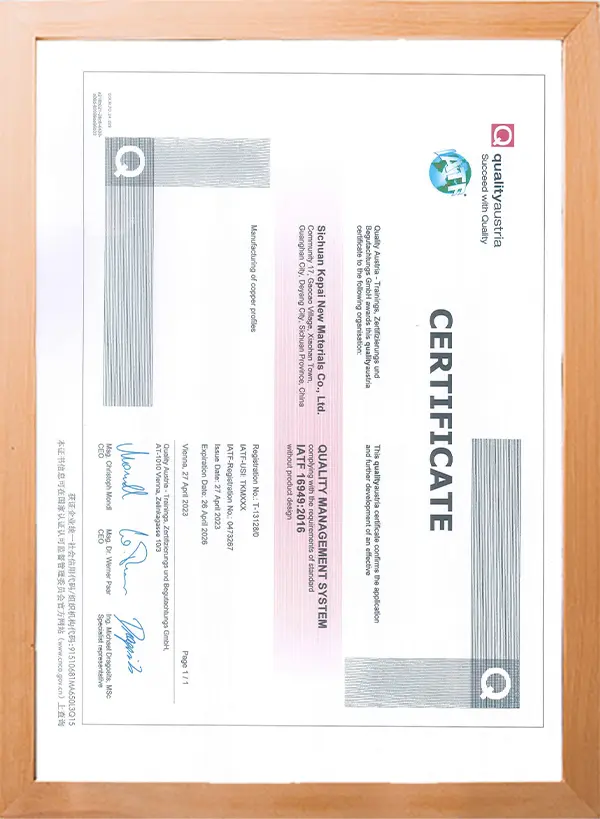
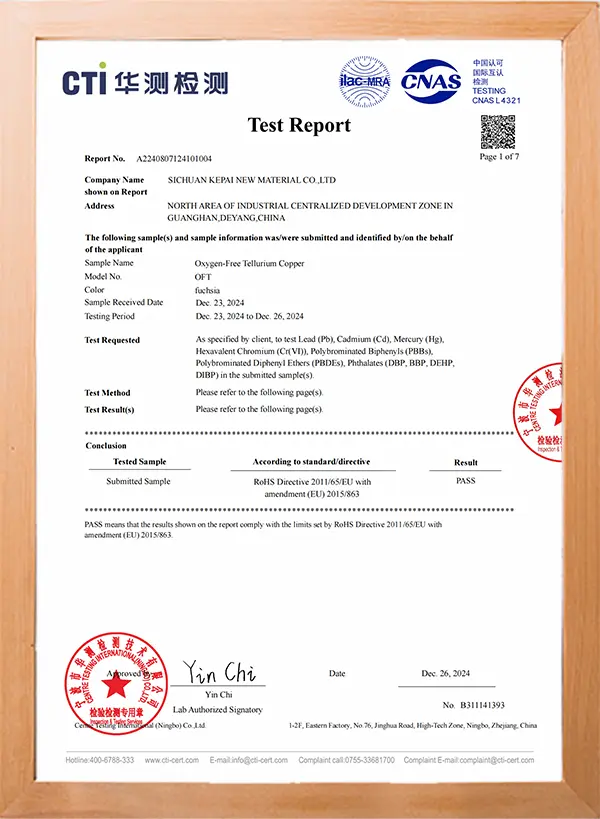
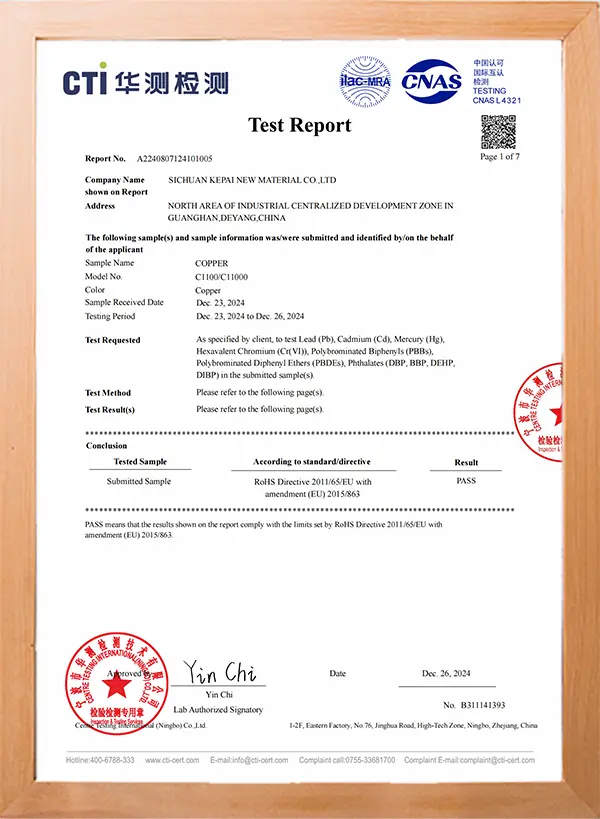
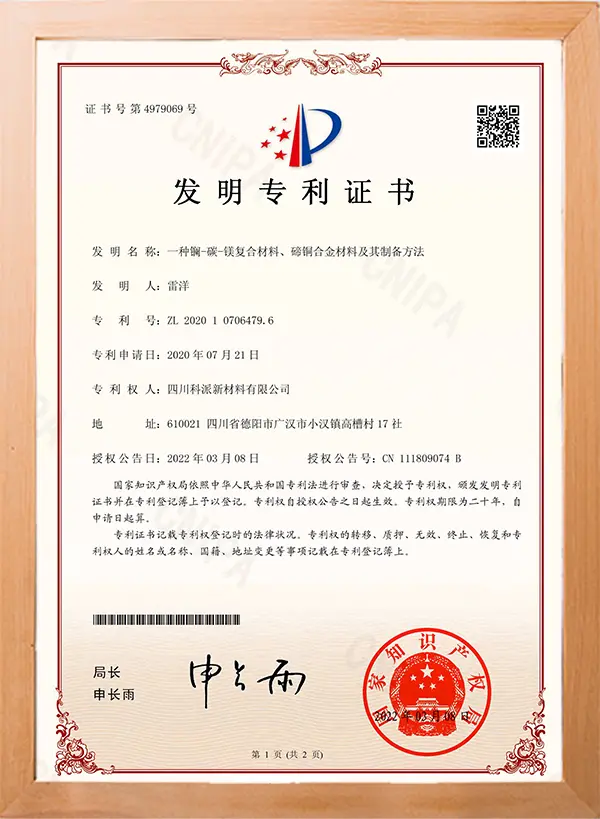
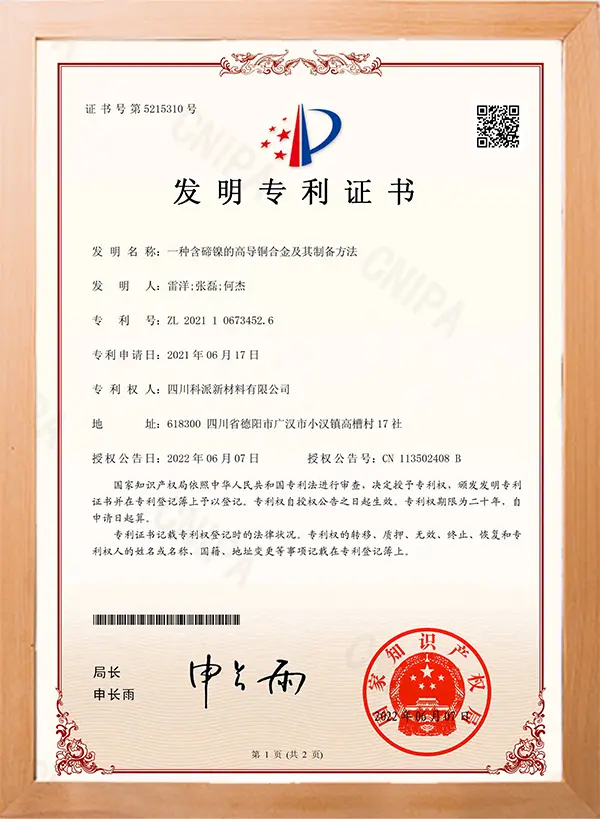
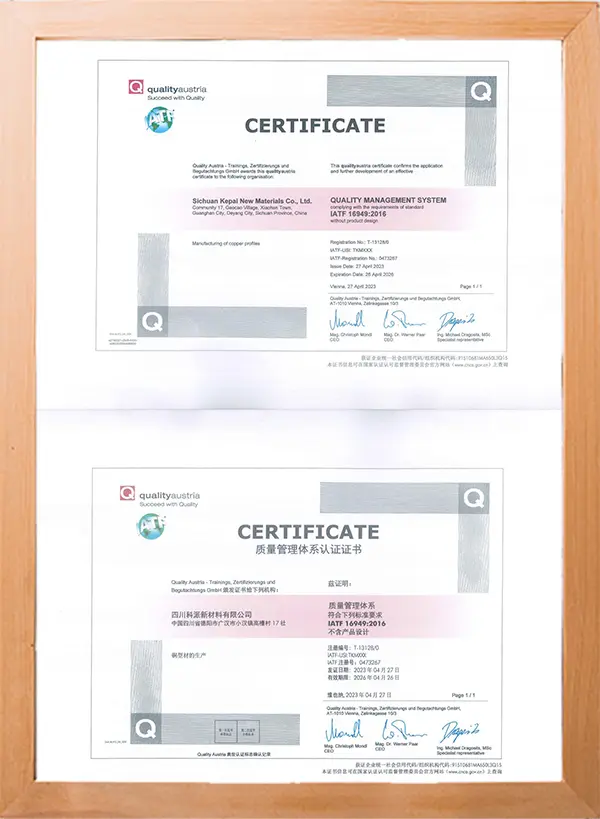
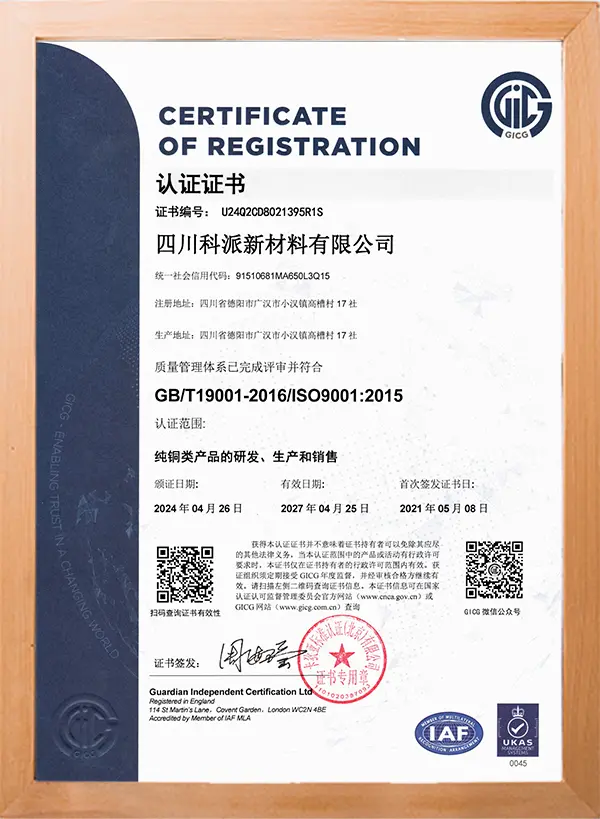
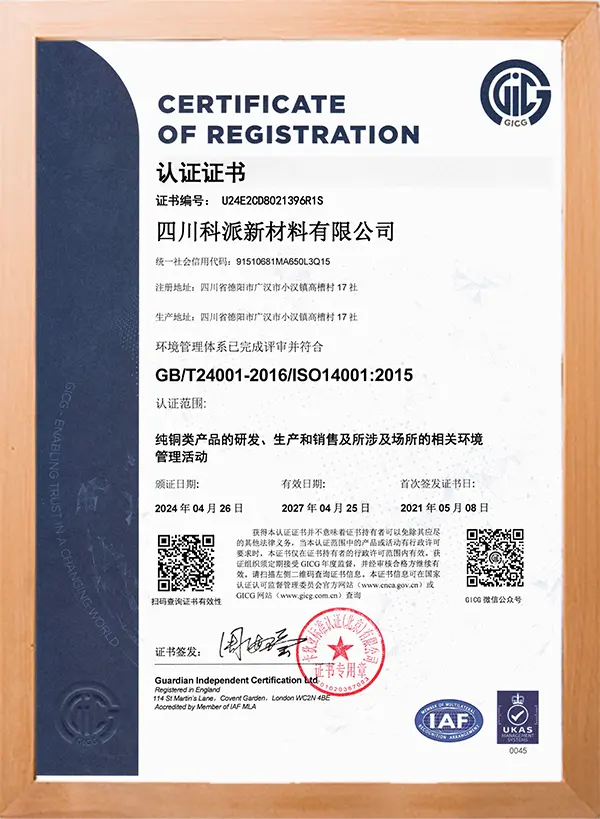
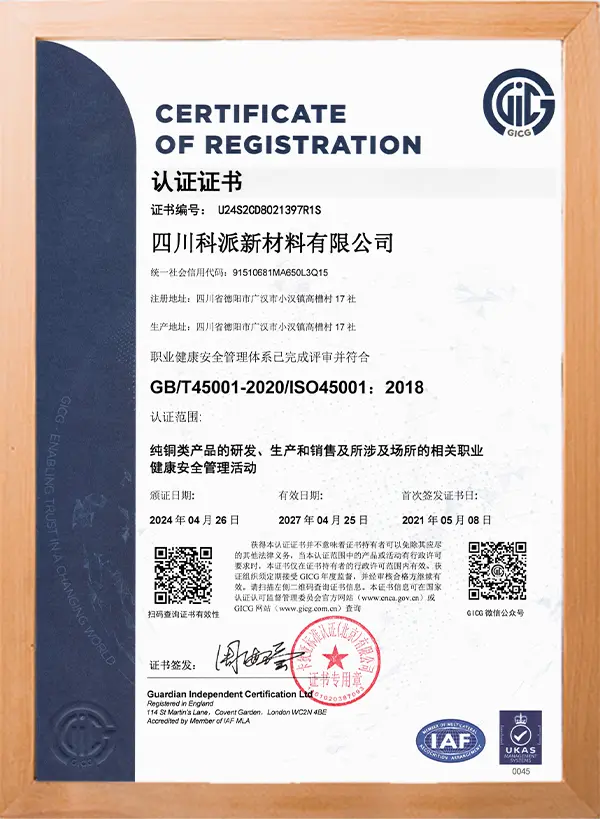
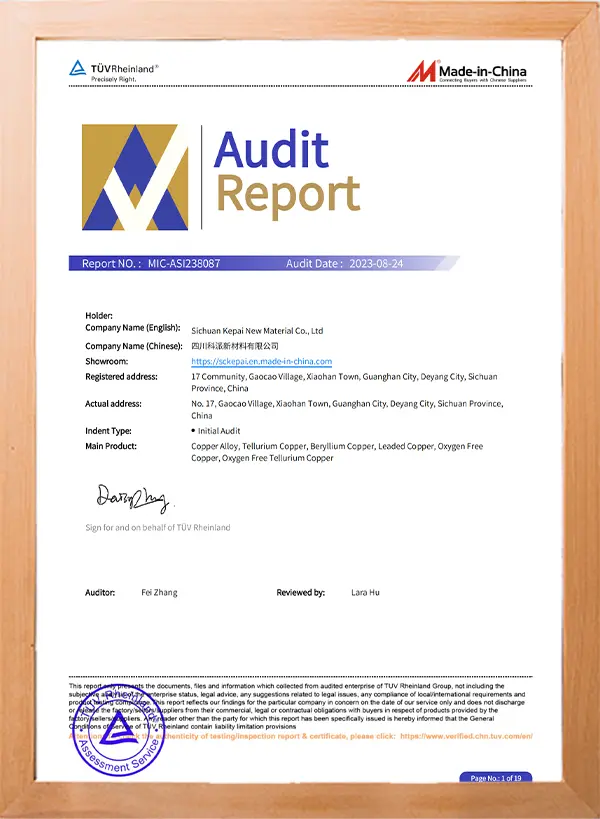
Technical support and metallurgical clarifications from our engineering department.
Get in touch with our metallurgical engineers to discuss specifications, standard compliance, and wholesale pricing structures.
Precision-manufactured materials for high-stress electrical and mechanical designs.

 Kepai
Kepai