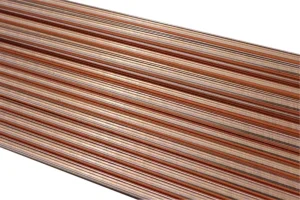
Explore our high-conductivity precision materials engineered for demanding electrical transmission and thermal dissipation systems.
Deep-dive analysis into metallurgical properties, crystalline matrices, and micro-alloying engineering techniques.
Modern electrical grids, electric drivetrains, and electronics thermal management demand copper alloys that push the absolute physical boundaries of electrical and thermal performance. Pure copper boasts an electrical conductivity of 100% IACS (International Annealed Copper Standard) and a thermal conductivity of approximately 401 W/(m·K). However, industrial components require more than conductivity; they must survive high structural stresses, wear, corrosion, and extreme temperatures.
At Sichuan Kepai New Material Co., Ltd., we specialize in solving the engineering paradox of maintaining excellent electrical and thermal conductivity while dramatically enhancing mechanical properties. By utilizing advanced vacuum induction melting, precise trace-element micro-alloying, and optimized heat treatment procedures, we customize the internal grain structures of our copper alloys to achieve specific balances between mechanical yield strength and conductivity indices.
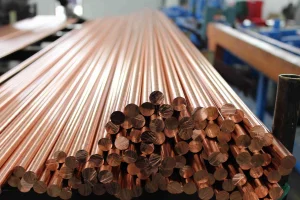
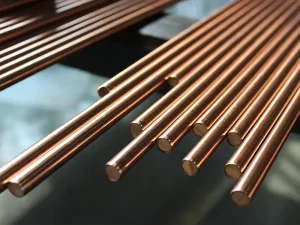
Through these techniques, we produce high-performance tellurium copper, dispersion-strengthened copper, and oxygen-free copper that are optimized for high-power connectors, thermal heat-sinks, and plasma electrodes.
| Alloy Grade | Electrical Conductivity (% IACS) | Thermal Conductivity (W/m·K) | Key Performance Enhancements |
|---|---|---|---|
| C11000 Pure Copper | ≥ 100% | ~ 388 - 401 | Maximum initial conductivity, high ductility |
| C14500 Tellurium Copper | ≥ 93% | ~ 355 | 85% machinability rating, arc resistance, high thermal transfer |
| C17510 Beryllium Copper | ≥ 45% - 60% | ~ 240 | Extreme tensile strength, fatigue resistance, thermal stability |
| Oxygen-Free Copper (OFHC) | ≥ 101% | ~ 390 | Hydrogen embrittlement resistance, vacuum-tight properties |
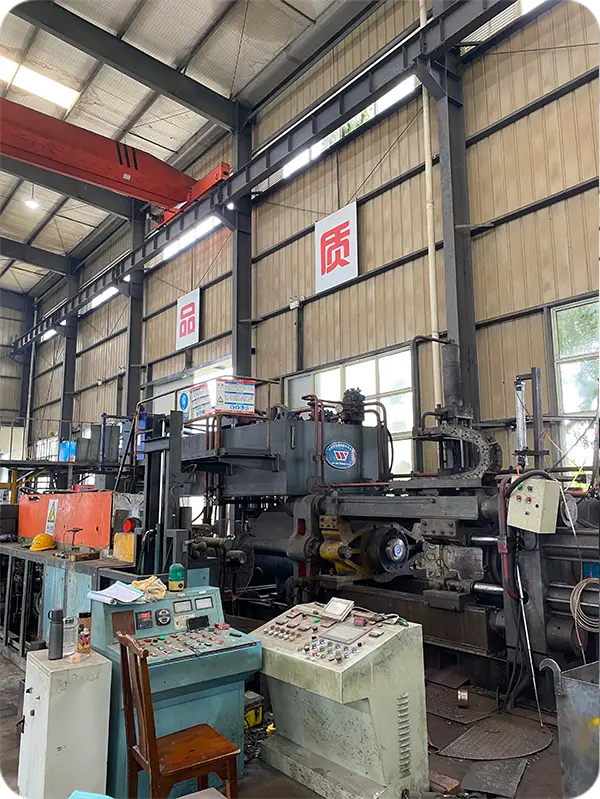
Take a transparent walk-through of our 9,000 square meter facility located in Guanghan Industrial Zone.
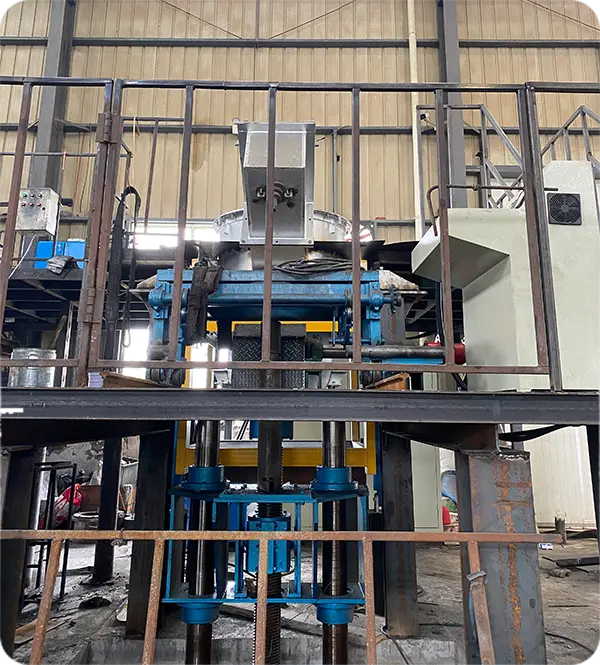
Our controlled-atmosphere smelting and horizontal continuous casting units minimize chemical impurities and control grain growth, laying the foundation for consistent conductivity.
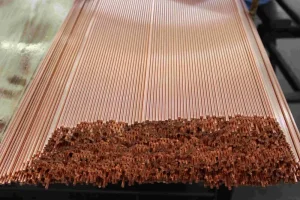
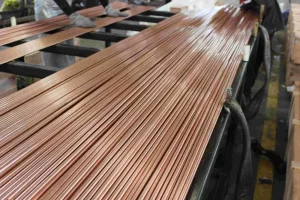
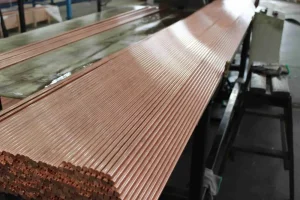
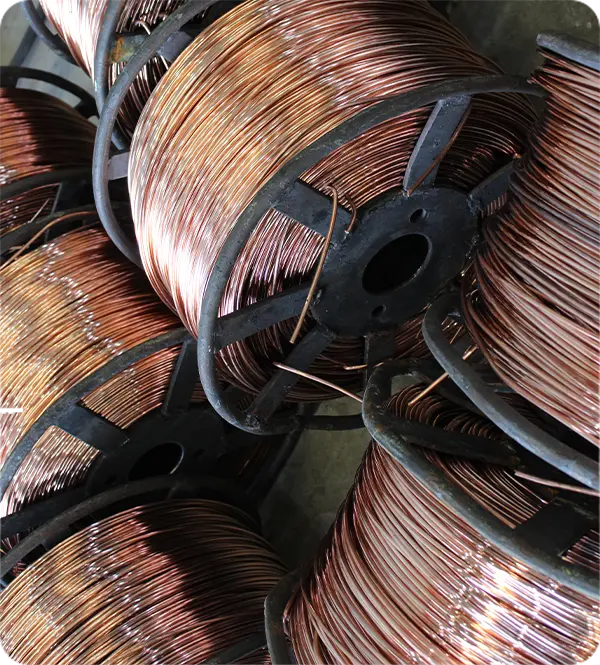
Multi-stage extrusion and cold drawing increase the density and refine the directional orientation of grains. This step improves tensile strength while preserving electrical corridors.
Every batch of copper undergoes eddy current conductivity testing, metallographic phase analysis, and microhardness checking to confirm alignment with your engineering drawing specs.
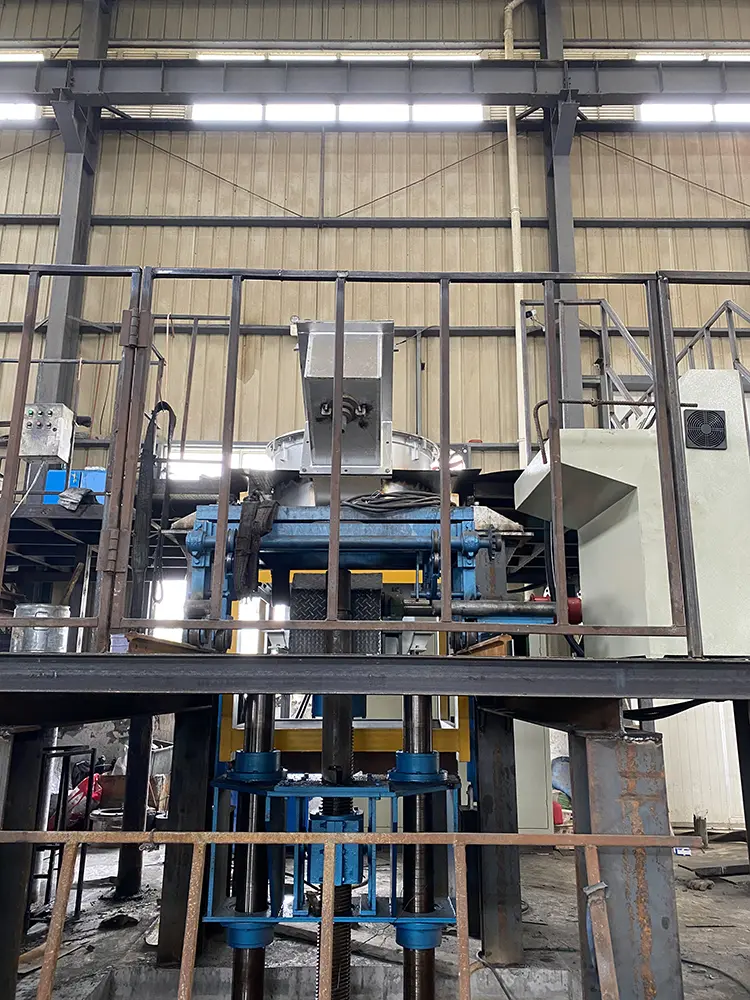
Smelting Furnace
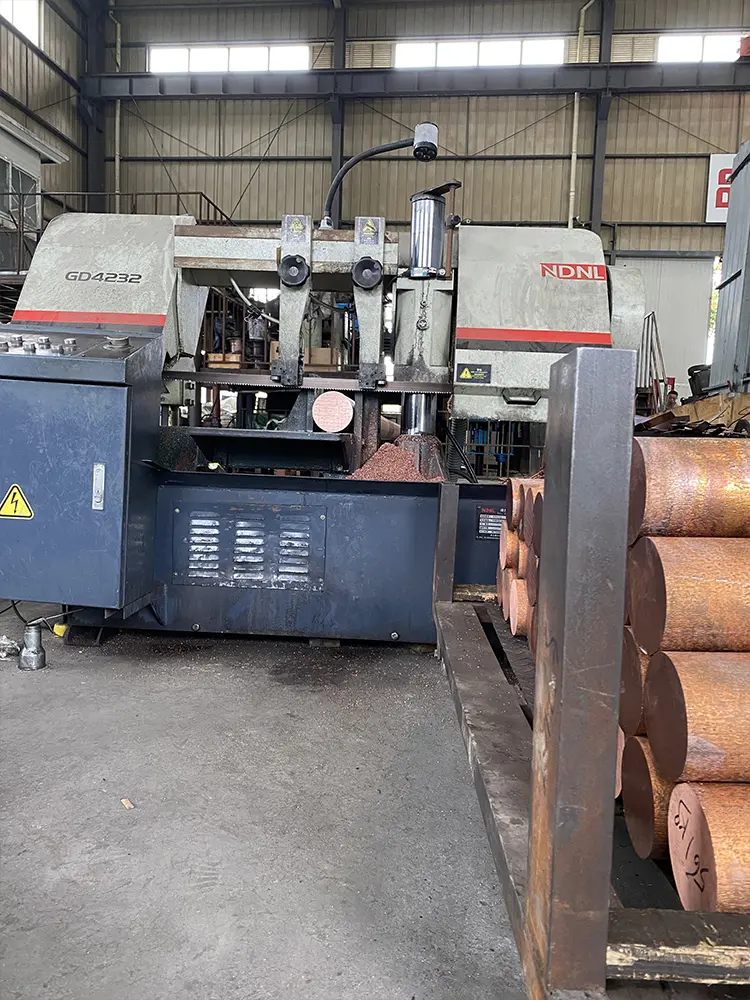
Laying-off Machinery
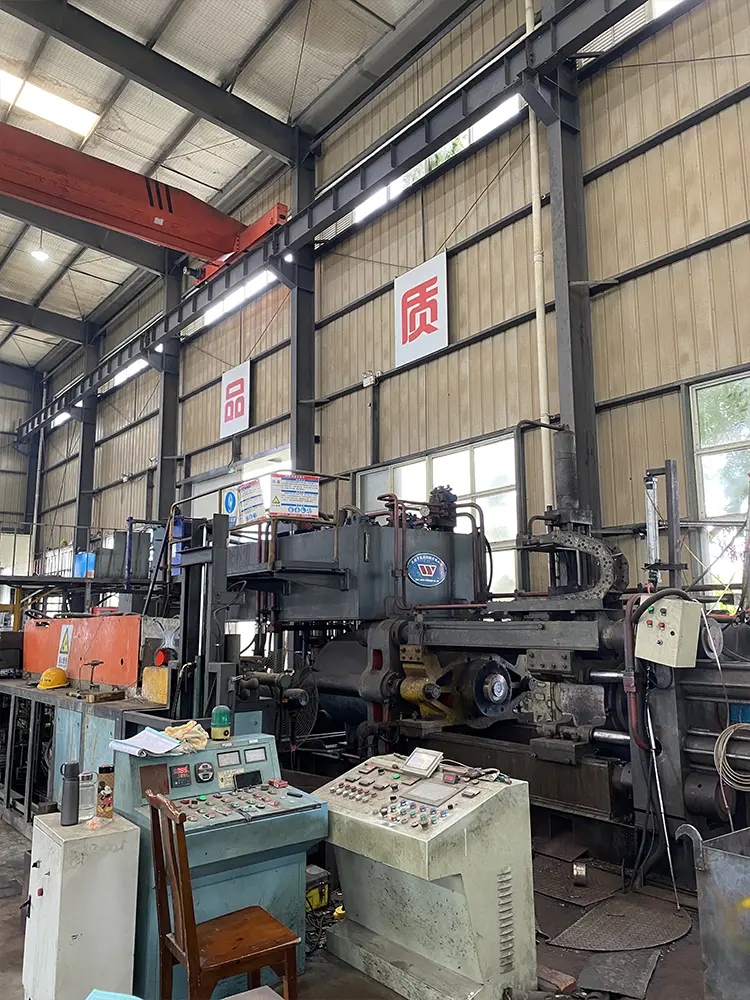
Extrusion Unit
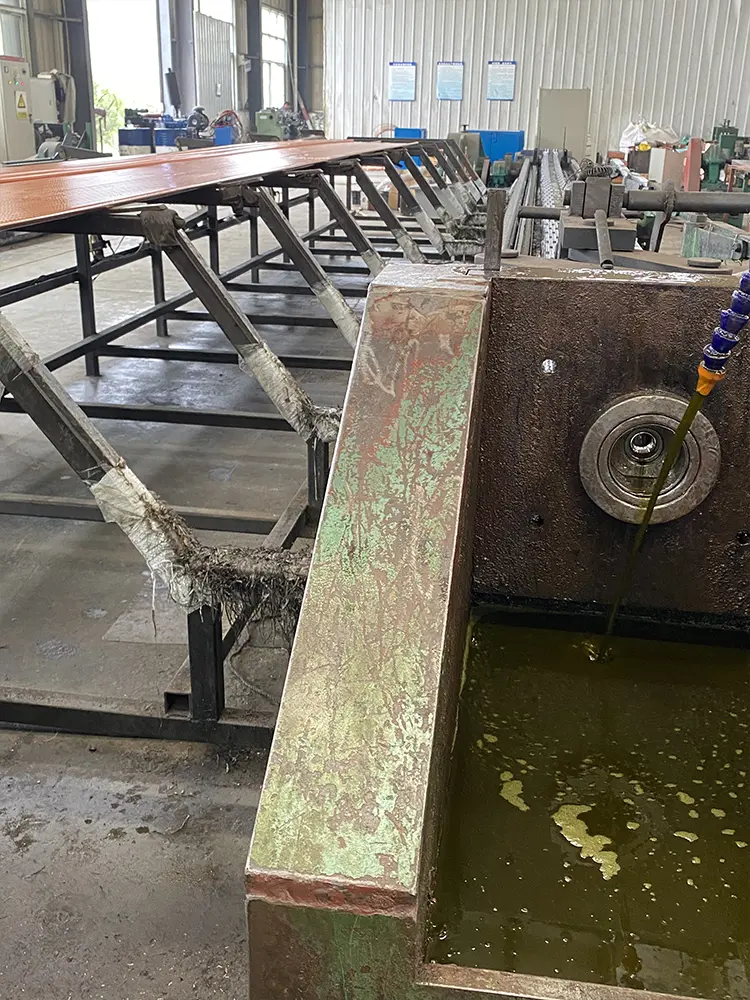
Precision Drawing
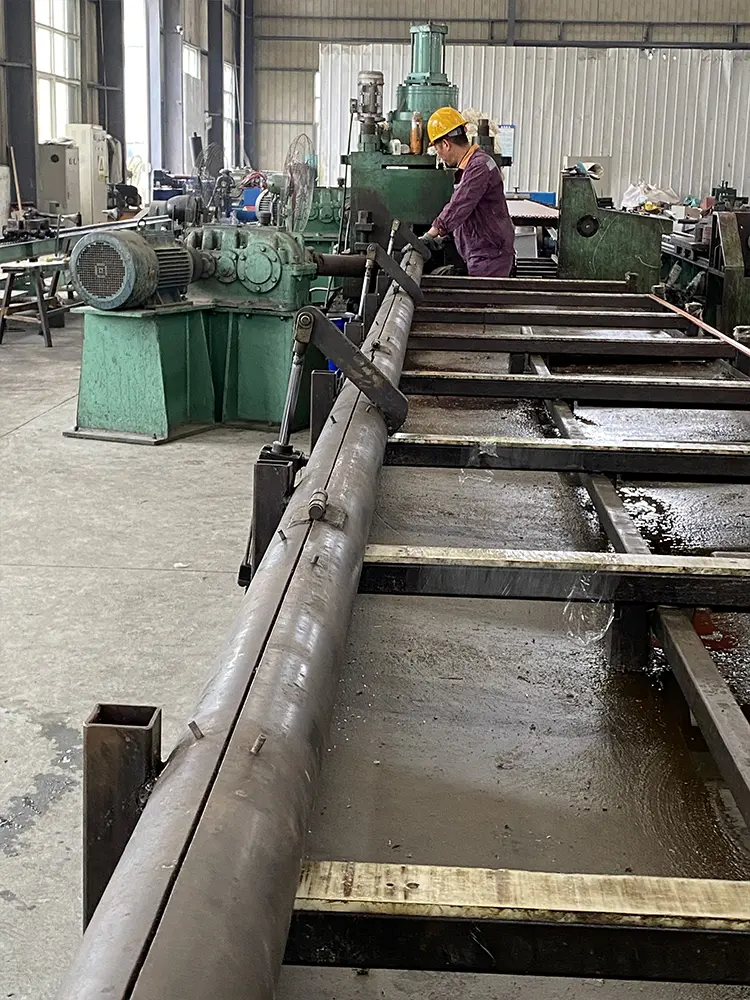
Straightening Line
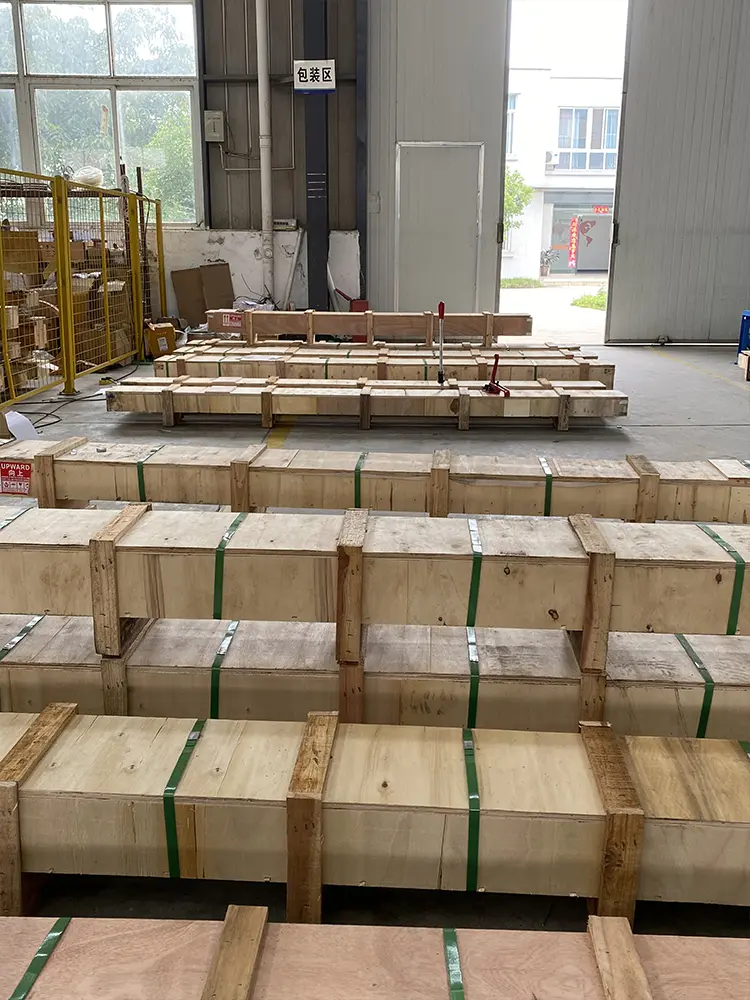
Packaging & Protection
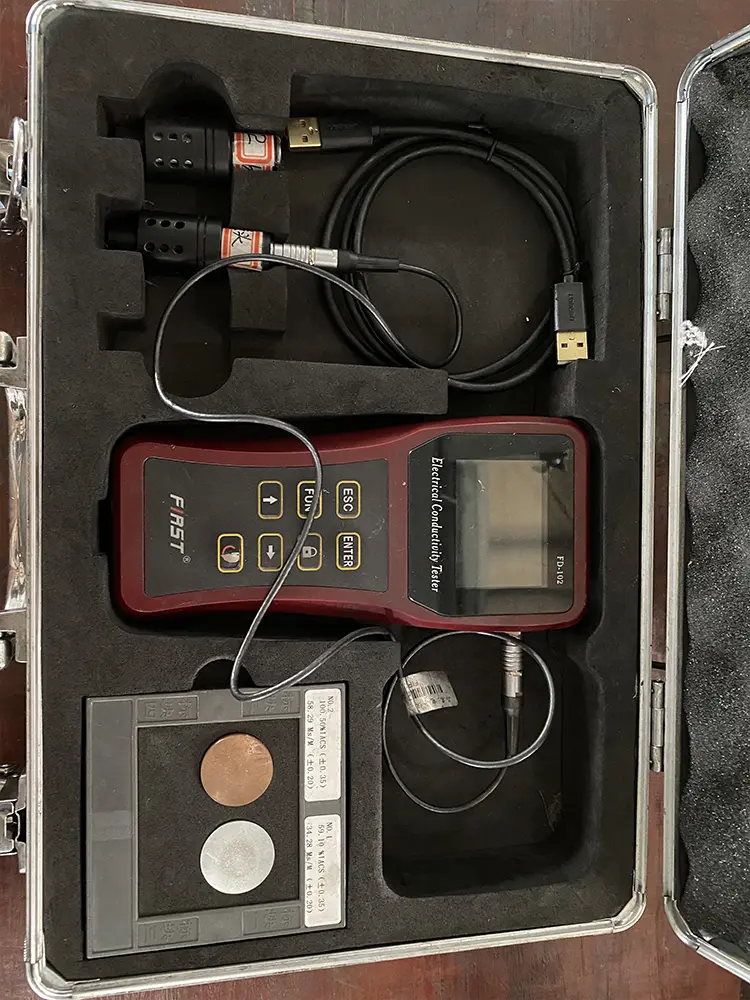
Eddy Current Conductance Tester
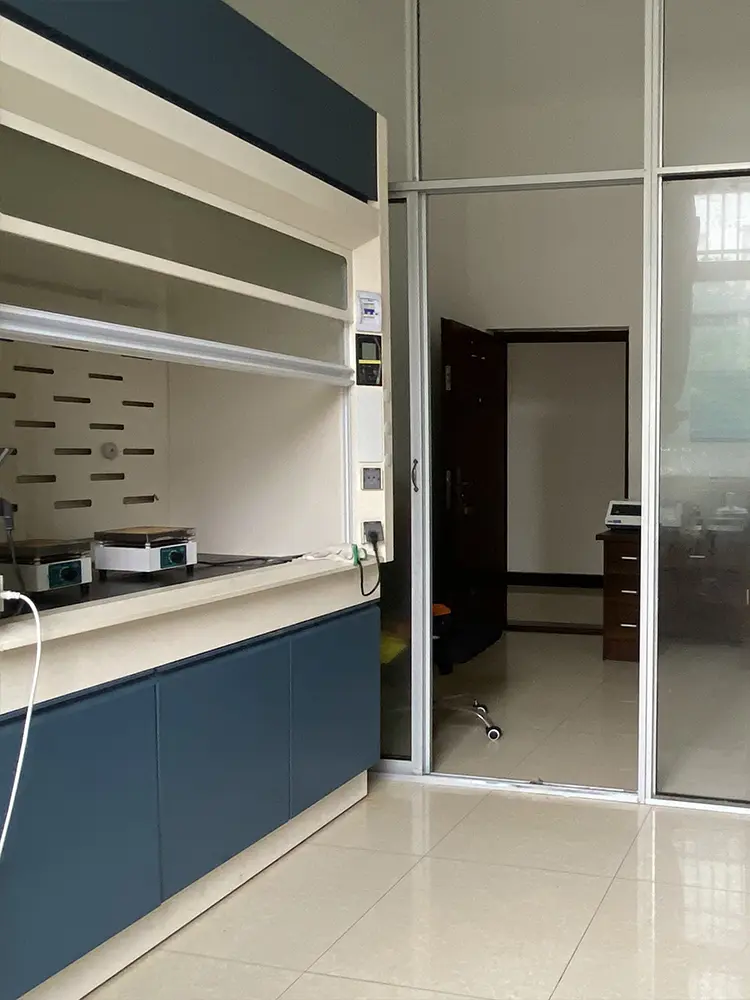
Chemical Composition Laboratory

Metallographic Polishing System
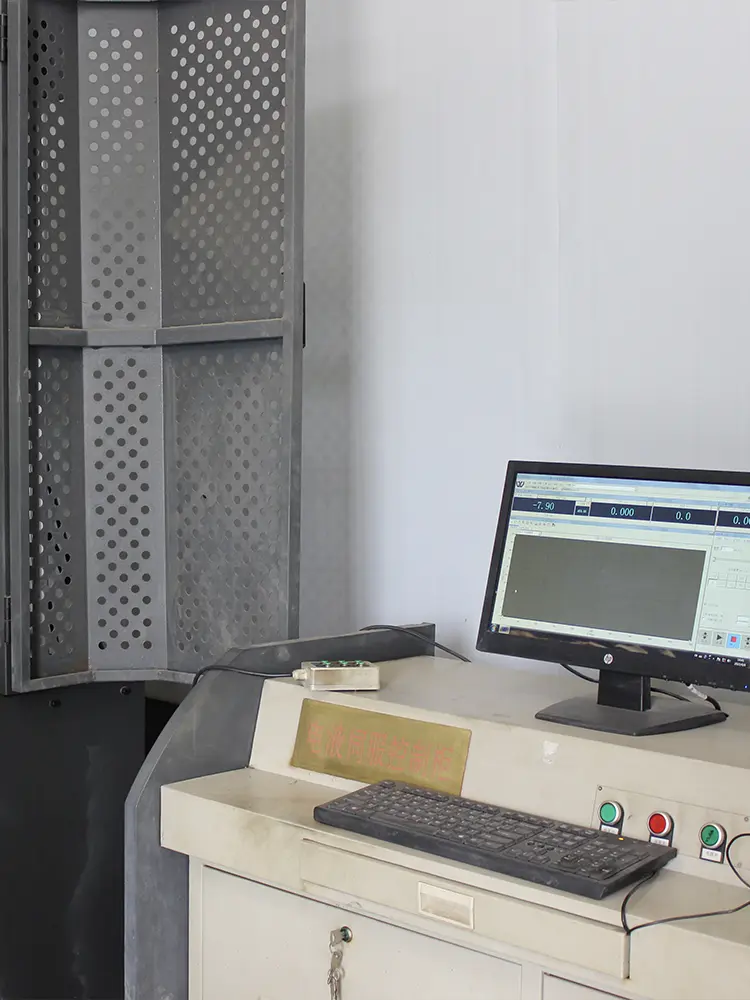
Electro-Hydraulic Servo Testing Machine
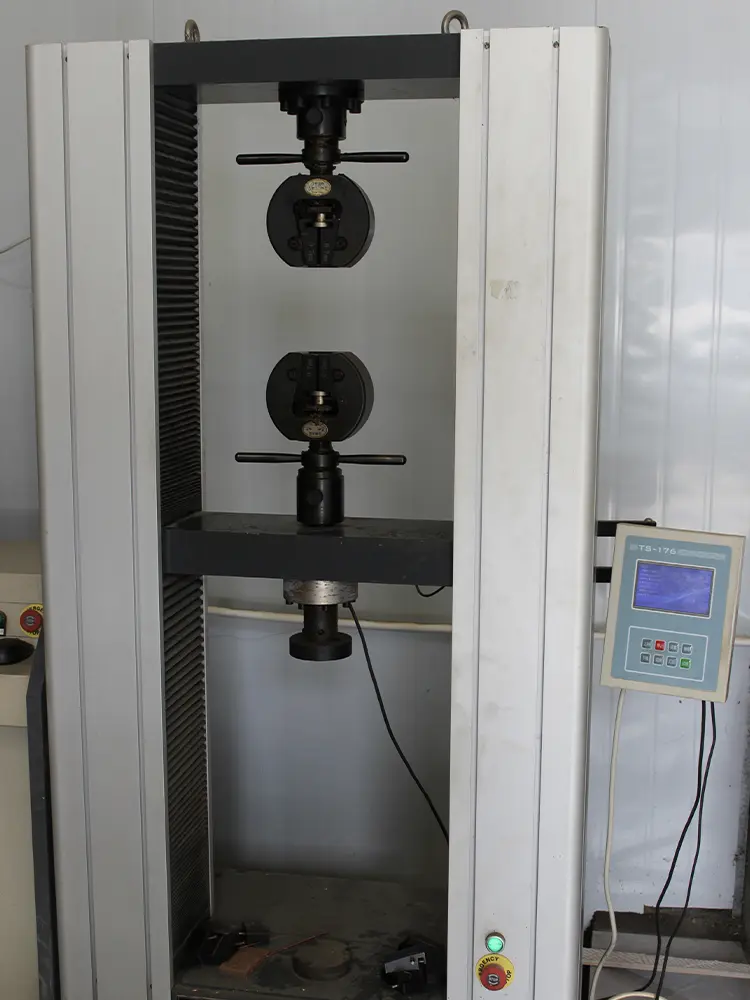
Electronic Universal Tester
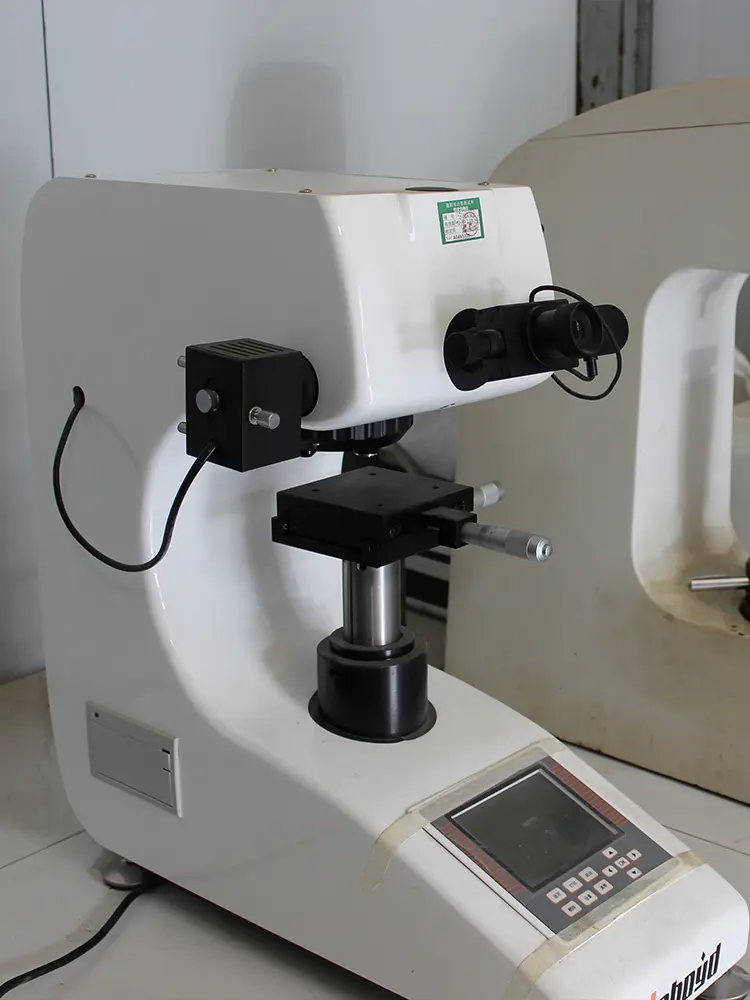
Digital Hardness Tester
How our custom alloys support development in EV transportation, 5G, lasers, and energy storage.
We supply oxygen-free copper busbars and tellurium copper pins for high-voltage charging plugs, maintaining stable conductivity under rapid charging cycles.
Our thin-wall copper-nickel-beryllium enclosures and contact points support heat dispersion and signal purity in high-frequency microwave cavities.
Nozzles made from our tellurium copper C14500 resist metal-spatter adhesion and survive long exposure to localized high-temperature plasma arcs.
Our high-conductivity copper alloys are engineered for grid-scale energy storage systems. They minimize contact resistance and prevent thermal runaway during sudden power surges.
Pioneering the next boundary of material science through green alloy manufacturing and structural refinement.
Our material roadmap focuses on developing high-strength, high-conductivity copper alloys that support modern industrial demands, including green transportation and advanced telecommunications.
By refining continuous casting control and managing interstitial impurity placement down to the parts-per-million scale, we aim to produce commercial OFHC (Oxygen-Free High Conductivity) copper reaching 102% IACS.
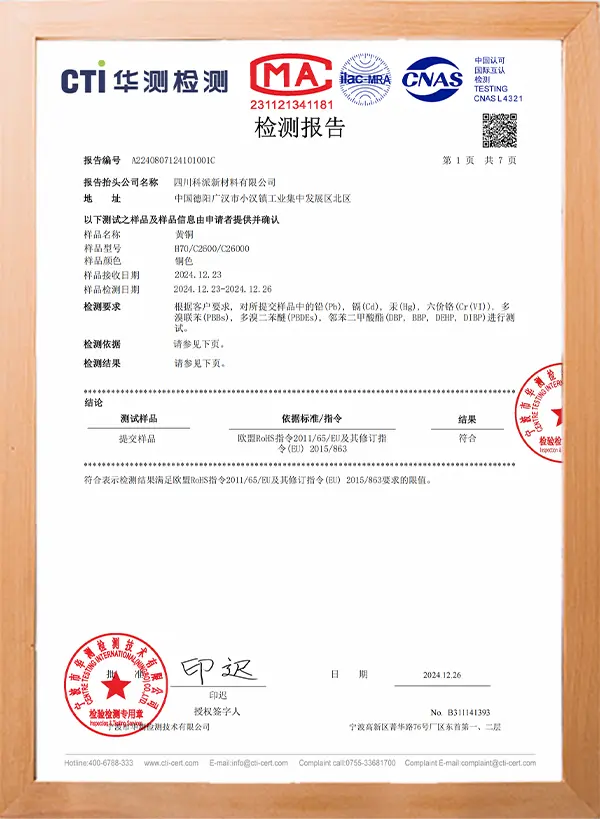
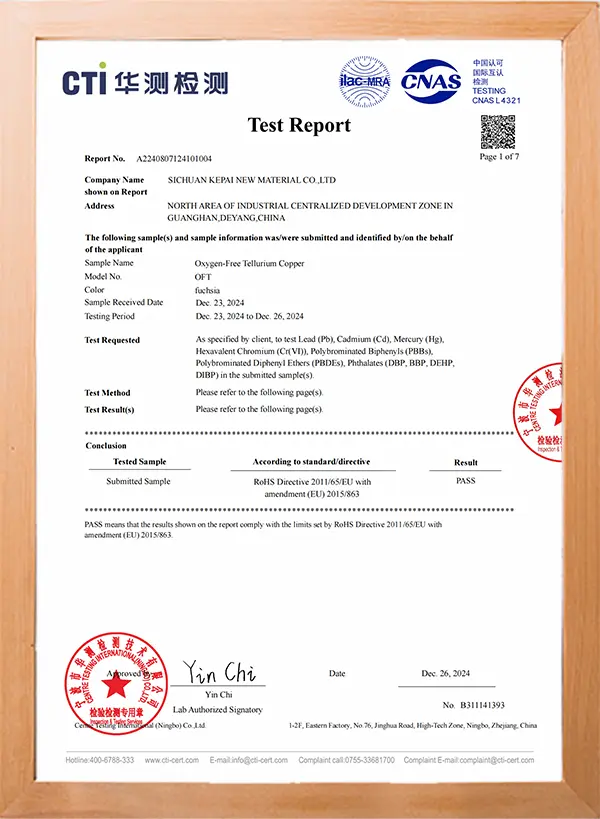
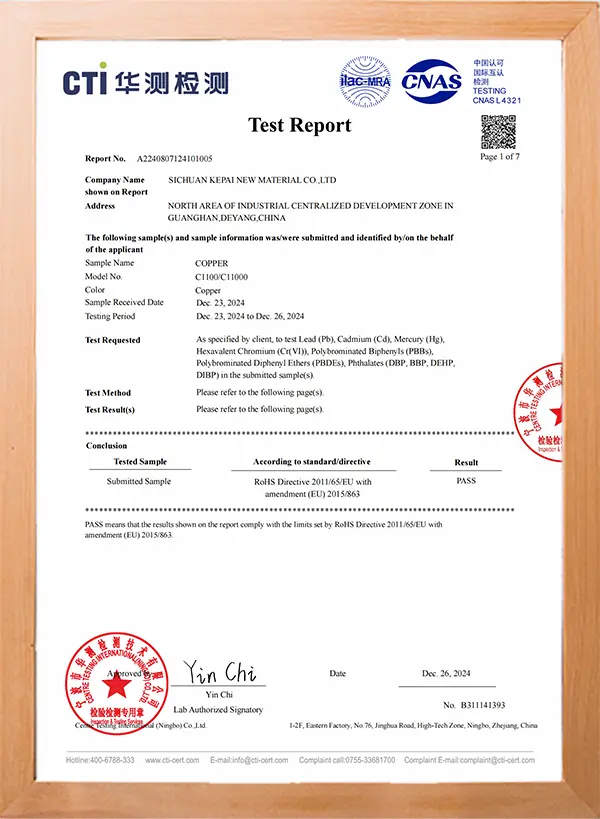
In response to global lead restriction trends, our R&D team works to replace trace toxic elements with sulfur, tellurium, or bismuth. This maintains structural machinability while meeting strict RoHS requirements.
By introducing sub-micron alumina particles into the copper matrix, we improve resistance to recrystallization and soft-annealing, helping alloys maintain mechanical properties above 800°C.
Integrated supply chains and certified testing processes configured for international engineering requirements.
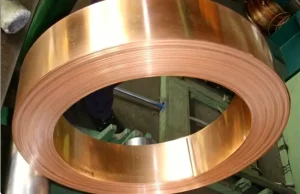
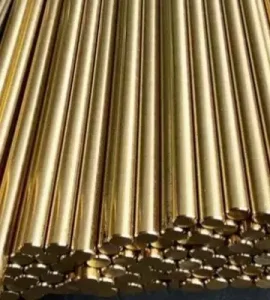
We work from your mechanical drafts, producing custom-shaped profiles, rods, plates, and wire structures that minimize raw material loss and speed up assembly.
Our location in Guanghan, Sichuan, adjacent to Highway 108 and rail hubs, ensures reliable bulk raw material flow to shipping ports, supporting stable global logistics.
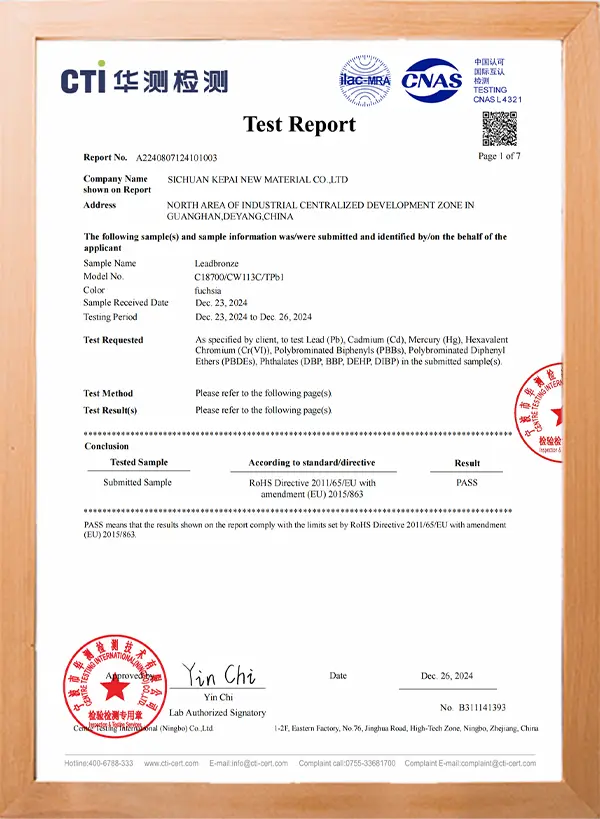
Every shipment includes material test reports (MTR), chemical analysis sheets, and RoHS/REACH compliance documentation, confirming your raw material traceability.
Sichuan Kepai New Materials operates on a "rooted in Sichuan, serving global partners" philosophy. We emphasize technical precision, reliable delivery times, and transparent quality control, helping us build stable supply partnerships with global OEMs in Europe, the Americas, and Southeast Asia.
We focus on clean, responsive operations. From initial chemical analysis in our testing lab to final packaging, each step follows standard operating procedures designed to ensure consistent material performance for your manufacturing lines.

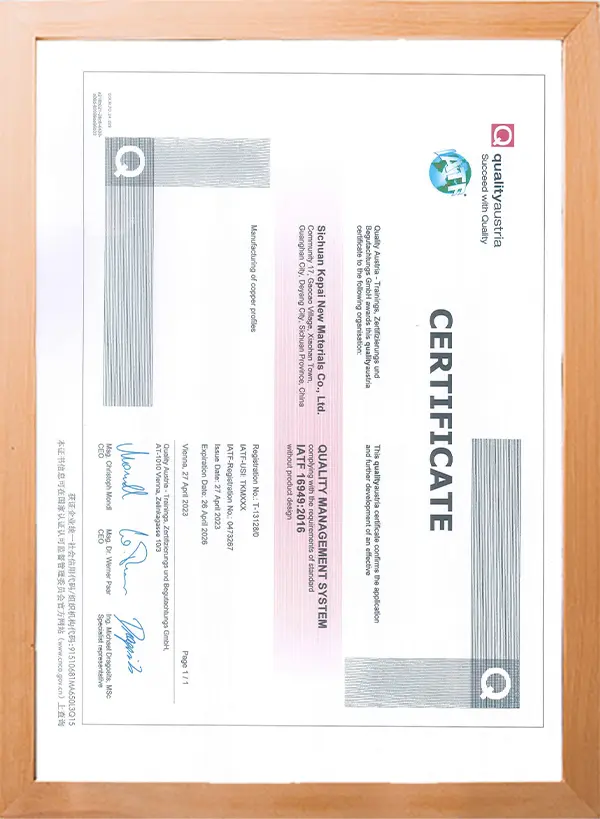
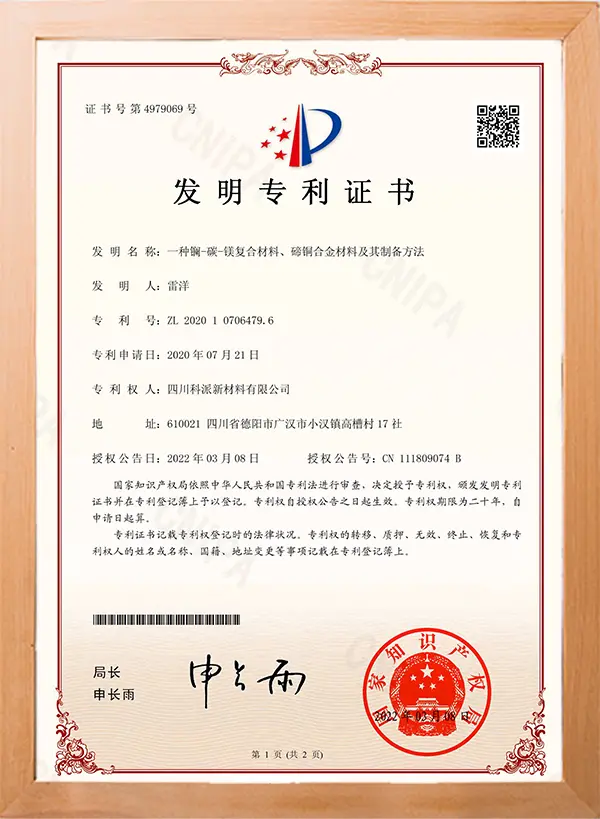
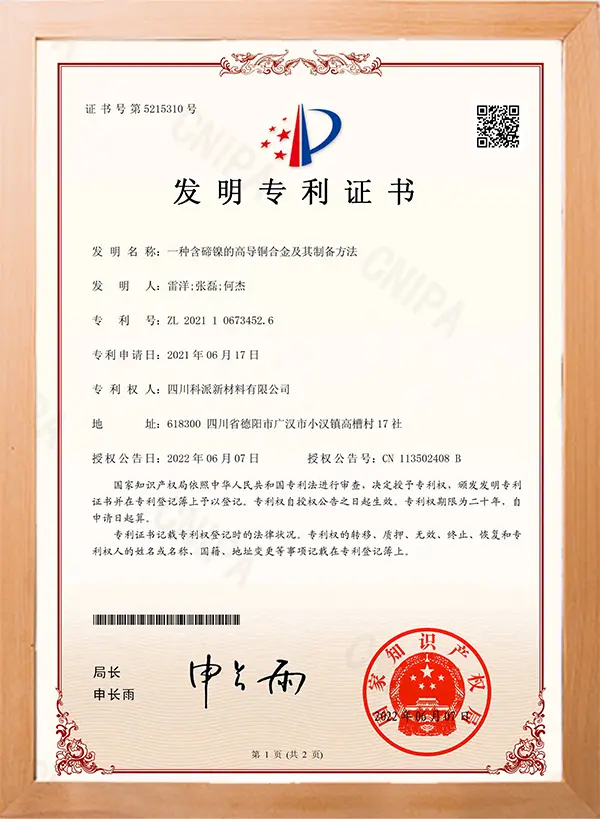
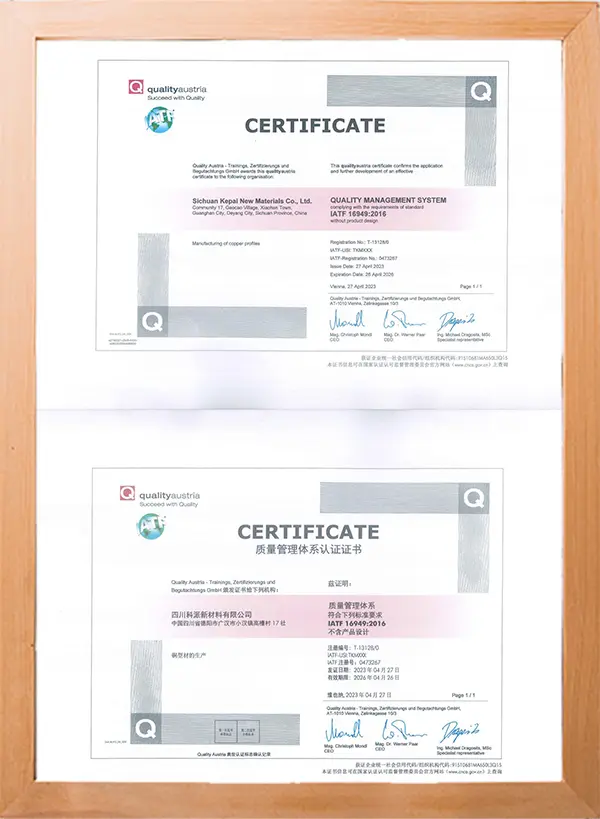
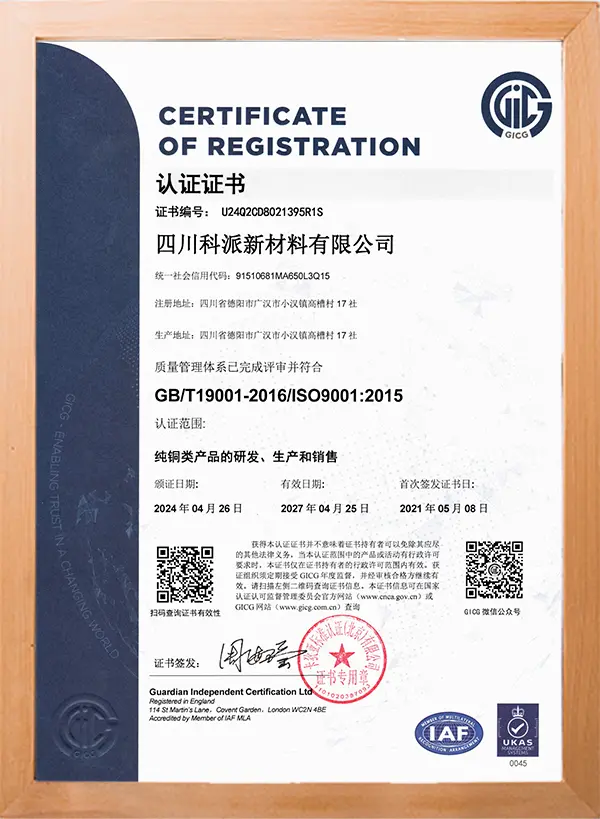
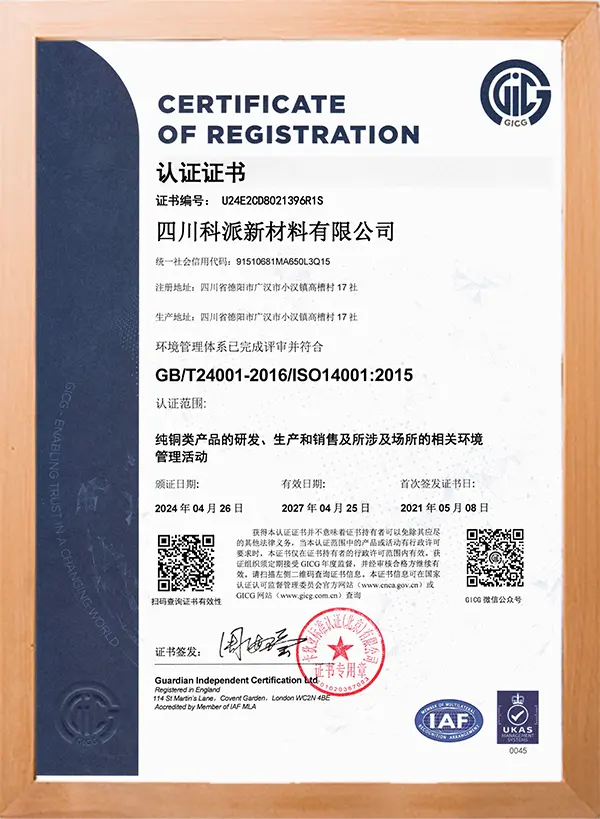
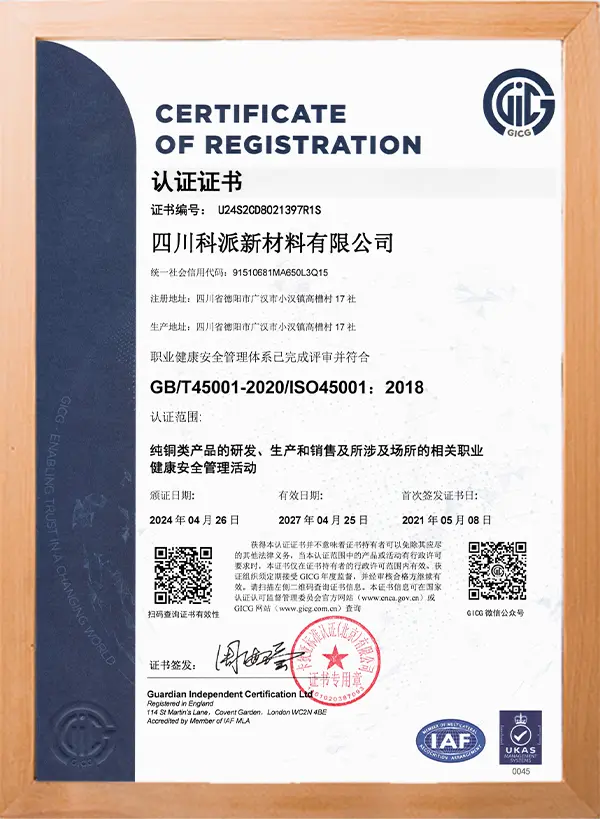
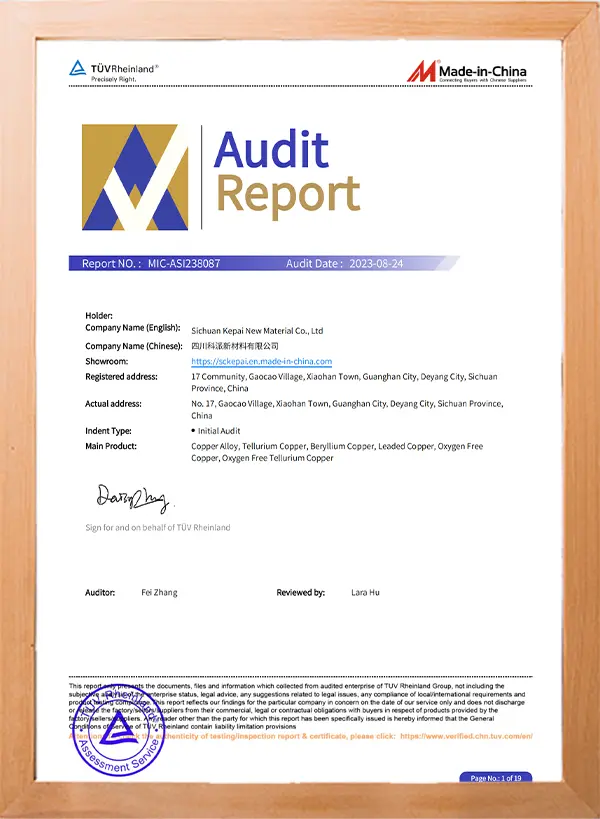
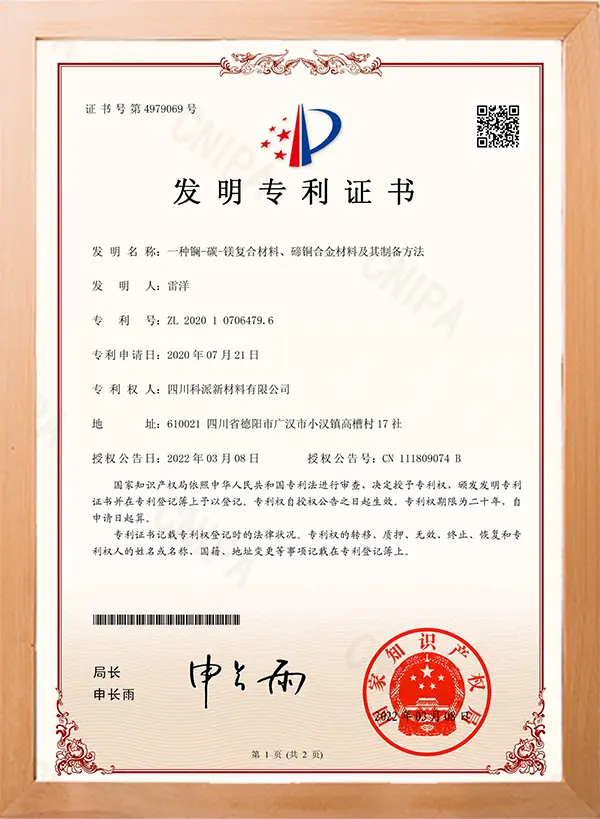
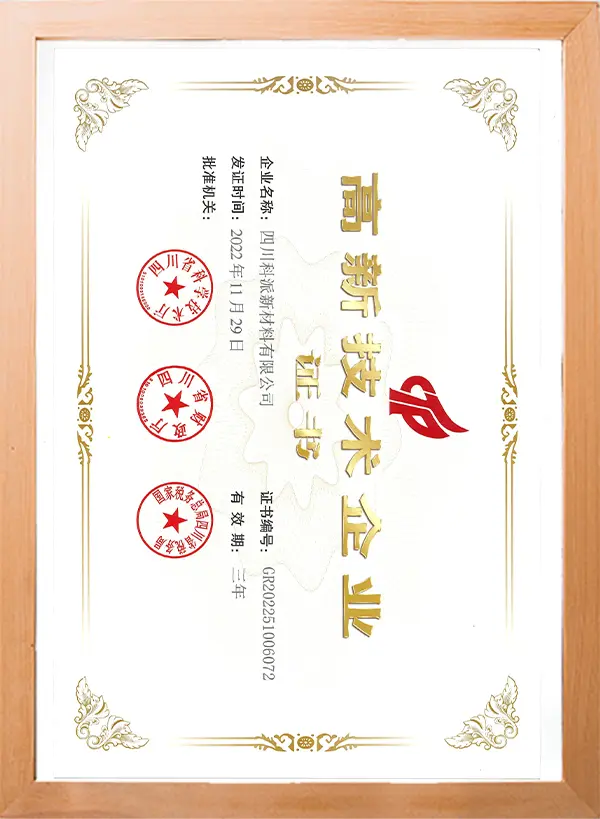
Our facility operates under verified industrial quality standards to ensure reliable, high-performance output.
Technical answers to common engineering and sourcing questions about high-performance copper alloys.
Pure copper forms long, ductile chips during machining, which can lead to tool wear and surface defects. Tellurium copper C14500 contains micro-dispersed telluride phases. These act as chip breakers, raising the machinability index to 85% (compared to 20% for pure copper) while keeping electrical conductivity above 93% IACS.
Standard copper contains trace cuprous oxide. When heated in a hydrogen atmosphere, hydrogen diffuses into the metal, reacting with oxygen to form high-pressure steam pockets that cause internal micro-cracks. Oxygen-free copper contains less than 0.001% oxygen, making it safe for high-temperature brazing and vacuum assembly.
Beryllium copper alloys are recommended when you need both high mechanical strength and reliable electrical performance. Through precipitation hardening, these alloys achieve tensile strengths up to 1400 MPa while maintaining 45% to 60% IACS conductivity. They are commonly used for high-fatigue spring contacts and heavy-duty switchgear.
We provide full-service manufacturing, including raw material smelting, extrusion, cold drawing, custom tooling, and final quality verification. We work to standard international specifications (ASTM, EN, JIS) and can adapt dimensions, tolerances, and mechanical tempers to meet specific design requirements.
We source high-purity cathode copper as our base material. Our process controls melting temperatures and uses protective atmospheres during smelting to limit gas absorption. Purity and chemical compositions are verified using optical emission spectrometers before and after casting.
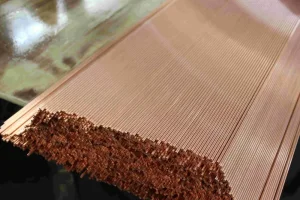
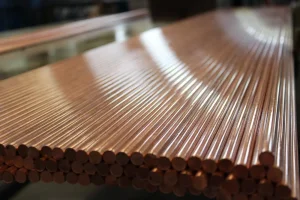
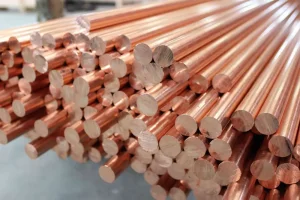
Select specialized materials engineered for specific industrial applications and demanding work environments.
Supporting international supply routes and industrial specifications from our base in Sichuan.
We work to support demanding industrial manufacturing schedules. By combining modern alloy design with structured production controls, we supply consistent material performance to our partners worldwide.
We focus on quality, open communication, and technical development. This approach allows us to help customers improve production yields, lower manufacturing costs, and ensure consistent physical performance across their product lines.

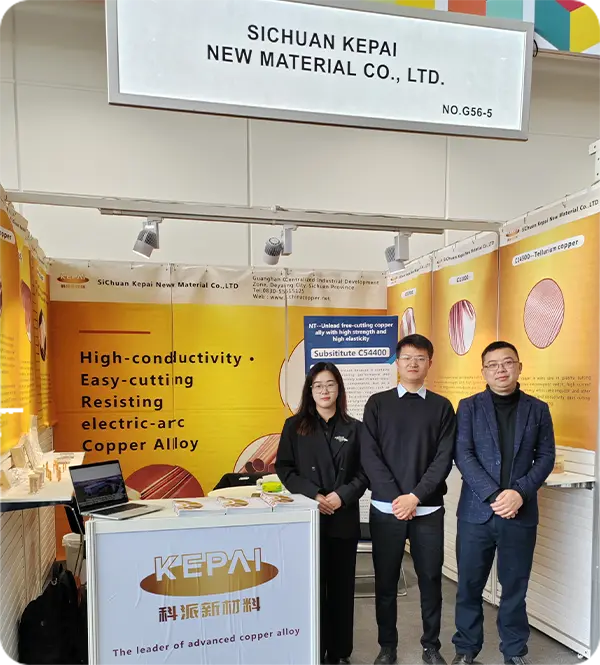
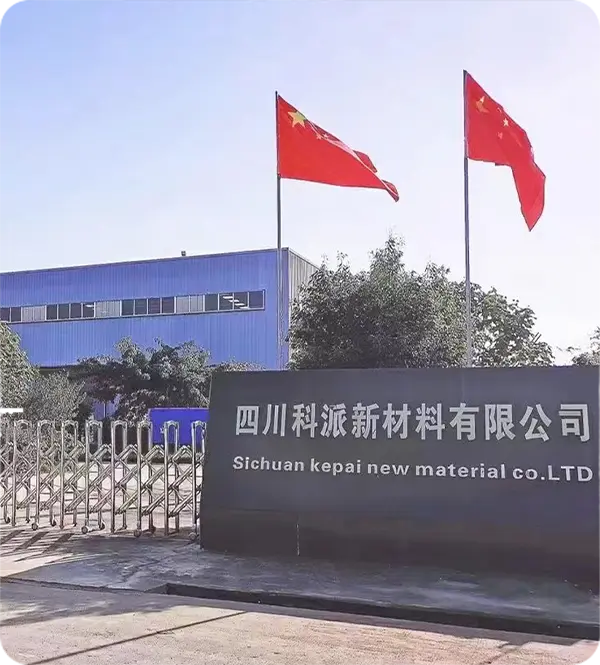

Our work is built on technical growth, transparent quality standards, and collaborative customer relationships. We encourage our engineering teams to explore new alloy configurations, helping us provide tailored material solutions for our customers' evolving industrial requirements.
We design materials to perform reliably under challenging operational conditions. By providing traceable material reports and consistent production quality, we aim to be a trusted resource for your product development team.
Get in touch with our technical team to discuss material configurations, custom dimensions, pricing, and manufacturing timelines.
 Kepai
Kepai