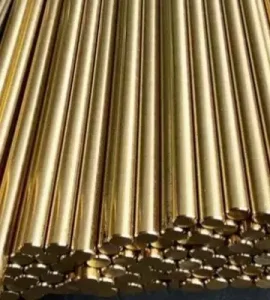
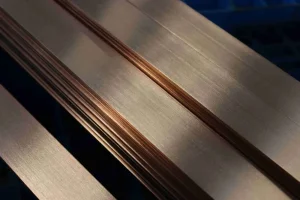
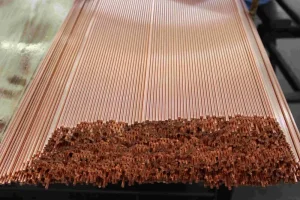
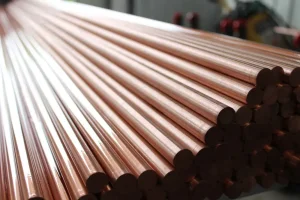
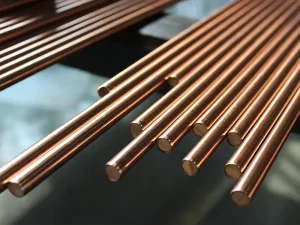
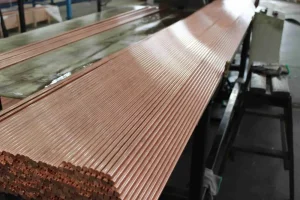
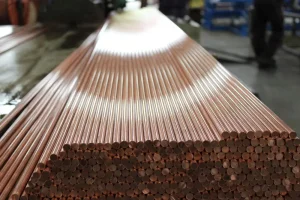
Established in 2017, Sichuan Kepai New Materials Co., Ltd. stands as a premier high-tech manufacturing enterprise unifying cutting-edge metallurgical research, precision manufacturing, and international commerce. Operating a state-of-the-art 9,000 square meter specialized facility complemented by a 1,000 square meter administrative headquarters, Kepai has positioned itself as an elite pioneer in the formulation and processing of advanced engineering materials.
Our focus centers squarely on the development and production of strategic emerging new materials—a key imperative aligned with advanced industrial modernizing paradigms. Our core competency includes specialized copper alloys such as tellurium copper, high-conductivity oxygen-free copper, silver copper, dispersion copper, and complex multi-element formulations like Beryllium Cobalt Copper. These systems are critical to empowering Next-Gen industries, directly serving the dynamic fields of New Energy Vehicles (NEVs), 5G telecommunication infrastructures, high-precision industrial laser processing, aerospace equipment, and heavy-duty electronics.
In the rapidly transforming theater of heavy industry and high-tech electronic engineering, generic materials fail to meet current benchmarks. Modern machinery operates under extreme physical and chemical strain: ultra-high thermal thresholds, corrosive atmospheric conditions, immense cyclical mechanical loading, and severe electrical loads. This demands a class of material that defies traditional trade-offs between mechanical fortitude and high thermal/electrical conductivity.
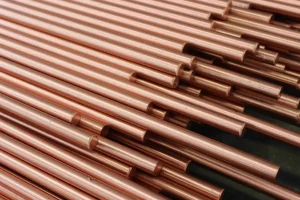
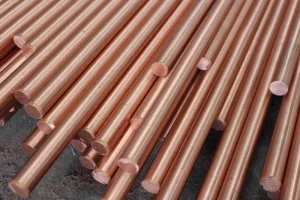
This is where Beryllium Cobalt Copper (CuCo2Be / UNS C17510) emerges as a mission-critical substrate. By meticulously balancing Beryllium (typically 0.4–0.7%) and Cobalt (2.0–2.8%) within an ultra-pure copper matrix, metallurgical engineers achieve a structure capable of dramatic age-hardening. The resultant material exhibits remarkable yield strength up to 800 MPa while maintaining electrical conductivities exceeding 45% to 60% IACS. This synergy makes it irreplaceable for heavy industrial switches, high-stress automotive resistance welding components, and high-frequency internal structural elements within telecommunication arrays.
"The incorporation of cobalt stabilizes the precipitate phases at higher continuous operating temperatures, effectively elevating the alloy’s resistance to softening over long deployment cycles. For modern procurement and design engineering teams, partnering with an elite OEM supplier means securing microstructural predictability and stable mechanical reliability."
From an architectural standpoint, Beryllium Cobalt formulations offer a low-wear, high-hardness solution that mitigates thermal distortion. This decreases machine downtime and maximizes tooling lifespans. For sectors navigating severe performance metrics, this material acts as an economic and operational multiplier.
Modern global logistics networks demand redundant, highly resilient supply pathways. By establishing domestic and cross-border distribution chains, Kepai bypasses regional supply blockades, ensuring consistent access to key industrial raw materials for critical global supply infrastructures.
Standardized stock shapes rarely satisfy the highly specific spatial and metallurgical criteria of top-tier industrial entities. We support complete microstructural engineering, custom geometric extrusion profile design, and tailored tempering processes to match the exact requirements of your blueprints.
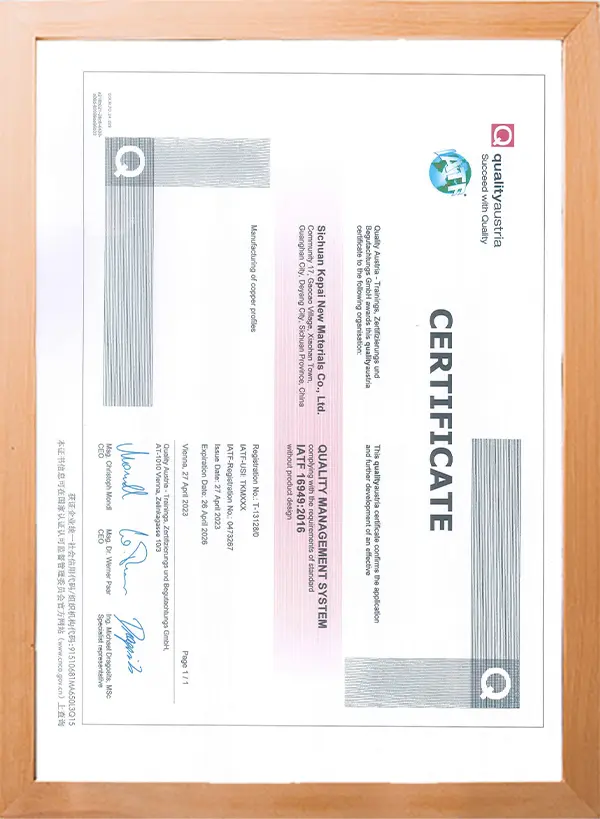
International environmental and quality metrics require strict oversight. Kepai manages materials with rigorous structural accountability, offering clear trace certificates and robust compliance validation to verify safe integration across European and American industrial projects.
How Beryllium Cobalt alloys operate seamlessly within specific high-stress local production and heavy machinery environments.
In automated automotive manufacturing, welding gun arms and electrode caps face grueling thermal-mechanical fatigue cycles. Beryllium Cobalt copper alloys maintain structural geometry under high clamping pressures and heavy structural current surges, preventing premature tip mushrooming and joint failures.
Precision plastic molding demands rapid, uniform thermal extraction to optimize cycle frequencies and prevent final product warpage. Core pins, ejector mechanisms, and cavity inserts machined from C17510 extract heat far faster than traditional tool steels while resisting abrasions from reinforced polymers.
High-voltage energy relays, grid distribution blocks, and circuit breakers require safe, contact-surface structural stability under elevated mechanical loads. Our alloy minimizes localized contact resistance and arc erosion, providing long-lasting, spark-resistant service lives in hazardous environments.
Our comprehensive internal vertical integration guarantees complete traceability and consistency across every production batch.
Ultra-precise induction atmospheric monitoring protects primary alloy melt composition, keeping internal gas trace elements to an absolute minimum.
Billets are mechanically sized, trimmed, and closely inspected to remove physical superficial seams and structural inconsistencies before thermal processing.
Heavy hydraulic deformation modifies material grain structures, packing internal structures densely to ensure directional metallurgical consistency.
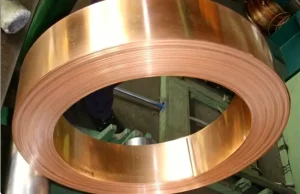
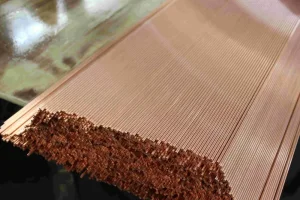
Controlled cross-sectional reduction shapes materials to highly precise mechanical tolerances while enhancing baseline hardness profiles.
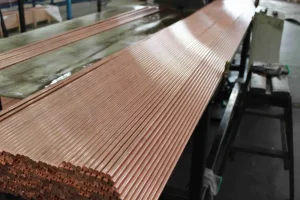
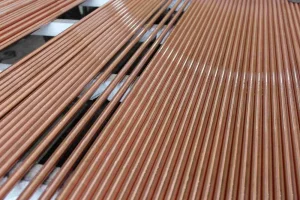
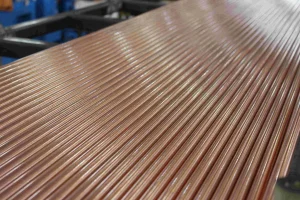
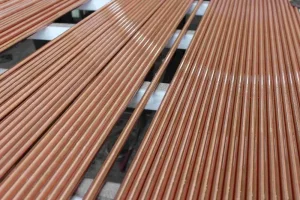
Automated calibration equipment eliminates longitudinal deformation stresses, securing straight axes essential for automated CNC lathe machining.
Thermal cycles trigger sub-microscopic coherent precipitate dispersion, achieving optimum balance between electrical conductivity and material hardness.
Eddy current, ultrasonic, and physical testing identify and eliminate micro-fissures or hidden voids to ensure structural integrity.
Finished products receive moisture-resistant coatings and heavy-duty reinforcement enclosures to ensure perfect condition upon international delivery.
Technological innovation serves as Kepai's core competitive engine. Our manufacturing floors utilize advanced production systems and quality verification equipment managed by a senior engineering and scientific roster. From high-capacity smelting machinery to specialized universal mechanical testers and microcomputer hardness validation centers, we ensure every delivery matches exact international standards.
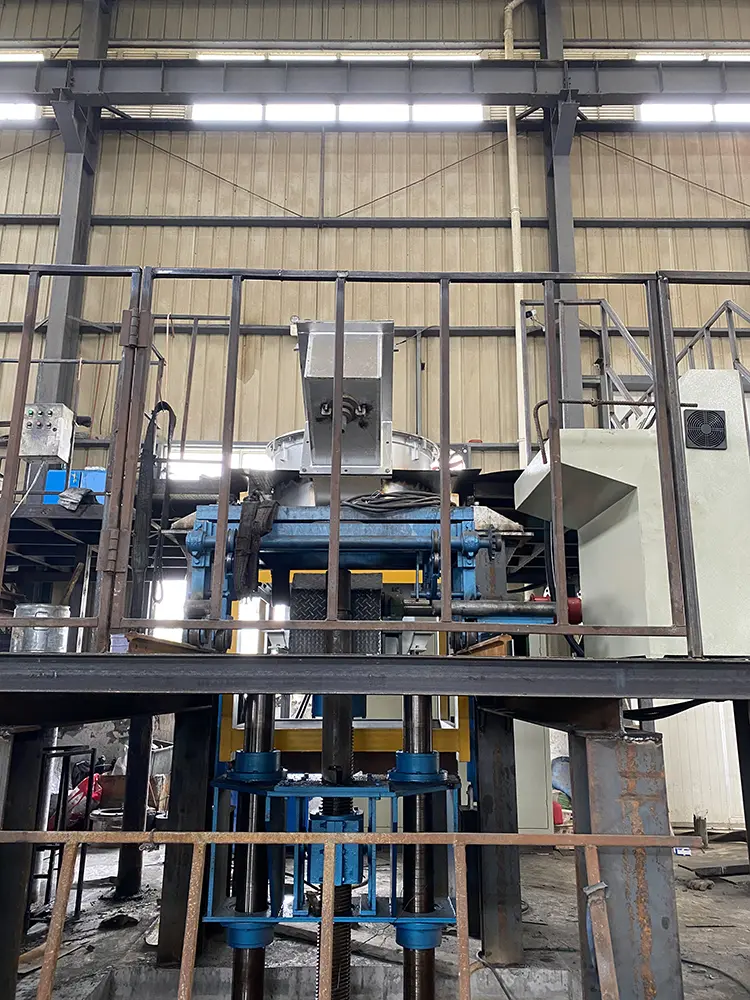
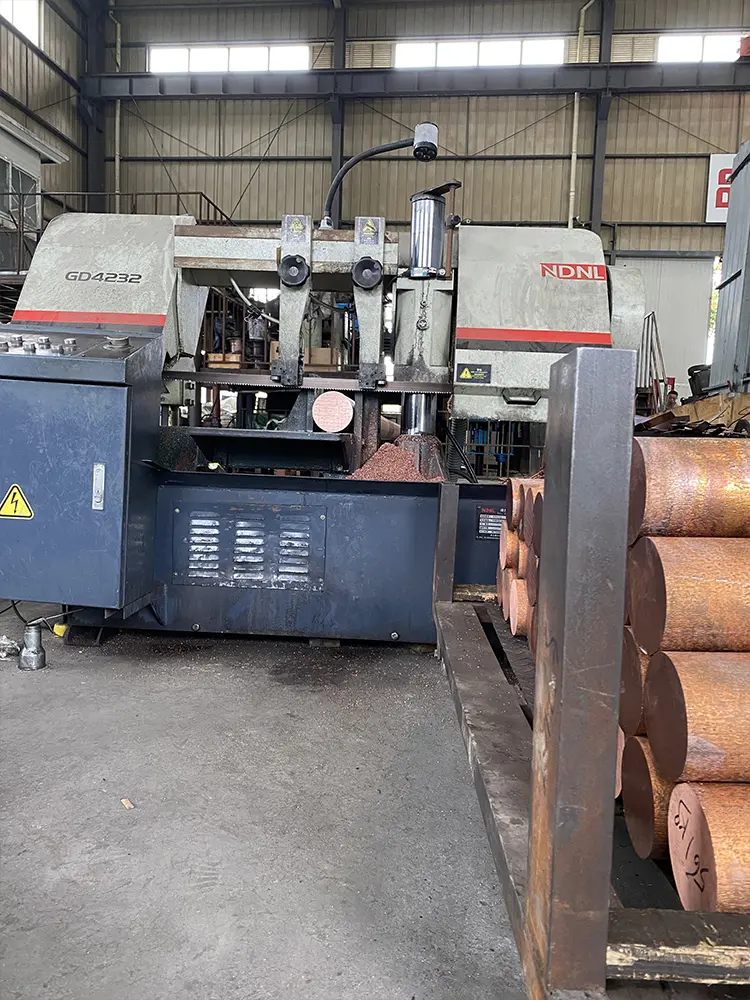
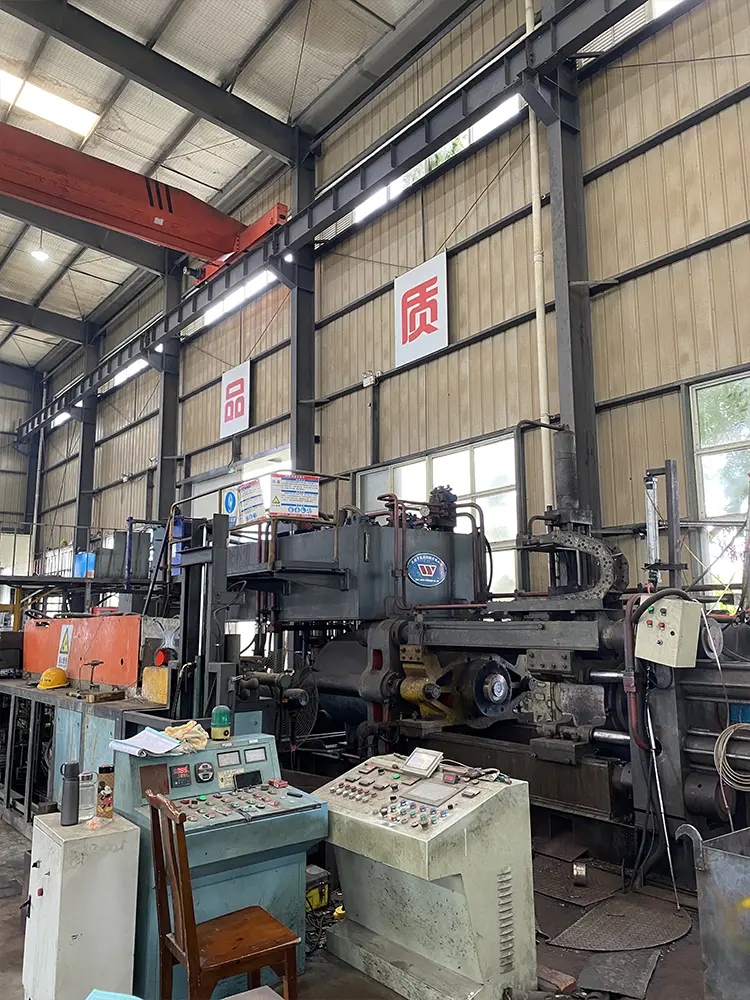
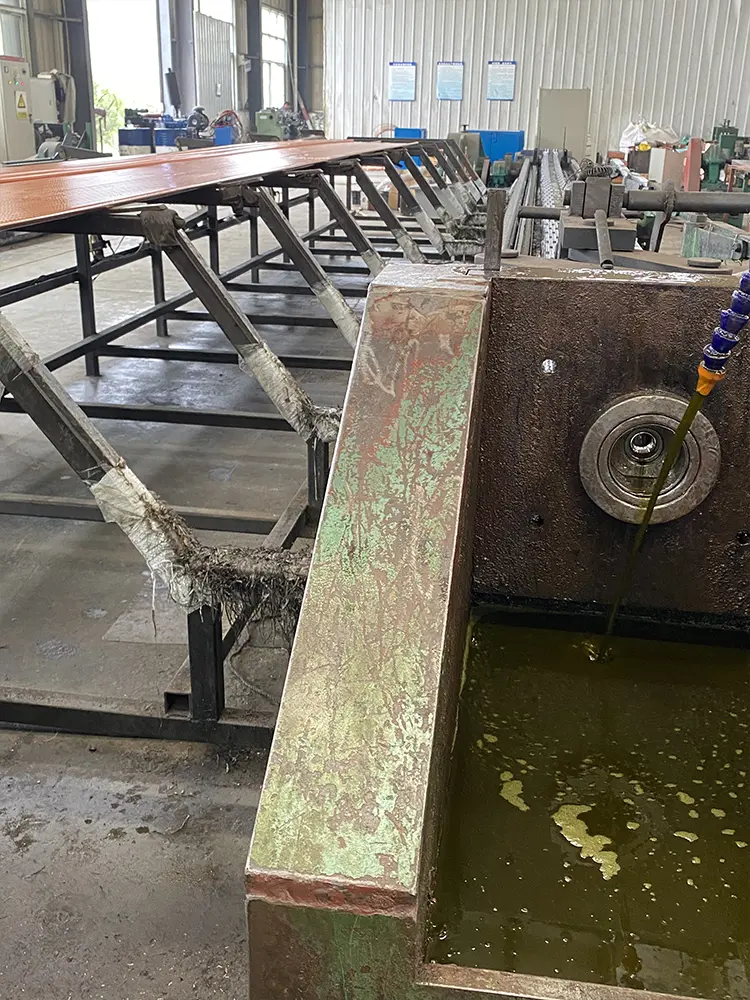
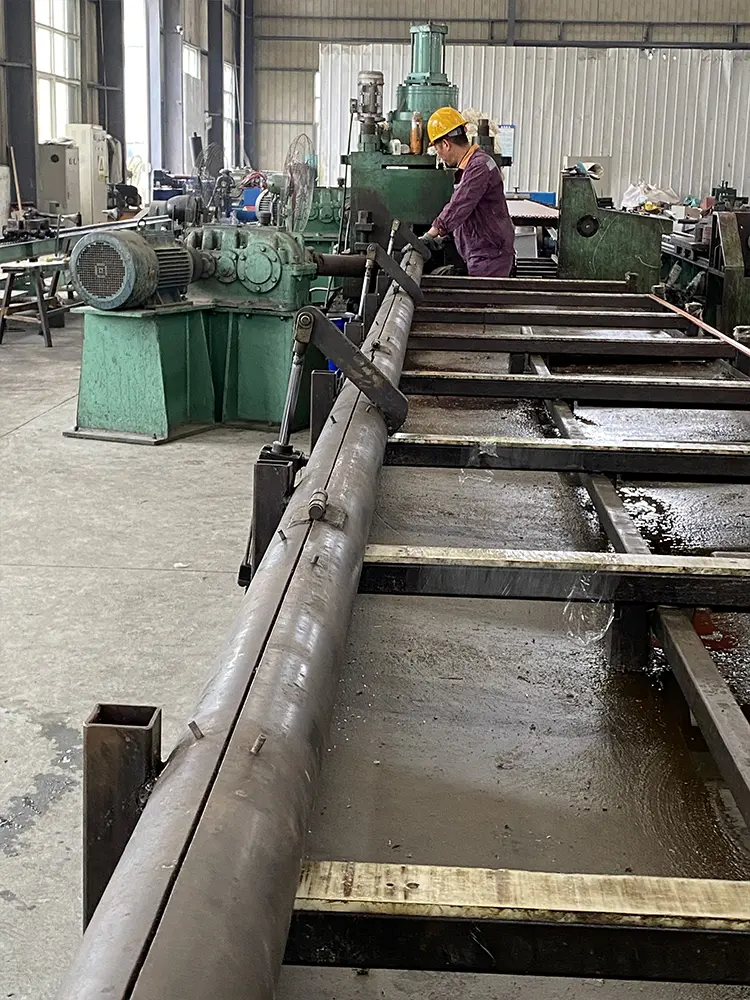
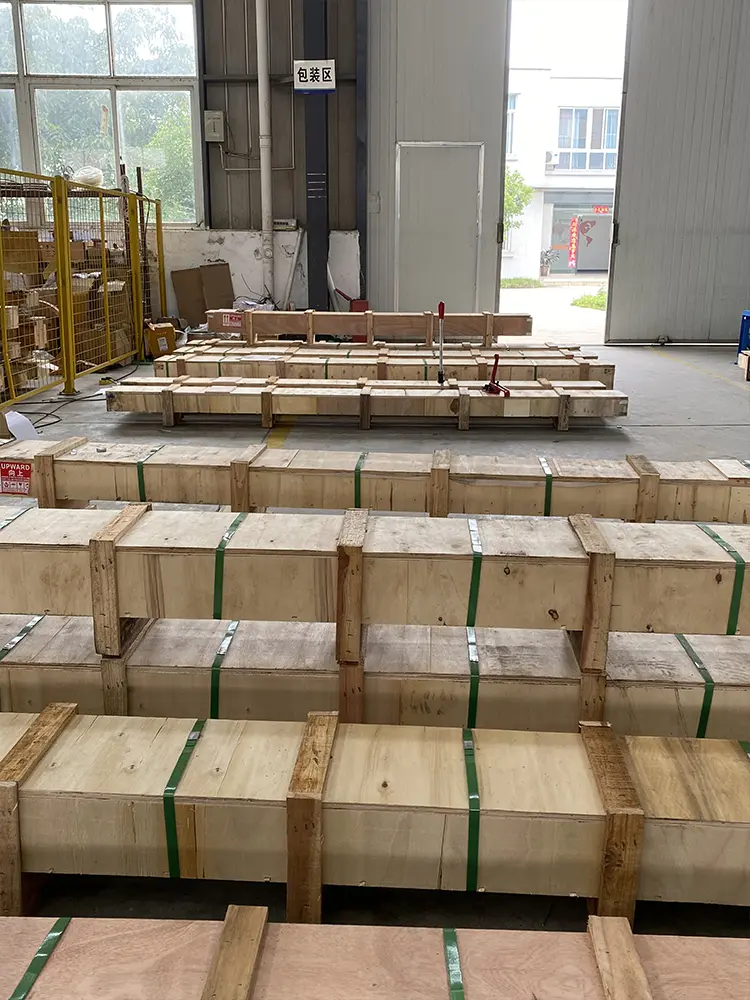

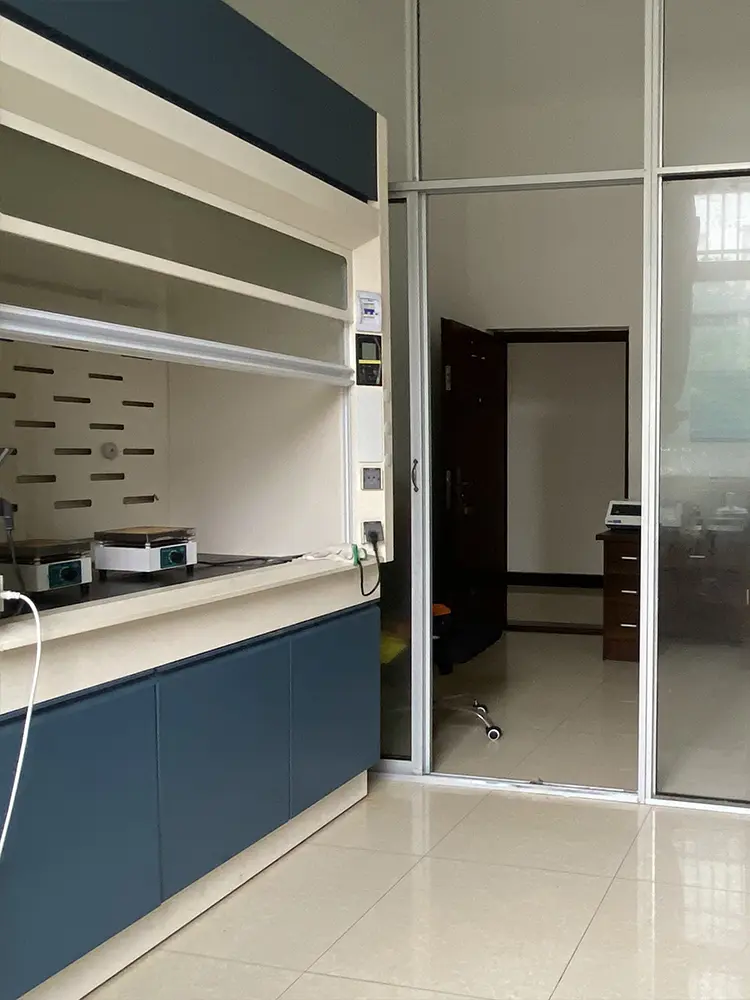

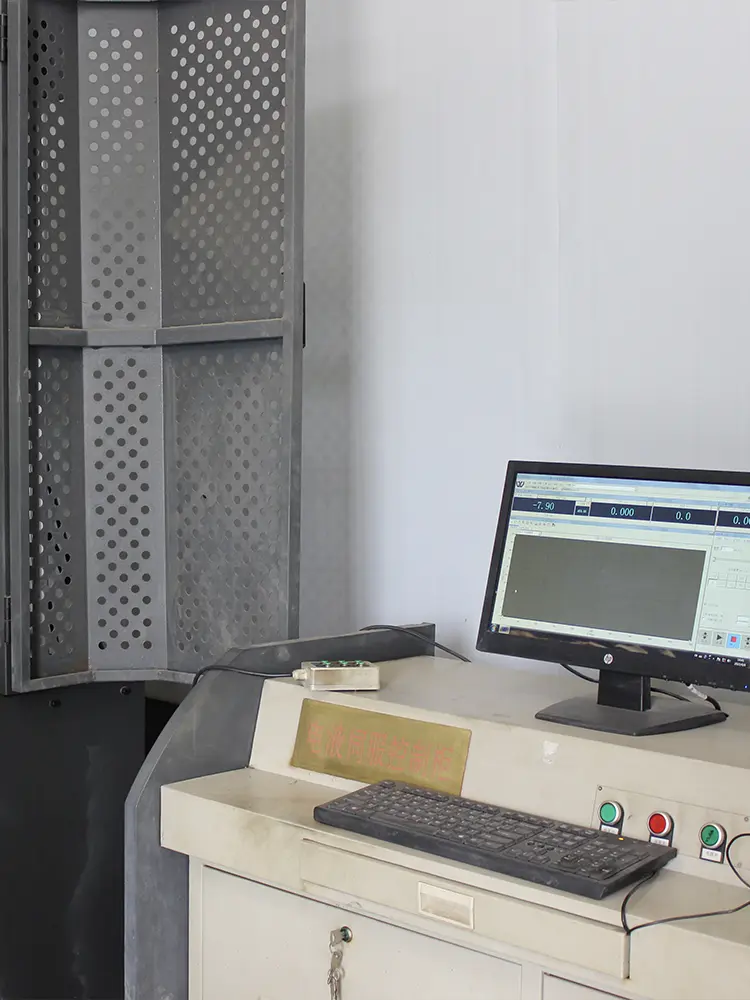
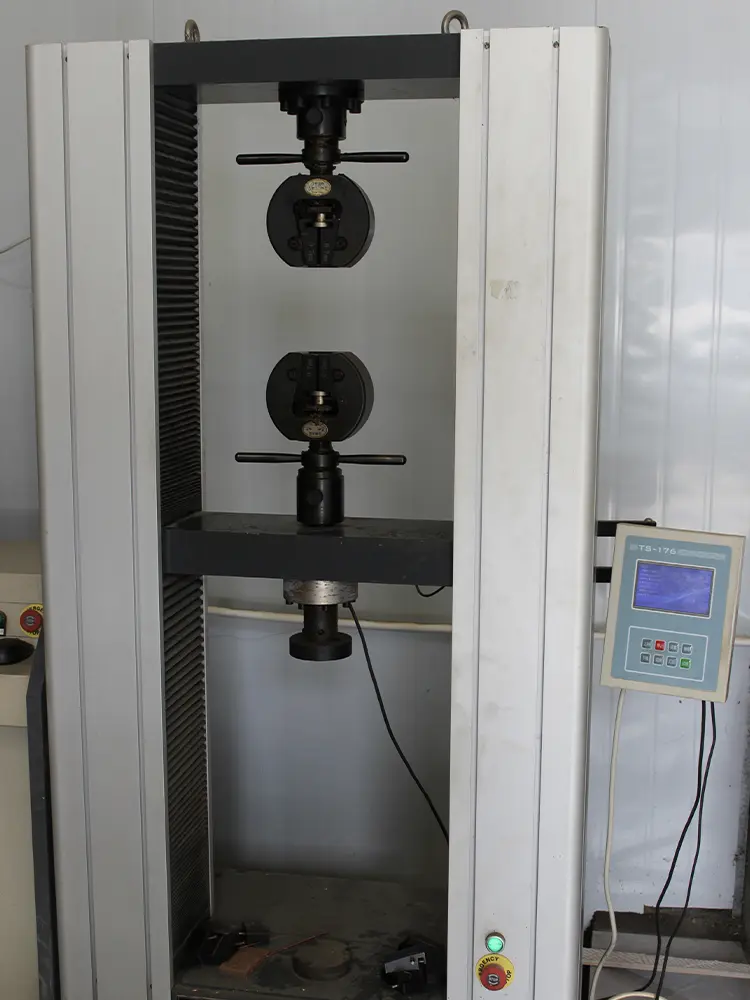
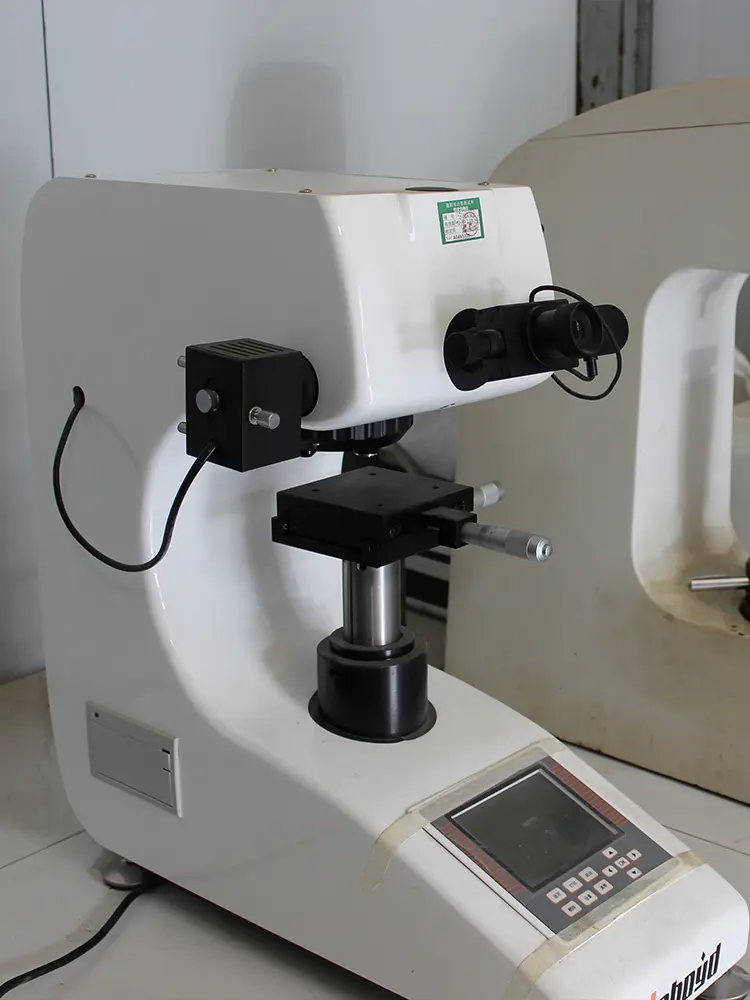
Uncompromising operational commitment to globally audited safety frameworks and mechanical reliability management.
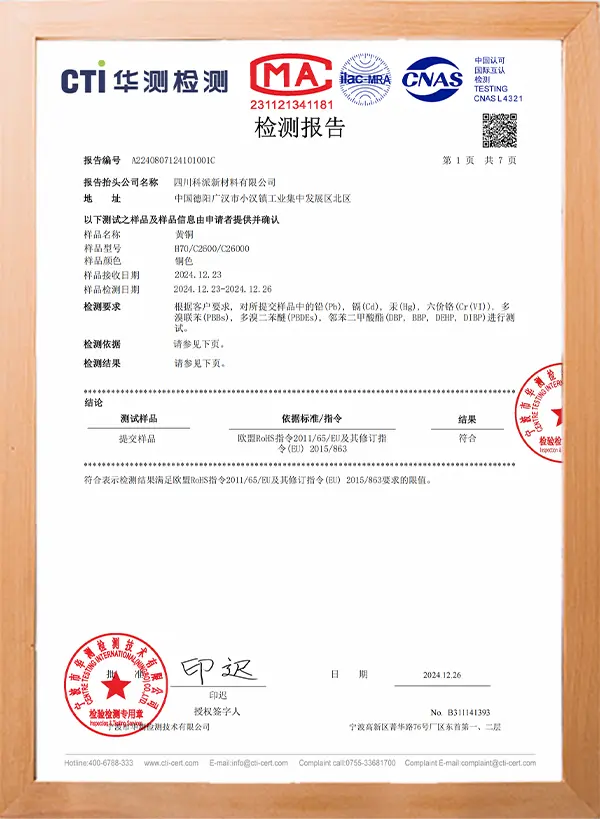
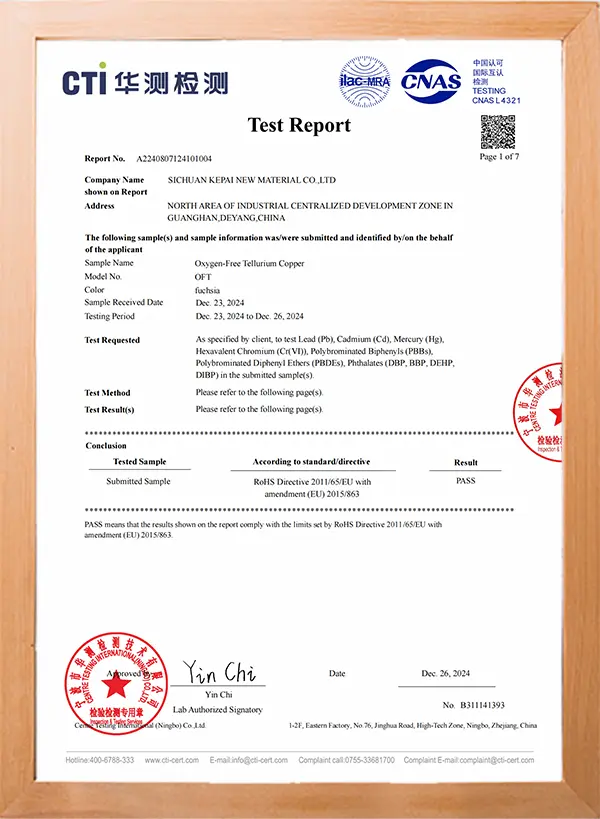
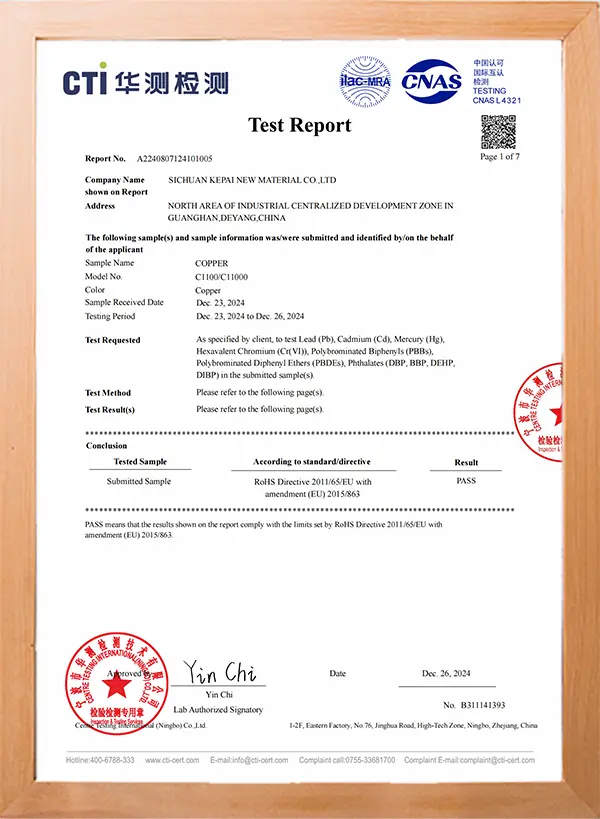
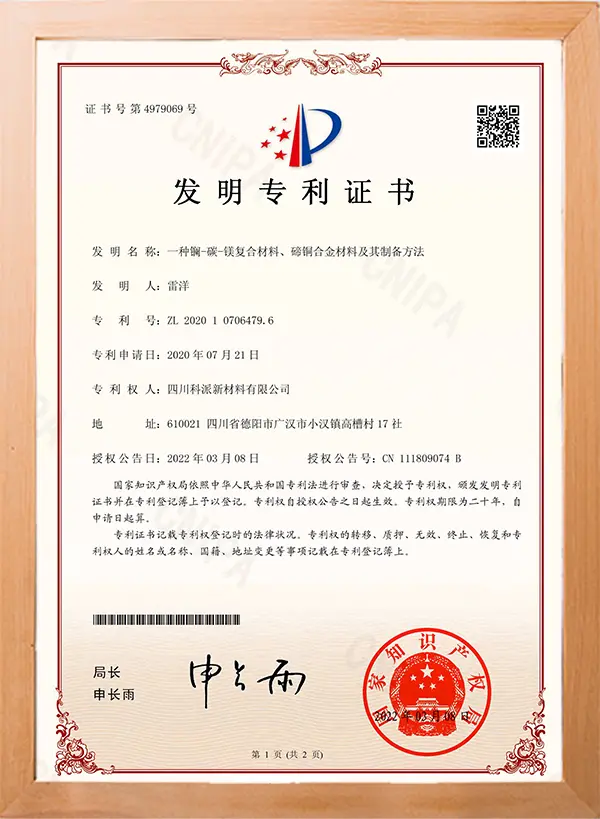
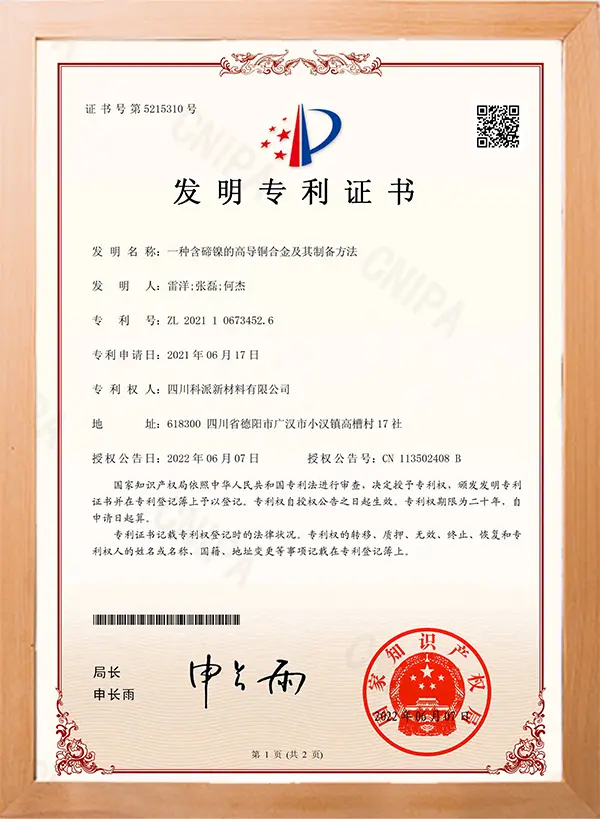
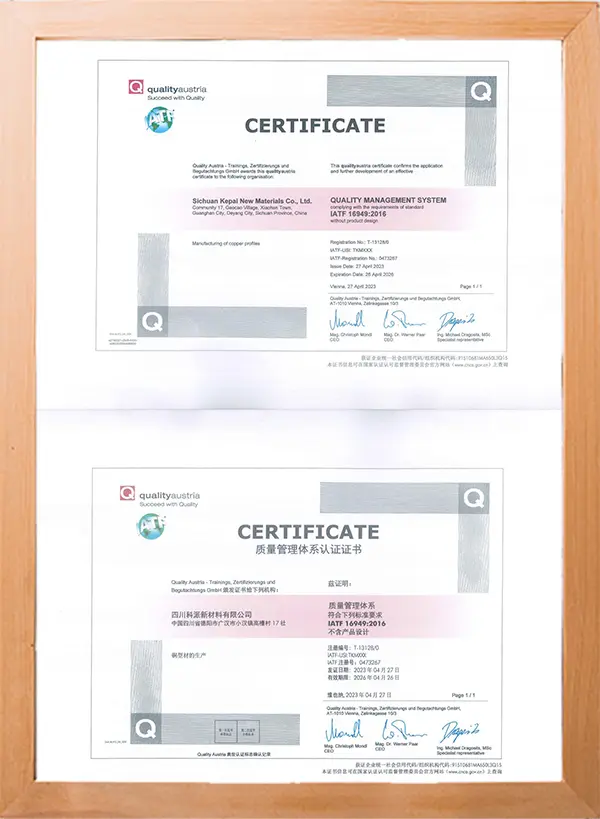
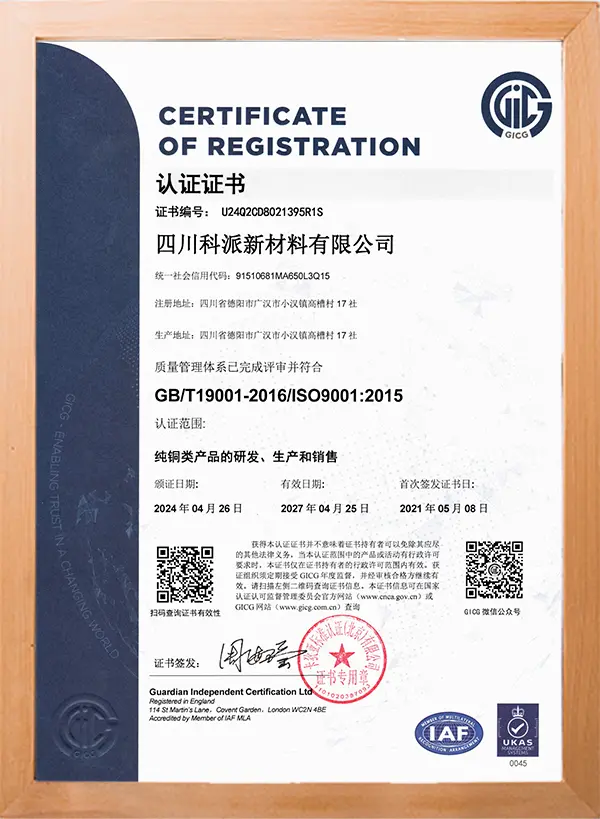
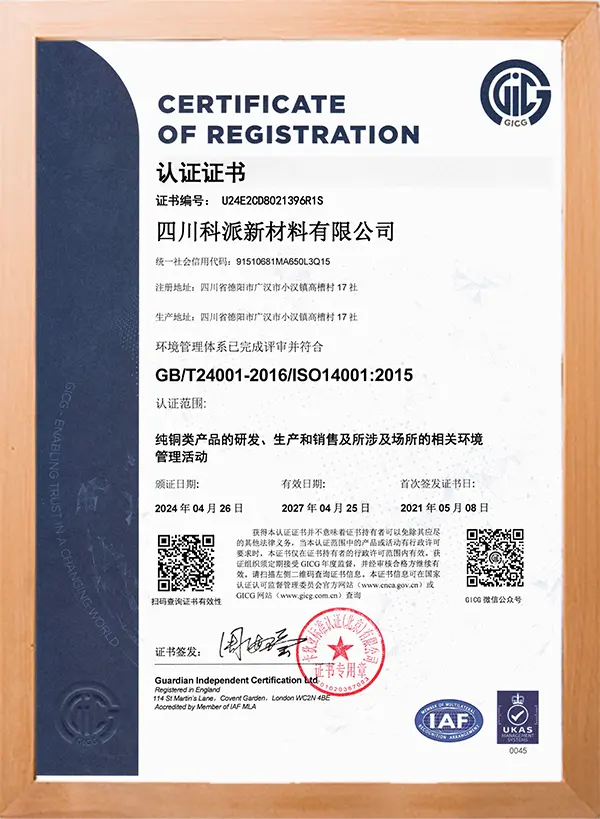
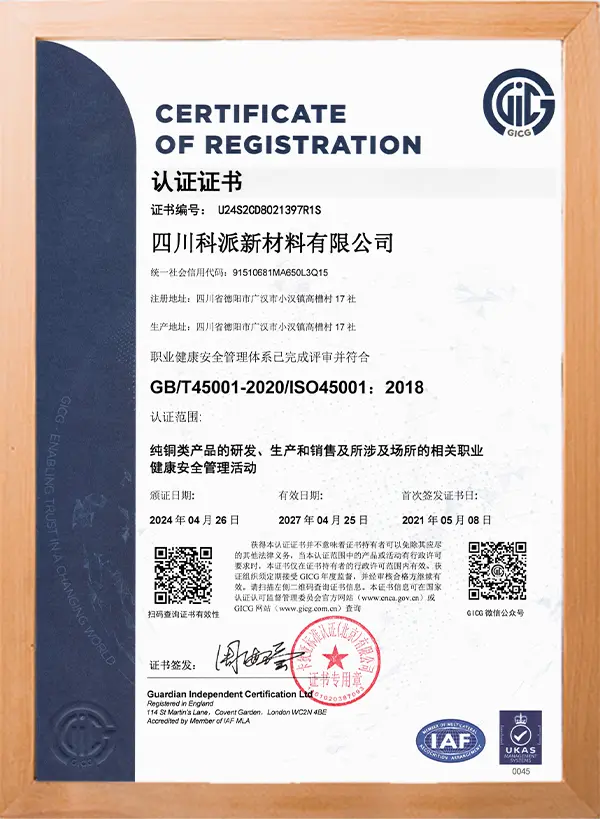
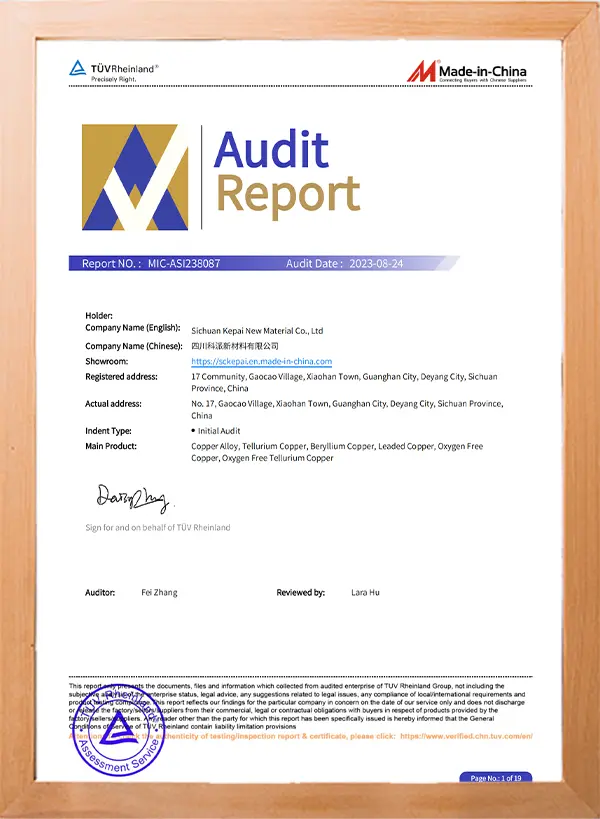
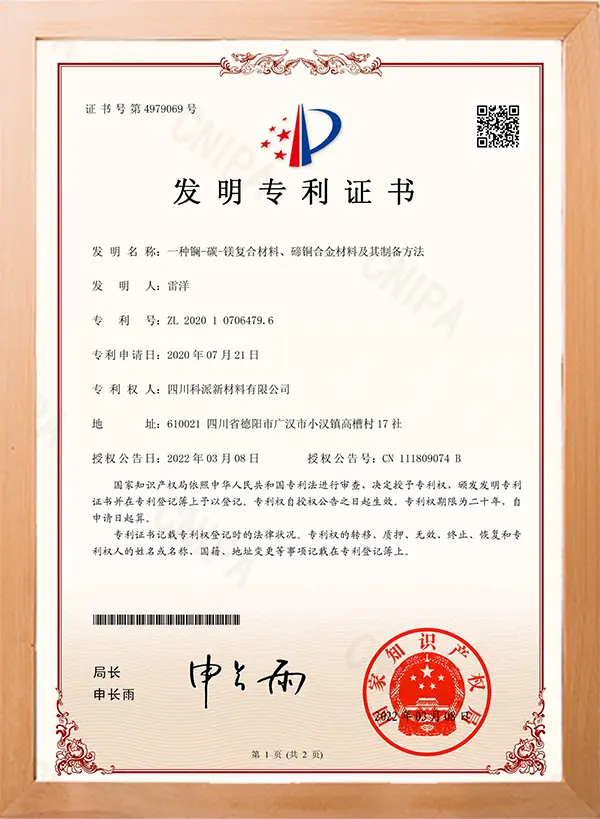
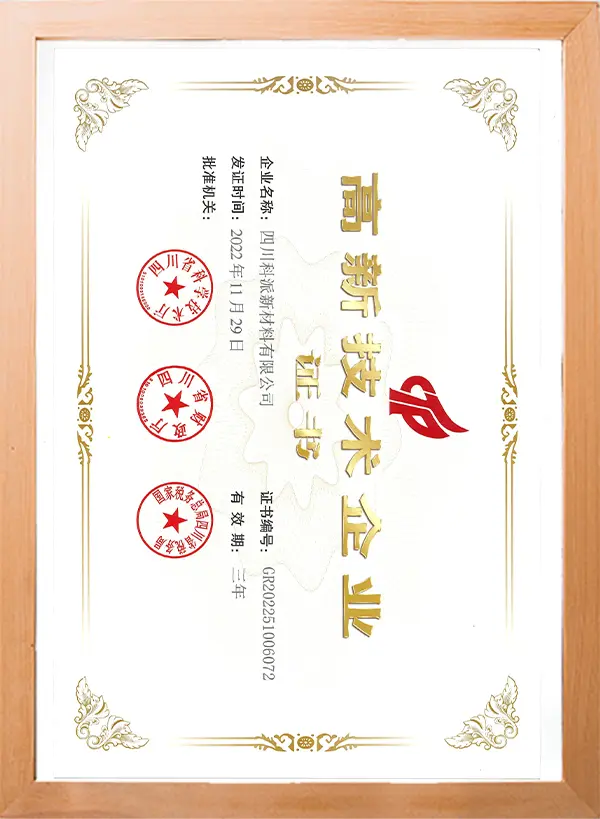
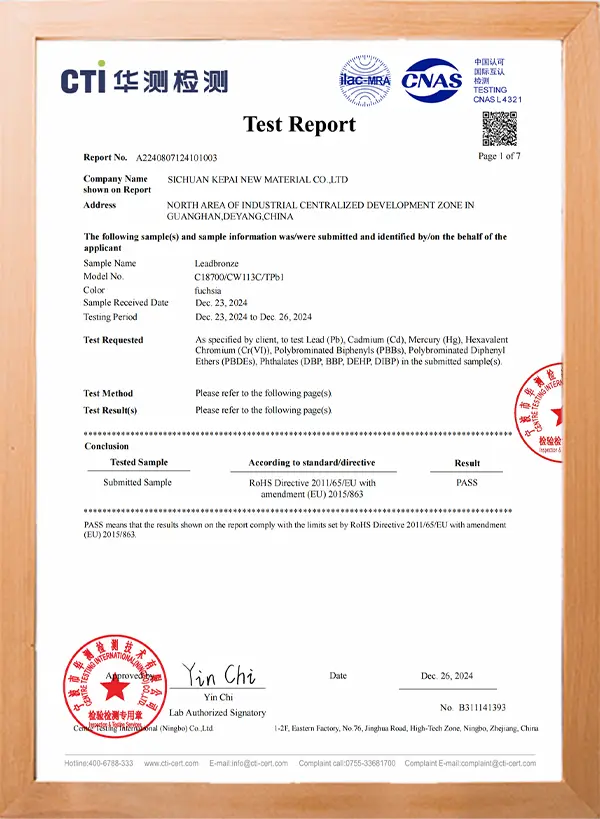
Deploying heavy engineering components globally means navigating dense, complex cross-border regulatory frameworks. At Kepai, our operational paradigm provides seamless cross-border validation. We guarantee that all structural components shipped completely harmonize with strict environmental standards, including the European Union's Restriction of Hazardous Substances (RoHS) directive and REACH regulations, safeguarding your environmental and health safety requirements.
Furthermore, our dedicated regional logistics partnerships ensure structured customs clearance protocols. This drastically reduces potential border holding intervals, ensuring smooth, predictable deliveries. Every dispatch is accompanied by full mill test certificates, precise chemical melt breakdown manifests, and ultrasonic non-destructive testing verifications. This enables your internal quality controllers to instantly log and clear inputs within automated enterprise tracking databases.
As heavy machinery parameters migrate toward higher power configurations and compact architectures, material stress envelopes continue to shrink. Our research and development department works ahead of these market demands, focusing on the following strategic focus areas:
By experimenting with ultra-precise trace element configurations, our metallurgical labs aim to further reduce micro-segregation phenomena. This ensures structural predictability even under multi-axis thermal loading stresses.
Aligned with carbon-neutral production policies, Kepai is investing heavily in regenerative vacuum induction heating techniques. These initiatives lower raw energy consumption per metric ton of processed metal while optimizing raw scrap metal recovery rates.
Our upcoming engineering focus leverages localized surface treatments to increase surface skin hardness without compromising the internal electrical conductivity of the parent copper alloy core. This directly addresses the needs of extreme high-frequency 5G and 6G telecom applications.
Partner with an industry-trusted OEM Beryllium Cobalt manufacturer. Let our technical engineering specialists help optimize your material specifications, lower processing overheads, and secure your long-term supply pipeline.
 Kepai
Kepai