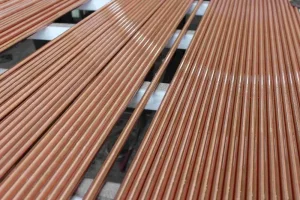
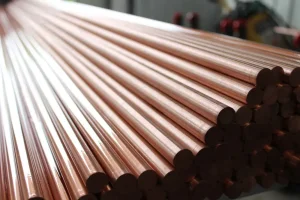
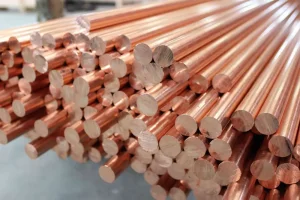
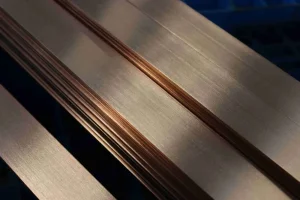
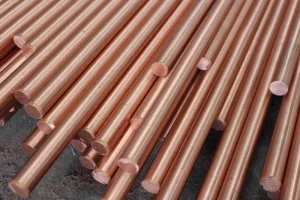
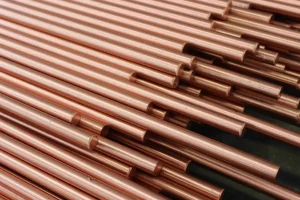
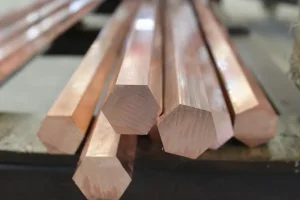
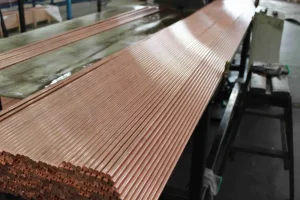
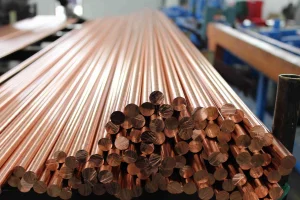
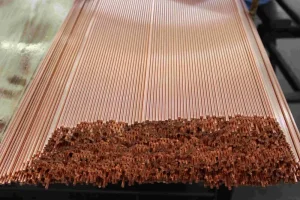
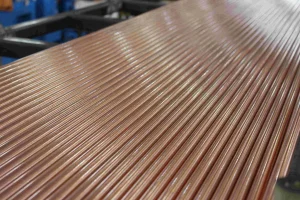
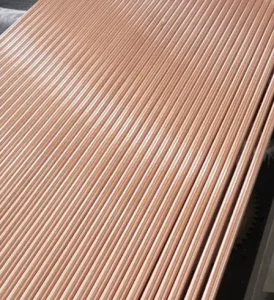
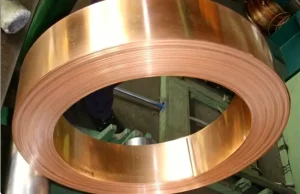
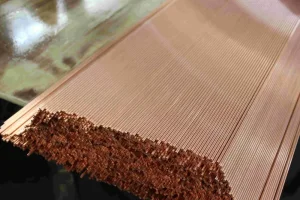
Explore our elite portfolio of high-conductivity tellurium copper, beryllium copper, brass, and custom phosphor bronze alloys engineered for demanding engineering applications.
An authoritative analysis of metallurgical performance, industrial application limits, and engineering advancements.
Phosphor bronze (typically containing 0.5–11% tin and 0.01–0.35% phosphorus, with the balance being copper) remains the cornerstone of modern precision engineering in signal transmission and power distribution systems. The introduction of tin significantly enhances the alloy's tensile strength and corrosion resistance, while the addition of phosphorus serves as a powerful deoxidizing agent during casting. This metallurgical configuration suppresses oxide inclusions and optimizes grain boundary cohesion, directly resulting in exceptional fatigue life and spring temper stability.
Compared to standard cartridge brasses, phosphor bronze offers significantly lower susceptibility to stress corrosion cracking (SCC) and superior resistance to elastic relaxation at elevated operational temperatures. These characteristics make it the primary choice for contact terminals in aerospace, automotive wiring harnesses, and ultra-high-density micro-pitch PCB connectors.
As electronic architectures shift towards higher frequency, lower power consumption, and denser component pitches, material specifications have evolved rapidly. In 5G telecom architectures, transceivers operate in micro-millimeter wave bands, requiring sub-miniature board-to-board connectors. Phosphor bronze strips must be rolled to ultra-thin gauges (down to 0.08mm or less) while maintaining isotropic mechanical properties. The micro-alloying of phosphorus and tin prevents anisotropic behaviors during precise micro-stamping processes, allowing the component to bend 180 degrees without micro-fracturing along the rolling grain.
In electric vehicles (EVs) and smart grids, high voltage and high currents generate significant localized thermal loads. Although copper-beryllium (CuBe) provides the highest strength and conductivity, environmental regulations (RoHS) and cost barriers limit its widespread use. Modern phosphor bronze formulations, reinforced with specialized thermomechanical processing, serve as a cost-effective, environmentally compliant substitute that meets the stringent requirements of high-cycle charging connectors.
Key criteria and parameters analyzed by engineering procurement teams for phosphor bronze procurement.
Trace control of impurities such as lead, iron, zinc, and aluminum is critical. Impurity content exceeding 0.05% degrades the electrical conductivity and ductility of the copper alloy, leading to higher electrical resistance and terminal failure under high load cycles.
For high-speed automated connector production lines, thickness tolerances must be restricted to ±0.003 mm. Fluctuations in thickness result in inconsistent terminal insertion forces, directly affecting product quality and manufacturing yields.
High-quality alloys require a low minimum bending radius to thickness ratio (R/t ≤ 1) in both longitudinal and transverse directions. This permits the stamping of sharp, complex features without micro-tearing in high-density connectors.
| Alloy Grade | UNS Number | Composition (Tin / Phos / Copper) | Electrical Conductivity (% IACS) | Yield Strength (MPa) | Key Target Connector Applications |
|---|---|---|---|---|---|
| Phosphor Bronze (Standard) | UNS C51100 | Sn: 4.0%, P: 0.1%, Bal. Cu | ~ 20% | 350 - 580 | Signal terminals, light-duty switches, micro-switches |
| Phosphor Bronze (High Performance) | UNS C51900 | Sn: 6.0%, P: 0.15%, Bal. Cu | ~ 15% | 400 - 680 | Heavy-duty electrical connector springs, CPU sockets |
| Free-Machining Phosphor Bronze | UNS C54400 | Sn: 4.0%, P: 0.2%, Pb: 4.0%, Bal. Cu | ~ 19% | 340 - 550 | POGO pins, test probes, turned connector contacts |
Integrating research, development, and advanced manufacturing to deliver strategic new materials globally.
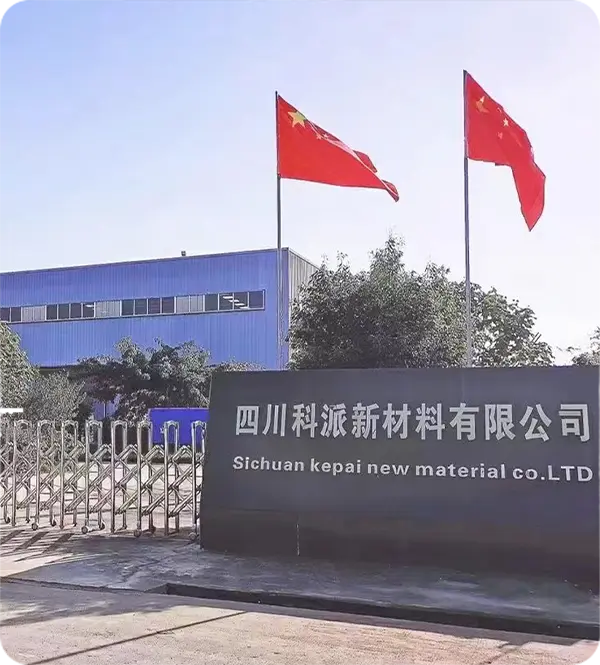
Sichuan Kepai New Materials Co., Ltd., established in 2017, is a high-tech enterprise integrating research and development, production, and sales. Currently, the factory covers an area of approximately 9,000 square meters, with an office space of about 1,000 square meters. The company primarily engages in the production of strategic emerging new materials for the national 13th Five-Year Plan, including special copper alloys such as tellurium copper, high-conductivity oxygen-free copper, silver copper, and dispersion copper, while also focusing on the research and development of high-conductivity, easy-to-machine, high-strength copper alloys. Our products are mainly applied in high-tech fields such as new energy vehicles, 5G technology, laser cutting, and lithium battery relays.
Leveraging state-of-the-art smelting, cold drawing, and automated inline quality testing to ensure supply consistency.
In the globalized B2B marketplace, supply chain disruptions, fluctuating raw material costs, and inconsistent batch-to-batch quality pose significant risks to procurement programs. Sichuan Kepai mitigates these risks by integrating advanced Chinese Industry 4.0 philosophies within our production processes. Our integrated manufacturing layout covers every production stage, from raw metal smelting to final wire and strip drawing, preventing external quality degradation and reducing lead times.
Our intelligent factory utilizes real-time monitoring of thermal profiles during casting and extrusion. This guarantees a highly homogeneous micro-grain structure, preventing tin segregation—a common metallurgical defect where tin gathers near the surface, causing localized embrittlement and poor contact performance.
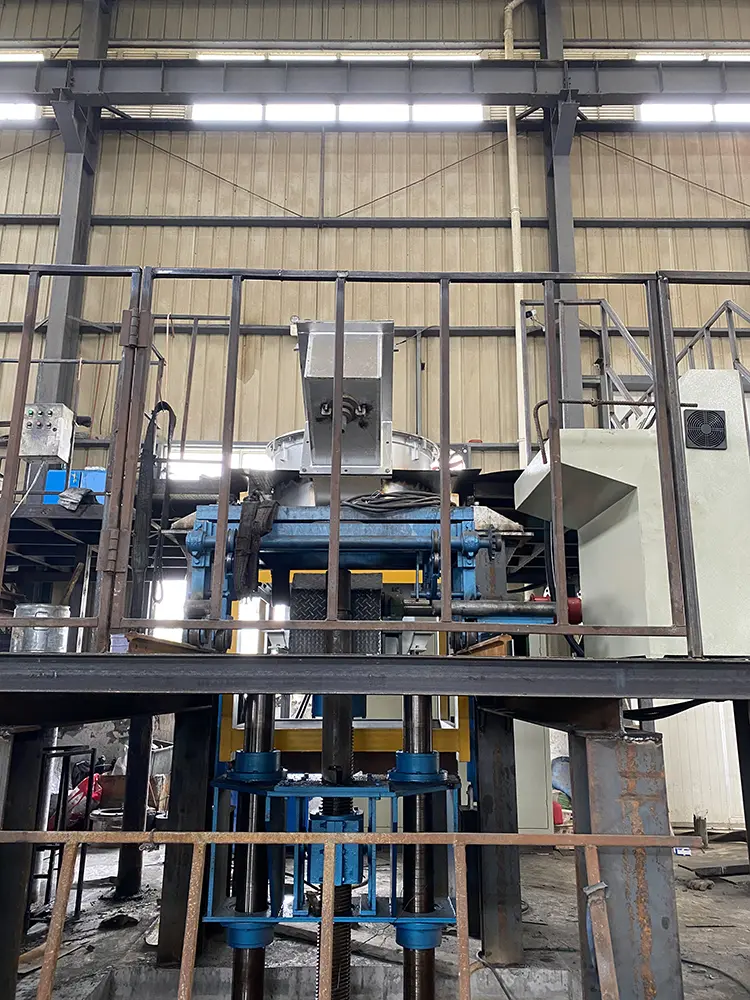
Smelting
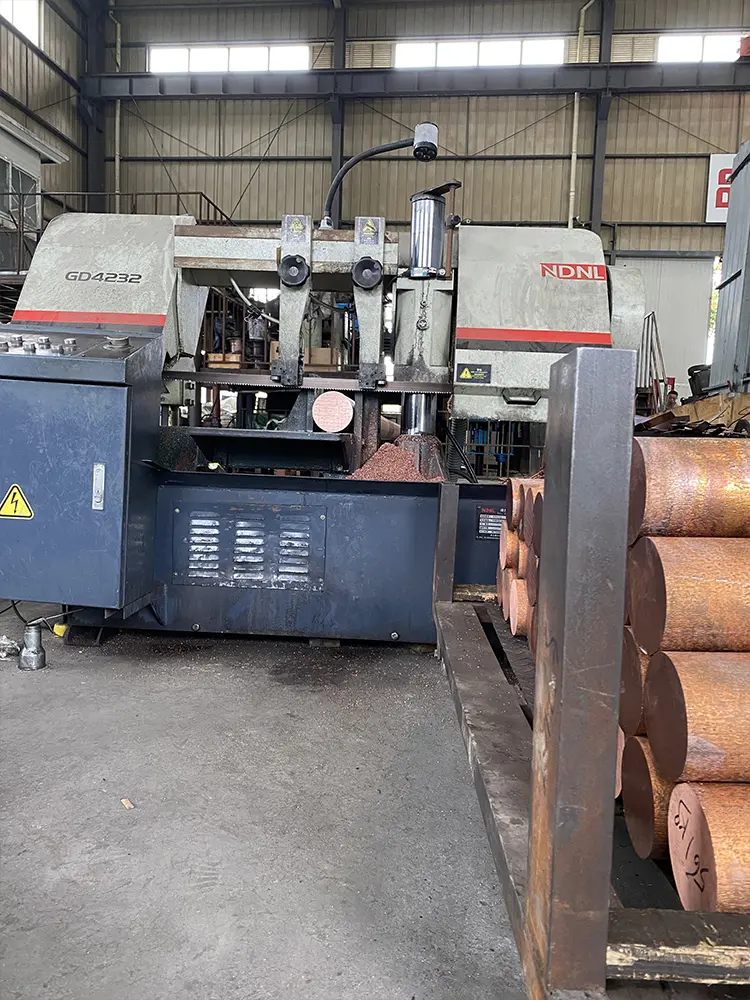
laying-off
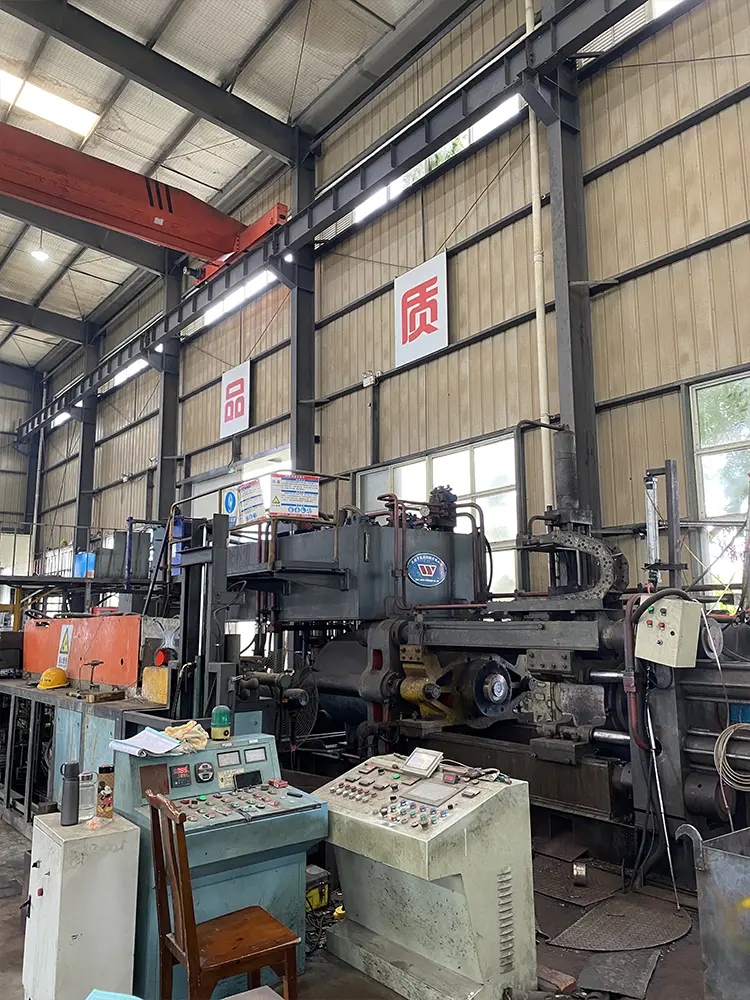
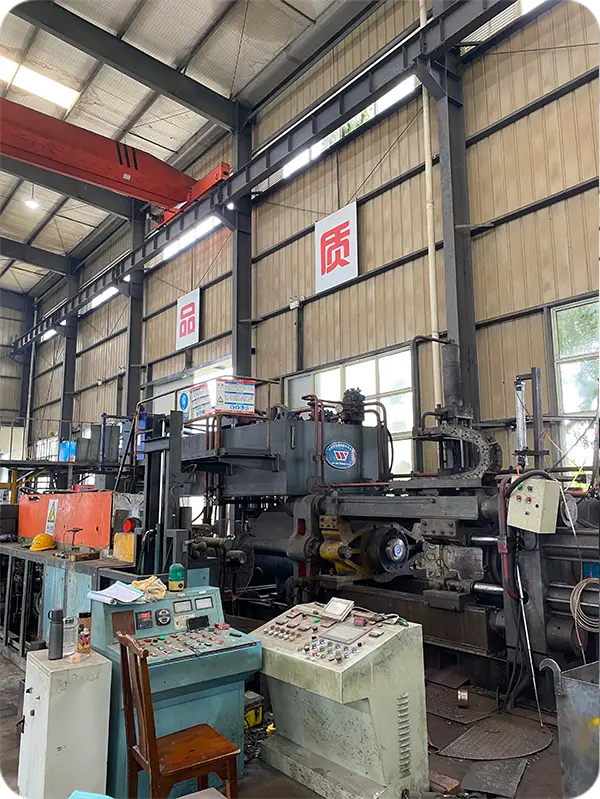
extrusion
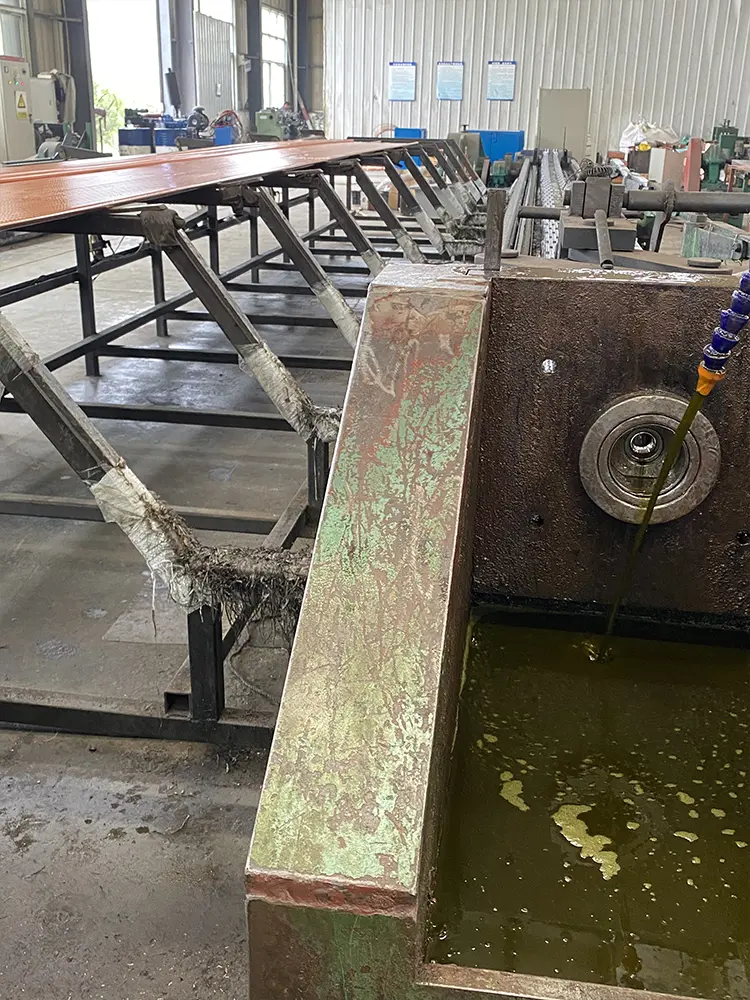
drawing
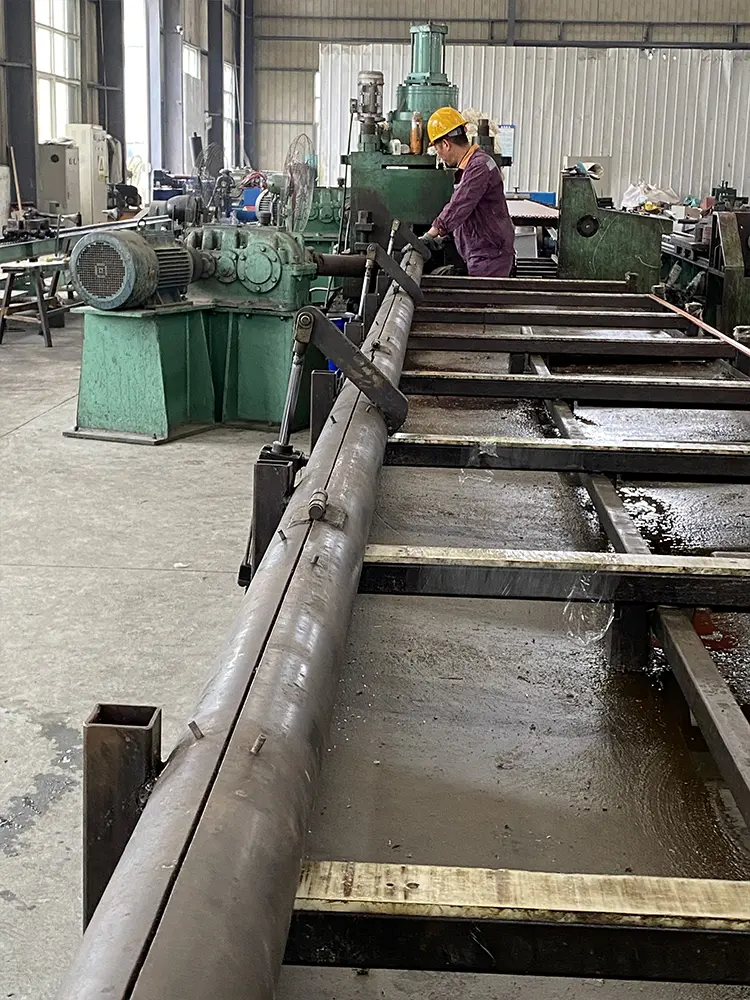
straightening
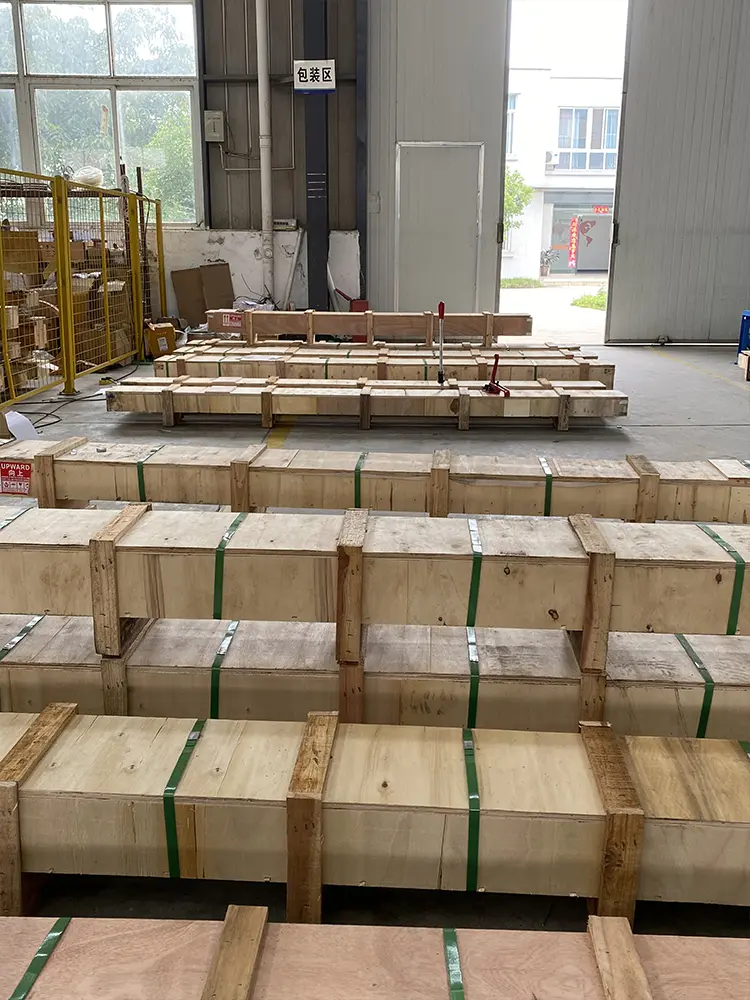
package
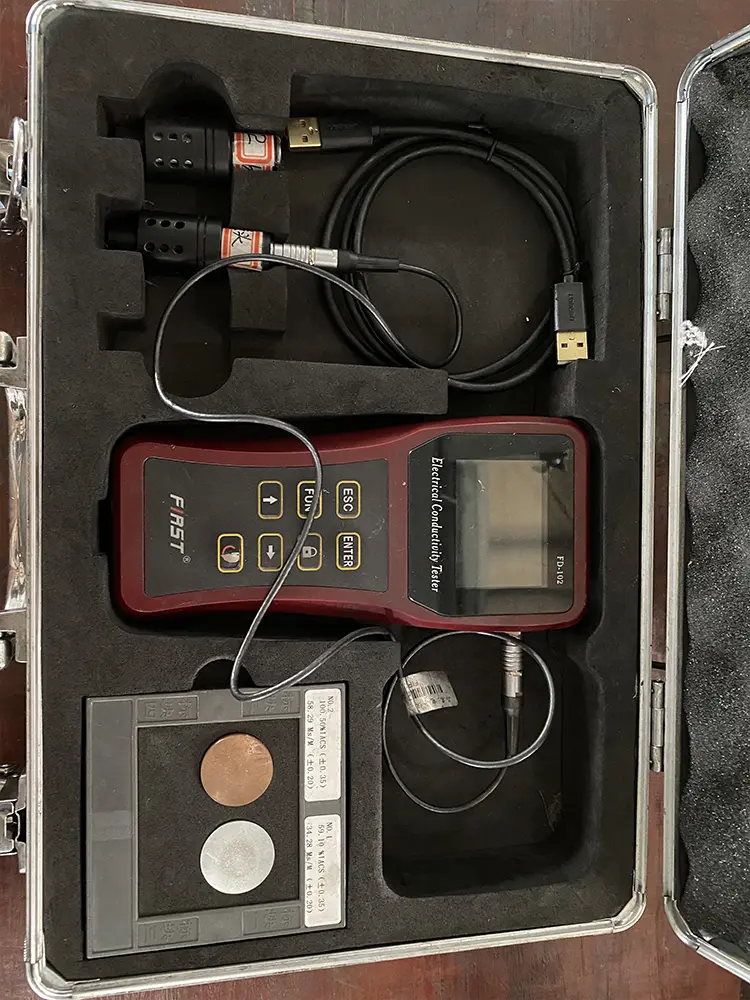
eddy current conductance instrument
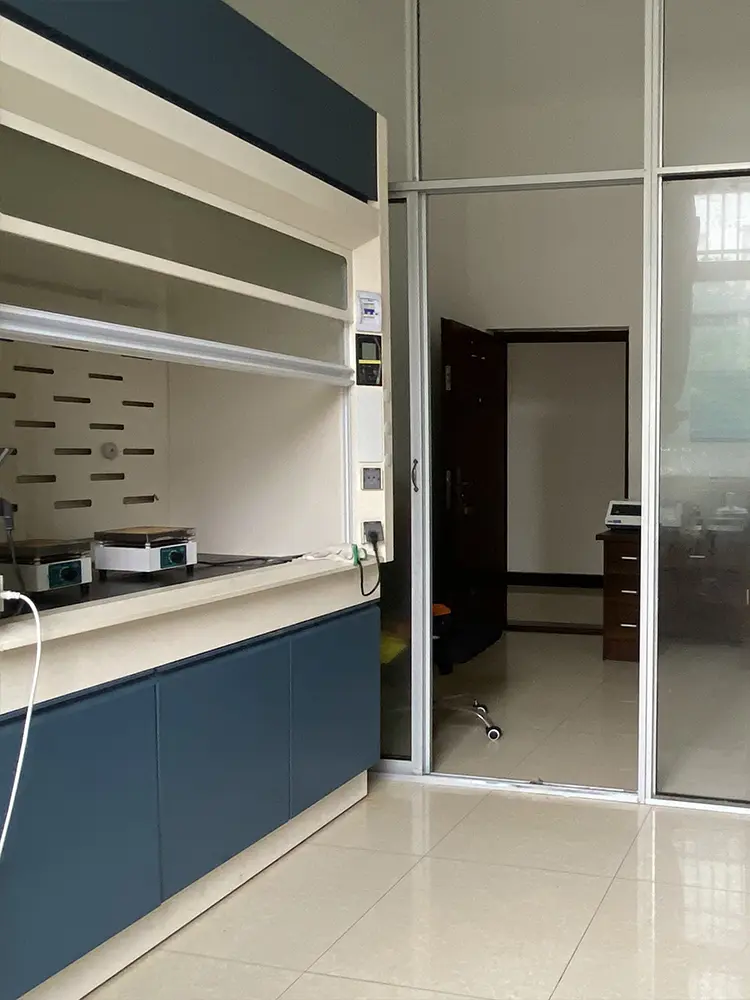
Chemical composition test room

Metallographic sample polishing machine
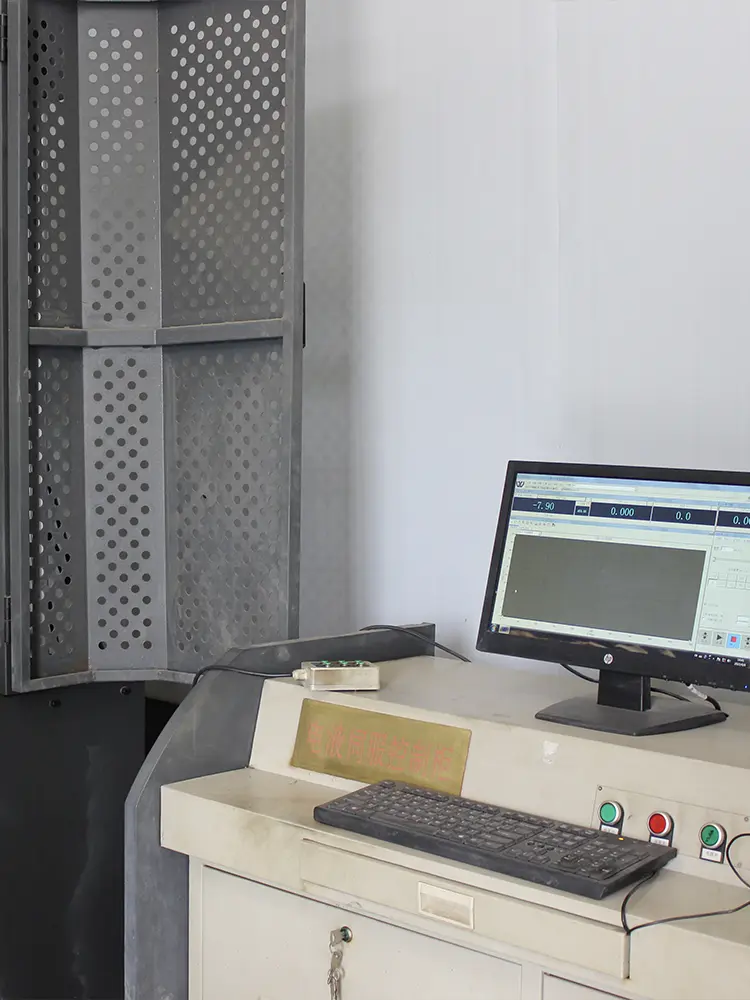
Microcomputer controlled universal testing machine
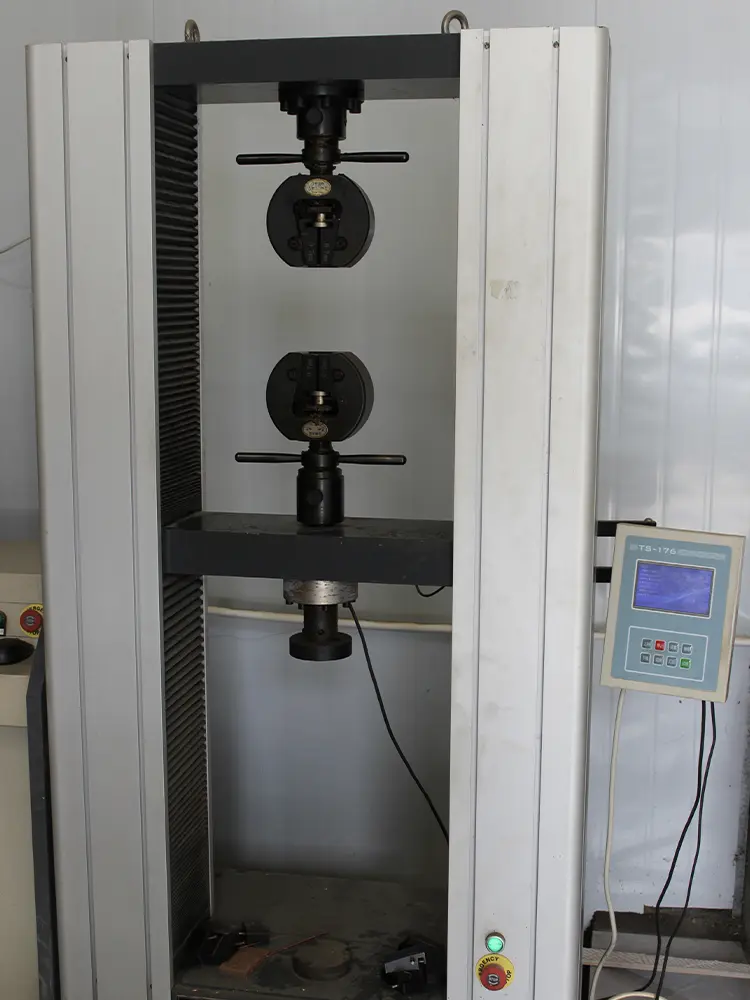
LCD electronic universal testing machine
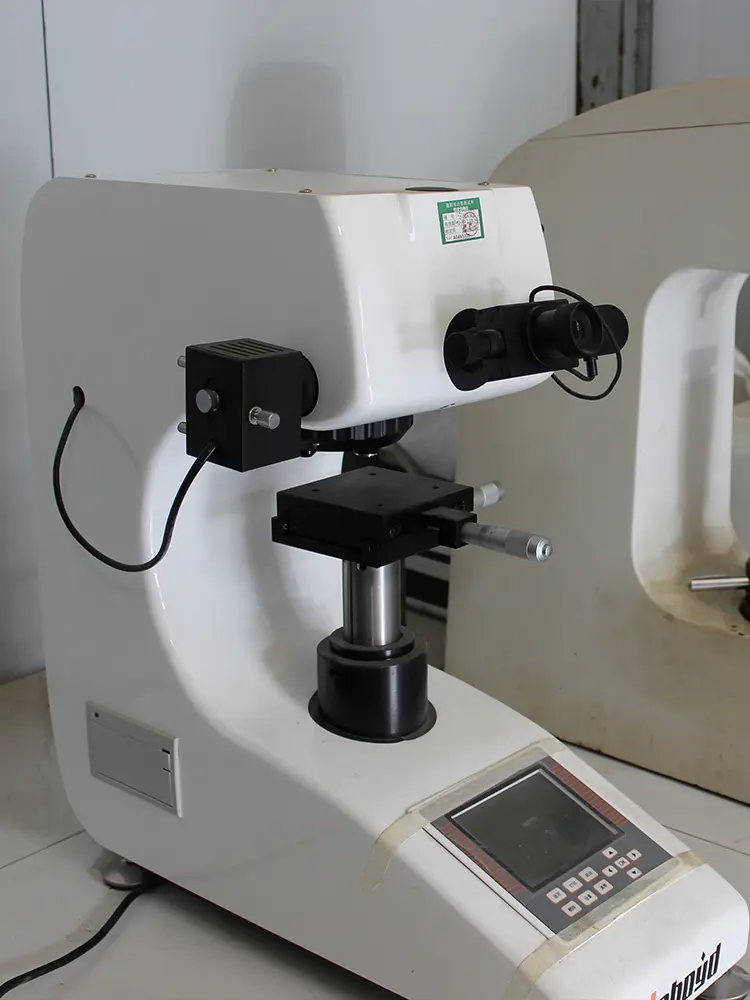
Hardness tester
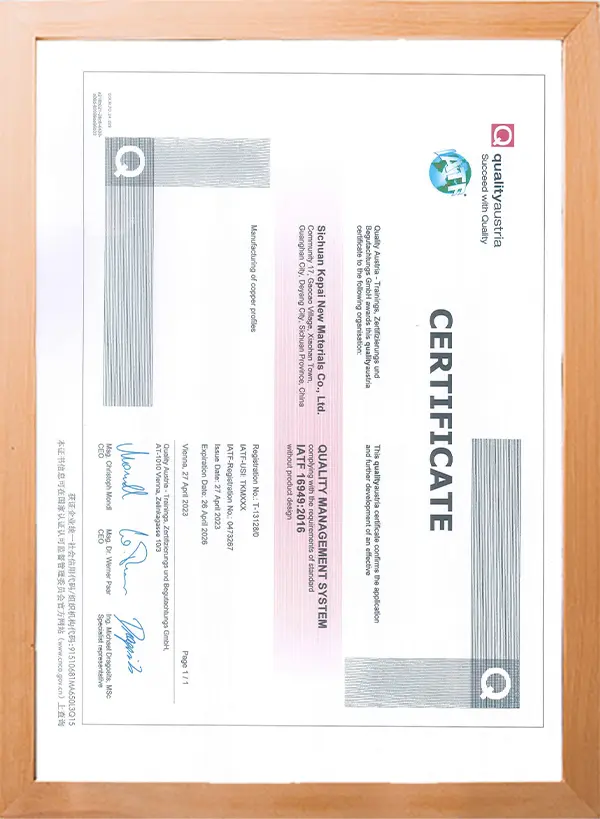
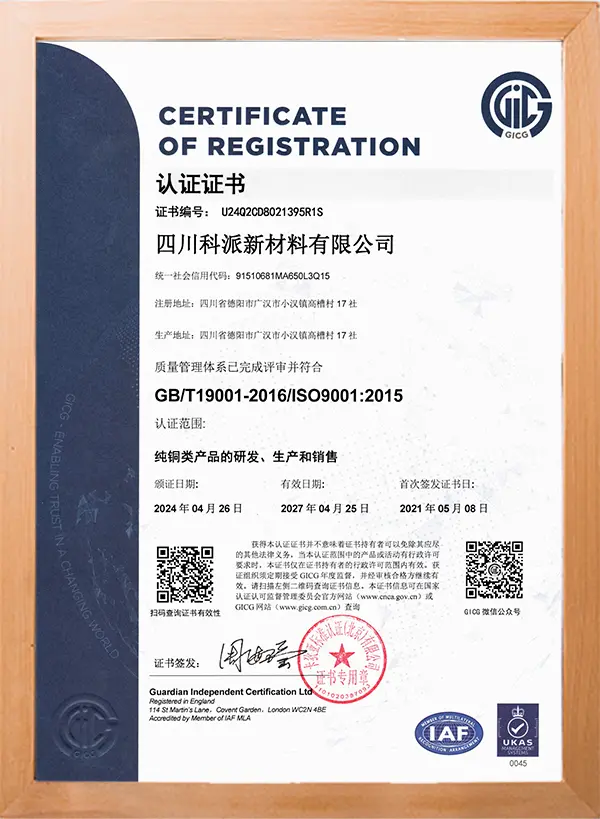
Empowered by an elite team of metallurgists, advanced testing methodologies, and recognized certifications.
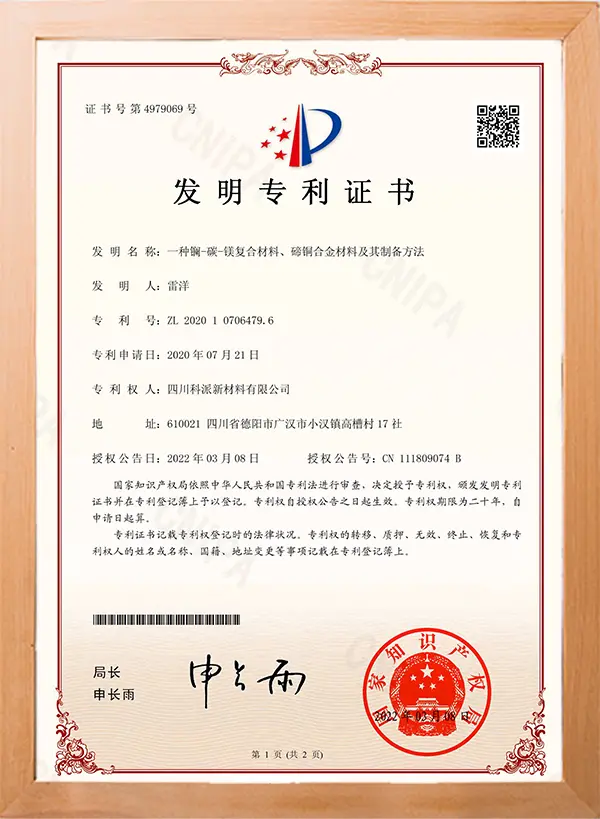
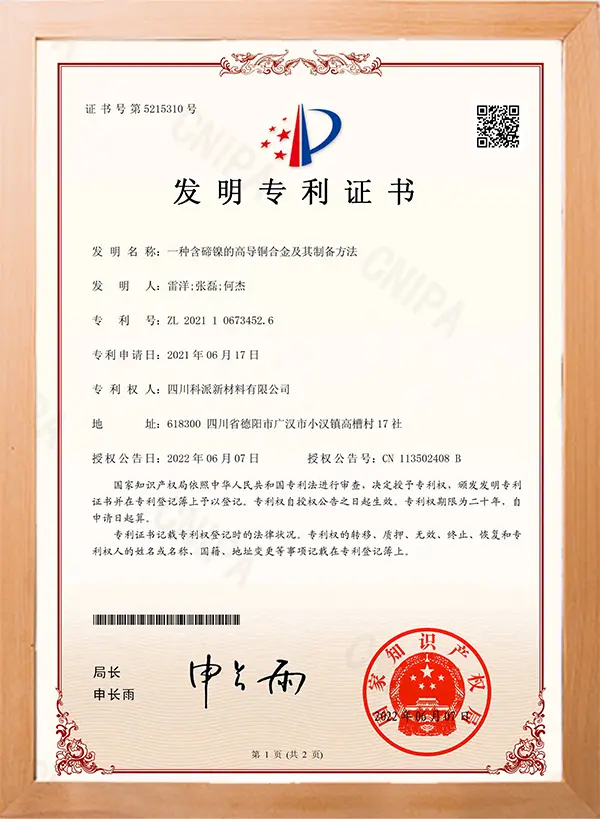
Technological innovation is the core competitiveness of Sichuan Kepai New Materials Co., Ltd. The company has a research and development and production team composed of senior industry experts who keep pace with international cutting-edge technology trends and continuously explore the unknown boundaries in the field of new copper alloy materials.
Through a combination of independent research and development and industry-university-research collaboration, Kepai has made breakthrough progress in several areas, including high-performance tellurium copper, lead copper, and sulfur copper. Many of its technological achievements have reached international advanced levels and have been successfully applied in various industries such as new energy vehicles, precision machining parts, plasma cutting, relays, and energy storage, earning widespread recognition and praise in the market.

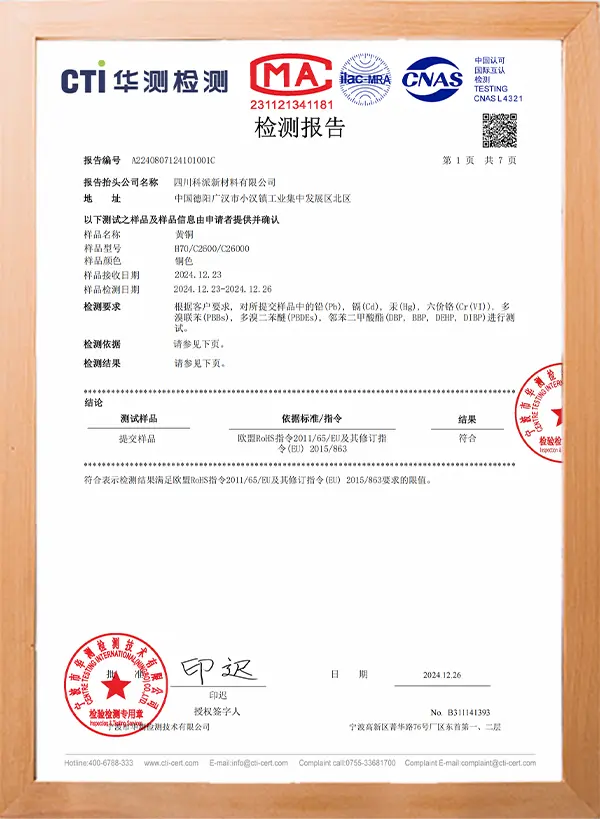
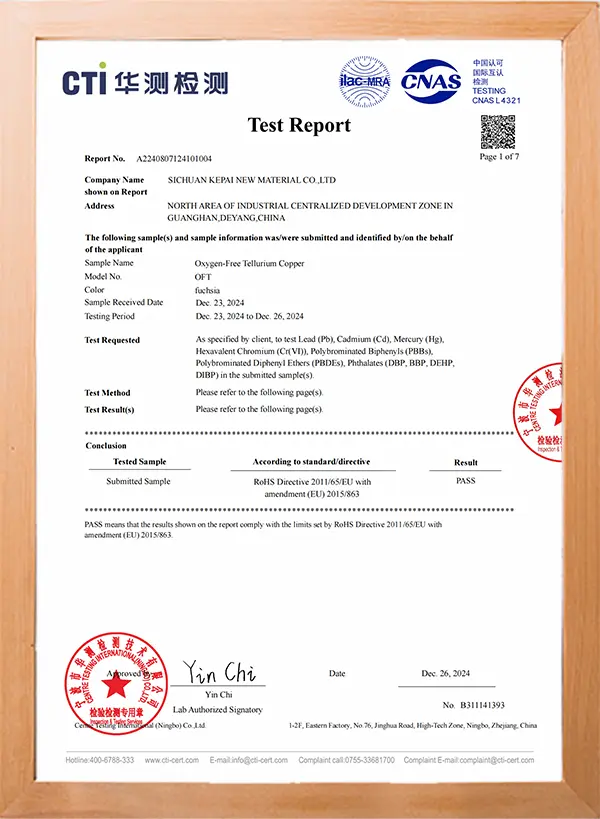
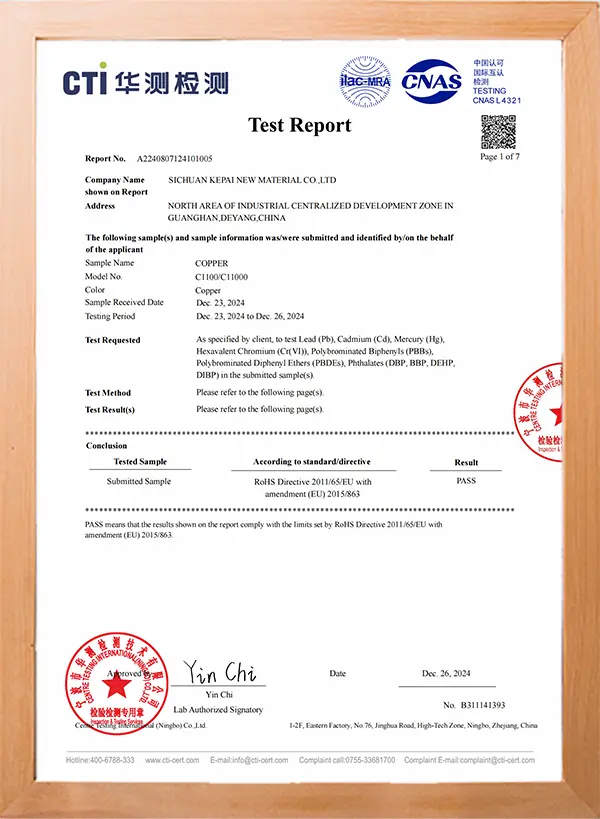
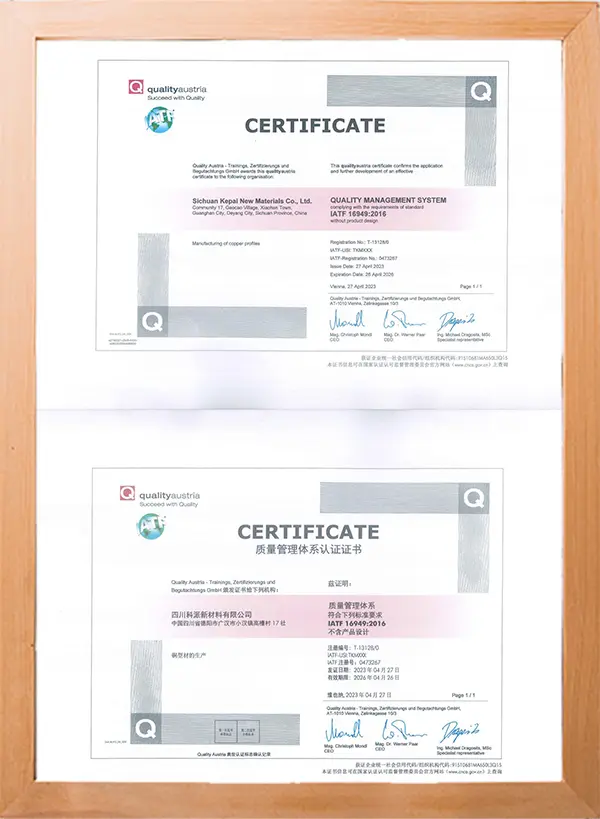
To support global supply chains, our quality control procedures comply with strict international standards. Every batch of phosphor bronze, tellurium copper, and specialty alloys undergoes comprehensive testing, including chemical composition validation using emission spectrometers, tensile strength assessments, hardness verification, and eddy current conductance testing to confirm IACS properties.
This systematic testing process ensures that materials delivered to connector manufacturers meet international performance expectations, preventing failure risks in terminal assemblies.
Analyzing how design engineers implement copper alloys to solve real-world electronic packaging challenges.
In modern EV charging infrastructures, connectors must endure up to 10,000 connection cycles while carrying currents up to 250A. Using standard alloys can lead to overheating, resulting in safety risks. The application of UNS C14500 (Tellurium Copper) provides an exceptional solution by combining high electrical conductivity (93% IACS) with excellent machinability. This material minimizes thermal dissipation at contact interfaces, keeping operations safe even during fast-charging cycles.
For high-frequency coax connectors inside 5G MIMO antennas, structural rigidity and spring characteristics are crucial. Engineers select UNS C51900 Phosphor Bronze to prevent terminal deformation. This alloy's high yield strength and fatigue resistance ensure that connection pins maintain tight physical contact under extreme wind vibration and temperature cycles, preventing signal loss.
Smart meters and industrial automation tools require compact, highly responsive relay mechanisms. Designers rely on UNS C51100 Phosphor Bronze for its balance of electrical conductivity and high ductility. This allows complex, space-efficient bends to be stamped at scale without forming micro-cracks, ensuring reliable relay performance over millions of operations.
For probe cards and semiconductor testing systems, machined pins must have precise dimensions with zero burrs. UNS C54400 Free-Machining Phosphor Bronze, with its balanced lead inclusion, allows for fast machining operations with minimal tool wear, helping manufacturers produce consistent contact tips at scale.
Technical answers to key inquiries regarding phosphor bronze, design optimization, and sourcing.
Discover our full range of specialty alloys designed to optimize production efficiency and product reliability.
Looking ahead, Sichuan Kepai New Materials Co., Ltd. will continue to uphold its original intention, with even greater enthusiasm and determination, to engage in research and application in the field of new materials, contributing to the development of the new copper alloy materials industry in China and globally. We look forward to working hand in hand with friends from all walks of life to create a brilliant future together!
 Kepai
Kepai