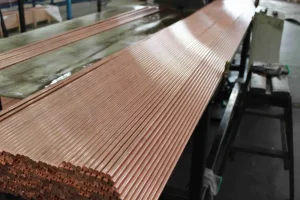
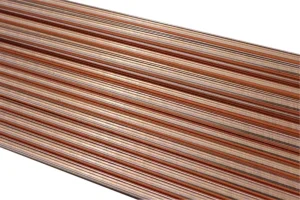
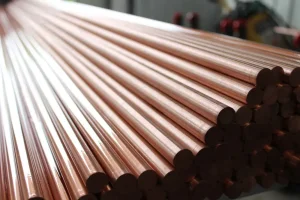
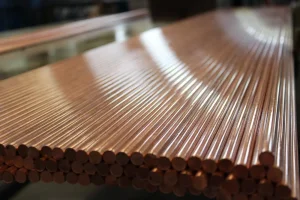
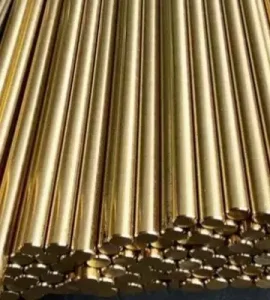
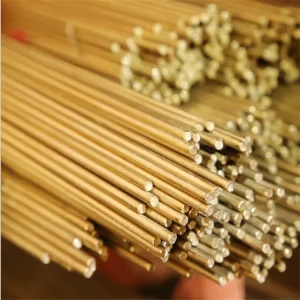
Explore our top-tier precision-engineered copper alloys used by industry leaders worldwide.
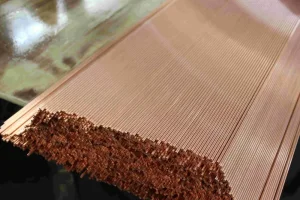
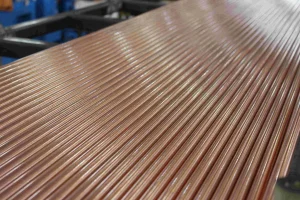
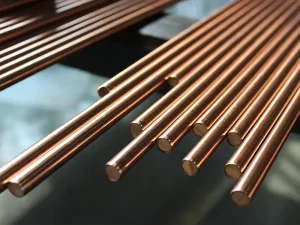
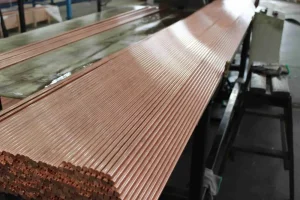
In today's advanced manufacturing landscape, the demands placed on electronic, electrical, and structural materials are higher than ever before. Oxygen-Free Copper (OFC) and Oxygen-Free High Conductivity (OFHC) copper alloys represent the peak of metallurgical processing. Classified under standard designations such as UNS C10100 (99.99% pure copper with less than 0.0005% oxygen content) and UNS C10200 (99.95% pure copper with less than 0.001% oxygen content), these materials are highly sought after globally for applications requiring exceptional electrical and thermal conductivity combined with immunity to hydrogen embrittlement.
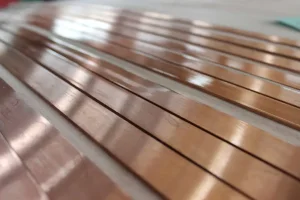
Unlike standard electrolytic tough pitch (ETP) copper, oxygen-free copper plates are melted and cast in a strictly controlled vacuum or carbon-monoxide-protected atmosphere. This meticulous environment prevents atmospheric gases from dissolving into the liquid copper. The removal of oxygen eliminates the formation of cuprous oxide at the grain boundaries, which can cause cracking and catastrophic mechanical failure during subsequent high-temperature processes such as brazing and welding.
Globally, the market is witnessing a major transition. Advanced semiconductors, vacuum electronics, space technology, high-power radar installations, and ultra-precise physics laboratory machinery (like particle accelerators) cannot operate without custom oxygen-free copper plates. As engineering tolerances shrink and system powers increase, the purity and mechanical homogeneity of the copper plates become the deciding factor in system reliability.
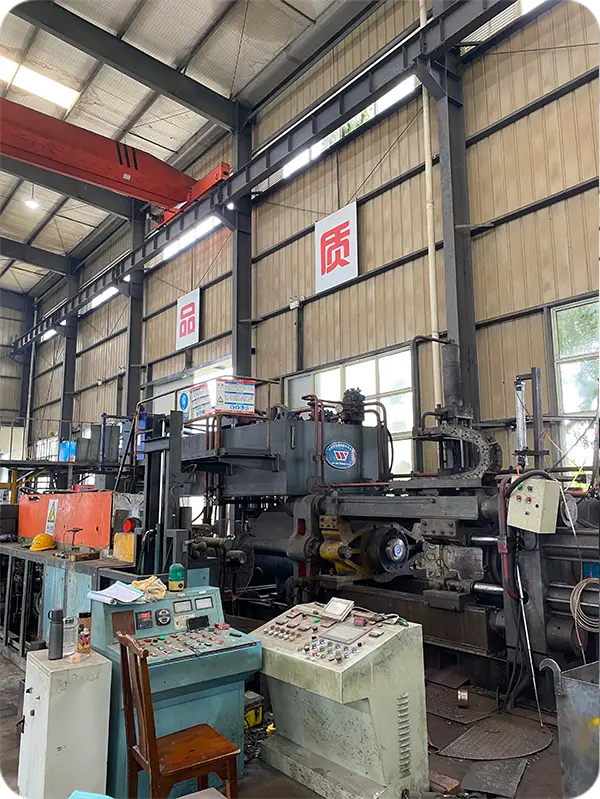
Driving technological upgrading and sustainable development in the advanced metallurgy sector since 2017.
Established in 2017, Sichuan Kepai New Materials Co., Ltd. is a state-recognized high-tech enterprise that seamlessly integrates R&D, advanced manufacturing, and global sales. Our state-of-the-art facility covers an expansive area of approximately 9,000 square meters, supported by a 1,000-square-meter cutting-edge R&D and office headquarters. We are strategically focused on research, development, and manufacturing of strategic emerging new materials aligned with national high-tech manufacturing directives.
Our product portfolio specializes in high-end copper alloys, featuring custom high-purity oxygen-free copper, tellurium copper (famous for its high conductivity and ease of machining), silver copper, and dispersion strengthened copper. We focus heavily on applications in next-generation industries including electric vehicles (EVs), 5G telecommunication networks, high-power industrial laser cutting, and advanced lithium battery relays.
Why leading global corporations source their custom oxygen-free copper plates from Sichuan Kepai.
Located in the western industrial hub of Sichuan Guanghan Industrial Development Zone, we are backed by China's extensive metallurgical supply chain. From high-grade raw copper cathodes to alloy stabilizers, our material sourcing is instantaneous, ensuring continuous production runs without delay.
Adjacent directly to National Highway 108, our factory benefits from rapid-response transportation nodes. We can coordinate swift freight dispatch to major dry ports and shipping hubs, reducing international delivery lead times by up to 25% compared to inland factories.
By pairing skilled operators with automated high-speed extrusion and cold-drawing lines, Kepai balances high productivity with extreme tolerance control. We guarantee plate thickness tolerances up to +/-0.05mm, which drastically reduces material waste during custom machining.
From aerospace vacuum systems to smart energy grids, oxygen-free copper plates are indispensable.
Oxygen-free copper plates are sliced and machined into heavy-duty battery busbars, high-conductivity connector terminals, and inverter modules. The low resistance prevents excessive thermal buildup during rapid charging.
Used heavily in high-frequency signal transmitters, power amplifiers, and RF shielding. The lack of impurities reduces signal attenuation, enabling higher bandwidth and stable long-range signals.
Laser cutting head nozzles and reflecting mirror bases demand highly uniform heat dissipation. C10100 plates ensure localized heat is dispersed immediately, avoiding distortion and preserving laser path accuracy.
Hermetically sealed relays require oxygen-free copper leads to maintain vacuum seal integrity over years of operations, preventing oxygen leaks that compromise volatile battery systems.
Combining expert engineering with robust product systems to dominate regional and international markets.
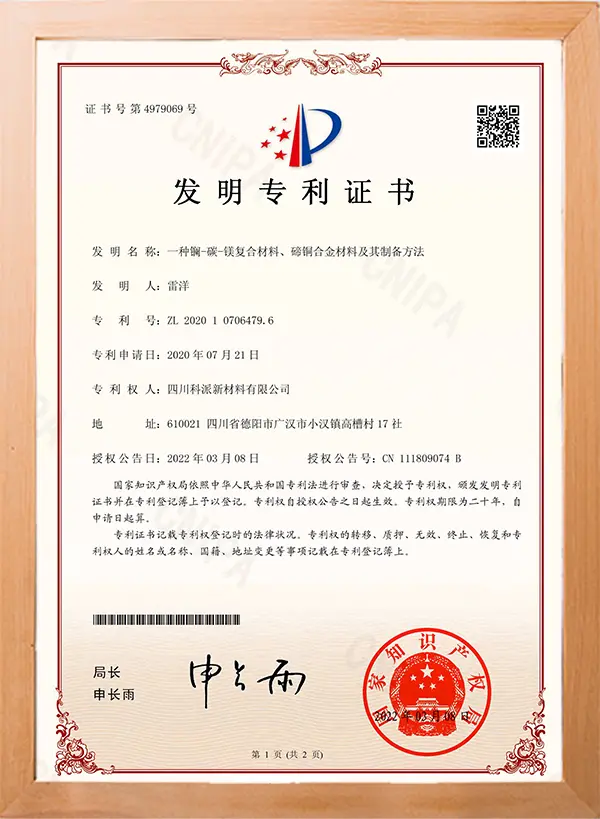
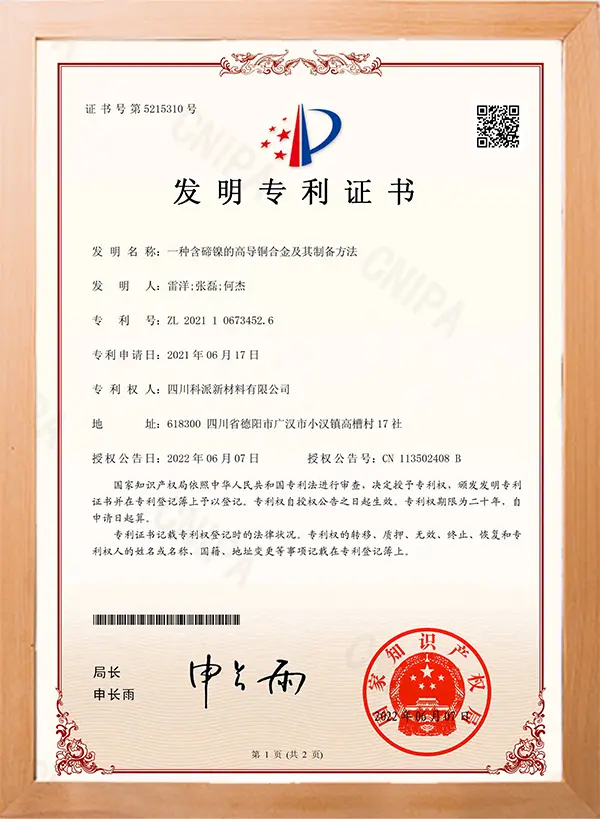
Our research and development and production team is composed of senior industry experts who keep pace with international cutting-edge technology trends. Through independent research and university collaborations, Kepai has made breakthroughs in high-performance copper alloys, reaching international standards.
Our rich catalog covers custom formulations including pure copper, oxygen-free copper, tellurium copper, nickel tellurium copper, beryllium copper, tin bronze, lead bronze, and chromium zirconium copper. We lower customer production costs while elevating final component reliability.
Adhering to the strategy of "rooted in Sichuan, radiating nationwide, and moving towards the world," Kepai has developed long-term collaborative partnerships with global leaders in Germany, the USA, Japan, and Southeast Asia, continually building brand presence worldwide.
We believe in "integrity, innovation, collaboration, and win-win." By investing in continuous human resource development and technical cross-training, we create an open, creative atmosphere that translates directly into high-quality copper solutions.
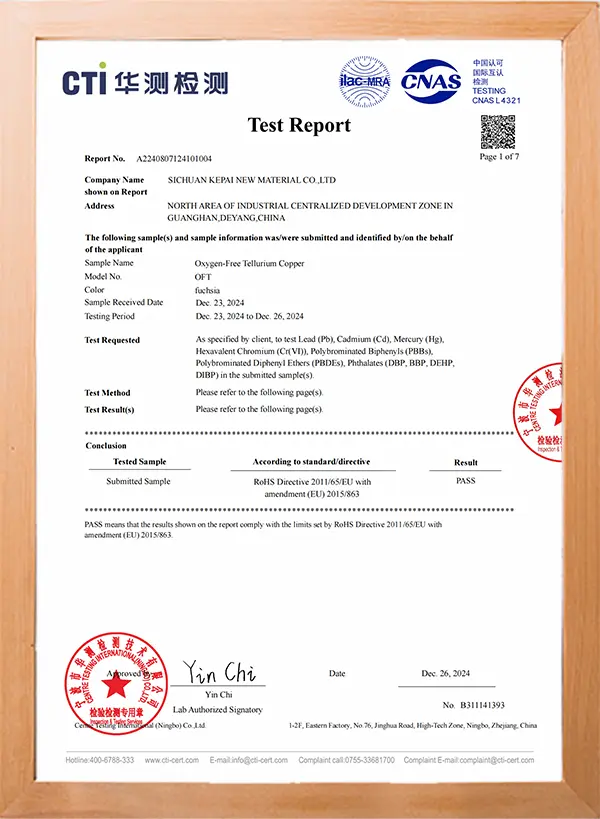
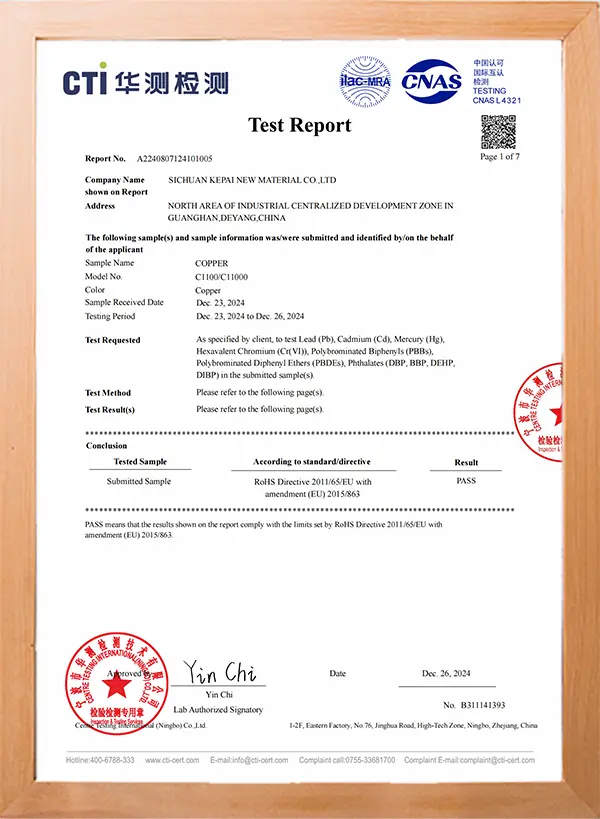
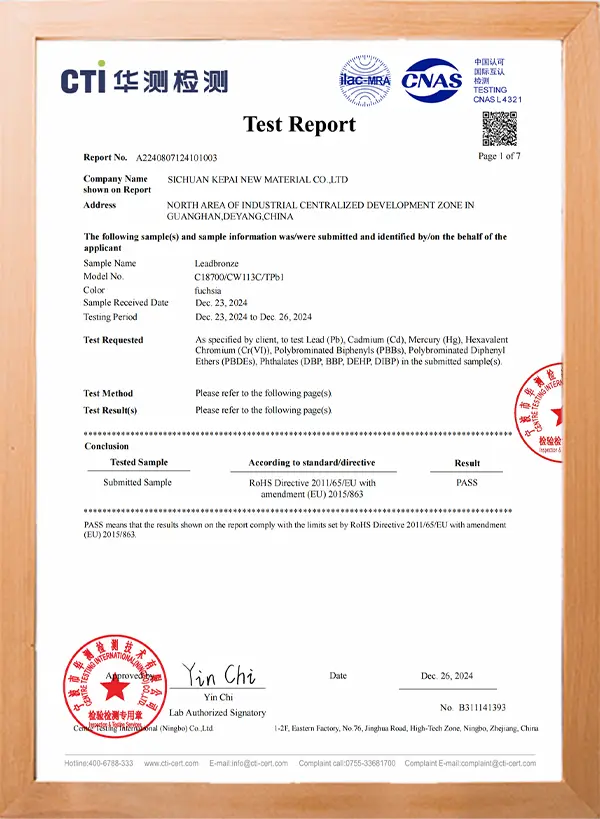
From smelting to non-destructive testing, our fully integrated plant guarantees ASTM compliance.
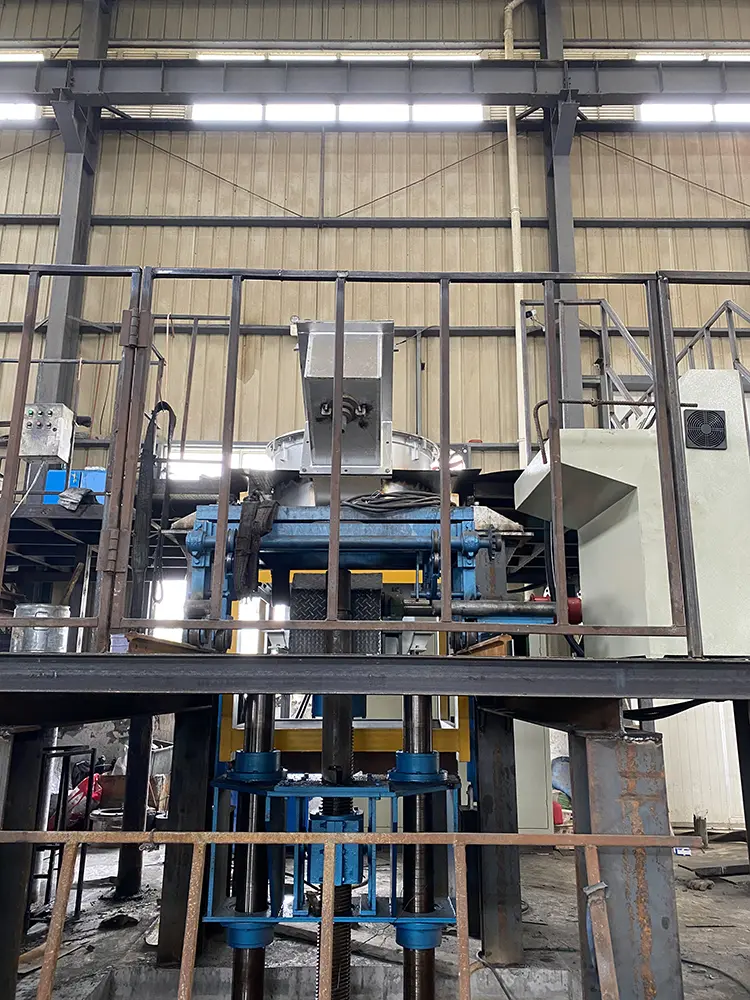
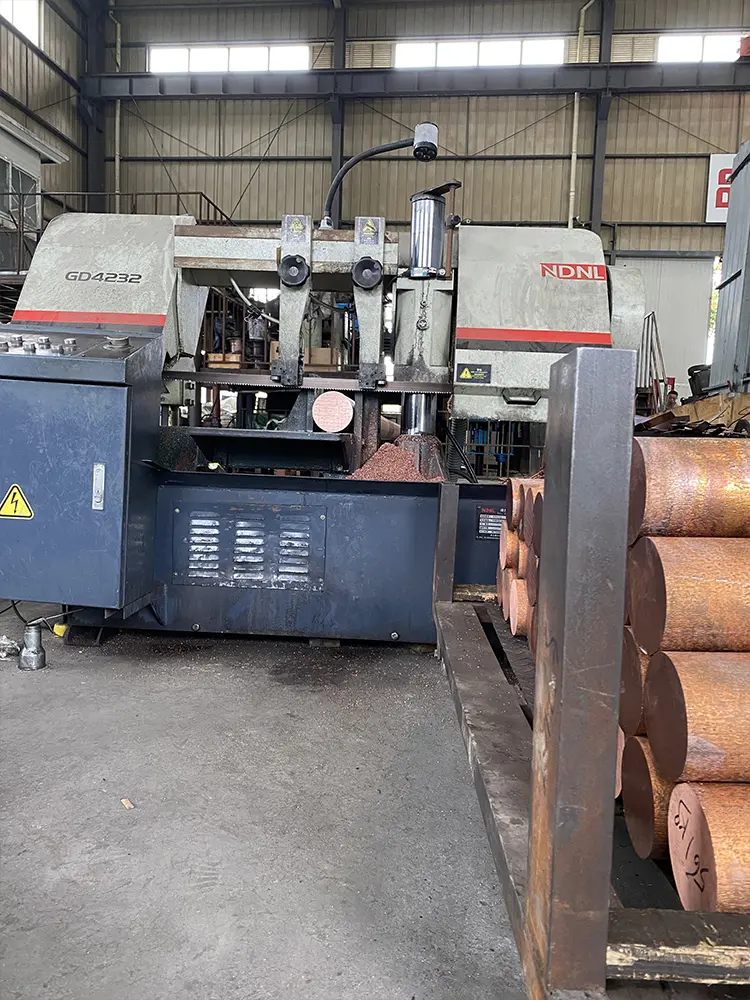
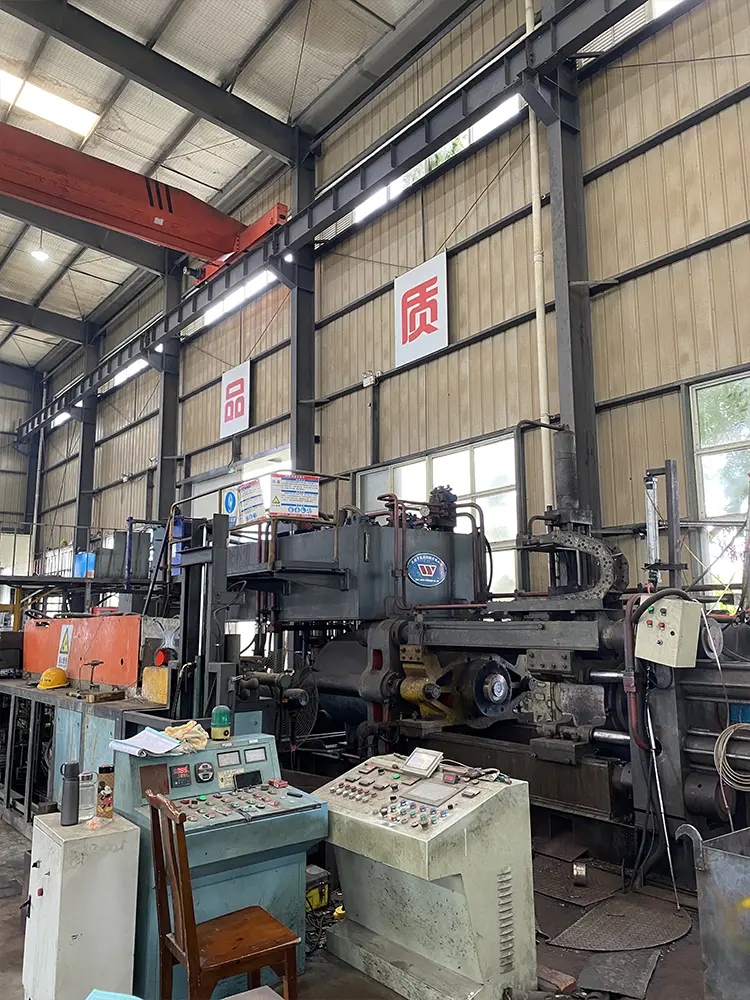
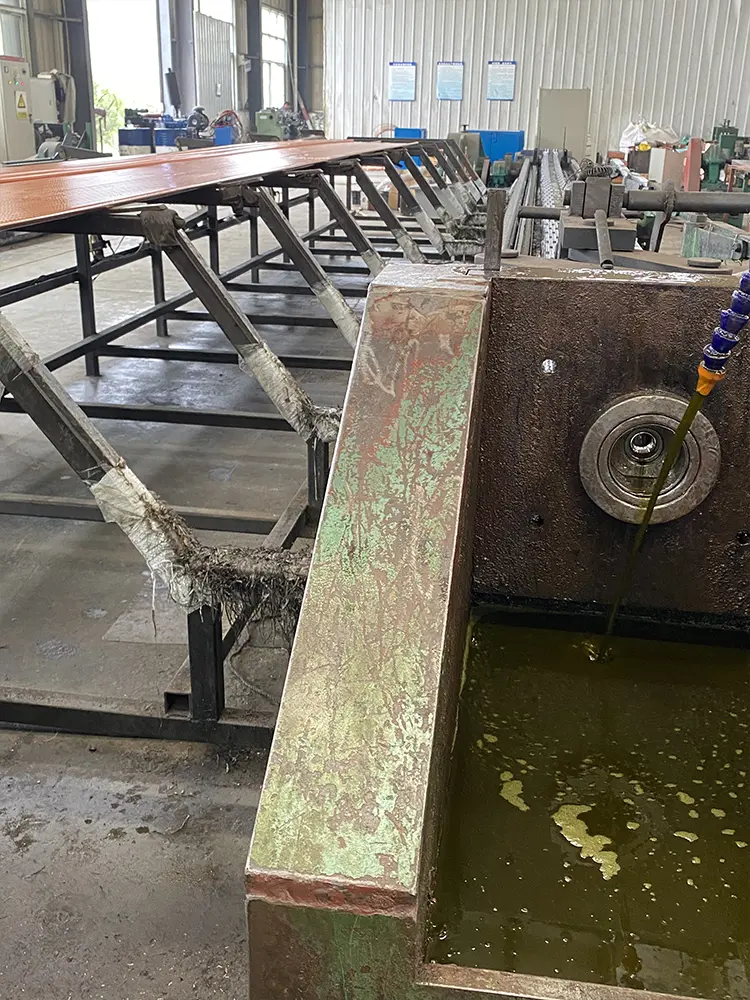
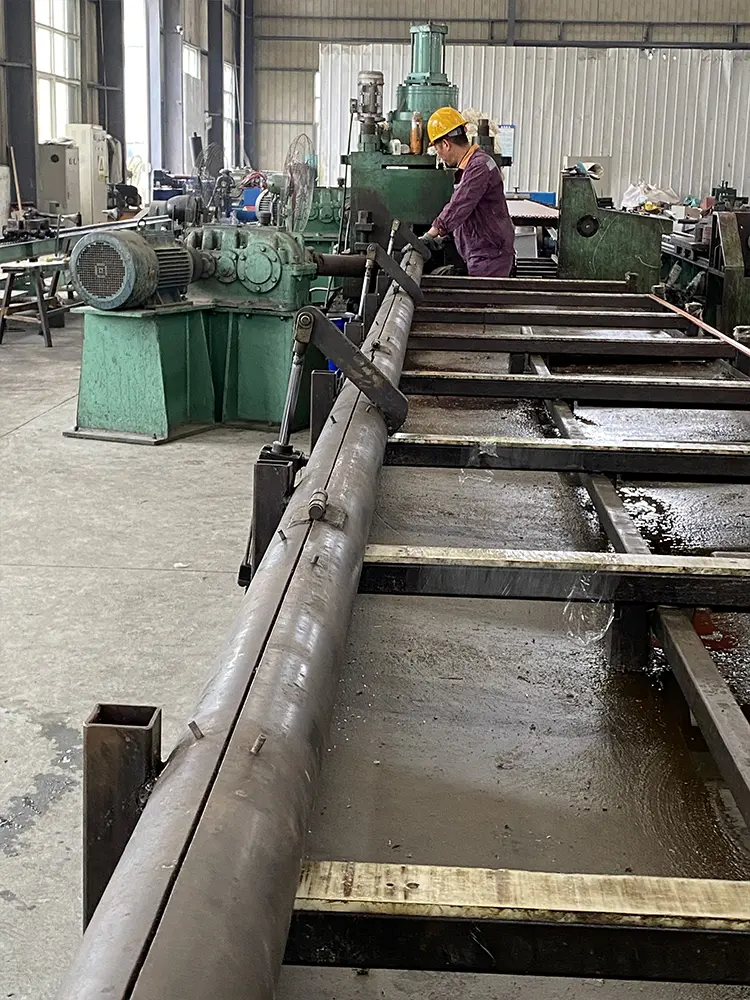
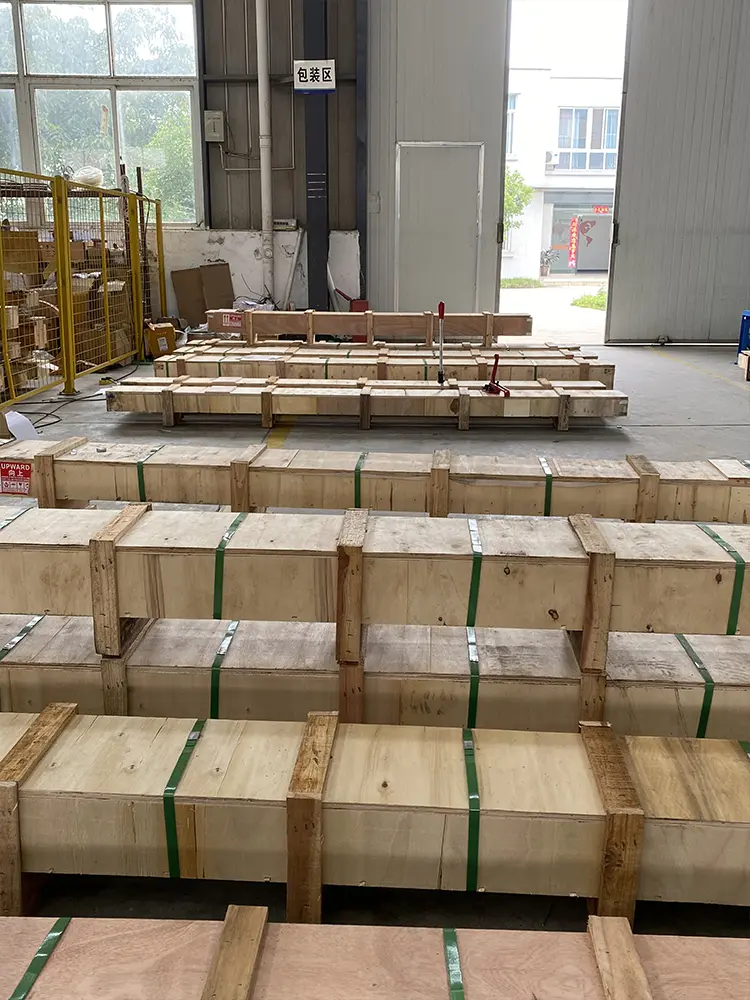
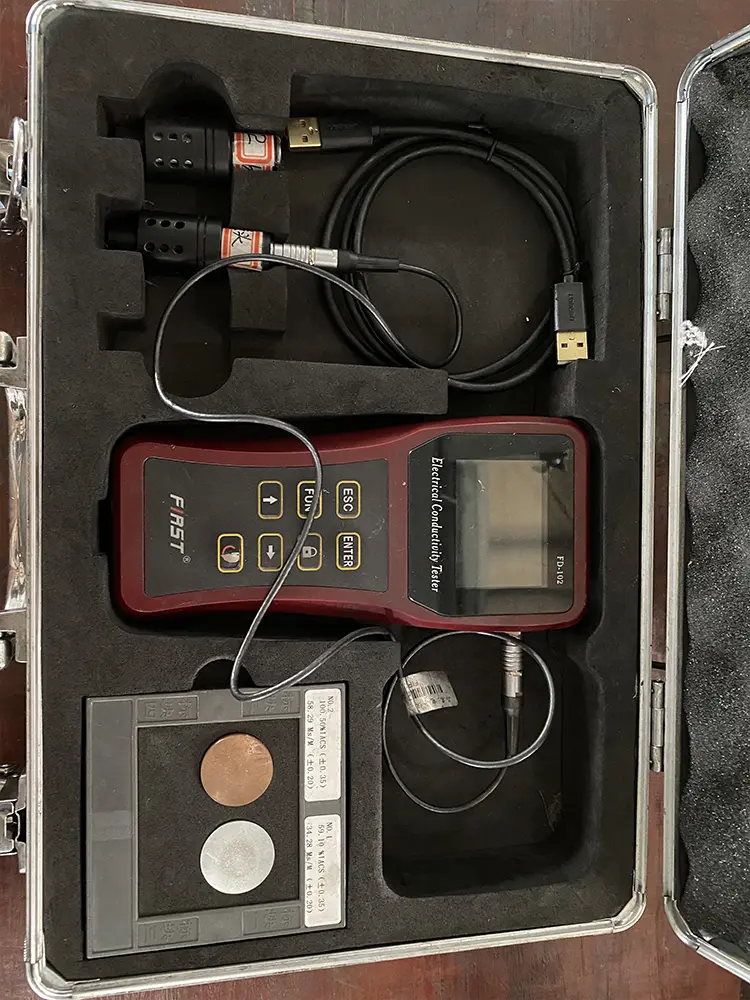
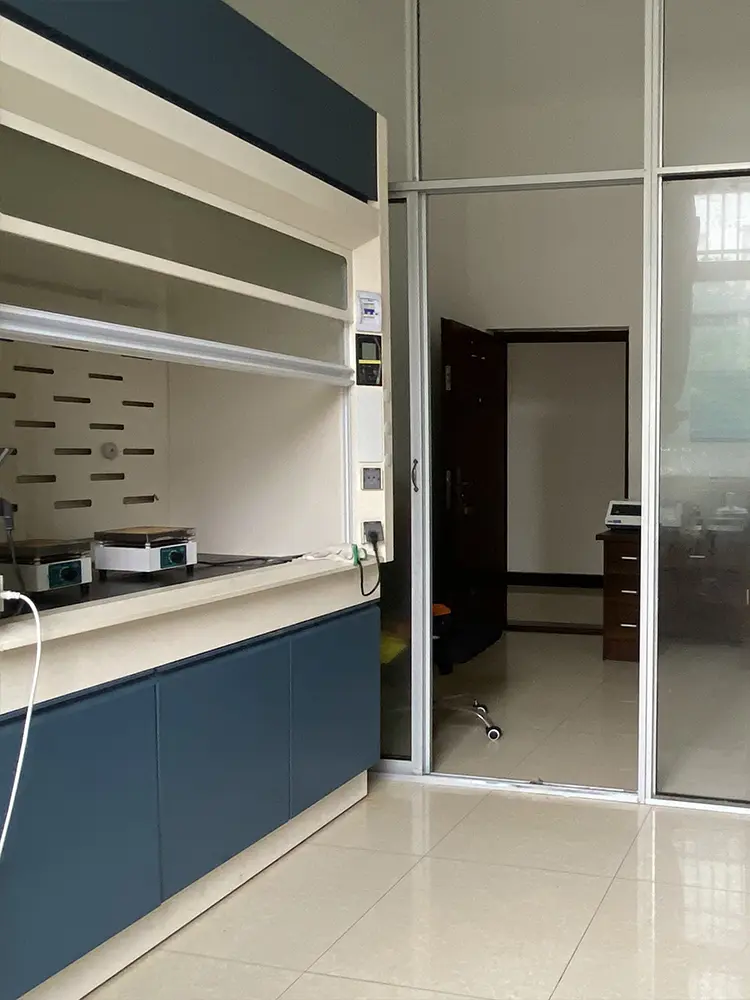

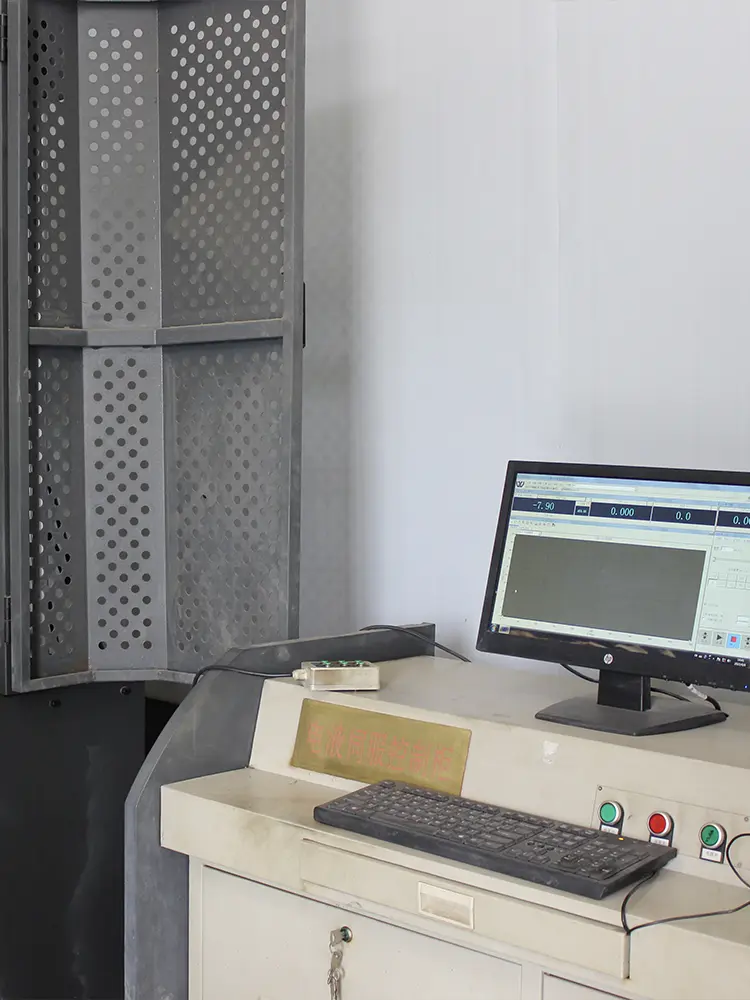
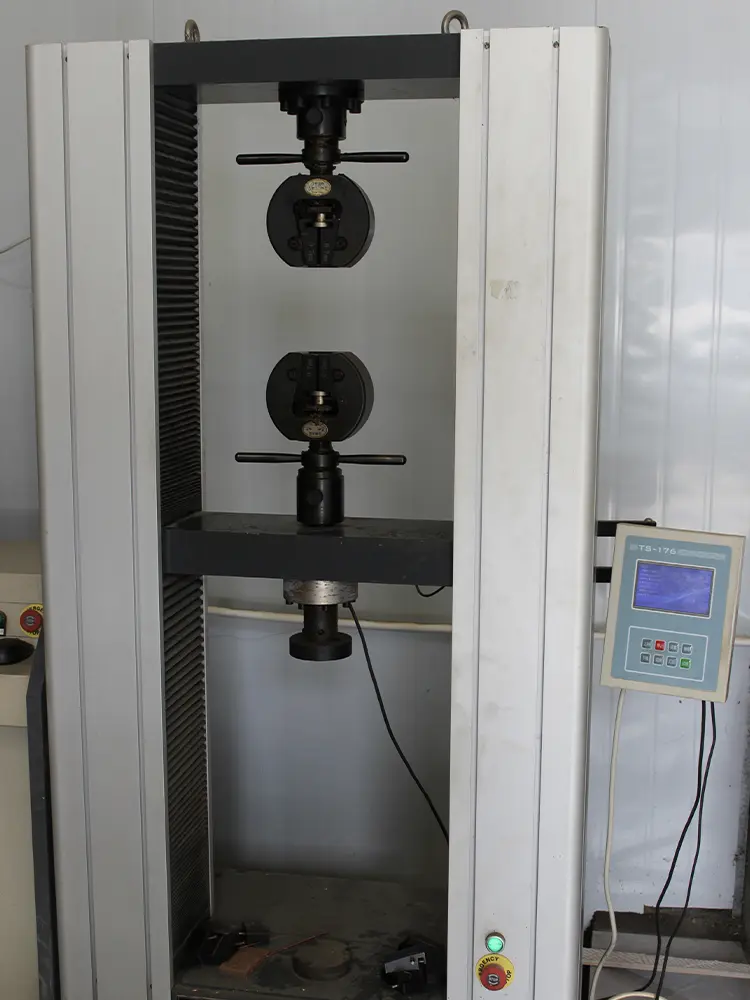
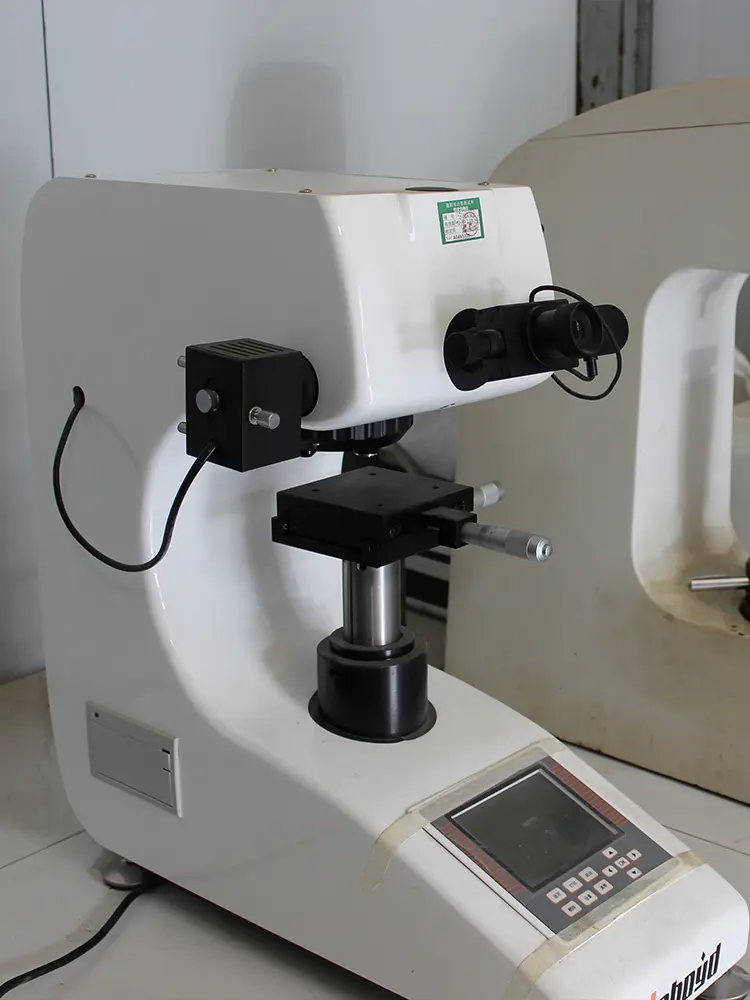
Our adherence to ISO 9001 and high environmental standards ensures complete compliance and reliability.
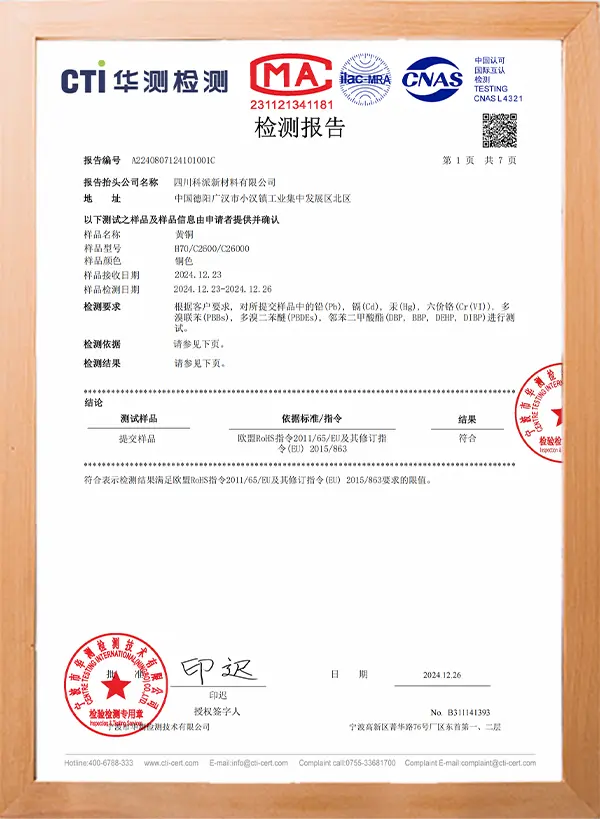
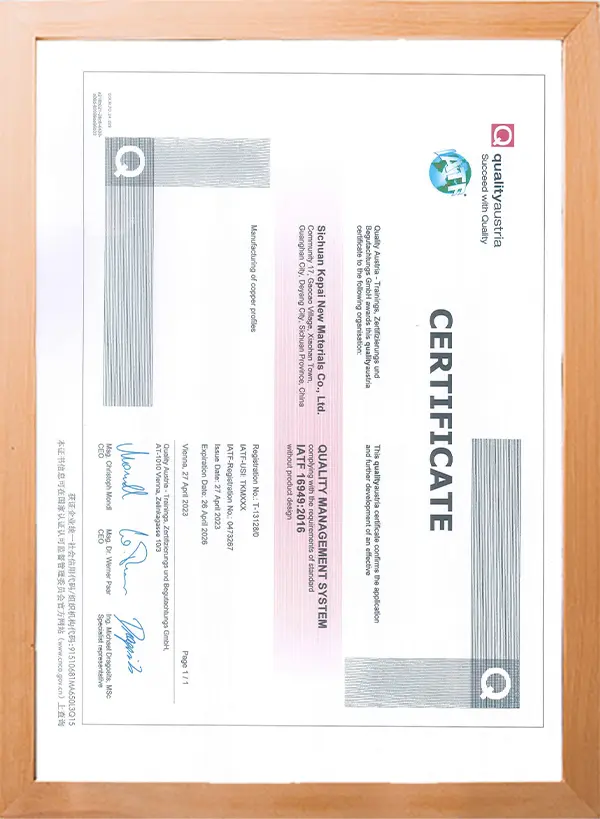
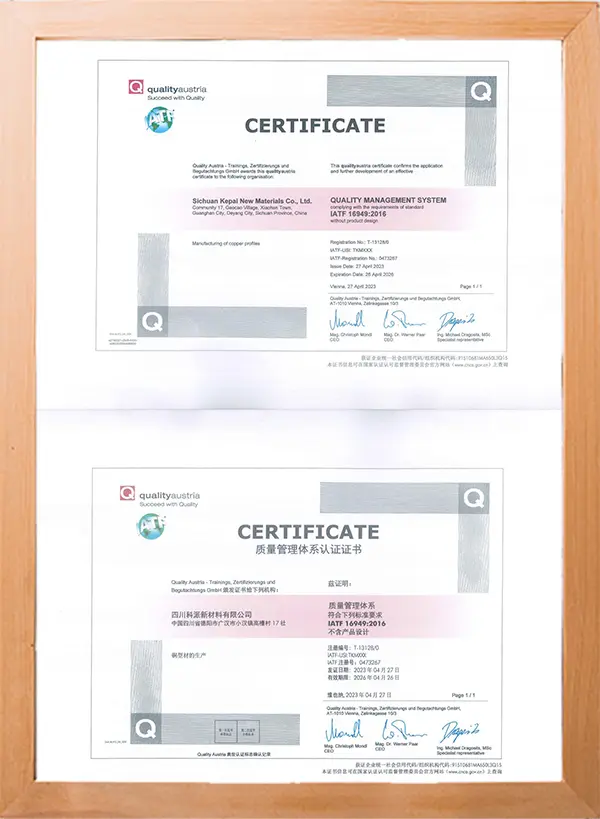
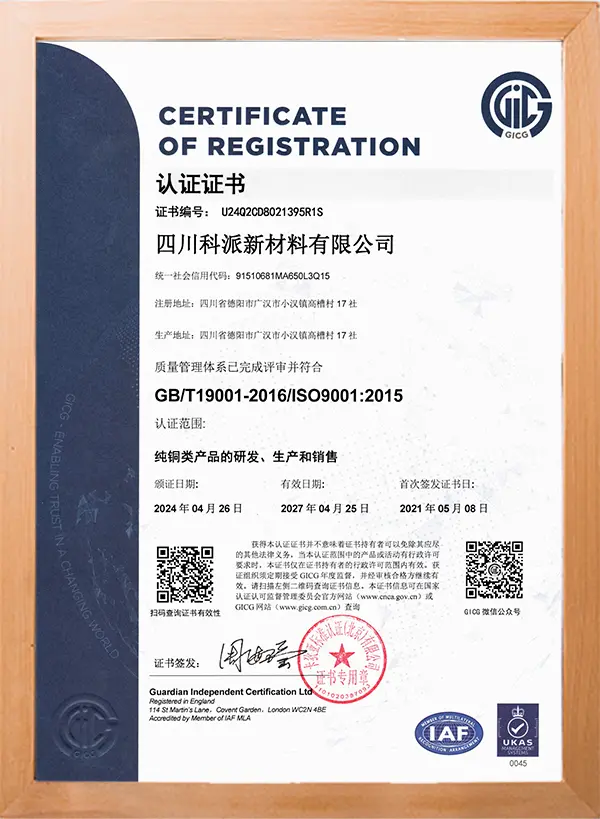
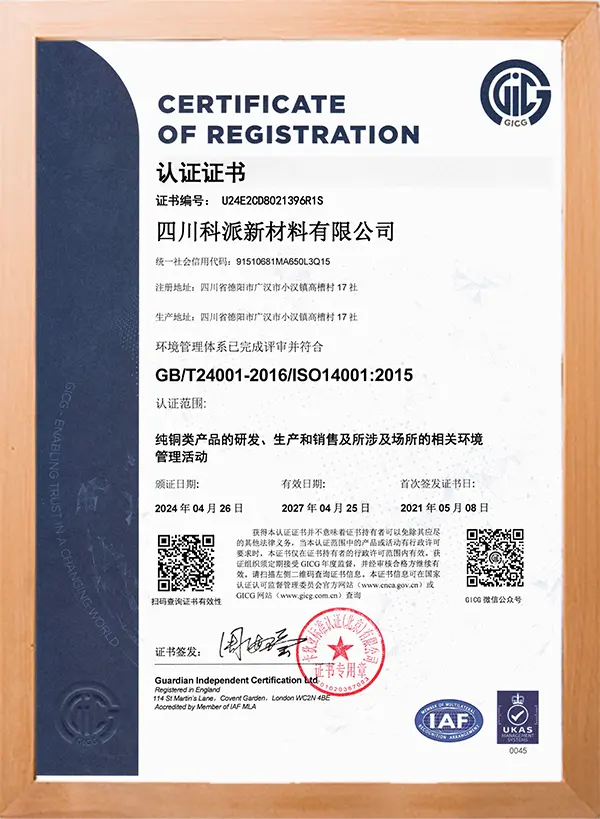
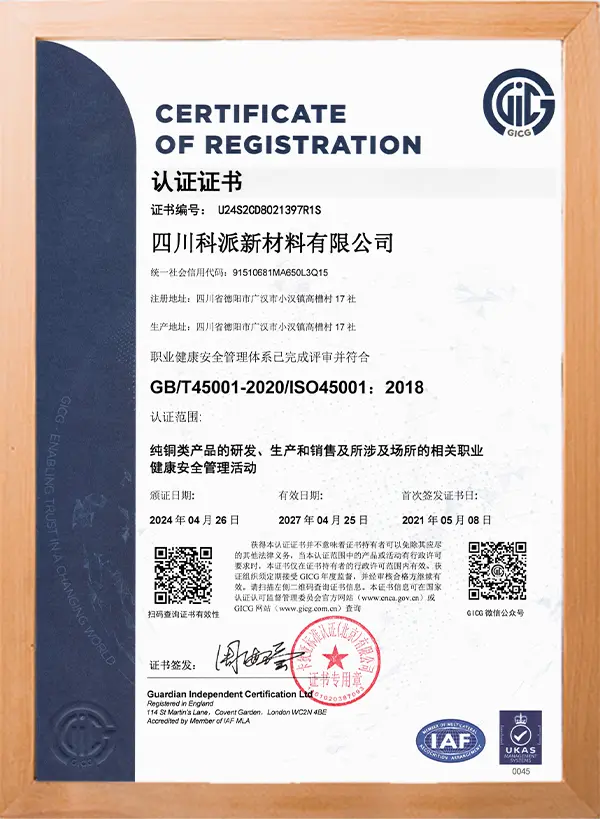
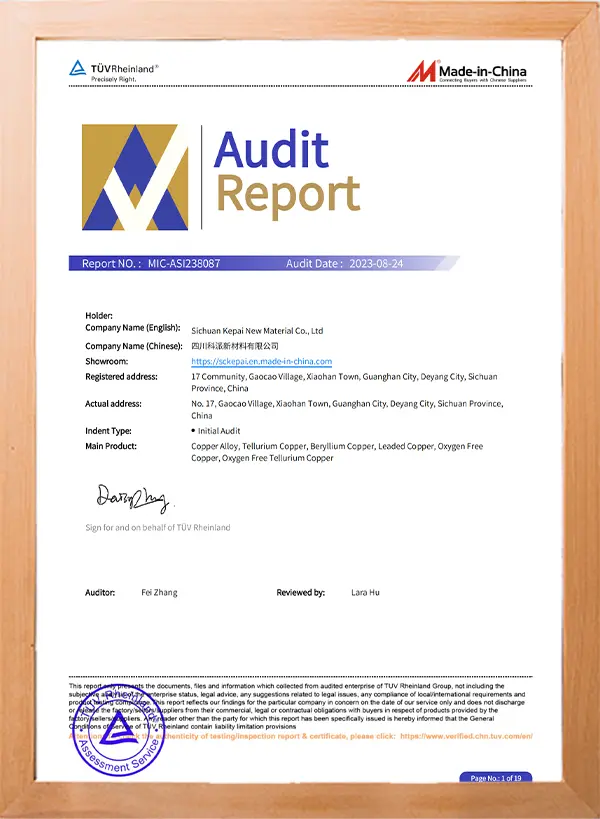
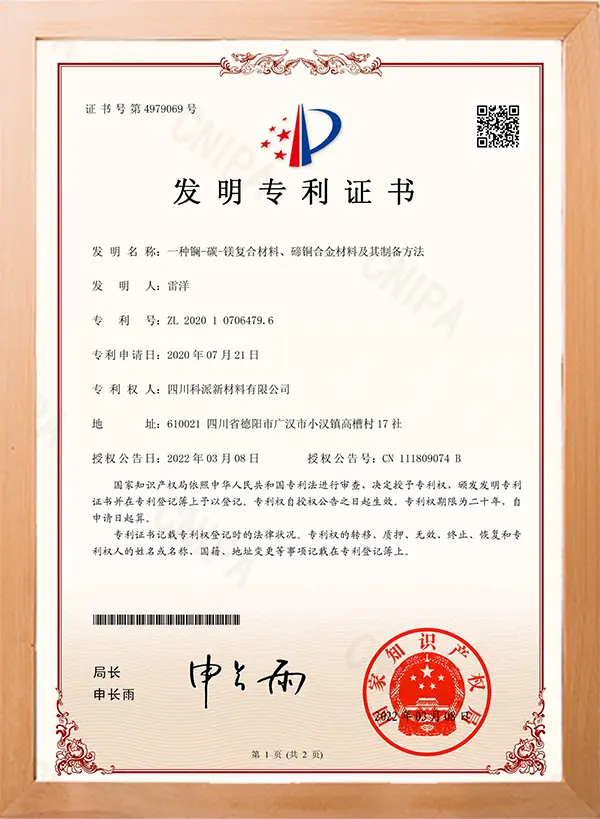
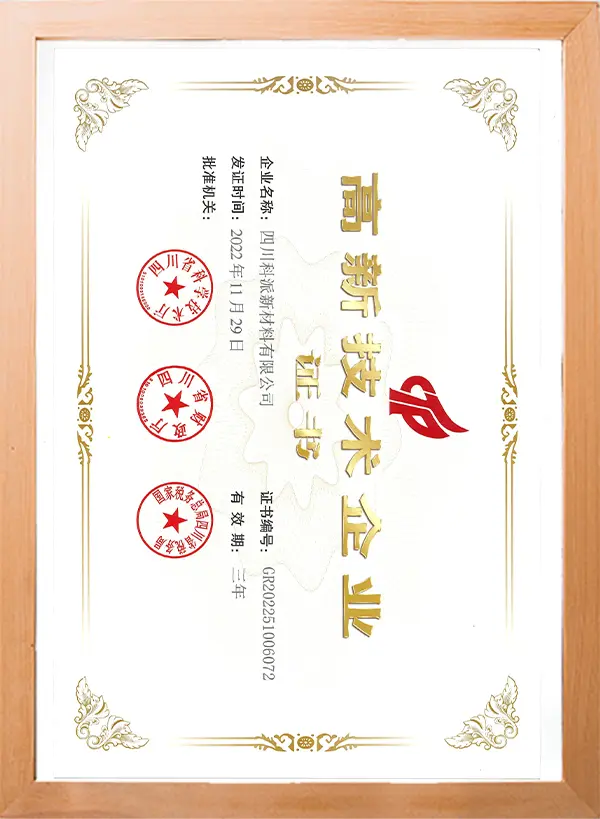
How emerging technologies shape the metallurgical expectations for high-purity copper plates.
As advanced technology evolves, the metallurgical sector is entering a phase characterized by three major trends:
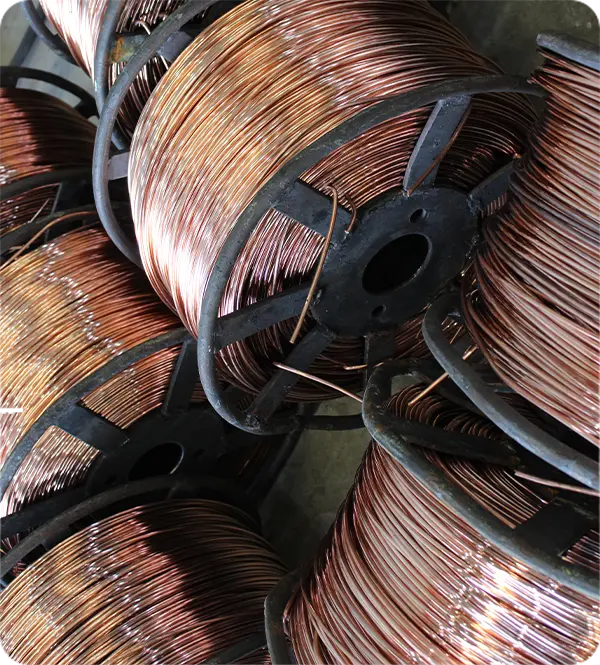
Procurement managers and industrial engineers sourcing oxygen-free copper plates face strict challenges. Quality control extends far beyond visual surface inspections. To secure high-reliability components, verify the following details:
Sichuan Kepai provides complete physical and chemical documentation with every order. This ensures smooth passage through international customs and integration into strict defense and aerospace assemblies.
Detailed technical answers to common questions asked by engineers and procurement specialists.
The remaining items from our high-performance copper alloy series.
Partner with Sichuan Kepai New Material Co., Ltd. for Your Advanced Copper Alloy Needs.
Looking ahead, Sichuan Kepai New Materials Co., Ltd. will continue to uphold its original intention, with even greater enthusiasm and determination, to engage in research and application in the field of new materials, contributing to the development of the new copper alloy materials industry in China and globally. We look forward to working hand in hand with friends from all walks of life to create a brilliant future together!
 Kepai
Kepai