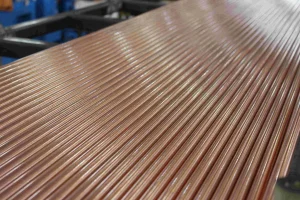
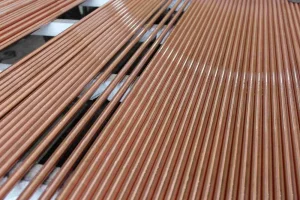
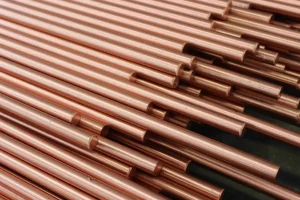
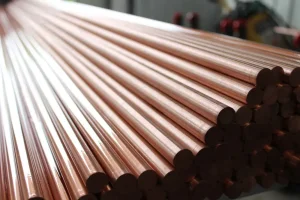
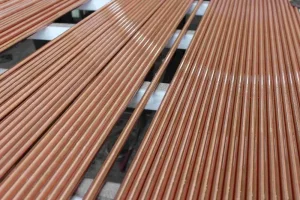
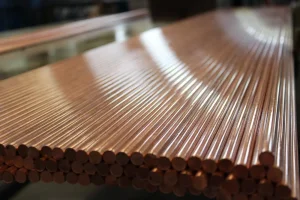
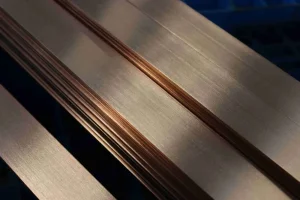
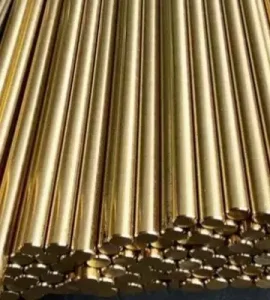
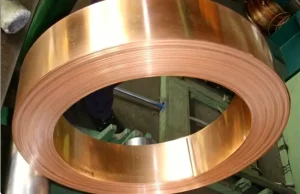
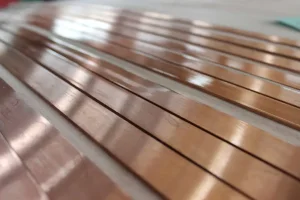
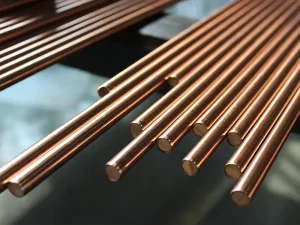
Explore our certified portfolio of heavy-duty, highly conductive, and custom-machined copper-based materials designed for demanding technical installations.
Founded in 2017, Kepai is a pioneer in the synthesis, continuous casting, and custom engineering of strategic new-generation copper and bronze alloys.
As a leading high-tech enterprise, Sichuan Kepai New Materials Co., Ltd. spans a modern 9,000 square meter factory coupled with a dedicated 1,000 square meter research, development, and administrative center. Our mandate is closely aligned with critical strategic emerging technology pathways, optimizing heavy-machining alloys and high-conductivity copper derivatives like Tellurium Copper, Sulfur Copper, and specifically, the elite UNS C54400 Phosphor Bronze.
By implementing strict quality testing matrices alongside industry-university partnerships, we serve key actors in new energy vehicles (NEVs), aerospace components, high-speed rail distribution networks, and complex 5G telecommunication relays. Our logistical footprint, located in the modern Sichuan Guanghan Industrial Development Zone beside National Highway 108, guarantees streamlined international shipping channels to the Americas, Europe, and Asia-Pacific markets.
Company Established
Factory Infrastructure
R&D and Engineering HQ
Global Machinability Index
Understanding why UNS C54400 acts as the ultimate benchmark for free-cutting phosphor bronze alloys.
UNS C54400 Phosphor Bronze (often referred to as phosphor bronze with lead addition or CuSn4Pb4Zn4) is globally acknowledged as the finest free-machining phosphor bronze. Structurally, it integrates a strategic blend of tin (Sn), zinc (Zn), and lead (Pb) dispersed within a high-purity copper matrix. Tin acts as a solid-solution strengthener, dramatically enhancing wear resistance, tensile properties, and corrosion resistance. Zinc improves mechanical properties and casting homogeneity, while lead is present as distinct microscopic nodules that act as internal chip breakers and localized lubricants during high-speed machining operations.
Understanding the exact atomic balance in C54400 is vital for design engineers looking to calculate thermal thresholds, conductivity drops, and load carrying capacities.
| Element | Min Weight Percentage (%) | Max Weight Percentage (%) | Primary Engineering Function |
|---|---|---|---|
| Copper (Cu) | Balance (Approx. 88.0) | - | Matrix, high thermal and electrical conductivity baseline. |
| Tin (Sn) | 3.5 | 4.5 | Enhances tensile strength, hardness, and corrosion resistance. |
| Lead (Pb) | 3.5 | 4.5 | Imparts self-lubrication, chip breakage, and 80% machinability rating. |
| Zinc (Zn) | 1.5 | 4.5 | Aids in deoxidation, refines grain structures, and reduces cost. |
| Phosphorus (P) | 0.01 | 0.50 | Acts as a powerful deoxidizer during melting, improving wear resistance. |
Below is a breakdown of the physical capabilities of C54400 under standard H04 (hard) and H02 (half-hard) tempers, highlighting why it stands out from basic bronzes:
Typically ranges between 470 - 620 MPa depending on the cold-working ratio. Rockwell Hardness is maintained between 75 to 90 HRB, offering extreme resistance to surface fatigue and scratching under localized friction.
Maintains an electrical conductivity of roughly 19% IACS (International Annealed Copper Standard). This is exceptionally high for a bronze that achieves such extreme machinability levels, rendering it ideal for electrical terminals.
Due to the fine dispersion of lead molecules, the sliding coefficient of friction is minimized, reducing wear in non-lubricated starting cycles in sleeve bearing assemblies.
A data-backed look at how C54400 stacks up against other mainstream phosphor bronzes to help you select the optimal material.
Designers often mistake Phosphor Bronze grades as interchangeable. However, selecting the incorrect grade can lead to rapid tool wear, catastrophic failure in stamping, or contact point resistance spikes. The matrix below defines the unique advantages of C54400 relative to its sister alloys, C51000 and C52100:
| Alloy Standard | Machinability Rating | Main Alloying Elements | Best Applied For | Drawbacks / Structural Limitations |
|---|---|---|---|---|
| UNS C54400 (CuSn4Pb4Zn4) | 80% (Excellent) | Cu, 4% Sn, 4% Pb, 4% Zn, P | High-speed screw machine parts, gears, bearings, electrical connector pins. | Lower cold-forming capacity due to the lead distribution. Not suitable for heavy welding. |
| UNS C51000 (CuSn5) | 20% (Poor) | Cu, 5% Sn, 0.05% P | Springs, switch parts, bellows, diaphragms, deep stamping parts. | Slow machining speeds; high tooling wear during drilling or milling. |
| UNS C52100 (CuSn8) | 20% (Poor) | Cu, 8% Sn, 0.08% P | Heavy-duty wear plates, clutch disks, high-stress springs. | Extremely difficult to machine on CNC lines; high tool costs. |
From high-volume automotive lines to localized precision aerospace components, where does C54400 shine?
Used widely for starter motor bushings, fuel injector sleeves, and valve guides. In New Energy Vehicles (NEVs), its low coefficient of friction and consistent spring-back characteristics prevent connection failures in high-frequency battery monitoring sensors.
5G base station antennas and coaxial connectors rely on C54400 to achieve zero-clearance pin connections. The high dimensional stability during precision drilling keeps signal attenuation to a absolute minimum.
In watch manufacturing, gear trains and escape wheel pivots require materials that can be lathed at microscopic diameters. C54400 offers clean cuts without burrs, eliminating hand-polishing stages.
Beyond these primary areas, C54400 is an irreplaceable staple in localized heavy machinery clusters, including:
Sichuan Kepai guarantees metallurgical excellence by applying cutting-edge instrumentation at every stage of the casting and drawing processes.
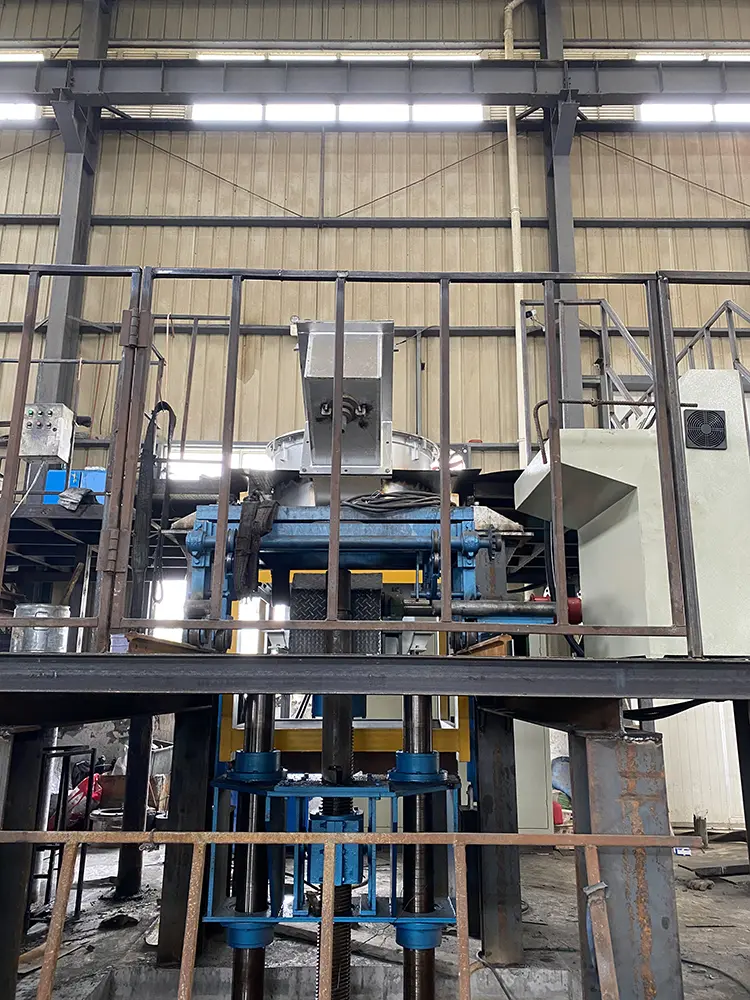
High-Capacity Smelting
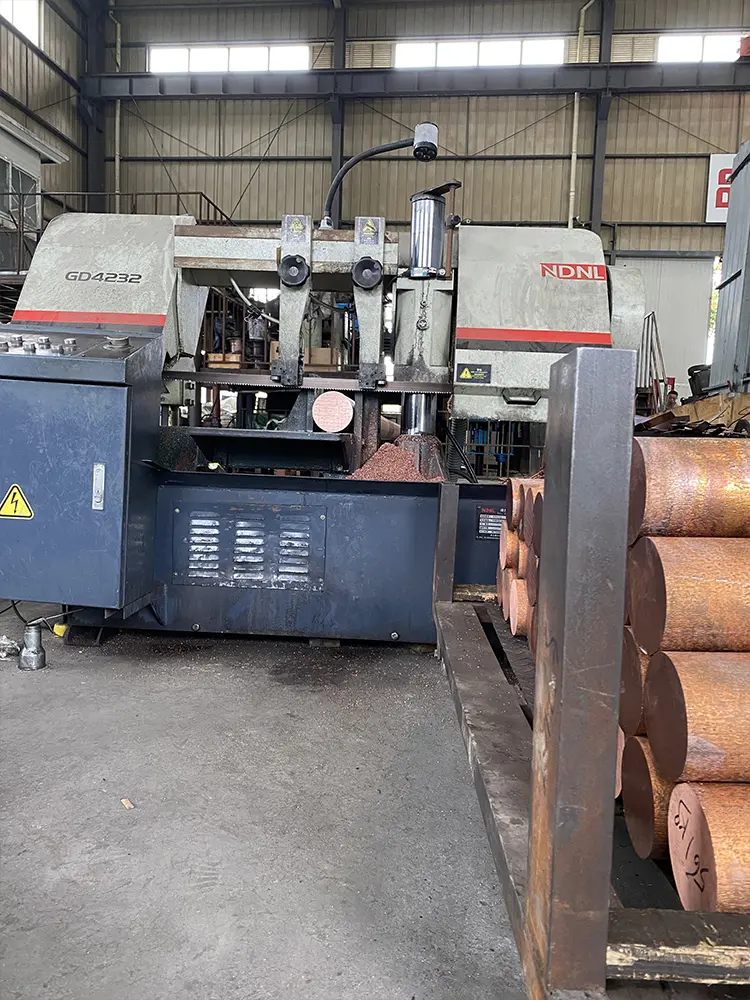
Precision Laying-Off
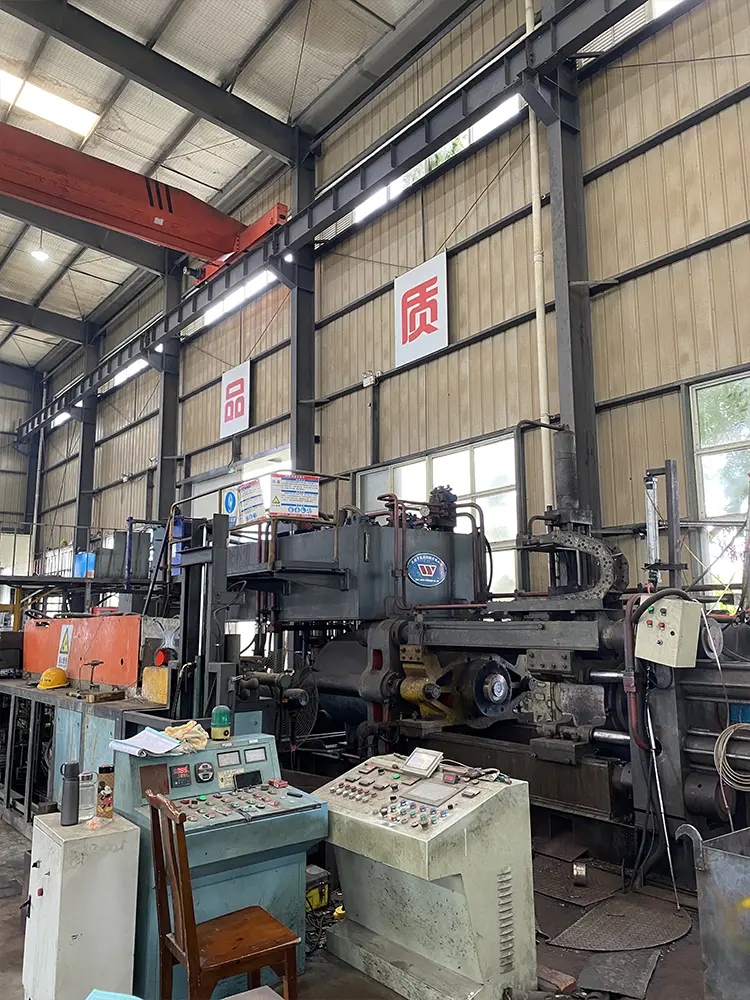
Continuous Extrusion
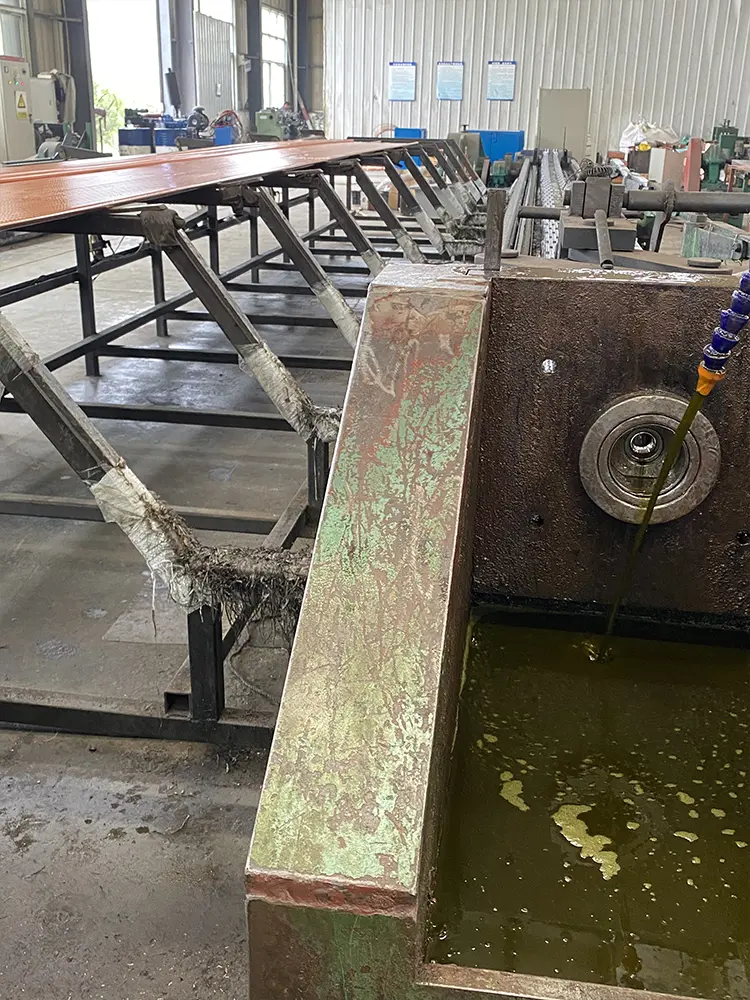
Multi-Stage Drawing
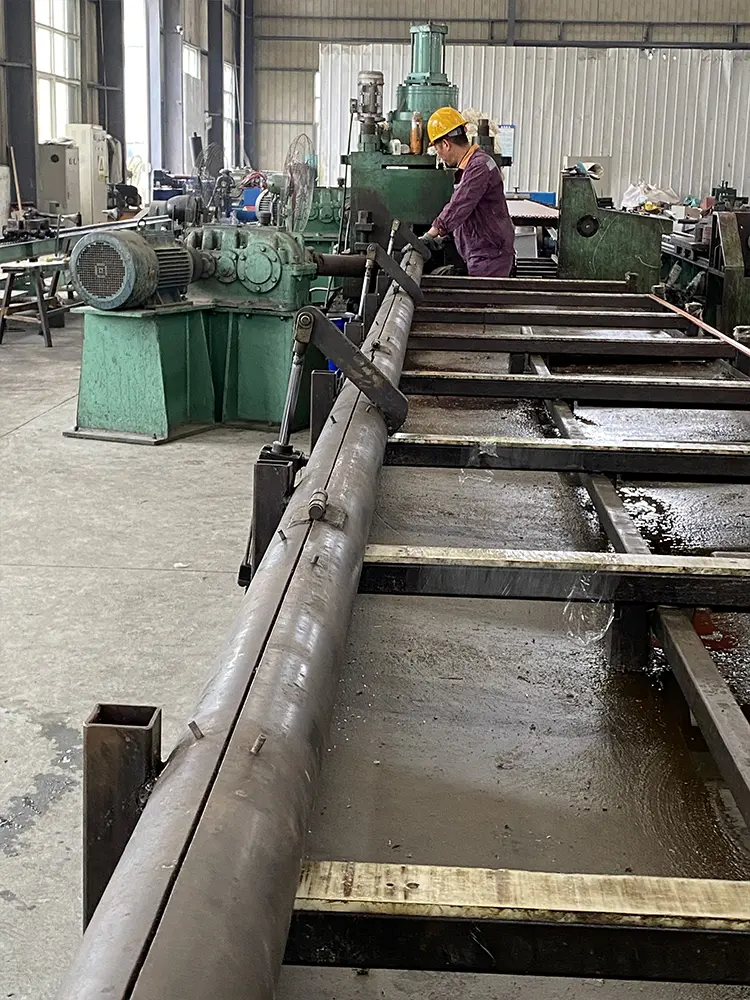
Automatic Straightening
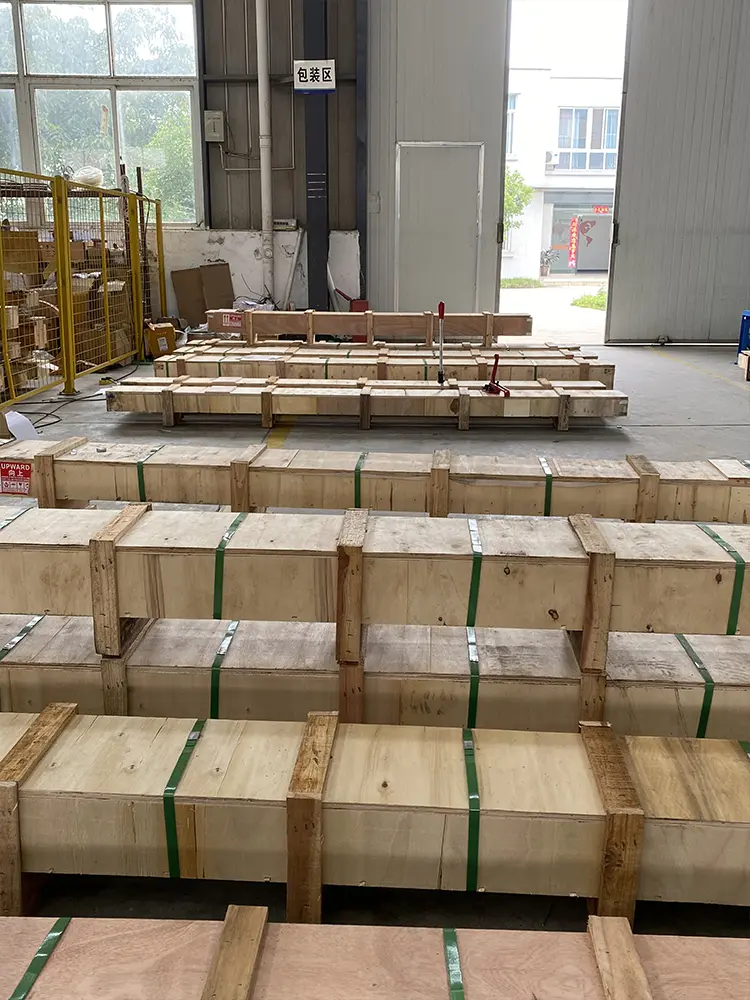
Standardized Packaging
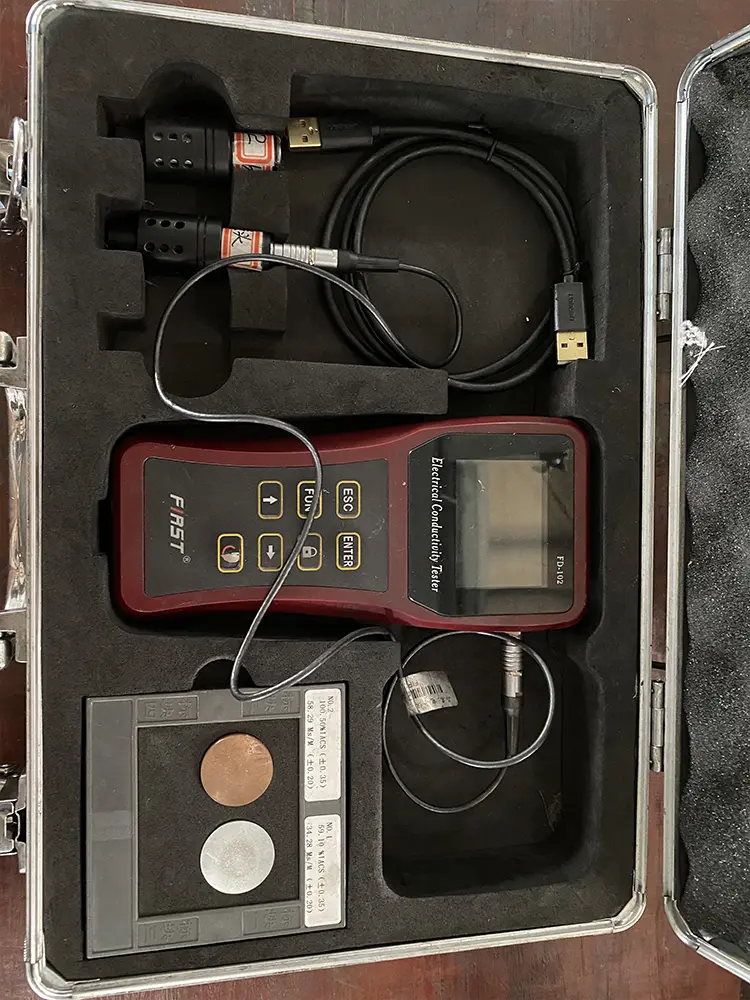
Eddy Current Conductance
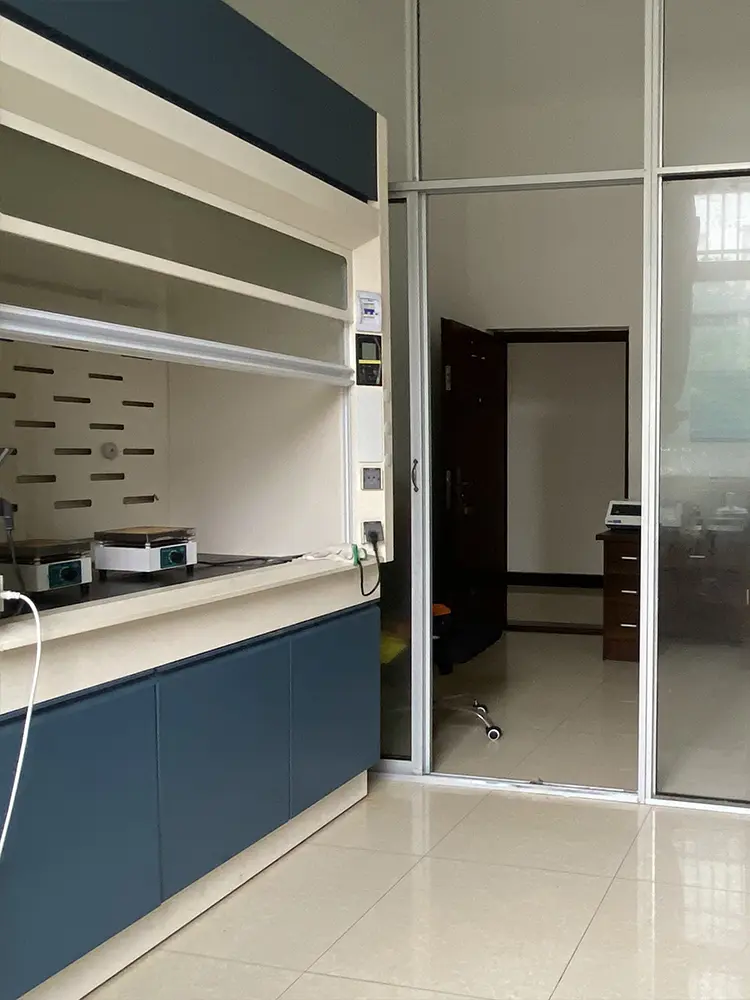
Chemical Composition Lab

Metallographic Polishing
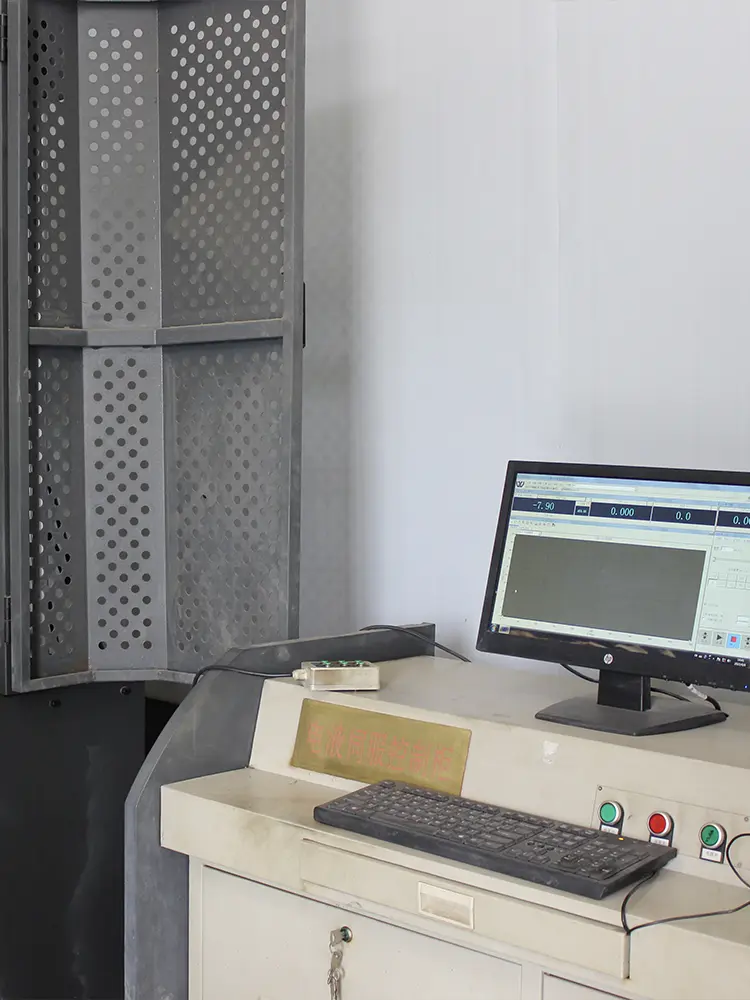
Electro-Hydraulic Servo Test
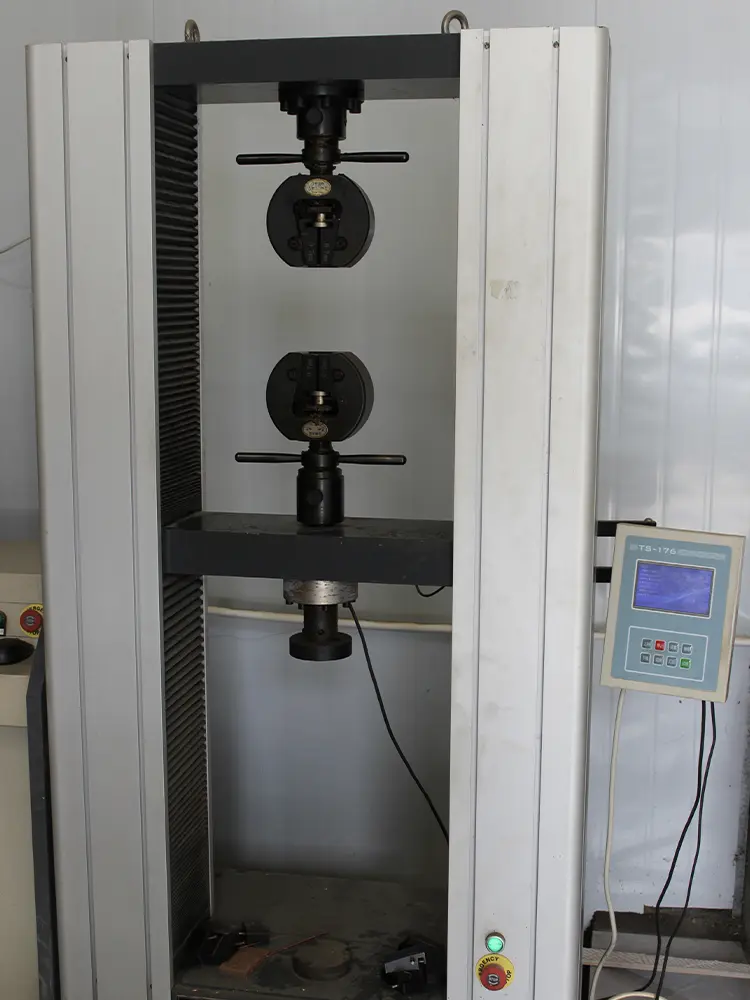
LCD Universal Testing
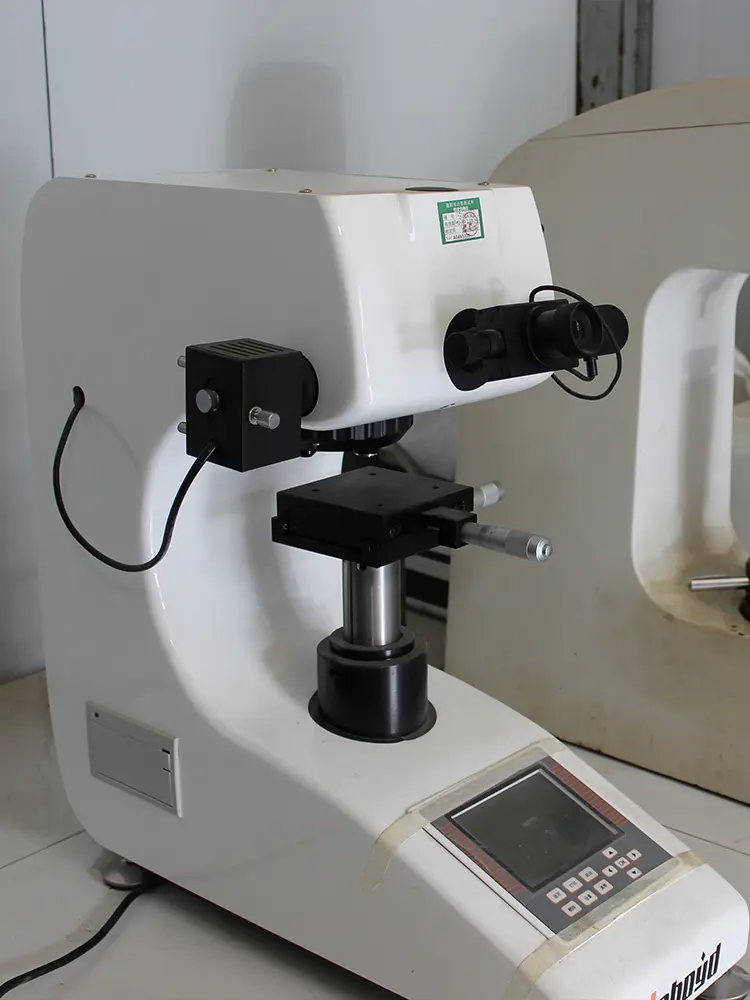
Precision Hardness Tester
How Sichuan Kepai ensures consistent delivery in a volatile global material market.
In the modern metal supply ecosystem, supply interruptions directly result in halted assembly lines. Sichuan Kepai mitigates these risks through extensive integration within China's premier non-ferrous manufacturing hubs. Our direct raw copper cathode channels bypass multiple middle layers, guaranteeing pricing stability and continuous production schedules regardless of global mineral market swings.
Our localized infrastructure provides outstanding logistic benefits:
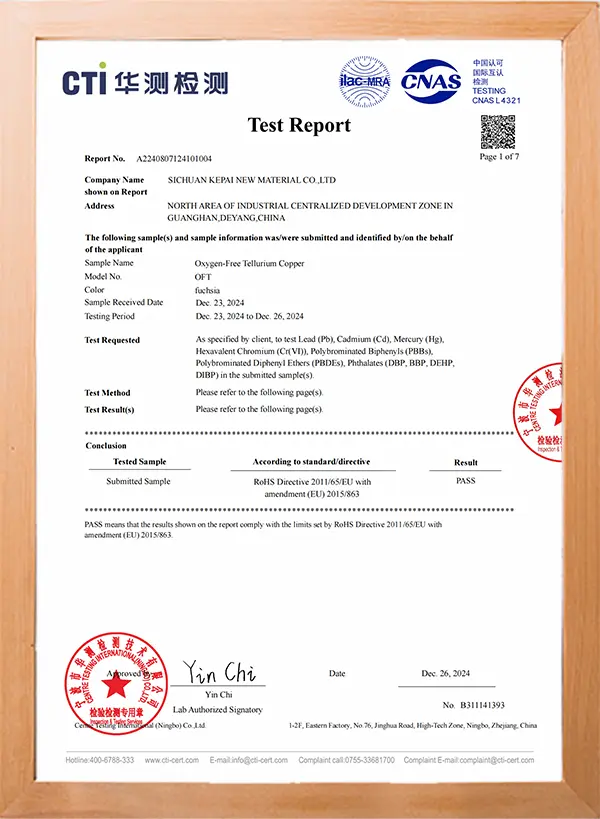
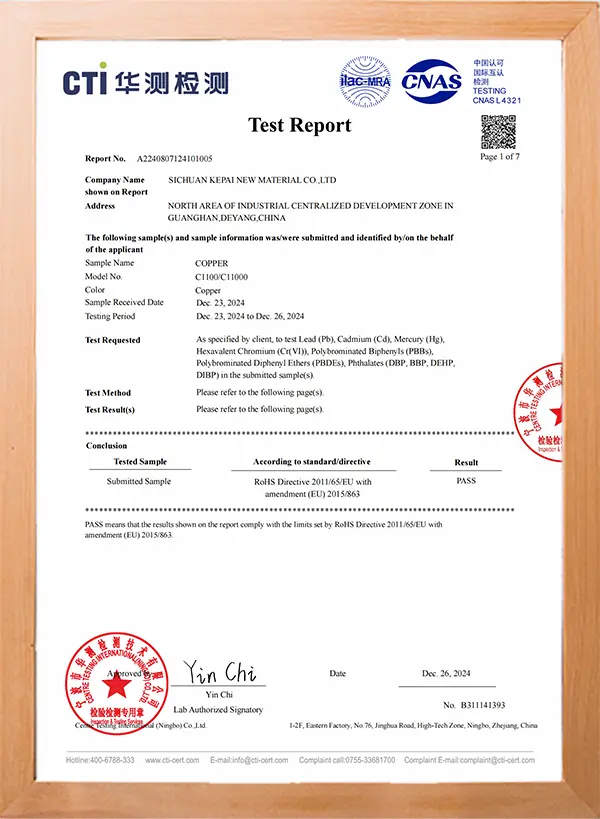
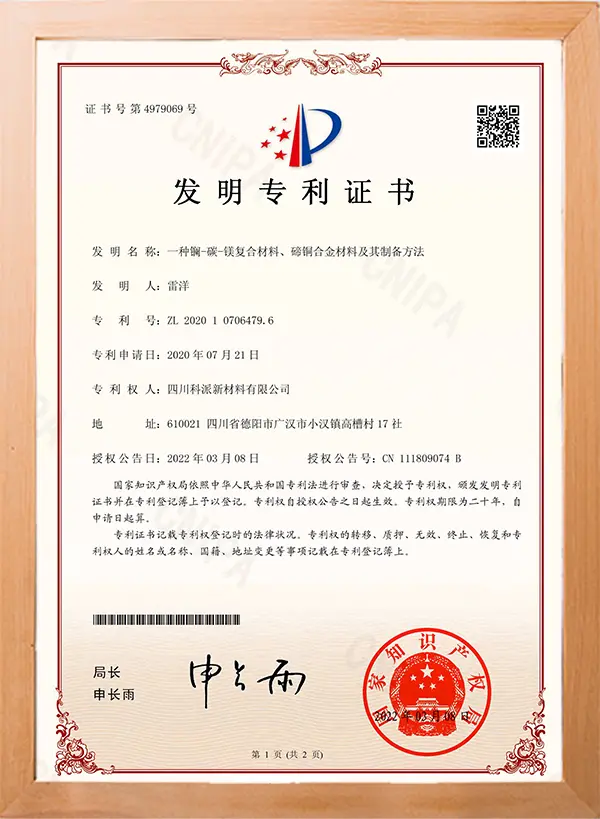
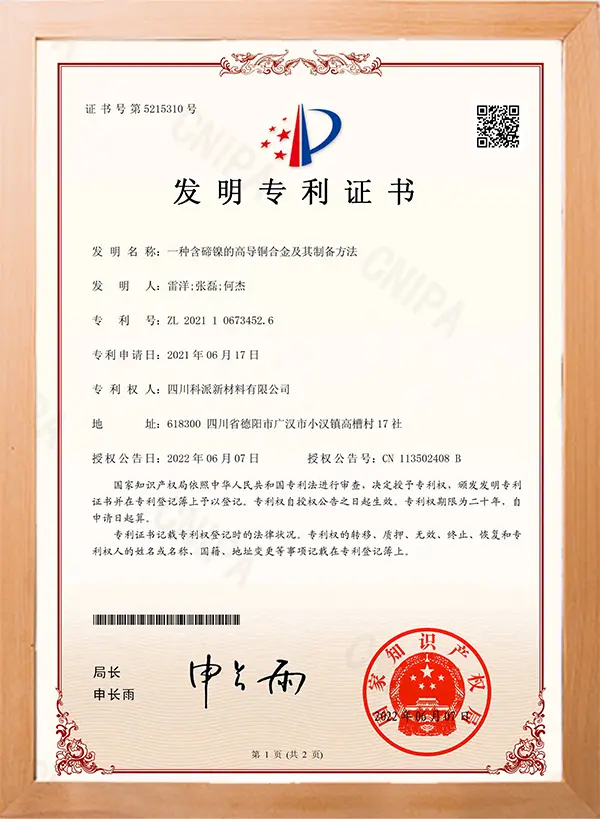
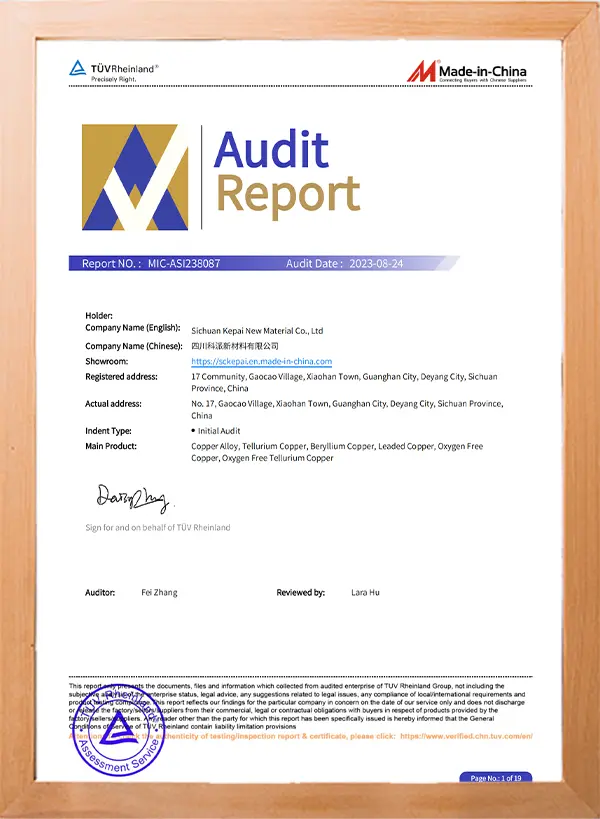
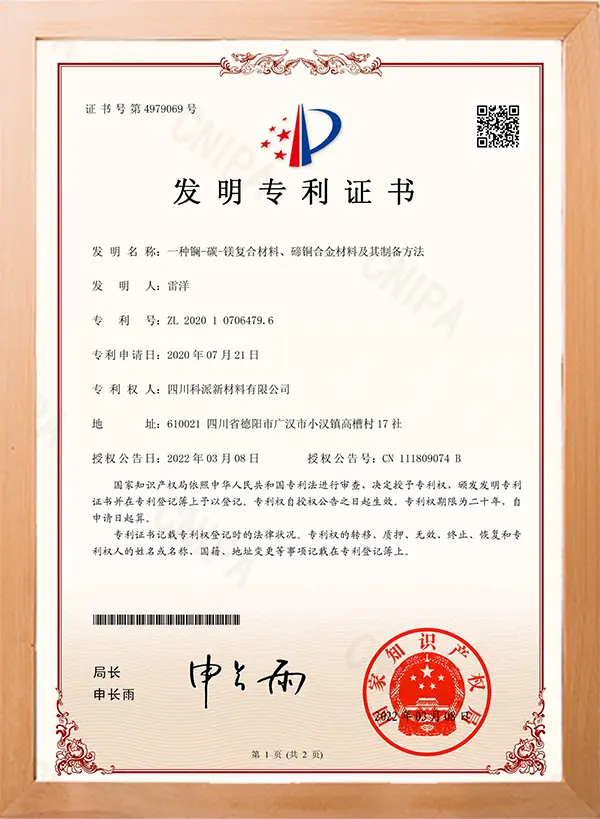
All Sichuan Kepai materials are verified through standardized testing protocols, fully meeting EU and global performance requirements.
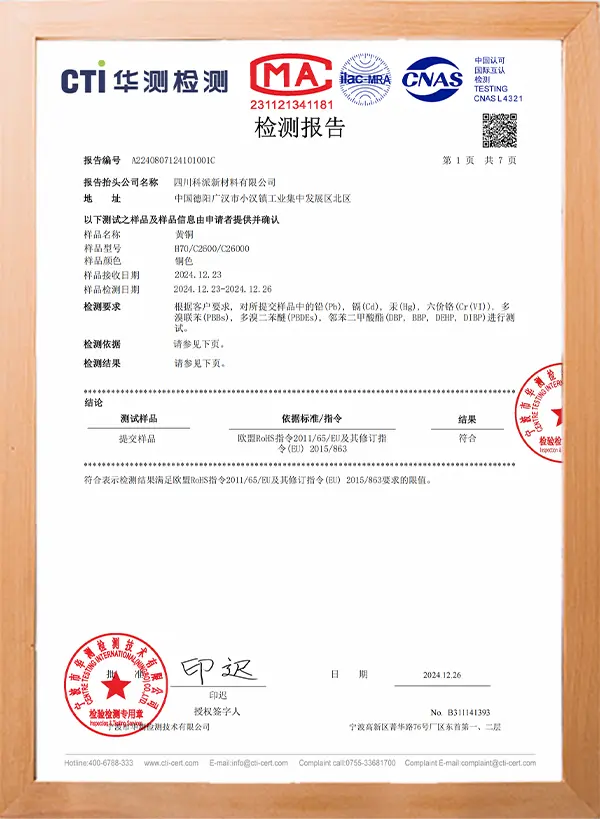
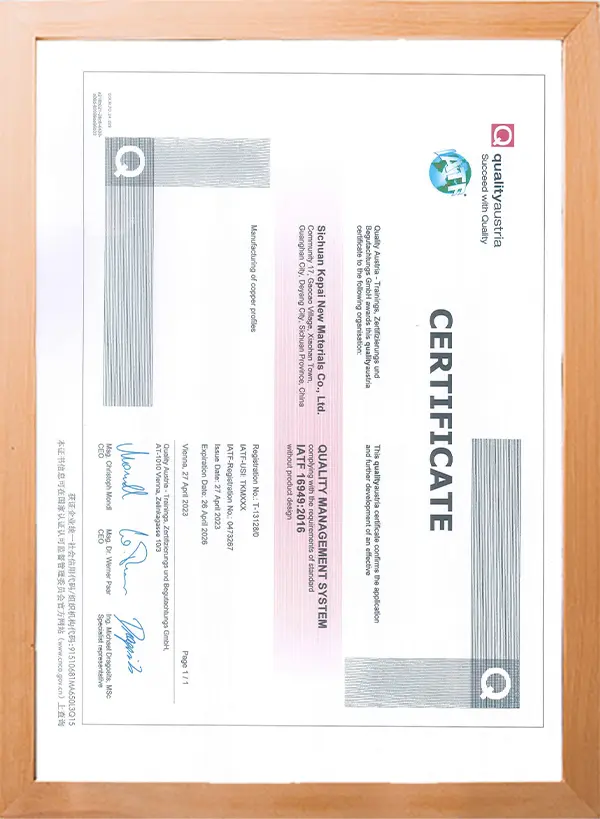
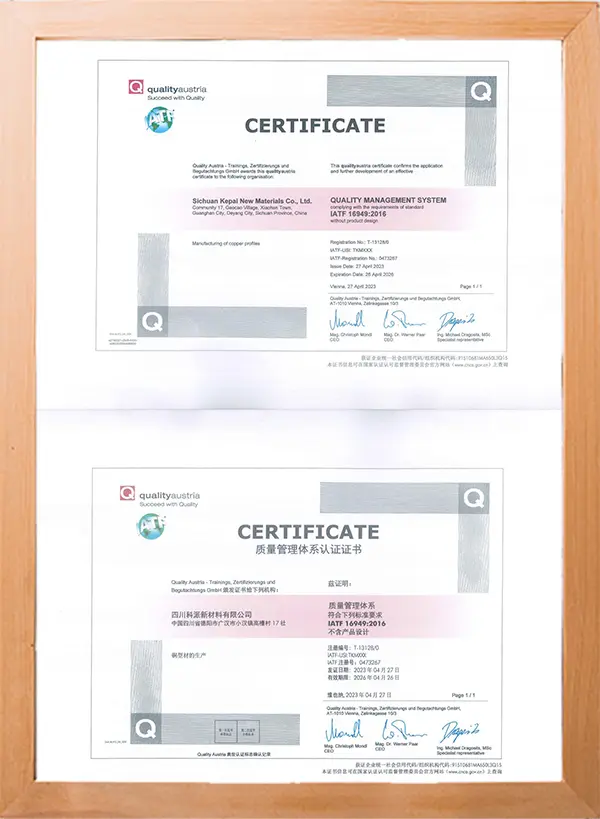
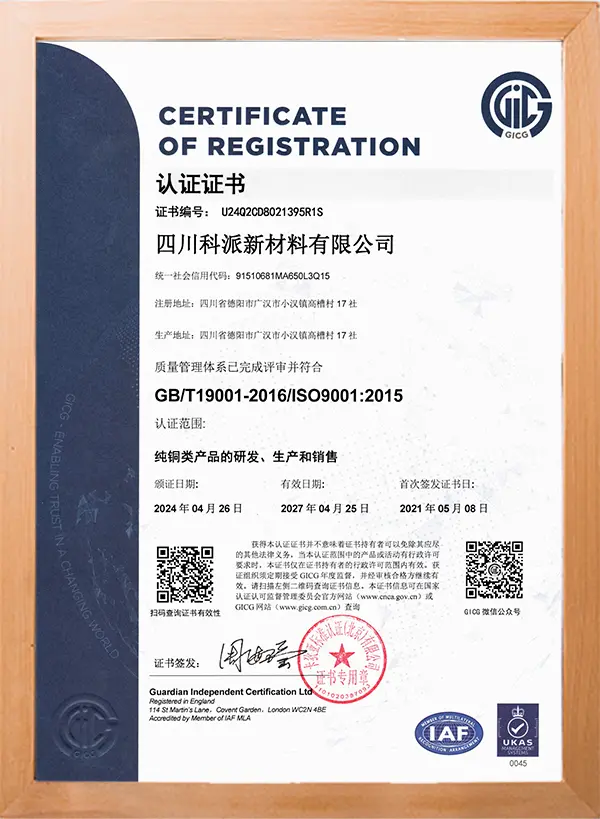
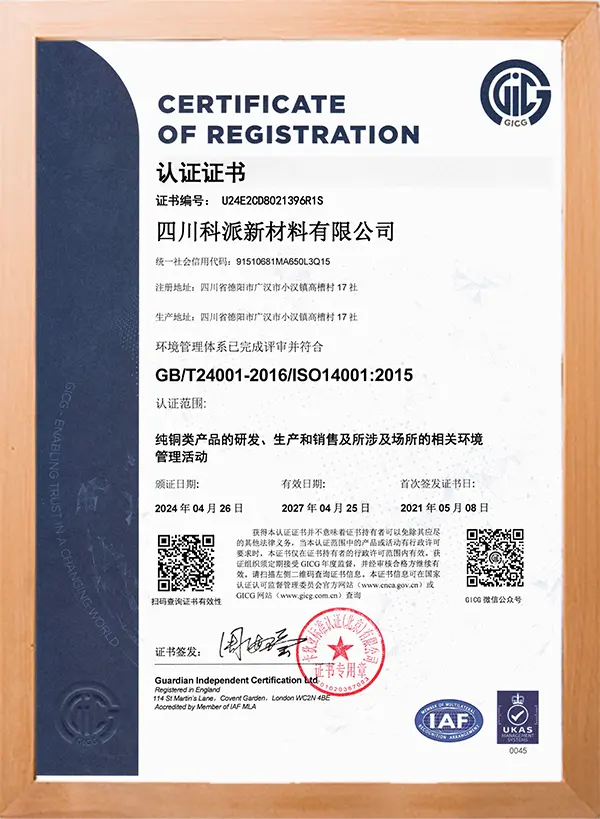
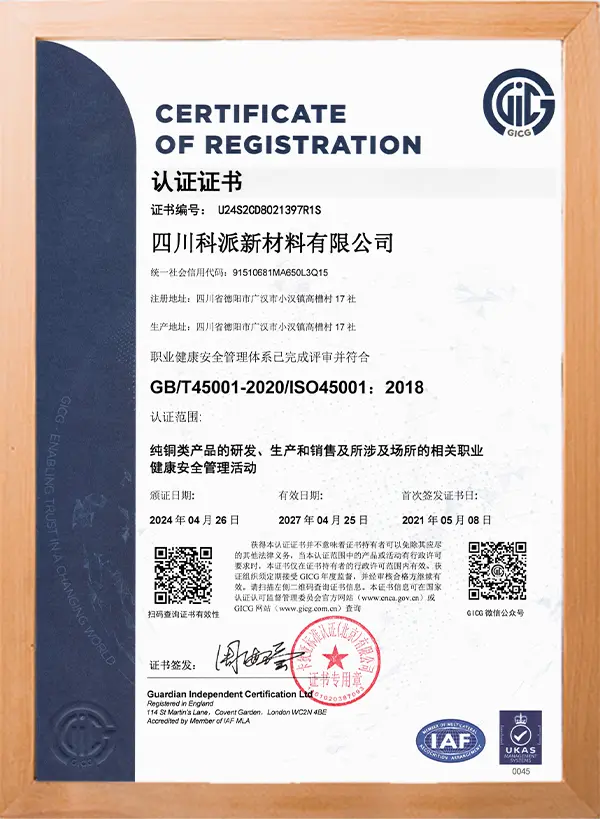
How environmental regulations and new alloy processing technologies are shaping our next-generation product portfolio.
The global materials market is undergoing a structural transition driven by the European Union's Restriction of Hazardous Substances (RoHS) directive and similar global lead-free movements. While leaded alloys like C54400 remain irreplaceable in critical high-reliability components due to exemptions or specific operational allowances, industry-university research at Sichuan Kepai is paving the way for next-generation options.
Sichuan Kepai's engineering lab is actively testing bismuth and silicon-doped copper alloys. Bismuth acts in a similar manner to lead by forming microscopic lubricating domains, achieving up to 75% machinability without violating strict drinking water or consumer electronics legislation.
By implementing electromagnetic stirring during continuous casting, we break down casting dendrites and refine grain sizes to the sub-micron scale. This results in uniform mechanical qualities, ensuring that our C54400 rods show no fracture tendencies during high-frequency stamping processes.
Answering high-intent metallurgical queries based on engineering requirements and global industrial standards.
Select from our extended inventory of tellurium copper, brass, beryllium copper, and specialty alloys.
 Kepai
Kepai