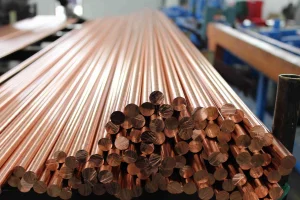
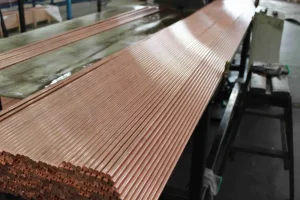
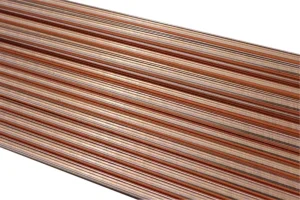
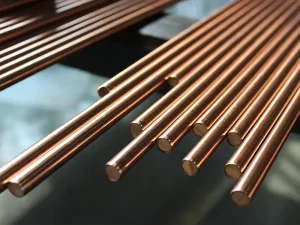
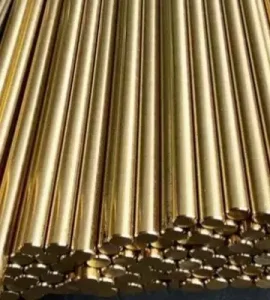
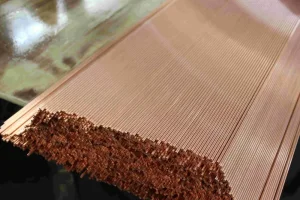
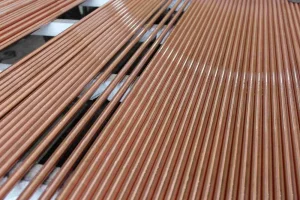
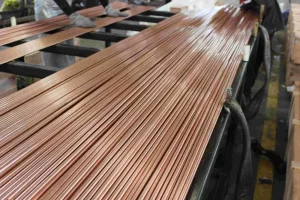
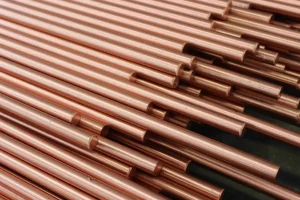
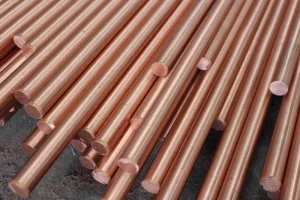
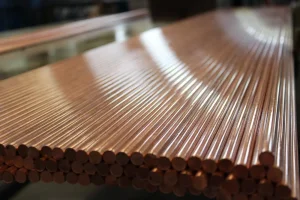
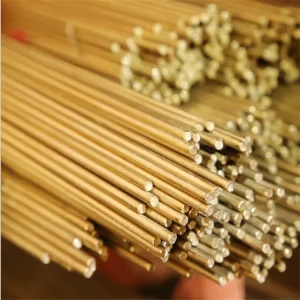
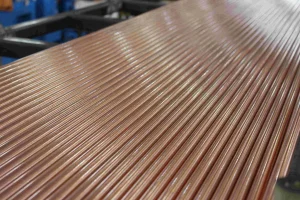
Explore our highly-acclaimed custom solutions utilized in automotive resistance welding, continuous casting, and semiconductor assemblies.
C18150 Chromium Zirconium Copper (UNS C18150, CuCr1Zr) is an exceptional, highly-engineered copper-based alloy featuring minor additions of chromium and zirconium. The deliberate integration of these alloying elements enables a remarkable response to precipitation hardening treatments, bridging the gap between mechanical strength and high electrical-thermal conductivity. In engineering applications where pure copper fails due to softening at elevated temperatures, C18150 provides critical structural integrity up to operating boundaries approaching 500°C.
From a microstructural perspective, the strength of C18150 is derived from a two-stage process: solid solution treatment followed by age hardening. During this thermal process, fine chromium-rich and zirconium-rich intermetallic phases precipitate uniformly throughout the face-centered cubic (FCC) copper matrix. These precipitates act as powerful barriers to dislocation motion (known as dislocation pinning), which significantly enhances the material's yield strength and creep resistance without creating substantial disruption to the electron pathway. Consequently, C18150 retains roughly 80% to 85% IACS (International Annealed Copper Standard) electrical conductivity.
| Property Category | Physical / Mechanical Parameter | Typical Value (Metric) | Typical Value (Imperial) |
|---|---|---|---|
| Chemical Composition | Chromium (Cr) / Zirconium (Zr) / Copper (Cu) | Cr: 0.5–1.5% | Zr: 0.05–0.25% | Balance Copper (Min. 98.0%) |
| Density | Mass per unit volume | 8.89 g/cm³ | 0.321 lb/in³ |
| Electrical Conductivity | % IACS (at 20°C / 68°F) | 80% – 85% IACS | 80% – 85% IACS |
| Thermal Conductivity | Rate of heat transfer (at 20°C) | 320–340 W/m·K | 185–197 Btu/ft·h·°F |
| Tensile Strength | Ultimate yield resistance (dependent on temper) | 450 – 590 MPa | 65 – 85 ksi |
| Yield Strength | 0.2% Offset Yield limit | 380 – 540 MPa | 55 – 78 ksi |
| Hardness | Rockwell B (HRB) / Brinell (HB) | 75 – 86 HRB / 135 – 165 HB | 75 – 86 HRB |
| Softening Temperature | Threshold where recrystallization begins | 500°C | 932°F |
The global demand for C18150 has experienced exponential growth over the past decade, driven primarily by the transition toward high-power electrical systems, electric mobility, and precision aerospace hardware. In the automotive manufacturing space, C18150 serves as the primary industry standard for resistance welding electrodes (RWMA Class 2). With the automotive sector utilizing automated robotic welding lines that perform thousands of spots per hour, electrode tips are subjected to immense mechanical pressures and continuous thermal spikes. Under these conditions, standard copper would deform rapidly (commonly referred to as "mushrooming"), causing poor weld quality and expensive production line stoppages. C18150 prevents this deformation due to its superior high-temperature hardness.
Moreover, the shift toward Renewable Energy and Electric Vehicles (EVs) has introduced complex charging infrastructures and battery management designs. EV charging connectors, battery busbars, and distribution blocks necessitate materials that can carry massive currents without overheating. C18150 offers the ideal balance of high conductivity to reduce resistive losses ($I^2R$ heating) and strong mechanical attributes to withstand physical wear over thousands of connection cycles.
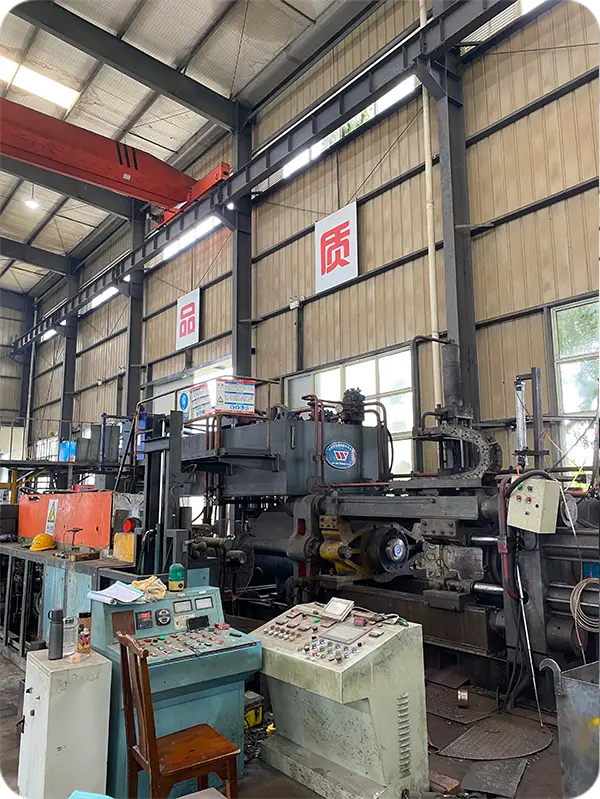
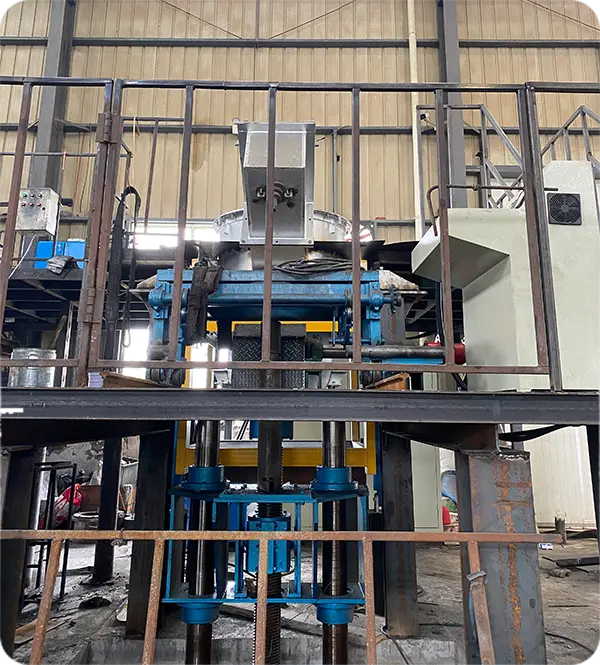
Sichuan Kepai New Material Co., Ltd. represents the cutting-edge of Chinese precision manufacturing. Operating from a state-of-the-art facility spanning 9,000 square meters in the western area of the Sichuan Guanghan Industrial Development Zone, we utilize localized vertical integration to optimize both cost structures and material consistency. By controlling the entire manufacturing chain—from vacuum induction smelting and continuous casting to extrusion, cold drawing, and heat treatment—we eliminate the common quality deviations associated with fragmented sourcing.
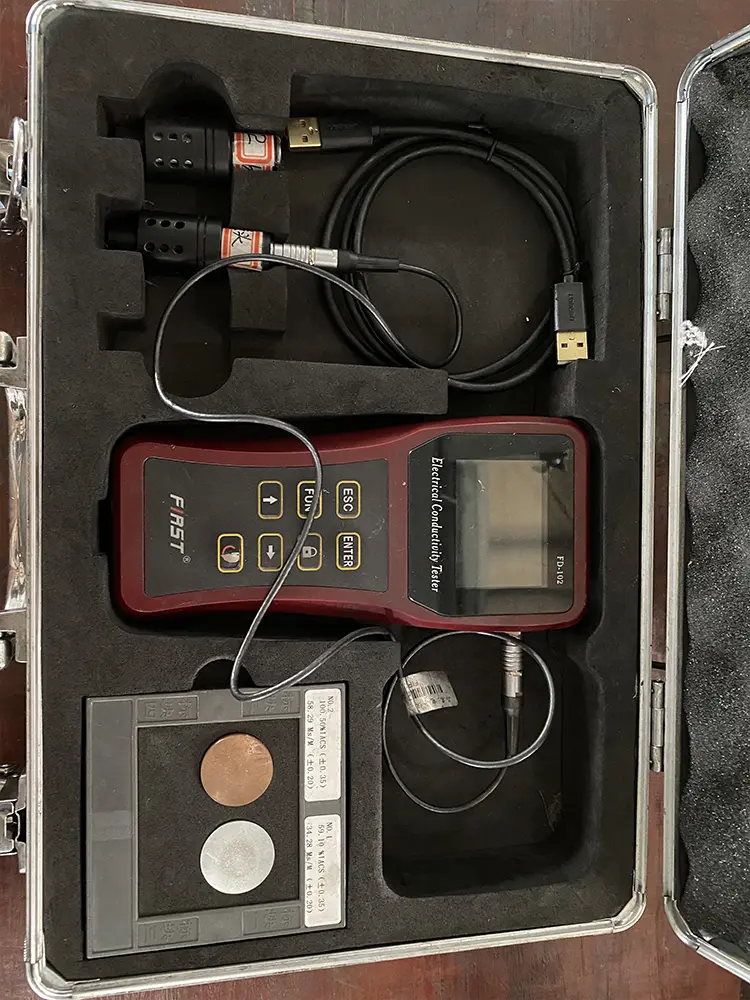
Chinese manufacturing efficiency is not merely defined by scale, but by the application of smart process controls. Our production lines implement real-time eddy current testing, laser sizing, and computer-controlled heat treatment furnaces. This ensures that the precipitation age-hardening of the chromium and zirconium phases is perfectly uniform across the entire batch length. Furthermore, our proximity to key industrial supply chains and direct transport access to Major National Highway 108 reduces logistic overheads, allowing us to pass significant cost savings directly to global procurement managers without compromising on strict ASTM, EN, or RWMA quality specifications.
In automotive manufacturing, spot-welding steel sheets coated with zinc (galvanized steel) is a demanding process. The zinc coating reacts with copper at elevated temperatures, leading to chemical alloying and rapid degradation of the electrode face. C18150, because of its chemical resistance to zinc alloy formation and high softening point, outperforms standard copper-chromium (C18200) electrodes. Extensive testing demonstrates that C18150 electrodes exhibit up to 3.5 times the operational life compared to pure copper variants under identical welding conditions.
In steel mills, continuous casting molds are subject to severe thermal cycles and mechanical wear from solidifying metals. The mold plate must absorb heat rapidly from molten steel (requiring maximum thermal conductivity) while maintaining flat surfaces under frictional load. C18150 is the premier choice for casting mold plates, especially in high-stress zones, preventing thermal cracking and extending the time between rebuilds.
Within the electrical architectures of EV drivetrains, high-voltage contactors must connect and disconnect under massive electrical loads. Arcing during connection cycles generates extreme heat. Contact materials must resist welding together while remaining highly conductive. C18150 serves as the core substrate for these heavy-duty relays, offering the mechanical strength needed to resist deformation during contact impact, and preventing contact failure.
Procuring metallurgical alloys globally requires a deep understanding of quality assurance standards. When purchasing C18150, international buyers should prioritize:
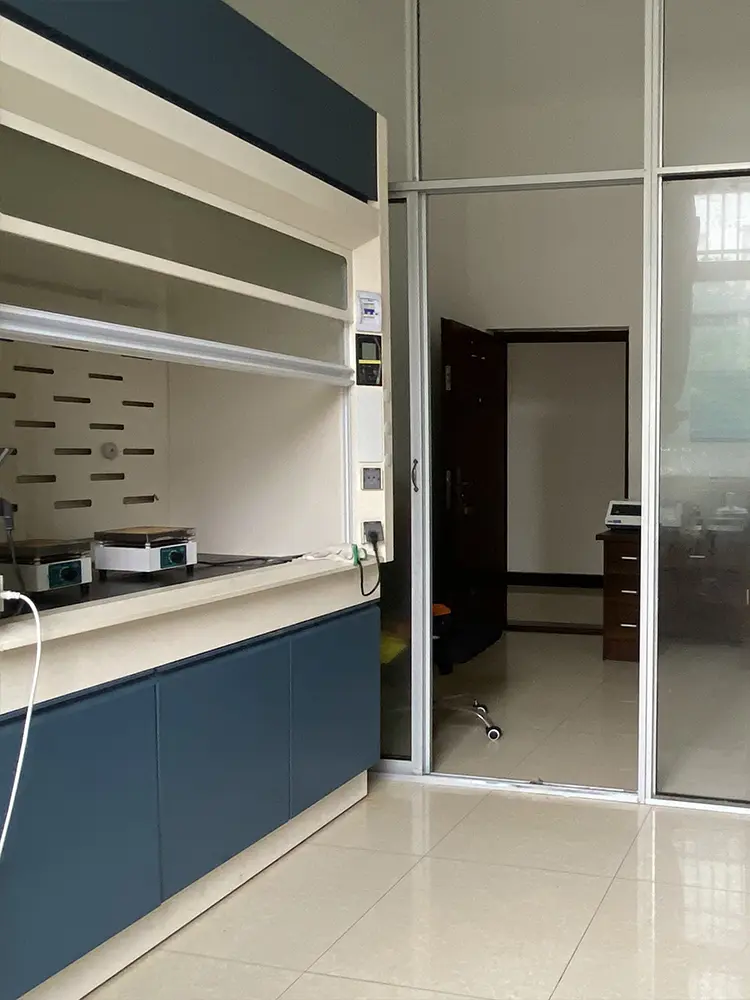
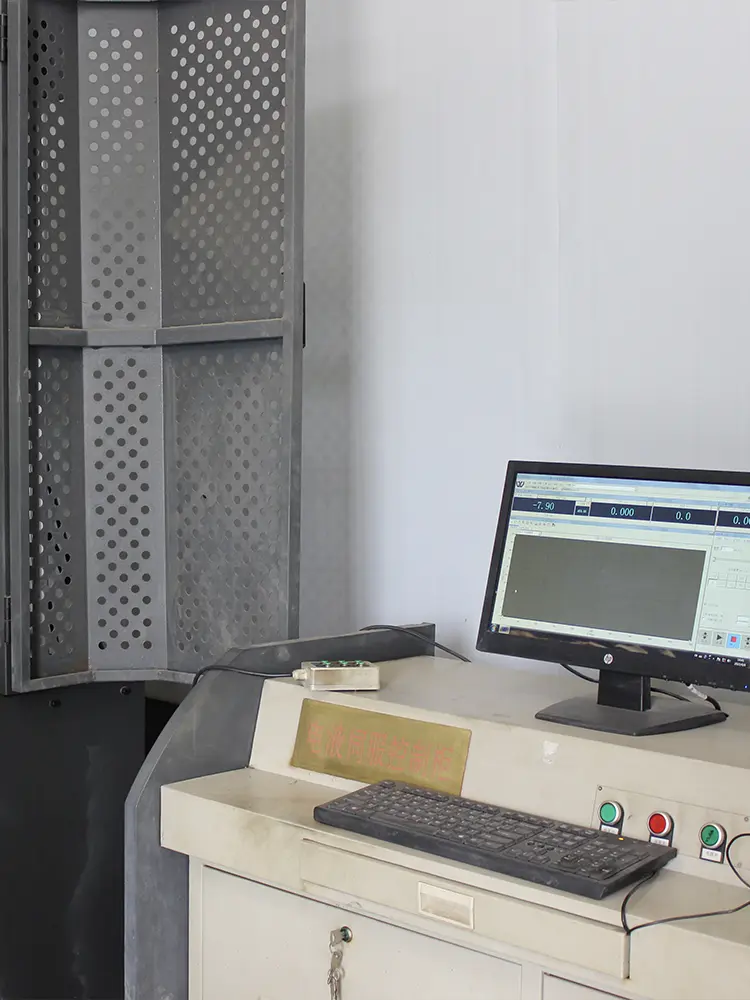
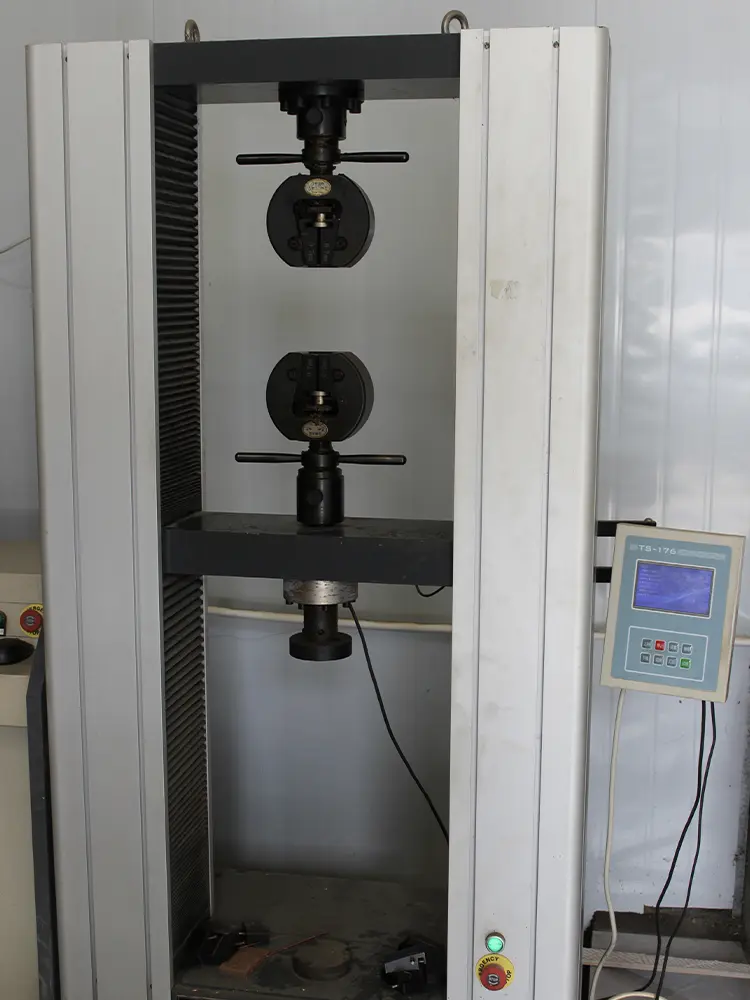
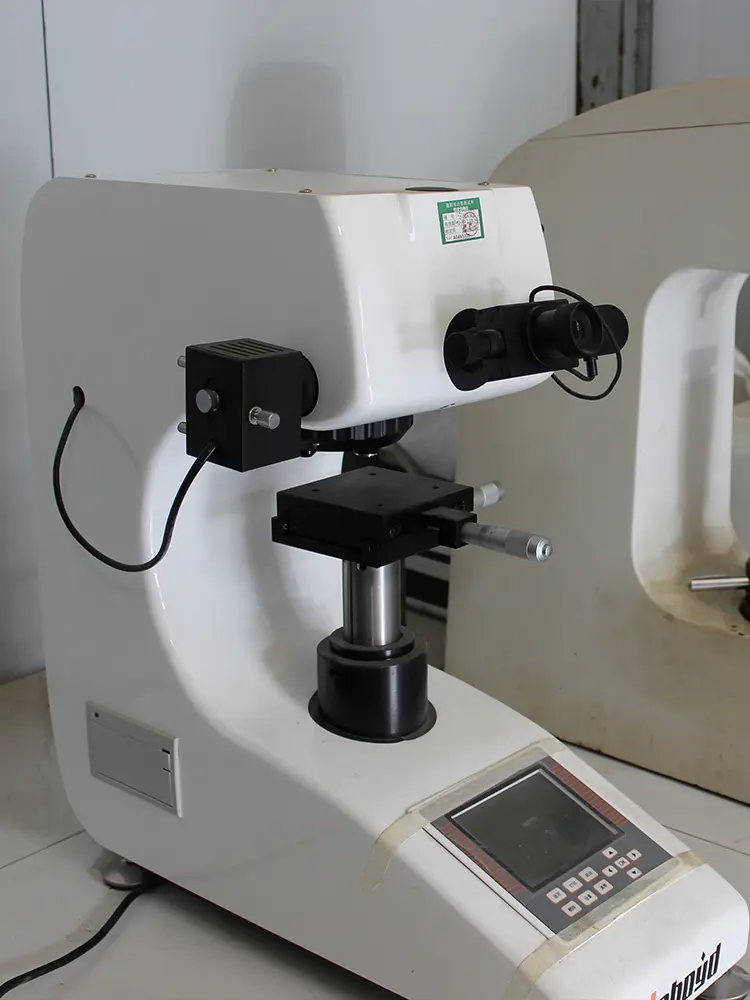
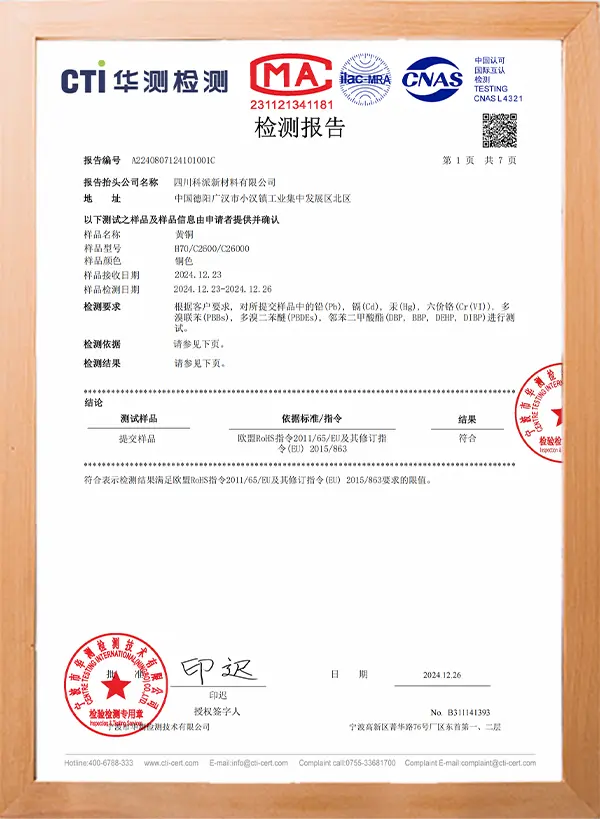
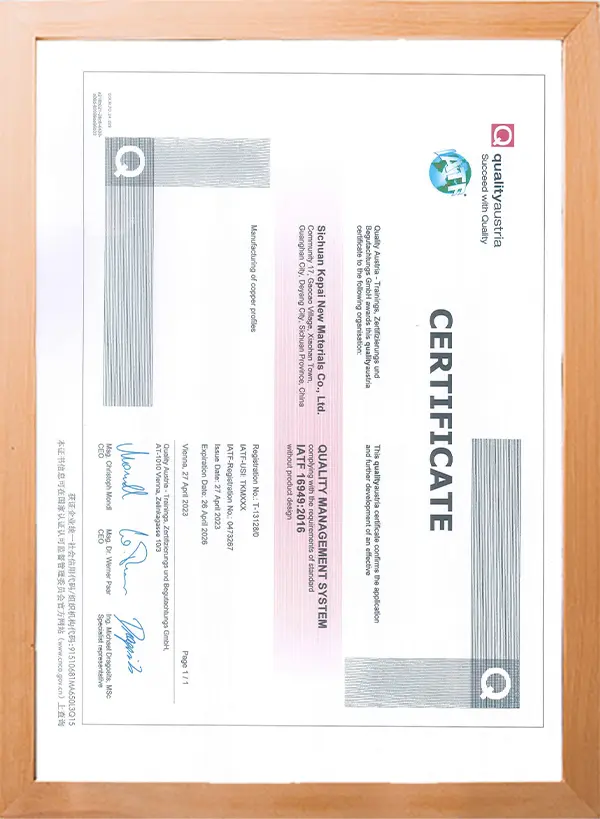
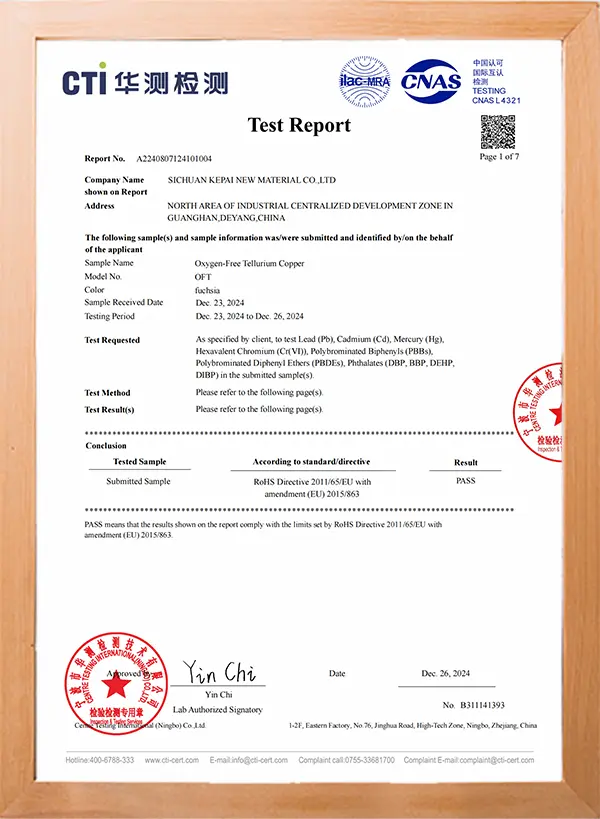
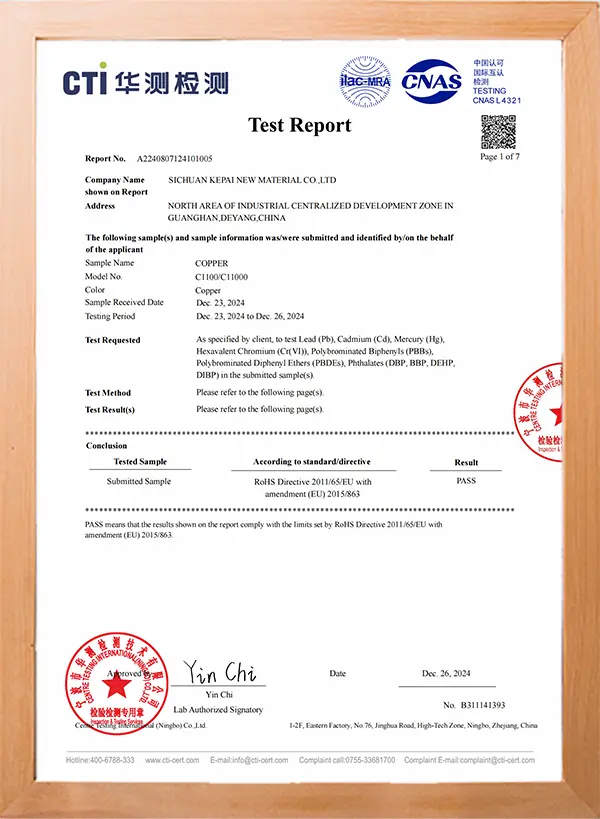
Sichuan Kepai satisfies all these verification points by providing comprehensive test certificates from our specialized chemical and physical testing rooms, utilizing state-of-the-art universal testing machines and metallographic inspection equipment to confirm phase structure before delivery.
As industrial technology advances, two major trends are shaping the future of copper alloys: **Environmental Compliance** and **Extreme Miniaturization**. Historically, beryllium-copper alloys (such as C17200) were favored for applications requiring extreme strength. However, the toxicity associated with beryllium oxide dust during machining has led to strict workplace regulations globally. Consequently, advanced alloys like C18150 and tellurium copper (C14500) are increasingly replacing beryllium-copper where possible, offering safer manufacturing profiles without sacrificing required physical properties.
Additionally, the rapid expansion of 5G infrastructure and high-frequency communication modules demands components with tight dimensional tolerances and exceptional thermal dissipation. As power densities increase, designers are relying on the superior performance of C18150 to keep operational temperatures within safe limits, paving the way for next-generation telecommunication hardware.
A High-Tech Enterprise Pioneer integrating research and development, production, and sales since 2017.
Established in 2017, Sichuan Kepai New Materials Co., Ltd. is dedicated to the research, development, and production of strategic new materials, including special copper alloys such as tellurium copper, high-conductivity oxygen-free copper, silver copper, and dispersion copper. Our industrial facility covers approximately 9,000 square meters, with an office space of about 1,000 square meters. Our products play a key role in the development of new energy vehicles, 5G technology, laser cutting, and lithium battery relays, delivering premium conductivity, processability, and durability.
Explore the four core pillars that drive Sichuan Kepai's leadership in the specialty copper alloy industry.
Technological innovation is our core competitiveness. Our research team comprises industry specialists who track international technological shifts. Through deep collaboration with universities, we have achieved international breakthroughs in high-performance tellurium, lead, and sulfur coppers.
Our diverse portfolio ranges from raw elements to customized designs. We provide high-performance oxygen-free copper, nickel tellurium copper, tin bronze, beryllium copper, sulfur copper, and chromium zirconium copper, enabling cost reductions and efficiency increases for our clients.
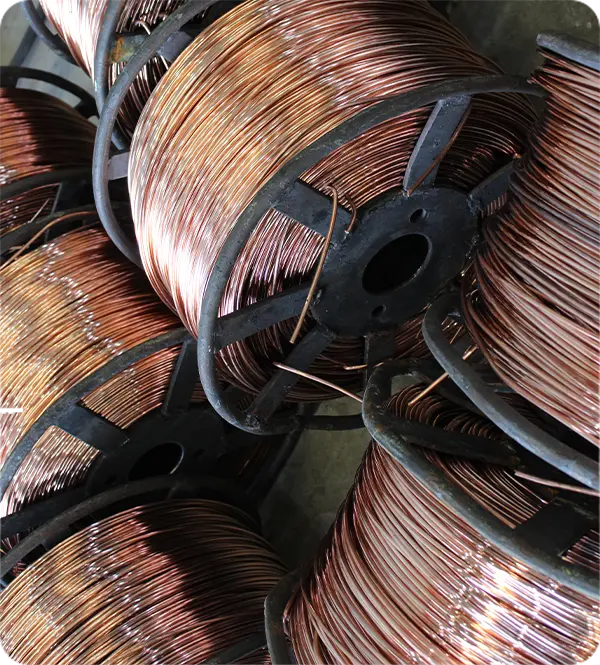
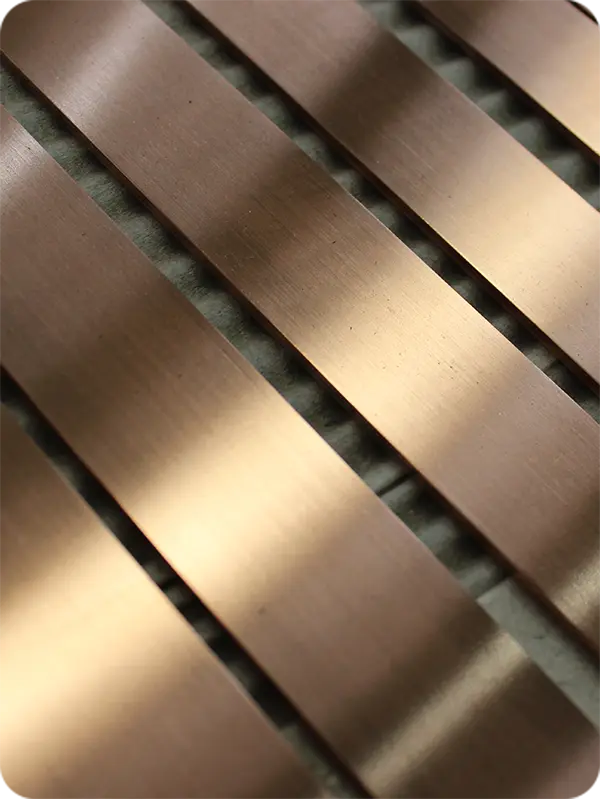
Operating on a strategy of "Rooted in Sichuan, radiating nationwide, and moving towards the world," we have built solid partnerships with domestic manufacturers and international brands, continuously extending Kepai's global logistics reach.

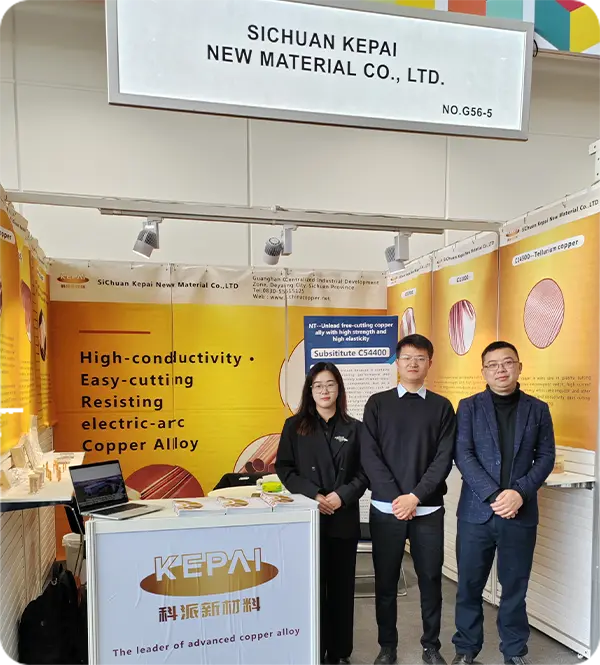
Adhering to "integrity, innovation, collaboration, and win-win", we encourage employees to explore boldly, creating a harmonious workplace. By creating continuous value, we aim to secure trust from customers and respect from society.
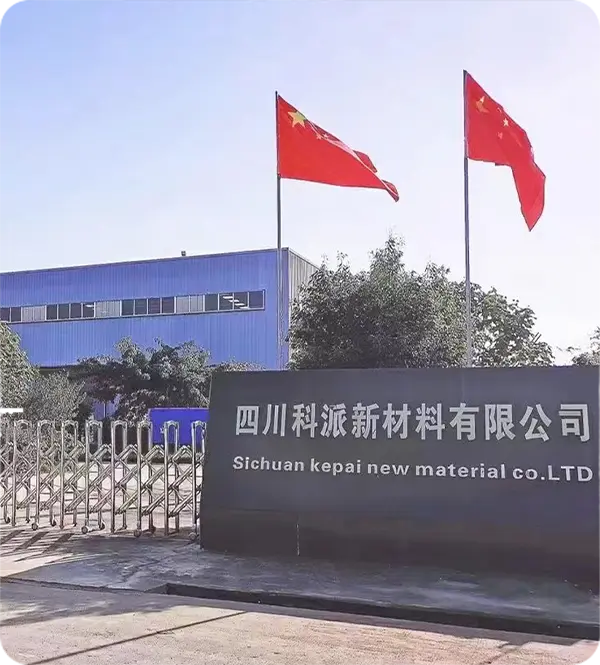
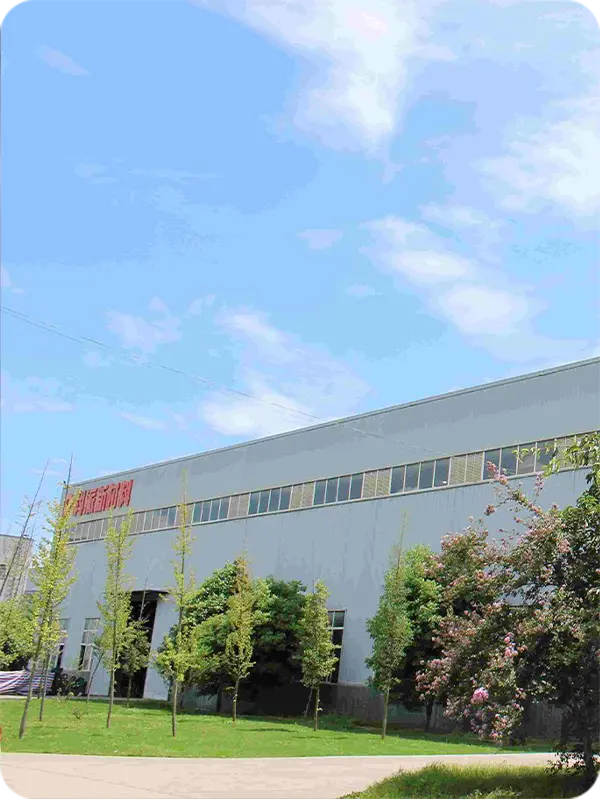
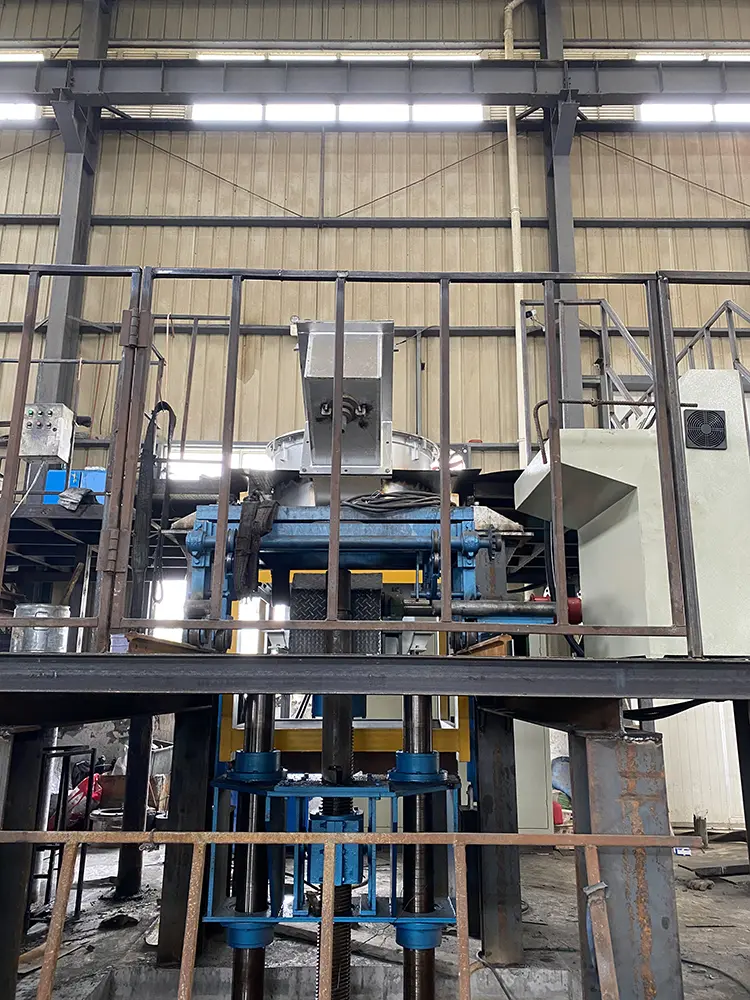
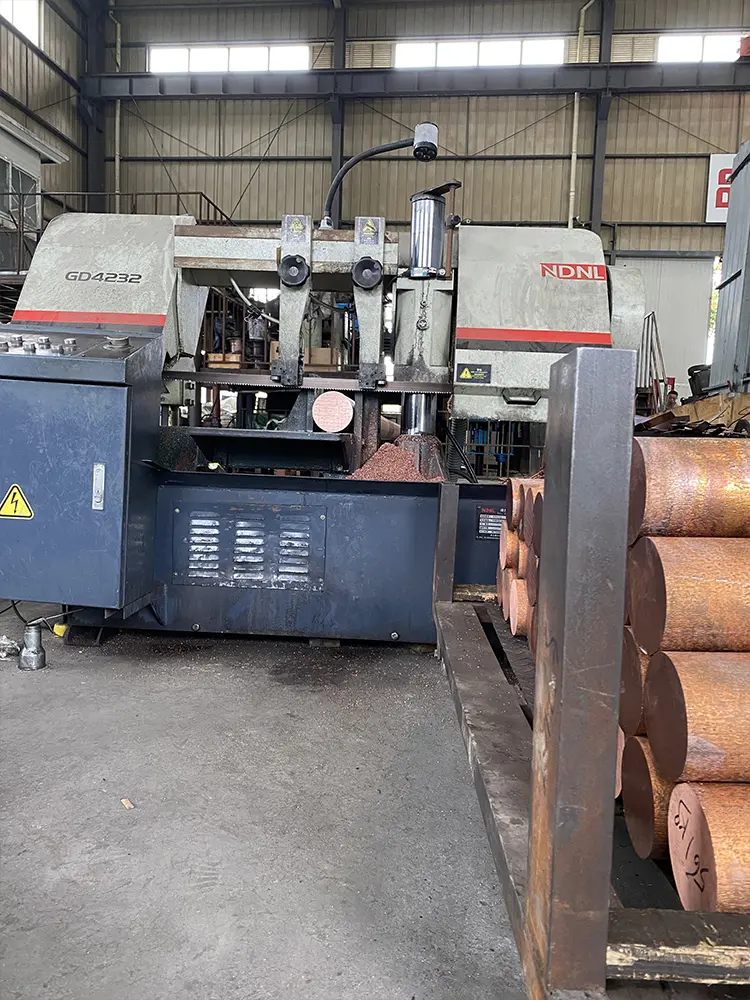
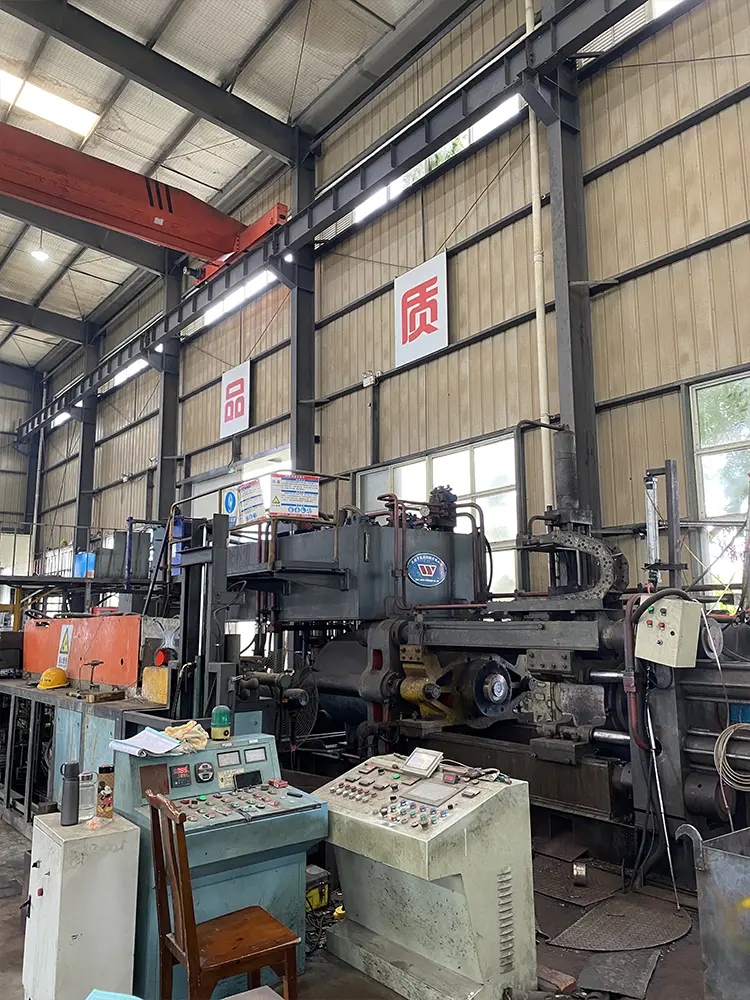
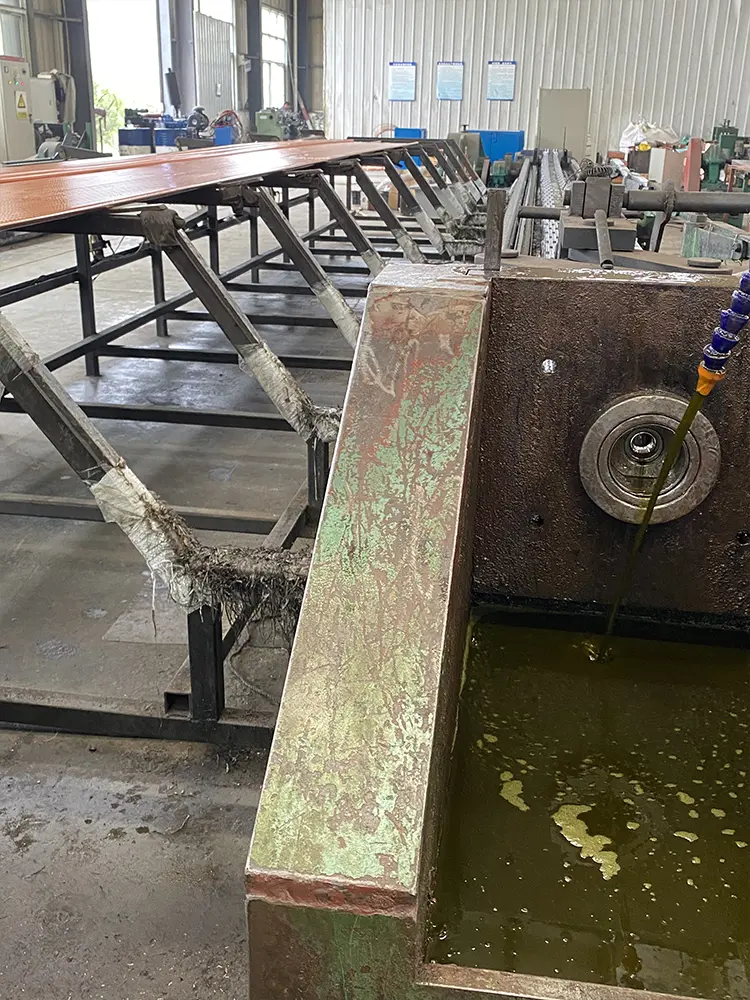
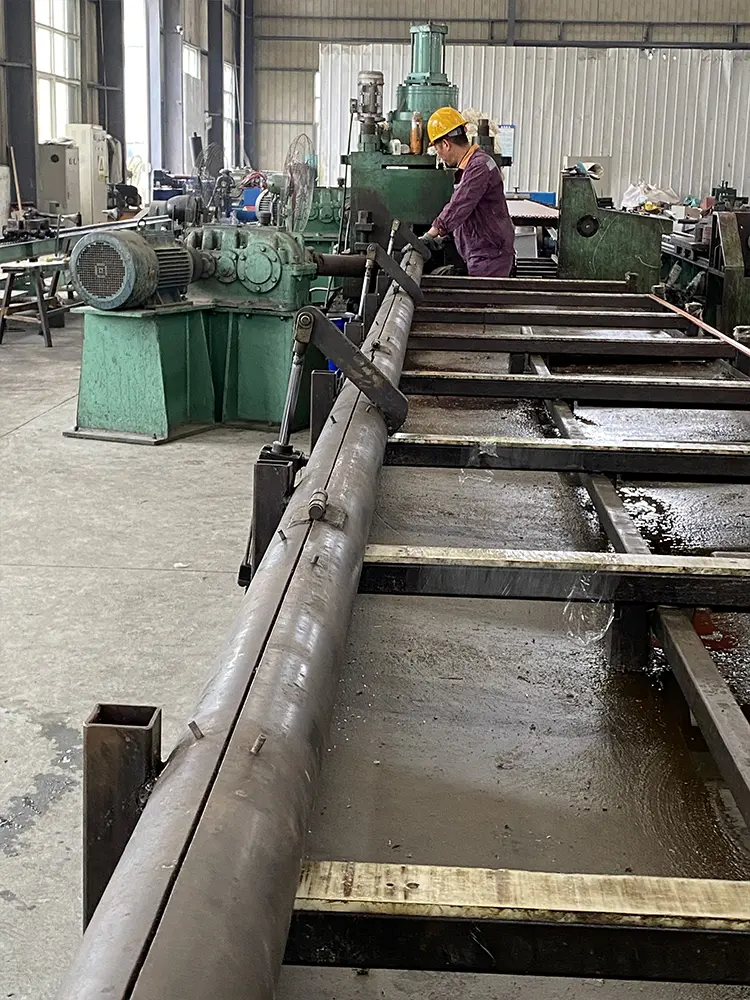
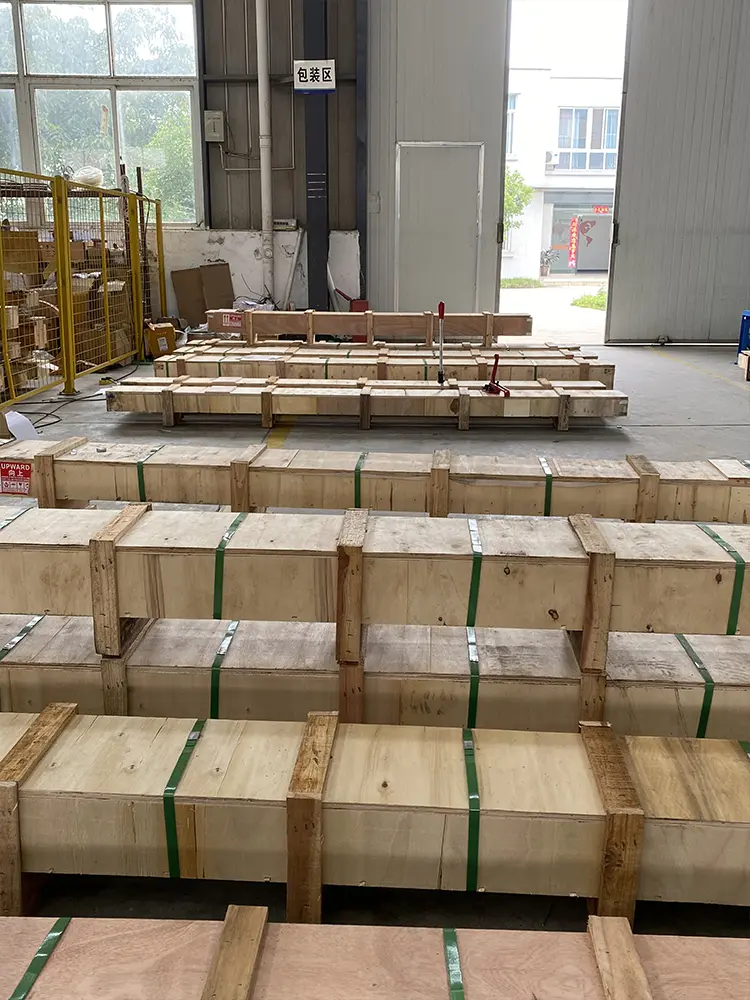
Equipped with industry-leading machinery to guarantee precise grain structure, uniform tempers, and flawless quality controls.

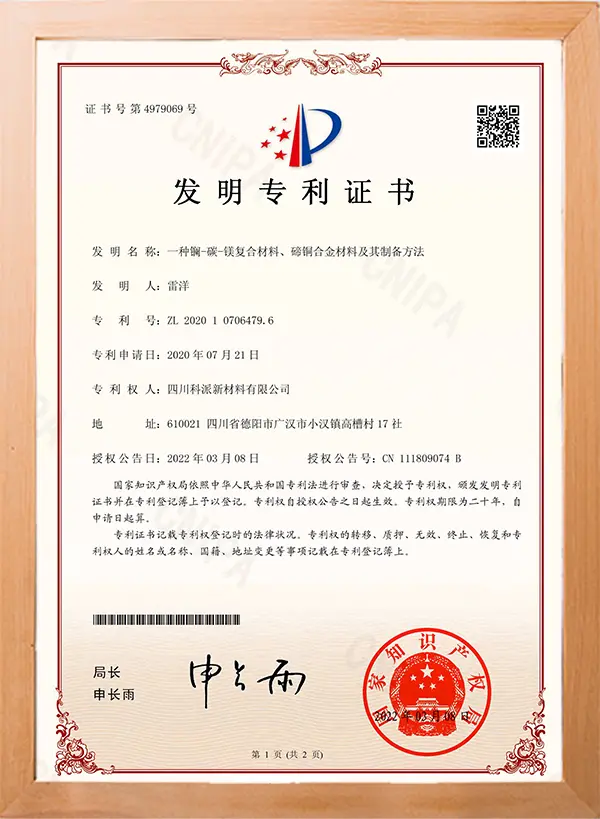
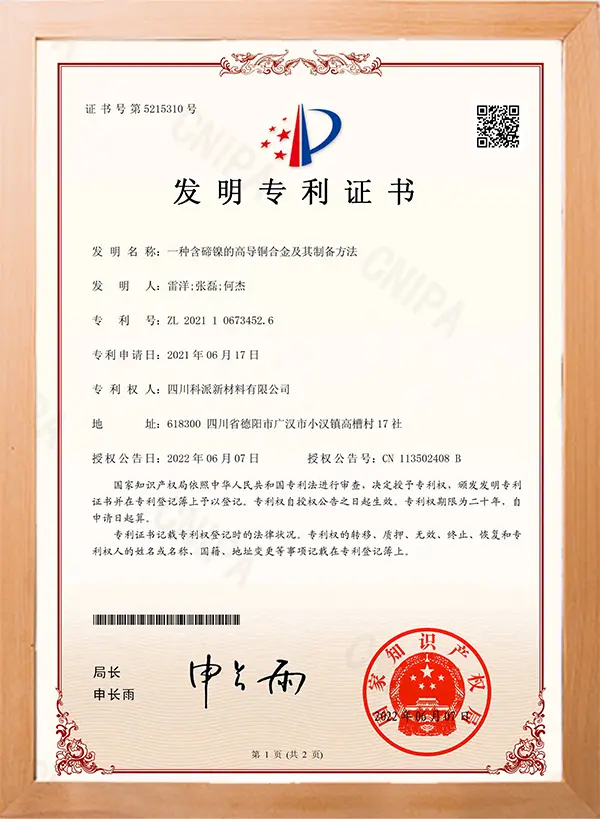
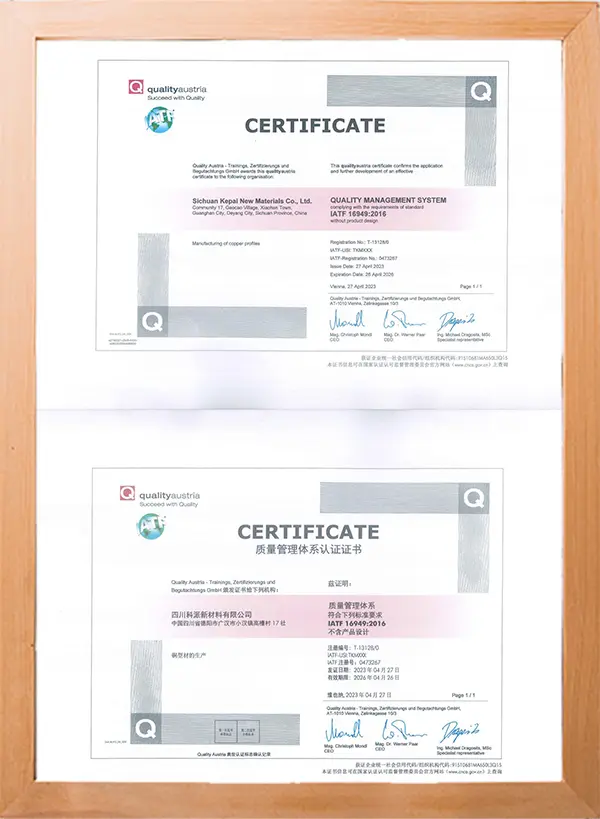
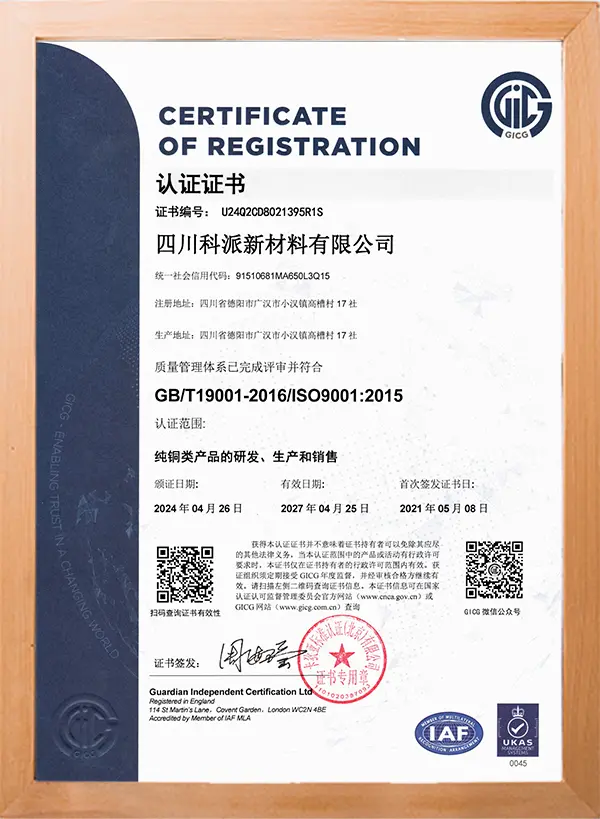
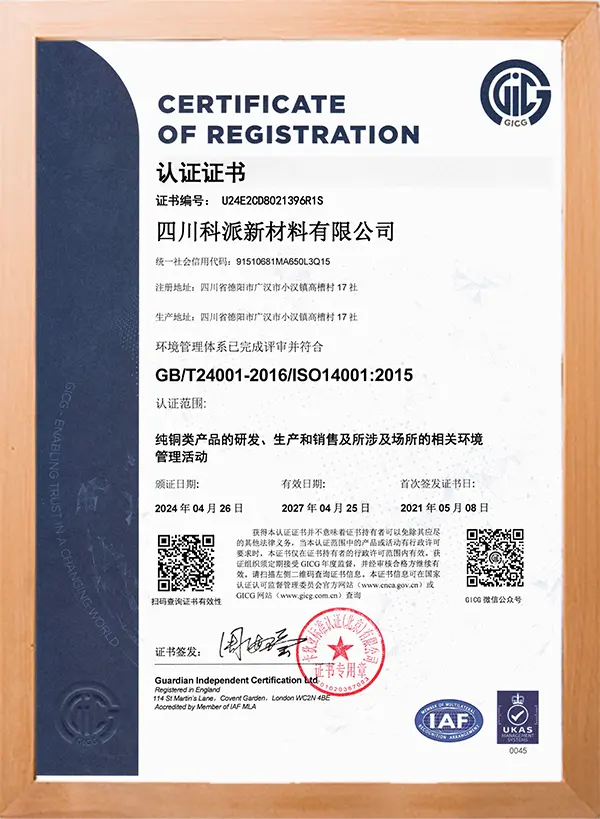
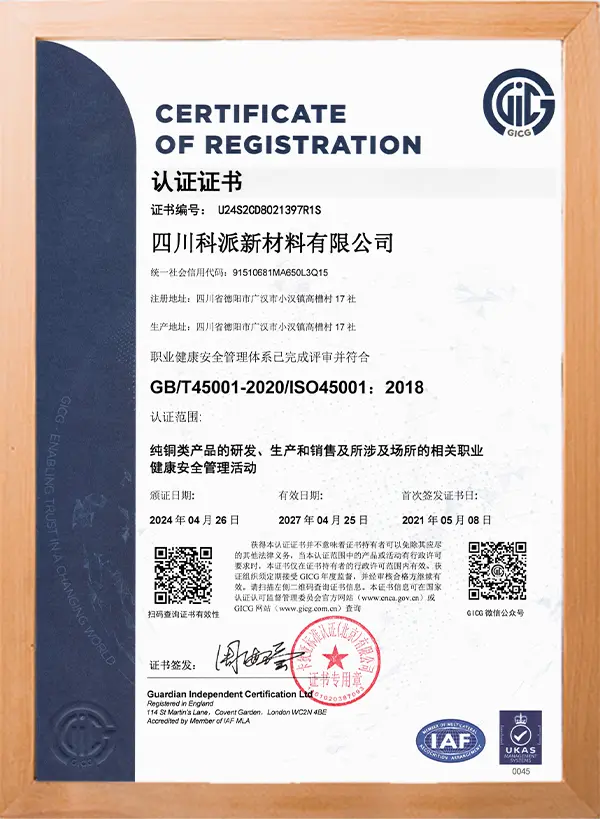
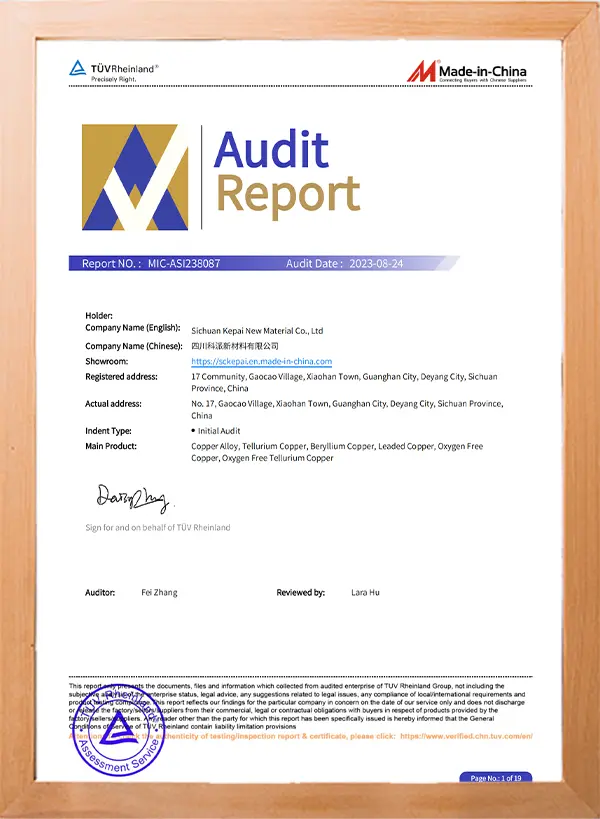
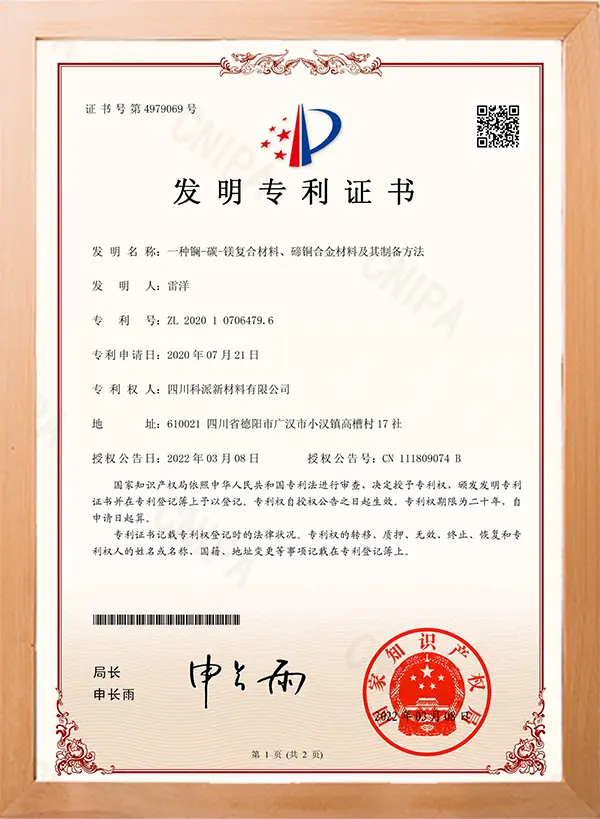
Our commitment to quality, environmental safety, and operational excellence is backed by international certifications.
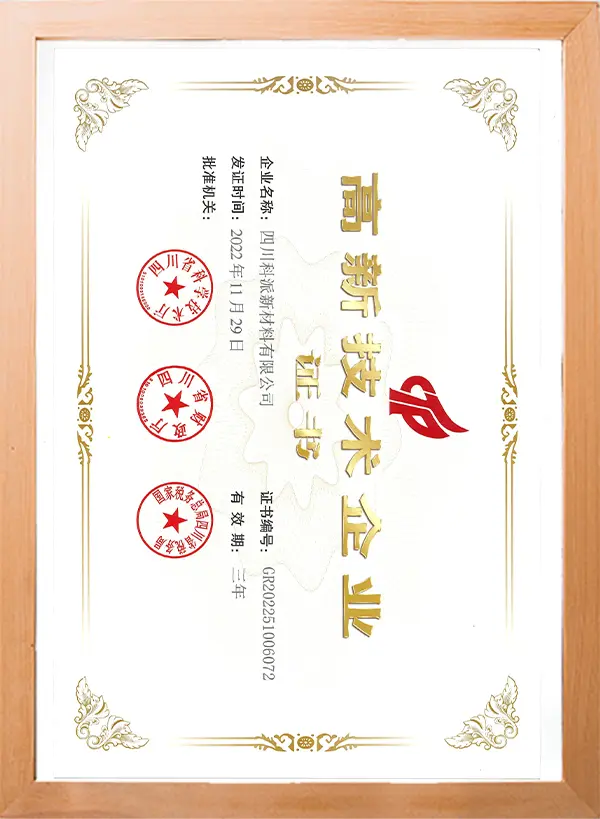
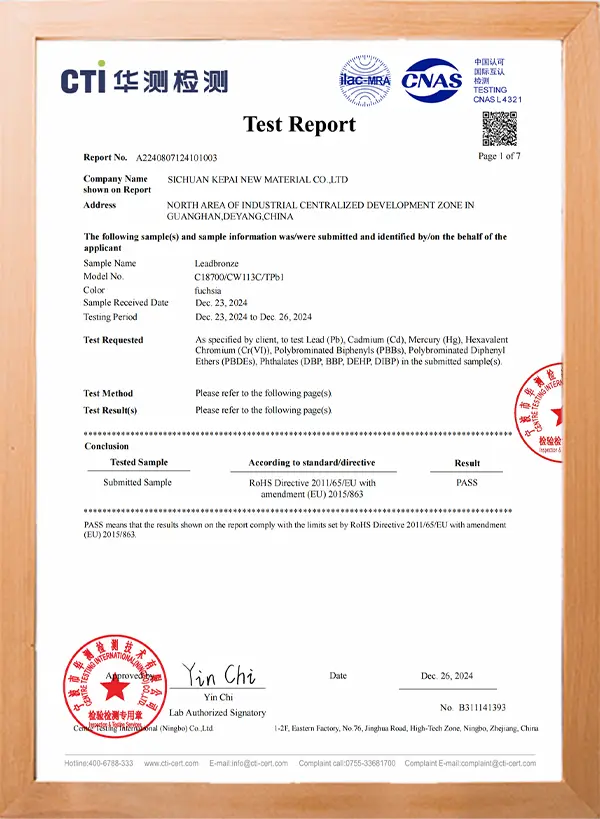
In-depth responses to technical, regulatory, and mechanical questions surrounding C18150 applications.
Looking ahead, Sichuan Kepai New Materials Co., Ltd. will continue to uphold its original intention, with even greater enthusiasm and determination, to engage in research and application in the field of new materials, contributing to the development of the new copper alloy materials industry in China and globally. We look forward to working hand in hand with friends from all walks of life to create a brilliant future together!
Discover our specialized range of high-performance conductive materials and custom structural alloys.
 Kepai
Kepai